City hero image

Yichang

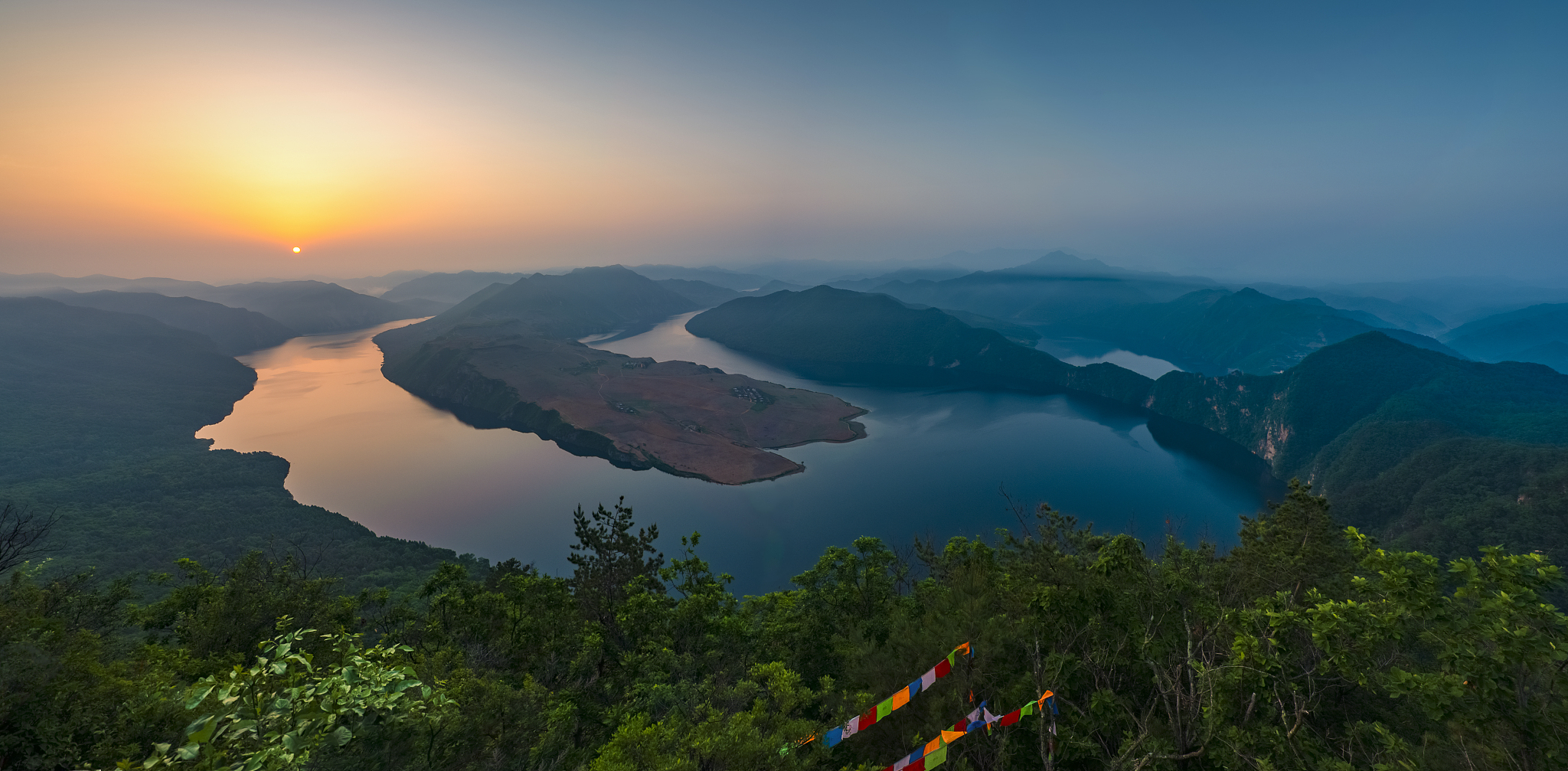
Gateway to the Three Gorges and home to the world's largest hydroelectric dam, Yichang is where the Yangtze River meets engineering marvels and natural beauty.

About

Yichang is the city that controls the Yangtze River. Located at the mouth of the Xiling Gorge, where the river exits the Three Gorges and enters the flat plains of Hubei, Yichang has been a strategic gateway for millennia. Today, that strategic importance is embodied by the Three Gorges Dam, the largest hydroelectric project ever built, which generates more electricity than any other power station on Earth.

The city sits in the western part of Hubei Province, bordering the Shennongjia forest region to the north and the Wuling Mountains to the south. Its population of 3.9 million is spread over a large administrative area that includes Zigui County home of Qu Yuan, the ancient poet associated with the Dragon Boat Festival, and the Tujia ethnic communities of Changyang and Wufeng. For travelers, Yichang is first and foremost the starting point for Three Gorges cruises, but the city itself offers compelling attractions from the massive dam to the serene Qingjiang Gallery.

History & Development

Yichang has been a strategic river port since ancient times. During the Three Kingdoms period (220-280 AD), the Battle of Yiling (also known as the Battle of Xiaoting) was fought near Yichang, where Lu Xun of Eastern Wu burned Liu Bei camp. The area is rich in Three Kingdoms history, with Xiling Gorge containing many historical sites.

Zigui County, administered by Yichang, is the birthplace of Qu Yuan (c. 340-278 BC), one of China greatest poets, whose death is commemorated annually during the Dragon Boat Festival. The poet Chu Ci (Verses of Chu) originated from this region. In the 20th century, Yichang remained a modest river town until the construction of the Gezhouba Dam (completed 1988) and later the Three Gorges Dam (completed 2012) transformed it into a modern industrial city. The dam projects brought massive investment, infrastructure, and population growth, fundamentally reshaping the city economy and landscape.

Economy & Industries

Yichang economy is dominated by two sectors: hydroelectric power and chemical manufacturing. The Three Gorges Dam, operated by China Yangtze Power, is the world largest power station by installed capacity at 22.5 GW. Combined with the Gezhouba Dam downstream and numerous smaller hydropower stations, the Yichang area generates more electricity than many countries. The dam is also a major tourist attraction, drawing millions of visitors annually and supporting a substantial hospitality industry.

Chemical manufacturing is Yichang second pillar. The city has abundant phosphate rock reserves, one of China largest deposits, which supports a substantial phosphate chemical industry producing fertilizers, industrial chemicals, and fine chemicals. Yidu and Zhijiang counties host major chemical industrial parks. The pharmaceutical industry has been growing rapidly, with several listed companies in traditional Chinese medicine and chemical pharmaceuticals based in the city.

Tourism forms the third leg of the economy. The Three Gorges scenic area, Qingjiang Gallery, and the growing reputation of Yichang as a cruise departure point draw over 70 million tourists annually. Yichang GDP reached ¥550 billion in 2024, with hydropower, chemicals, and tourism each contributing significant shares.
Top Attractions

🏛️ Landmark

Three Gorges Dam

The world largest hydroelectric dam at 2,335 meters long and 185 meters tall. Visitors can walk on the dam, view the ship lift, and visit the exhibition center.

★★★★ 4.8
🕐 8:00 AM - 5:00 PM
🎫 ¥35 (scenic area); ¥185 (including dam top access)
📍 Other

Three Gorges Family Scenic Area

A picturesque riverside village showcasing traditional Three Gorges culture, with stilt houses, ancient wharves, and folk performances along the Yangtze.

★★★★ 4.6
🕐 8:00 AM - 5:30 PM
🎫 ¥180
🎭 Museum

Yichang Museum

A modern museum covering the natural history, geology, and cultural heritage of the Three Gorges region, including fossils from the area.

★★★★ 4.4
🕐 9:00 AM - 5:00 PM (closed Mondays)
🎫 Free
🏔️ Nature

Qingjiang Gallery

A stunning 80-kilometer stretch of the Qing River, featuring emerald waters, limestone karst peaks, and Tujia ethnic minority villages.

★★★★ 4.7
🕐 8:00 AM - 5:00 PM
🎫 ¥158 (including boat tour)
🏔️ Nature

Xiling Gorge

The longest and most spectacular of the Three Gorges at 120 kilometers, known for its dramatic cliffs, ancient plank roads, and the Yellow Ox Temple.

★★★★ 4.6
🕐 8:00 AM - 5:00 PM
🎫 Included in Three Gorges cruise ticket
🏔️ Nature

Three Gorges Waterfall

A 46-meter-high cascading waterfall surrounded by lush forest. Visitors can walk behind the falls on a specially built trail.

★★★★ 4.4
🕐 8:00 AM - 5:00 PM
🎫 ¥88
📍 Other

Chexi Folk Scenic Area

A cultural village showcasing Tujia ethnic customs, with traditional houses, folk performances, water mills, and craft workshops.

★★★★ 4.3
🕐 8:00 AM - 5:30 PM
🎫 ¥90

Food & Culture

Discover the culinary treasures of Yichang, from traditional street food to imperial cuisine.

Things to Do

Three Gorges Dam Tour

Take a guided tour of the Three Gorges Dam, walk across the dam crest, watch the ship lift in operation, and visit the engineering exhibition center.

Yangtze River Cruise

Board a multi-day cruise from Yichang through the Three Gorges to Chongqing, passing towering cliffs, ancient plank roads, and scenic villages.

Xiling Gorge Hiking

Hike the ancient plank road along Xiling Gorge, enjoying dramatic views of the Yangtze cutting through limestone cliffs.

Yichang Museum Visit

Explore exhibits on Three Gorges geology, Three Kingdoms history, Tujia culture, and the construction of the great dam projects.

Qingjiang Gallery Boat Tour

Take a boat cruise through the Qingjiang Gallery, an 80-kilometer stretch of emerald river flanked by karst peaks and Tujia villages.

Three Gorges Waterfall

Visit the 46-meter-high Three Gorges Waterfall and walk the trail that goes behind the cascading water curtain.

Getting Around

✈️

Airport

Yichang Sanxia Airport (YIH) with domestic flights to Beijing, Shanghai, Guangzhou, and other major Chinese cities.

🚄

High-Speed Rail

High-speed rail to Wuhan in about 2 hours, with connections to the national high-speed network. Direct trains to Beijing (5h) and Shanghai (5.5h).

🚇

Metro

Metro system is under planning. The city has an extensive bus network connecting all districts and major scenic areas.

Best Time to Visit

🌸

Spring

Mar - May

★★★★☆

Pleasant weather with blooming flowers and rising river levels. A good time for dam visits and mountain hiking before summer heat arrives.

  • Mild weather
  • Flowering season
  • River cruises
☀️

Summer

Jun - Aug

★★★☆☆

Hot and humid with the highest rainfall. River views are impressive with full water volume. Waterfall visits are at their best.

  • Full river views
  • Waterfall season
  • Misty gorges
🍂

Autumn

Sep - Nov

★★★★★

The best season with clear skies, crisp air, and vibrant autumn colors on the river banks. Ideal for all outdoor activities and photography.

  • Best weather
  • Autumn colors
  • Cruise season
❄️

Winter

Dec - Feb

★★★☆☆

Cold and damp with occasional light snow. Fewer tourists make for a quieter experience. Good for museum visits and hot pot dining.

  • Less crowded
  • Misty river views
  • Hot pot season

Continue Exploring China

Discover more cities, food guides, and travel inspiration.