Jingzhou's economy is built on agriculture, manufacturing, and a growing tourism sector, reflecting its position as a regional center in the fertile Jianghan Plain.
Agriculture forms the bedrock of the local economy. The Jianghan Plain is one of China's most productive agricultural regions, and Jingzhou is at its heart. The city leads Hubei Province in grain, cotton, and oilseed production. Honghu lotus root, Jianli crayfish, and Songzi chicken are famous specialty products that have developed into significant industries with nationwide distribution networks.
Manufacturing has expanded considerably. Key industries include automobile parts manufacturing, textile production, chemicals processing, and food processing. Several industrial parks and economic development zones have attracted investment from both domestic and international companies.
The petroleum industry has a presence in Jingzhou, with oil fields in the surrounding area contributing to the regional energy sector. This has spawned related industries in equipment manufacturing and technical services.
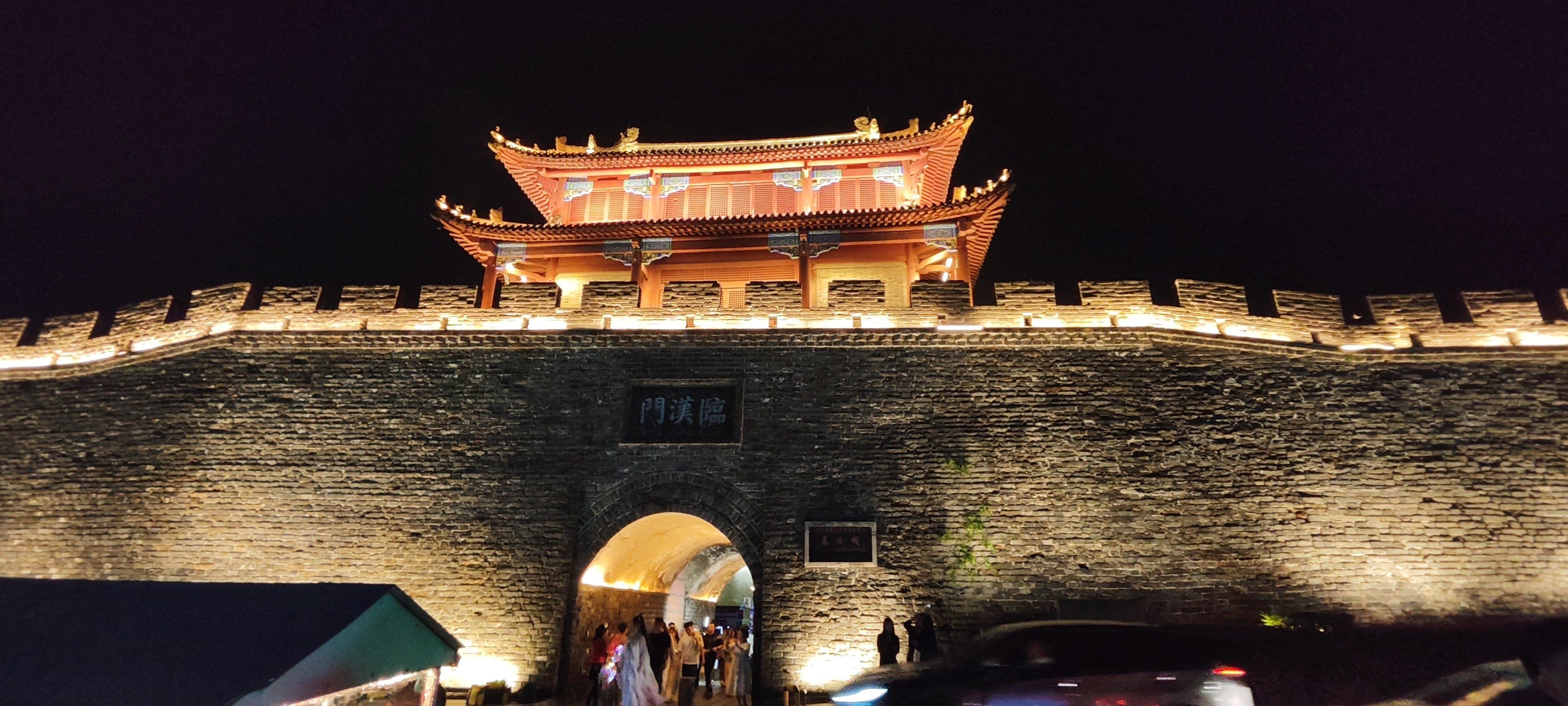
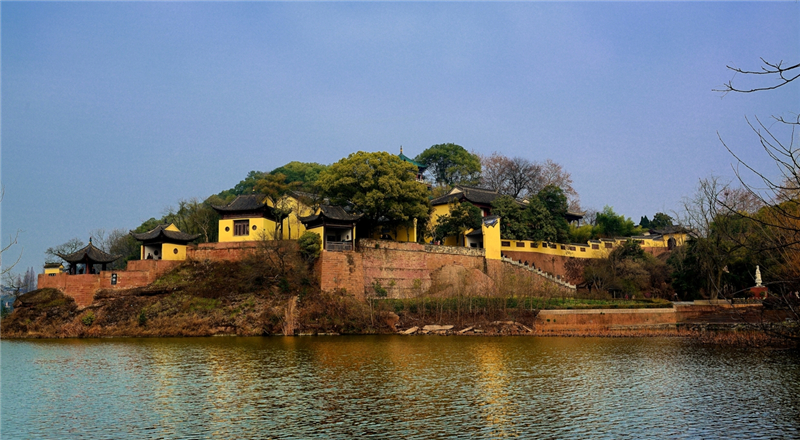
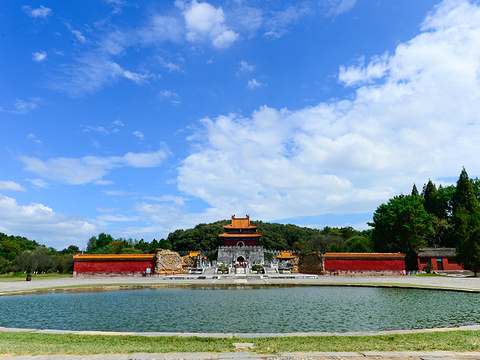
Tourism has become an increasingly important economic driver. The ancient city wall, Jingzhou Museum, and related cultural heritage sites attract millions of domestic visitors annually. The Three Kingdoms cultural tourism brand has been actively developed, with investment in new attractions, improved infrastructure, and promotional campaigns targeting history enthusiasts.
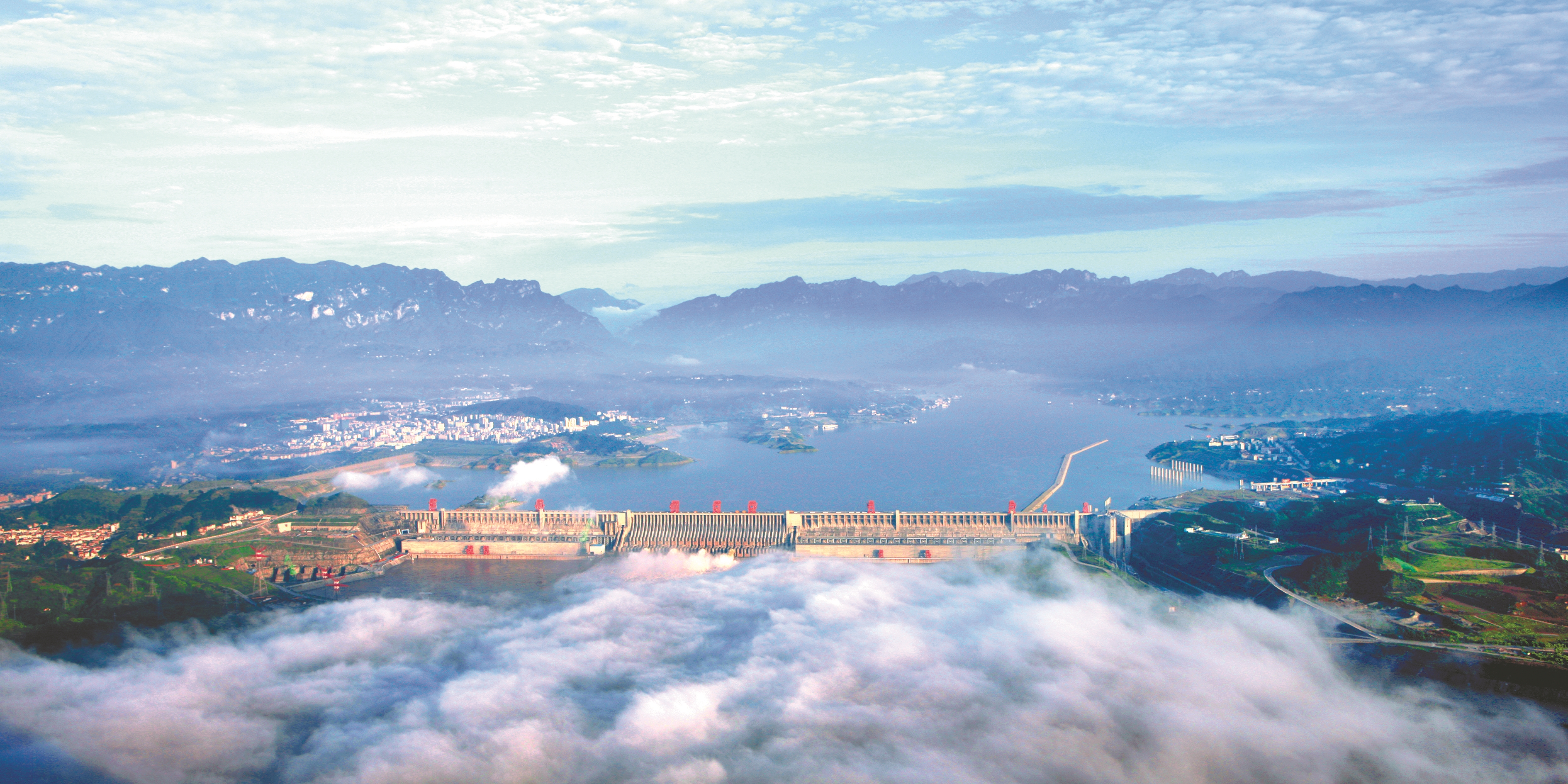
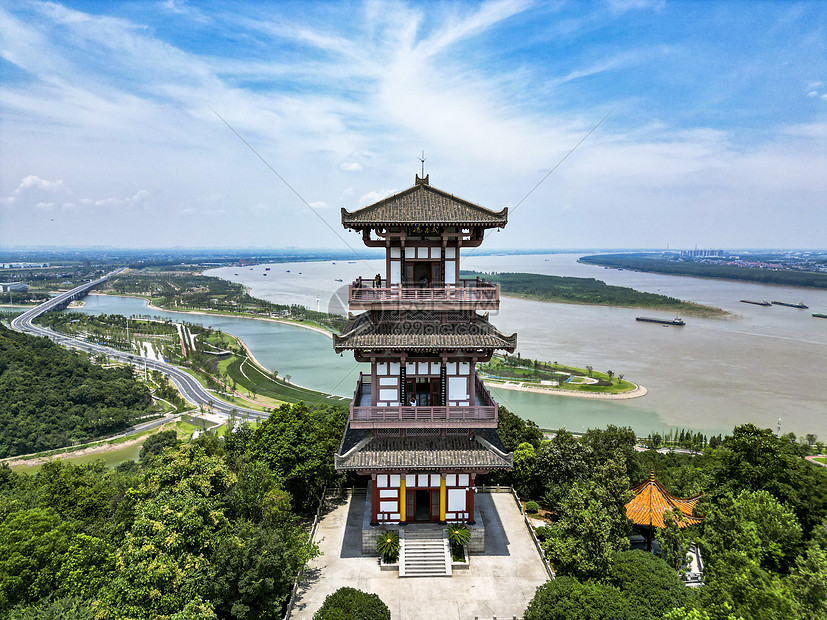
Transportation and logistics play a key role in Jingzhou's economy. The Yangtze River provides a vital waterway for bulk cargo transport. The city is connected to the national railway network and expressway system, facilitating trade with major markets across China.
Jingzhou's GDP reached approximately 310 billion yuan. The city is investing in high-tech industries, modern agriculture, and cultural tourism as pillars of future growth.