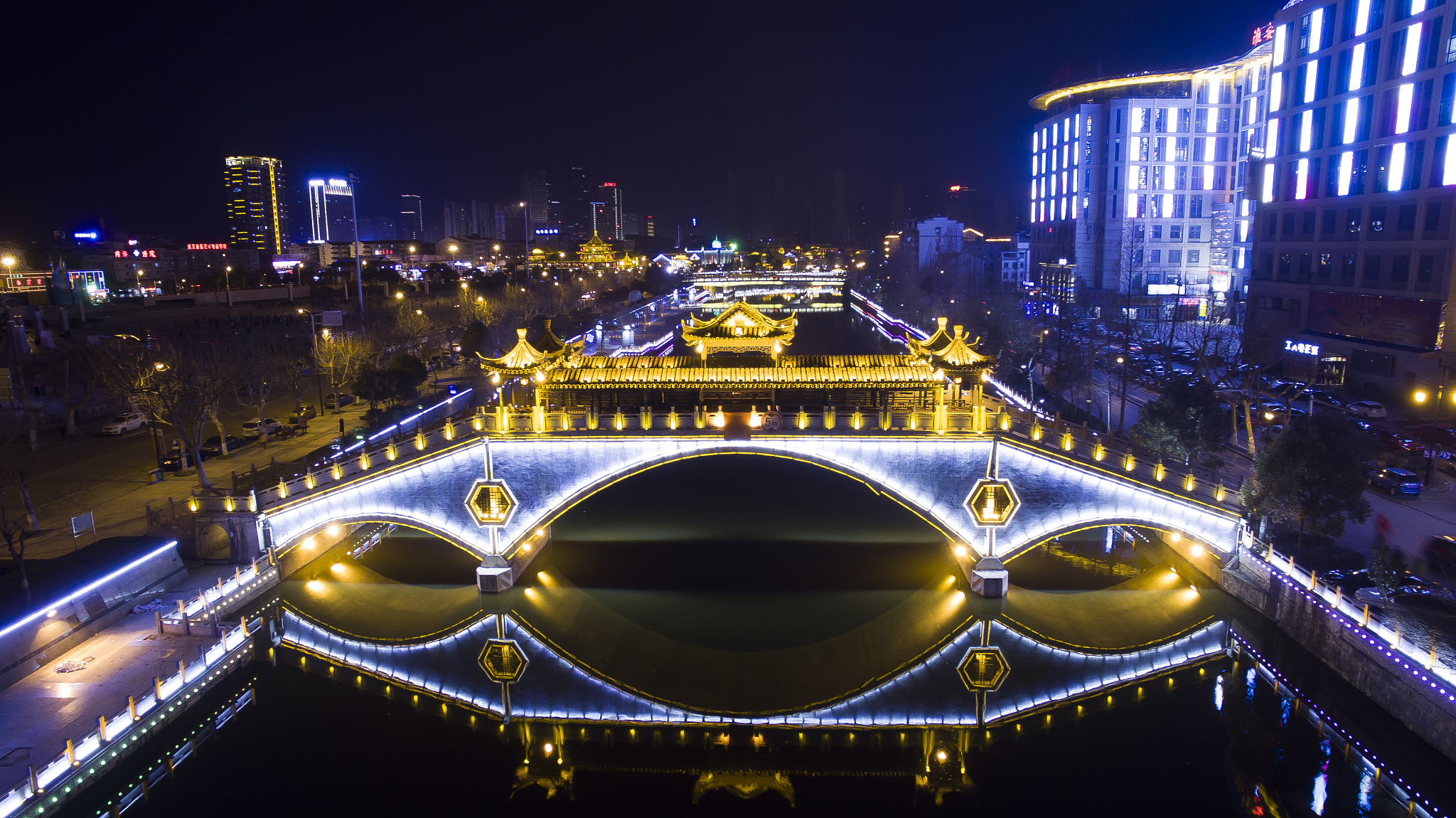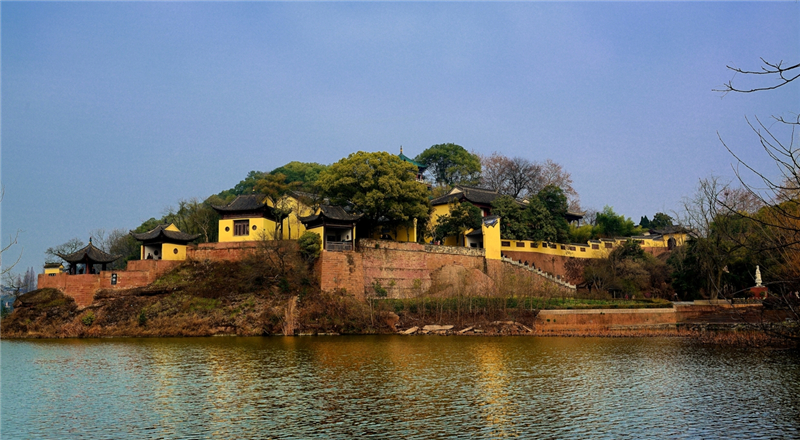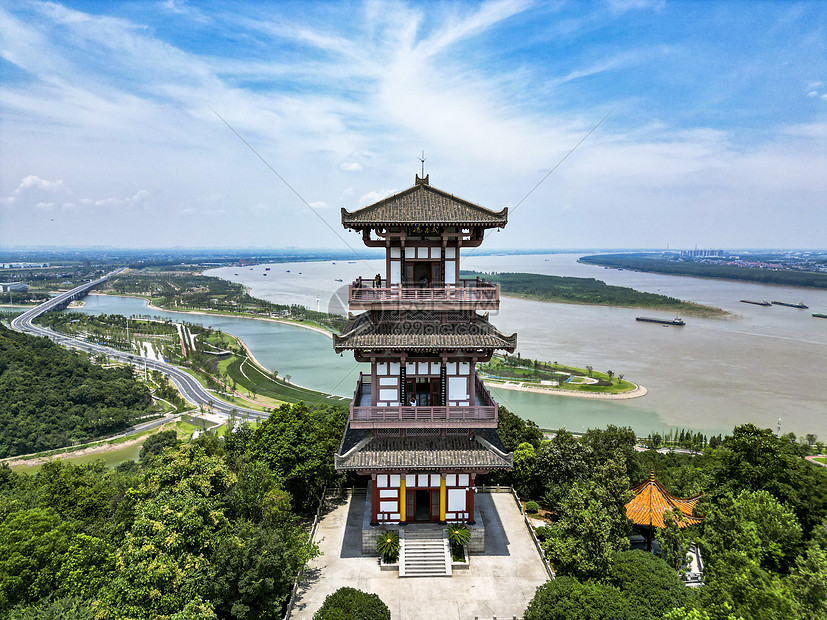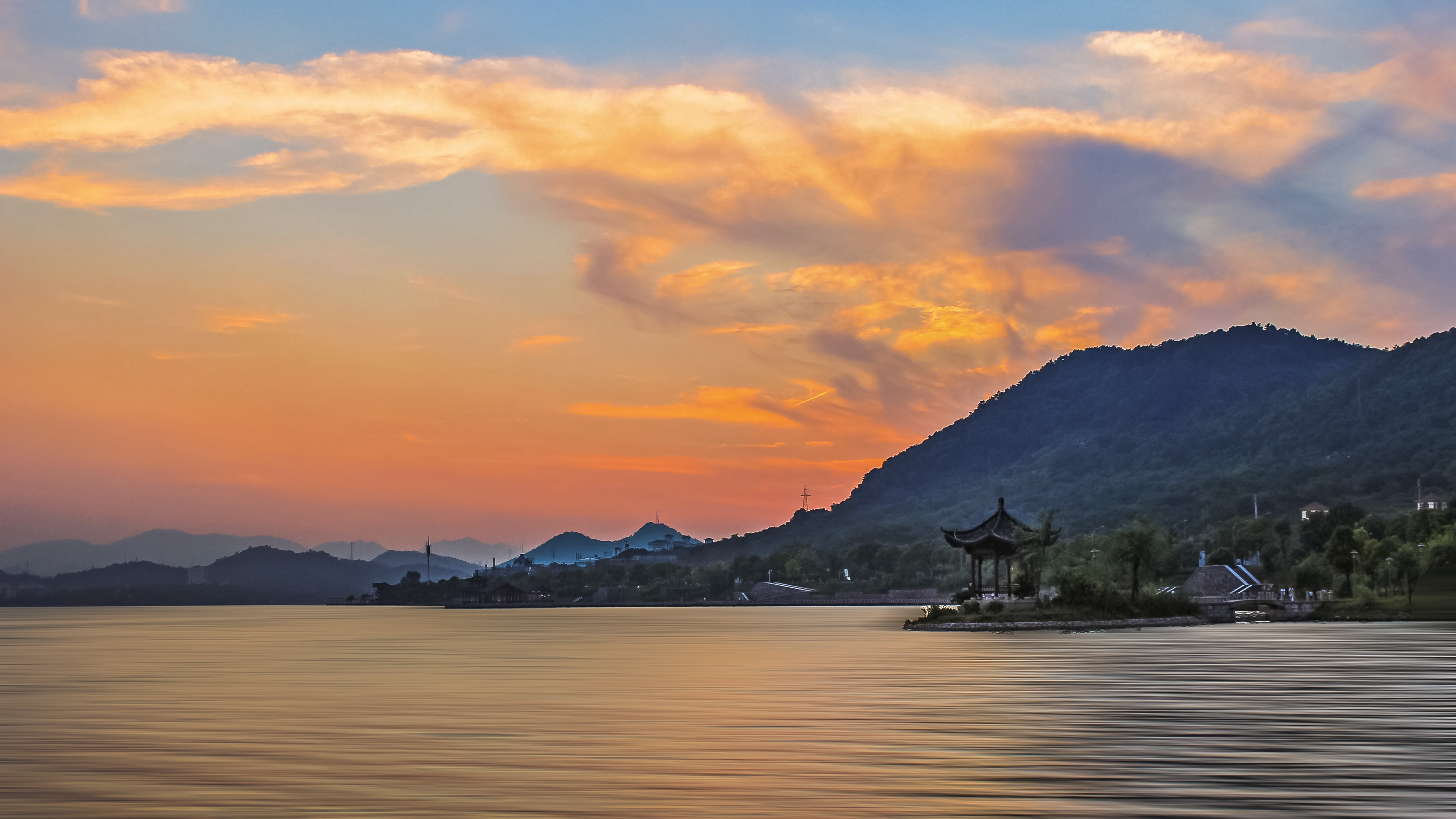
Jingmen city skyline and landmarks (荆门) - Travel China Guide

Jingmen Travel Guide

Gateway to the Ming Dynasty UNESCO World Heritage — Xianling Tomb, and a city where Hubei cuisine meets the tranquil beauty of the Zhanghe Reservoir.

About

Jingmen, a prefecture-level city in central Hubei Province, sits at the foot of the Jing Mountain range — the geographical feature from which it takes its name. The city presides over a region rich in imperial history, natural beauty, and culinary tradition.

The crown jewel of Jingmen is Xianling Tomb, a UNESCO World Heritage Site and one of the best-preserved Ming Dynasty imperial mausoleums. Built for the parents of the Jiajing Emperor, its distinctive dumbbell-shaped layout with twin burial mounds connected by a stone spirit way is unique among Ming tombs.

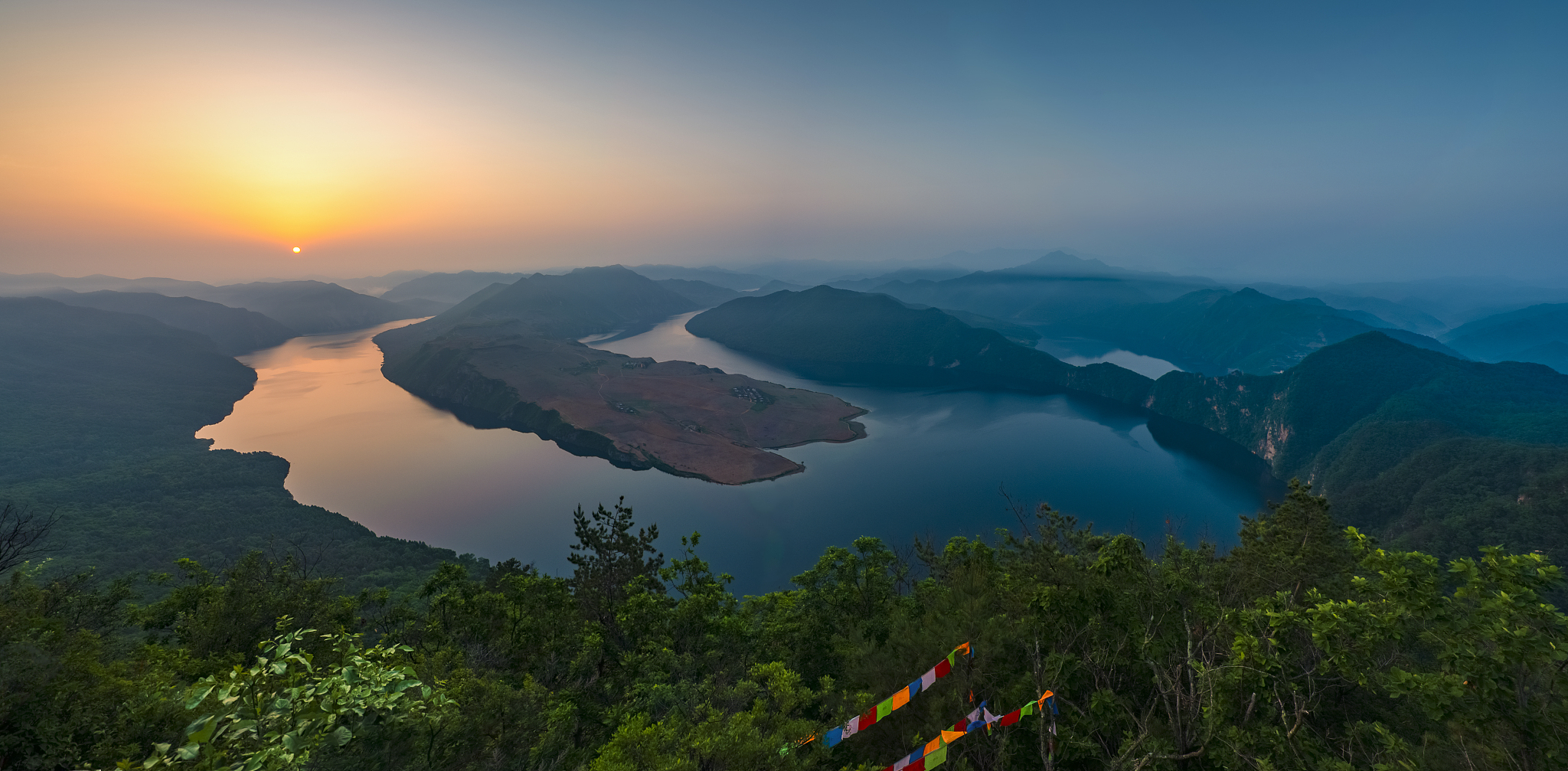
Beyond the imperial tomb, Jingmen boasts the stunning Zhanghe Reservoir, a vast man-made lake of emerald waters dotted with over 100 islands. The nearby Mochou Village offers a charming recreation of ancient Chu-style architecture along the waterfront.

Zhongxiang, a county-level city under Jingmen's administration, is nationally famous as a "Longevity City" — it has one of the highest concentrations of centenarians in China. Local lore attributes this to the pure water, clean air, and nutrient-rich diet built around the region's excellent rice, fish, and soy products.

The city of Jingmen itself is a pleasant modern Chinese city with tree-lined streets, parks centered around ancient springs, and a relaxed pace that makes it an ideal stop for travelers exploring central Hubei.

History & Development

The Jingmen area has a history spanning over 3,000 years. During the Spring and Autumn Period (770-476 BCE), it was part of the powerful Chu State, and the region retains strong Chu cultural influences in its art, music, and architecture.

The most significant historical event in Jingmen's region was the rise of Zhu Houcong, a local prince from Zhongxiang, who unexpectedly became the Jiajing Emperor (reigned 1521-1567) after his cousin died without an heir. His decision to build Xianling Tomb — a grand mausoleum for his parents — transformed the region's fortunes. The construction took 47 years and involved tens of thousands of workers.

The name "Mochou" (Worry-Free) traces back to the Warring States period when a beautiful singer named Mochou lived by the lake. Legend says her songs were so beautiful that even the gods paused to listen, and the lake was named in her memory.

In the 20th century, Jingmen developed as an industrial city, particularly in petrochemicals and manufacturing, while preserving its rich historical heritage for future generations.

Economy & Industries

Jingmen's economy is diverse, with petrochemicals, manufacturing, and agriculture as its main pillars. The city hosts Sinopec's Jingmen Petrochemical Company, one of central China's largest refineries.

Agriculture remains vital, especially in the counties. Jingshan County produces the celebrated Qiaomi premium rice, historically reserved for imperial tables. Shayang County is known for fish farming and aquatic products. Shipai Town's tofu is famous throughout Hubei.

Tourism is a growing sector, driven primarily by Xianling Tomb's UNESCO status, Zhanghe Reservoir's natural appeal, and the emerging Mochou Village cultural destination. The local government has invested in tourism infrastructure including hotels and improved road connections.

Zhongxiang's "longevity economy" — wellness tourism, health foods, and senior living — represents an innovative niche that leverages the city's famous centenarian population.

Top Attractions

🏛️ Landmark

Xianling Tomb

Xianling Tomb is the mausoleum of the Ming Dynasty Jiajing Emperor's parents, Zhu Youyuan and his wife. Built between 1519 and 1566, it is a UNESCO World Heritage Site as part of the "Imperial Tombs of the Ming and Qing Dynasties." The tomb complex is unique among Ming tombs for its dumbbell-shaped layout with two connected burial mounds, linked by a 290-meter-long spirit way lined with stone animals and officials. The red-walled, yellow-tiled architecture against the forested hills creates an atmosphere of solemn grandeur.

★★★★ 4.8
🕐 08:00-17:30
🎫 70 yuan
🏔️ Nature

Zhanghe Reservoir Scenic Area

Zhanghe Reservoir is one of Hubei's largest artificial lakes, covering 104 square kilometers with crystal-clear turquoise waters surrounded by lush hills. The reservoir has over 100 islands and peninsulas. Visitors can take boat tours, visit the island tea gardens, swim in designated areas, and enjoy fresh fish from the lake. The area is particularly beautiful in autumn when the hills turn gold and red, reflected in the still waters.

★★★★ 4.6
🕐 Open daily
🎫 Free (boat tours extra)
🏛️ Landmark

Mochou Village

Mochou ("Worry-Free") Village is a beautifully reconstructed ancient-style town on the shores of the Mochou Lake. Named after a legendary beauty who lived here during the Warring States period, the village features traditional Hubei architecture with white walls, black tiles, and carved wooden screens. It has become a popular cultural tourism destination with folk performances, traditional craft workshops, and a lively food street serving local specialties.

★★★★ 4.5
🕐 Open daily
🎫 Free
🏔️ Nature

Huangxian Cave

Huangxian Cave is one of Central China's largest and most spectacular karst caves, located in the Dahong Mountain area. The cave system extends over 2,000 meters with vast chambers, stalactites, stalagmites, and underground streams. The largest chamber, "Heavenly Plaza," can hold thousands of people. Colorful lighting illuminates the extraordinary rock formations, creating a surreal underground landscape. The cave maintains a constant 18°C year-round.

★★★★ 4.5
🕐 08:00-17:00
🎫 80 yuan
🏔️ Nature

Lulin Mountain Scenic Area

Lulin Mountain is steeped in legend as the stronghold of the "Green Woodsmen" — the peasant rebels who rose against the Xin Dynasty in 17 AD and whose name became synonymous with outlaw heroes in Chinese culture. The scenic area features dramatic peaks, dense bamboo forests, waterfalls, and ancient fortifications. Hiking trails lead to panoramic viewpoints offering spectacular views over the central Hubei countryside.

★★★★ 4.3
🕐 08:00-17:30
🎫 60 yuan
🌳 Park

Longquan Park

Longquan Park is Jingmen's oldest and most beloved public park, centered around three ancient springs that gave the city its name ("Jingmen" means "Gate of Jing" — a reference to the nearby Jing Mountain range). The park features classical Chinese gardens with pavilions, bridges, and lotus ponds. The "Three Springs" — Longquan, Mengquan, and Shunquan — have been flowing for centuries and are said to bring good luck.

★★★★ 4.2
🕐 Open daily
🎫 Free

Food & Culture

Discover the culinary treasures of Jingmen, from traditional street food to imperial cuisine.

Things to Do

🏛️

Tour the Ming Imperial Tomb

Walk the spirit way of this UNESCO World Heritage tomb, one of the best-preserved Ming imperial mausoleums.

Boat Cruise on Zhanghe Reservoir

Explore the turquoise waters and islands of Hubei's most beautiful reservoir lake.

Stroll Mochou Village

Wander through the reconstructed ancient Chu-style town with folk performances and street food.

Underground Karst Adventure

Descend into one of Central China's largest karst caves with spectacular rock formations.

Hike Lulin Mountain

Follow ancient paths through bamboo forests to the legendary stronghold of the Green Woodsmen.

🍴

Taste Longevity Cuisine

Sample Zhongxiang's famous imperial dish — Coiled Dragon — and other local specialties.

Suggested Itineraries

Imperial Heritage Day Trip

A day exploring Jingmen's UNESCO heritage and natural beauty.

  • Morning: Xianling Tomb exploration
  • Midday: Mochou Village lunch and stroll
  • Afternoon: Zhanghe Reservoir boat cruise

Nature and History Weekend

Combine imperial heritage, lake scenery, mountain hiking, and cave exploration.

  • Day 1: Xianling Tomb + Mochou Village + Zhanghe Reservoir
  • Day 2: Lulin Mountain hike + Huangxian Cave exploration

Getting Around

✈️

Airport

Nearest major airport is Wuhan Tianhe International Airport (about 220km, 2.5 hours by car). Yichang Sanxia Airport is about 120km away.

🚄

High-Speed Rail

Jingmen West Station and Jingmen South Station serve the high-speed railway network, connecting to Wuhan (1.5 hours), Yichang, and Xiangyang.

🚌

Bus Network

County buses serve Xianling Tomb, Zhanghe Reservoir, and other attractions. Taxis are affordable in the city.

🚕

Taxi & Rideshare

Available throughout the city

Best Time to Visit

🌸

Spring

Mar - May

★★★★★

Pleasant temperatures (15-25°C), blooming flowers, and fresh greenery around Zhanghe Reservoir.

  • Comfortable weather
  • Blooming landscapes
  • Ideal for outdoor activities
☀️

Summer

Jun - Aug

★★★☆☆

Hot and humid. Zhanghe Reservoir and Huangxian Cave offer cool escapes.

  • Water activities at reservoir
  • Cool cave exploration
  • Lush green scenery
🍂

Autumn

Sep - Nov

★★★★★

Crisp, cool weather with clear blue skies. Reservoir hills ablaze with fall colors. Best for photography.

  • Fall foliage at reservoir
  • Perfect photography conditions
  • Comfortable hiking
❄️

Winter

Dec - Feb

★★☆☆☆

Cold and damp. Very few tourists. Cozy season for hotpot and local cuisine.

  • Peaceful tomb visits
  • Hearty local dishes
  • No crowds

Continue Exploring China

Discover more cities, food guides, and travel inspiration.