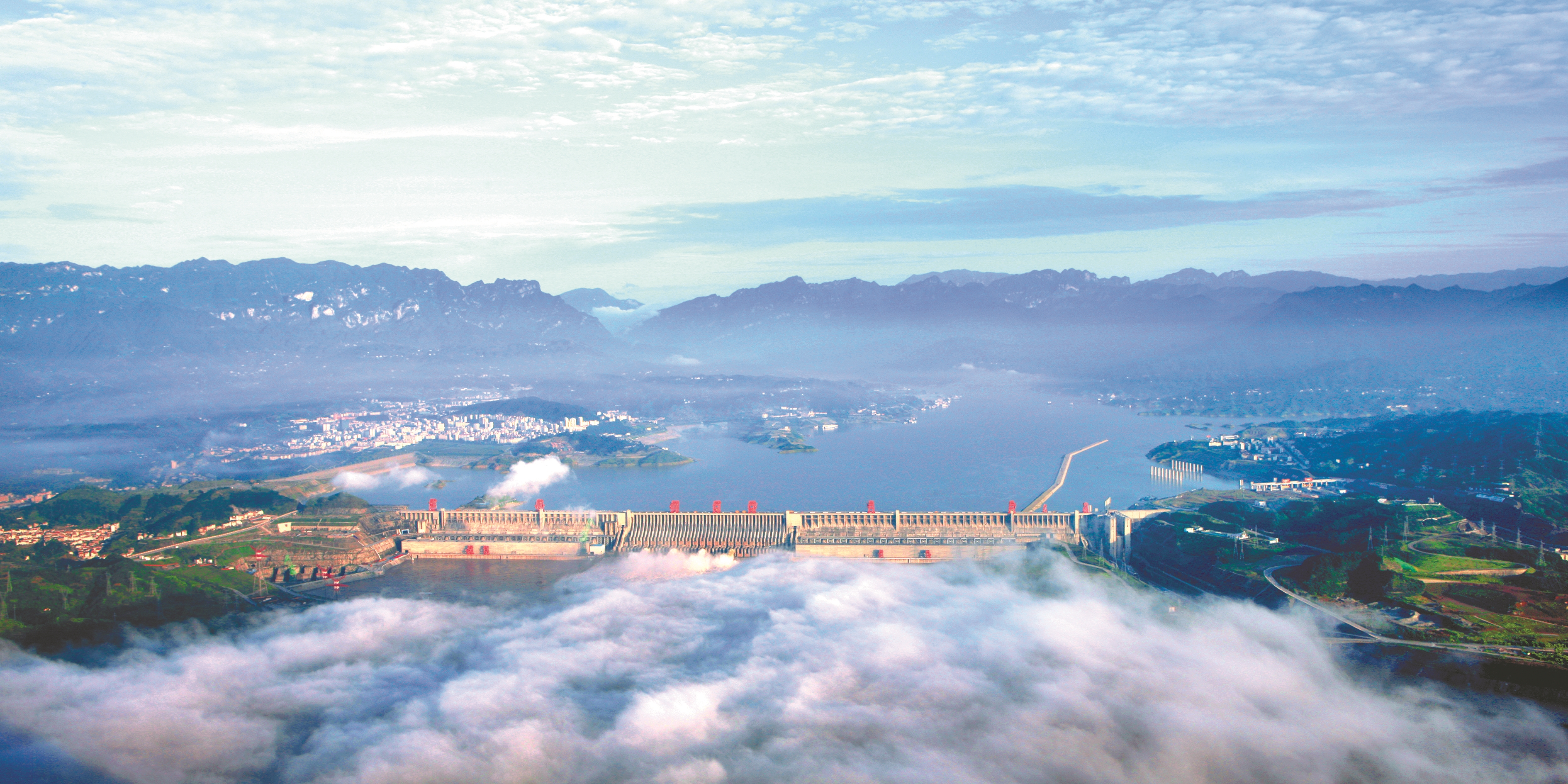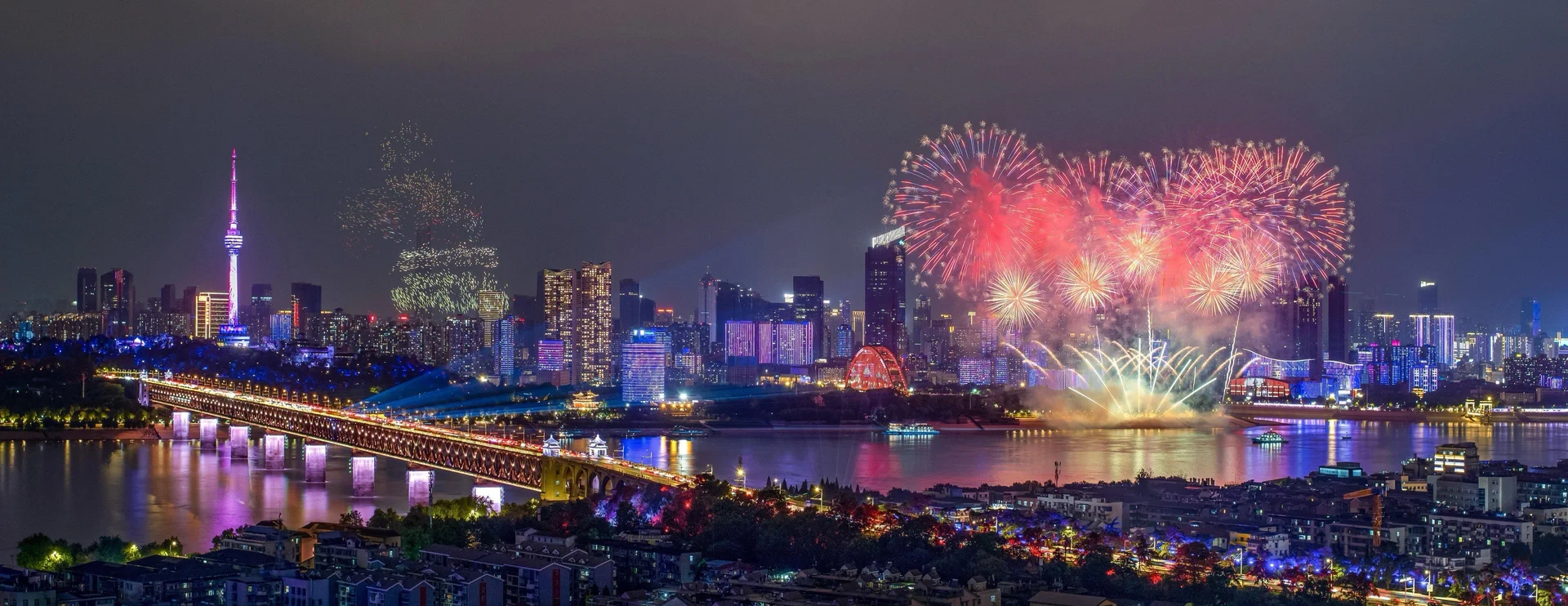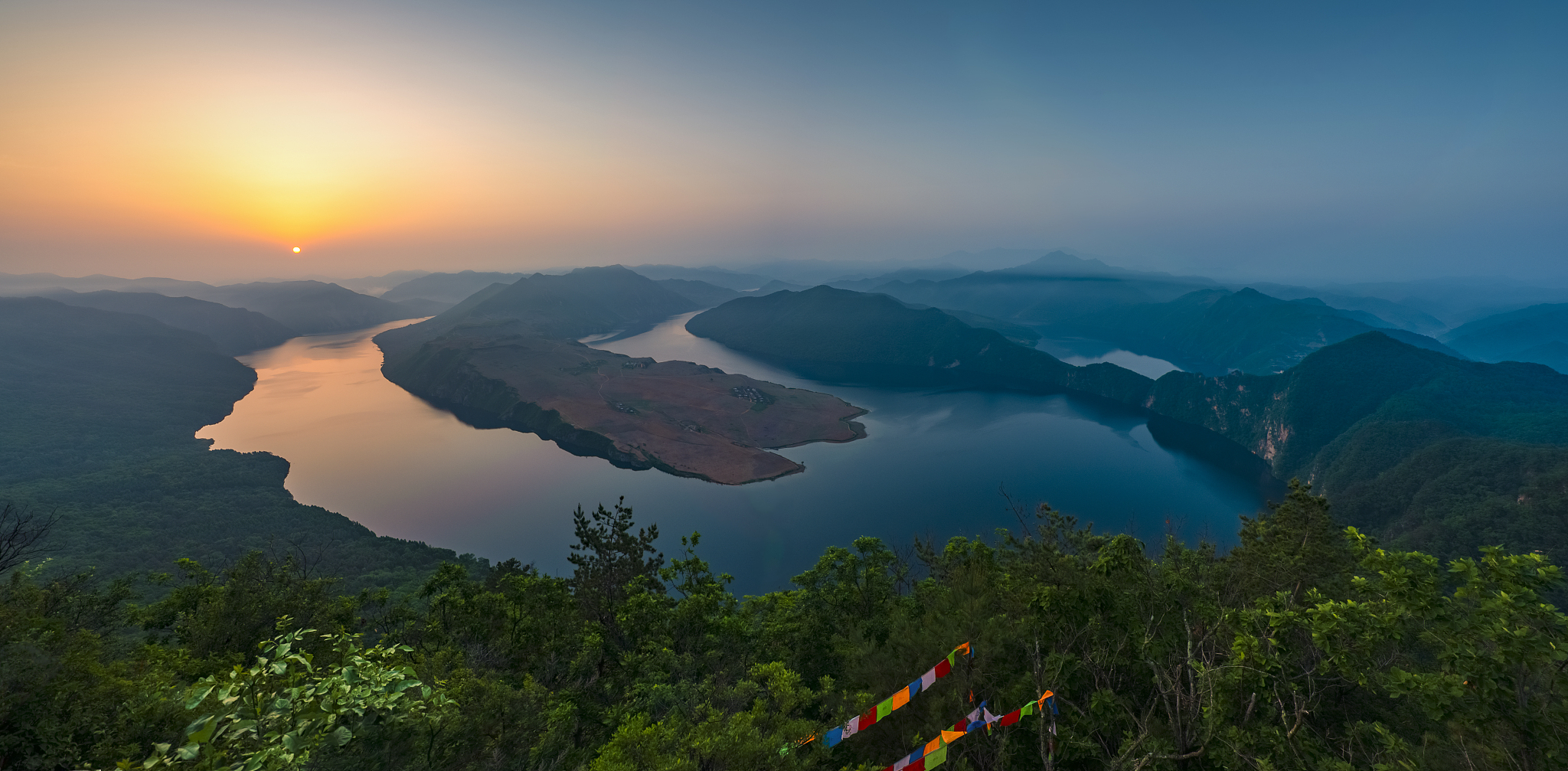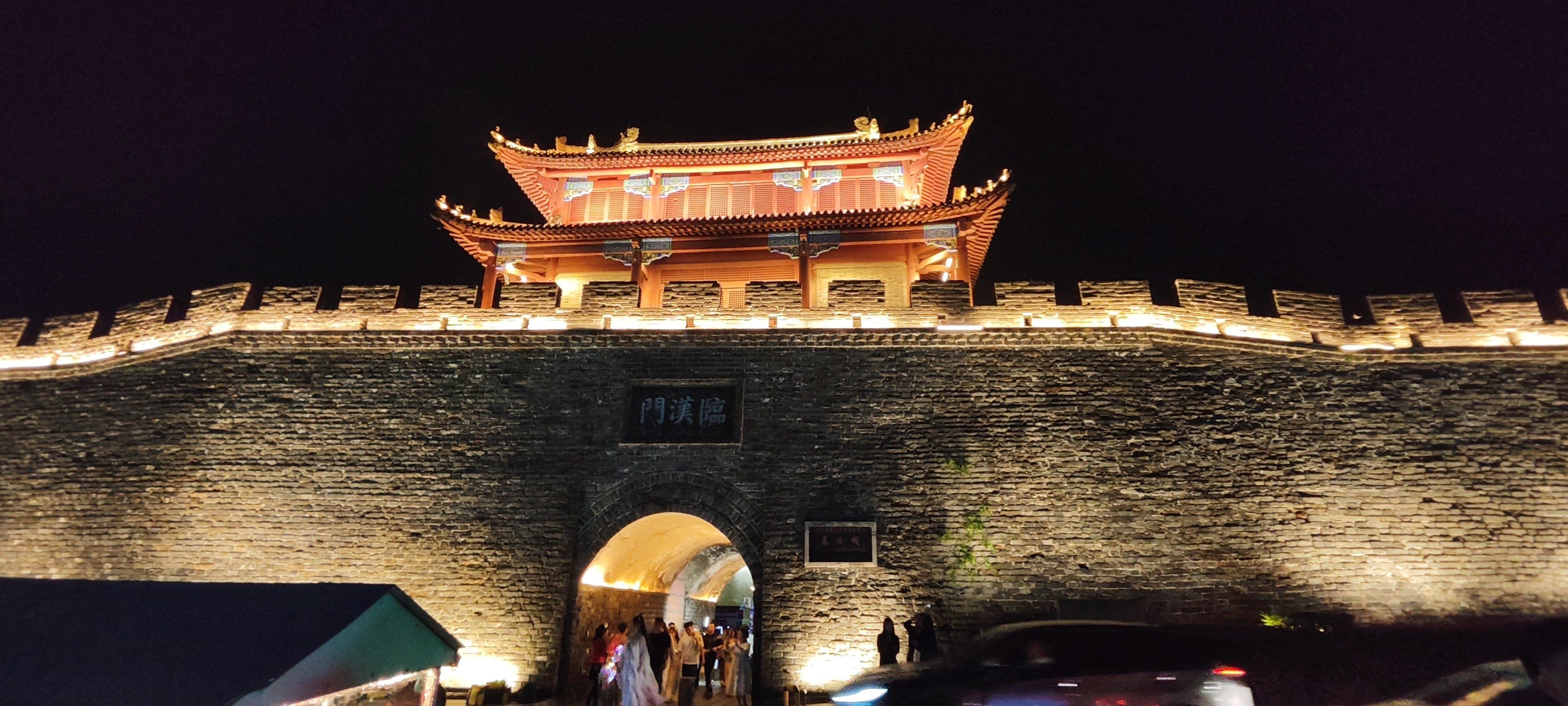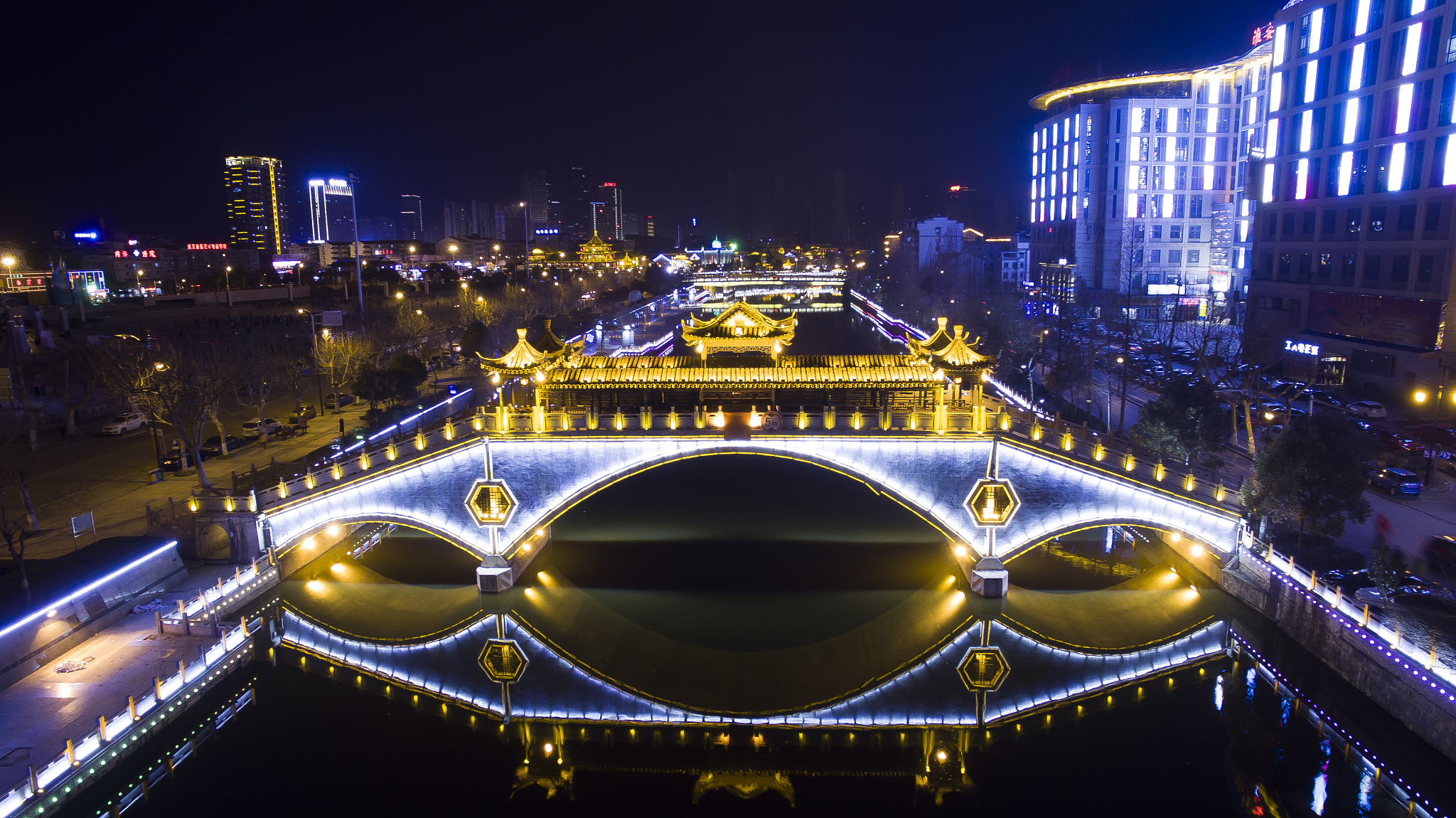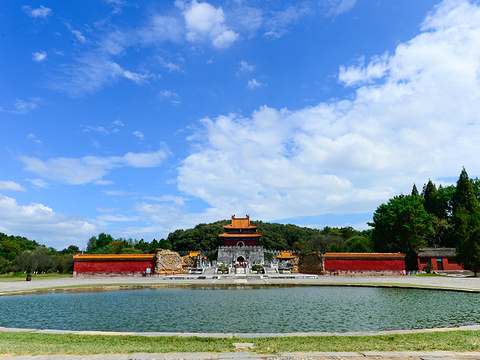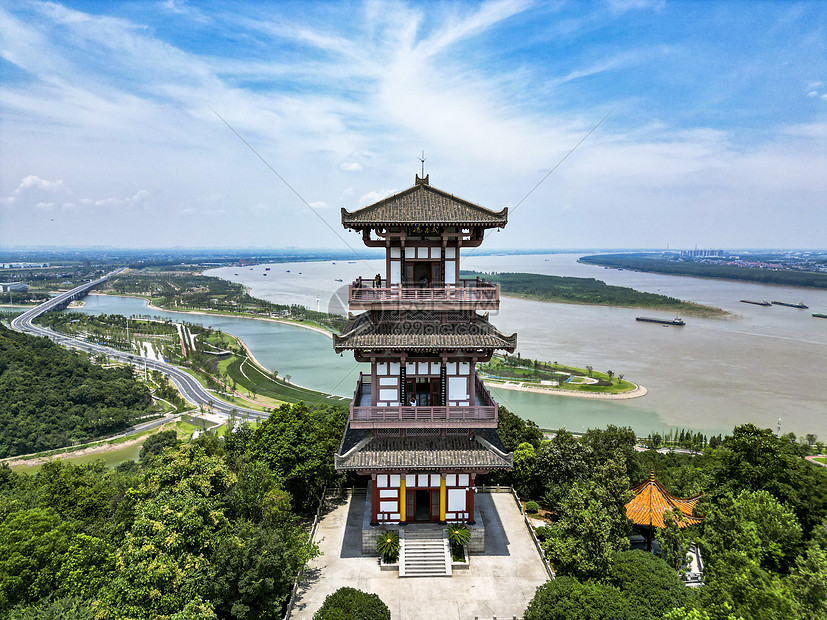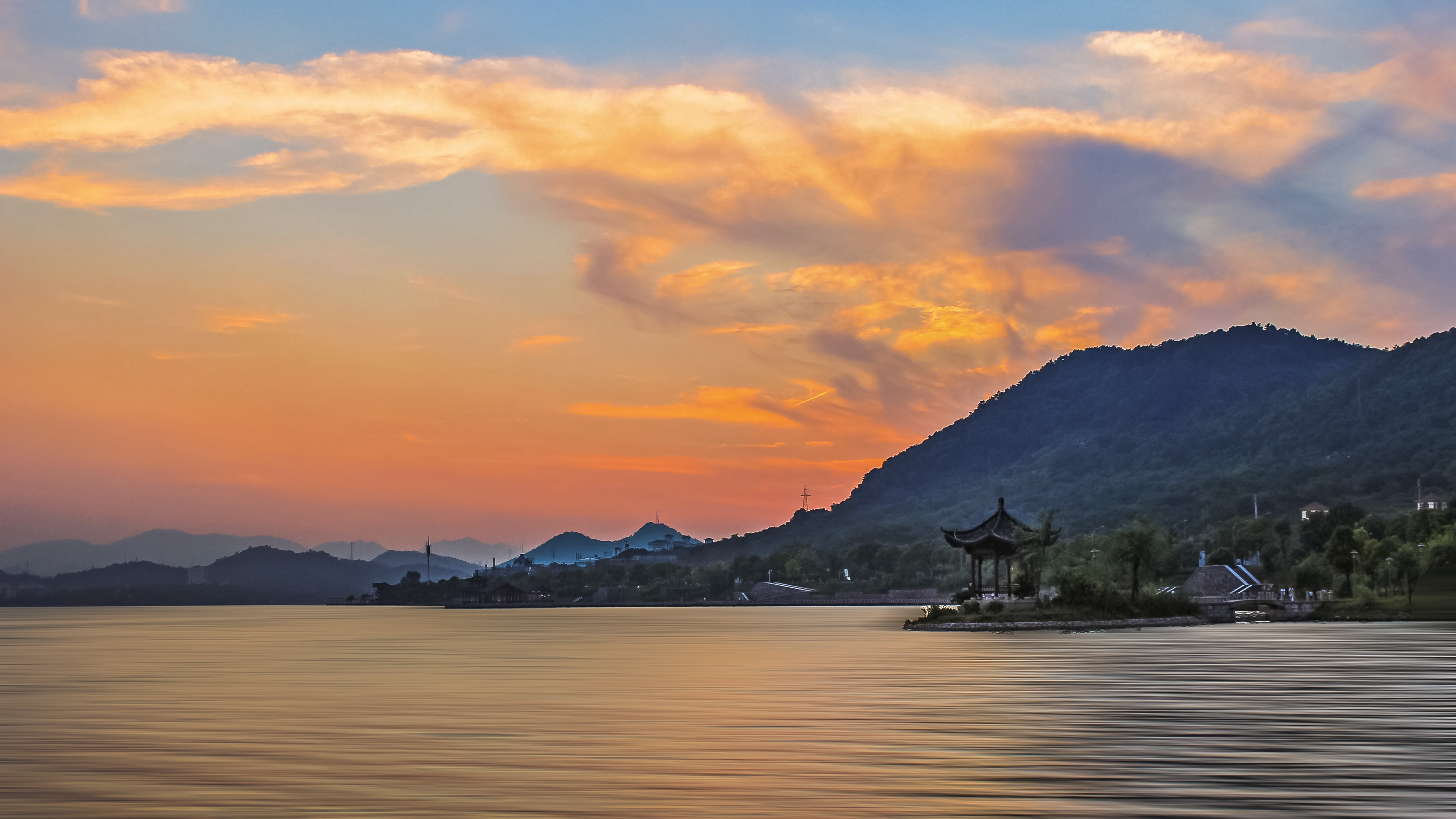
Huanggang city skyline and landmarks (黄冈) - Travel China Guide

Huanggang Travel Guide

The hometown of the great Song Dynasty poet Su Dongpo, where the Red Cliff inspired timeless literary masterpieces and the Dabie Mountains shaped modern history.

About

Huanggang, a prefecture-level city in eastern Hubei Province along the north bank of the Yangtze River, is a place where Chinese literary history and modern heritage converge. The city is most famous as Huangzhou — the remote posting where the great Song Dynasty poet Su Dongpo (also known as Su Shi) was exiled in 1080 after political persecution.

Beyond its literary heritage, Huanggang encompasses Hong'an County — known as the "Cradle of Generals" — which produced 223 military leaders of modern China. The Dabie Mountains in the northeast served as a crucial historical base, and the 1927 Huangma Uprising marked a pivotal moment in modern Chinese history.

Huanggang is also home to Wuzu Temple, one of the most important Chan (Zen) Buddhist monasteries in Chinese history. The natural landscape ranges from the dramatic Guifeng Mountain with its spectacular spring azalea blooms to the serene Yi'ai Lake Urban Wetland Park.

History & Development

Huanggang's recorded history spans over 2,000 years. During the Warring States period, the area was part of the Chu State. It was established as Huangzhou Prefecture during the Sui Dynasty (589-618 AD) and became an important cultural center along the Yangtze River.

The city's golden literary age came in the 11th century when Su Dongpo was exiled here. During his four years as a minor official in Huangzhou (1080-1084), he built a residence he called "Dongpo" (Eastern Slope), farmed land to support his family, and produced some of China's greatest literary works.

In the 20th century, Huanggang's counties became central to modern history. The Huangma Uprising of 1927 established one of the earliest rural base areas. The Dabie Mountains region became an important stronghold.

After 1949, Hong'an's extraordinary contribution of 223 generals earned it nationwide recognition. Today, Huanggang balances industrial development with cultural heritage tourism.

Economy & Industries

Huanggang's economy has traditionally been agricultural, with the fertile Yangtze River plain producing rice, cotton, rapeseed, and tea. Luotian County is China's premier chestnut producer, and Qichun County is known for its medicinal herbs.

In recent decades, industrial development has accelerated. Huanggang has established economic development zones focusing on pharmaceutical manufacturing, food processing, textile production, and automotive parts. The city's location along the Yangtze River provides excellent logistics connections.

Tourism has grown significantly, with the Dongpo Red Cliff, Dabie Mountains, and historical heritage sites attracting increasing numbers of domestic visitors. The local government has invested in infrastructure and heritage preservation to support this sector.

Higher education is represented by Huanggang Normal University, and the city's strong educational tradition has made it famous for its high school — Huanggang High School is renowned nationwide for consistently producing top-performing students.

Top Attractions

🏛️ Landmark

Dongpo Red Cliff

Dongpo Red Cliff is not the actual site of the famous Three Kingdoms naval battle, but a scenic riverbank where the great Song Dynasty poet Su Dongpo was inspired to write his immortal masterpieces "Ode to the Red Cliff" and "Second Ode to the Red Cliff" in 1082. The site features red sandstone cliffs rising from the Yangtze River, ancient pavilions, and stone inscriptions including Su's own calligraphy. The Erfu Hall and Qixia Tower offer panoramic river views that inspired Su Dongpo's philosophical reflections on time, history, and the human condition.

★★★★ 4.7
🕐 08:00-17:30
🎫 80 yuan
🏔️ Nature

Dabie Mountains Main Peak

The Dabie Mountains stretch across the border of Hubei, Henan, and Anhui provinces. The main peak, Mt. Tianzhai at 1,729 meters, offers spectacular views of layered mountain ranges, virgin forests, and sea of clouds at sunrise. The area is a national forest park with well-maintained hiking trails, waterfalls, and rich biodiversity. The Dabie Mountains also hold immense historical significance as a key base area during an important period of modern Chinese history.

★★★★ 4.6
🕐 07:00-17:00
🎫 120 yuan
🌳 Park

Yi'ai Lake Scenic Area

Yi'ai Lake is Huanggang's largest urban lake, named after Su Dongpo's essay "Record of Yi'ai Pavilion" in which he praised the concept of "leaving love behind" — the idea that a good ruler's benevolence endures after they depart. The surrounding park covers over 500 hectares with themed gardens, lotus ponds, cultural squares, and 12 scenic zones named after poems by Su Dongpo. Walking and cycling paths circle the lake, making it a favorite spot for locals and visitors alike.

★★★★ 4.5
🕐 Open daily
🎫 Free
⛩️ Temple

Wuzu Temple

Wuzu Temple, built in 654 AD during the Tang Dynasty, is one of the most historically significant Buddhist monasteries in China. It was here that the Fifth Patriarch (Wuzu) Hongren taught, and where the famous verse competition between Shenxiu and Huineng took place — a defining moment in Chan (Zen) Buddhism's history. The temple sits on the slopes of Fengmao Mountain, surrounded by ancient pine and cypress trees. Its halls, pagodas, and stone carvings span over 1,300 years of Buddhist heritage.

★★★★ 4.6
🕐 08:00-17:00
🎫 50 yuan
🎭 Museum

Hong'an Huangma Uprising Memorial Hall

This comprehensive memorial hall in Hong'an County documents the 1927 Huangma Uprising, a pivotal early event in modern Chinese history. Hong'an is known as the "Cradle of Generals" — 223 military leaders hailed from this single county. The museum features detailed exhibits with artifacts, photographs, and dioramas covering the uprising, the subsequent establishment of historical base areas, and biographies of military leaders who emerged from the region.

★★★★ 4.4
🕐 08:30-17:00 (closed Mondays)
🎫 Free
🏔️ Nature

Guifeng Mountain

Guifeng Mountain, named for its turtle-shaped peak ("Gui" means turtle), rises dramatically from the landscape of Macheng County. The mountain is famous for its ancient azalea forests — in spring, over 100,000 acres of blooming azaleas cover the slopes in shades of pink, red, and purple, creating one of China's most spectacular floral displays. The area also features unique granite formations, ancient temples, and hiking trails through pristine forests.

★★★★ 4.5
🕐 07:00-18:00
🎫 100 yuan

Food & Culture

Discover the culinary treasures of Huanggang, from traditional street food to imperial cuisine.

Things to Do

Recite Su Dongpo at Red Cliff

Stand where Su Dongpo wrote his immortal ode and read the original verses carved in stone.

Hike the Dabie Main Peak

Trek through pristine forests to the 1,729m summit for spectacular mountain views.

Stroll Around Yi'ai Lake

Cycle or walk the lakeside paths through 12 poem-inspired garden zones.

Explore Wuzu Temple

Visit the 1,300-year-old Chan Buddhist temple where the legendary verse contest changed Zen history.

Spring Azalea at Guifeng

Witness 100,000 acres of blooming azaleas painting the mountain in vibrant pink and red.

🏛️

Revolution History Tour

Visit Hong'an to learn about 223 generals who shaped modern Chinese military history.

Suggested Itineraries

Poetry and Nature Day Trip

A day tracing Su Dongpo's footsteps through Huanggang's literary and natural landscapes.

  • Morning: Dongpo Red Cliff and Erfu Hall
  • Midday: Yi'ai Lake walk and local Dongpo Pork lunch
  • Afternoon: Wuzu Temple exploration

Mountain and Revolution Weekend

Combine modern history with mountain exploration in the Dabie range.

  • Day 1: Hong'an Huangma Uprising Memorial + Guifeng Mountain
  • Day 2: Dabie Mountains Main Peak hike

Getting Around

✈️

Airport

Wuhan Tianhe International Airport (about 100km, 1.5 hours by car via expressway).

🚄

High-Speed Rail

Huanggang East Station serves the Wuhan-Huanggang intercity railway and the Beijing-Kowloon HSR, reaching Wuhan in 30 minutes.

🚌

Bus Network

Public buses and long-distance coaches connect all counties and major attractions in the prefecture.

🚕

Taxi & Rideshare

Available throughout the city

Best Time to Visit

🌸

Spring

Mar - May

★★★★★

Mild and pleasant. April is the peak season for azalea blooms at Guifeng Mountain. Perfect for outdoor activities.

  • Azalea blooms at Guifeng
  • Comfortable temperatures
  • Lush green landscapes
☀️

Summer

Jun - Aug

★★★☆☆

Hot and humid. Dabie Mountains offer cool retreat. Yi'ai Lake lotus flowers in full bloom.

  • Mountain escapes in Dabie
  • Lotus flowers at Yi'ai Lake
  • Fresh fish season
🍂

Autumn

Sep - Nov

★★★★☆

Cool, comfortable, and sunny. Chestnut harvest in Luotian. Clear skies and fall colors on the mountains.

  • Chestnut harvest season
  • Clear autumn skies
  • Pleasant hiking weather
❄️

Winter

Dec - Feb

★★☆☆☆

Cold and damp, occasional light snow. Quiet season for tourism. Enjoy hotpot and local warming dishes.

  • Fewer tourists
  • Cozy food season
  • Snow on Dabie peaks

Continue Exploring China

Discover more cities, food guides, and travel inspiration.