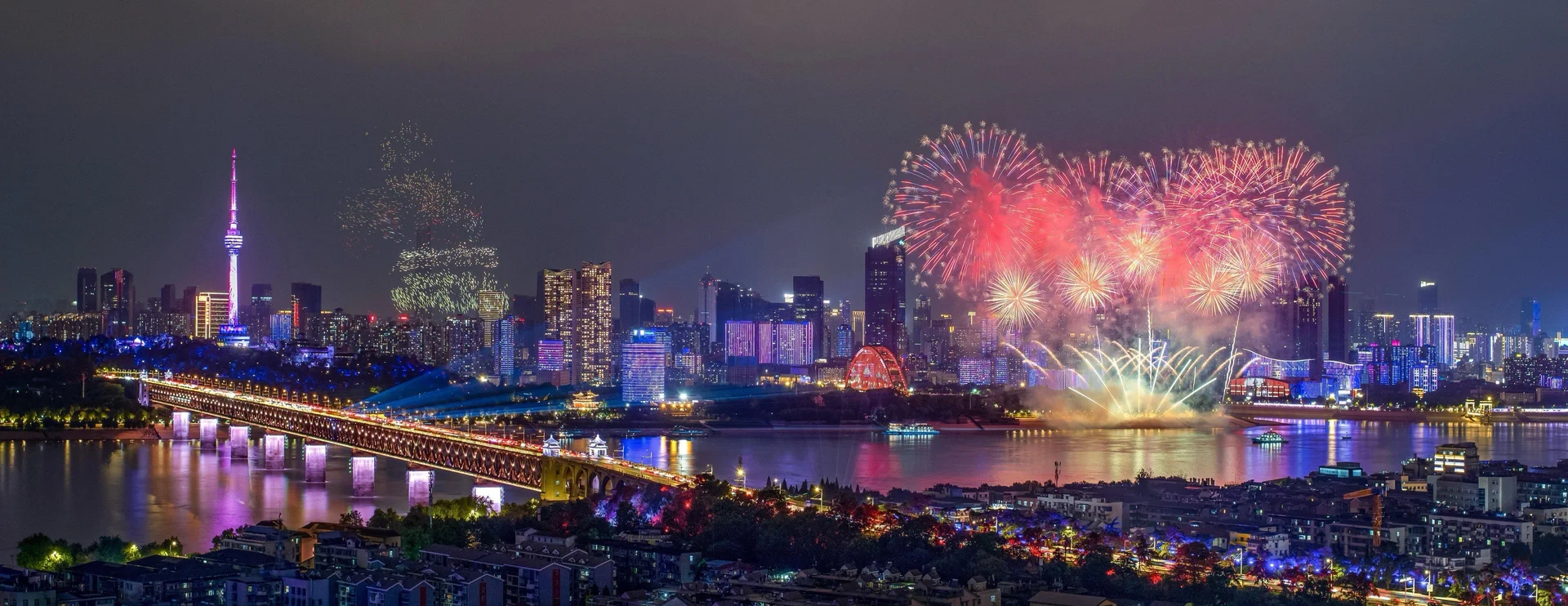
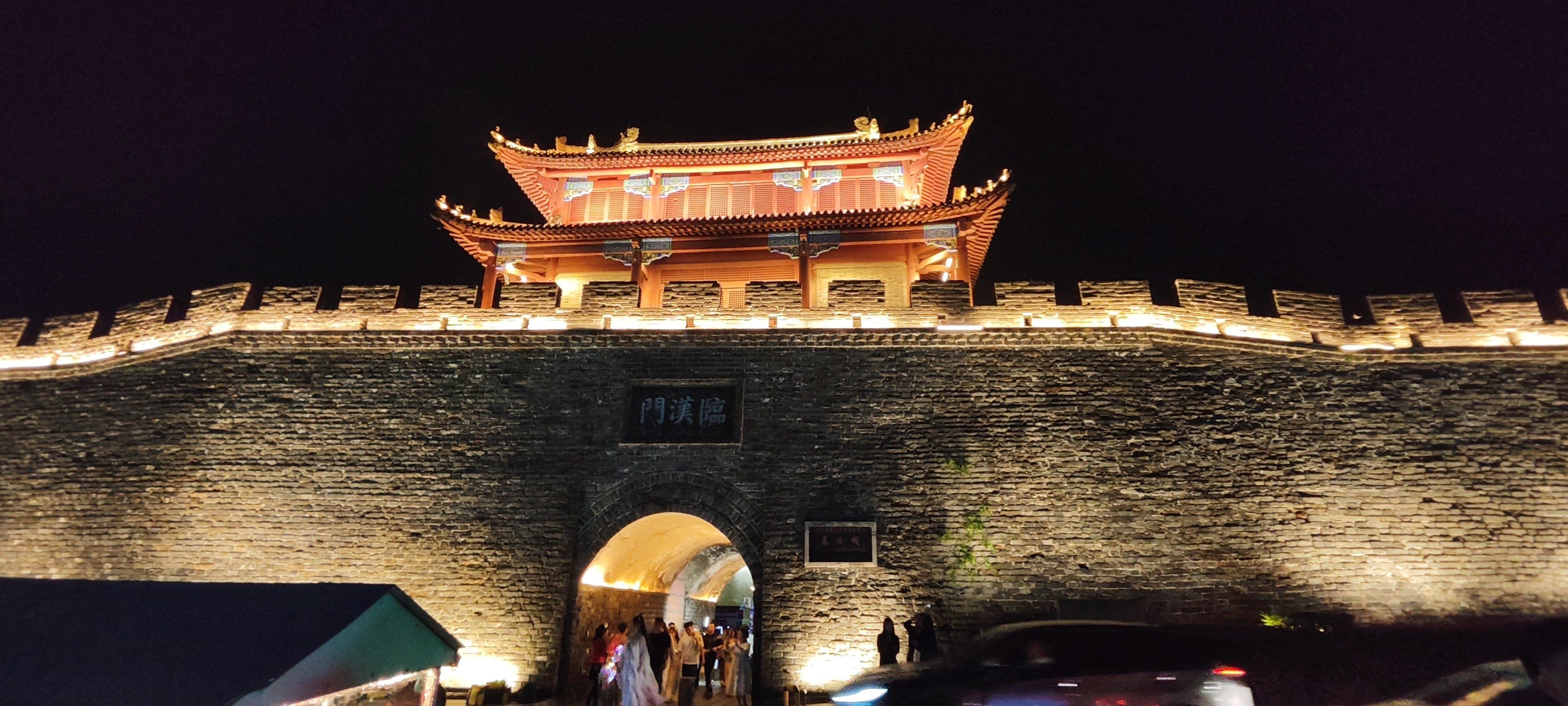
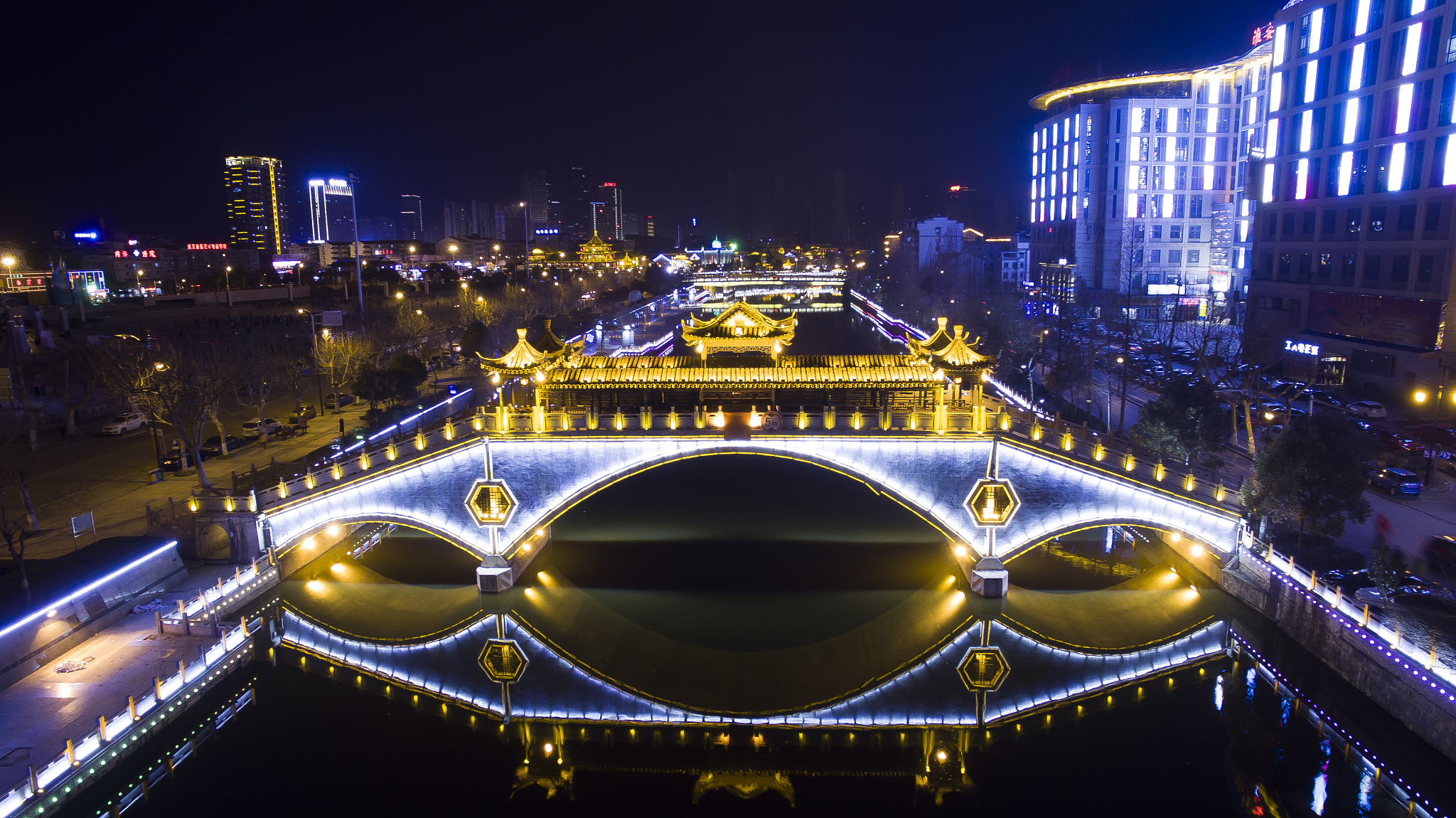
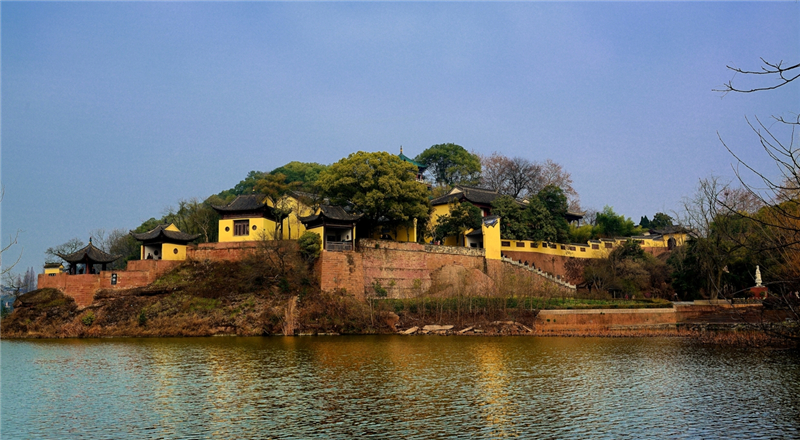
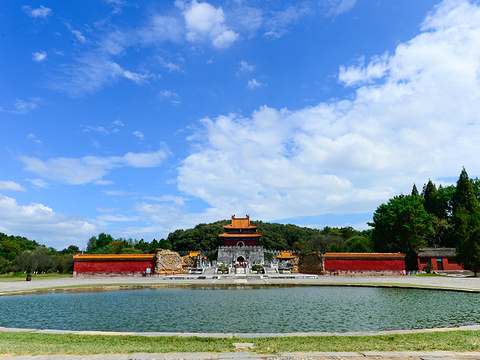
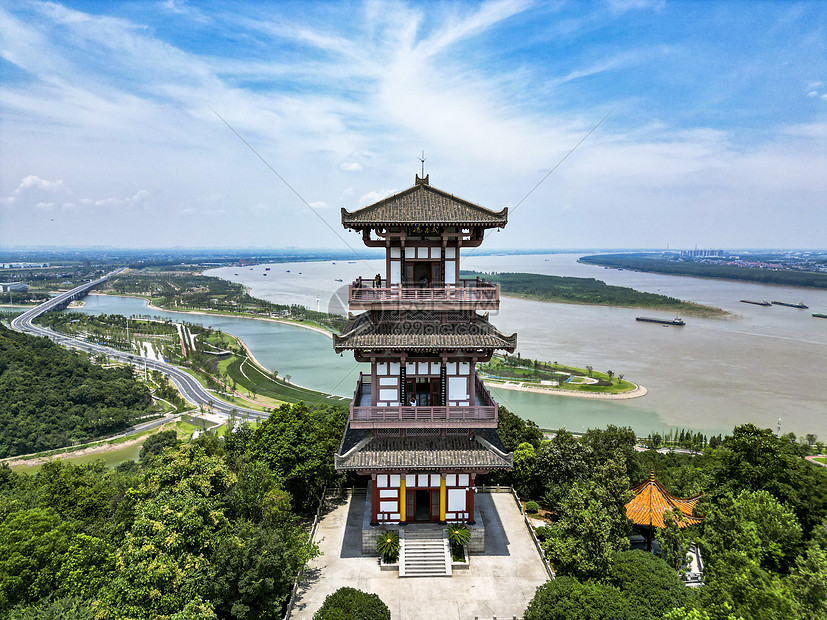
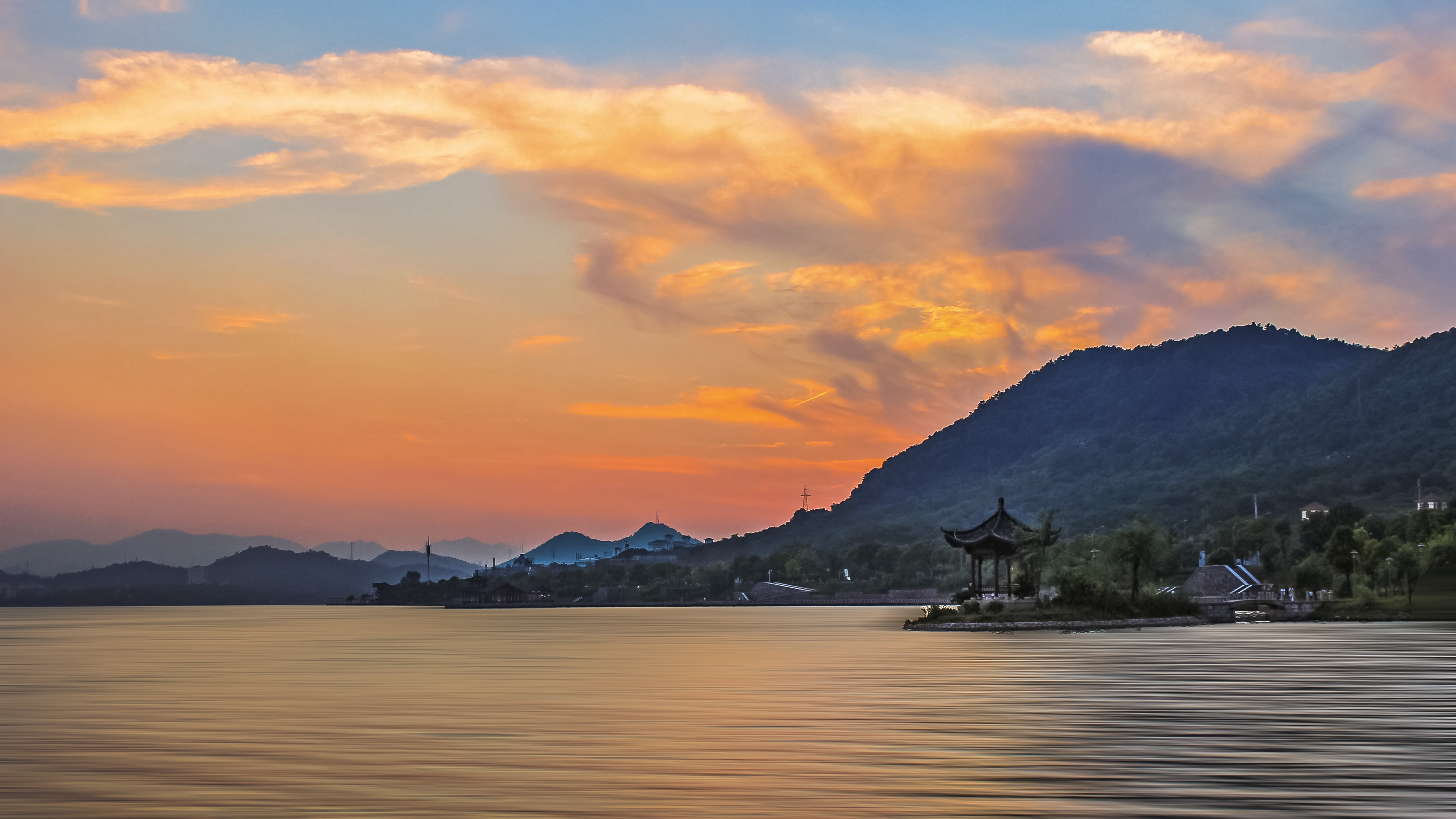
Shiyan city skyline and landmarks (十堰) - Travel China Guide

Shiyan Travel Guide

The gateway to Wudang Mountain, a UNESCO World Heritage site and the most sacred Taoist mountain in China, also known as the cradle of Dongfeng Motor.

🌡️ Climate Subtropical monsoon

About

Shiyan, meaning "ten weirs" (referring to ten ancient irrigation channels), is a unique city in northwestern Hubei Province that combines two completely different identities — sacred Taoist mountain and automotive manufacturing powerhouse.

The city is best known as the gateway to Wudang Mountain, the holiest mountain in Taoism and the birthplace of Tai Chi. Wudang's magnificent Ming Dynasty palace complexes, built along steep mountain ridges, represent the pinnacle of ancient Chinese architectural achievement and have earned UNESCO World Heritage status.

At the same time, Shiyan is the cradle of China's modern automotive industry. Dongfeng Motor Corporation (DFM), one of China's "Big Three" automakers, was founded here in 1969 during the Third Front construction movement. The company transformed Shiyan from a remote mountain town into a modern industrial city, earning it the nickname "Auto City."

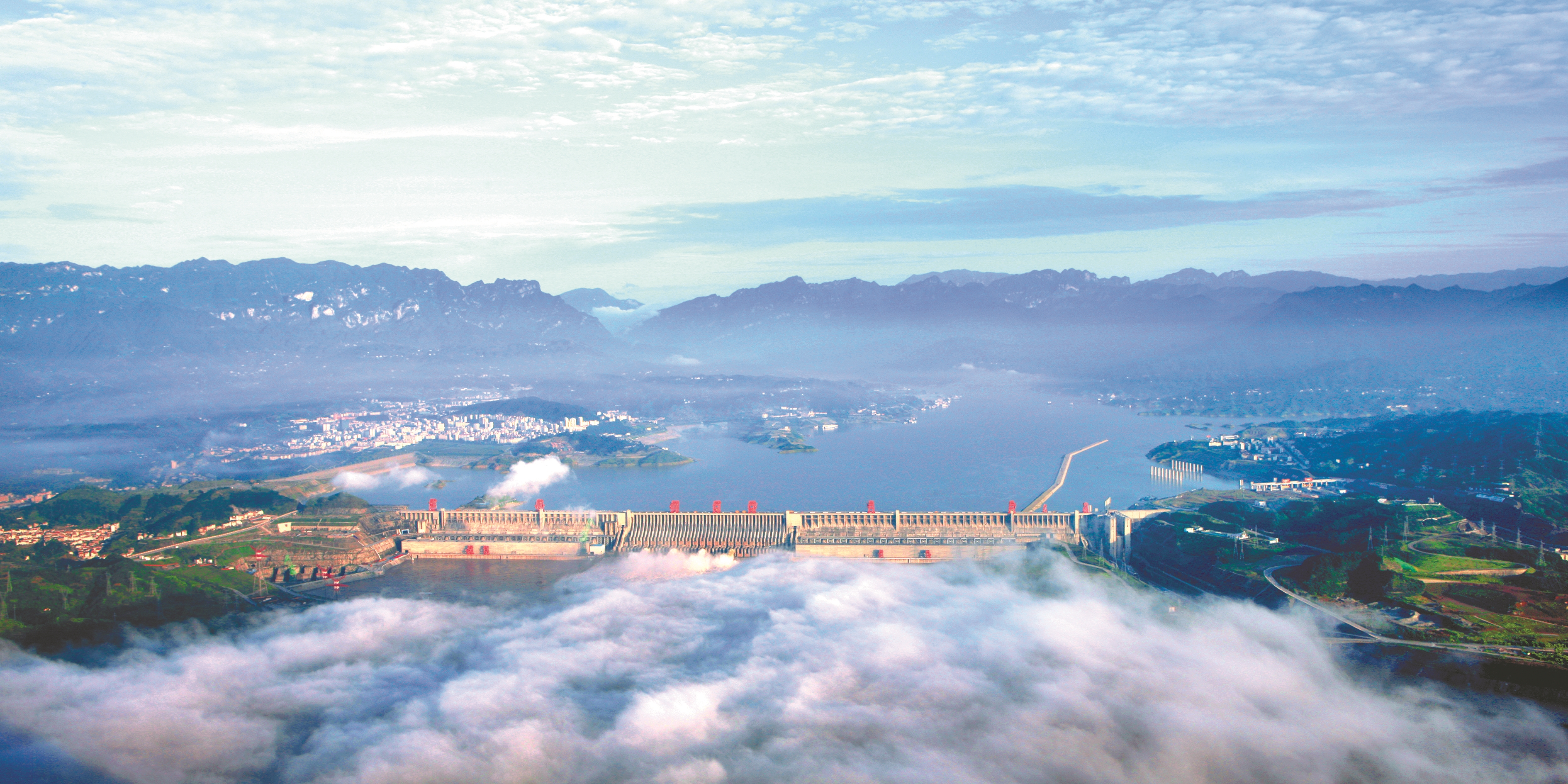
Shiyan also hosts the Danjiangkou Reservoir, the source of the massive South-North Water Transfer Project that supplies clean water to Beijing and northern China. This convergence of sacred heritage, industrial might, and ecological significance makes Shiyan a truly unique destination.

👥
Population 3.4 million
📐
Area 23,608 km²
💬
Language Mandarin

History & Development

Shiyan's recorded history dates back to the ancient Ba and Chu states during the Warring States period (475-221 BC). The region was part of the strategic passage between the Central Plains and the Sichuan Basin.

Wudang Mountain's religious significance grew during the Tang Dynasty (618-907 AD), with the construction of the first Taoist temples. The mountain reached its golden age during the Ming Dynasty when Emperor Zhu Di (Yongle Emperor) ordered the construction of the magnificent palace complex between 1412 and 1424, employing 300,000 workers. The emperor claimed that the Taoist god Zhenwu had assisted his rise to power, making Wudang the imperial Taoist center.

Shiyan's modern history is dominated by the Third Front construction movement of the 1960s-70s. In 1969, Dongfeng Motor Corporation was established in the remote mountains of Shiyan as part of Mao Zedong's strategy to build industrial capacity in China's interior. Tens of thousands of workers, engineers, and soldiers poured into the area, building the city literally from scratch.

The post-1978 reform era brought challenges as Dongfeng relocated its headquarters to Wuhan in 2003. However, Shiyan successfully transitioned, developing auto parts manufacturing, tourism, and ecological industries. The South-North Water Transfer Project, completed in 2014, brought new attention and investment to the city.

Economy & Industries

Shiyan's economy is built on three pillars: automotive manufacturing, tourism, and ecological industries.

The automotive sector remains dominant, with Dongfeng Motor's original manufacturing base still operating in Shiyan. The city is home to over 500 auto parts companies, making it a major production base for commercial vehicles, heavy trucks, and automotive components. The "Auto City" identity runs deep in Shiyan's economy and culture.

Tourism is the fastest-growing sector, driven by Wudang Mountain's UNESCO status. The mountain attracts over 10 million visitors annually, supporting hotels, restaurants, tour operators, and the Tai Chi training industry. Many international visitors come specifically for Tai Chi and Taoist cultural experiences.

The Danjiangkou Reservoir has spawned new industries including eco-tourism, clean energy (hydroelectricity), and high-quality aquaculture. Shiyan's pristine water resources are also attracting investment in beverage and food processing industries.

Agriculture in surrounding counties produces specialty products like Fangxian mushrooms, Zhushan cattle, and Zhuxi cured meat, which have gained recognition as geographical indication products.
Top Attractions

🏛️ Landmark

Wudang Mountain

Wudang Mountain is a UNESCO World Heritage site and the most sacred Taoist mountain in China. Renowned as the birthplace of Tai Chi, the mountain complex features 33 magnificent architectural complexes built during the Ming Dynasty (1412-1424), including palaces, temples, and nunneries built along the mountain slopes. The Golden Summit (Jinding) at 1,612 meters offers breathtaking views and houses a rare bronze hall cast entirely without rivets.

★★★★ 4.9
🕐 07:00-17:30
🎫 230 yuan (including scenic bus)
🏛️ Landmark

Golden Summit

The Golden Summit is the crown jewel of Wudang Mountain. At 1,612 meters, it features the Golden Hall, a 20-ton bronze temple cast during the Ming Dynasty using lost-wax casting. The hall survived 600 years of lightning strikes (thanks to its Faraday cage-like bronze structure) and remains perfectly preserved. The 360-degree panoramic view from the summit is nothing short of spectacular.

★★★★ 4.9
🕐 07:00-17:30
🎫 27 yuan (additional)
⛩️ Temple

Purple Cloud Palace

Purple Cloud Palace is the largest and best-preserved palace complex on Wudang Mountain, built in 1413 during the Ming Dynasty. This magnificent Taoist temple is where Zhang Sanfeng, the legendary founder of Tai Chi, is said to have practiced. The palace features stunning purple-glazed tiles, intricate wood carvings, and houses precious Taoist scriptures and cultural relics.

★★★★ 4.8
🕐 07:30-17:00
🎫 Included in Wudang ticket
⛩️ Temple

Nanyan Palace

Nanyan Palace is one of Wudang's most dramatic architectural wonders, built into a sheer cliff face 100 meters above the valley floor. Built in 1317 during the Yuan Dynasty and expanded in the Ming, it features the famous "Longxu Diao" (Dragon Head Incense) — a 3-meter stone dragon extending from the cliff where Taoist devotees once walked to offer incense with clouds below their feet.

★★★★ 4.7
🕐 07:30-17:00
🎫 Included in Wudang ticket
🏔️ Nature

Danjiangkou Reservoir

Danjiangkou Reservoir is the largest artificial freshwater lake in Asia and the source of China's massive South-North Water Transfer Project. Covering 1,050 square kilometers, the reservoir's crystal-clear waters are surrounded by verdant hills. Visitors can take boat cruises, visit the dam, and enjoy fresh fish from the reservoir's famously clean waters.

★★★★ 4.6
🕐 All day
🎫 Free (outside)
📍 Other

Wudang Tai Chi School

Visit one of the many Tai Chi schools on Wudang Mountain where students from around the world come to study Tai Chi, Qi Gong, and Kung Fu with Taoist masters. Some schools offer short-term programs and demonstrations for visitors. Watching practitioners move in perfect harmony with the mountain's spiritual energy is a truly inspiring experience.

★★★★ 4.6
🕐 Various
🎫 Free to watch
🏛️ Landmark

Checheng Square

Checheng (Auto City) Square is the heart of Shiyan's automotive identity, featuring statues and exhibits celebrating the city's history as the birthplace of Dongfeng Motor. The square is surrounded by auto museums and exhibition halls where visitors can learn about China's automotive industry development.

★★★★ 4.2
🕐 All day
🎫 Free

Food & Culture

Discover the culinary treasures of Shiyan, from traditional street food to imperial cuisine.

Things to Do

Explore Wudang Mountain

Take the cable car up and hike between palaces. Don't miss the Golden Summit, Purple Cloud Palace, and Nanyan Palace for the full Wudang experience.

Learn Tai Chi

Take a Tai Chi class at one of Wudang's schools. Even a 1-hour session with a master will give you a glimpse into the philosophy and practice of this ancient martial art.

Visit Danjiangkou Reservoir

Take a boat cruise on Asia's largest artificial lake. Enjoy the clear waters, surrounding hills, and fresh fish lunch at a lakeside restaurant.

Auto Museum Tour

Learn about China's automotive industry history at the Dongfeng Auto Museum. See vintage cars, concept vehicles, and the evolution of China's automotive manufacturing.

Suggested Itineraries

Wudang Mountain Spiritual Journey (2 Days)

  • Day 1: Cable car → Golden Summit → Nanyan Palace
  • Day 2: Purple Cloud Palace → Tai Chi class → Wudang Museum → departure

Shiyan Discovery (3 Days)

  • Day 1: Wudang Mountain full day
  • Day 2: Danjiangkou Reservoir boat tour → local fish lunch
  • Day 3: Auto Museum → Checheng Square → food tour → departure

Getting Around

✈️

Airport

Shiyan Wudangshan Airport has direct flights to Beijing, Shanghai, Guangzhou, Shenzhen, Wuhan, and Xi'an.

Best Time to Visit

🌸

Spring

Apr - May

★★★★★

Mild temperatures (15-25°C), blooming wildflowers on Wudang Mountain. Clear visibility for mountain views. Moderate tourist numbers. Perfect hiking conditions.

  • Wildflowers
  • Mild weather
  • Good visibility
☀️

Summer

Jun - Aug

★★★☆☆

Warm to hot (25-35°C) with higher humidity. Wudang Mountain is 5-8°C cooler than the city. Summer is peak tourist season, but early mornings and late afternoons offer pleasant conditions.

  • Mountain coolness
  • Green forests
  • Active tourism
🍂

Autumn

Sep - Oct

★★★★★

Clear skies, crisp temperatures, and stunning autumn colors on Wudang Mountain. The golden and red foliage against the ancient Taoist architecture creates unforgettable photo opportunities.

  • Autumn colors
  • Clear weather
  • Great photos
❄️

Winter

Nov - Mar

★★☆☆☆

Cold (0-10°C) with occasional snow creating magical scenes on Wudang's temples. The mountain is less crowded, and you can experience the Taoist atmosphere in peaceful solitude. Some cable car services may be reduced.

  • Snow-covered temples
  • Fewer crowds
  • Peaceful atmosphere

Travel Reminders

💡

💡

💡

💡

Continue Exploring China

Discover more cities, food guides, and travel inspiration.