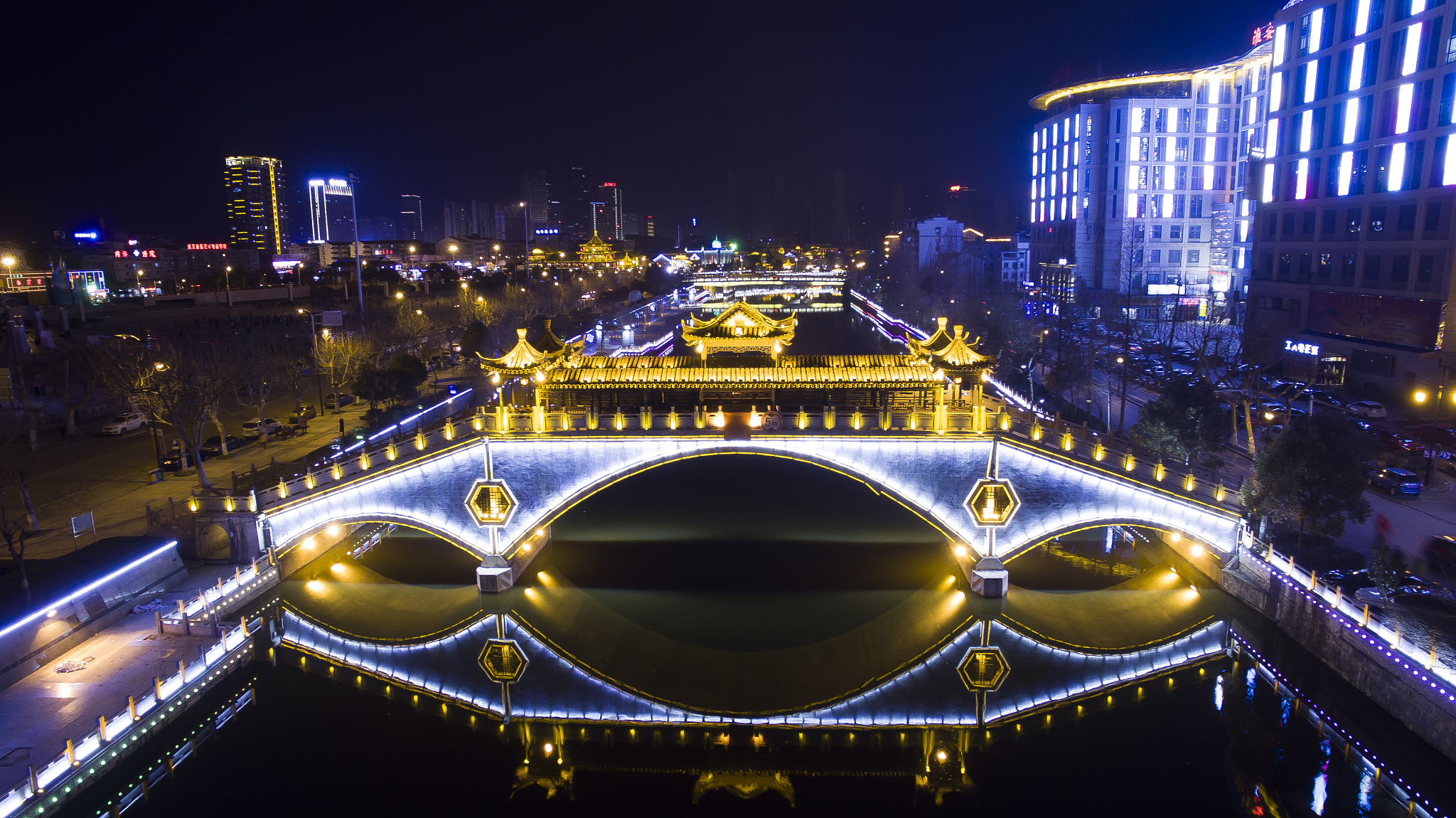
Ezhou city skyline and landmarks (鄂州) - Travel China Guide

Ezhou Travel Guide

The smallest prefecture-level city in Hubei, Ezhou is famous for the legendary Wuchang fish from Liangzi Lake and its strategic location on the Yangtze River.

About

Ezhou, the smallest prefecture-level city in Hubei Province, sits on the south bank of the Yangtze River just east of Wuhan. Despite its modest size, Ezhou holds an outsized place in Chinese culinary culture — it is the original home of the Wuchang fish (blunt-snout bream), one of China's most celebrated freshwater fish.

The name "Ezhou" dates back over 1,700 years to the Three Kingdoms period, when the area was known as E County. In 221 AD, Sun Quan, the founder of the Eastern Wu Kingdom, established his capital here and renamed it Wuchang, meaning "prosperous through warfare." The name was later changed to Ezhou in the Sui Dynasty.

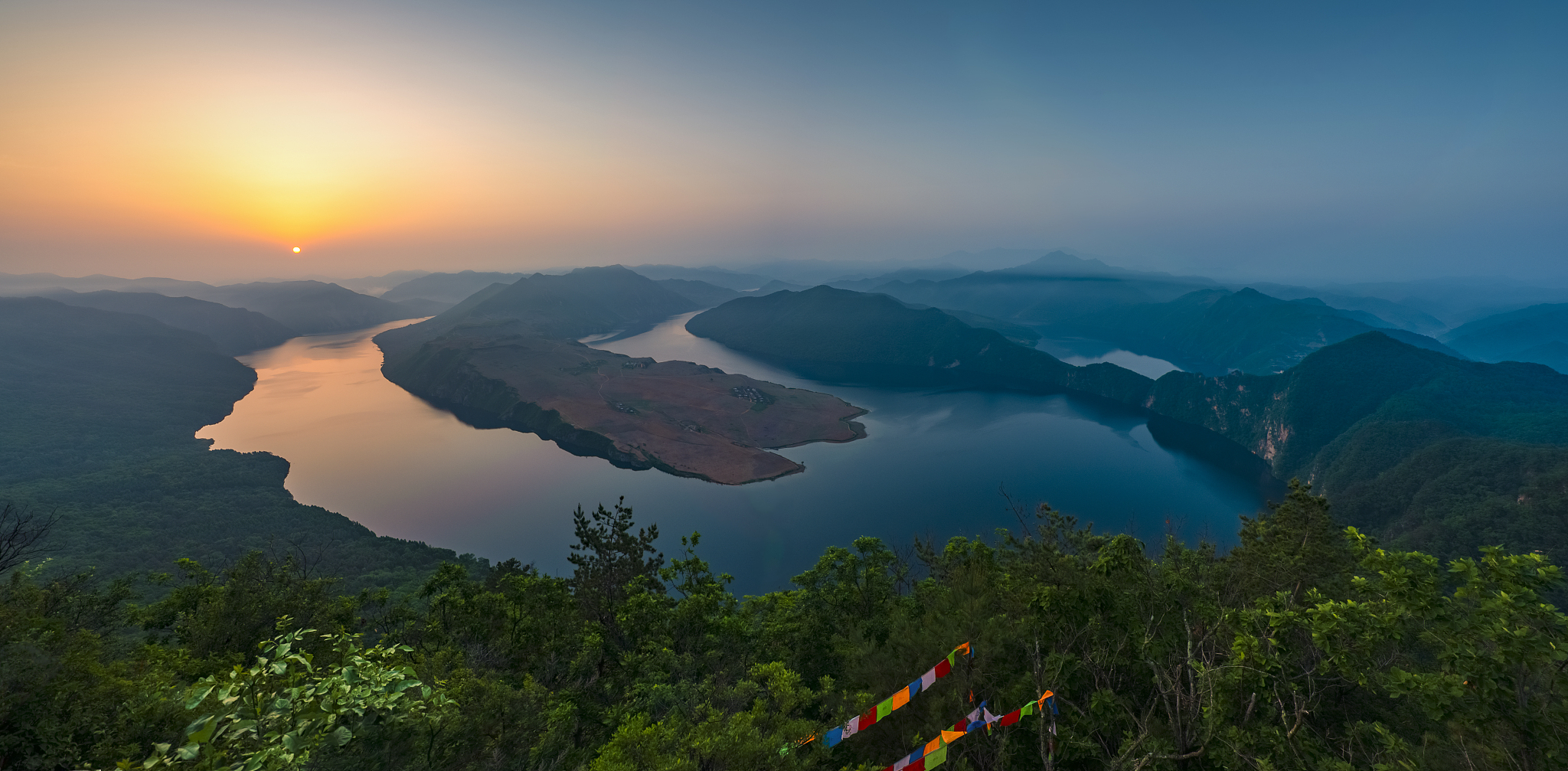
Liangzi Lake, the city's greatest natural asset, is the second largest lake in Hubei and renowned for its exceptionally clean water. The lake supports a rich ecosystem and provides the finest Wuchang fish, a delicacy that has been celebrated in Chinese poetry and literature for centuries.

Today, Ezhou is a quiet, livable city with a growing economy. Its proximity to Wuhan (just 30 minutes by high-speed rail) makes it a convenient getaway for those seeking lake scenery and authentic local cuisine.

History & Development

Ezhou has a long and storied history dating back to the Three Kingdoms period. In 221 AD, Sun Quan moved his capital to E County and renamed it Wuchang, making it one of the key political centers of the Eastern Wu Kingdom. The poet Su Dongpo's famous "Ode to the Red Cliff" mentions this region.

During the Ming and Qing dynasties, Ezhou was an important river port and trading center along the Yangtze River. The city's fortunes declined somewhat in the 20th century when Wuhan grew to dominate the region, but Ezhou retained its importance as a fishing and agricultural center.

The city's administrative status was upgraded from county to prefecture-level city in 1983. Since then, it has developed steadily, focusing on manufacturing, logistics, and eco-tourism centered on Liangzi Lake.

Economy & Industries

Ezhou's economy is relatively small compared to other Hubei cities, but it has been growing steadily. The city's strategic location along the Yangtze River and proximity to Wuhan make it attractive for logistics and manufacturing.

Fishing and aquaculture remain important, with Liangzi Lake producing high-quality Wuchang fish and other aquatic products that are sold across China. The food processing industry has developed around these resources.

Ezhou has also been developing its manufacturing sector, including electronic components, machinery, and building materials. In recent years, the city has promoted eco-tourism as a growth sector, leveraging the natural beauty of Liangzi Lake and historical sites.

Top Attractions

🏔️ Nature

Liangzi Lake

The second largest lake in Hubei Province, Liangzi Lake spans over 300 square kilometers of pristine water. The lake is famous for its clear waters, abundant aquatic life, and as the original home of the legendary Wuchang fish. Visitors can take boat tours, visit the island villages, and enjoy fresh lake seafood at waterside restaurants.

★★★★ 4.6
🕐 Open daily
🎫 Free (boat tours 60 yuan)
⛩️ Temple

Sangu Temple

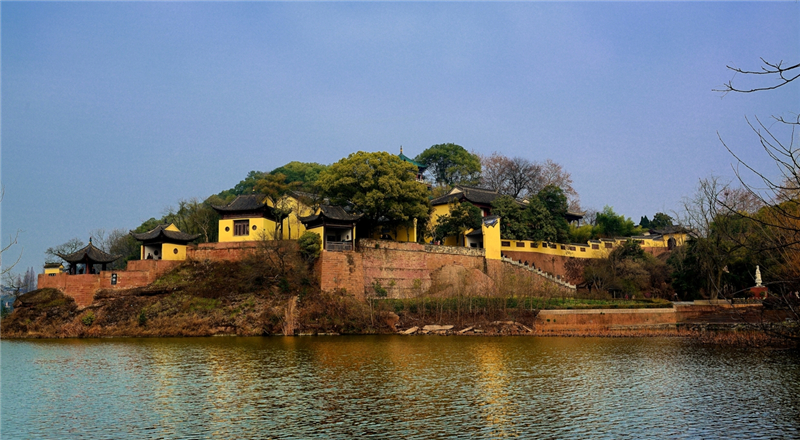
A historic temple on the Yangtze River's south bank, dedicated to Qu Yuan, the great poet of the Chu State. The temple features traditional architecture with ornate carvings and offers stunning views of the Yangtze River. The surrounding area has walking paths along the riverbank.

★★★★ 4.2
🕐 08:00-17:00
🎫 Free
🎭 Museum

Ezhou Museum

A modern museum showcasing the history and culture of the Ezhou region, with a particular focus on the ancient Chu civilization. The collection includes bronze vessels, ancient coins, pottery, and artifacts from the Three Kingdoms period.

★★★★ 4.3
🕐 09:00-17:00 (Closed Mondays)
🎫 Free
🌳 Park

Lotus Mountain

A scenic hill in the city center with a large bronze statue of Qu Yuan, traditional pavilions, and walking trails. The mountain offers panoramic views of Ezhou city and the Yangtze River. Especially popular with local residents for morning exercise.

★★★★ 4
🕐 Open daily
🎫 Free

Food & Culture

Discover the culinary treasures of Ezhou, from traditional street food to imperial cuisine.

Things to Do

Visit Liangzi Lake

Take a boat tour across the pristine lake and visit island villages for fresh fish.

🍴

Taste Wuchang Fish

Try the legendary steamed Wuchang fish at a lakeside restaurant.

Explore Sangu Temple

Visit the historic temple on the Yangtze riverbank and enjoy river views.

Ezhou Museum

Discover Chu civilization artifacts and Three Kingdoms history.

Lakeside Cycling

Rent a bicycle and ride the scenic trails around Liangzi Lake.

Suggested Itineraries

Ezhou Lake and History Day

A day exploring Ezhou's lake scenery, fresh cuisine, and historical sites.

  • Morning: Liangzi Lake boat tour and island visit
  • Midday: Wuchang fish lunch at lakeside
  • Afternoon: Sangu Temple and Ezhou Museum

Getting Around

✈️

Airport

Wuhan Tianhe International Airport (about 80 km, 1 hour by car).

🚄

High-Speed Rail

Ezhou Station serves the Wuhan-Jiujiang HSR, reaching Wuhan in 20 minutes.

🚌

Bus Network

Public buses serve the city and connect to Liangzi Lake and surrounding areas.

🚕

Taxi & Rideshare

Available throughout the city

Best Time to Visit

🌸

Spring

Mar - May

★★★★☆

Mild weather, blooming flowers, and vibrant green landscapes around the lake.

  • Spring blooms
  • Pleasant boating weather
☀️

Summer

Jun - Aug

★★★☆☆

Hot and humid. Best for water activities on Liangzi Lake and evening lakeside walks.

  • Water sports
  • Lakeside evenings
🍂

Autumn

Sep - Nov

★★★★★

Best season — cool, comfortable, and the fish from Liangzi Lake are at their fattest and most flavorful.

  • Best fish season
  • Comfortable weather
  • Clear skies
❄️

Winter

Dec - Feb

★★☆☆☆

Cold and damp. Quiet season with fewer visitors.

  • Fewer tourists
  • Warm fish soup season

Continue Exploring China

Discover more cities, food guides, and travel inspiration.