City hero image

Wuhan

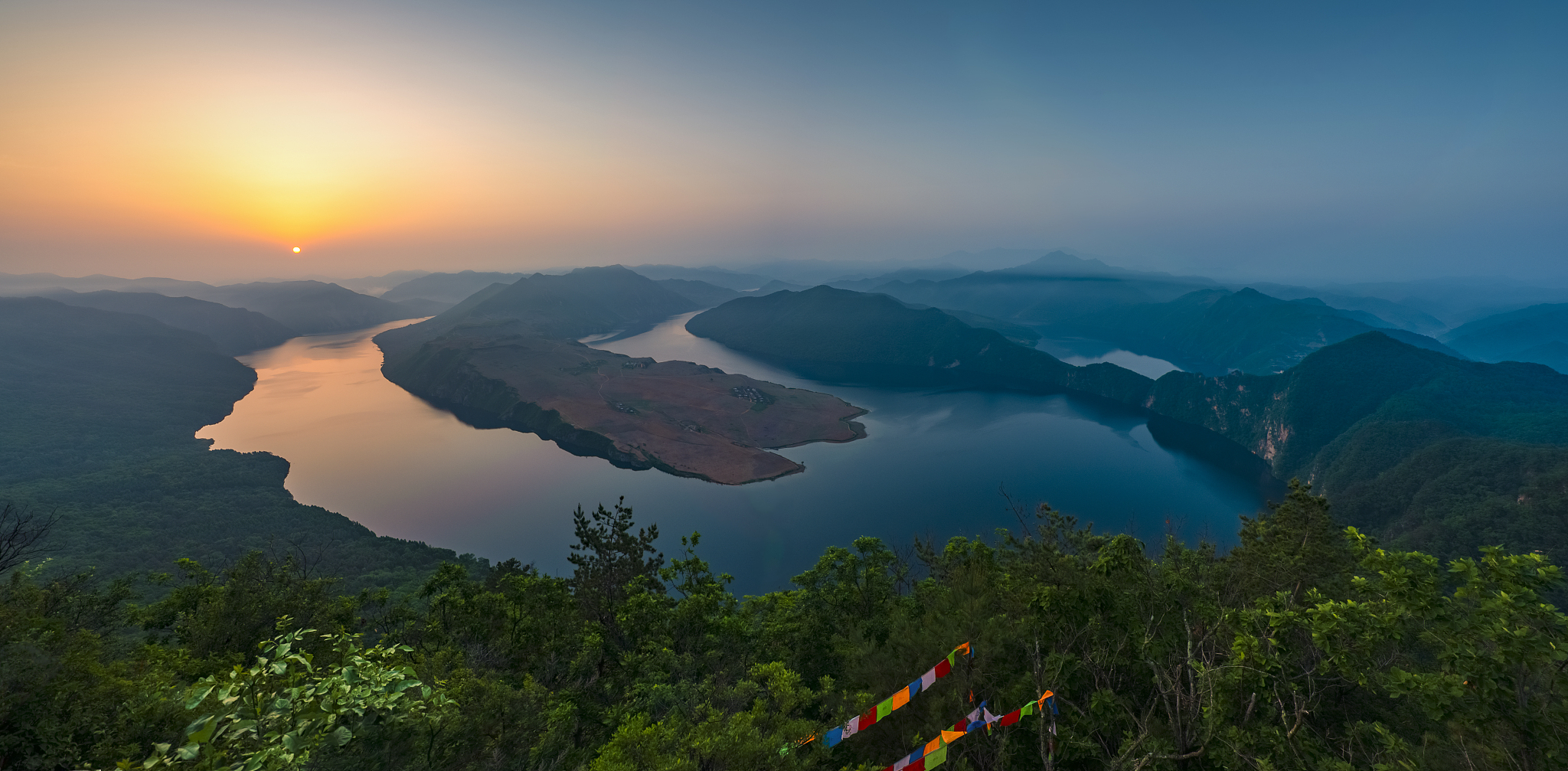
China's central hub where ancient poetry meets modern innovation—a city of yellow cranes, cherry blossoms, and the mighty Yangtze flowing through three historic towns.

About

Wuhan is a city where poetry meets power. Straddling the mighty Yangtze River, it comprises three historic towns—Wuchang, Hankou, and Hanyang—each with its own character. The Yellow Crane Tower has inspired poets for over 1,700 years, while the East Lake cherry blossoms draw millions each spring. But Wuhan is not stuck in the past: it's China's central transport hub, with high-speed trains reaching nearly every major city, and a booming tech sector centered in Optics Valley.

As the capital of Hubei province and the largest city in Central China, Wuhan commands serious economic weight. Its GDP exceeded 2.2 trillion yuan in 2025, driven by auto manufacturing, biotech, and digital industries. The city's 13.8 million residents enjoy a vibrant food culture—hot dry noodles for breakfast, doupi as a snack, and duck necks to munch on anytime. The famous Hubu Alley food street offers a crash course in Wuhan cuisine.

History pulses through Wuhan's streets. It was here that the 1911 Xinhai Revolution began, ending 2,000 years of imperial rule. The century-old Hankou bund recalls the treaty port era, while the 1957 Yangtze River Bridge stands as a symbol of modern China's rise. Walk across that bridge at sunset, watching cargo ships pass beneath and the city lights flicker on, and you understand why Wuhan is called the "thoroughfare of nine provinces."

For travelers, Wuhan offers authentic Chinese urban life without the tourist crowds of Beijing or Shanghai. Locals gather at dawn along the river to practice tai chi, students fill the cafes around Wuhan University, and families picnic by East Lake on weekends. This is a city that rewards exploration—whether you're sampling street food, wandering night markets, or simply watching the Yangtze roll by.

👥
Population 13.86 million
📐
Area 8,569 km²
💬
Language Mandarin Chinese, Wuhan dialect. English spoken in hotels and tourist areas.

History & Development

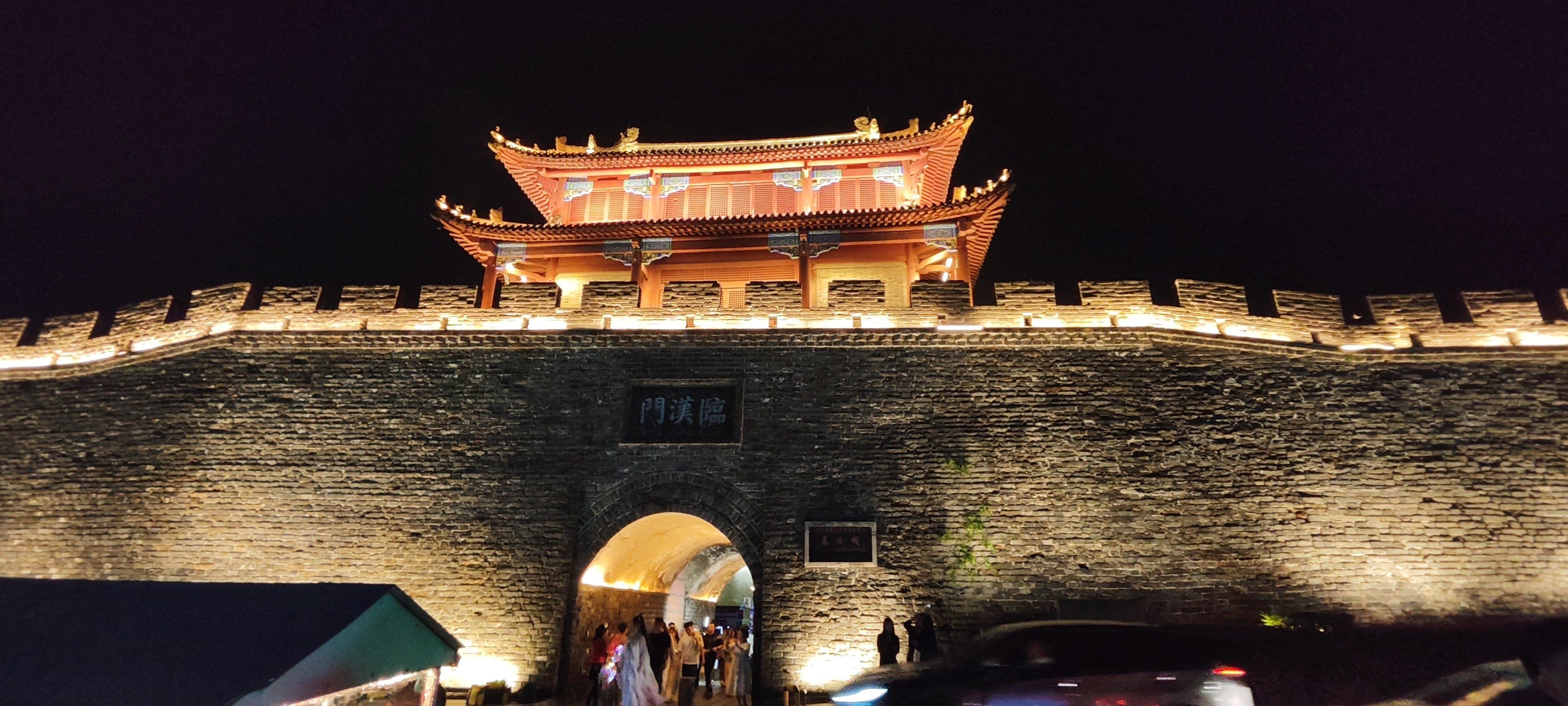
Wuhan's history spans over 3,500 years, beginning with the Panlong City site from the Shang Dynasty. The area became strategically important during the Three Kingdoms period, when Sun Quan built the Xiakou City in 223 AD and erected the first Yellow Crane Tower.

During the Ming and Qing dynasties, Hankou emerged as one of China's four major commercial centers, earning the nickname "Eastern Chicago." The opening of Hankou as a treaty port in 1861 accelerated modernization, bringing foreign trade, industry, and new ideas.

Wuhan's most historic moment came on October 10, 1911, when revolutionaries launched the Wuchang Uprising, sparking the Xinhai Revolution that ended imperial China. The city became the provisional capital of the new Republic. In 1927, the three towns were formally merged into Wuhan.

After 1949, Wuhan developed into a major industrial center. The 1957 completion of the Yangtze River Bridge—the first to span China's longest river—connected the three towns and became a symbol of national achievement. Economic reforms since 1978 transformed Wuhan into a high-tech hub, with Optics Valley becoming China's center for laser and optical industries.

Today, Wuhan balances heritage preservation with innovation. The city successfully hosted the 2019 Military World Games and continues to expand as Central China's leading metropolis.

Economy & Industries

Wuhan's economy ranks among China's top ten, driven by advanced manufacturing, high-tech industries, and strategic location. As Central China's largest city, it serves as a logistics hub connecting east, west, north, and south.

Key industries include automobiles (Dongfeng Motor headquarters), optoelectronics (Optics Valley), biomedicine, and steel. The city produces over 1 million vehicles annually and hosts more than 3,000 high-tech enterprises. Wuhan East Lake High-Tech Development Zone is China's largest optoelectronics base.

Infrastructure investment has been massive. Wuhan Tianhe Airport connects to over 200 cities, and the city's three major railway stations handle millions of passengers yearly. The Yangtze River port processes over 50 million tons of cargo annually.

Education fuels innovation. Wuhan hosts over 80 universities and colleges, including Wuhan University and Huazhong University of Science and Technology. The city ranks among global top 20 research cities by Nature Index.

In 2025, Wuhan's GDP reached approximately 2.21 trillion yuan, with per capita GDP around 160,000 yuan (about 22,000 USD). The city targets to become a national central city by 2035.
Top Attractions

🏛️ Landmark

Yellow Crane Tower

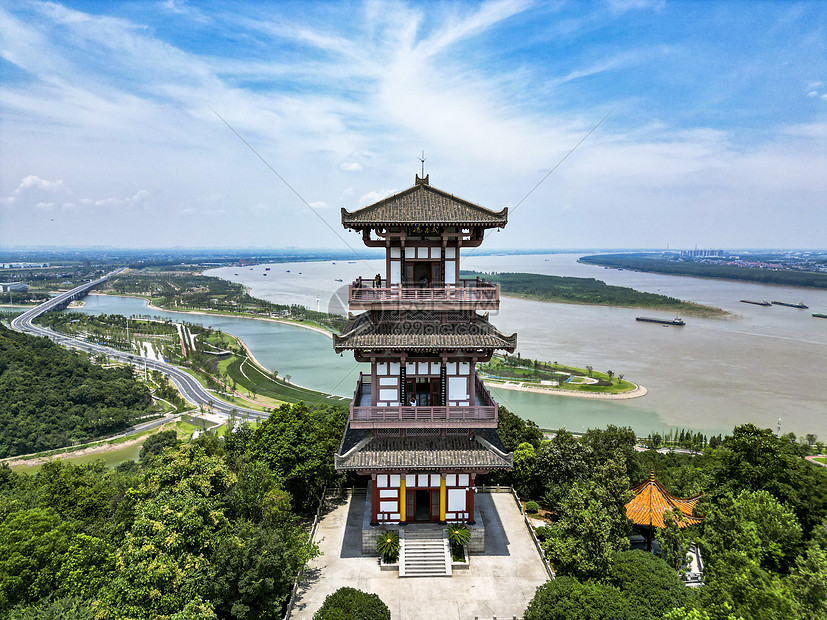
One of China's four great towers, originally built in 223 AD. The current five-story pagoda offers panoramic views of the Yangtze River and Wuhan's skyline. Immortalized in Tang Dynasty poetry.

★★★★ 4.8
🕐 8:00 AM - 6:00 PM
🎫 ¥70
🏔️ Nature

East Lake Scenic Area

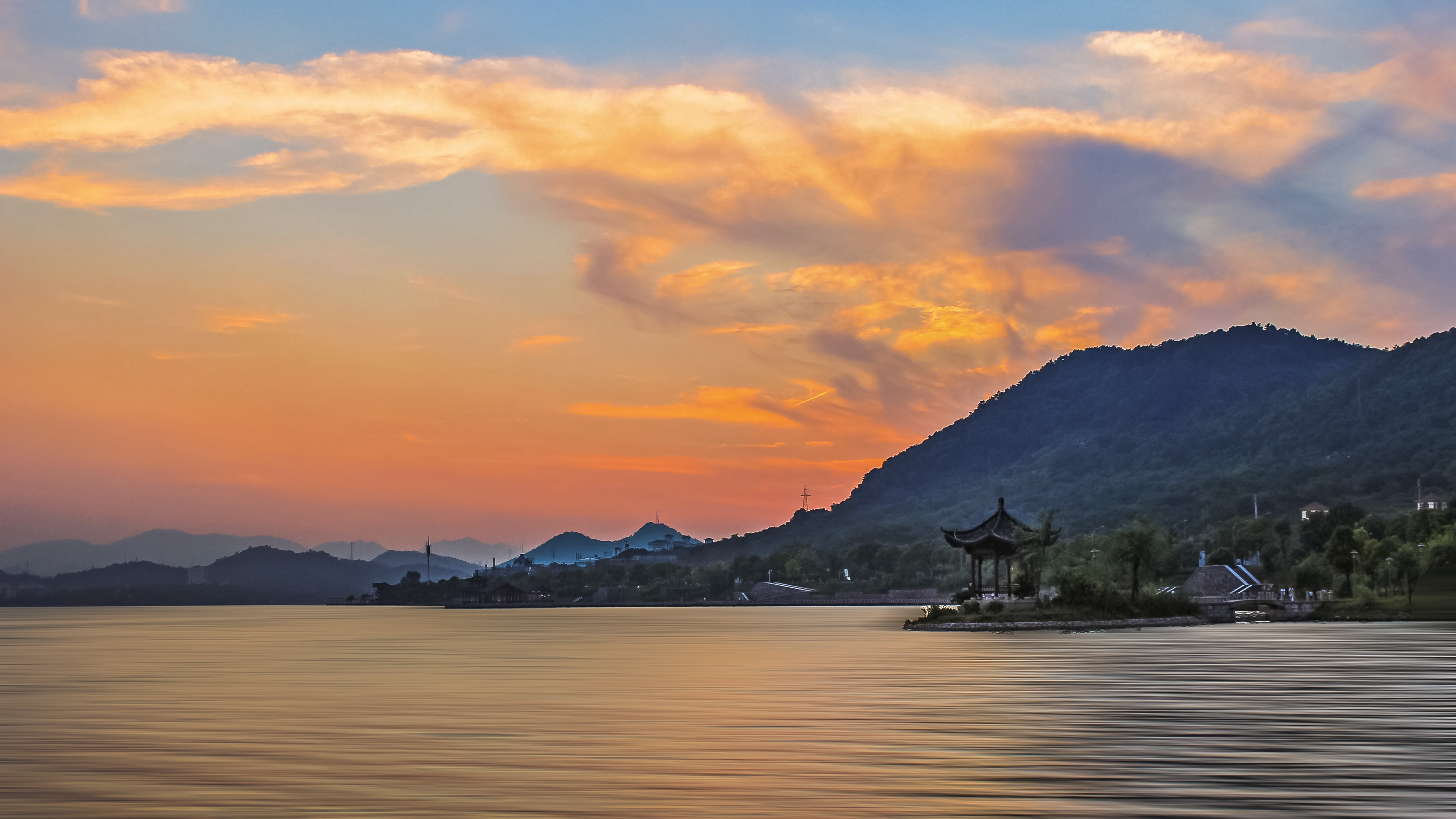
China's largest urban lake, six times the size of West Lake in Hangzhou. Features cherry blossoms in spring, lotus flowers in summer, and the famous Mo Hill pagoda.

★★★★ 4.7
🕐 24/7 (free access)
🎫 Free
🎭 Museum

Hubei Provincial Museum

National treasure museum housing the 2,400-year-old Zeng Houyi Chime Bells and Sword of Goujian. Free admission to one of China's most important archaeological collections.

★★★★ 4.9
🕐 9:00 AM - 5:00 PM (closed Mondays)
🎫 Free
🏛️ Landmark

Wuhan University

One of China's most beautiful campuses, famous for its cherry blossom avenue in late March. Historic architecture blends Chinese and Western styles.

★★★★ 4.8
🕐 Reservation required during cherry blossom season
🎫 Free
⛩️ Temple

Guiyuan Temple

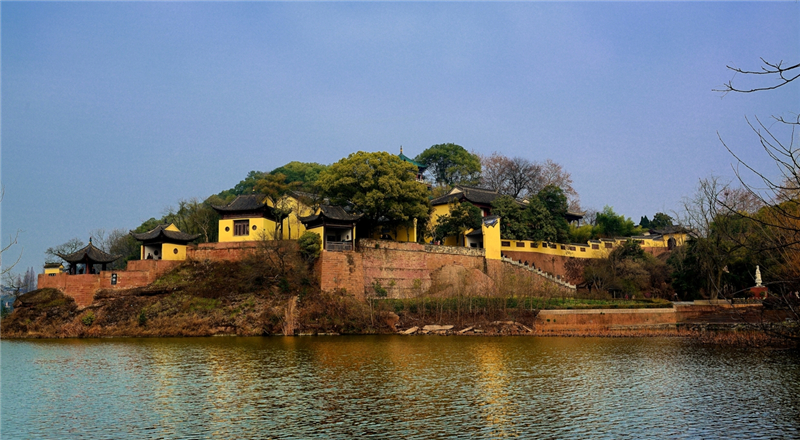
Major Buddhist temple founded in 1658, famous for its 500 gilded arhat statues. Visitors count arhats to divine their fortune.

★★★★ 4.5
🕐 8:00 AM - 5:00 PM
🎫 ¥20
🏛️ Landmark

Yangtze River Bridge

China's first bridge across the Yangtze River, completed in 1957. Walk across for stunning views of the river and both riverbanks.

★★★★ 4.6
🕐 24/7 (pedestrian walkway)
🎫 Free

Food & Culture

Discover the culinary treasures of Wuhan, from traditional street food to imperial cuisine.

Things to Do

🚶

Walk the Yangtze Bridge

Cross China's first Yangtze River bridge on foot for panoramic river views and historic significance.

Cherry Blossom Viewing

Visit Wuhan University in late March for stunning cherry blossom tunnels.

🍴

Hubu Alley Food Tour

Explore Wuhan's most famous snack street for hot dry noodles, doupi, and more.

East Lake Cycling

Rent a bike and cycle around the scenic East Lake greenway—101 km of lakeside paths.

Yangtze River Night Cruise

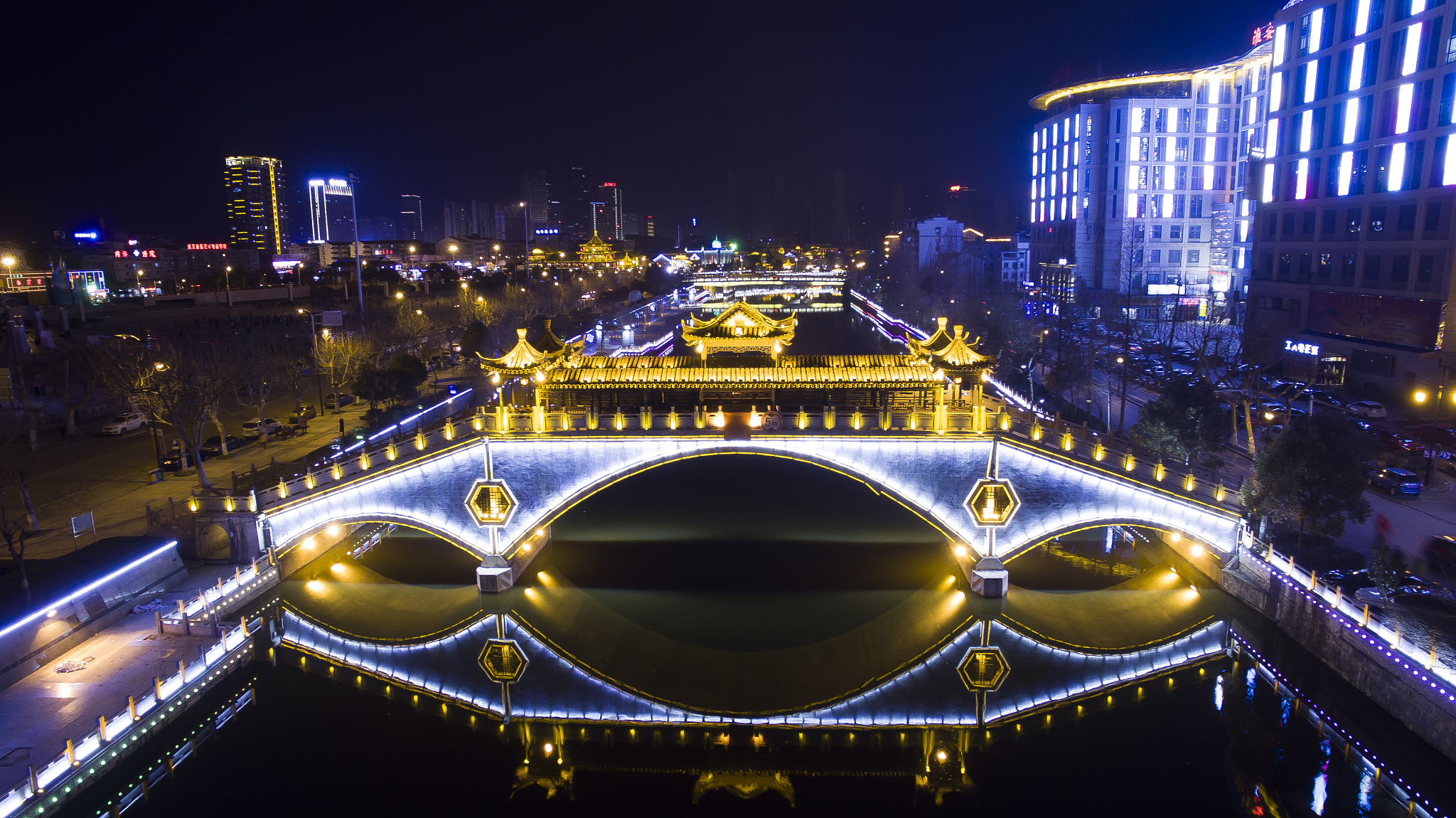
Take an evening boat cruise to see Wuhan's illuminated skyline and bridges.

Getting Around

✈️

Airport

Wuhan Tianhe International Airport (WUH) - 25 km from city center

🚄

High-Speed Rail

Connected to major cities

🚇

Metro

Public transportation available

🚌

Bus Network

Extensive network throughout the city

🚕

Taxi & Rideshare

Available throughout the city

Best Time to Visit

🌸

Spring

Mar - May

★★★★★

Cherry blossoms at Wuhan University, pleasant temperatures. Peak tourist season.

  • Cherry blossoms
  • Comfortable weather
  • East Lake flowers
☀️

Summer

Jun - Aug

★★☆☆☆

Hot and humid, known as one of China's "four furnaces." Night markets and river breeze offer relief.

  • Lotus flowers
  • Night markets
  • River breeze
🍂

Autumn

Sep - Nov

★★★★★

Cool and crisp, perfect for walking the city and enjoying lakeside scenery.

  • Perfect weather
  • Clear skies
  • Ginkgo season
❄️

Winter

Dec - Feb

★★★☆☆

Cold but rarely freezing. Fewer tourists, hot pot season, and plum blossoms.

  • Plum blossoms
  • Hot pot
  • Fewer crowds

Travel Reminders

💡

sightseeing

Late March is peak cherry blossom season at Wuhan University. Reserve free tickets 3 days in advance.

💡

food

Wuhan takes breakfast seriously. Try hot dry noodles, doupi, and mianwo at local markets before 9 AM.

💡

transportation

Take the ferry from Hankou to Wuchang for just ¥1.5—cheaper than metro and scenic.

💡

culture

Visit Hubei Museum early morning for free tickets. Arrive before 11 AM to secure chime bell performance seats.

☀️

weather

Wuhan is one of China's "four furnaces." July-August temperatures often exceed 35°C. Plan indoor activities.

Continue Exploring China

Discover more cities, food guides, and travel inspiration.