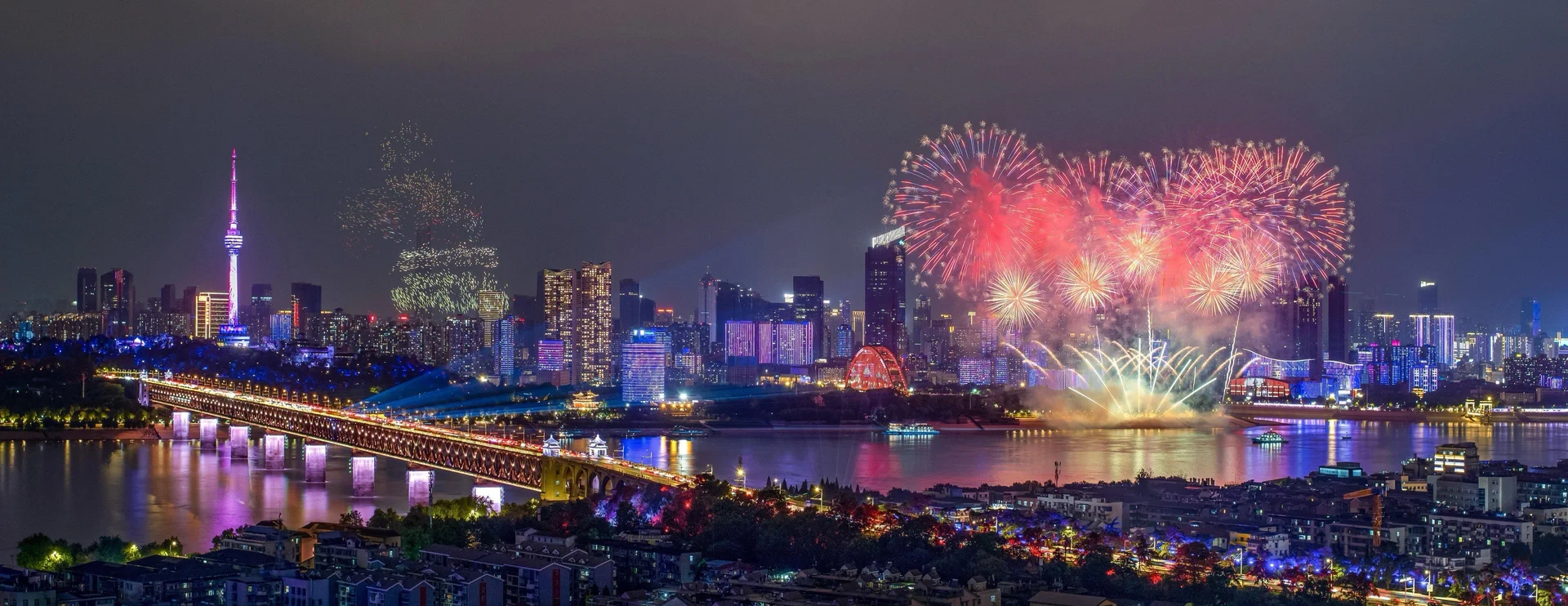
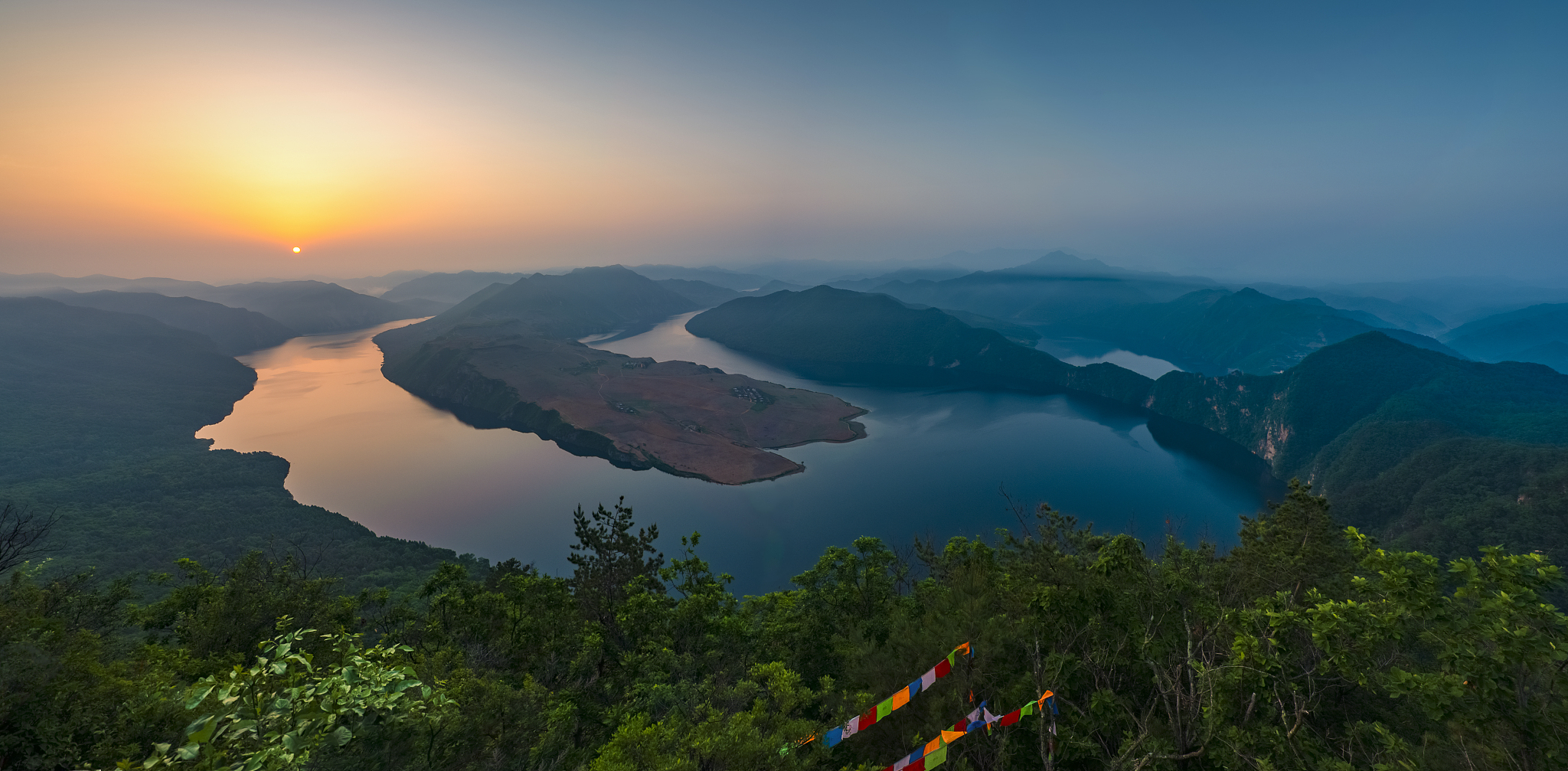
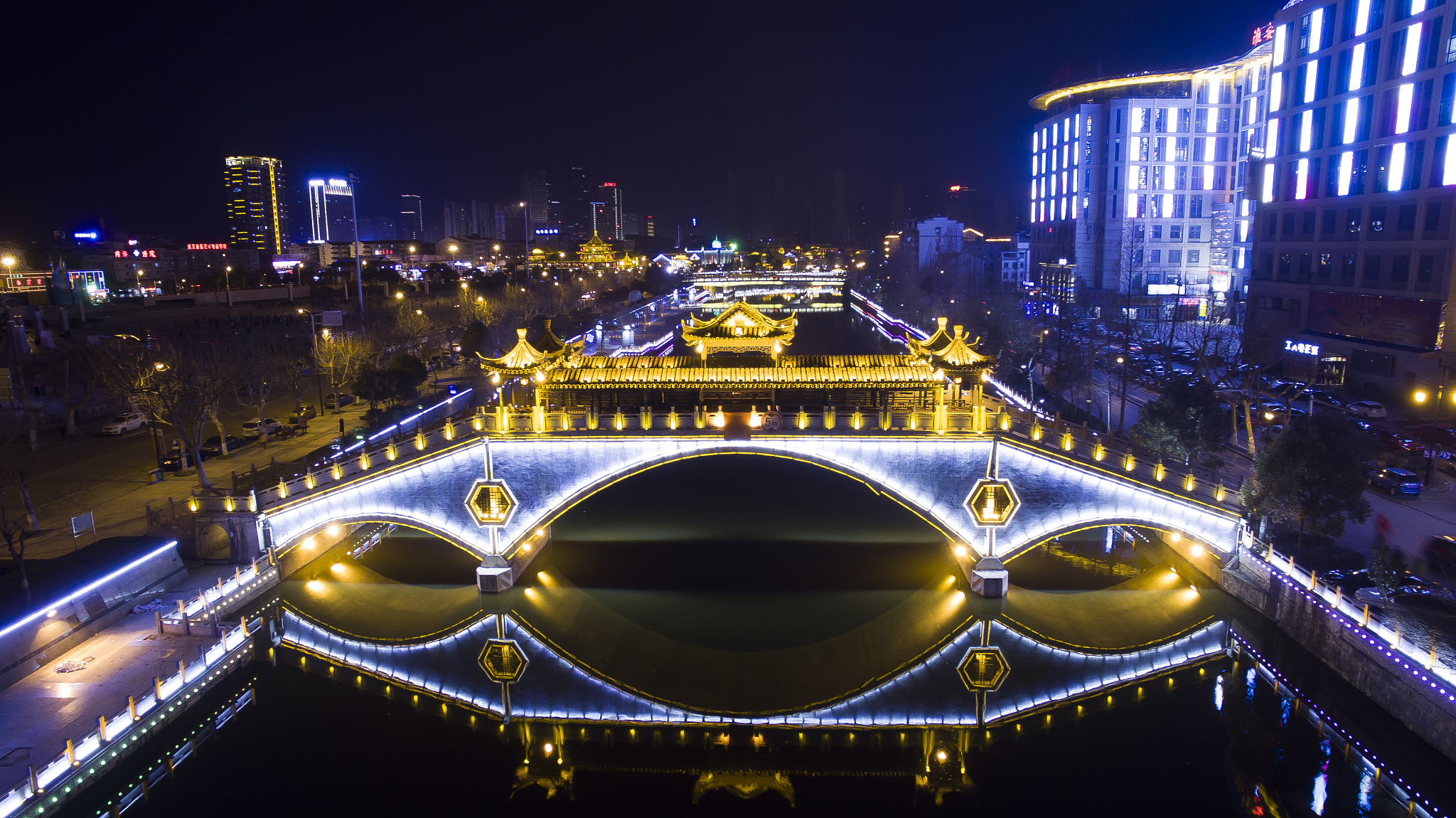
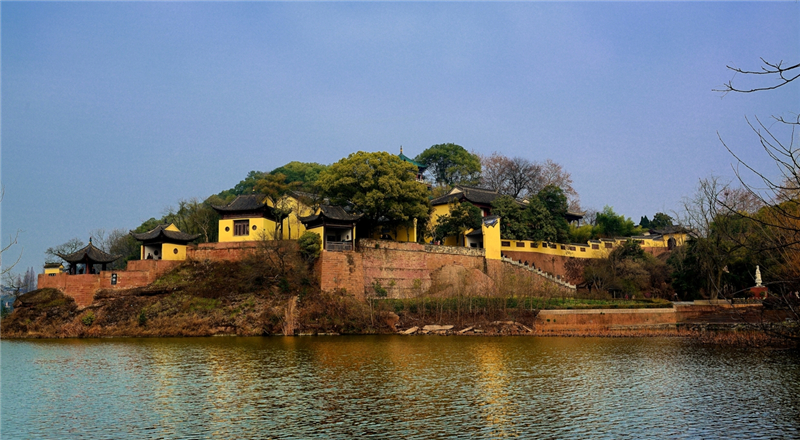
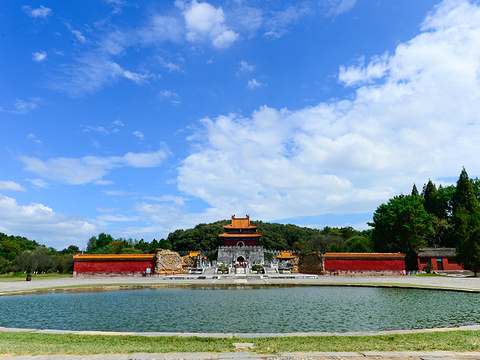
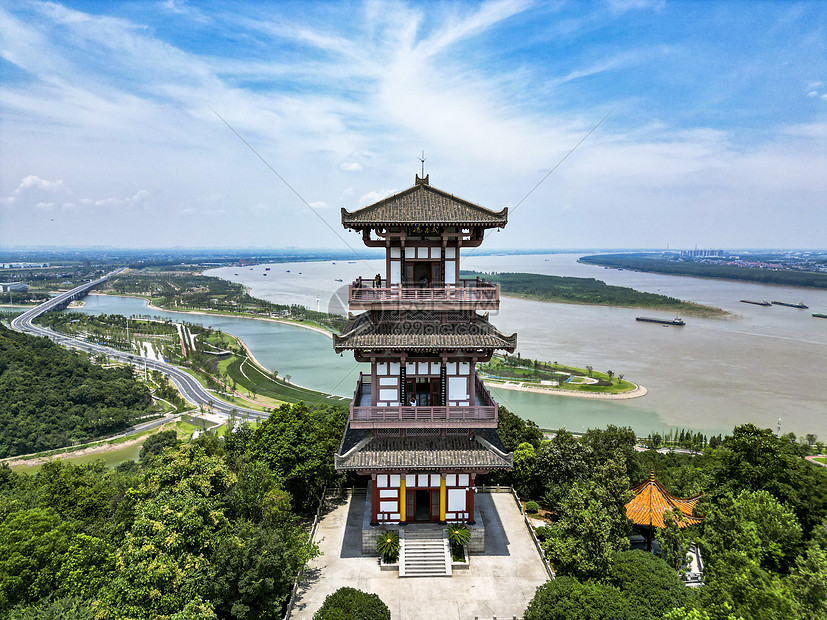
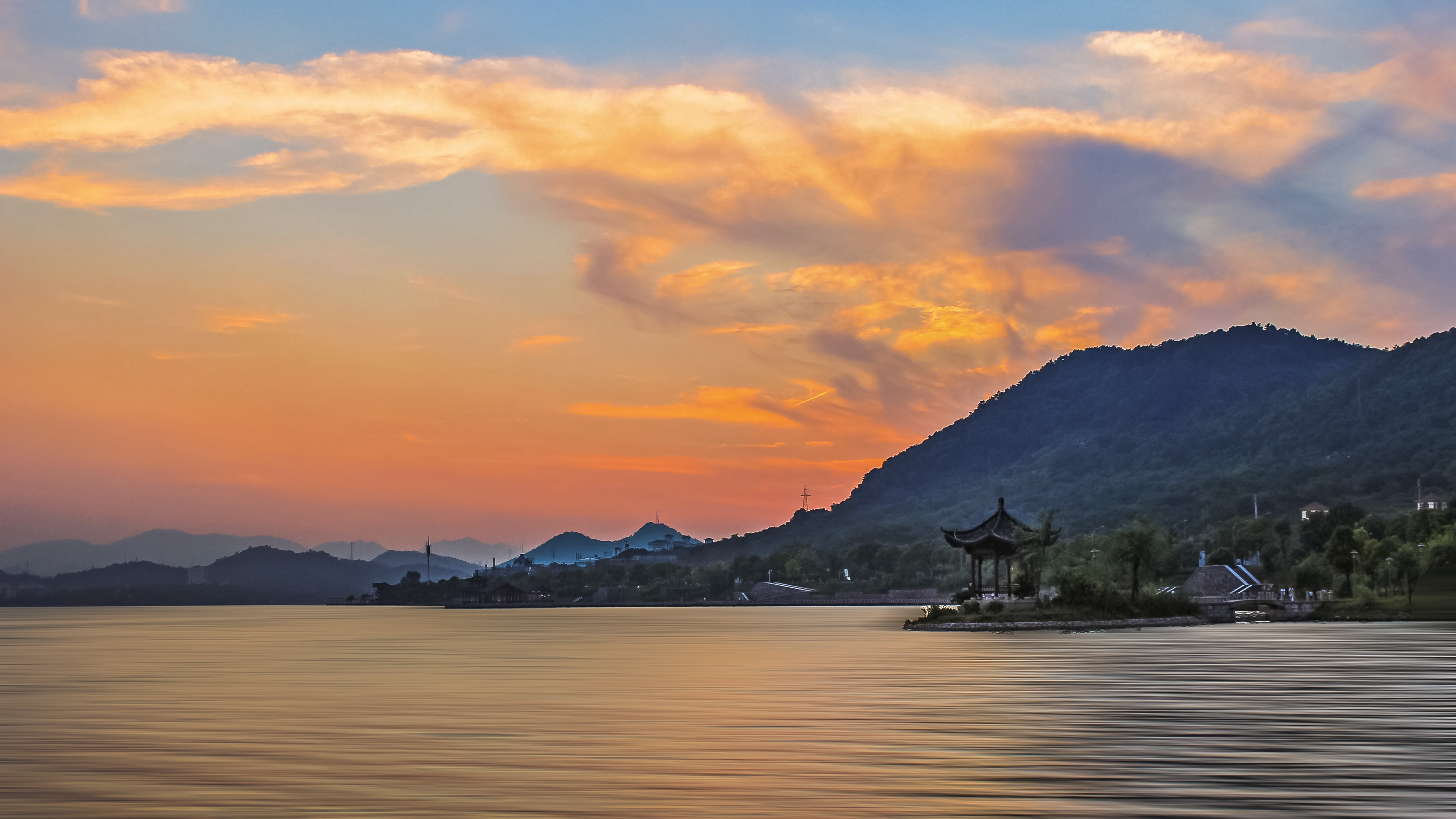
Xiangyang city skyline and landmarks (襄阳) - Travel China Guide

Xiangyang Travel Guide

An ancient fortress city on the Han River, legendary for its role in the Three Kingdoms epic and as a key battleground throughout Chinese history.

About

Xiangyang is a city where history breathes through every stone and legend lingers in the air. Situated on the northern bank of the Han River in northwestern Hubei Province, this ancient fortress city has been a strategic military stronghold for over 2,800 years. Its name echoes through the pages of Romance of the Three Kingdoms—China's most beloved historical epic—as the stage for some of the most dramatic battles and intrigues in Chinese history.

The city's most iconic landmark is its ancient city wall, stretching over 7 kilometers along the Han River. First built during the Han Dynasty and reinforced through the Tang, Song, Ming, and Qing dynasties, the wall stands as one of China's best-preserved examples of ancient military architecture. Walking along its broad ramparts, visitors gaze across the river at the modern city while imagining the armies that once besieged these formidable gates.

Just 13 kilometers west of the city lies Longzhong, the hermitage of Zhuge Liang—the legendary "Sleeping Dragon" strategist whose brilliance shaped the Three Kingdoms era. It was here that Liu Bei, the future founder of the Shu Han kingdom, visited three times to persuade Zhuge Liang to leave his reclusive life and become his chief advisor. The story of the "Three Visits to the Thatched Cottage" remains one of China's most cherished historical narratives.

Beyond its martial history, Xiangyang is a city of culture and natural beauty. The Han River, one of the Yangtze's largest tributaries, provides a scenic waterfront where locals exercise, fish, and socialize. The nearby Xianshan Mountain offers hiking trails dotted with ancient temples and stone inscriptions, providing panoramic views of the city below.

Modern Xiangyang has emerged as an important industrial and transportation hub in Hubei Province. Its economy has grown substantially, with automotive manufacturing, electronics, and agricultural processing leading the way. Yet the city has managed to preserve its historical character, creating a unique blend of ancient and modern that offers visitors a window into both China's glorious past and its dynamic present.

👥
Population 5.3 million
📐
Area 19,772 km²
💬
Language Mandarin Chinese. English spoken in major hotels and tourist sites.

History & Development

Xiangyang's recorded history spans more than 2,800 years, with the city first established as a strategic fortress during the Western Zhou Dynasty (1046-771 BC). Throughout the Warring States period, it was a key territory contested between the states of Chu and Wei.

The city rose to national prominence during the Three Kingdoms period (220-280 AD). As a crucial stronghold of Jingzhou Province, Xiangyang was the stage for many of the era's most famous battles and political maneuvers. Zhuge Liang, the greatest strategist of the age, lived in seclusion at nearby Longzhong before being recruited by Liu Bei. The city withstood numerous sieges, most famously the Siege of Xiangyang in the Southern Song Dynasty when it held out against Mongol forces for six years (1267-1273) before falling—a pivotal moment in the Mongol conquest of China.

Under the Ming and Qing dynasties, Xiangyang remained an important administrative and military center. The city wall was repeatedly reinforced and expanded, reaching its current form during this period.

During the Republican era and the Chinese Civil War, Xiangyang was a contested city. After 1949, it transitioned from a traditional agricultural center to an industrial city. The construction of major railways in the 20th century, including the Jiaozuo-Liuzhou Railway, transformed Xiangyang into a transportation hub.

Since China's reform and opening-up, Xiangyang has experienced rapid economic growth. The city has attracted substantial investment in automotive manufacturing, becoming home to the Dongfeng Motor Corporation's medium and heavy-duty truck production base. Its GDP has grown from a few billion yuan in the 1990s to over 580 billion yuan today.

Economy & Industries

Xiangyang has developed into a major industrial and transportation hub in central China. Its economy is anchored by several key sectors that have driven remarkable growth over the past three decades.

Automotive manufacturing is the crown jewel of Xiangyang's economy. The city hosts a major production base of Dongfeng Motor Corporation, one of China's largest state-owned automotive manufacturers. The Xiangyang base specializes in medium and heavy-duty commercial trucks, producing hundreds of thousands of vehicles annually. This industry has spawned a vast supply chain ecosystem including parts manufacturing, logistics, and technical services.

Beyond automotive, Xiangyang has developed significant capacity in electronics manufacturing, textile production, and agricultural processing. The city's High-tech Industrial Development Zone has attracted investments from domestic and international companies in new energy, intelligent manufacturing, and information technology.

Agriculture remains important to the regional economy. The surrounding countryside is known for producing high-quality cotton, grain, oil crops, and specialty products like Nanzhang mushrooms and Zaoyang fruits.

Transportation and logistics have become increasingly significant. Xiangyang sits at the intersection of several major railway lines and expressways, making it a natural logistics hub connecting western and central China. The Han River also provides water transport capacity for bulk goods.

The city's tertiary sector has grown steadily, with tourism emerging as an important contributor. The Three Kingdoms heritage, ancient city wall, and natural scenery attract millions of domestic tourists annually, supporting hotels, restaurants, and cultural venues.

Xiangyang's economy has achieved an average annual growth rate exceeding 8% over the past decade, reflecting the successful transformation of this ancient fortress into a modern industrial powerhouse.
Top Attractions

🏛️ Landmark

Xiangyang Ancient City Wall

One of China's most well-preserved ancient city walls, stretching along the Han River for over 7 kilometers. Built during the Han Dynasty and expanded through successive dynasties, it served as a formidable fortress defending against countless invasions. The wall offers panoramic views of the Han River and the modern city.

★★★★ 4.7
🕐 8:00 AM-6:00 PM
🎫 40 yuan
🏛️ Landmark

Longzhong Scenic Area

The legendary former residence of Zhuge Liang, the brilliant strategist of the Three Kingdoms period. This scenic area features ancient temples, pavilions, and tranquil gardens set against lush green mountains. It was here that Liu Bei visited Zhuge Liang three times to seek his counsel—a famous Chinese historical narrative.

★★★★ 4.8
🕐 8:00 AM-5:30 PM
🎫 80 yuan
⛩️ Temple

Miliang Ancient City

A memorial temple dedicated to Mi Fu, a renowned Song Dynasty calligrapher and painter. The complex features exquisite stone carvings, calligraphy inscriptions, and traditional architecture set in a peaceful garden. It is a treasure house of Chinese calligraphy art.

★★★★ 4.3
🕐 8:00 AM-5:30 PM
🎫 25 yuan
🏔️ Nature

Han River Cruise

Experience Xiangyang from the water with a scenic cruise along the Han River. The cruise passes beneath historic bridges, alongside the ancient city wall, and offers stunning views of the modern skyline and the surrounding mountains.

★★★★ 4.4
🕐 9:00 AM-8:00 PM
🎫 60 yuan
🎭 Museum

Xiangyang Museum

Housed in a beautiful Ming Dynasty temple complex, the museum showcases Xiangyang's rich history from Neolithic times through the Three Kingdoms period and beyond. Highlights include bronze wares, ancient weapons, and artifacts from the Chu culture.

★★★★ 4.2
🕐 9:00 AM-5:00 PM (Closed Mondays)
🎫 Free
🏔️ Nature

Xianshan Mountain

A historic mountain on the southern outskirts of Xiangyang, dotted with ancient temples, pavilions, and stone inscriptions. Popular among locals for hiking and enjoying panoramic views of the city and the Han River below.

★★★★ 4.1
🕐 Open all day
🎫 Free
🏛️ Landmark

Xiangyang Tang City

A Tang Dynasty-themed film studio and cultural park built for historical dramas. It features magnificent Tang-style palaces, bustling market streets, and nightly light shows. Many popular Chinese historical television series have been filmed here.

★★★★ 4.5
🕐 8:30 AM-9:00 PM
🎫 90 yuan

Food & Culture

Discover the culinary treasures of Xiangyang, from traditional street food to imperial cuisine.

Things to Do

🏛️

Walk the Ancient Wall

Stroll along the 2,800-year-old city wall overlooking the Han River.

Three Kingdoms Pilgrimage

Visit Longzhong and trace Zhuge Liang's legendary footsteps.

Han River Sunset

Take a sunset cruise on the Han River with views of the ancient wall.

🍴

Night Market Food Tour

Sample Xiangyang's famous beef noodles and street snacks.

Suggested Itineraries

Three Kingdoms Heritage Tour

Explore Xiangyang's Three Kingdoms legacy and ancient fortifications.

  • Longzhong
  • Ancient City Wall
  • Xiangyang Museum

River & Nature Experience

Combine river scenery, mountain hiking, and Tang Dynasty culture.

  • Han River Cruise
  • Xianshan Mountain
  • Tang City

Getting Around

✈️

Airport

Xiangyang Liuji Airport (XFN) - 18 km, about 30 minutes by car

🚄

High-Speed Rail

High-speed rail to Wuhan (1 hour), Xi'an (2 hours), Beijing (5 hours)

🚌

Bus Network

Comprehensive bus network covering all districts

🚕

Taxi & Rideshare

Available throughout the city

Best Time to Visit

🌸

Spring

Mar - May

★★★★☆

Pleasant temperatures with blooming flowers throughout the city. Perfect for outdoor exploration.

  • Comfortable weather
  • Spring blooms
  • Fewer crowds
☀️

Summer

Jun - Aug

★★★☆☆

Hot and humid with temperatures above 35°C. Evening activities along the Han River are popular.

  • River cruises
  • Night markets
  • Evening breeze
🍂

Autumn

Sep - Nov

★★★★★

The best season—cool, crisp weather with clear skies. Perfect for hiking and outdoor sightseeing.

  • Perfect weather
  • Clear mountain views
  • Comfortable hiking
❄️

Winter

Dec - Feb

★★★☆☆

Cold but dry with occasional snow. The city wall looks atmospheric in winter light.

  • Fewer tourists
  • Snow scenery
  • Hot pot season

🎉 Festivals & Events

October annually
Zhuge Liang Cultural Festival

Cultural performances, academic forums, and celebrations honoring the legendary strategist at Longzhong.

💡 Weather Tips

Autumn is the peak tourist season. Book accommodations and tickets in advance for October visits.

Travel Reminders

💡

Longzhong Full Day

Allocate at least 4-5 hours for Longzhong Scenic Area. The site is quite large and includes multiple temples, pavilions, and gardens spread across the hillside.

💡

Best City Wall Photo Spot

The section near Linhan Gate offers the best photo opportunities with the wall, river, and mountains in a single frame. Sunset light is ideal.

💡

Beef Noodle Breakfast

Don't miss Xiangyang Beef Noodles for breakfast. The best shops are found in the old city area near the Drum Tower. Go early—they often sell out by 10 AM.

💡

Getting Around

Buses are convenient and cover major attractions. Taxis and ride-hailing apps are affordable. The city is also bike-friendly along the riverfront.

Continue Exploring China

Discover more cities, food guides, and travel inspiration.