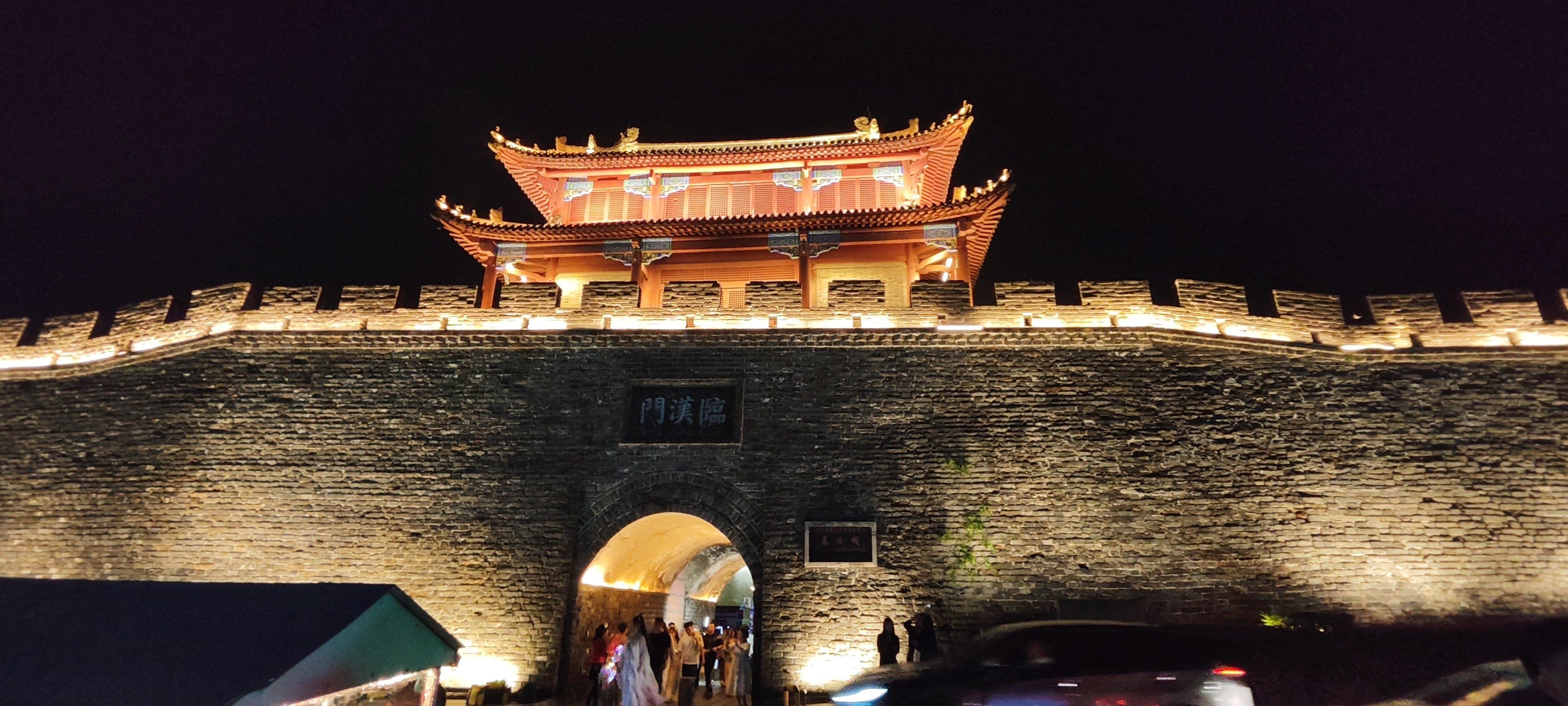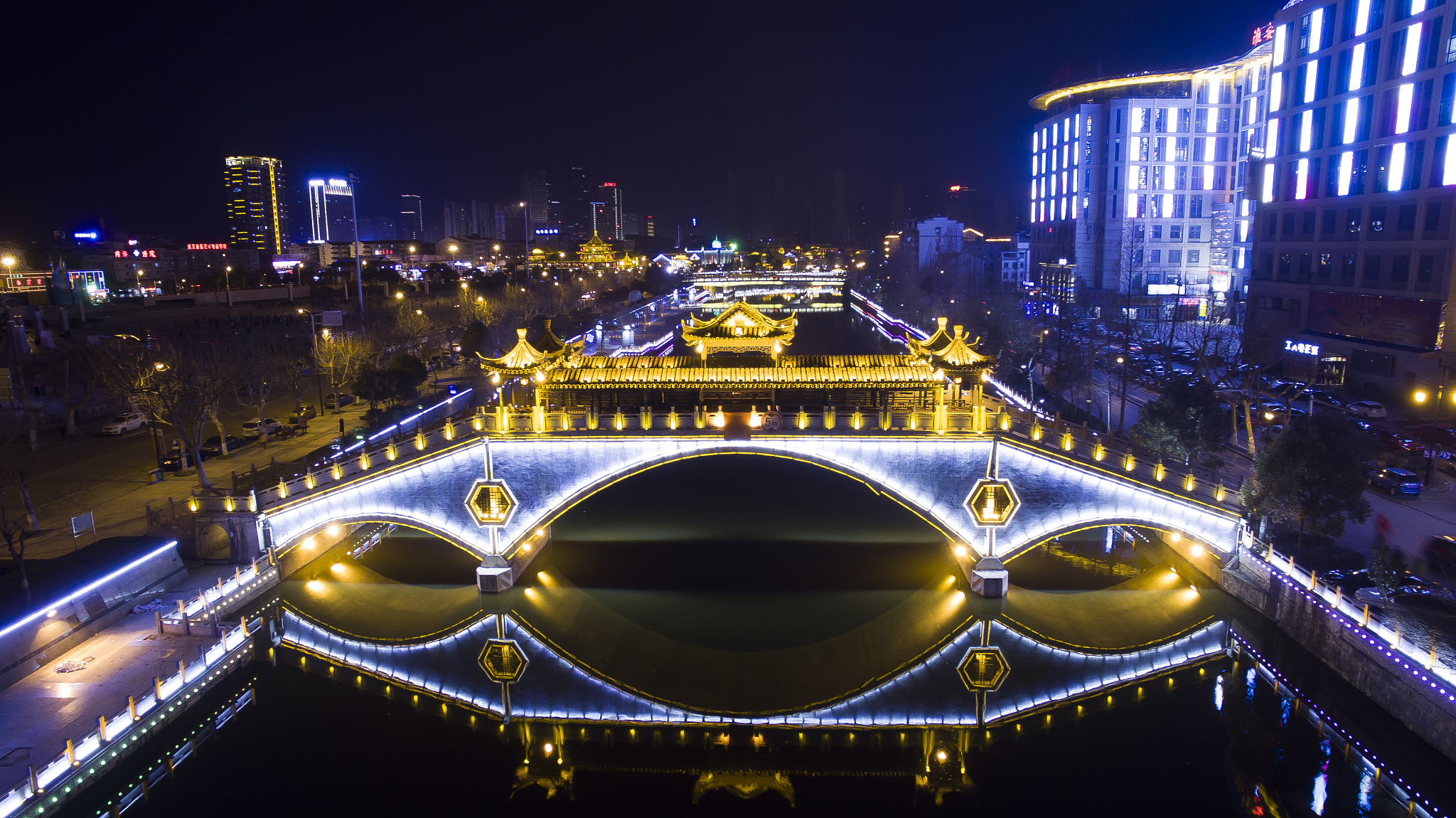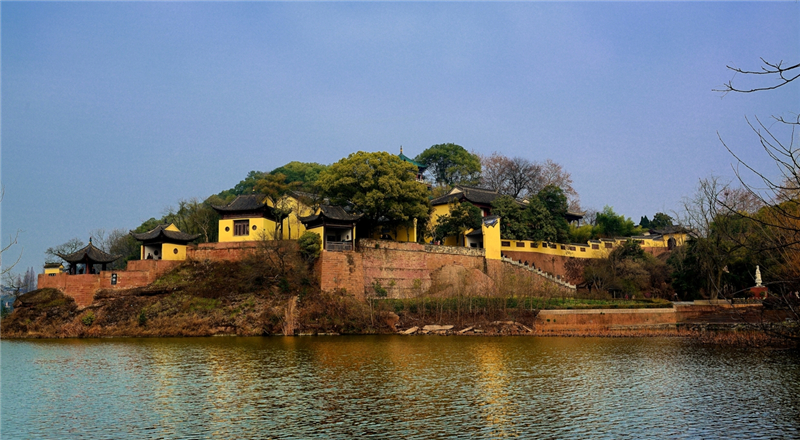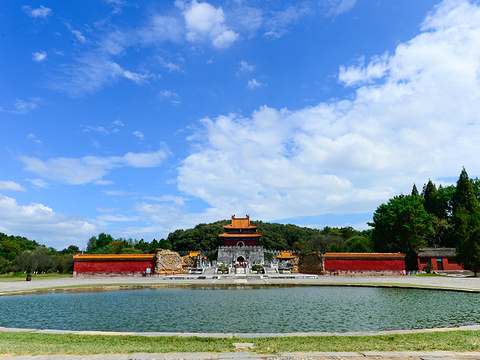
Xiaogan city skyline and landmarks (孝感) - Travel China Guide

Xiaogan Travel Guide

Known as the "City of Filial Piety," Xiaogan is celebrated for its thousand-year tradition of Confucian filial virtue and its famous sesame candy and rice wine.

About

Xiaogan, located in central Hubei Province about 60 kilometers northwest of Wuhan, is a city defined by its cultural heritage. Its name — meaning "filial piety moves heaven" — reflects a 1,500-year tradition of Confucian virtue. According to legend, the city was named after the story of Dong Yong, a filial son who sold himself into servitude to fund his father's proper burial, and whose devotion moved the gods to reunite him with his love.

Beyond its moral legacy, Xiaogan is famous across China for two iconic food products. Xiaogan sesame candy (matang) is a beloved traditional confection with over 400 years of history, known for its delicate, layered crunch. Xiaogan rice wine (mijiu) is a sweet fermented beverage that has been produced in the region for centuries and is enjoyed throughout the country.

The city's natural landscape is defined by Shuangfeng Mountain, the highest peak in the Jianghan Plain, offering forest trails and panoramic views. Xiaogan is also an important agricultural center, producing grain, cotton, and oilseed crops for the region.

Today, Xiaogan balances its rich traditions with modern development. The city has established industrial parks focusing on automotive parts, electronic information, and food processing, while preserving its cultural heritage as a source of local pride and tourism attraction.

History & Development

Xiaogan's recorded history spans over 4,000 years. During the Zhou Dynasty (1046-256 BC), the area was part of the Chu State. The name "Xiaogan" was officially adopted in the Southern Dynasty period (454 AD), inspired by the filial piety legend of Dong Yong.

The city was strategically important throughout imperial Chinese history as a transportation hub connecting central and eastern Hubei. During the Ming and Qing dynasties, it was a center for agricultural trade and traditional crafts.

In the early 20th century, Xiaogan was an active base area. The city and its surrounding counties contributed significantly to the revolutionary movement. After 1949, Xiaogan developed as an agricultural and light industrial center, gradually expanding into modern manufacturing sectors in recent decades.

Economy & Industries

Xiaogan's economy is diversified across agriculture, manufacturing, and services. The city is an important agricultural producer in Hubei, with rice, cotton, rapeseed, and vegetables as major crops. The food processing industry, centered on rice wine and sesame candy production, is a distinctive local sector.

Manufacturing has grown significantly, with industrial parks focused on automotive parts, electronic components, textiles, and machinery. The city's proximity to Wuhan provides logistical advantages and access to a large consumer market.

The service sector is expanding, particularly in logistics, trade, and tourism. Xiaogan's cultural heritage sites and natural attractions draw increasing numbers of domestic tourists.

Top Attractions

🏔️ Nature

Shuangfeng Mountain

The highest peak in the Jianghan Plain at 888 meters, Shuangfeng Mountain is a national forest park known for its twin peaks, ancient temples, and lush forests. The area features well-maintained hiking trails, waterfalls, and scenic overlooks. The mountain is especially beautiful in autumn when the foliage turns vibrant colors.

★★★★ 4.5
🕐 08:00-17:00
🎫 60 yuan
🌳 Park

Xiaogan Filial Culture Park

A cultural park dedicated to the philosophy of filial piety (xiao), which has shaped Chinese ethics for millennia. The park features statues of famous filial figures from Chinese history, traditional pavilions, and educational exhibits about the 24 Filial Exemplars. A peaceful, reflective space.

★★★★ 4.2
🕐 08:30-17:30
🎫 30 yuan
🏛️ Landmark

Dongshan Scenic Area

The legendary birthplace of Dong Yong, one of the "24 Filial Exemplars" whose story of selling himself into servitude to bury his father has been celebrated for centuries. The site includes a memorial hall, traditional courtyard houses, and a performance area for local opera showcasing this famous tale.

★★★★ 4.1
🕐 08:00-17:30
🎫 40 yuan
🎭 Museum

Xiaogan Museum

A comprehensive museum covering Xiaogan's history from Neolithic times to the modern era. The collection includes ancient pottery, bronze vessels from the Zhou Dynasty, and exhibits on the region's role in modern history.

★★★★ 4.2
🕐 09:00-17:00 (Closed Mondays)
🎫 Free
🌳 Park

Baozhang Lake

A scenic urban lake surrounded by parks and walking paths. Popular with locals for fishing, boating, and evening strolls. The lake area offers a peaceful escape from the city and is especially attractive during spring cherry blossom season.

★★★★ 4
🕐 Open daily
🎫 Free

Food & Culture

Discover the culinary treasures of Xiaogan, from traditional street food to imperial cuisine.

Things to Do

Hike Shuangfeng Mountain

Trek through forest trails to the twin peaks for panoramic views of the Jianghan Plain.

Explore Filial Culture

Visit the Filial Culture Park and Dong Yong's hometown to understand China's filial tradition.

Taste Sesame Candy

Try the famous sesame candy at a traditional confectionery.

🍴

Sip Rice Wine

Visit a local rice wine brewery and sample Xiaogan's sweet fermented drink.

Museum Visit

Learn about Xiaogan's 4,000-year history at the city museum.

Suggested Itineraries

Xiaogan Culture and Nature Tour

A day exploring Xiaogan's natural beauty and deep cultural traditions.

  • Morning: Shuangfeng Mountain hike
  • Midday: Local rice wine tasting lunch
  • Afternoon: Filial Culture Park and Dong Yong's hometown

Getting Around

✈️

Airport

Wuhan Tianhe International Airport (about 60 km, 1 hour by car).

🚄

High-Speed Rail

Xiaogan North Station serves the Wuhan-Shiyan HSR and Wuhan-Xiaogan intercity railway, reaching Wuhan in 25 minutes.

🚌

Bus Network

Public buses, long-distance coaches, and intercity rail connect all districts and counties.

🚕

Taxi & Rideshare

Available throughout the city

Best Time to Visit

🌸

Spring

Mar - May

★★★★★

Mild and beautiful with blooming flowers. Perfect for mountain hiking and lake walks.

  • Cherry blossoms at Baozhang Lake
  • Pleasant hiking weather
☀️

Summer

Jun - Aug

★★★☆☆

Hot and humid. Shuangfeng Mountain offers a cool retreat. Evening markets and rice wine tastings. Enjoy cool rice wine.

  • Mountain retreats
  • Cool rice wine
  • Night markets
🍂

Autumn

Sep - Nov

★★★★★

The best season — clear skies, comfortable temperatures, and colorful foliage on the mountains.

  • Fall colors
  • Harvest season
  • Ideal hiking
❄️

Winter

Dec - Feb

★★☆☆☆

Cold and damp. Enjoy warm rice wine and hotpot. Fewer tourists, peaceful atmosphere.

  • Warm rice wine
  • Fewer crowds

Continue Exploring China

Discover more cities, food guides, and travel inspiration.