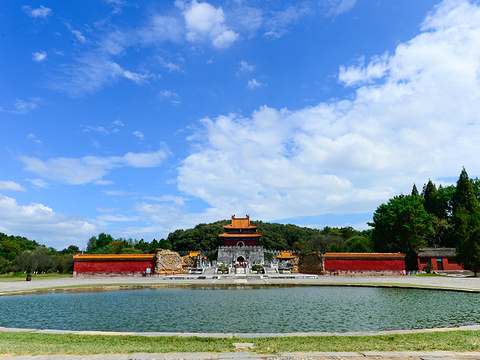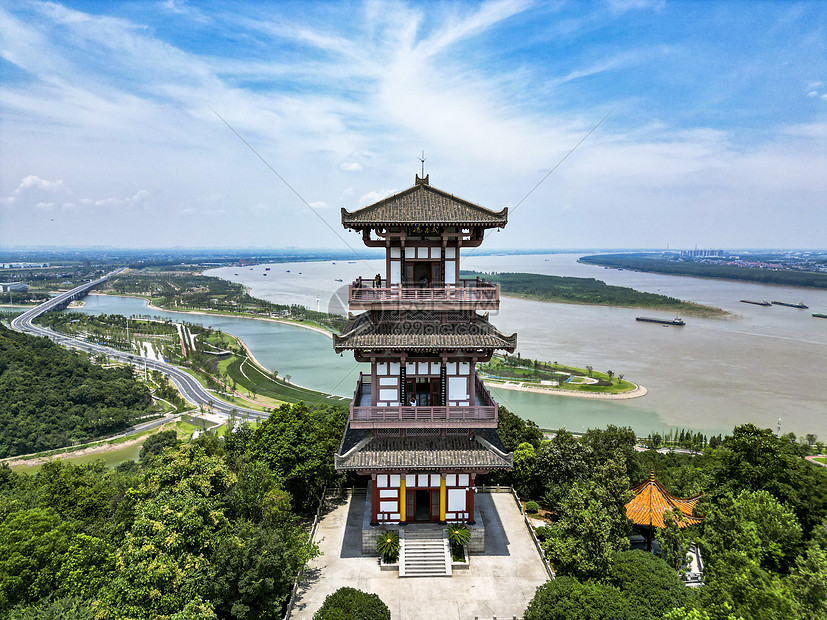
Xianning city skyline and landmarks (咸宁) - Travel China Guide

Xianning Travel Guide

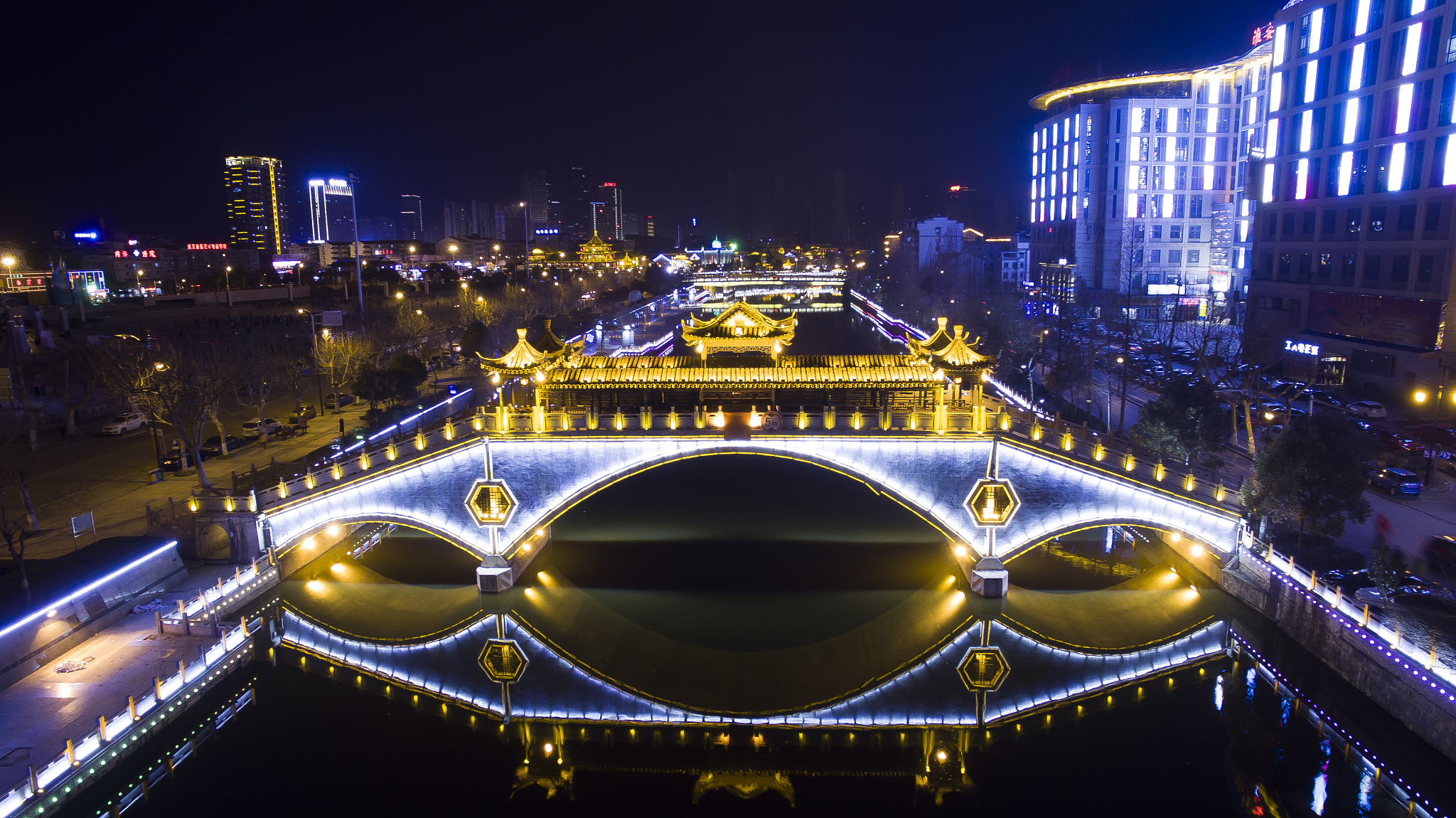
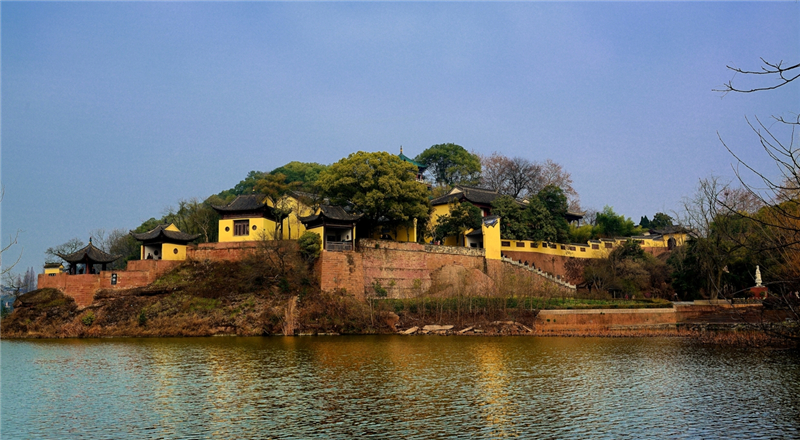
Known as the "City of Osmanthus" and "Hot Spring Capital of Hubei," Xianning is a green, scenic city in southeastern Hubei famous for its fragrant osmanthus flowers and natural hot springs.

About

Xianning, located in southeastern Hubei Province at the junction of Hubei, Hunan, and Jiangxi provinces, is one of central China's most naturally gifted cities. Its nickname — "the City of Osmanthus" — reflects a 2,000-year tradition of cultivating this exquisitely fragrant flower. During autumn, the entire city is perfumed by blooming osmanthus trees.

The city's other famous natural resource is its hot springs. Xianning sits atop one of the largest geothermal fields in central China, with dozens of natural hot spring outlets. The springs have been valued for their therapeutic properties since the Tang Dynasty (618-907 AD) and today support a thriving wellness tourism industry.

Beyond its natural attractions, Xianning administers Chibi (Red Cliffs) County, the site of the legendary Battle of Red Cliffs (208 AD), which determined the Three Kingdoms' tripartite division of China. Jiugong Mountain offers a completely different experience with its lava caves, alpine meadows, and summer resort atmosphere.

The city's name, meaning "Universal Peace," reflects the harmonious blend of natural beauty, historical significance, and modern wellness tourism that defines Xianning today.

History & Development

Xianning has a history dating back over 2,000 years. The area was part of the Chu State during the Warring States period. The famous Battle of Red Cliffs (208 AD) took place near present-day Chibi County, a battle that determined the course of Chinese history and is immortalized in the classic novel "Romance of the Three Kingdoms."

During the Tang Dynasty, the area began to develop as a center for osmanthus cultivation. The local climate and soil proved ideal for the flower, and osmanthus-related industries flourished.

Xianning was officially established as a prefecture-level city in 1998, splitting from the former Xianning Prefecture. In recent decades, the city has developed a strong tourism economy centered on its hot springs, natural scenery, and historical heritage.

Economy & Industries

Xianning's economy is driven primarily by tourism, agriculture, and light manufacturing. The hot spring resorts and natural scenic areas attract millions of domestic visitors annually, making tourism the city's leading industry.

Agriculture is another important sector. Xianning is famous for osmanthus-related products including dried flowers, osmanthus honey, and osmanthus wine. The city also produces tea, bamboo shoots, and medicinal herbs from its mountain areas.

Light manufacturing has been growing, particularly in the textile, food processing, and building materials sectors. The city's ecological environment is considered one of the best in Hubei, and Xianning has been developing eco-friendly industries as a strategic priority.

Top Attractions

🏔️ Nature

Jiugong Mountain

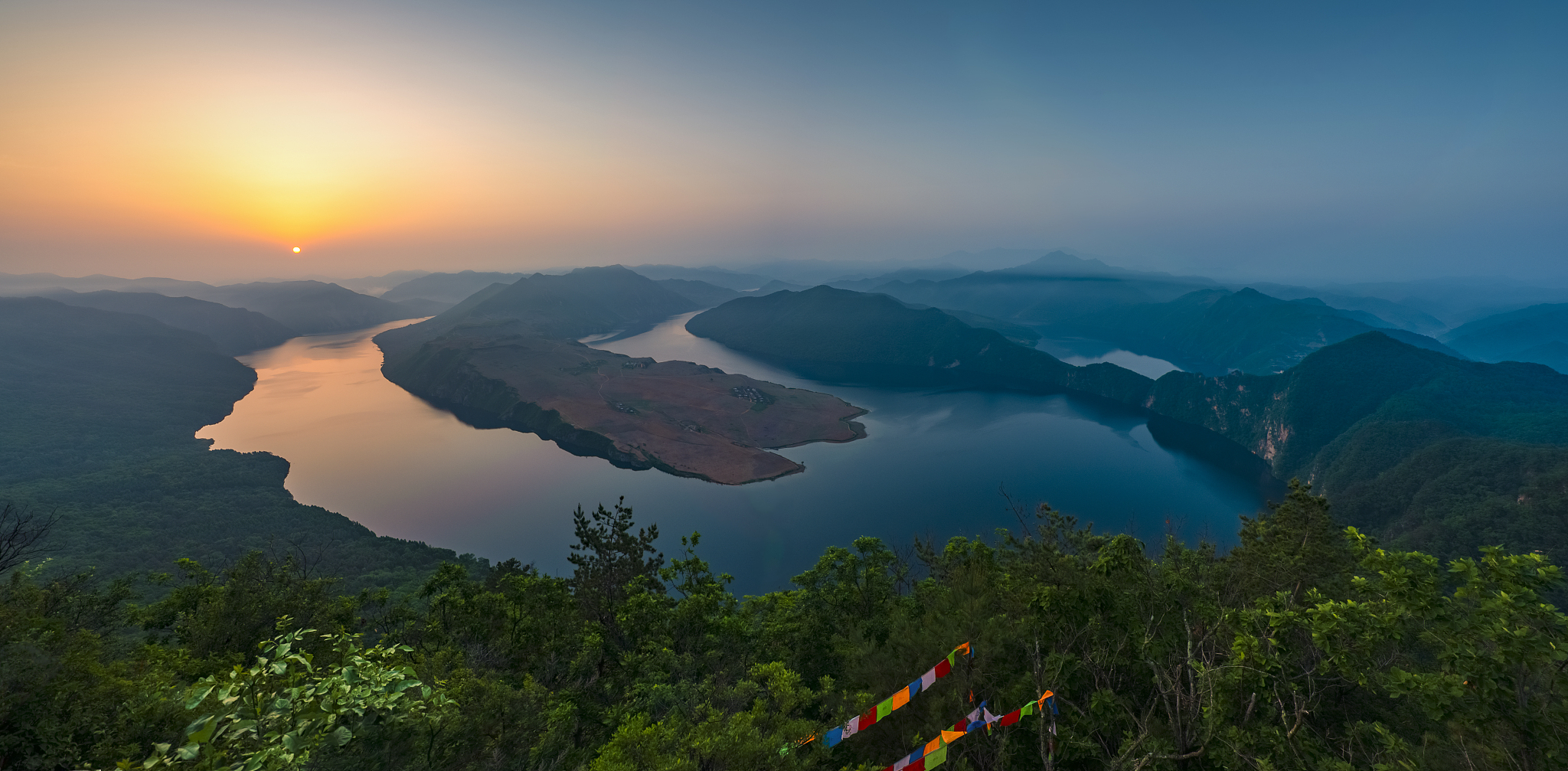
A national scenic area and summer resort rising to 1,657 meters. The mountain is known for its unique lava cave landscapes, alpine meadows, ancient temples, and spectacular sunrise views. In summer, the mountain is a popular escape from the heat of the lowlands. In winter, it occasionally receives snowfall, offering rare snow scenery for southern China.

★★★★ 4.6
🕐 07:00-17:00
🎫 100 yuan
📍 Other

Xianning Hot Springs

Xianning has the largest concentration of natural hot springs in Hubei Province, with water temperatures ranging from 40-60°C rich in various minerals beneficial to health. Numerous resorts and bathhouses offer spring bathing experiences in beautiful garden settings. The hot springs have been used for therapeutic purposes since the Tang Dynasty.

★★★★ 4.5
🕐 Most resorts open 09:00-23:00
🎫 Varies by resort (120-200 yuan)
🏔️ Nature

Taiyi Cave

A magnificent karst cave system stretching over 2,000 meters, featuring spectacular stalactites, stalagmites, and underground streams. The cave is named after Taiyi (the Supreme One), a Taoist deity. Illuminated walkways wind through vast chambers with formations that have taken millions of years to develop.

★★★★ 4.3
🕐 08:00-17:30
🎫 80 yuan
🌳 Park

Osmanthus Garden

A botanical garden dedicated to the osmanthus flower, featuring dozens of osmanthus varieties from across China. During the autumn blooming season (September-October), the garden is filled with the sweet, apricot-like fragrance of osmanthus flowers. The garden also has a museum documenting the cultural significance of osmanthus in Chinese history.

★★★★ 4.2
🕐 08:00-18:00
🎫 30 yuan
🏛️ Landmark

Chibi Ancient Battlefield

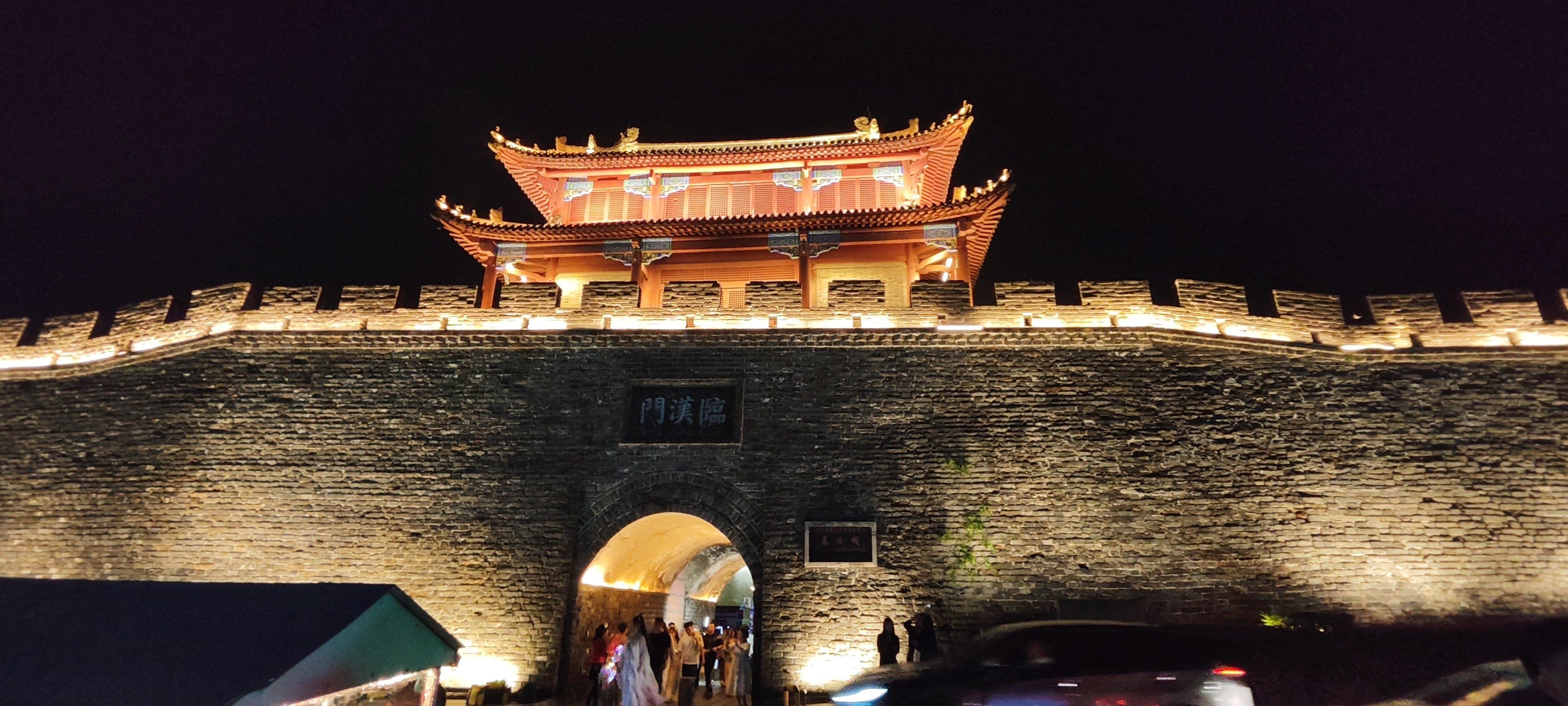
Located in Chibi County under Xianning's administration, this is the site of the famous Battle of Red Cliffs (208 AD), one of the most pivotal battles in Chinese history. The site features cliffs marked with ancient inscriptions, a museum with Three Kingdoms artifacts, and statues of the legendary generals Zhou Yu and Zhuge Liang.

★★★★ 4.4
🕐 08:00-17:30
🎫 120 yuan

Food & Culture

Discover the culinary treasures of Xianning, from traditional street food to imperial cuisine.

Things to Do

Soak in Hot Springs

Relax in Xianning's famous natural hot springs at one of the many resort baths.

Hike Jiugong Mountain

Trek the mountain trails and explore lava caves and alpine meadows.

Osmanthus Season Walk

Visit the Osmanthus Garden in autumn to experience the intoxicating fragrance.

Explore Taiyi Cave

Descend into the illuminated karst cave to see millions-year-old formations.

🏛️

Visit Chibi Battlefield

Stand at the legendary Red Cliffs and relive the iconic Three Kingdoms battle.

Suggested Itineraries

Xianning Hot Spring and History Tour

A relaxing weekend combining hot spring baths with cultural exploration.

  • Day 1: Hot springs relaxation + Osmanthus Garden
  • Day 2: Jiugong Mountain or Chibi Ancient Battlefield

Getting Around

✈️

Airport

Wuhan Tianhe International Airport (about 100 km, 1.5 hours by car).

🚄

High-Speed Rail

Xianning North Station serves the Wuhan-Guangzhou HSR, reaching Wuhan in 25 minutes and Changsha in 40 minutes.

🚌

Bus Network

Public buses and long-distance coaches connect the city center with all counties and major scenic areas.

🚕

Taxi & Rideshare

Available throughout the city

Best Time to Visit

🌸

Spring

Mar - May

★★★★☆

Mild and green. Good for mountain hiking and outdoor activities.

  • Mountain hiking
  • Spring greenery
☀️

Summer

Jun - Aug

★★★☆☆

Hot and humid but Jiugong Mountain provides a cool retreat. Hot springs less popular.

  • Jiugong Mountain escape
  • Cave exploration
🍂

Autumn

Sep - Nov

★★★★★

The best season — osmanthus flowers bloom across the city and the weather is cool and comfortable.

  • Osmanthus in full bloom
  • Perfect weather
  • Hot springs season
❄️

Winter

Dec - Feb

★★★★☆

Mild for central China standards. The best season for hot springs. Snow on Jiugong Mountain.

  • Best hot spring weather
  • Winter scenery
  • Fewer tourists

Continue Exploring China

Discover more cities, food guides, and travel inspiration.