Xiangtan city skyline and landmarks (湘潭) - Travel China Guide

Xiangtan Travel Guide

The birthplace of Chairman Mao Zedong and the artistic home of master painter Qi Baishi, where historical heritage meets Hunanese culinary tradition.

About

Xiangtan, a prefecture-level city in east-central Hunan Province along the Xiang River, holds a uniquely prominent place in modern Chinese history as the birthplace of Mao Zedong. The city's global significance far exceeds its modest size.

The village of Shaoshan, about 40 kilometers from Xiangtan city center, draws millions of Chinese visitors annually. They come to walk through the humble farmhouse where Mao was born, to visit the bronze statue in the memorial square, and to understand the early life of this significant historical figure.

Beyond Mao, Xiangtan produced another national treasure — the artist Qi Baishi, whose playful ink paintings of shrimp and insects are beloved across China and recognized worldwide. His memorial hall in the city displays over 200 original works.

Xiangtan is also renowned throughout China as the capital of betel nut chewing. The city's streets are lined with betel nut shops, and the practice is deeply woven into local social culture. Visitors will notice the distinctive red-stained spittoons in public spaces.

The surrounding county of Xiangxiang offers Peng Dehuai's former residence — home of one of China's most respected military leaders. The region's natural attractions include the magnificent Panlong Grand View Garden with its world-class azalea collection and the peaceful Yu Lake Park in the city center.

History & Development

Xiangtan's history spans over 1,500 years, established as a county during the Tang Dynasty. Its strategic location on the Xiang River made it an important trading port for agricultural products from the surrounding fertile plains.

The city entered global history on December 26, 1893, when Mao Zedong was born in Shaoshan. Mao studied in Xiangtan's schools, developed his early thinking, and left Shaoshan in 1911 to continue his education in Changsha — eventually becoming one of the most consequential figures of the 20th century.

Qi Baishi was born in 1864 in Xiangtan County and lived until 1957, bridging the late imperial and modern eras. His artistic journey from a poor carpenter's apprentice to one of the most celebrated Chinese artists of the 20th century embodies the transformative spirit of modern China.

During the mid-20th century, Xiangtan County produced numerous military and political leaders, most notably Marshal Peng Dehuai. The region's historical heritage has been carefully preserved for educational and tourism purposes.

Economy & Industries

Xiangtan's economy is diversified across manufacturing, food processing, and tourism. The Xiangtan Economic Development Zone has attracted major industries including new energy vehicles, electronics, and machinery manufacturing.

The city is famous throughout China for its betel nut industry, which employs tens of thousands and generates billions of yuan annually. While increasingly regulated due to health concerns, it remains a significant economic sector.

Agriculture in the surrounding counties produces high-quality rice, tea, and freshwater fish from the Xiang River system. Food processing — particularly pork products and traditional confections — is a notable industry.

Tourism centered on Shaoshan is a major economic driver, with millions of domestic tourists visiting annually. The Qi Baishi brand also attracts cultural tourists, and the Panlong Grand View Garden draws garden enthusiasts.

Xiangtan benefits from its proximity to Changsha (only 40 minutes by high-speed rail), forming part of the Changsha-Zhuzhou-Xiangtan metropolitan area — one of Central China's most dynamic economic regions.

Top Attractions

🏛️ Landmark

Shaoshan Mao Zedong's Former Residence

Shaoshan is one of China's most important historical landmarks — the birthplace of Mao Zedong on December 26, 1893. The humble farmhouse, built in the traditional Hunan style with mud walls and thatched roof, has been preserved exactly as it was during Mao's childhood. Visitors can see the kitchen, bedrooms, and study where young Mao read Chinese classics. The surrounding area includes the Mao Zedong Memorial Hall, a massive bronze statue square, and the scenic Dishui Cave.

★★★★ 4.8
🕐 08:00-17:00
🎫 Free (reservation required)
🎭 Museum

Peng Dehuai's Former Residence

Peng Dehuai was one of China's most distinguished marshals and Minister of National Defense from 1954 to 1959. His former residence in Xiangtan County is a traditional Hunan farmhouse surrounded by bamboo groves and rice paddies. The site includes a memorial hall documenting his extraordinary military career — from local uprisings to commanding forces in major international conflicts.

★★★★ 4.5
🕐 08:00-17:00 (closed Mondays)
🎫 Free
🏔️ Nature

Wushi Village

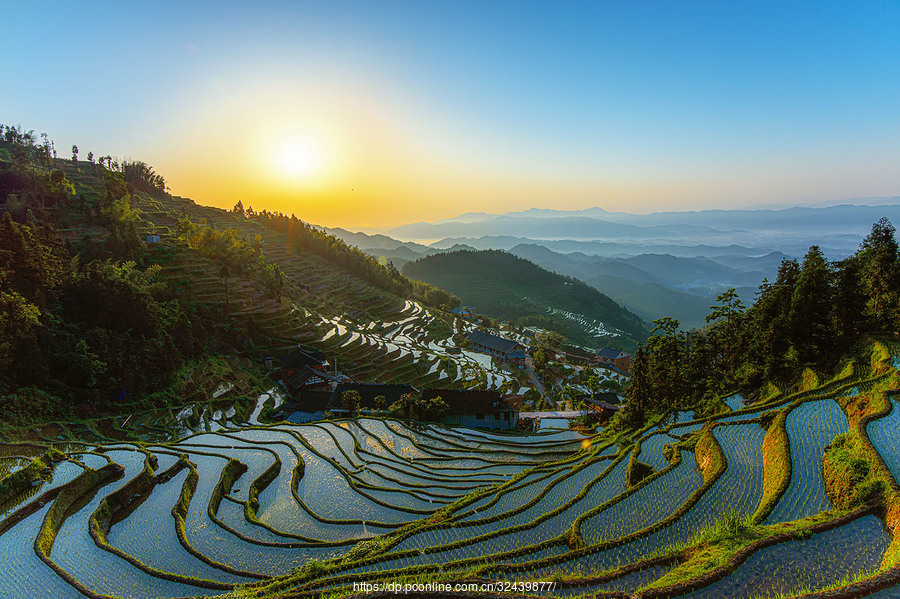
Wushi Village, also known as Wushi Stockade, is a scenic mountain village in Xiangtan County. The area features unique black stone formations ("wushi" means black stone), terraced rice fields, and traditional farming culture. It was historically a mountain fortress during times of war. Today, visitors can hike the mountain trails, explore the stone fortifications, and experience rural Hunan village life.

★★★★ 4.3
🕐 08:00-17:00
🎫 40 yuan
🌳 Park

Panlong Grand View Garden

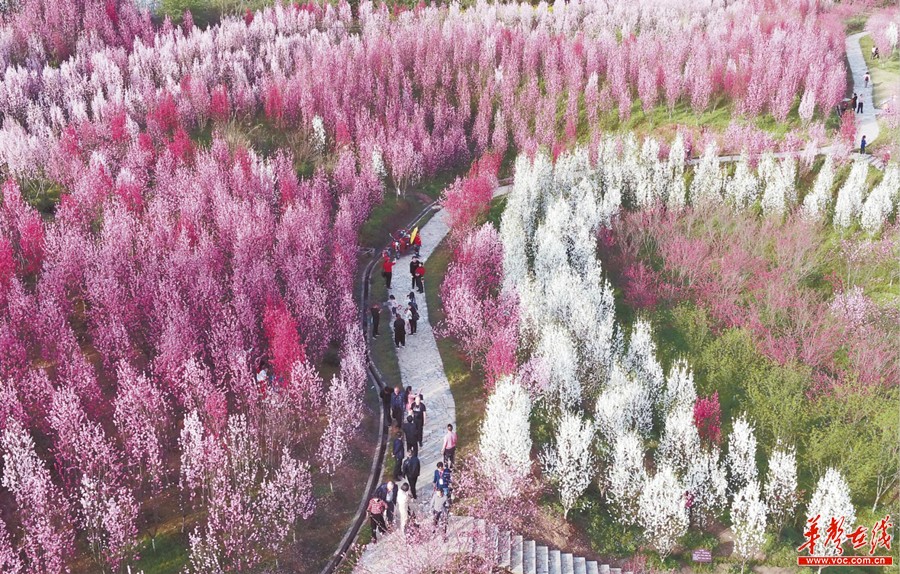
Panlong Grand View Garden is a massive horticultural park on the outskirts of Xiangtan, featuring themed gardens from around the world. The park boasts China's largest azalea garden with over 800 varieties, a rose garden, a cherry blossom valley, a traditional Chinese medicine herb garden, and a children's zoo. The "Garden within Garden" design creates ever-changing vistas with each turn of the path.

★★★★ 4.6
🕐 08:00-18:00
🎫 120 yuan
🌳 Park

Yu Lake Park

Yu Lake Park is Xiangtan's oldest public park, centered around a scenic lake in the heart of the city. The park features traditional pavilions, winding bridges, willow-lined shores, and a small island reached by a zigzag bridge. Named after a poet's description of "rain on the lake," it is most atmospheric during light drizzle. Morning exercisers practice tai chi and dance here, offering a glimpse into local life.

★★★★ 4.2
🕐 Open daily
🎫 Free
🎭 Museum

Qi Baishi Memorial Hall

Qi Baishi (1864-1957) was one of China's most beloved artists, renowned for his playful ink paintings of shrimp, crabs, birds, and flowers. Born in Xiangtan, he combined literati painting traditions with folk art influences. The memorial hall houses over 200 of his original works, including his famous shrimp paintings, calligraphy, and seal carvings. The modern building's design incorporates elements of traditional Hunan architecture.

★★★★ 4.6
🕐 09:00-17:00 (closed Mondays)
🎫 30 yuan

Food & Culture

Discover the culinary treasures of Xiangtan, from traditional street food to imperial cuisine.

Things to Do

🏛️

Visit Shaoshan

Visit Chairman Mao's birthplace, the memorial hall, and the iconic bronze statue square.

Admire Qi Baishi's Art

See over 200 original works by the master of ink painting, including his famous shrimp.

Explore Panlong Gardens

Wander through China's largest azalea garden with 800+ varieties.

Understand Betel Nut Culture

Visit a betel nut workshop to see how Xiangtan's iconic snack is made.

Military History Tour

Visit Peng Dehuai's former residence and learn about this distinguished marshal.

Stroll Yu Lake Park

Join morning exercisers at the scenic lakeside park in the heart of Xiangtan.

Suggested Itineraries

Historical Heritage Day

Trace the footsteps of China's historical leaders in one day.

  • Morning: Shaoshan — Mao's former residence and memorial hall
  • Midday: Mao's favorite braised pork for lunch
  • Afternoon: Peng Dehuai's former residence

Art and Nature Weekend

Combine art appreciation, magnificent gardens, and historical heritage.

  • Day 1: Qi Baishi Memorial Hall + Panlong Grand View Garden
  • Day 2: Shaoshan full day + fire-roasted fish dinner

Getting Around

✈️

Airport

Changsha Huanghua International Airport (about 60km, 50 minutes by car) serves domestic and international routes.

🚄

High-Speed Rail

Xiangtan North Station and Xiangtan Station serve the Shanghai-Kunming and Changsha-Zhuhai intercity HSR lines, reaching Changsha in 15 minutes.

🚌

Bus Network

Regular buses and minibuses connect Xiangtan city center to Shaoshan (1 hour), the main tourist destination.

🚕

Taxi & Rideshare

Available throughout the city

Best Time to Visit

🌸

Spring

Mar - May

★★★★★

Mild and pleasant. Azaleas in full bloom at Panlong Garden. Comfortable for walking tours.

  • Azalea season at Panlong
  • Comfortable weather
  • Green countryside
☀️

Summer

Jun - Aug

★★★☆☆

Hot and humid with frequent afternoon rain. Lush greenery throughout the region.

  • Lush gardens
  • Indoor museums cool retreats
  • Local summer fruits
🍂

Autumn

Sep - Nov

★★★★★

Cool and dry with clear skies. The best season for outdoor sightseeing in comfort.

  • Most comfortable weather
  • Clear autumn light
  • Harvest season
❄️

Winter

Dec - Feb

★★☆☆☆

Cold and damp, occasionally cold enough for light snow. Very few tourists.

  • Quiet Shaoshan pilgrimage
  • Warming local hotpot
  • Dramatic bare landscapes

Continue Exploring China

Discover more cities, food guides, and travel inspiration.