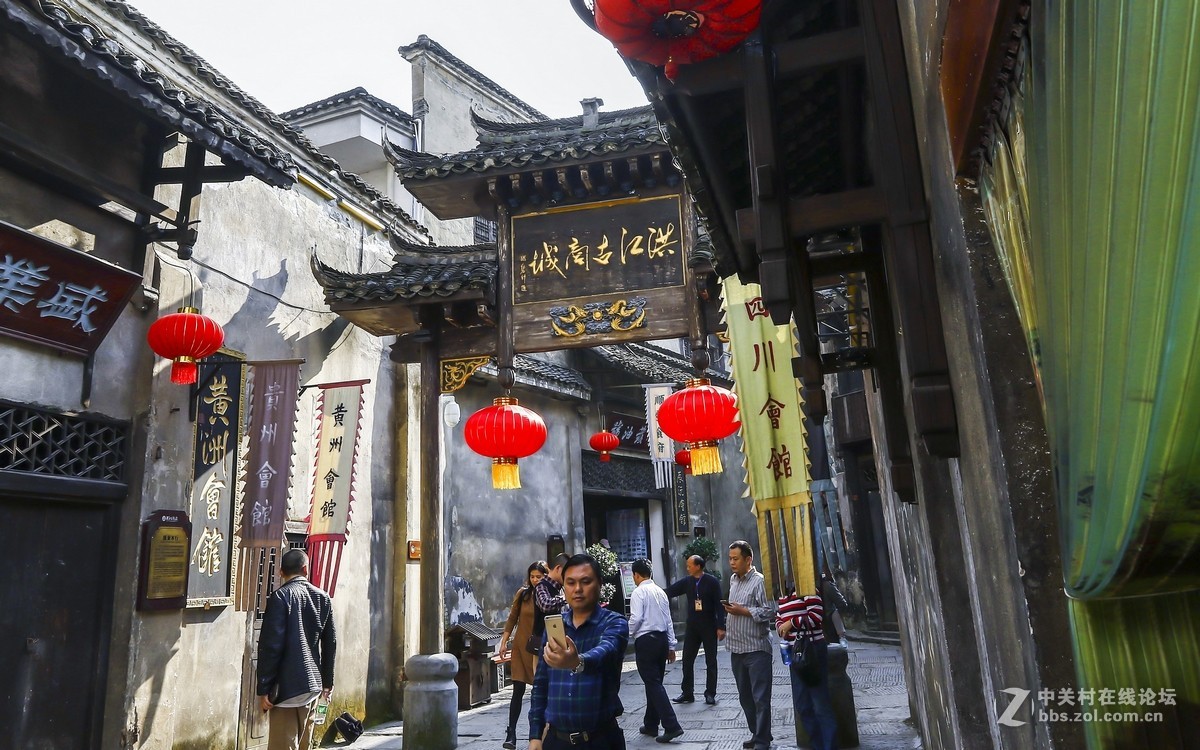
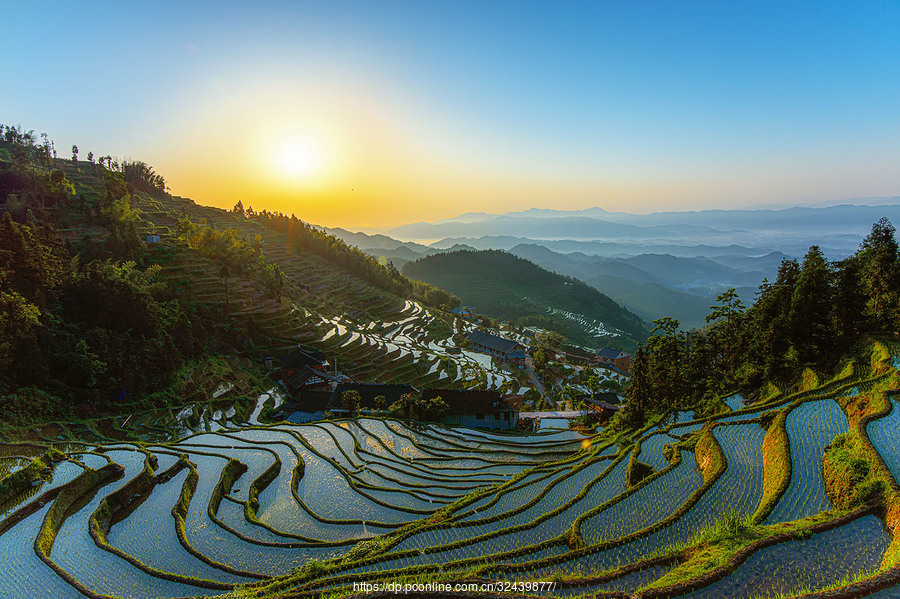
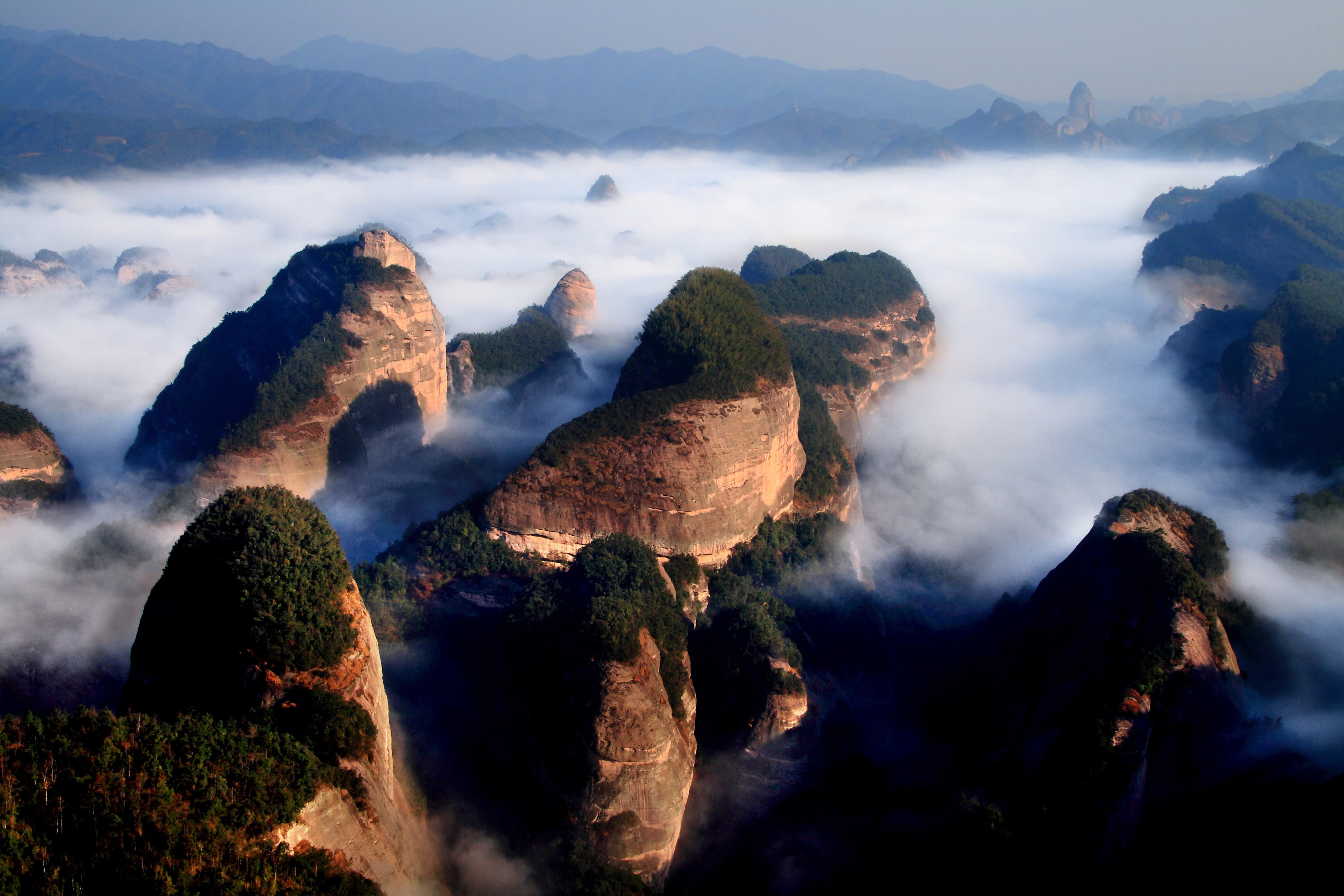
Hengyang city skyline and landmarks (衡阳) - Travel China Guide

Hengyang Travel Guide

Home to Mount Heng (Heng Shan), the Southern Sacred Mountain of Taoism, and a key industrial city in Hunan province on the Xiang River.

🌡️ Climate Subtropical monsoon

About

Hengyang, meaning "south of Mount Heng," is a major industrial and cultural center in southern Hunan Province. The city sits at the confluence of the Xiang, Zheng, and Lei rivers, with a history spanning over 2,000 years. Its most famous landmark is Mount Heng (Heng Shan), the Southern Sacred Mountain of Taoism, which has attracted pilgrims and tourists for millennia.

The city played a pivotal role in Chinese history as a center of Confucian learning at Shigu Academy. During the Second Sino-Japanese War, Hengyang was the site of a famous 47-day defense battle in 1944, which became a symbol of Chinese resistance. Today, Hengyang is an important industrial hub known for machinery, electronics, and chemical manufacturing.

Hengyang's culinary scene is a highlight of any visit. The city is famous for its fish noodles, spicy Hengdong farm cuisine, and the refined vegetarian dishes of Mount Heng's Buddhist tradition. The people of Hengyang are known for their warmth and straightforward manner, much like the bold flavors of their local food.

👥
Population 6.6 million
📐
Area 15,310 km²
💬
Language Mandarin

History & Development

Hengyang's recorded history stretches back to the Spring and Autumn period (770-476 BC), when it was part of the Chu Kingdom. The city was formally established as a county during the Han Dynasty (202 BC-220 AD) and has been continuously inhabited for over 2,200 years.

Mount Heng has been a sacred site since Emperor Yao and Shun's legendary times. The first official imperial sacrifice to the Southern Mountain was recorded during the Han Dynasty. Throughout Chinese history, emperors would send envoys or personally visit to perform ceremonies at Nanyue Temple, seeking blessings for the southern territories.

Shigu Academy was founded in the Tang Dynasty (806-820 AD) and became one of China's most prestigious centers of Confucian learning. The great Neo-Confucian philosopher Zhu Xi lectured here in the 12th century, and the academy produced numerous scholars and officials for imperial China.

In the 20th century, Hengyang faced tremendous challenges. The 1944 Battle of Hengyang was one of the bloodiest of the Second Sino-Japanese War, with Chinese forces holding out for 47 days against overwhelming Japanese forces. After 1949, the city rebuilt and industrialized rapidly. The reform era brought economic diversification, and today Hengyang is a thriving modern city that honors its rich cultural heritage.

Economy & Industries

Hengyang ranks as one of Hunan's largest economies, with a GDP of approximately 410 billion CNY. The city's industrial sector is diversified, with key industries including machinery manufacturing, electronics, chemicals, non-ferrous metals, and textiles.

The Hengyang High-Tech Industrial Development Zone is a national-level development zone attracting investment in advanced manufacturing and technology. Notable companies include Hengyang Steel Tube (a major seamless steel pipe producer) and several automotive parts manufacturers.

Agriculture remains significant in surrounding counties. Hengyang is a major producer of rice, tea oil (camellia oil), citrus fruits, and daylily flowers. The famous Qidong daylily accounts for over 60% of China's total production.

Tourism driven by Mount Heng is a growing contributor to the economy, with the mountain receiving over 10 million visitors annually. The city is also investing in logistics as a transportation hub connecting Hunan to Guangdong, Jiangxi, and Guangxi.
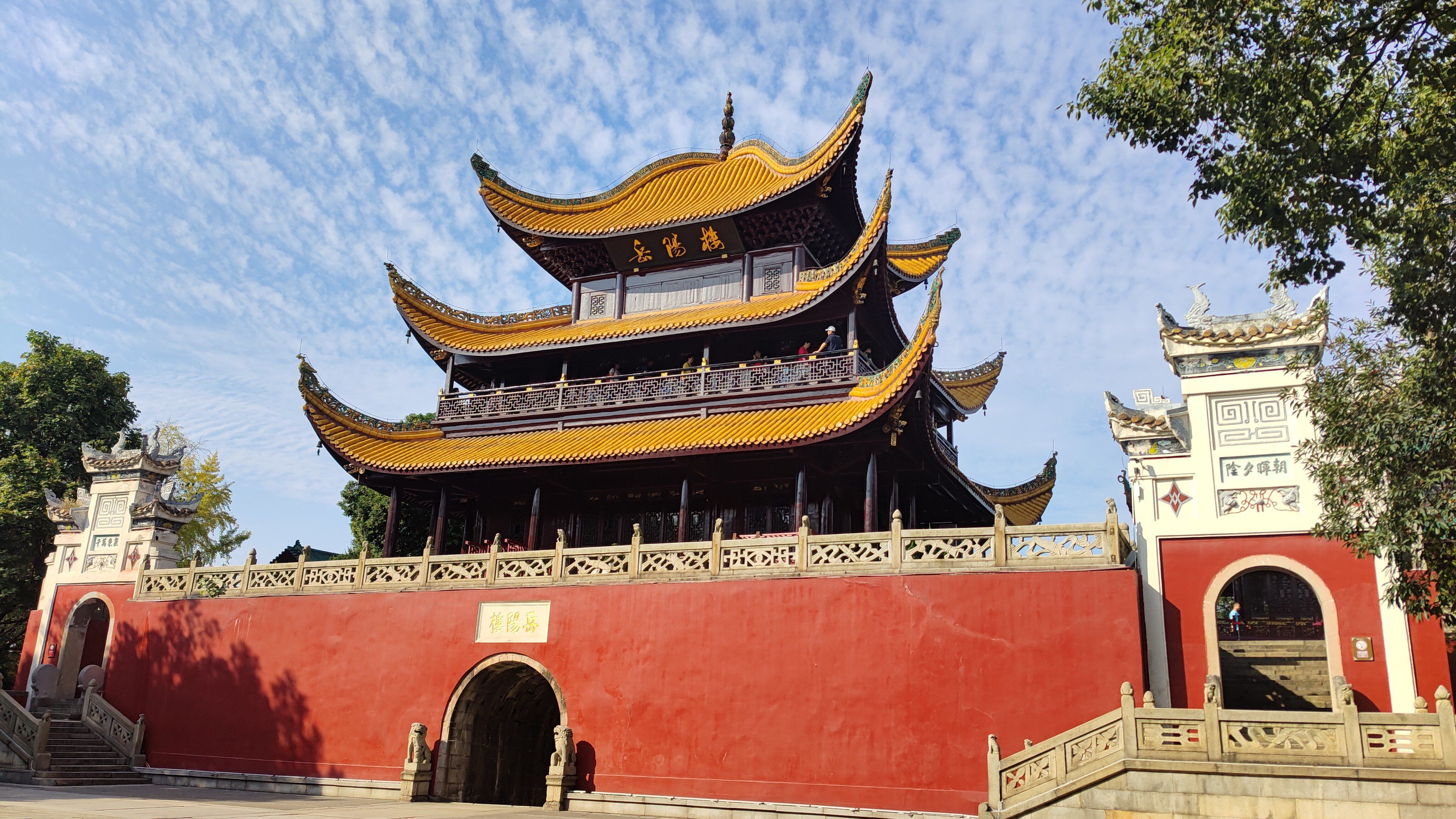
Top Attractions

🏛️ Landmark

Mount Heng (Heng Shan)

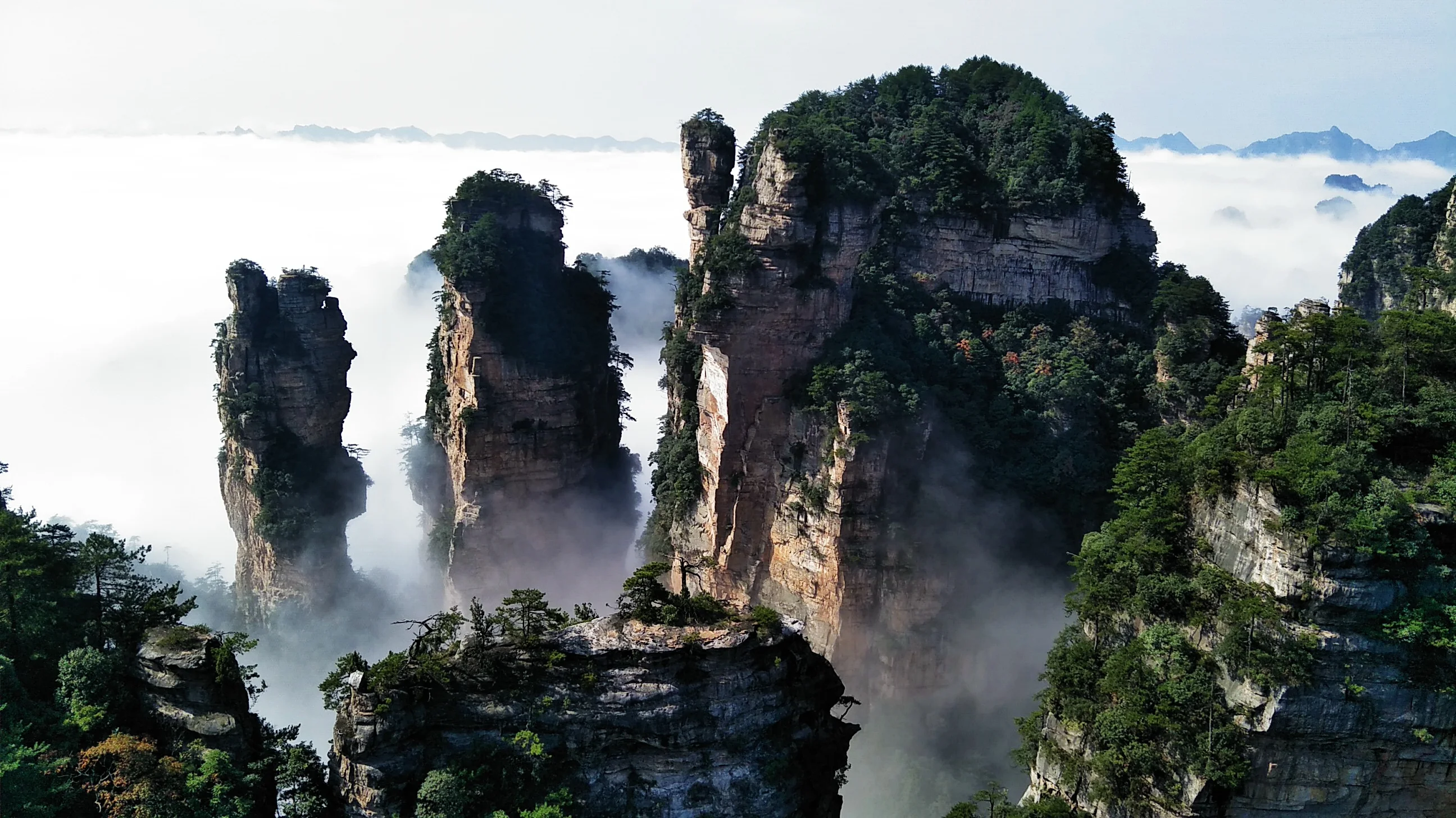
Mount Heng, also known as Nanyue (Southern Great Mountain), is one of China's Five Sacred Mountains and a sacred Taoist site. Rising 1,300 meters above sea level, the mountain is covered with ancient temples, lush forests, and dramatic granite peaks. The summit, Zhurong Peak, offers panoramic views of the surrounding Hunan countryside. The mountain has been a pilgrimage destination for over 2,000 years.

★★★★ 4.8
🕐 07:00-18:00
🎫 110 yuan (peak season)
⛩️ Temple

Nanyue Grand Temple

Nanyue Grand Temple is the largest and best-preserved ancient temple complex in southern China, covering an area of 98,500 square meters. Built in the Tang Dynasty (725 AD) and expanded through subsequent dynasties, the temple uniquely combines architectural styles of Confucianism, Buddhism, and Taoism. The main hall houses a magnificent statue of the God of Mount Heng, and the complex features over 200 stone lions, 100 stone pillars, and exquisite carvings.

★★★★ 4.7
🕐 07:30-17:30
🎫 60 yuan
🏛️ Landmark

Shigu Academy

Shigu Academy is one of China's four great ancient academies, established in the Tang Dynasty (806-820 AD) and named after the drum-shaped rock on which it sits. Zhu Xi, one of China's most influential Confucian philosophers, once lectured here. The academy features traditional pavilions, a Confucian temple, and beautiful gardens overlooking the confluence of the Xiang and Zheng rivers.

★★★★ 4.6
🕐 08:00-17:30
🎫 20 yuan
🌳 Park

Huiyan Peak

Huiyan Peak is the starting point of the 72 peaks of Mount Heng, located in the heart of Hengyang city. According to Chinese legend, wild geese flying south turn back at this peak because it's too warm — the origin of the saying "wild geese return at Hengyang." The peak offers a pleasant park with pavilions, a Buddhist temple, and scenic city views.

★★★★ 4.4
🕐 All day
🎫 Free
🏛️ Landmark

Zhurong Peak

Zhurong Peak is the highest summit of Mount Heng at 1,300 meters, named after Zhurong, the god of fire in Chinese mythology. The summit features Zhurong Temple, a stone-built shrine surrounded by sea of clouds and golden sunrise views. On clear days, you can see the winding Xiang River and distant mountains stretching to the horizon.

★★★★ 4.8
🕐 07:00-18:00
🎫 Included in Mount Heng ticket
🏔️ Nature

Hengshan Waterfall

Hidden in the deep forests of Mount Heng, this multi-tiered waterfall cascades 60 meters down granite cliffs. The pool at the bottom is crystal clear and surrounded by ancient trees. A short but steep hike from the main trail leads to this secluded natural wonder. Best visited after rainfall when the water flow is strongest.

★★★★ 4.5
🕐 07:00-18:00
🎫 Included in Mount Heng ticket
🎭 Museum

Hengyang Museum

The Hengyang Museum houses a rich collection of cultural relics spanning Hunan's history, including bronze vessels, ceramics, calligraphy, and artifacts from the Chu Kingdom. Exhibits also cover the famous Hengyang Defense Battle of 1944 during the Second Sino-Japanese War, offering insights into the city's modern history.

★★★★ 4.3
🕐 09:00-17:00 (Closed Mondays)
🎫 Free

Food & Culture

Discover the culinary treasures of Hengyang, from traditional street food to imperial cuisine.

Things to Do

Climb Mount Heng

Hike or take the shuttle bus up Mount Heng. Visit the ancient temples along the way and reach Zhurong Peak for panoramic views and sunrise.

🏛️

Visit Nanyue Grand Temple

Explore the largest ancient temple complex in southern China. Marvel at the architectural fusion of three religions and the intricate stone carvings.

Study at Shigu Academy

Walk through the courtyards where Confucian scholars studied, enjoy the riverside scenery, and reflect on the history of Chinese education.

🍴

Hengyang Food Tour

Start the day with fish noodles, try Lu Fen for lunch, and sample Nanyue vegetarian for dinner. Don't forget to buy Qidong daylily as a souvenir.

Suggested Itineraries

Mount Heng Pilgrimage (2 Days)

  • Day 1: Nanyue Grand Temple → Mount Heng cable car → Zhurong Peak
  • Day 2: Huiyan Peak → Shigu Academy → Hengyang food tour → departure

Hengyang Highlights (3 Days)

  • Day 1: Arrive → Huiyan Peak → Shigu Academy → Hengyang Museum
  • Day 2: Full day Mount Heng (Nanyue Temple → summit → waterfalls)
  • Day 3: Hengdong countryside food tour → departure

Getting Around

✈️

Airport

Hengyang Nanyue Airport has direct flights to Beijing, Shanghai, Guangzhou, Shenzhen, Chengdu, and other major Chinese cities.

Best Time to Visit

🌸

Spring

Mar - May

★★★★★

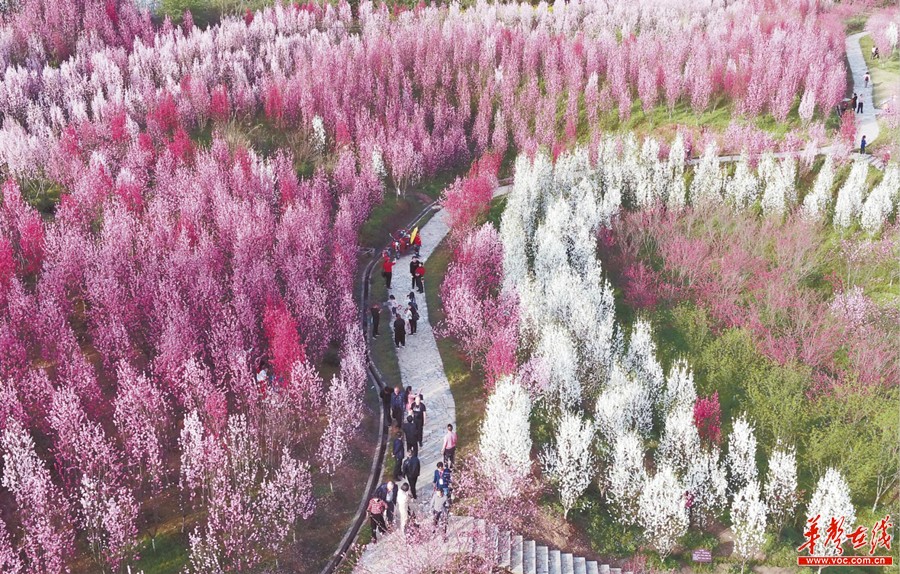
Mild temperatures (15-25°C) with blooming flowers on the mountain. Spring rain brings lush greenery and full waterfalls. Perfect hiking weather.

  • Blooming flowers
  • Green landscape
  • Mild weather
☀️

Summer

Jun - Aug

★★★☆☆

Hot and humid (28-38°C) in the city. The mountain summit is 8-10°C cooler, offering relief. Popular summer resort season with more tourists.

  • Mountain coolness
  • Lush forests
  • Summer resort
🍂

Autumn

Sep - Nov

★★★★★

Clear skies, comfortable temperatures, and excellent visibility from the mountaintop. The autumn foliage on Mount Heng is beautiful. Best season for photography.

  • Clear skies
  • Autumn foliage
  • Perfect visibility
❄️

Winter

Dec - Feb

★★★☆☆

Cold (0-10°C) with occasional snow creating stunning rime ice on the mountain trees. Fewer tourists and lower prices. The mountain temples look especially atmospheric in snow.

  • Snow scenery
  • Rime ice
  • Fewer crowds

Travel Reminders

💡

💡

💡

💡

Continue Exploring China

Discover more cities, food guides, and travel inspiration.