Shaoyang city skyline and landmarks (邵阳) - Travel China Guide

Shaoyang Travel Guide

A land of breathtaking Danxia landscapes where Langshan Mountain's otherworldly peaks meet rich Miao and Yao ethnic heritage in western Hunan.

About

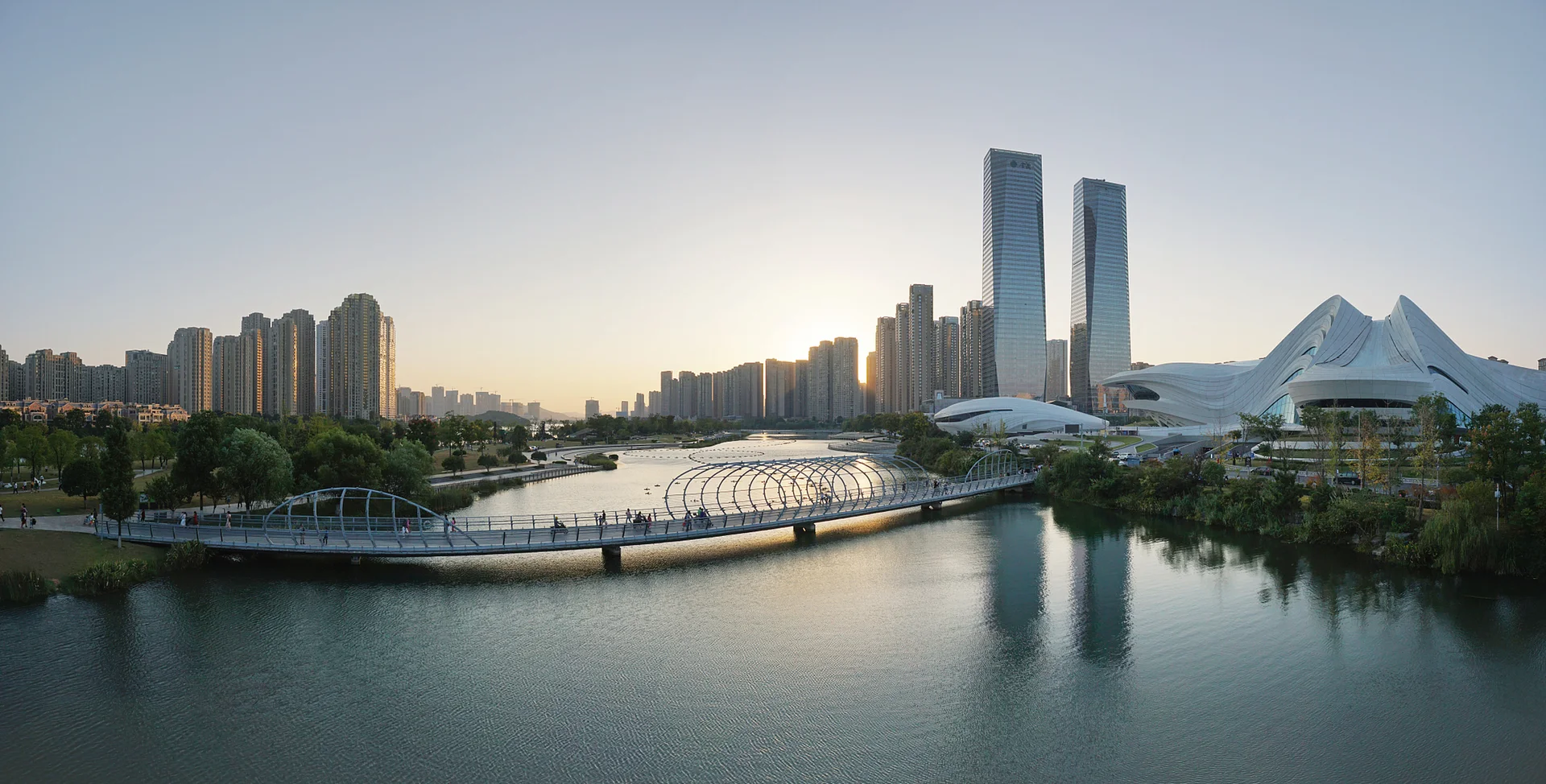
Shaoyang, situated in southwestern Hunan Province along the Zi River, is one of the province's most populous cities with 6.5 million residents. The city is perhaps best known internationally for Langshan Mountain, a UNESCO World Heritage Site featuring some of China's most spectacular red sandstone (Danxia) landscapes.

Beyond Langshan, Shaoyang encompasses diverse natural wonders. The Huangsang Nature Reserve protects one of the best-preserved subtropical forest ecosystems in central China. Nanshan Grassland, at over 1,700 meters elevation, offers an unexpected taste of alpine meadow scenery in subtropical Hunan.

Shaoyang is also a cultural crossroads. The southern and western parts of the prefecture are home to significant Miao and Yao ethnic minority populations. The Chengbu Miao Autonomous County preserves traditional Miao architecture, festivals, and crafts. The city's cuisine is distinct within Hunan, most notably its pig's blood tofu — a smoked delicacy that visitors either love or find intimidating.

Historically, Shaoyang produced Wei Yuan, a pioneering Qing Dynasty scholar whose writings on Western maritime powers profoundly influenced China's modernization movement.

History & Development

Shaoyang has a history stretching back over 2,500 years. During the Spring and Autumn Period (770-476 BC), the area was part of the State of Chu. It was established as Shaoyang County during the Western Jin Dynasty (265-316 AD). The name "Shaoyang" means "sun-facing," derived from the area's position relative to Mount Shao.

The city's location in the mountainous southwest of Hunan made it a natural refuge during times of war. During the Song Dynasty, it became an important administrative center. The Miao and Yao peoples have inhabited the mountainous western regions for centuries, maintaining their distinct cultures despite Han Chinese migration.

During the Qing Dynasty, Shaoyang produced Wei Yuan, one of China's most influential early modern thinkers. In the Republican era and early PRC years, Shaoyang was primarily an agricultural and trading center. The city's industrial development accelerated after the 1970s, with the establishment of machinery, textile, and food processing industries. Tourism, centered on Langshan Mountain's UNESCO designation in 2010, has become an increasingly important economic driver.

Economy & Industries

Shaoyang's economy is transitioning from traditional agriculture and mining toward manufacturing and tourism. The city has developed machinery manufacturing, textiles, food processing, and pharmaceutical industries. The Shaoyang Economic and Technological Development Zone hosts companies in automotive parts, electronic components, and biomedicine.

Agriculture remains significant, with the surrounding counties producing rice, tea, tobacco, and citrus fruits. The mountainous areas are known for forestry products including bamboo, mushrooms, and medicinal herbs. Longhui County is famous for sweet potatoes, and the traditional sweet potato vermicelli industry supports many rural households.

Tourism has grown rapidly since Langshan Mountain received UNESCO World Heritage status. The scenic area attracts over 5 million visitors annually. The Nanshan Grassland and Huangsang Reserve are also growing in popularity. The hospitality industry, including hotels, restaurants, and tour services, has expanded significantly.

Top Attractions

🏔️ Nature

Langshan Mountain Scenic Area

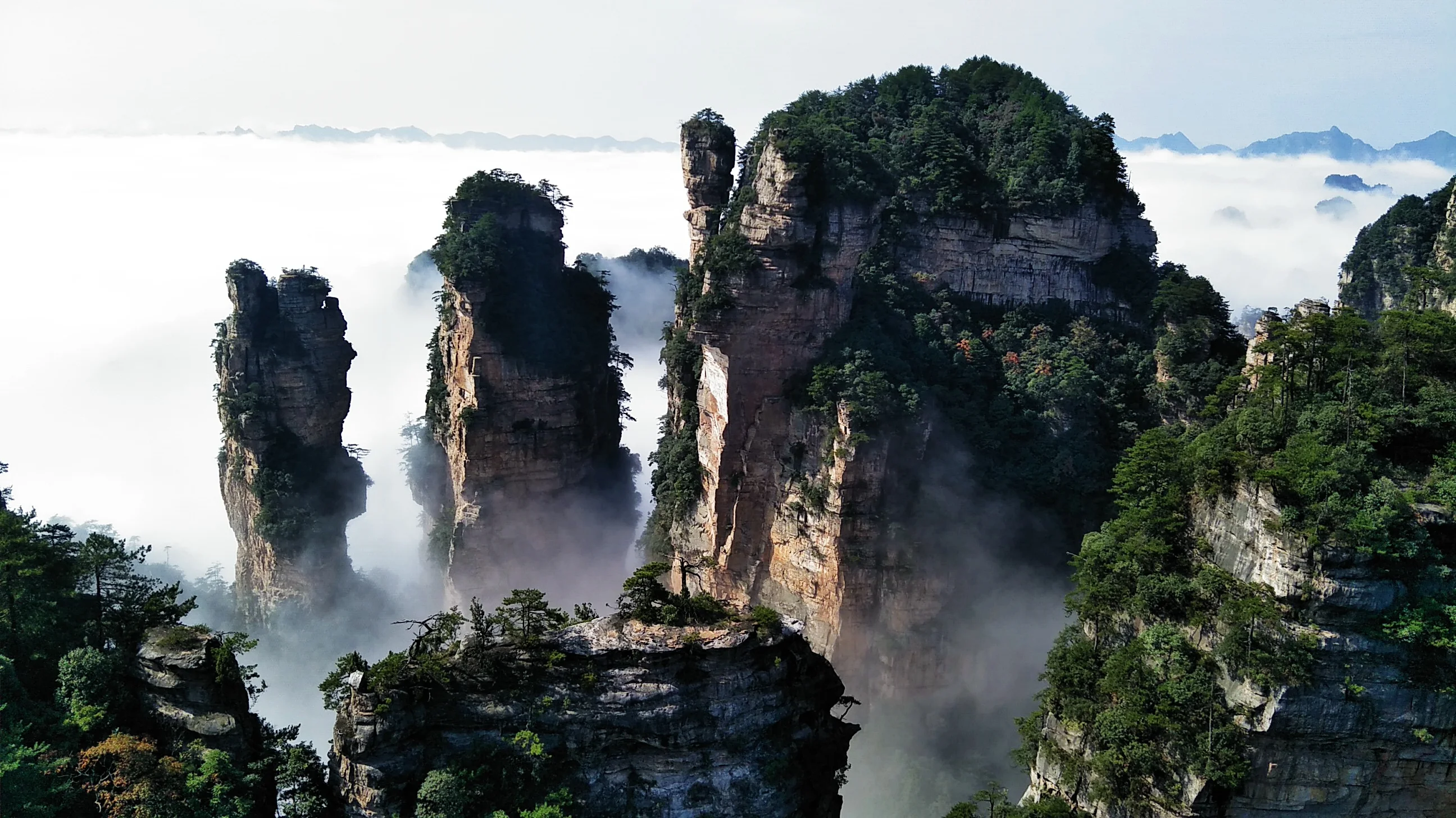
Langshan Mountain is the crown jewel of Shaoyang and one of China's most spectacular Danxia (red sandstone) landscapes. Designated a UNESCO World Heritage Site in 2010 as part of "China Danxia," Langshan features towering red sandstone pillars, natural bridges, deep gorges, and caves. The most iconic formation is the "Camel Peak," resembling a resting camel. Visitors can hike the plank roads carved into cliff faces, ascend the "Heavenly Staircase" of 800 steps, and watch sunrise from the "Lovers' Rock." The park covers 108 square kilometers across six scenic areas.

★★★★ 4.7
🕐 07:30-17:30
🎫 170 yuan (through ticket for all areas)
🏔️ Nature

Nanshan National Grassland Park

Nanshan (South Mountain) is a high-altitude grassland in Chengbu Miao Autonomous County, sitting at an average elevation of 1,760 meters. This vast alpine meadow is one of the few such landscapes in southern China, often called the "Southern Xinjiang" for its resemblance to the pastures of Xinjiang. Cattle and sheep graze on rolling green hills dotted with white wind turbines. The area is home to the Miao ethnic minority, and visitors can experience Miao culture, horseback riding, and the cool mountain air.

★★★★ 4.4
🕐 08:00-18:00
🎫 80 yuan
🏔️ Nature

Huangsang Nature Reserve

Huangsang Nature Reserve is a vast subtropical forest ecosystem in Suining County. It is home to ancient trees, including a 1,600-year-old gingko tree, crystal-clear streams, and diverse wildlife including clouded leopards and black bears. The reserve features the "Six Ears Waterfall" — six cascades tumbling down a mossy cliff, and the "Iron Shanshen," a massive ancient fir tree revered by locals. Well-marked hiking trails allow visitors to explore this pristine wilderness.

★★★★ 4.5
🕐 08:00-17:00
🎫 100 yuan
🎭 Museum

Weiyuan Ancient Town

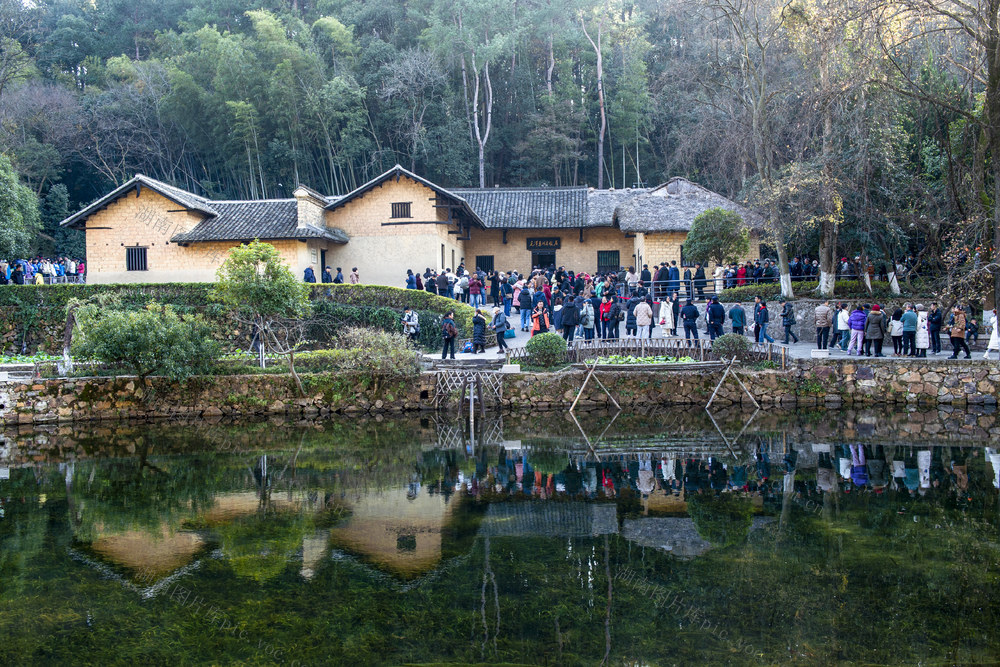
The former residence of Wei Yuan (1794-1857), a prominent Chinese scholar and reformist thinker of the Qing Dynasty. Wei Yuan is famous for his work "Illustrated Treatise on the Maritime Kingdoms," which was the first comprehensive Chinese work on Western geography and history. His traditional courtyard home in Longhui County has been preserved as a museum, displaying his manuscripts, personal belongings, and exhibits about his influential ideas that helped shape China's modernization.

★★★★ 4.3
🕐 08:30-17:00 (closed Mondays)
🎫 30 yuan
🌳 Park

Shaoyang Shuangqing Park

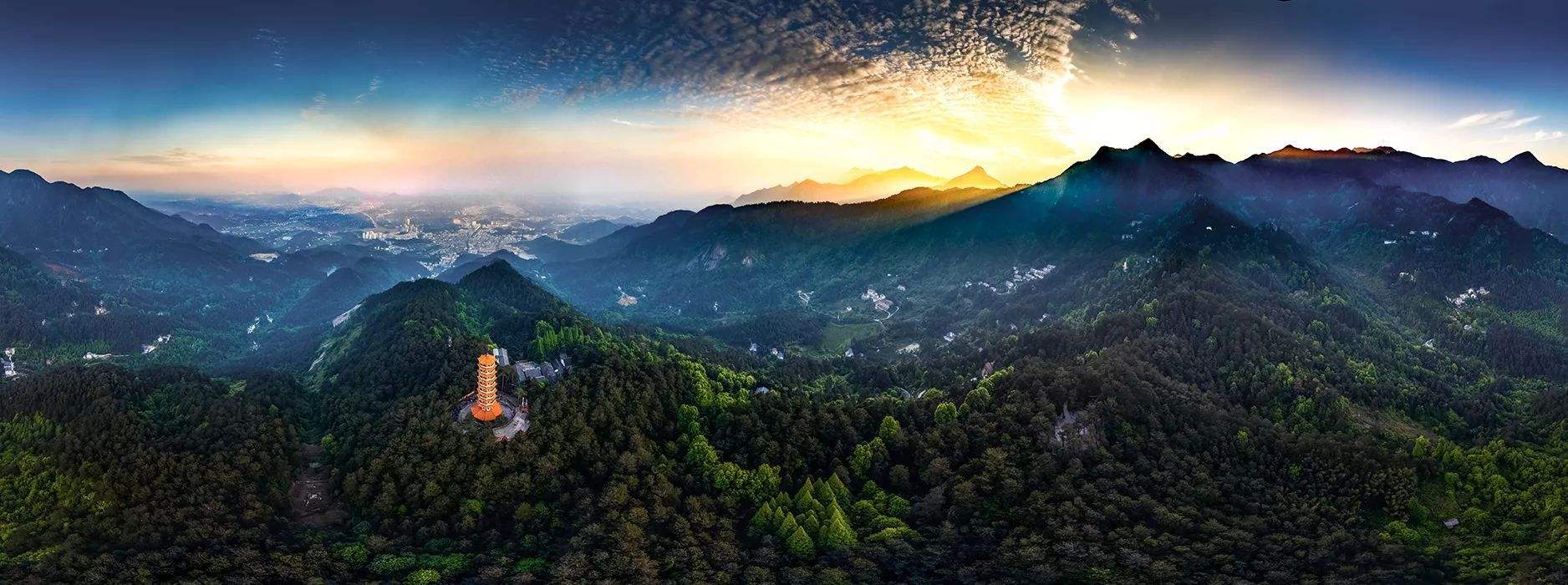
Shuangqing Park is an urban oasis in the center of Shaoyang, built on a hill overlooking the confluence of the Zi and Shao Rivers. The park features ancient pavilions, winding paths through bamboo groves, and the "Shuangqing Pavilion" which offers panoramic views of the city and rivers. The name "Shuangqing" means "double clarity," referring to the reflection of the moon in both rivers. It is a favorite spot for morning exercise and evening relaxation.

★★★★ 4.1
🕐 Open daily
🎫 Free
🏔️ Nature

Baima Ancient Village

White Water Cave (Baishui Cave) is a scenic area in Xinshao County featuring a dramatic waterfall plunging into a deep pool surrounded by karst cliffs. The area gets its name from the white foam created when the water hits the pool. Visitors can hike up the mountain alongside the stream, passing smaller falls and rock pools perfect for cooling off in summer. The cave at the top of the waterfall adds an element of exploration.

★★★★ 4.2
🕐 08:00-17:00
🎫 50 yuan

Food & Culture

Discover the culinary treasures of Shaoyang, from traditional street food to imperial cuisine.

Things to Do

Conquer Langshan Mountain

Hike the spectacular Danxia peaks, climb the Heavenly Staircase, and watch sunrise from Lovers' Rock.

Explore Miao Villages

Visit ethnic Miao and Yao villages in Chengbu and Suining to experience their unique culture.

Hike Huangsang Reserve

Discover ancient trees, waterfalls, and pristine forest in this ecological treasure.

🍜

Taste Local Delicacies

Try Shaoyang's famous pig's blood tofu, rice noodles, and Wugang tofu products.

Visit Wei Yuan's Residence

Learn about the Qing Dynasty reformist thinker who opened China's eyes to the world.

Camp at Nanshan Grassland

Experience the alpine grassland, enjoy horseback riding, and camp under the stars.

Suggested Itineraries

Langshan Mountain Adventure

A full day exploring the UNESCO World Heritage Danxia landscape of Langshan.

  • Morning: Camel Peak and Heavenly Staircase hike
  • Midday: Local farmhouse lunch with pig's blood tofu
  • Afternoon: Lovers' Rock and remaining scenic areas

Nature and Culture Weekend

Combine Shaoyang's natural wonders with its rich ethnic culture.

  • Day 1: Langshan Mountain scenic area + hot pot dinner
  • Day 2: Huangsang Nature Reserve hike + Miao village visit

Getting Around

✈️

Airport

Shaoyang Wugang Airport (WGN) with flights to Beijing, Shanghai, Guangzhou, and other major cities.

🚄

High-Speed Rail

Shaoyang Station serves the Shanghai-Kunming HSR with direct trains to Changsha (1 hour), Guangzhou (2.5 hours), and Shanghai (5 hours).

🚌

Bus Network

Long-distance buses connect Shaoyang to Langshan (1.5 hours) and all surrounding counties.

🚕

Taxi & Rideshare

Available throughout the city

Best Time to Visit

🌸

Spring

Mar - May

★★★★☆

Pleasant weather with blooming mountain flowers. Misty mornings create dramatic Danxia views.

  • Wildflowers
  • Misty landscapes
  • Comfortable hiking
☀️

Summer

Jun - Aug

★★★☆☆

Hot and humid in the city. The mountains offer cooler retreats. Nanshan Grassland is at its best.

  • Mountain escapes
  • Nanshan summer
  • Mushroom season
🍂

Autumn

Sep - Nov

★★★★★

Clear skies, comfortable temperatures, and stunning autumn colors at Langshan. The best season overall.

  • Best weather
  • Autumn colors at Langshan
  • Clear views
❄️

Winter

Dec - Feb

★★☆☆☆

Cold and damp. Snow occasionally dusts the mountain peaks. Very few tourists.

  • Snow-capped peaks
  • Quiet exploration
  • Warming local food

Continue Exploring China

Discover more cities, food guides, and travel inspiration.