Huaihua city skyline and landmarks (怀化) - Travel China Guide

Huaihua Travel Guide

The "Gateway to Western Hunan" and a vital railway hub surrounded by pristine mountains, ancient trading towns, and vibrant Miao and Dong ethnic cultures.

About

Huaihua, perched in the mountainous western reaches of Hunan Province, is a city defined by railways and ethnic diversity. Known as "the city that trains brought to life," Huaihua grew from a small market town into a major transportation hub after the completion of the Hunan-Guizhou Railway in the 1970s. Today, it is the most important railway junction in western Hunan, connecting Hunan with Guizhou, Guangxi, and the broader southwest.

The surrounding region is a mosaic of ethnic cultures. Huaihua administers areas with large Miao, Dong, and Tujia populations, each with distinct languages, architecture, festivals, and cuisines. The Dong people's magnificent covered bridges and multi-tiered drum towers are architectural marvels of wooden joinery.

Hongjiang Ancient Commercial Town, one of China's best-preserved Ming and Qing dynasty trading centers, offers a vivid window into the region's commercial past. The narrow alleys and weathered buildings speak of centuries when merchants traded tea, timber, and tung oil along the Yuan River.

Huaihua also holds a hallowed place in Chinese history. It was at Zhijiang airfield that Japan formally surrendered to China on August 21, 1945, ending eight years of war. The surrender memorial site is one of China's most important WWII memorials.

History & Development

Huaihua's history as an important settlement dates back over 2,000 years. During the Han Dynasty, the area was part of Wuling Commandery. The Yuan River provided a vital transportation route, and Hongjiang emerged as a major river port during the Ming and Qing dynasties.

The modern history of Huaihua was transformed by the railway. Before the Hunan-Guizhou Railway arrived in the 1970s, Huaihua was a small county town. The railway junction brought massive population growth, industrial development, and strategic importance. The city was elevated to prefecture-level status in 1998.

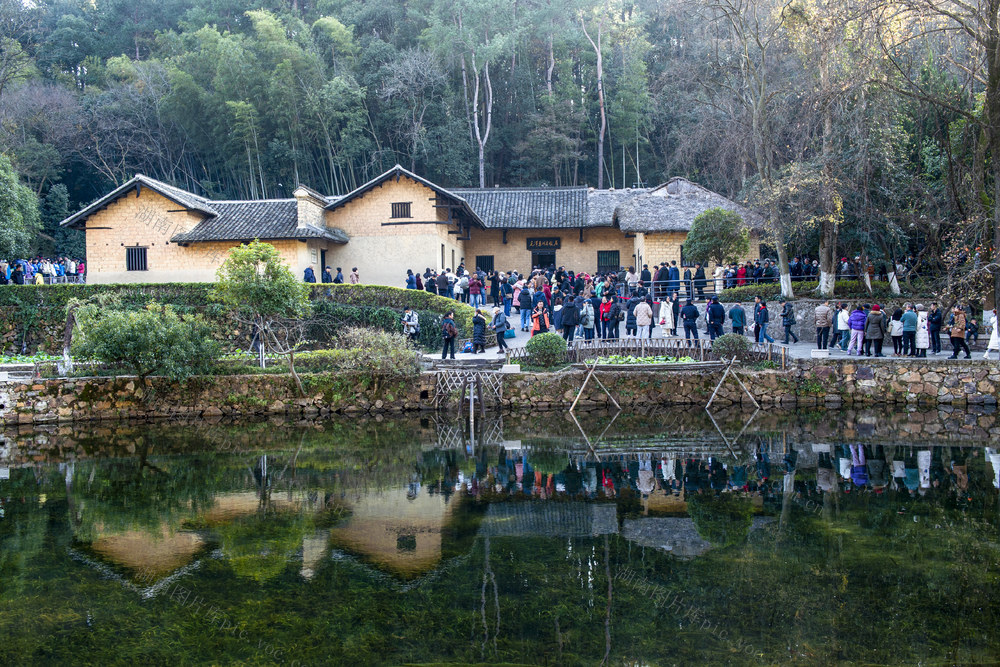
The region around Huaihua has been inhabited by Miao, Dong, Tujia, and Yao peoples for centuries. These ethnic groups maintained their distinct cultures through self-governing chieftain systems (tusi) that lasted until the 20th century.

Zhijiang's role in WWII is a point of immense pride. The airbase was a crucial Allied installation, and the surrender ceremony in 1945 was a watershed moment in modern Chinese history. The memorial complex continues to draw visitors interested in China's wartime history.

Economy & Industries

Huaihua's economy has traditionally relied on its role as a transportation hub and regional logistics center. The railway junction supports extensive freight operations, moving goods between Central and Southwest China. The city has developed logistics parks and distribution centers that leverage its railway advantage.

Forestry is a major economic sector — Huaihua is one of Hunan's most forested regions. Timber, bamboo, and forest products including mushrooms, medicinal herbs, and wild fruits are significant economic outputs. The mountainous terrain supports tea plantations, particularly in the Xuefeng Mountain area.

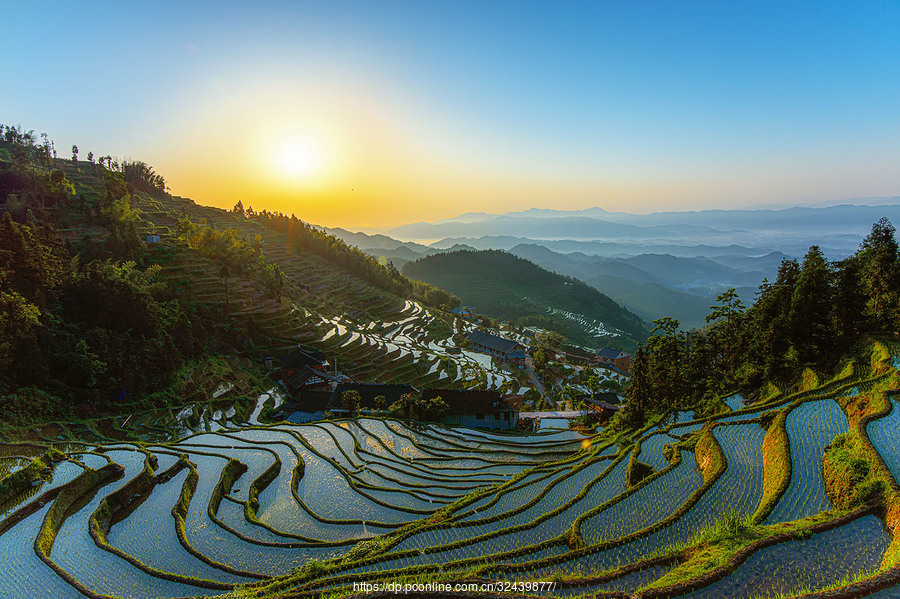
Agriculture in the river valleys produces rice, citrus fruits, and vegetables. The region's ethnic minority communities produce distinctive crafts including Dong brocade, Miao silver jewelry, and Tujia embroidery, which have growing markets in China's cultural tourism sector.

Tourism has become an increasingly important industry. Hongjiang Ancient Town, the ethnic villages, and the Zhijiang surrender memorial draw millions of visitors annually. The city is investing in tourism infrastructure to support this growing sector.

Top Attractions

🏛️ Landmark

Hongjiang Ancient Commercial Town

Hongjiang Ancient Commercial Town is one of the best-preserved Ming and Qing Dynasty trading towns in all of China. For over 500 years, this riverside town was a bustling hub for the tea, timber, and tung oil trades. Today, its winding stone streets are lined with over 380 well-preserved buildings including merchant warehouses, guild halls, banks, opium dens, brothels, and theaters. The "One-Dollar-A-Story" museum uses wax figures to bring the old town's colorful history to life. Unlike many Chinese ancient towns, Hongjiang feels genuinely authentic, with real residents still living in these historic buildings.

★★★★ 4.6
🕐 08:00-17:30
🎫 90 yuan
🎭 Museum

Zhijiang Surrender Memorial Hall

Zhijiang County in Huaihua holds a unique place in modern Chinese history. On August 21, 1945, it was here that Japanese forces formally surrendered to the Chinese government, marking the end of World War II in China. The Surrender Memorial Hall stands on the site of the original surrender ceremony. The complex includes a memorial arch, a museum documenting the Chinese resistance against Japanese invasion, and the restored airfield that was one of the most important Allied airbases in China.

★★★★ 4.5
🕐 08:30-17:00 (closed Mondays)
🎫 Free
🏛️ Landmark

Furong Ancient Town (Hibiscus Town)

Furong Ancient Town, meaning "Hibiscus Town," is a spectacular ancient settlement built on a waterfall along the You River. Over 2,000 years old, the town was a key stop on the ancient trade route. Its most distinctive feature is the waterfall that plunges directly beneath the stilted wooden houses of the Tujia people. Visitors can walk behind the waterfall on a specially built path. The town gained fame from a film of the same name starring Liu Xiaoqing. The evening illumination of the waterfall creates a magical scene. Note: Furong Town is located in Yongshun County, which is administratively under Xiangxi Prefecture but easily accessible from Huaihua.

★★★★ 4.5
🕐 Open daily
🎫 75 yuan
🏛️ Landmark

Huaihua Dong Cultural Corridor

Huaihua is home to a significant Dong (Kam) ethnic minority population. In Tongdao and Xinhuang counties, visitors can experience authentic Dong culture. The Dong people are famous for their magnificent wooden architecture, particularly the "drum towers" — multi-tiered wooden pagodas that serve as community centers — and the "wind-rain bridges" — covered bridges that are masterpieces of wooden joinery, assembled without a single nail. Visitors can watch Dong grand song performances, a polyphonic choral tradition recognized by UNESCO as Intangible Cultural Heritage.

★★★★ 4.4
🕐 Open daily
🎫 Free (village entry varies)
🏔️ Nature

Xuefeng Mountain

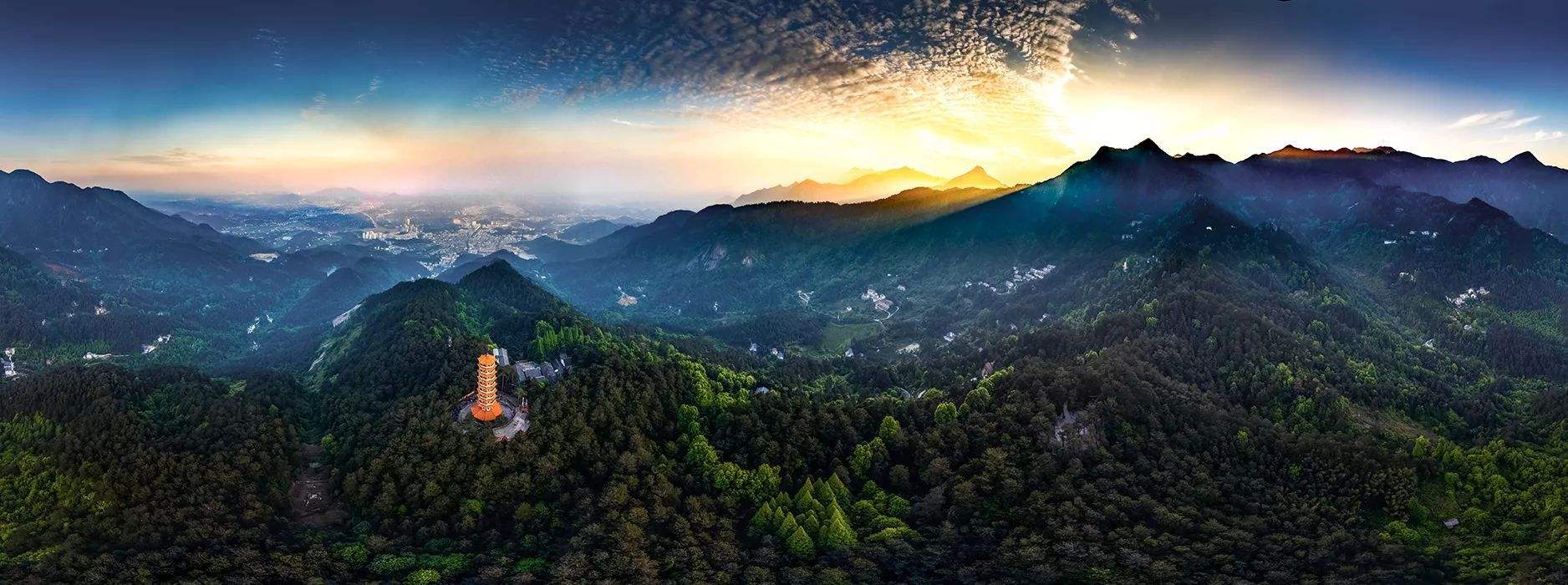
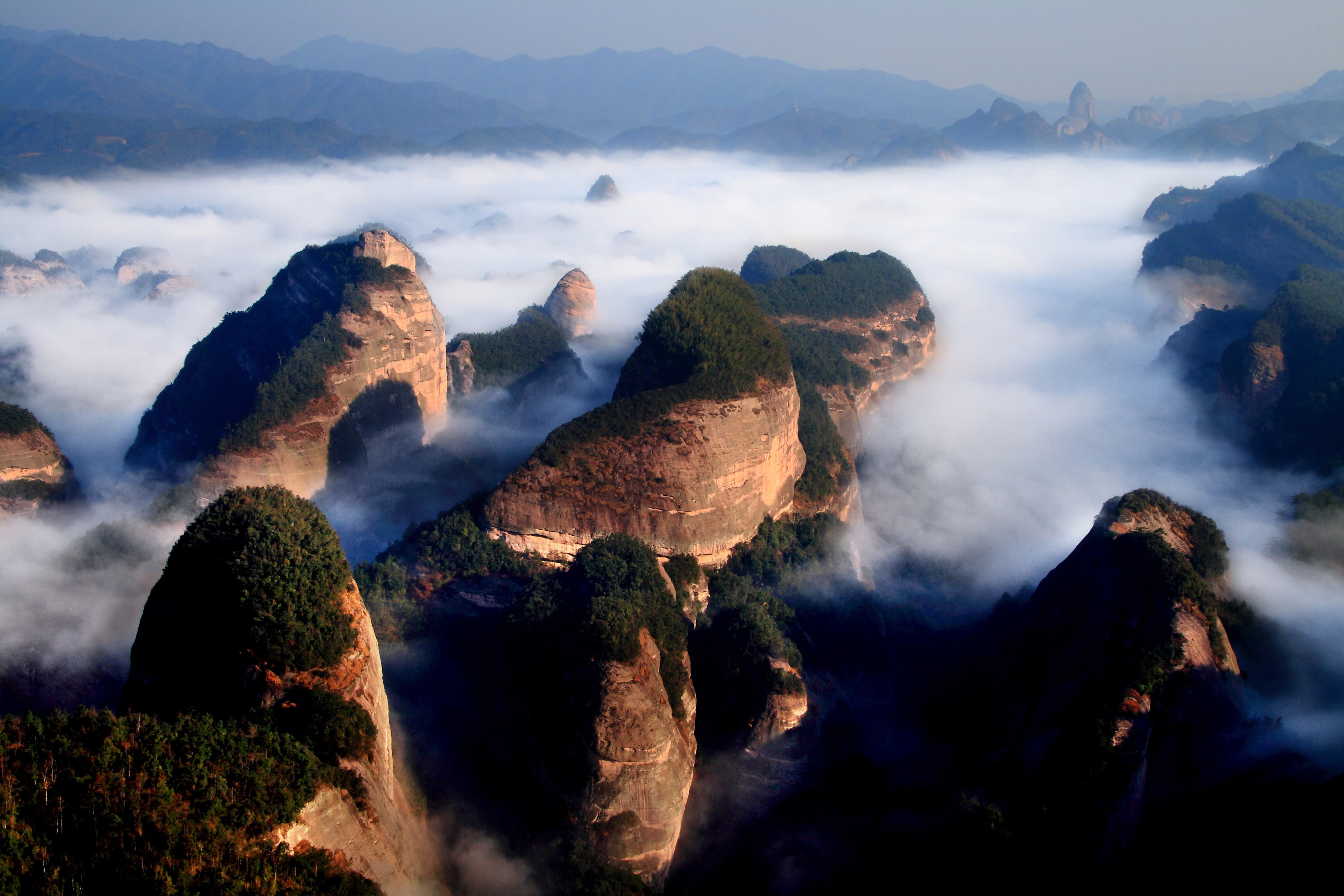
Xuefeng Mountain is the highest mountain range in Hunan Province, with the main peak reaching 1,934 meters. The mountain is famous for its snow-capped winter scenery — a rare sight in subtropical Hunan. In summer, it offers a cool escape from the lowland heat. The Xuefeng Mountain National Forest Park features dense forests, waterfalls, and hiking trails. During World War II, the mountain range was the site of the Battle of Xuefeng Mountain (also known as the Battle of West Hunan), the last major Japanese offensive of the war, which ended in a decisive Chinese victory.

★★★★ 4.3
🕐 08:00-17:00
🎫 60 yuan
🎭 Museum

Huaihua Museum

The Huaihua Museum offers an excellent overview of the region's history and ethnic diversity. Exhibits include Neolithic artifacts, bronzes from the Spring and Autumn Period, and comprehensive displays on the area's Miao, Dong, and Tujia ethnic groups. The museum's collection of Dong textiles and silver jewelry is particularly noteworthy. The second floor houses a special exhibition on the history of the Hunan-Guizhou Railway and its transformative impact on Huaihua's development.

★★★★ 4.2
🕐 09:00-17:00 (closed Mondays)
🎫 Free

Food & Culture

Discover the culinary treasures of Huaihua, from traditional street food to imperial cuisine.

Things to Do

🏛️

Explore Hongjiang Ancient Town

Wander through 500-year-old stone streets and explore well-preserved merchant buildings.

Visit Zhijiang Surrender Site

Learn about the end of WWII in China at the historic surrender memorial.

Experience Dong Culture

Visit Dong villages to see drum towers, wind-rain bridges, and hear the polyphonic grand song.

Hike Xuefeng Mountain

Trek through Hunan's highest mountain range with WWII history and stunning scenery.

Visit Furong Town Waterfall

See the incredible ancient town built on a cascading waterfall.

Ride the Railway

Take the scenic railway through western Hunan's tunnels and bridges — Huaihua's defining experience.

Suggested Itineraries

Ancient Towns and History Tour

Discover Huaihua's rich history from ancient trading to WWII in one day.

  • Morning: Hongjiang Ancient Commercial Town exploration
  • Afternoon: Zhijiang Surrender Memorial Hall
  • Evening: Riverside dinner in Hongjiang

Ethnic Culture Weekend

Immerse yourself in the rich ethnic cultures and natural beauty of western Hunan.

  • Day 1: Dong villages in Tongdao — drum towers and grand song performances
  • Day 2: Furong Ancient Town waterfall + Xuefeng Mountain hike

Getting Around

✈️

Airport

Huaihua Zhijiang Airport (HJJ) with flights to Beijing, Shanghai, Guangzhou, Xi'an, and other major cities.

🚄

High-Speed Rail

Huaihua South Station is a major HSR hub serving the Shanghai-Kunming and Changsha-Kunming HSR lines, with direct trains to Changsha (1.5 hours), Guiyang (1 hour), and Guangzhou (3.5 hours).

🚌

Bus Network

Long-distance buses connect Huaihua to Hongjiang (1 hour), Zhijiang (40 minutes), and all surrounding counties.

🚕

Taxi & Rideshare

Available throughout the city

Best Time to Visit

🌸

Spring

Mar - May

★★★★☆

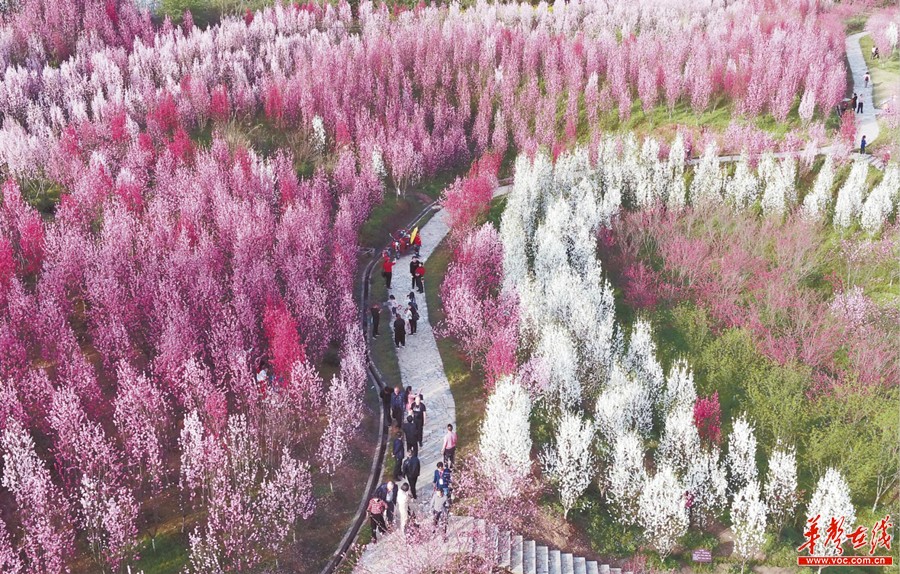
Pleasant weather with blooming flowers and lush green landscapes. Dong festivals are frequent.

  • Ethnic festivals
  • Green landscapes
  • Comfortable weather
☀️

Summer

Jun - Aug

★★★★☆

Warm but mountain areas are cool. Best season for Xuefeng Mountain hiking and Dong village visits.

  • Mountain escapes
  • Waterfall season
  • Village life
🍂

Autumn

Sep - Nov

★★★★★

Clear skies and comfortable temperatures throughout. Best season for all activities.

  • Best weather
  • Autumn colors
  • Harvest festivals
❄️

Winter

Dec - Feb

★★☆☆☆

Cold in the mountains with occasional snow on Xuefeng. Milder in the lowlands. Very few tourists.

  • Snow on Xuefeng
  • Fewer tourists
  • Hot pot season

Continue Exploring China

Discover more cities, food guides, and travel inspiration.