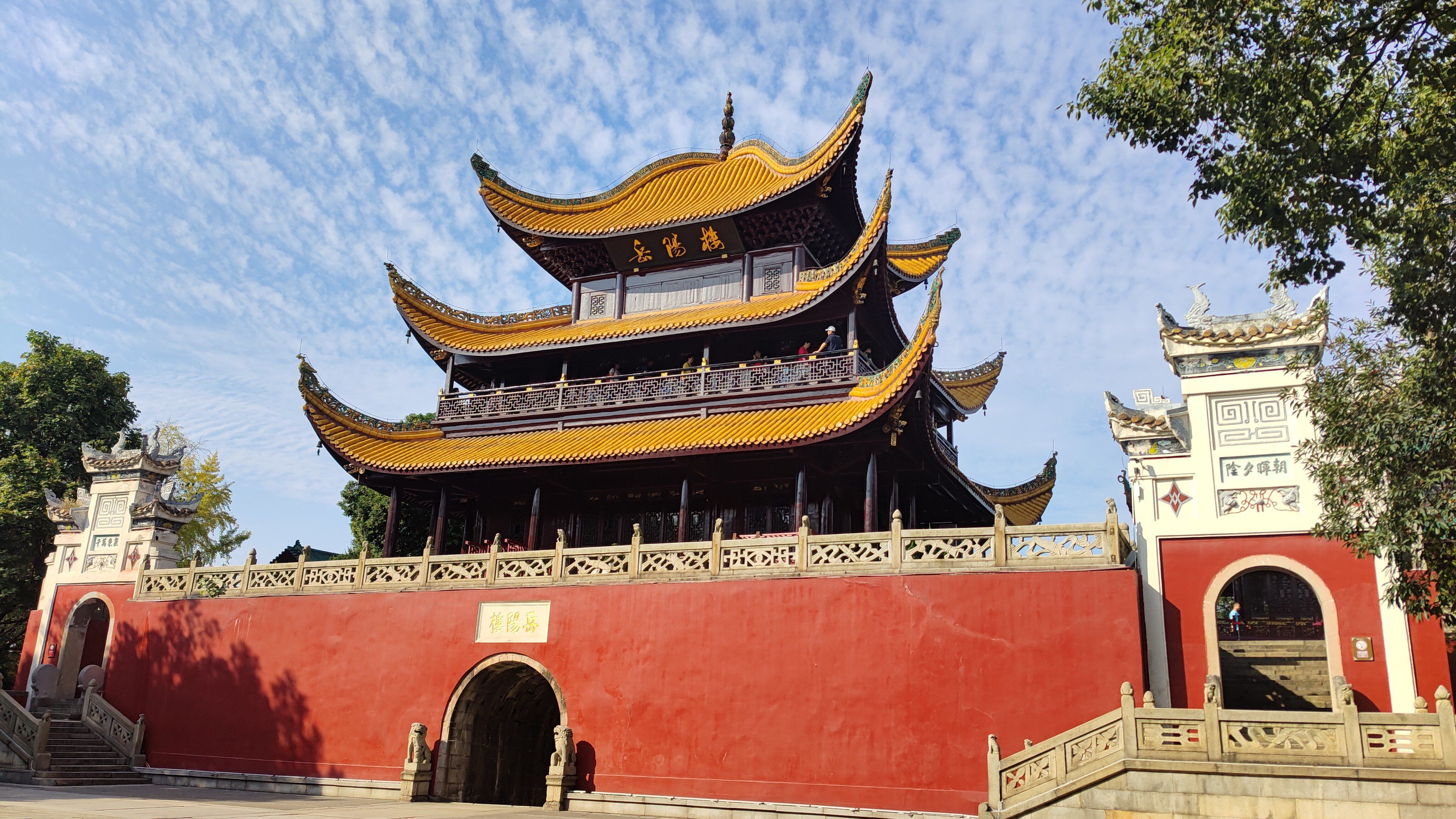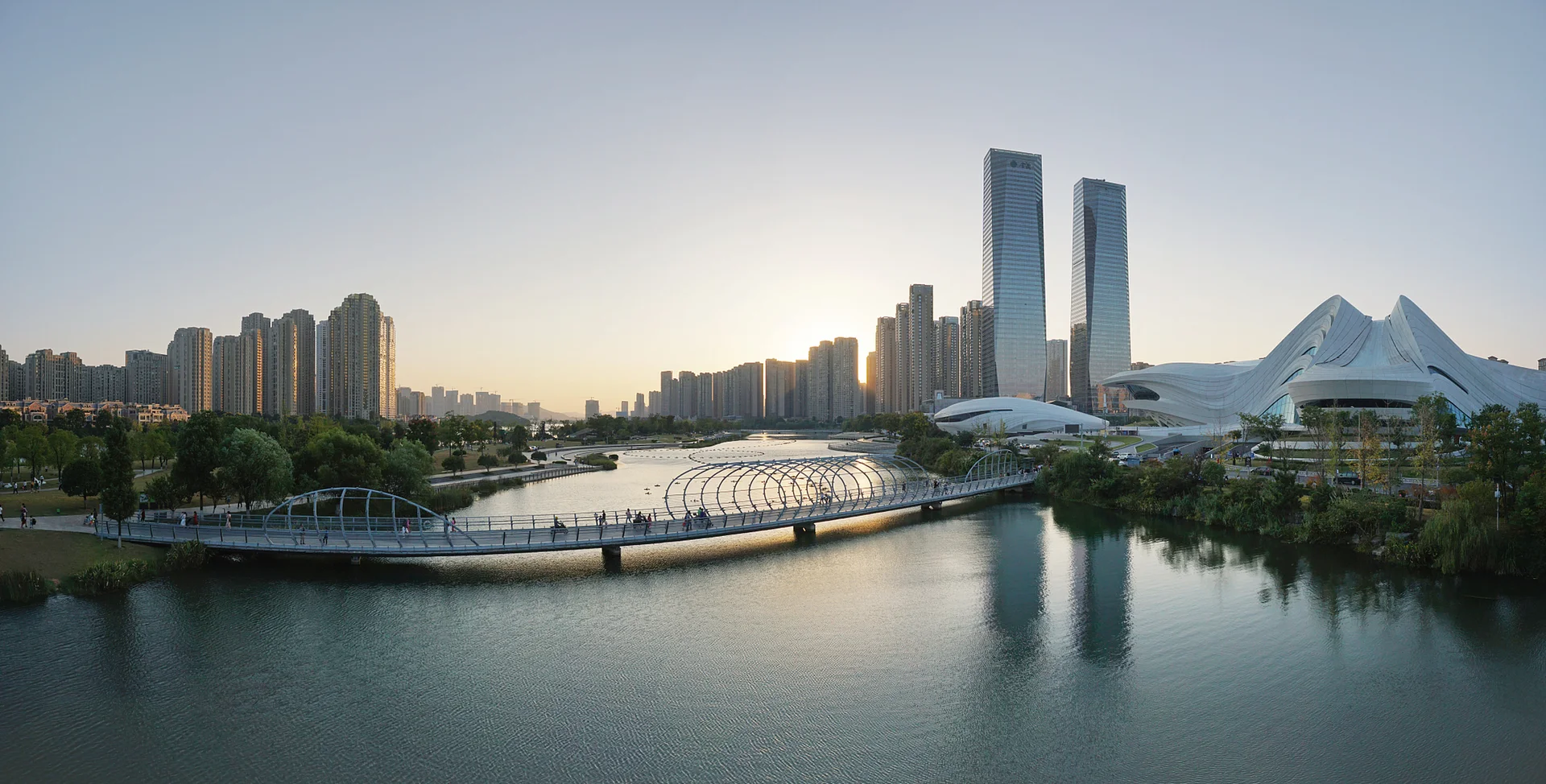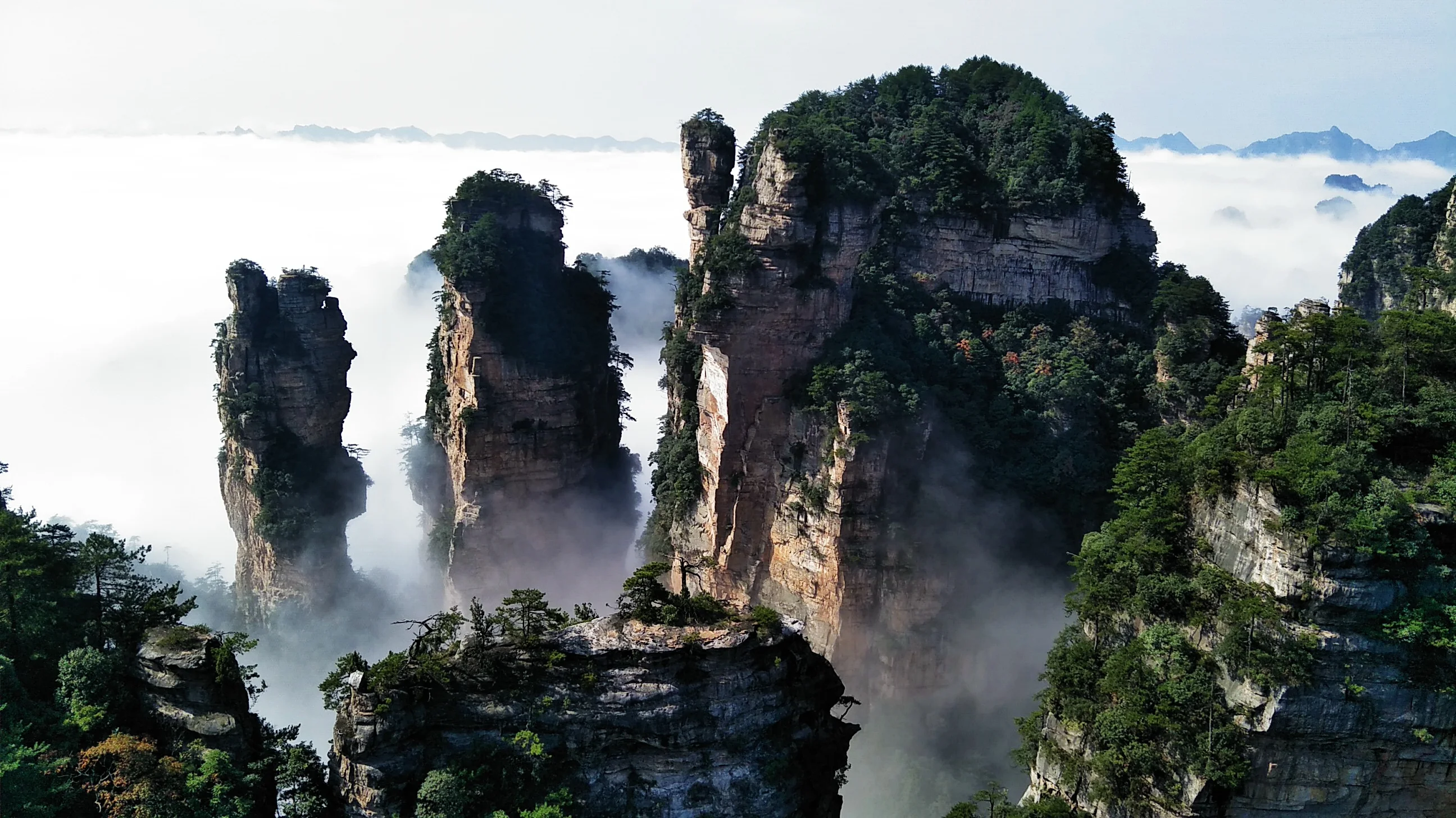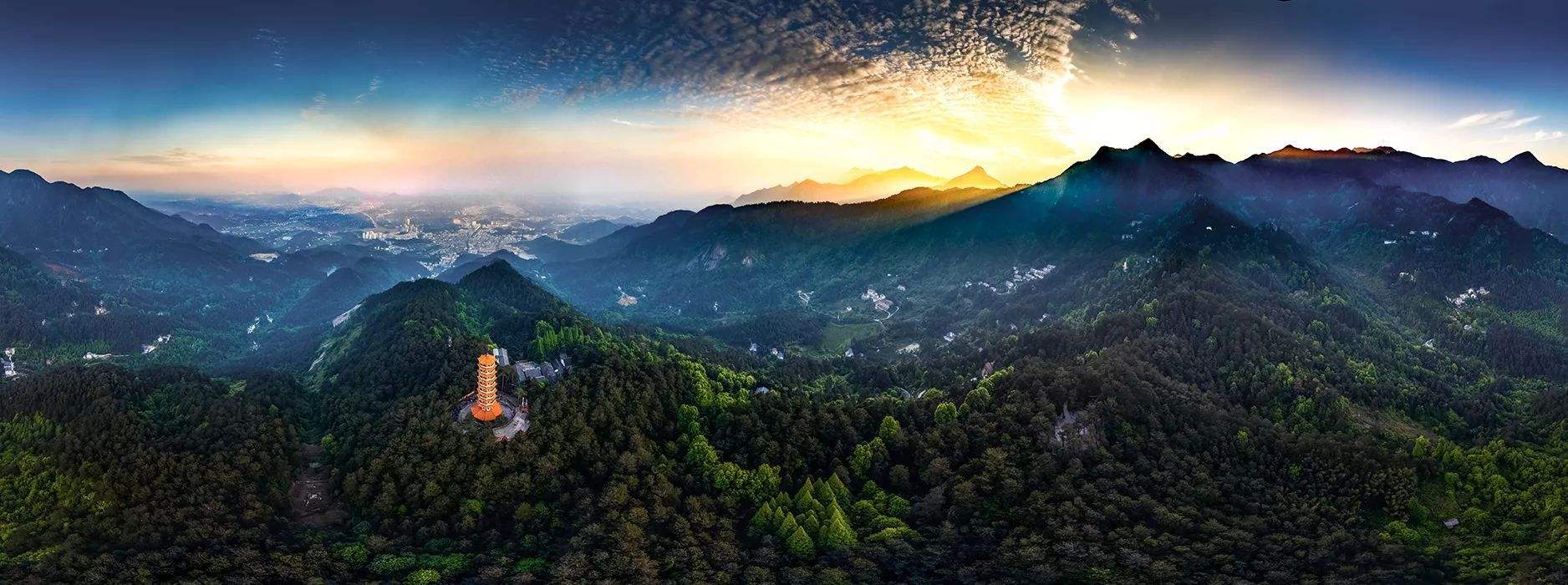
Loudi city skyline and landmarks (娄底) - Travel China Guide

Loudi Travel Guide

The hometown of Zeng Guofan, the great Qing Dynasty statesman, and a land of dramatic karst caves and spectacular mountain scenery.

About

Loudi, located in central Hunan Province, is a city defined by its dramatic karst landscapes and profound historical significance. It is best known as the birthplace of Zeng Guofan, the great Qing Dynasty statesman, military leader, and scholar whose influence shaped late imperial China.

The city's natural wonders are centered around its remarkable cave systems. Meishan Dragon Palace is considered one of China's finest karst caves, with vast underground chambers and an underground river navigable by boat. Boyue Cave offers equally spectacular formations and a connection to Chinese popular culture as a filming location for Journey to the West.

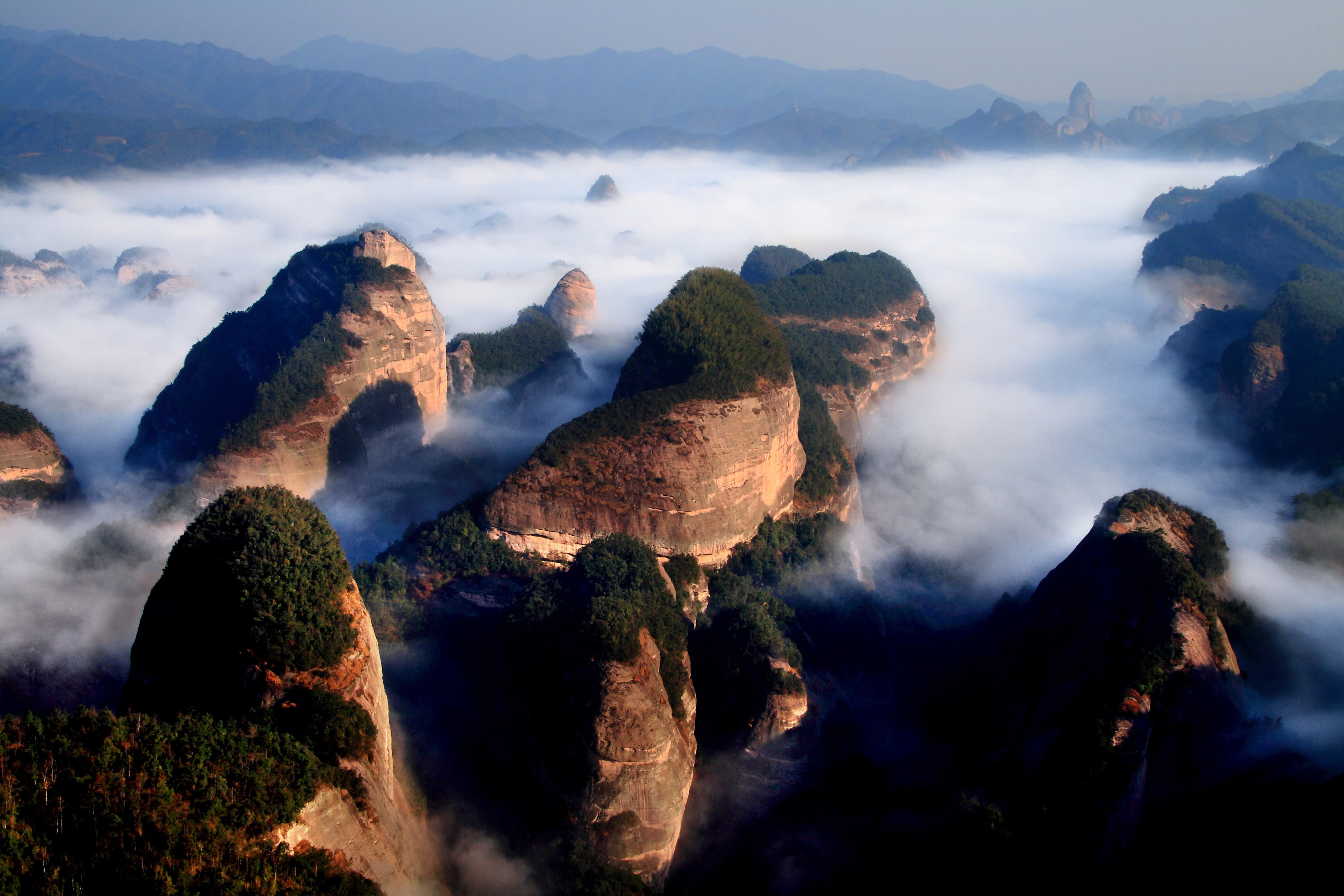
Above ground, Daxiong Mountain National Forest Park protects the highest peak in central Hunan and some of the province's best-preserved ancient forests. The mountain's Buddhist temple, dating from the Tang Dynasty, adds a spiritual dimension to the natural beauty.

Loudi's central location has made it an important transportation and industrial hub. The city is part of the "Xiang Army cultural zone" and takes pride in its association with the military force that operated during a period of significant change in 19th-century China.

History & Development

The area now known as Loudi has been inhabited since ancient times. During the Spring and Autumn Period (770-476 BC), it was part of the State of Chu. The region was formally organized under various county-level administrations during the Qin and Han dynasties.

The most significant historical figure from Loudi is Zeng Guofan (1811-1872), born in Shuangfeng County (then part of Xiangxiang). Zeng organized the Xiang Army which played a key role in the conflicts of the Taiping Rebellion era (1850-1864), one of the deadliest periods in human history. His military strategies, administrative reforms, and philosophical writings had a lasting impact on Chinese governance and military thought. His "Family Letters" (家书) are still widely read as guides to personal conduct and family values.

The Xinhua County area has a distinct cultural identity known as "Meishan culture," rooted in the traditions of the ancient Miao and Yao peoples who inhabited the region before Han Chinese settlement. This culture persists in local customs, cuisine, and folk arts.

Loudi was officially established as a prefecture-level city in 1999, making it one of Hunan's youngest prefecture-level cities. Its industrial development accelerated in the late 20th century, based on local mineral resources including coal, iron ore, and limestone.

Economy & Industries

Loudi's economy has traditionally been based on mining and heavy industry. The city has significant deposits of coal, iron ore, manganese, and limestone. Coal mining has been a major industry, though it has declined in recent years due to environmental concerns and resource depletion.

The steel industry, centered on Loudi Steel (Lianggang), has been a cornerstone of the local economy. The company produces a range of steel products for construction and manufacturing.

In recent years, Loudi has been diversifying its economy. The Loudi Economic Development Zone has attracted investment in new energy, advanced manufacturing, and logistics. The city's central location in Hunan makes it a natural logistics hub.

Agriculture in the surrounding counties produces rice, tea, citrus, and traditional medicinal herbs. Tourism is a growing sector, centered on the cave systems, Zeng Guofan heritage, and Daxiong Mountain National Forest Park.

Top Attractions

🏔️ Nature

Meishan Dragon Palace

Meishan Dragon Palace is a massive karst cave system in Xinhua County, Loudi, often called "the best cave in Central China." The cave extends over 3,000 meters and features an underground river, towering stalagmites reaching 40 meters high, delicate stalactite curtains, and vast caverns the size of football fields. The cave's highlight is the "Dragon Palace Hall," a chamber so large it could fit a 20-story building. An underground boat ride takes visitors through the "Crystal Palace" section, where crystal-clear water reflects the surreal formations above.

★★★★ 4.6
🕐 08:00-17:00
🎫 100 yuan
🎭 Museum

Zeng Guofan's Former Residence

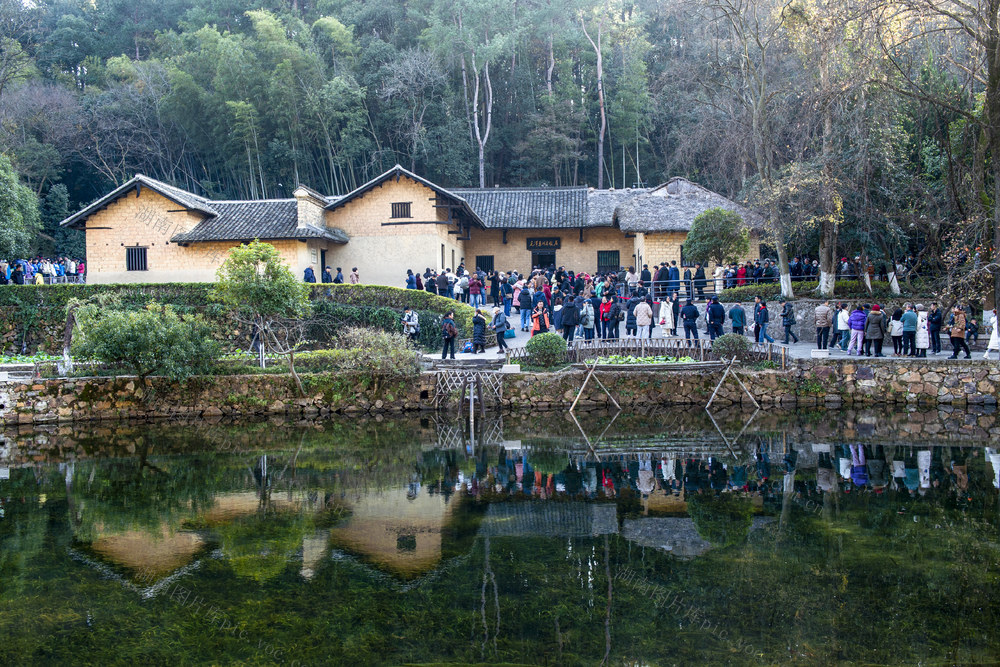
Zeng Guofan (1811-1872) is one of the most consequential figures in 19th-century Chinese history. His former residence, known as "Fuhou Tang," is a sprawling traditional Hunan compound in Shuangfeng County. The complex comprises multiple courtyards, halls, and gardens built in the classic Xiangjiang architectural style. The main hall displays Zeng's calligraphy, personal effects, and exhibits on his role during the Taiping Rebellion era and his enduring influence on Chinese political thought. His "Family Letters" remain widely read in China today.

★★★★ 4.7
🕐 08:00-17:30
🎫 50 yuan
🏔️ Nature

Daxiong Mountain National Forest Park

Daxiong Mountain is a vast national forest park in Xinhua County featuring pristine subtropical forests, ancient gingko trees over 1,000 years old, and the highest peak in central Hunan at 1,622 meters. The "Bear Mountain Temple," a Buddhist monastery dating from the Tang Dynasty, sits near the summit. Hiking trails wind through dense bamboo groves and past crystal mountain streams. The park is particularly beautiful in autumn when the forest turns brilliant shades of red and gold.

★★★★ 4.5
🕐 08:00-17:00
🎫 70 yuan
🏔️ Nature

Boyue Cave

Boyue Cave is another spectacular karst cave in Loudi, famous for its incredible variety of stalactite formations. The cave was one of the filming locations for the classic Chinese TV series "Journey to the West" (1986 version). Visitors can identify scenes from the show among the cave's fantastic rock formations, which resemble palaces, animals, and mythological figures. The cave features a unique "Concert Hall" chamber with remarkable natural acoustics.

★★★★ 4.3
🕐 08:00-17:00
🎫 80 yuan
🏛️ Landmark

Shuangfeng Shuifu Temple

Shuifu Temple is a historic waterside temple located in Shuangfeng County. Built during the Ming Dynasty, the temple overlooks a scenic reservoir and features traditional architecture with elegant painted beams and carved rafters. The surrounding reservoir area offers boating and fishing opportunities. The temple complex includes several halls dedicated to the Water God, reflecting the traditional Chinese reverence for water deities in this agriculturally rich region.

★★★★ 4.2
🕐 08:00-17:00
🎫 Free
🌳 Park

Loudi Sunwater Park

Sunwater Park is Loudi's largest urban park, centered around a beautiful lake with traditional pavilions, arched bridges, and willow-lined banks. The park features a 3-kilometer lakeside walking path, a small amusement area, and quiet corners with benches for relaxation. Local musicians often gather in the park's pavilions to play traditional instruments. The park offers a pleasant escape from the city bustle and a glimpse into local daily life.

★★★★ 4.1
🕐 Open daily
🎫 Free

Food & Culture

Discover the culinary treasures of Loudi, from traditional street food to imperial cuisine.

Things to Do

Explore Meishan Dragon Palace

Take a boat ride through the underground river and marvel at the massive cave chambers.

Visit Zeng Guofan's Residence

Walk through the halls where one of China's greatest statesmen lived and worked.

Hike Daxiong Mountain

Trek through ancient forests to the highest peak in central Hunan.

Explore Boyue Cave

See the cave formations featured in the classic Journey to the West TV series.

🍜

Taste Local Delicacies

Try Loudi's stinky tofu, Xinhua soup, and Shuangfeng bacon.

Xiang Army Culture Tour

Learn about the legendary Xiang Army and its role in late Qing history.

Suggested Itineraries

Historical and Cave Tour

A day exploring Loudi's most important cultural and natural attractions.

  • Morning: Zeng Guofan Former Residence
  • Afternoon: Meishan Dragon Palace cave exploration
  • Evening: Local specialties dinner

Nature and Culture Weekend

Combine Loudi's natural wonders with its rich historical heritage.

  • Day 1: Daxiong Mountain hike + Boyue Cave
  • Day 2: Zeng Guofan residence + local food tasting

Getting Around

✈️

Airport

Changsha Huanghua International Airport (about 150km, 2 hours by car) serves all major domestic and international routes.

🚄

High-Speed Rail

Loudi South Station serves the Shanghai-Kunming HSR, reaching Changsha South in 40 minutes and Guangzhou in 2.5 hours.

🚌

Bus Network

Regular buses connect Loudi to Xinhua County, Shuangfeng County, and all surrounding areas.

🚕

Taxi & Rideshare

Available throughout the city

Best Time to Visit

🌸

Spring

Mar - May

★★★★★

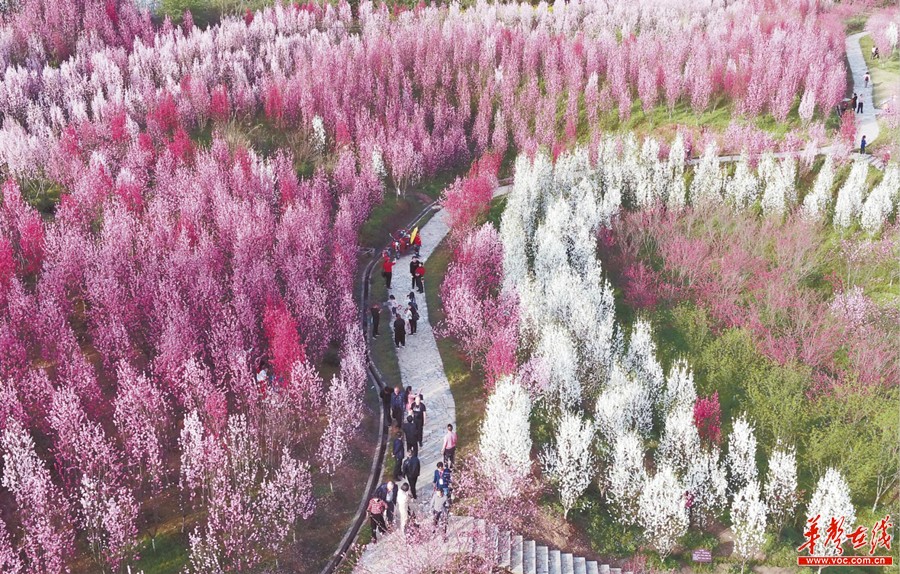
Mild and pleasant with blooming wildflowers in the mountains. Perfect for outdoor exploration.

  • Wildflowers
  • Comfortable weather
  • Green landscapes
☀️

Summer

Jun - Aug

★★★☆☆

Warm but caves provide natural cooling. Daxiong Mountain offers a mountain escape.

  • Cool caves
  • Mountain escape
  • Forest hikes
🍂

Autumn

Sep - Nov

★★★★★

Clear skies and comfortable temperatures. Daxiong Mountain autumn foliage is spectacular.

  • Best weather
  • Autumn foliage
  • Comfortable hiking
❄️

Winter

Dec - Feb

★★☆☆☆

Cold and damp. Caves maintain constant temperature year-round. Few tourists.

  • Cave visits year-round
  • Few tourists
  • Local hot pot

Continue Exploring China

Discover more cities, food guides, and travel inspiration.