Zhangjiajie National Forest Park
China's first national forest park (1982) featuring over 3,000 quartz sandstone pillars. The Avatar Hallelujah Mountain, First Bridge Under Heaven, and Bailong Elevator are highlights. A UNESCO World Heritage Site.
China's most otherworldly landscape—towering sandstone pillars that inspired Avatar's floating mountains, misty valleys, and thrilling glass bridges.
Zhangjiajie is a city that seems to exist in another world. Its landscape of towering sandstone pillars, misty valleys, and lush forests has inspired filmmakers, artists, and travelers for decades. The city's most famous claim to fame is serving as the inspiration for the floating Hallelujah Mountains in James Cameron's blockbuster film Avatar.
Located in northwestern Hunan Province, Zhangjiajie was designated China's first national forest park in 1982. Today, the Wulingyuan Scenic Area—comprising Zhangjiajie National Forest Park, Tianzi Mountain, and Suoxi Valley—covers over 390 square kilometers and was inscribed as a UNESCO World Heritage Site in 1992 for its unique geological formations.
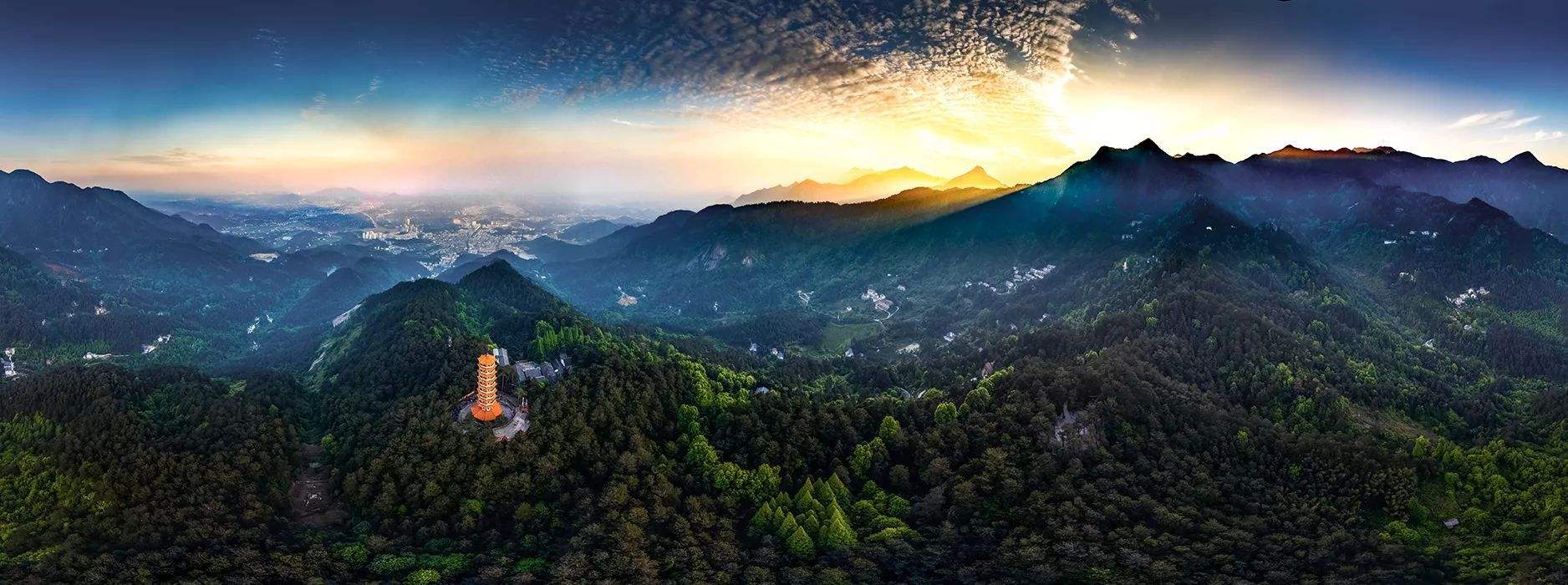
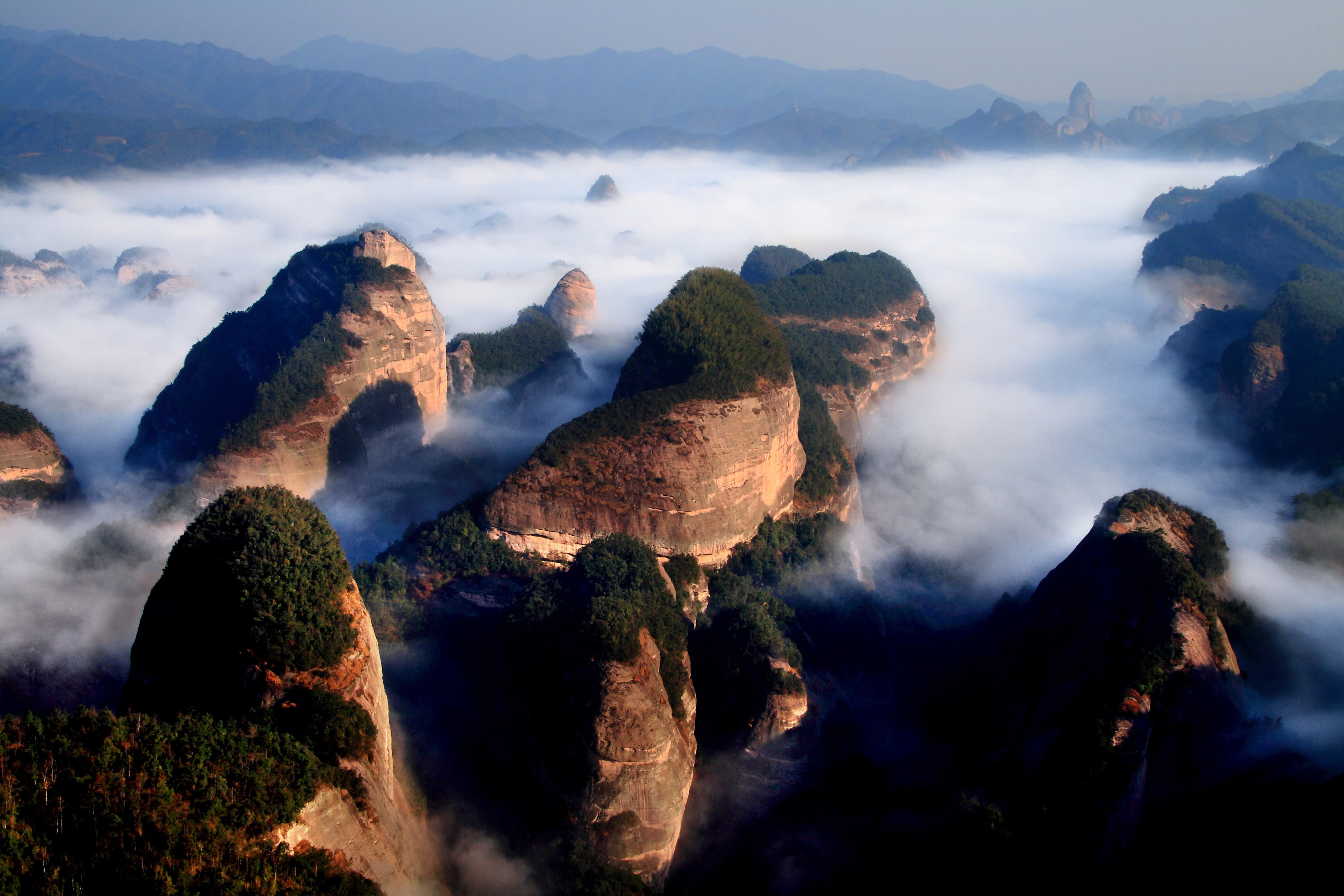
The park's most striking feature is its more than 3,000 quartz sandstone pillars, some rising over 200 meters from the forest floor. These pillars were formed over 380 million years through erosion and weathering, creating one of Earth's most otherworldly landscapes. The pillars are often shrouded in mist, adding to their ethereal appearance.
Beyond the famous Avatar peaks, Zhangjiajie offers diverse attractions. Tianmen Mountain features a natural arch called "Heaven's Gate," accessible via the world's longest cable car ride (7.5 km) or the hair-raising 99-turn "Dragon Road." The Zhangjiajie Glass Bridge, the world's longest and highest glass-bottomed bridge, offers adrenaline junkies a heart-stopping walk 300 meters above the canyon floor.
The city is also home to the Tujia ethnic minority, one of China's largest minority groups. Tujia culture is reflected in local cuisine, architecture, and festivals. Traditional wooden stilt houses, intricate silver jewelry, and unique customs add cultural depth to the natural wonders.
For nature lovers, photographers, and adventure seekers, Zhangjiajie offers an experience unlike anywhere else on Earth—a landscape so dramatic it seems almost supernatural.
Zhangjiajie's geological history spans hundreds of millions of years. The quartz sandstone pillars were formed during the Devonian period, approximately 380 million years ago, through the deposition of sand and subsequent erosion by water and wind.
The area was historically inhabited by Tujia, Miao, and Bai ethnic minorities. The Tujia people have lived in the region for centuries, developing distinct cultural traditions, architecture, and agricultural practices adapted to the mountainous terrain.
The modern development of Zhangjiajie began in the late 20th century. In 1979, renowned Chinese painter Wu Guanzhong visited the area and created artworks that brought national attention to its unique landscapes. His paintings and advocacy helped establish Zhangjiajie as a protected area.
In 1982, Zhangjiajie became China's first national forest park. This designation marked the beginning of the area's transformation from a remote mountainous region into a world-class tourism destination.
The 1990s brought international recognition. In 1992, Wulingyuan Scenic Area was designated a UNESCO World Heritage Site. The inscription recognized the outstanding universal value of the sandstone pillar forest landscape.
Tourism infrastructure developed rapidly after 2000. The Bailong Elevator, built into a sandstone cliff, opened in 2002 as the world's tallest outdoor elevator. The Zhangjiajie Glass Bridge opened in 2016, setting multiple world records and attracting global attention.
The city was renamed from Dayong to Zhangjiajie in 1994 to promote tourism. Today, it welcomes millions of visitors annually and has become one of China's most iconic natural destinations.

Zhangjiajie's economy is dominated by tourism, which accounts for over 60% of the city's GDP. The city has transformed from an agricultural and forestry-based economy into one of China's premier tourist destinations.
The tourism industry directly employs tens of thousands of residents in hotels, restaurants, transportation, and guide services. The city has invested heavily in infrastructure, including the expansion of Zhangjiajie Hehua International Airport and the construction of high-speed rail connections to Changsha and other major cities.
Agriculture remains important, particularly the cultivation of tea, kiwi fruit, and traditional Chinese medicinal herbs. The mountainous terrain supports forestry and the collection of wild vegetables and mushrooms, which supply local restaurants and export markets.
The Tujia ethnic minority has developed cultural tourism products, including traditional crafts, performances, and homestay experiences in ethnic villages. Silver jewelry, embroidery, and bamboo weaving are popular souvenirs.
Recent development has focused on sustainable tourism and environmental protection. The city has implemented measures to limit visitor numbers in sensitive areas and promote off-season tourism to reduce pressure on popular sites during peak periods.
Zhangjiajie's GDP reached approximately 62 billion yuan in 2024. The city continues to develop its tourism infrastructure while working to preserve the natural environment that makes it unique.
Discover the culinary treasures of Zhangjiajie, from traditional street food to imperial cuisine.
Zhangjiajie Hehua International Airport (DYG) - 5 km from city center
Connected to major cities
Extensive network to scenic areas
Available throughout the city
Apr - May
Mild temperatures, blooming flowers, and clear views. Perfect for hiking and photography.
Jun - Aug
Warm and humid with occasional rain. Waterfalls at peak flow. Popular but crowded.
Sep - Oct
Clear skies, comfortable temperatures, and golden autumn foliage. Ideal for outdoor activities.
Dec - Feb
Cold with occasional snow. Frozen waterfalls and snow-covered pillars create magical scenes. Fewer tourists.
The most important Tujia festival with traditional dances, sacrifices, and celebrations.
Traditional exorcism dance with masks and costumes, performed during important occasions.
Mountain weather is unpredictable. Always carry rain gear and warm layers. Mornings often have mist.
Discover more cities, food guides, and travel inspiration.