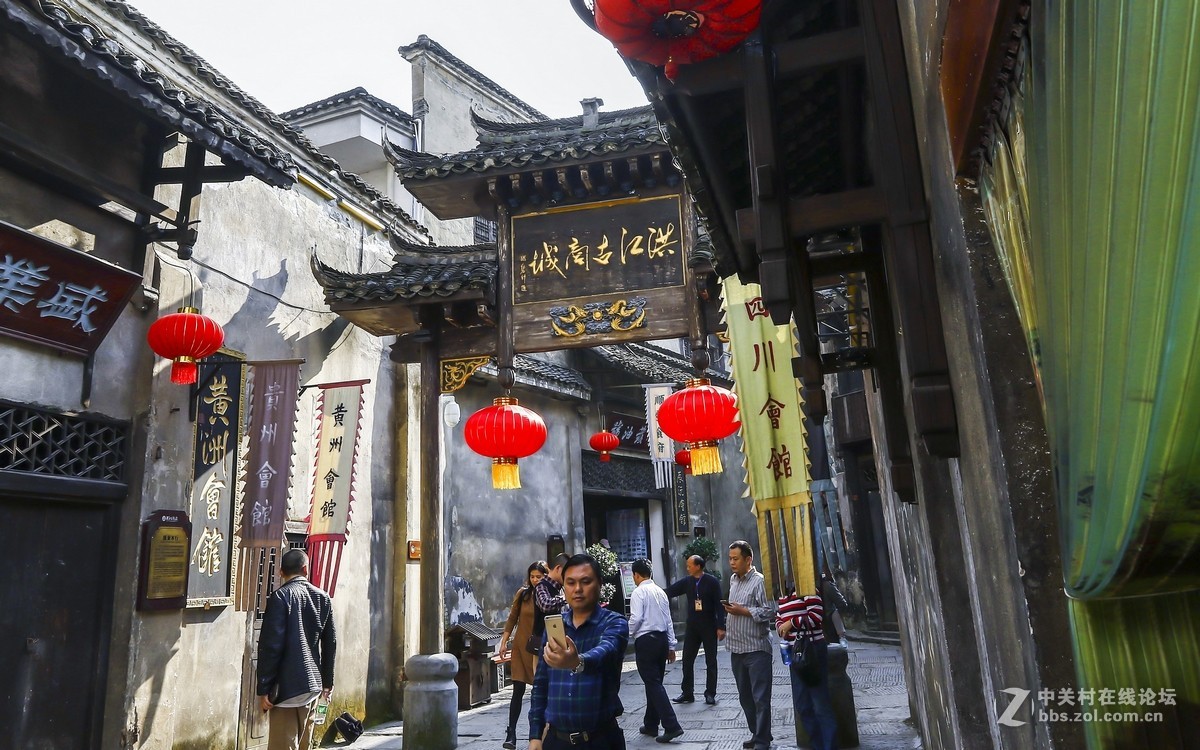
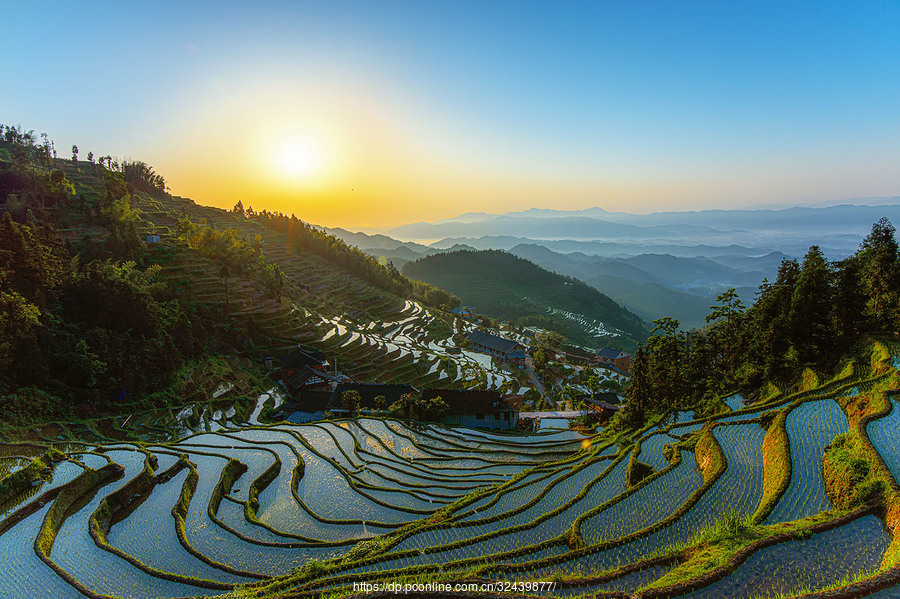
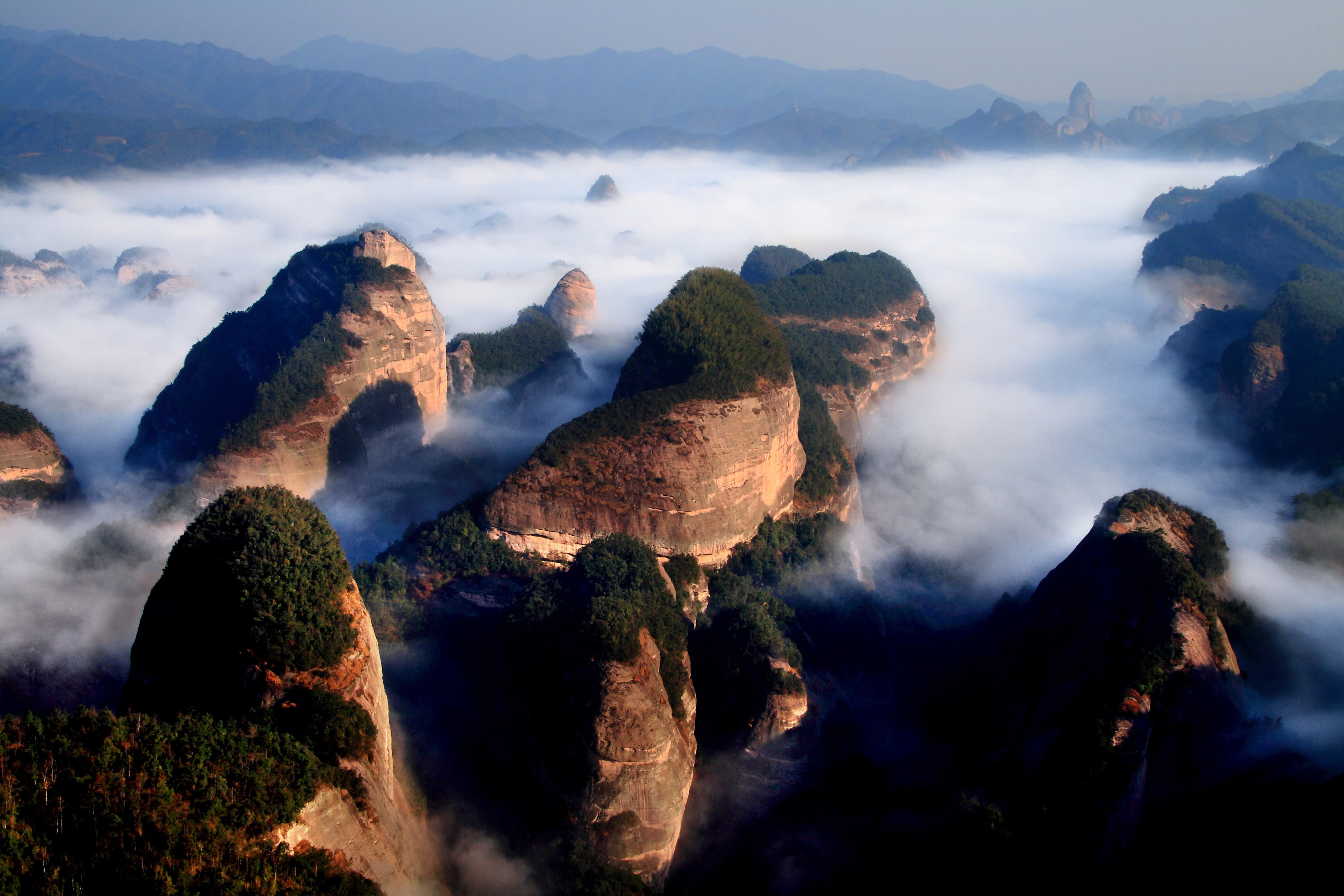
Changde city skyline and landmarks (常德) - Travel China Guide

Changde Travel Guide

The land of the legendary Peach Blossom Spring — Tao Qian's utopian vision — where the Yuan River meets ancient rice culture and the most famous rice noodles in Hunan.

About

Changde, a prefecture-level city in northern Hunan Province along the Yuan River, is a place where Chinese literary imagination meets archaeological reality. The city's fame rests on three extraordinary claims: it is home to the legendary Peach Blossom Spring, the oldest known urban settlement in China, and arguably the best rice noodles in Hunan.

The Peach Blossom Spring, about 40 kilometers southwest of the city center, is the location that inspired Tao Qian's famous 5th-century tale of a hidden utopia. Every spring, the valley fills with pink peach blossoms, creating a dreamlike landscape that has drawn poets and pilgrims for over 1,500 years.

Just as remarkable is the Chengtoushan archaeological site in Li County, which rewrites Chinese history with evidence of a walled city from 6,500 years ago — complete with the world's earliest known rice paddies. This discovery has made Changde a destination for anyone interested in the origins of Chinese civilization.

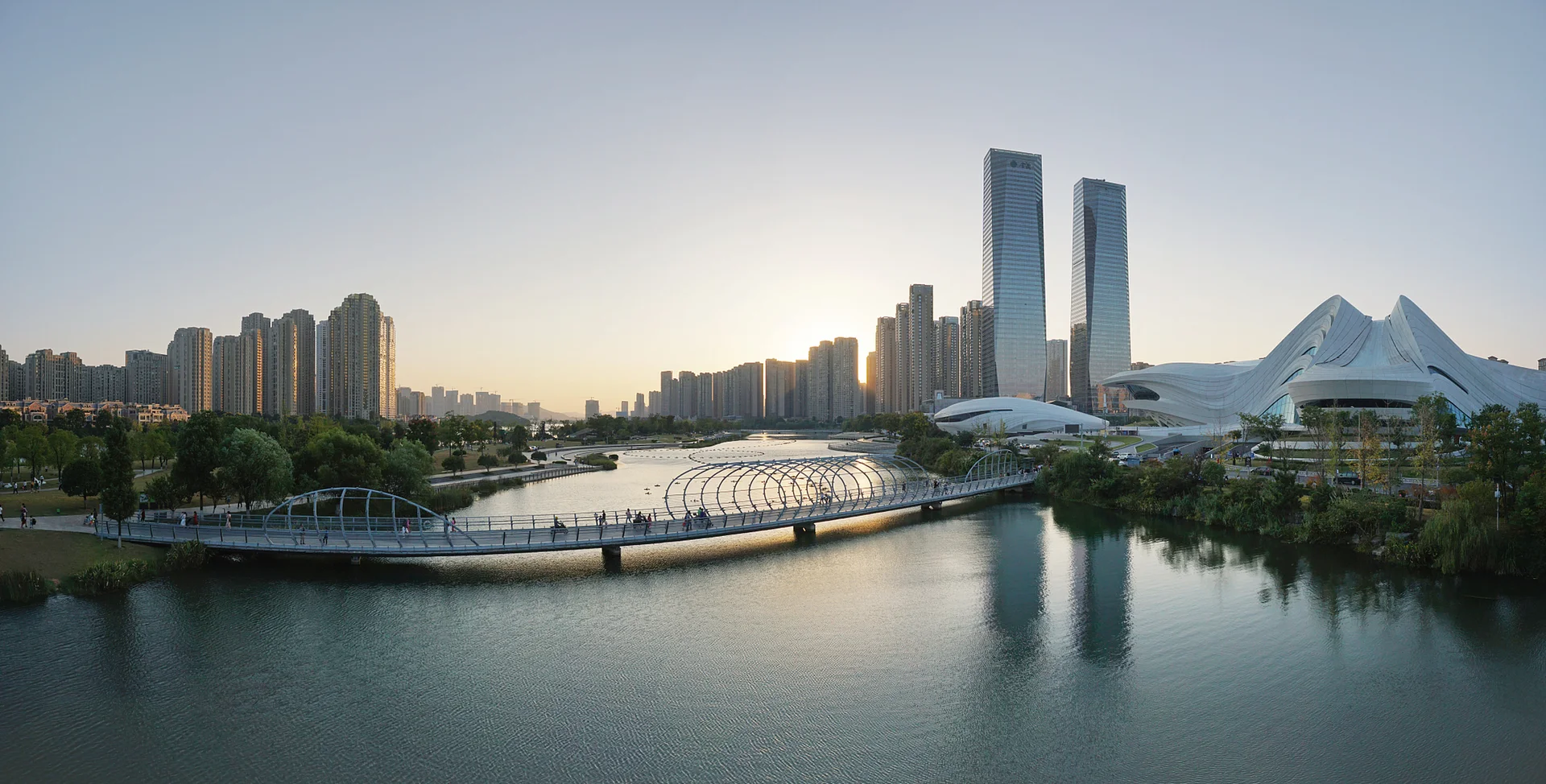
Changde's modern identity is shaped by its lakes and waterways. Liuye Lake (Willow Leaf Lake) is one of China's largest urban lakes, three times the size of West Lake in Hangzhou. The 4-kilometer Poetry Wall along the Yuan River flood control system is a unique cultural landmark — a Guinness World Record holder combining flood protection with 1,500 carved poems.

The city is also famous throughout Hunan for its cuisine, particularly Changde rice noodles with their uniquely smooth texture and rich beef broth — considered by many locals to be the best breakfast in the province.

History & Development

Changde's history extends back to the dawn of Chinese civilization. The Chengtoushan site in Li County, dated to approximately 4,500 BCE, represents the earliest known walled settlement in China. The site's rice paddies provide the earliest physical evidence of rice cultivation in the world.

During the Warring States period, the area was part of the Chu State, which left rich cultural influences. The name "Changde" — meaning "constant virtue" — was first used during the Song Dynasty (1117 AD).

The Peach Blossom Spring story dates to the Eastern Jin Dynasty (421 AD), written by the poet Tao Qian (Tao Yuanming). The tale of a fisherman discovering a hidden utopia has become one of the most enduring narratives in Chinese culture, symbolizing humanity's longing for peace and simplicity.

In the 20th century, Changde was the site of the tragic Battle of Changde in 1943 during the Second Sino-Japanese War, where Chinese forces defended the city against Japanese troops in one of the war's bloodiest engagements. The battle is commemorated in museums and memorials throughout the city.

Modern Changde has rebuilt itself as a prosperous regional center, known for its livability, urban planning, and preservation of both natural and cultural heritage.

Economy & Industries

Changde's economy is one of the strongest in Hunan Province outside the capital Changsha. The city has developed a diverse industrial base, including tobacco processing, textile manufacturing, machinery, and food processing.

Agriculture remains important, with the Yuan River basin providing fertile land for rice cultivation. Hanshou County is China's largest producer of farmed softshell turtles, and Taoyuan County is known for its tea and osmanthus products. The region is one of Hunan's major grain-producing areas.

Tourism has grown rapidly, driven by the Peach Blossom Spring brand and Chengtoushan's archaeological significance. The city has invested in modern hotels, transportation infrastructure, and cultural venues to support this sector.

Changde is frequently cited as one of Hunan's most livable cities, with excellent urban planning, clean streets, and extensive green spaces. The city government has won national awards for environmental protection and urban management.

Top Attractions

🏔️ Nature

Peach Blossom Spring

The Peach Blossom Spring (Taohuayuan) is the real-world location that inspired Tao Qian's legendary prose poem "The Story of Peach Blossom Spring" (421 AD), one of the most famous works in Chinese literature. The story describes a fisherman who stumbles upon a hidden utopian community untouched by the outside world. The scenic area features a peach blossom valley, ancient temples, pavilions, and waterways designed to evoke the mystical realm of the tale. Spring brings thousands of blooming peach trees, creating a sea of pink petals.

★★★★ 4.7
🕐 08:00-17:30
🎫 128 yuan
🏔️ Nature

Liuye Lake (Willow Leaf Lake)

Liuye Lake is one of China's largest urban lakes, covering 21.8 square kilometers — three times the size of West Lake in Hangzhou. The lake is surrounded by willow trees, parks, and modern recreational facilities. It is a popular destination for boating, cycling, running, and watersports. The lakeside promenade stretches for kilometers, offering beautiful reflections of the surrounding hills. The "Sun Mountain" on the north shore provides panoramic views of the entire lake and Changde city skyline.

★★★★ 4.6
🕐 Open daily
🎫 Free
🏛️ Landmark

Changde Poetry Wall

The Changde Poetry Wall is a remarkable 4-kilometer-long granite wall along the Yuan River flood control embankment, inscribed with over 1,500 poems, works of calligraphy, and stone carvings from various Chinese dynasties. Recognized by Guinness World Records as the "Longest Art Wall with Poems, Calligraphy and Paintings in the World," it combines flood protection with an open-air museum. The wall is divided into thematic sections and features works by famous poets including Li Bai, Du Fu, and Su Dongpo.

★★★★ 4.5
🕐 Open daily
🎫 Free
🏔️ Nature

Huping Mountain

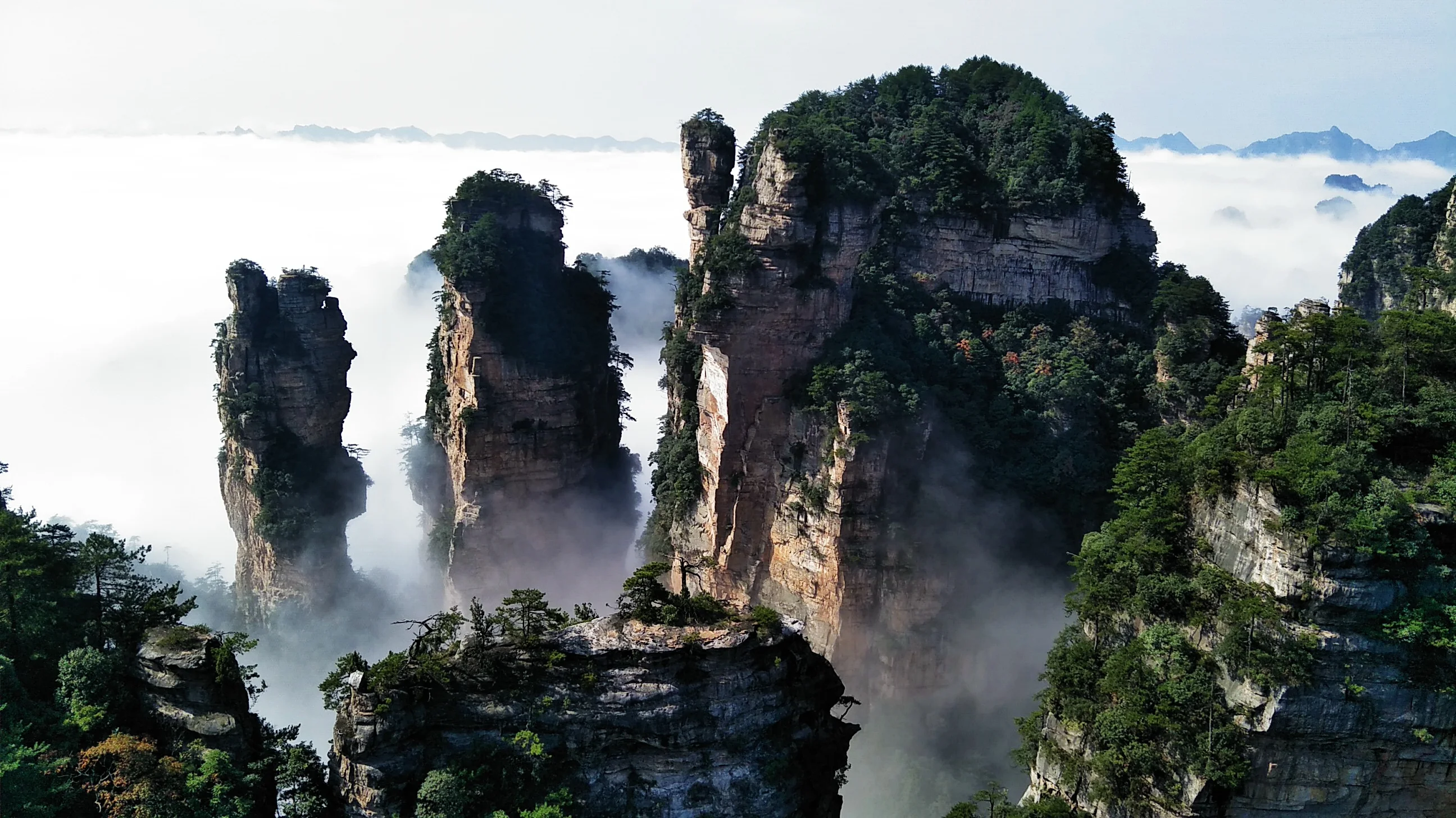
Huping Mountain, meaning "Kettle Handle Mountain," is the highest peak in Hunan Province at 2,098 meters. Located in Shimen County, it is a national nature reserve with pristine subtropical forests, rare wildlife including clouded leopards and golden monkeys, and dramatic waterfalls. The mountain is a paradise for serious hikers, with trails ranging from moderate day hikes to multi-day expeditions. The summit offers breathtaking views over Hunan and into neighboring Hubei Province.

★★★★ 4.6
🕐 07:00-17:00
🎫 80 yuan
🏔️ Nature

Taiyang Mountain (Sun Mountain)

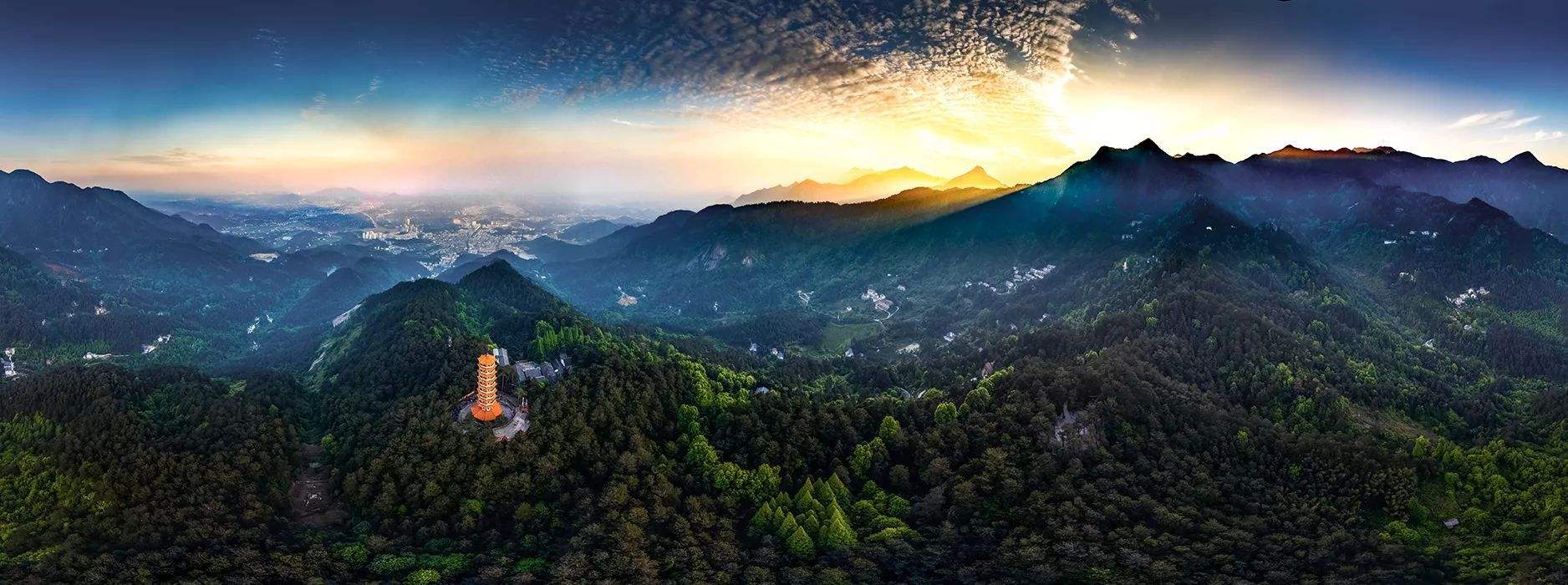
Taiyang Mountain rises north of Changde, offering the best panoramic views of the city and Liuye Lake. The mountain is named "Sun Mountain" because it catches the first light of dawn. The slopes are covered with tea plantations, bamboo groves, and hiking trails. At the summit stands a massive bronze statue of the Sun God, a contemporary art installation with roots in ancient Chu culture. The sunrise view from the peak is considered the best in the region.

★★★★ 4.3
🕐 Open daily
🎫 Free
🎭 Museum

Chengtoushan Site

Chengtoushan, located in Li County under Changde's administration, is the earliest known walled city in China and one of the oldest in East Asia, dating back approximately 6,500 years to the Daxi Culture. The archaeological site reveals an ancient city with defensive walls, a moat, residential areas, and — most remarkably — evidence of the world's earliest rice paddies. An on-site museum displays excavated artifacts including pottery, jade, and tools, along with reconstructions of how the early city might have appeared. It was named one of China's "Top 100 Archaeological Discoveries of the Century."

★★★★ 4.7
🕐 08:00-17:00
🎫 60 yuan

Food & Culture

Discover the culinary treasures of Changde, from traditional street food to imperial cuisine.

Things to Do

Find the Peach Blossom Spring

Walk through the peach blossom valley and ancient pavilions that inspired China's most famous utopian story.

Cycle Around Liuye Lake

Rent a bike and circle the 21-square-kilometer lake on dedicated cycling paths.

Read the Poetry Wall

Walk the world's longest art wall featuring 1,500 poems inscribed along the riverbank.

Hike Huping Mountain

Trek to Hunan's highest peak through pristine forests, with waterfalls and wildlife along the way.

🏛️

Step Back 6,500 Years

Explore China's oldest known city — an archaeological wonder with the world's earliest rice paddies.

Sunrise at Sun Mountain

Climb Taiyang Mountain for dawn, watching the first light paint over Liuye Lake.

Suggested Itineraries

Peach Blossom Dream Day Trip

A day exploring the literary and natural beauty of Changde.

  • Morning: Peach Blossom Spring scenic area
  • Midday: Changde rice noodles for lunch in the city
  • Afternoon: Changde Poetry Wall + Liuye Lake stroll
  • Evening: Sauce-glazed duck dinner

Ancient City and Mountain Weekend

Combine the oldest city in China with Hunan's highest peak and the Poetry Wall.

  • Day 1: Chengtoushan archaeological site + Peach Blossom Spring
  • Day 2: Huping Mountain hike or Liuye Lake + Poetry Wall + Sun Mountain

Getting Around

✈️

Airport

Changde Taohuayuan Airport offers domestic flights to Beijing, Shanghai, Guangzhou, Shenzhen, and other major Chinese cities.

🚄

High-Speed Rail

Changde Station serves the Changsha-Yichang and Chongqing-Xiamen high-speed railways, reaching Changsha in 1 hour.

🚌

Bus Network

Comprehensive city bus network and long-distance coaches to all counties. Buses run frequently to Peach Blossom Spring.

🚕

Taxi & Rideshare

Available throughout the city

Best Time to Visit

🌸

Spring

Mar - Apr

★★★★★

Peach blossoms in full bloom at Peach Blossom Spring. Mild temperatures and the most beautiful scenery of the year.

  • Peach blossom peak season
  • Comfortable weather
  • Lush countryside
☀️

Summer

May - Aug

★★★☆☆

Warm to hot with abundant rainfall. Liuye Lake offers water activities. Huping Mountain is cool at altitude.

  • Lake activities
  • Mountain retreats
  • Lush landscapes
🍂

Autumn

Sep - Nov

★★★★★

Cool, crisp weather with clear blue skies. Best season for hiking Huping Mountain and outdoor exploration.

  • Perfect hiking weather
  • Fall foliage
  • Clear visibility from mountain peaks
❄️

Winter

Dec - Feb

★★☆☆☆

Cold and damp. Very few tourists. The Poetry Wall and museums are good cold-weather options.

  • Museums without crowds
  • Local hotpot season
  • Serene winter landscapes

Continue Exploring China

Discover more cities, food guides, and travel inspiration.