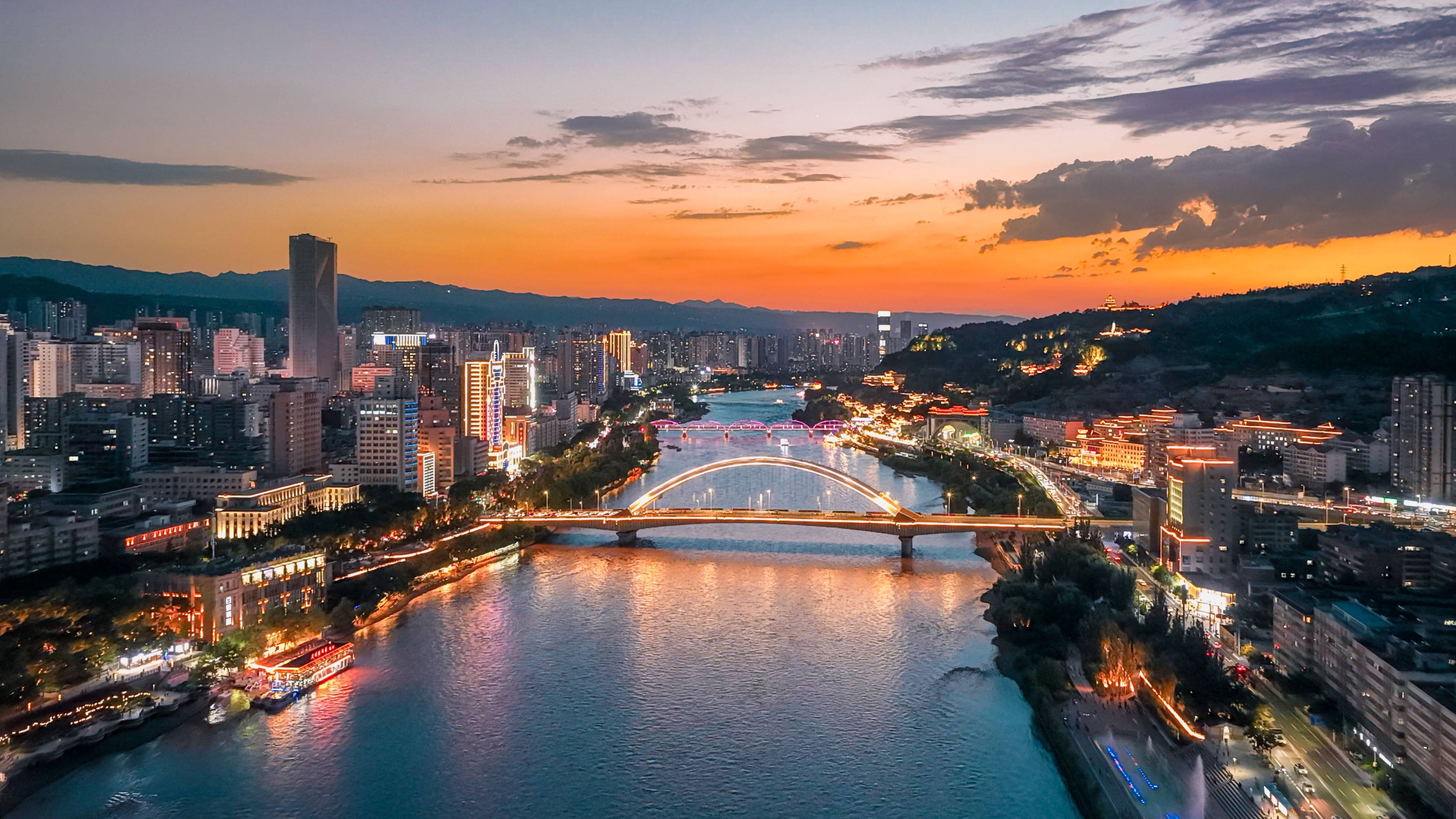
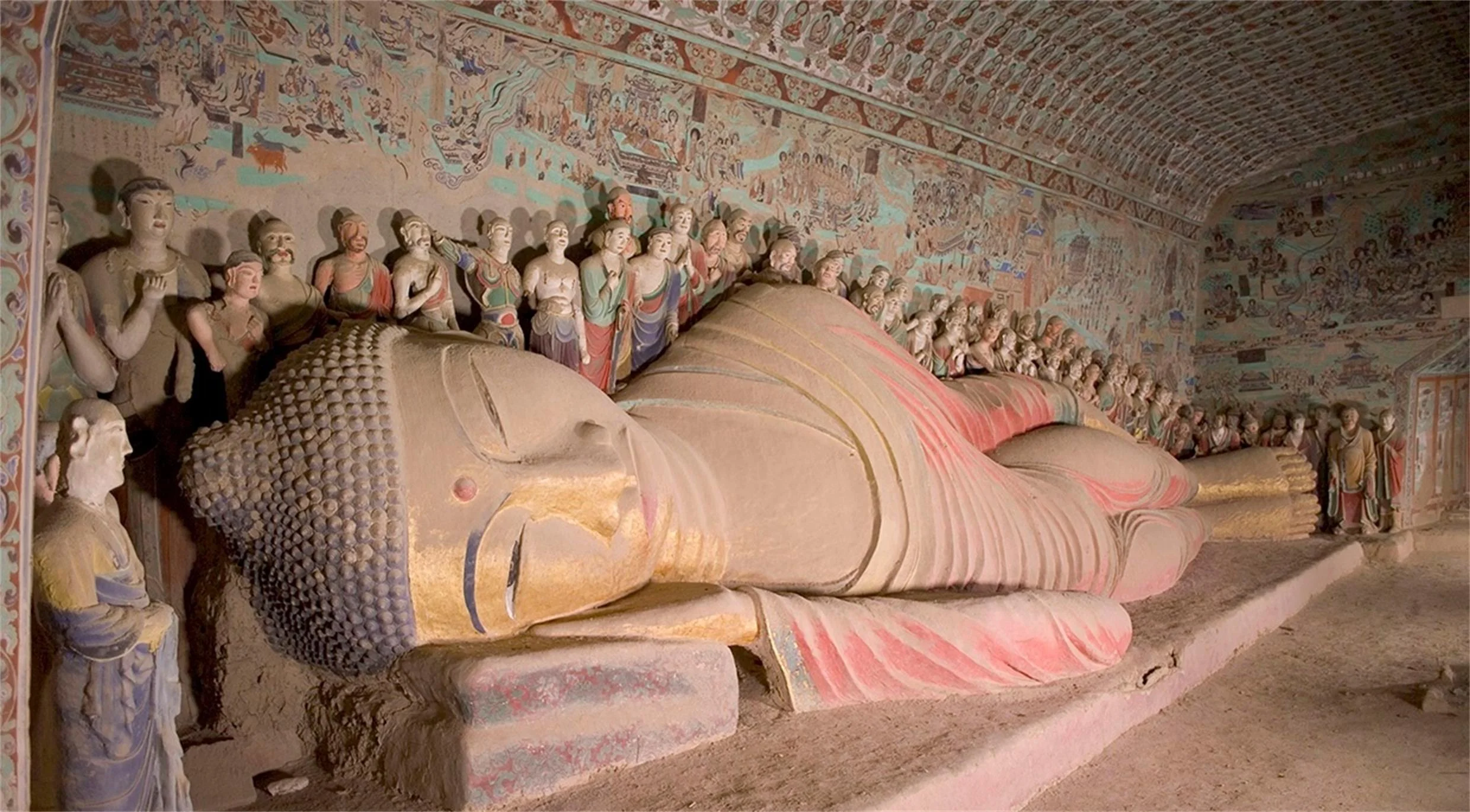
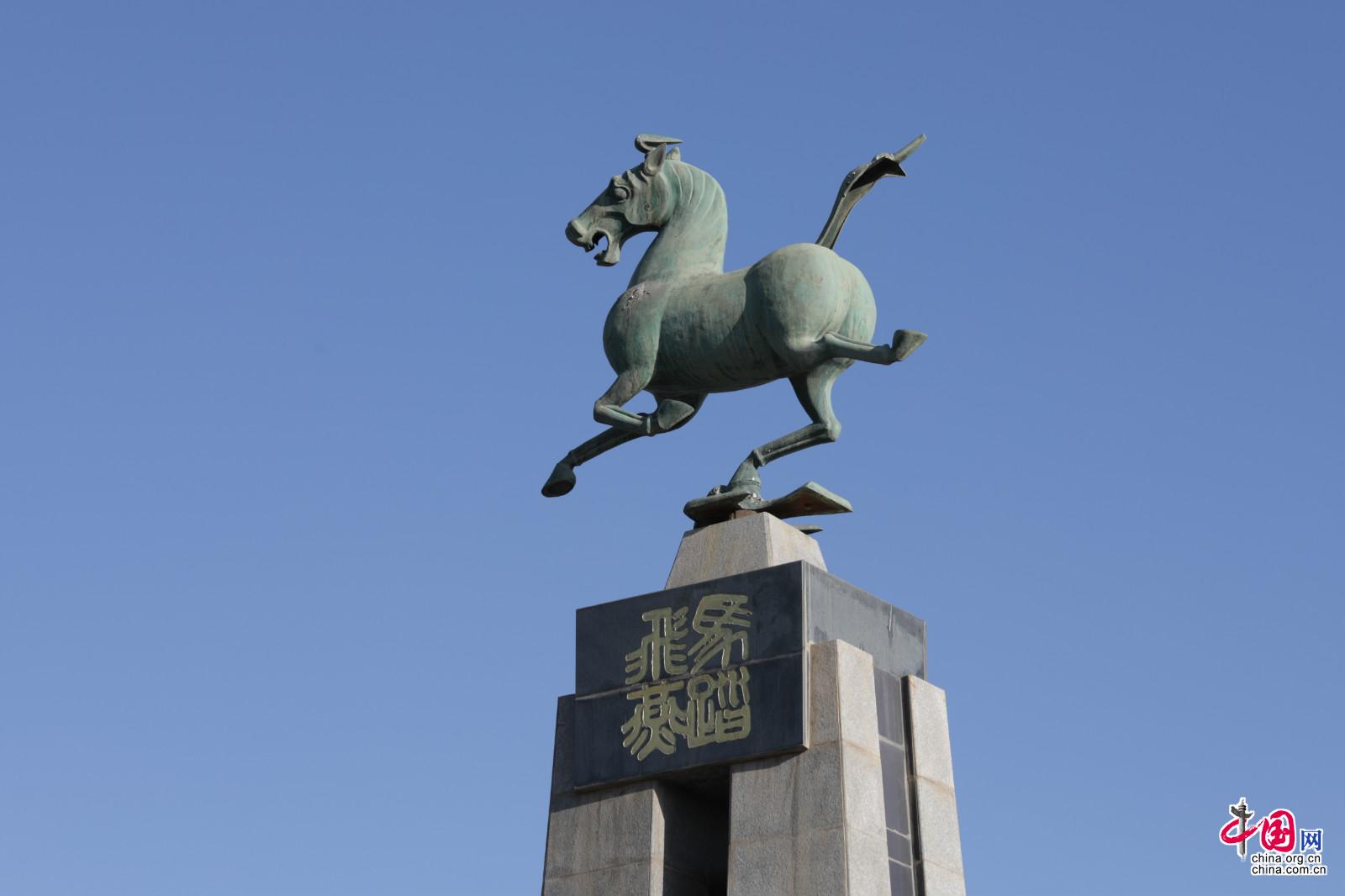
Pingliang city skyline and landmarks (平凉) - Travel China Guide

Pingliang Travel Guide

Home to the sacred Taoist Kongtong Mountain, a UNESCO Global Geopark, Pingliang is a historic transportation hub in eastern Gansu between Xi'an and Lanzhou.

About

Pingliang, whose name means "peaceful coolness," is a prefecture-level city in eastern Gansu Province that has served as a vital transportation and cultural crossroads for over two millennia. Situated on the ancient route connecting the ancient capital of Chang'an (Xi'an) with the Hexi Corridor and the Western Regions, Pingliang was a crucial waystation on the Silk Road where merchants, monks, and travelers rested and resupplied.

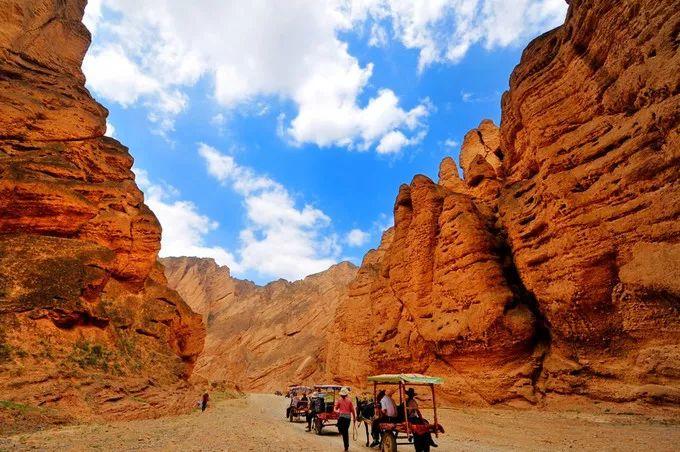
The city's greatest claim to fame is Kongtong Mountain, one of the most sacred mountains in Chinese Taoist tradition. Legend holds that the Yellow Emperor, the mythical ancestor of the Chinese people, traveled to Kongtong to seek wisdom from the immortal Guangchengzi — a story that has made the mountain a pilgrimage site for over 4,000 years. Recognized as a UNESCO Global Geopark, Kongtong's dramatic Danxia red sandstone peaks, ancient Taoist temples clinging to cliff faces, and sweeping views attract pilgrims and tourists alike.

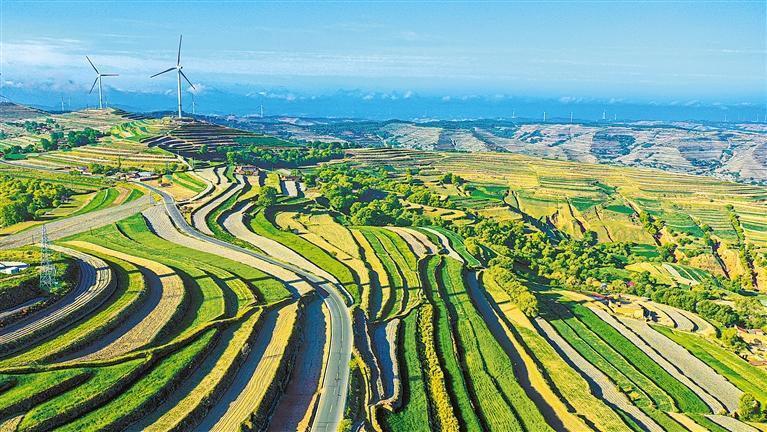
Pingliang's strategic location at the intersection of the Loess Plateau and the Liupan Mountains has given it a distinctive character. The city has long been a melting pot of cultures — Han Chinese, Hui Muslims, and various ethnic groups have all left their mark on the region's architecture, cuisine, and traditions.

Economically, Pingliang has traditionally relied on agriculture, coal mining, and its position as a regional transportation hub. The fertile Jing River valley produces wheat, corn, and apples, while the surrounding hills support livestock grazing and forestry. In recent years, the city has invested in tourism infrastructure centered on Kongtong Mountain and cultural heritage sites, seeking to develop a sustainable tourism economy.

With a population of approximately 1.85 million spread over 11,300 square kilometers, Pingliang maintains a relaxed, small-city atmosphere compared to the bustling metropolises of Xi'an and Lanzhou that flank it. Its unhurried pace, clean air, and rich cultural heritage make it an appealing destination for travelers seeking authentic Chinese history and natural beauty off the well-trodden tourist path.

History & Development

The Pingliang area has a history stretching back over 4,000 years. According to Chinese legend, the Yellow Emperor traveled to Kongtong Mountain around 2600 BC to consult the sage Guangchengzi on statecraft — a story recorded in the Taoist classic "Zhuangzi" that established Kongtong's status as a sacred site.

During the Zhou Dynasty (1046-256 BC), the region was part of the Rongdi tribal territories before being incorporated into the Qin state. After Qin unified China in 221 BC, the area became part of the commandery system and benefited from its position on the main route from the capital Xianyang to the western frontier.

The Han Dynasty (206 BC-220 AD) saw increased development as the Silk Road flourished. Pingliang became an important waystation on the route from Chang'an to the Hexi Corridor. The Wei, Jin, and Northern Dynasties periods brought Buddhist influence, reflected in the construction of cave temples including Yunwu Temple.

The Tang Dynasty (618-907 AD) was a golden age for Pingliang. The city was a key military and commercial center on the route to the Western Regions. Tang poets wrote verses about the region's landscapes and strategic importance.

During the Song Dynasty, Pingliang was a frontier defense area against the Western Xia kingdom. The Ming Dynasty saw the construction of many of the Taoist temples on Kongtong Mountain that survive today. Under the Qing Dynasty, Pingliang continued as a regional administrative and commercial center.

In the modern era, Pingliang developed as an agricultural and mining center. The discovery of coal deposits in Huating County transformed the local economy. Today, the city balances its industrial and agricultural heritage with growing investments in cultural tourism centered on Kongtong Mountain.

Economy & Industries

Pingliang's economy is diversified across agriculture, mining, transportation, and increasingly, tourism. The city has traditionally been one of Gansu's important agricultural areas, with the fertile Jing River valley producing wheat, corn, apples, and various vegetables. Pingliang's apples, in particular, are renowned across Gansu for their quality.

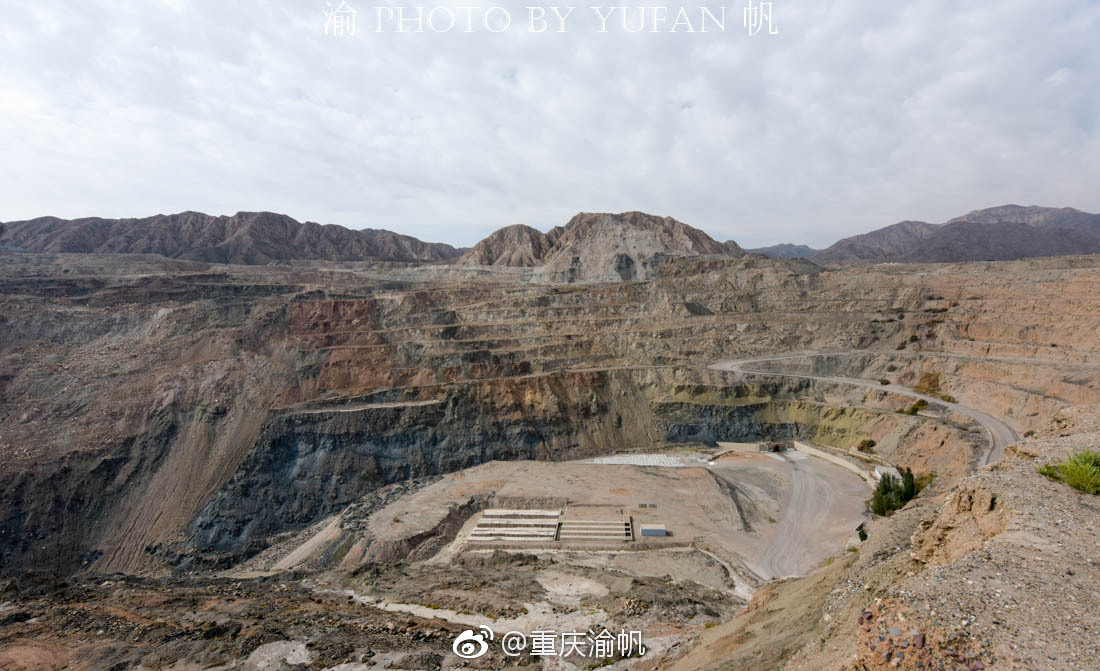
The coal mining industry, centered in Huating County, has been a major economic driver. Huating's coal reserves are among the largest in Gansu, and coal mining and related industries have provided substantial employment and tax revenue. However, the industry has also created environmental challenges that the city is working to address.

Pingliang's position as a transportation hub between Xi'an and Lanzhou, and as a gateway to the Liupan Mountain region, makes logistics and trade important economic activities. The city has invested in improving its road and rail connections to capitalize on its strategic location.

Tourism is the fastest-growing sector, driven primarily by Kongtong Mountain's status as a Taoist pilgrimage site and UNESCO Global Geopark. The city has invested in tourism infrastructure, including cable cars, hotels, and visitor centers, to accommodate growing numbers of domestic tourists. Cultural tourism centered on historical sites like Yunwu Temple is also being developed.

With a GDP of approximately 48 billion yuan, Pingliang's economy is modest by Chinese standards but steadily growing. The city faces the challenge of transitioning from resource-based industries to a more sustainable, service-oriented economy.
Top Attractions

🏛️ Landmark

Kongtong Mountain

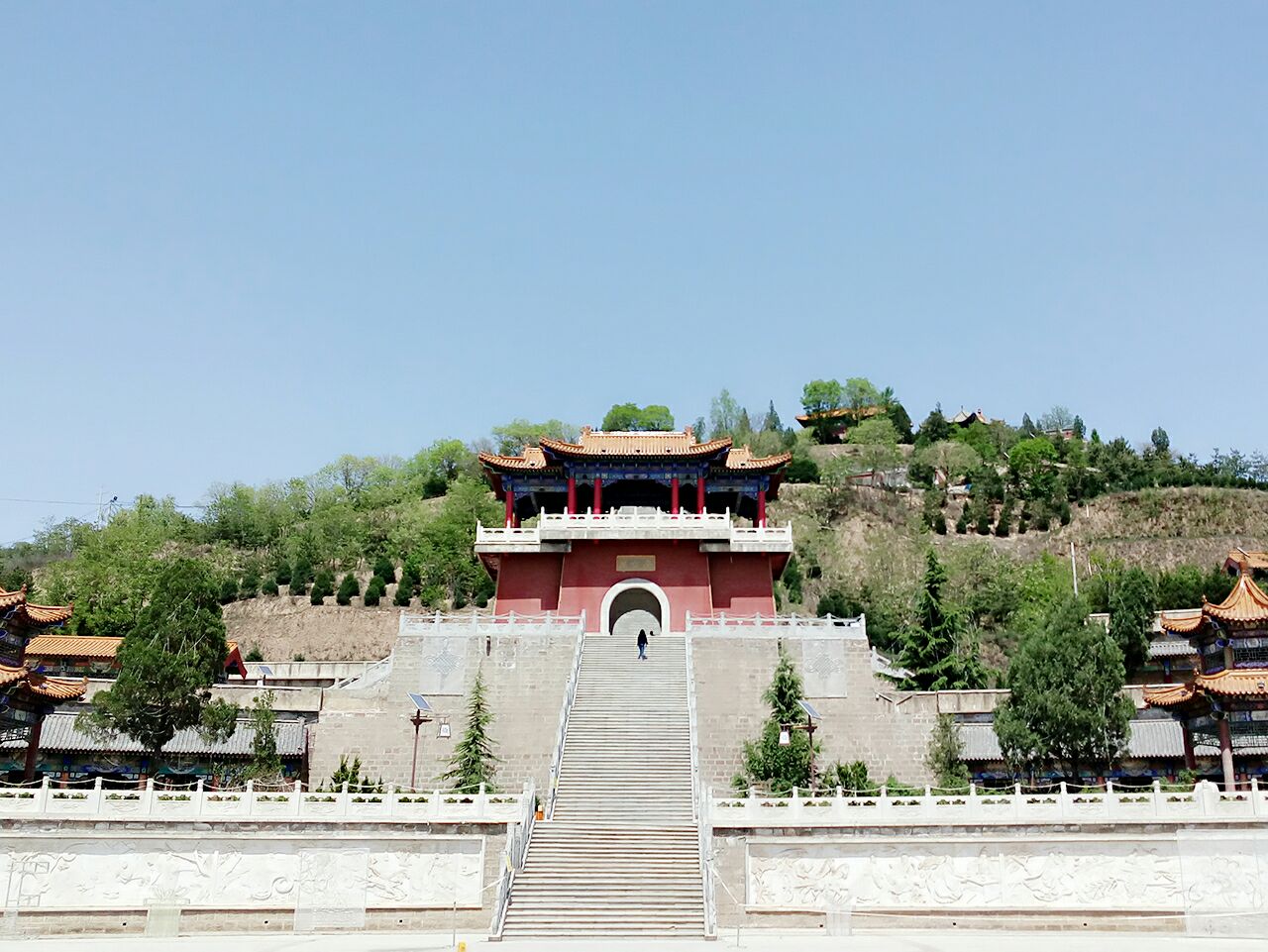
One of the most sacred mountains in Chinese Taoism, Kongtong Mountain rises dramatically from the surrounding plains in eastern Gansu. It is revered as the place where the legendary Yellow Emperor sought advice from the sage Guangchengzi. The mountain features a stunning array of ancient Taoist temples, pavilions, and stone carvings perched on steep cliffs, connected by winding stone stairways and cable cars. As a UNESCO Global Geopark, it showcases extraordinary Danxia landforms — red sandstone peaks, pillars, and ravines. The summit offers panoramic views of the surrounding countryside and the distant Liupan Mountains.

★★★★ 4.7
🕐 7:00 AM-6:00 PM
🎫 110 yuan
🎭 Museum

Pingliang Museum

A comprehensive museum in the heart of Pingliang housing artifacts from the Neolithic period through the Qing Dynasty. The collection includes exquisite Buddhist bronzes, ancient ceramic wares from the Yangshao culture, and cultural relics from the Silk Road period when Pingliang served as an important waystation between Chang'an and the Hexi Corridor. The museum provides excellent context for understanding the region's layered history.

★★★★ 4.3
🕐 9:00 AM-5:00 PM (Closed Mondays)
🎫 Free
🏔️ Nature

Liupan Mountain

A major mountain range in eastern Gansu that forms the natural boundary between the Loess Plateau and the grasslands beyond. Liupan Mountain is famous for its lush forests, alpine meadows, and cool summer climate — a refreshing escape from the heat of the lowlands. The area features well-maintained hiking trails, scenic viewpoints, and the Liupan Mountain Forest Park. Historically, the mountain was a strategic military and trade route, and a famous poem about Mount Liupan was written here during the 1930s.

★★★★ 4.5
🕐 8:00 AM-6:00 PM
🎫 50 yuan
⛩️ Temple

Yunwu Temple

An ancient Buddhist temple complex built into the cliffs of a secluded valley in Zhuanglang County. First constructed during the Northern Wei Dynasty (386-534 AD), Yunwu Temple features cave shrines, stone-carved Buddhist statues, and wooden temple halls clinging to vertical rock faces. The name means "Cloud Cliff Temple," referring to the mist that often envelops the cliffside structures. The site combines natural Danxia scenery with over a millennium of Buddhist artistic heritage.

★★★★ 4.4
🕐 8:00 AM-5:30 PM
🎫 30 yuan
🏔️ Nature

Longdong Gorge

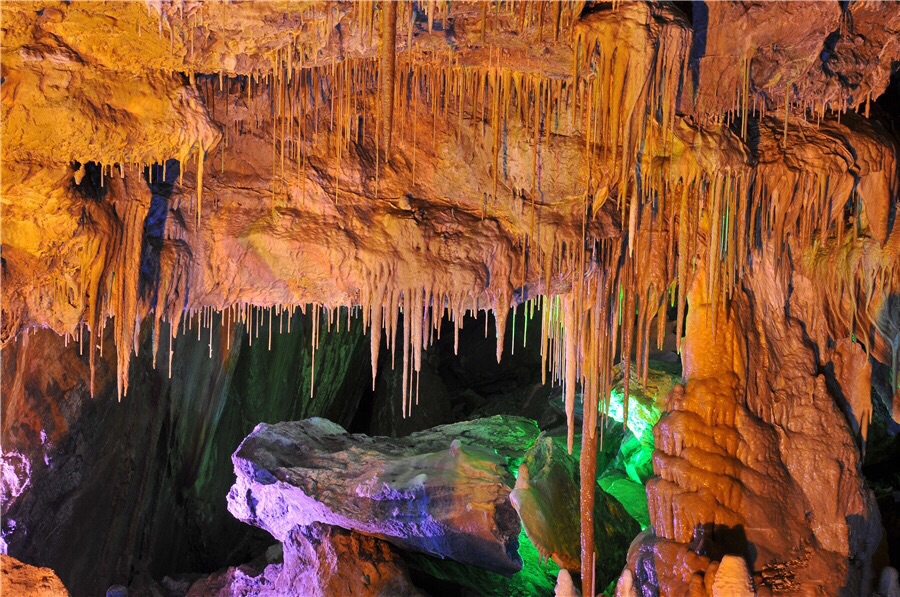
A dramatic natural limestone gorge and cave system located in the Kongtong Mountain area. The gorge features sheer rock walls, underground streams, and a series of connected caverns formed over millions of years. Local legend claims it was once the dwelling place of a dragon — hence the name "Dragon Cave." The site offers a fascinating glimpse into the region's karst geology and is accessible via a walking path through the gorge.

★★★★ 4.1
🕐 8:00 AM-5:00 PM
🎫 25 yuan
🏔️ Nature

Huating Lotus Lake

A serene artificial lake set amidst rolling hills in Huating County, named for the lotus flowers that bloom across its surface in summer. The lake is surrounded by walking paths, pavilions, and landscaped gardens that make it a popular recreational spot for locals and visitors alike. The surrounding area is known for its coal mining heritage and the stark contrast between industrial activity and natural beauty creates a uniquely Pingliang character.

★★★★ 4
🕐 Open all day
🎫 Free

Food & Culture

Discover the culinary treasures of Pingliang, from traditional street food to imperial cuisine.

Things to Do

🏛️

Kongtong Mountain Pilgrimage

Take the cable car up Kongtong Mountain and explore ancient Taoist temples with stunning views.

Liupan Mountain Hiking

Hike through lush forests and alpine meadows on the legendary Liupan Mountain.

Temple Cave Exploration

Visit Yunwu Temple's cliffside grottoes and ancient Buddhist carvings.

Local Food Tour

Sample Pingliang beef noodles, roast lamb, and unique Gaojuan steamed rolls across the city.

Suggested Itineraries

Pingliang Taoist Heritage Tour

Explore Pingliang's sacred Taoist mountain and cultural heritage in a single day.

  • Kongtong Mountain
  • Pingliang Museum
  • Local cuisine

Eastern Gansu Nature & Culture

Combine Taoist heritage with the natural beauty of the Liupan Mountains and eastern Gansu.

  • Kongtong Mountain
  • Liupan Mountain
  • Yunwu Temple
  • Huating Lotus Lake

Getting Around

✈️

Airport

Xi'an Xianyang International Airport (XIY) — about 280 km east, or Guyuan Liupanshan Airport (GYU) — about 100 km north

🚄

High-Speed Rail

High-speed rail connects Pingliang to Xi'an (1.5 hours) and Lanzhou (2 hours) via the Xi'an-Lanzhou HSR line

🚇

Metro

No metro

Best Time to Visit

Spring (April-May) and Autumn (September-October) offer the best weather for most destinations in China.

Continue Exploring China

Discover more cities, food guides, and travel inspiration.