Landmark
Mogao Caves
UNESCO World Heritage site containing the world's largest collection of Buddhist art—735 caves with 45,000 square meters of murals spanning 1,000 years of history.
8:00 AM-6:00 PM
238 yuan
A legendary Silk Road oasis—home to the UNESCO World Heritage Mogao Caves and the surreal desert landscape of singing sand dunes.
Dunhuang is a legendary oasis city at the western edge of the Gobi Desert, standing as one of the most important waypoints on the ancient Silk Road. For over two millennia, this remote outpost served as the gateway between China and the Western world, where merchants, pilgrims, and artists converged.
The city's crown jewel is the Mogao Caves, a UNESCO World Heritage site containing the world's largest collection of Buddhist art. Carved into cliffs over 1,000 years beginning in the 4th century, the 735 caves hold 45,000 square meters of murals and 2,415 painted sculptures—a treasure trove documenting the evolution of Chinese art and the cultural exchange along the Silk Road.
The Mingsha Mountain and Crescent Spring offer a surreal desert landscape where golden sand dunes surround a crystal-clear spring that has never dried up. Visitors can ride camels across the dunes at sunset, watching the sands "sing" as they slide down the slopes.
Modern Dunhuang remains a pilgrimage site for art historians, photographers, and travelers seeking the romance of the ancient Silk Road. The city hosts the annual Silk Road International Cultural Expo, continuing its legacy as a crossroads of civilizations.
Dunhuang's history spans over 2,000 years. Established as a prefecture during the Han Dynasty in 111 BC, it became a crucial military outpost and trading hub on the Silk Road.
The Mogao Caves were founded in 366 AD when a monk named Le Zun carved the first cave after witnessing a vision of a thousand Buddhas. Over the next millennium, pilgrims and merchants funded the creation of hundreds of caves filled with art.
During the Tang Dynasty, Dunhuang flourished as a cosmopolitan center where Chinese, Indian, Persian, and Central Asian cultures merged. The city declined after maritime trade routes reduced Silk Road importance.
In 1900, the Library Cave was discovered, containing 50,000 manuscripts dating from the 4th to 11th centuries—a find that sparked international interest in Silk Road studies.
Tourism drives Dunhuang's economy, with over 10 million visitors annually drawn by the Mogao Caves and desert landscapes. The city is a key stop on China's Silk Road tourism belt.
Agriculture relies on oasis irrigation, producing famous Hami melons, grapes, and apricots. The Liyuan apricot is particularly renowned.
Cultural industries are growing, including art reproduction, crafts, and the annual Silk Road International Cultural Expo. Solar energy development is expanding in the surrounding desert.
Discover the culinary treasures of Dunhuang, from traditional street food to imperial cuisine.
Experience the essence of Silk Road heritage.
Follow the ancient caravan routes.
Dunhuang Mogao International Airport (DNH) - 13 km from city center
Connected to major cities
Covers major scenic spots
Available throughout the city
Mar - May
Mild temperatures, blooming desert plants. Great for sightseeing.
Jun - Aug
Hot days, cool nights. Peak tourist season. Book Mogao tickets early.
Sep - Nov
Perfect weather with golden desert colors. Ideal time to visit.
Dec - Feb
Very cold, sometimes below -20°C. Few tourists, lowest prices.
Annual cultural festival celebrating Silk Road heritage.
Desert film festival showcasing Silk Road themed movies.
Summer days are hot but nights cool significantly. Bring layers.
May to October offers best weather. Winter can be extremely cold.
Must book tickets online in advance. Same-day tickets rarely available.
Strong UV and sand—bring sunglasses, mask, and sunscreen.
Mingsha Mountain sunset is magical. Arrive by 5 PM for best light.
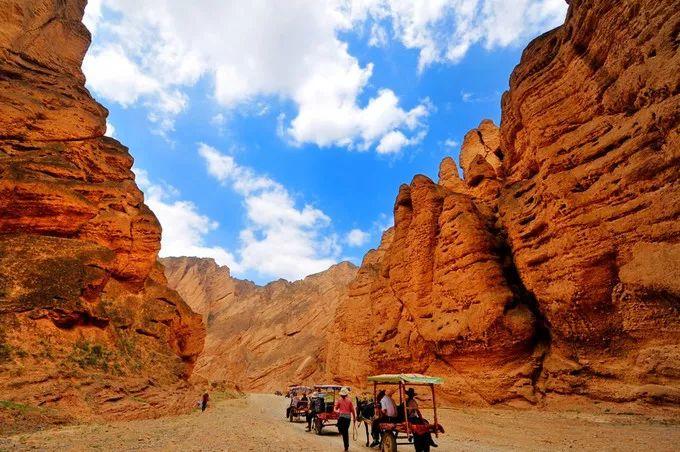
A historic mining city on the upper Yellow River known as th...
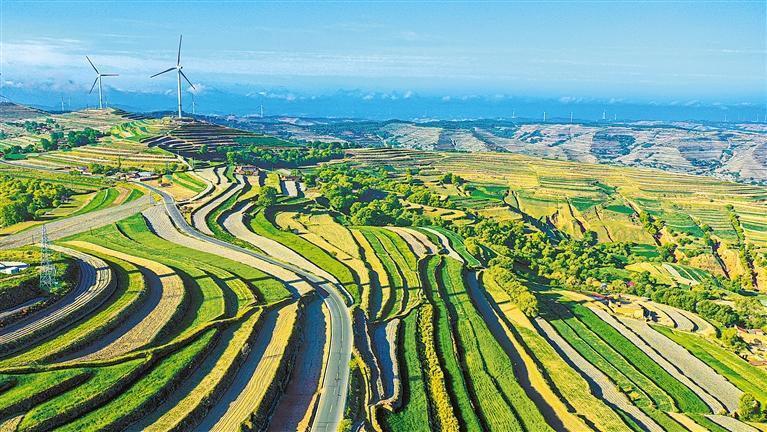
Known as "China's Potato Capital," Dingxi is the largest pot...
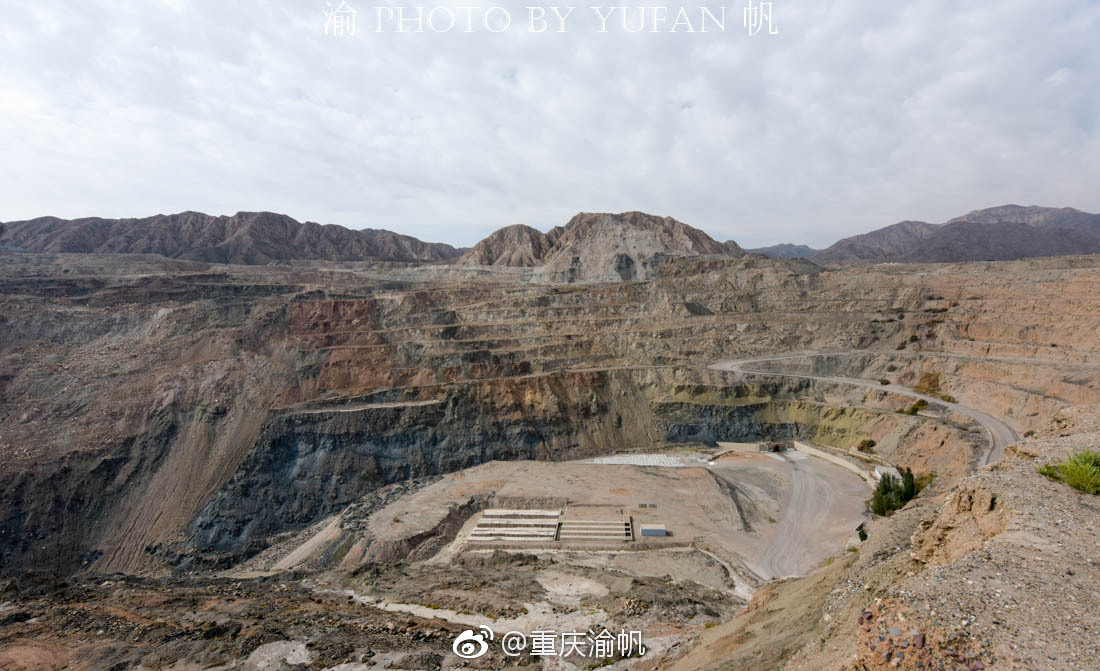
China's Nickel Capital, sitting on one of the world's larges...
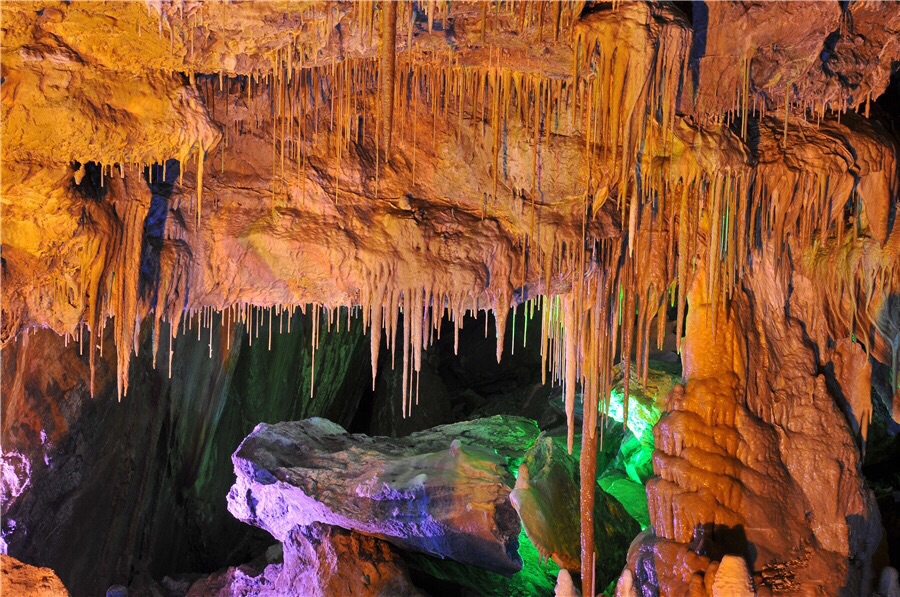
Known as "Gansu's Jiangnan," Longnan is the greenest corner ...
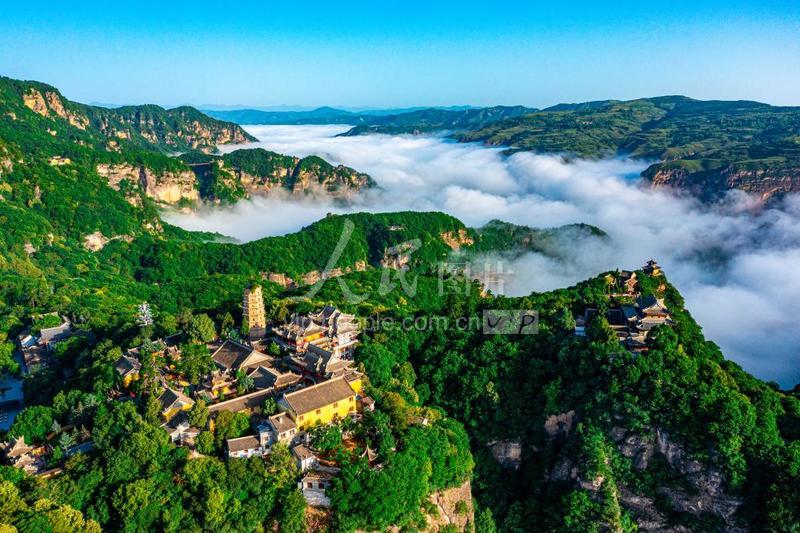
Home to the sacred Taoist Kongtong Mountain, a UNESCO Global...
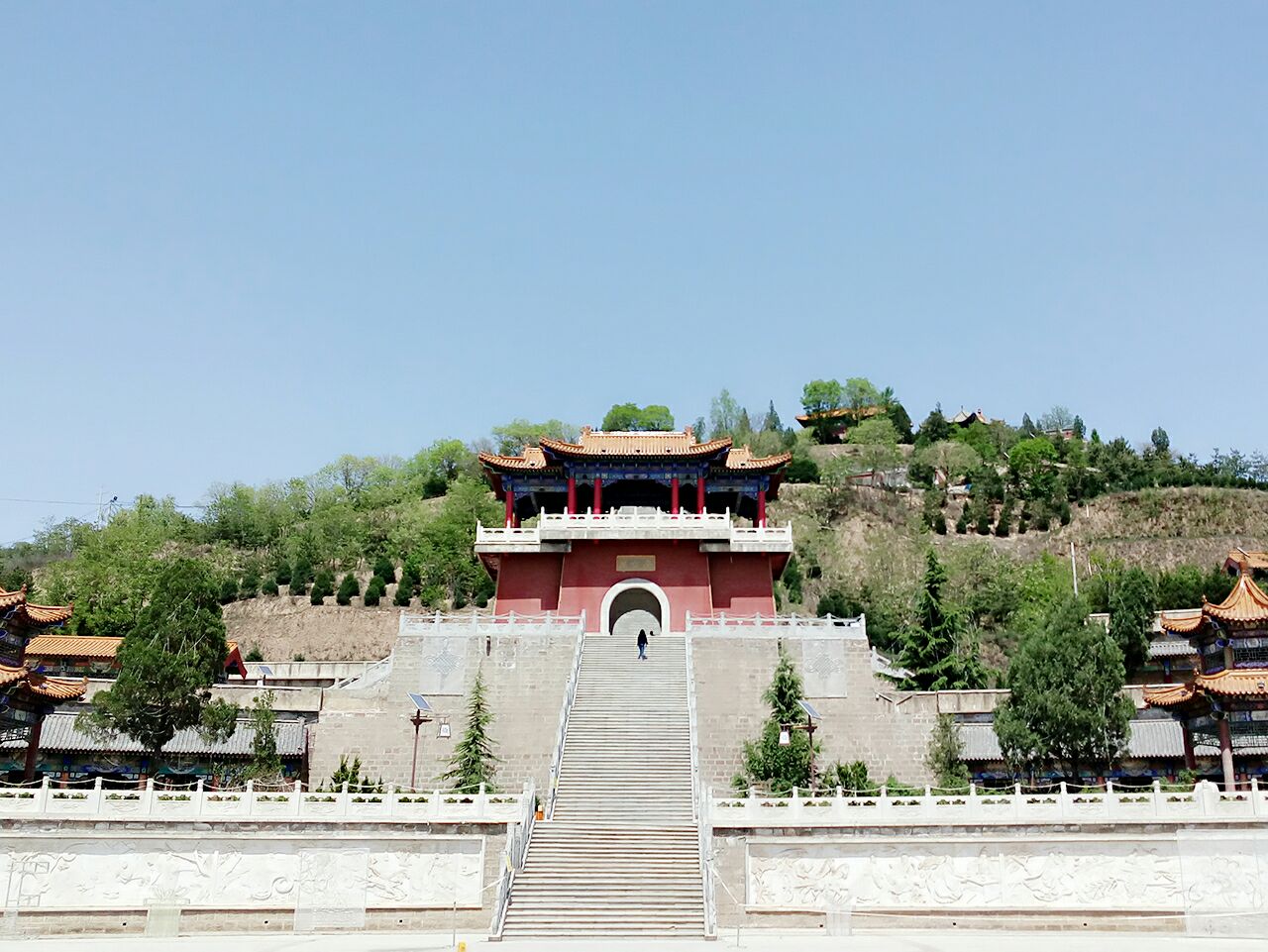
A historic city on the Loess Plateau, home to China's larges...
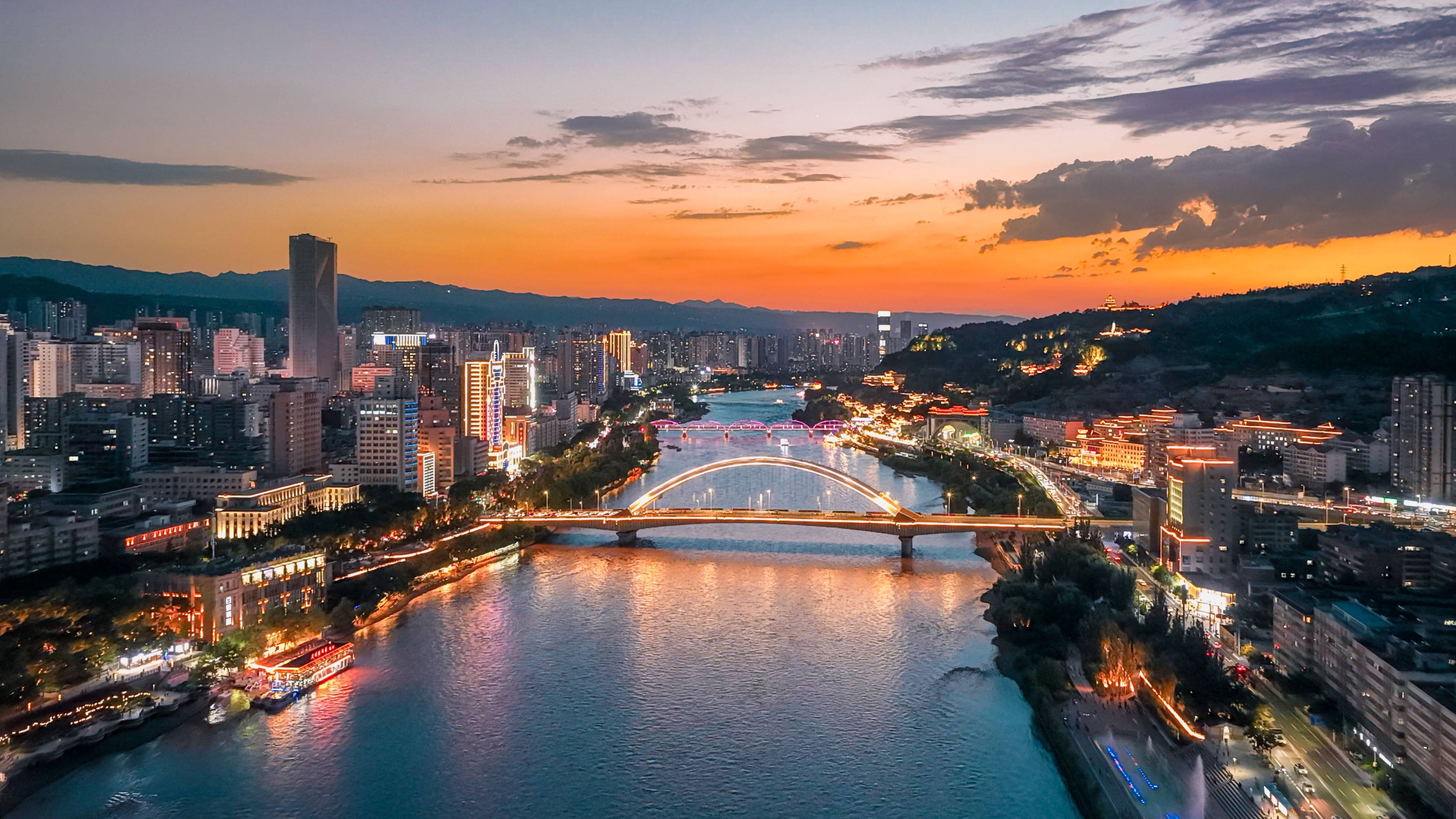
The "City of Gold" along the Yellow River—home to China's mo...
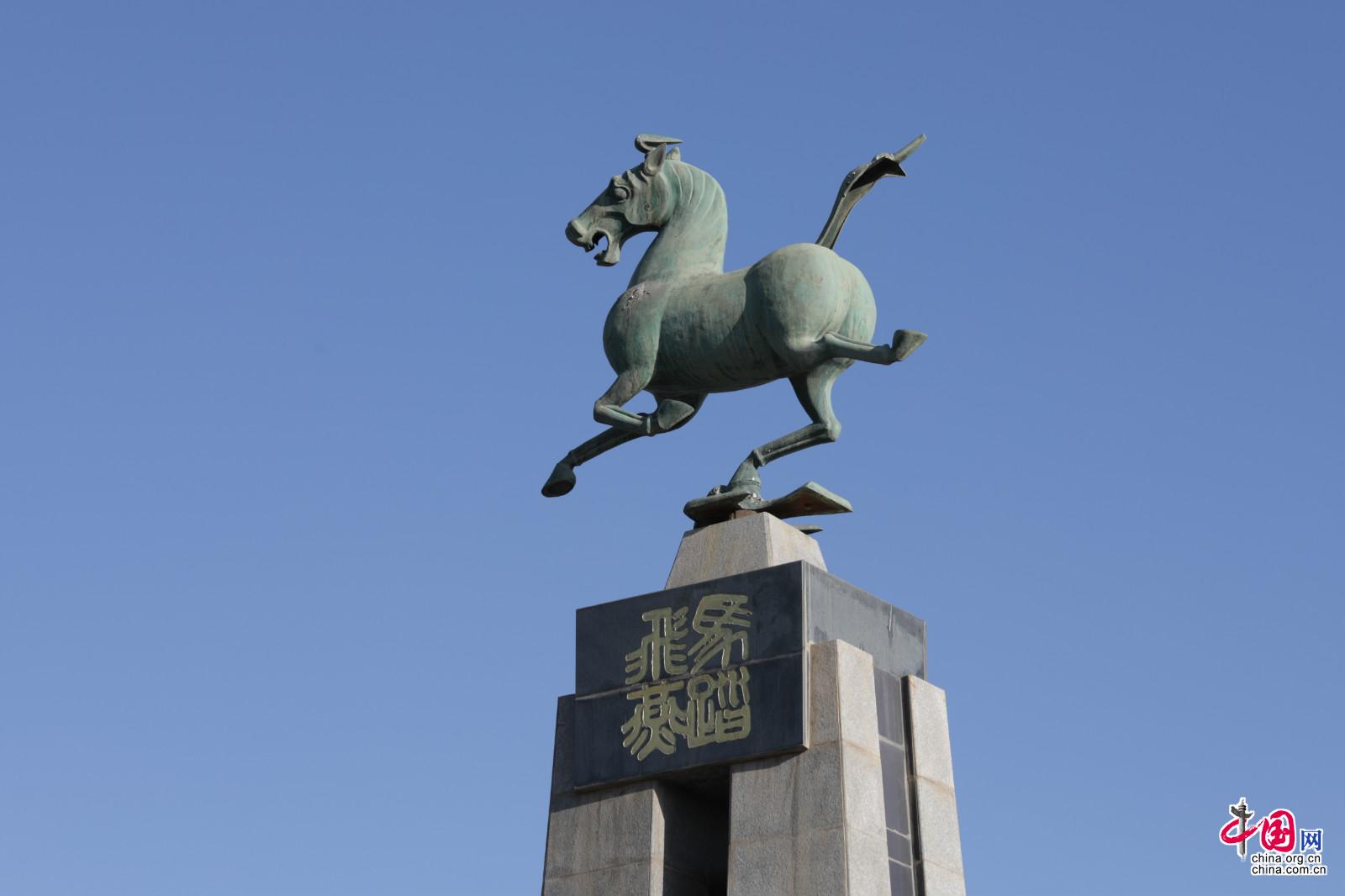
The eastern gateway of the Hexi Corridor and ancient Silk Ro...
Discover more cities, food guides, and travel inspiration.