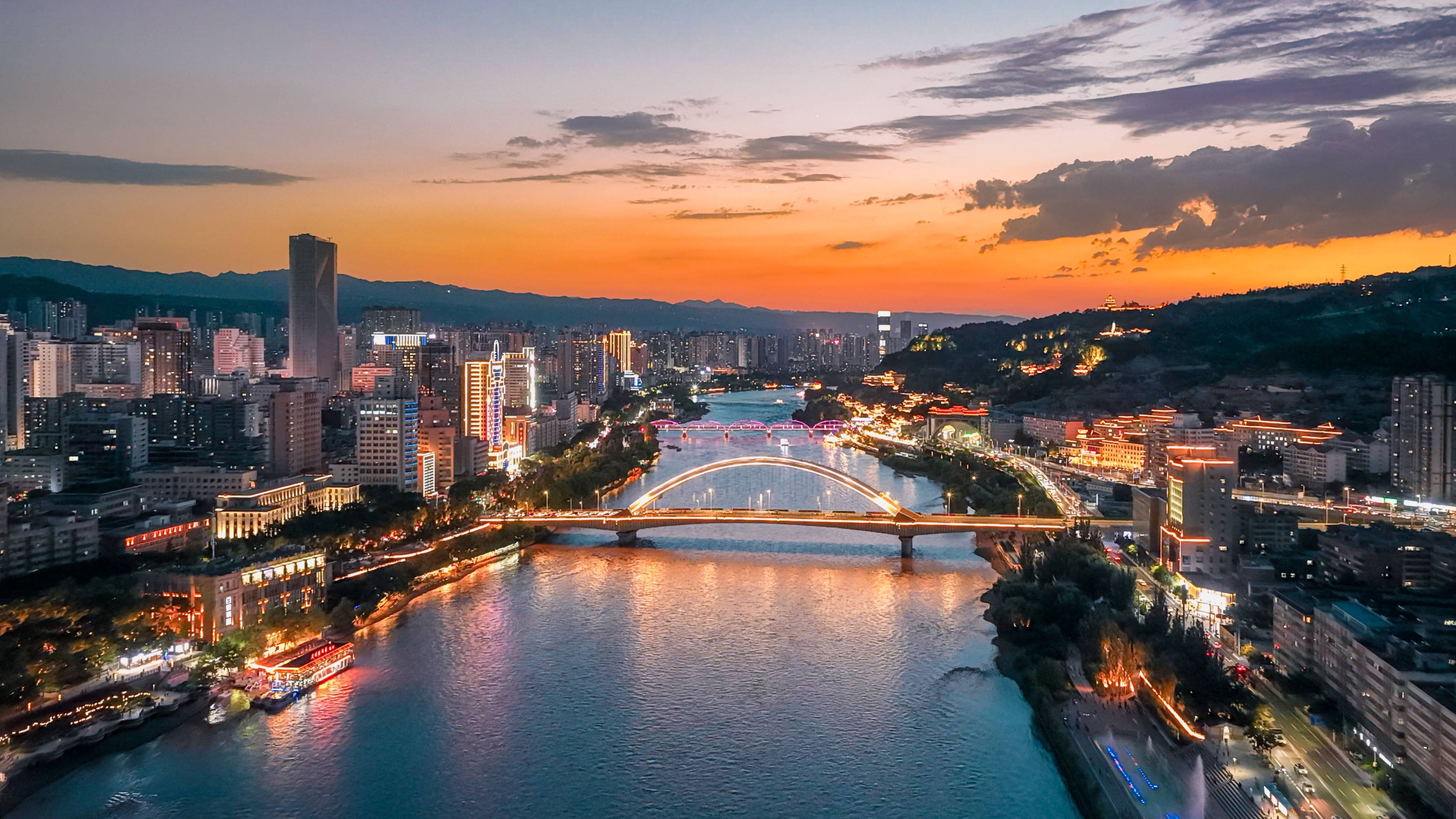
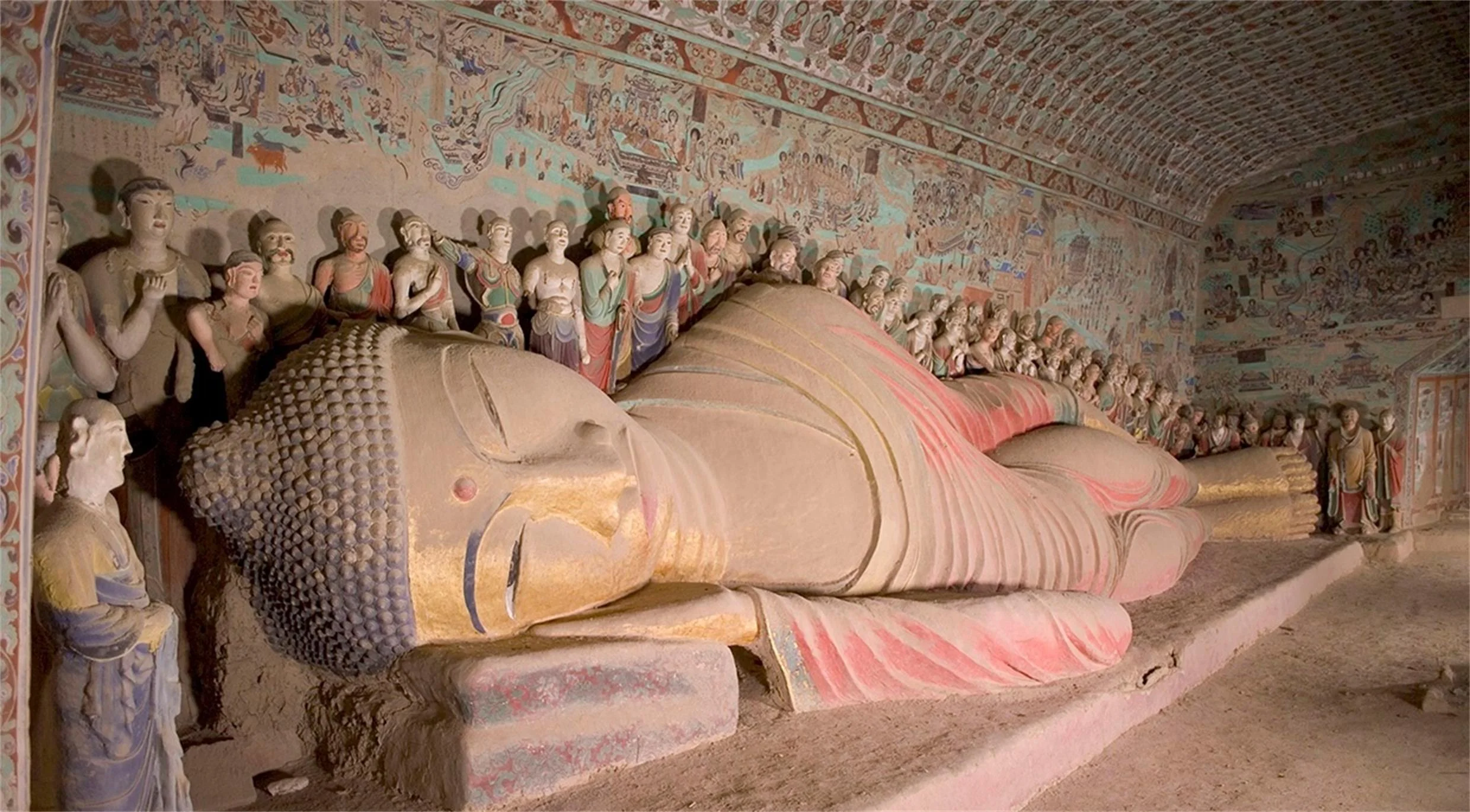
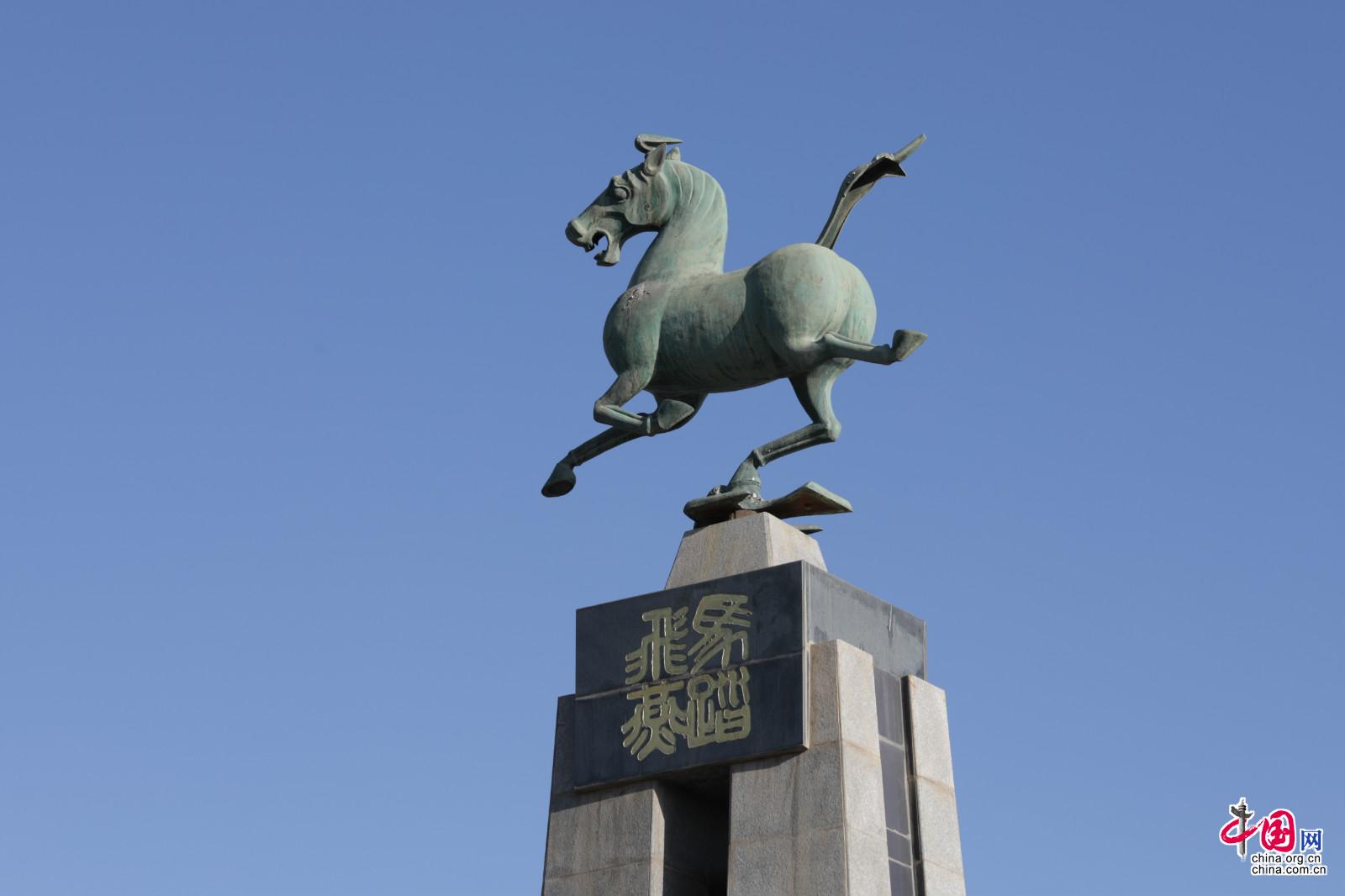
Jinchang city skyline and landmarks (金昌) - Travel China Guide

Jinchang Travel Guide

China's Nickel Capital, sitting on one of the world's largest nickel-copper sulfide deposits at the edge of the Gobi Desert.

About

Jinchang, known as "China's Nickel Capital," is a modern industrial city in central Gansu Province situated on the eastern edge of the Gobi Desert. Founded in 1981 as a mining city, Jinchang sits atop one of the world's largest nickel-copper sulfide deposits — the Jinchuan nickel mine, which produces over 90% of China's nickel and is the country's most important strategic resource for stainless steel and battery production.

The city's identity is inseparable from the mining industry. The Jinchuan Group, headquartered here, is China's largest nickel producer and a major global player in non-ferrous metals. This industrial heritage is proudly showcased at the Jinchuan National Mine Park, where visitors can gaze into the massive terraced open-pit mine that has shaped the city's economy and landscape.

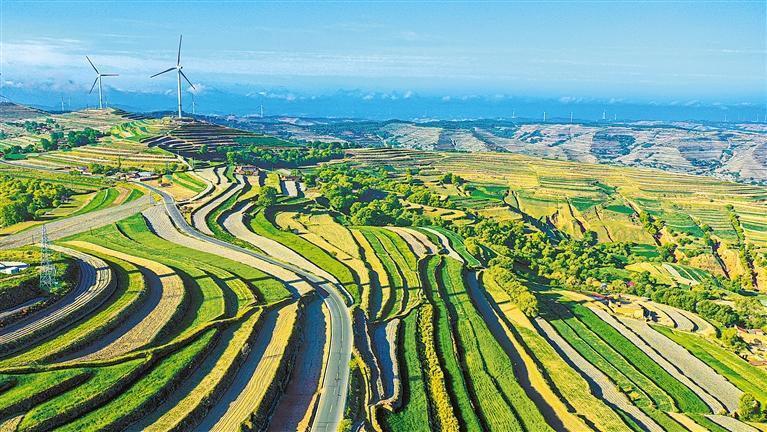
Despite its industrial character, Jinchang offers unexpected natural beauty. The city sits at the crossroads of desert and mountain — to the south, the snow-capped Qilian Mountains rise dramatically; to the north and west, the vast Gobi Desert stretches endlessly. The Yongchang Beihaizi Wetland Park provides a rare oasis for migratory birds, while the Gobi Desert itself offers stark, haunting landscapes of sand and gravel plains.

With a population of approximately 440,000 and a GDP of 42 billion yuan, Jinchang is one of Gansu's wealthier cities per capita, driven by its mining sector. The city has invested heavily in greening initiatives, earning recognition for transforming the surrounding desert landscape with tree plantations and parks. Jinchang's story is one of resource-driven development on the frontier — a testament to how industry and nature can coexist at the edge of the Gobi.

History & Development

The Jinchang area has a long history as part of the Hexi Corridor, a vital passage on the ancient Silk Road. During the Han Dynasty (206 BC–220 AD), the region was incorporated into the Chinese empire, and the nearby Yongchang County served as a waystation for caravans traveling between Central China and Central Asia.

For centuries, the area remained a sparsely populated frontier region, known primarily for its role along the Silk Road. The Western Xia Dynasty (1038–1227 AD) left its mark with Buddhist temples that still stand today.

The modern history of Jinchang began in 1958, when geologists discovered massive nickel-copper sulfide deposits in the area during a nationwide mineral exploration campaign. The discovery was of immense strategic importance — China had previously relied on imported nickel for its steel industry. In 1959, construction of the Jinchuan nickel mine began, attracting workers and engineers from across the country.

The settlement grew rapidly around the mining operations. In 1981, Jinchang was officially established as a prefecture-level city, carved out of Wuwei Prefecture. The city was designed around the mine, with residential and commercial districts built to support the growing mining workforce.

Since the 1990s, Jinchang has diversified beyond mining into related processing industries, including nickel refining and chemical production. The Jinchuan Group expanded internationally, acquiring mining assets abroad. In the 2000s, the city launched ambitious environmental programs to combat desertification and improve urban green space, transforming from a raw industrial settlement into a more livable city.

Today, Jinchang continues to evolve, investing in new energy industries and sustainable development while maintaining its position as the undisputed nickel capital of China.
Economy & Industries

Jinchang's economy is dominated by the mining and processing of non-ferrous metals, centered on the Jinchuan Group, one of China's largest state-owned mining enterprises. The Jinchuan nickel mine accounts for over 90% of China's total nickel production and is among the top three nickel producers globally.

The Jinchuan Group's operations include mining, smelting, refining, and processing of nickel, copper, cobalt, and platinum group metals. The company has expanded internationally with mining assets in Africa, South America, and Southeast Asia. It supplies critical raw materials for China's stainless steel, battery, and electronics industries.

Beyond mining, Jinchang has developed downstream industries including nickel-alloy production, chemical manufacturing, and non-ferrous metal processing. The Jinchang Economic Development Zone hosts processing facilities and supporting industries.

The city's GDP of approximately 42 billion yuan represents one of the highest per-capita GDPs in Gansu Province, a direct result of the high-value mining industry. However, the economy faces challenges typical of resource-dependent cities, including the need for diversification and environmental remediation.

In recent years, Jinchang has invested in new energy industries, including lithium battery materials and solar power, leveraging its expertise in metals processing. The city has also developed a growing tourism sector focused on industrial heritage and desert landscapes.

Top Attractions

🏛️ Landmark

Jinchuan National Mine Park

One of China's first national mine parks, featuring the massive open-pit nickel mine that made Jinchang famous. Visitors can view the enormous terraced mining pit from observation platforms and explore exhibitions on mining history and geology. The park showcases the scale of China's most important nickel mining operation with dramatic views of the engineered landscape carved into the Gobi Desert terrain.

★★★★ 4.4
🕐 8:30 AM-5:30 PM
🎫 30 yuan
🏔️ Nature

Jinchang Plant Garden

A beautifully designed botanical garden in the heart of Jinchang, showcasing drought-resistant plants, desert flora, and experimental green spaces that demonstrate how vegetation can thrive in the arid Gobi climate. The garden serves as both a research facility and a popular recreational area for locals, featuring themed sections with native Gansu species, a greenhouse, and walking paths.

★★★★ 4.2
🕐 8:00 AM-6:00 PM
🎫 Free
🏔️ Nature

Yongchang Beihaizi Wetland Park

A scenic wetland park in Yongchang County featuring interconnected lakes, marshlands, and reed beds that provide a vital habitat for migratory birds in the otherwise arid region of northwest Gansu. The park offers wooden walkways, bird-watching pavilions, and peaceful natural scenery with distant views of the Qilian Mountains.

★★★★ 4.1
🕐 8:00 AM-6:00 PM
🎫 Free
🏛️ Landmark

Yongchang Bell and Drum Tower

A historic Ming Dynasty bell and drum tower standing at the center of Yongchang County. This multi-eaved wooden structure with traditional Chinese architectural features served as both a timekeeping device and a landmark along the ancient Silk Road. The tower is one of the best-preserved examples of its kind in Gansu and offers a glimpse into the region's pre-industrial heritage.

★★★★ 4.3
🕐 8:00 AM-5:30 PM
🎫 10 yuan
⛩️ Temple

Western Xia Temple

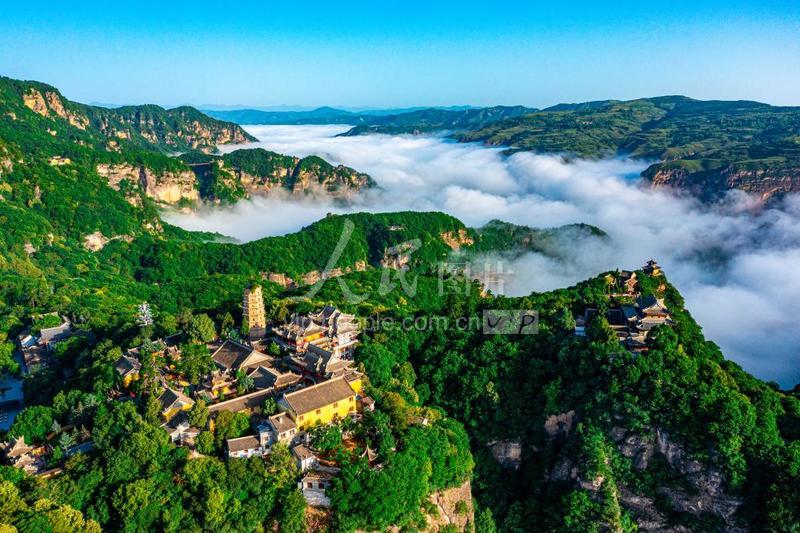
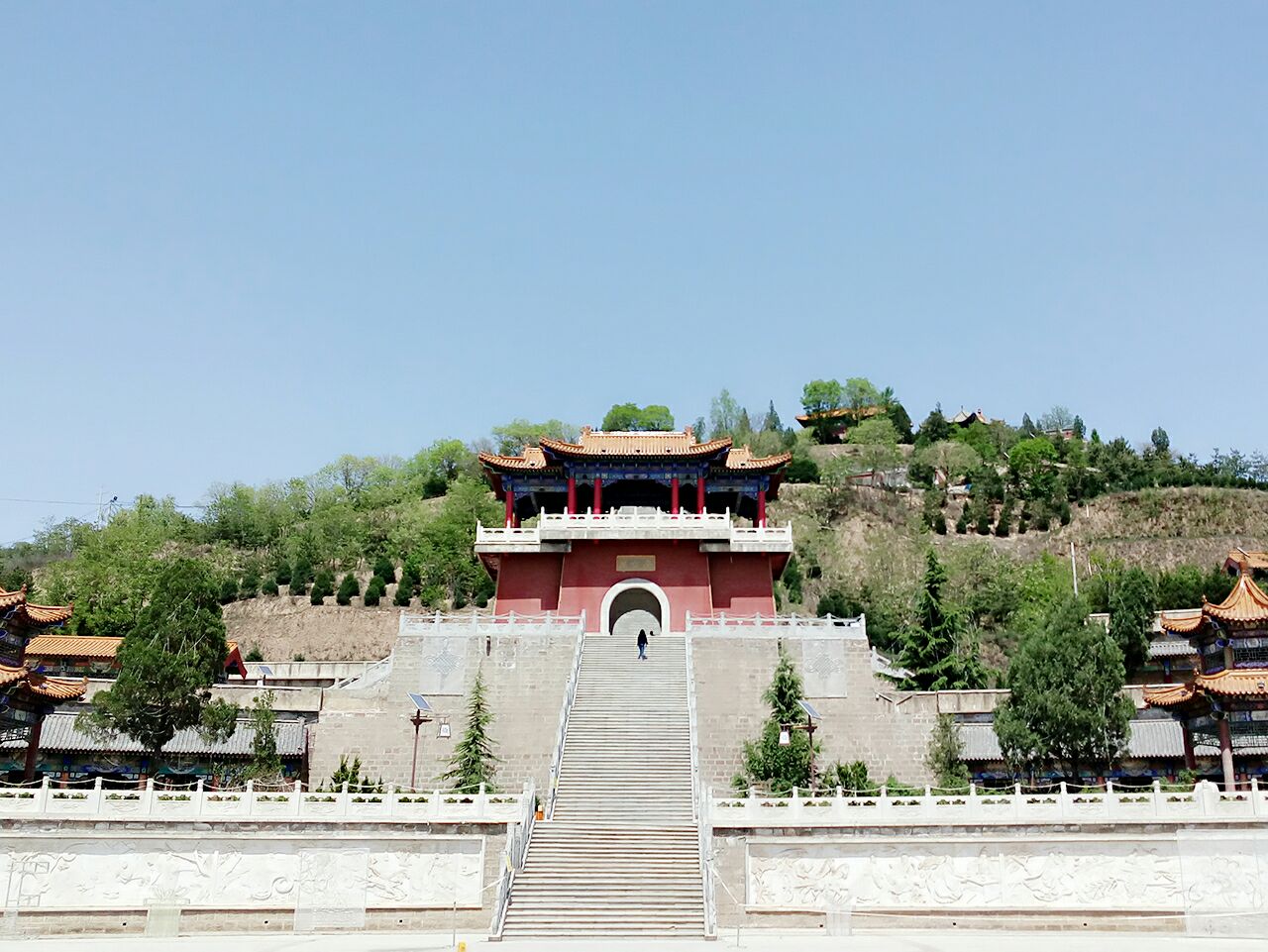
An ancient Buddhist temple dating back to the Western Xia Dynasty (1038–1227 AD), reflecting the historical depth of the region long before Jinchang became an industrial center. The temple features traditional Buddhist architecture, ancient murals, and a peaceful courtyard. It stands as a reminder of the diverse cultures that passed through this stretch of the Hexi Corridor over the centuries.

★★★★ 4
🕐 8:00 AM-5:00 PM
🎫 15 yuan
🏔️ Nature

Gobi Desert Scenic Area

The vast Gobi Desert landscape surrounding Jinchang offers a unique natural experience. Visitors can explore sand dunes, gobi gravel plains, and the stark beauty of one of Asia's largest desert regions. The area provides opportunities for desert hiking, photography of dramatic sunsets, and experiencing the profound silence of the open desert just minutes from the city.

★★★★ 4.2
🕐 Open all day
🎫 Free

Food & Culture

Discover the culinary treasures of Jinchang, from traditional street food to imperial cuisine.

Things to Do

🏛️

Mine Park Industrial Tour

Visit the Jinchuan National Mine Park to witness China's largest open-pit nickel mine.

Desert Sunset Hike

Explore the Gobi Desert landscapes surrounding Jinchang and witness spectacular sunsets.

Wetland Bird Watching

Visit Beihaizi Wetland Park to observe migratory birds against the backdrop of the Qilian Mountains.

Local Food Tour

Sample Jinchang lamb kebabs, Gansu noodles, and Gobi desert apricots across the city.

Suggested Itineraries

Jinchang Industrial & Desert Tour

Experience Jinchang's unique blend of heavy industry and desert landscapes in a single day.

  • Jinchuan National Mine Park
  • Gobi Desert Scenic Area
  • Jinchang Plant Garden

Hexi Corridor Heritage Tour

Explore the layered history of the Hexi Corridor from ancient temples to modern mining.

  • Yongchang Bell and Drum Tower
  • Western Xia Temple
  • Beihaizi Wetland Park
  • Jinchuan National Mine Park

Getting Around

✈️

Airport

Jinchang Jinchuan Airport (JIC) - the city's own airport with flights to Beijing, Lanzhou, and Xi'an

🚄

High-Speed Rail

High-speed rail station on the Lanzhou-Xinjiang HSR line, connecting to Lanzhou (1.5 hours) and Urumqi

🚇

Metro

No metro

Best Time to Visit

Spring (April-May) and Autumn (September-October) offer the best weather for most destinations in China.

Continue Exploring China

Discover more cities, food guides, and travel inspiration.