Qingyang's history stretches back over 7,000 years to the Neolithic Yangshao culture. Archaeological sites in the region have revealed early agricultural settlements, confirming the area as one of the cradles of Chinese civilization.
During the Zhou Dynasty (1046-256 BC), Qingyang held special significance as the ancestral homeland of the Zhou people. According to historical records, Buzhu, the grandfather of King Wen of Zhou, migrated to this region and taught the local people farming techniques. The Zhou Ancestral Mausoleum commemorates this foundational period.
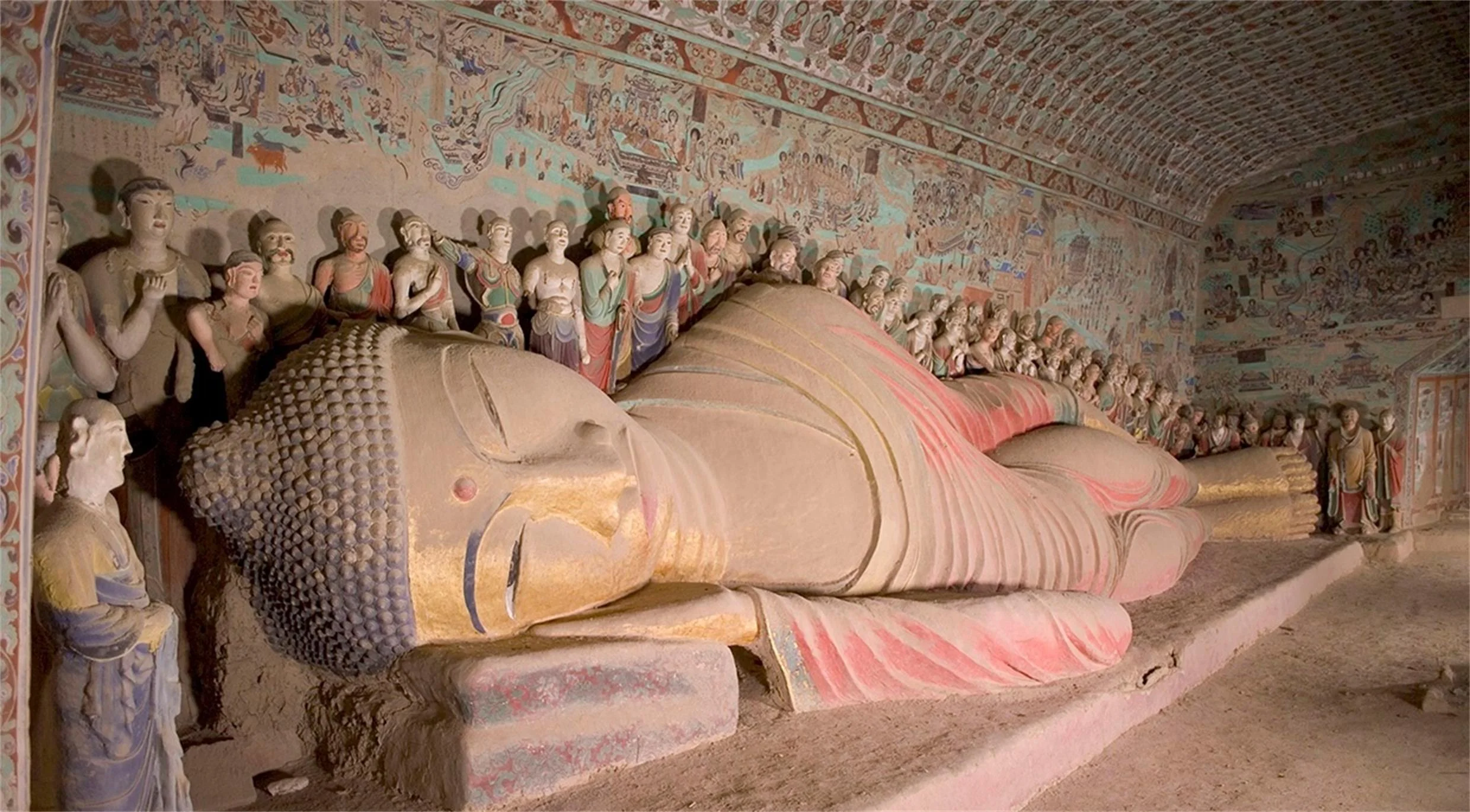
Throughout the imperial era, Qingyang served as an important strategic outpost on the frontier between agricultural China and the nomadic peoples of the north. The Beishiku Temple, carved during the Northern Wei Dynasty, stands as a testament to the region's role in the spread of Buddhism along the Silk Road.
During the 1930s, the Nanliang Base Area was established in Qingyang, becoming an important strategic location in the Shaanxi-Gansu border region.
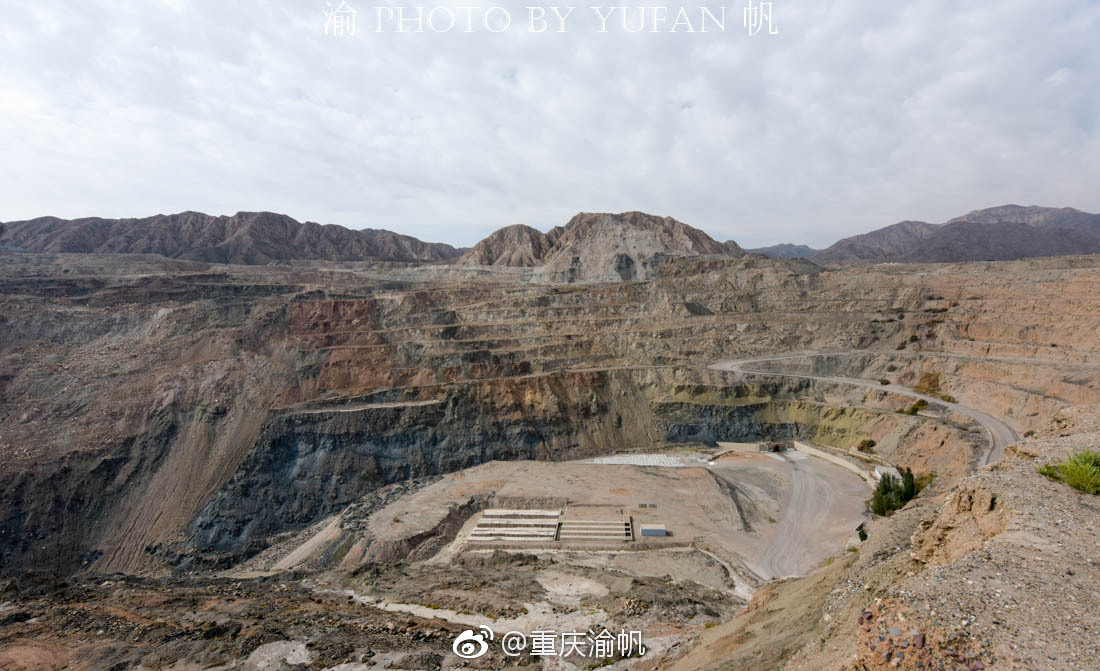
Since the discovery of the Changqing Oilfield in the 1970s, Qingyang has undergone rapid economic transformation, emerging as one of China's most important energy production centers while working to preserve its rich cultural and natural heritage.