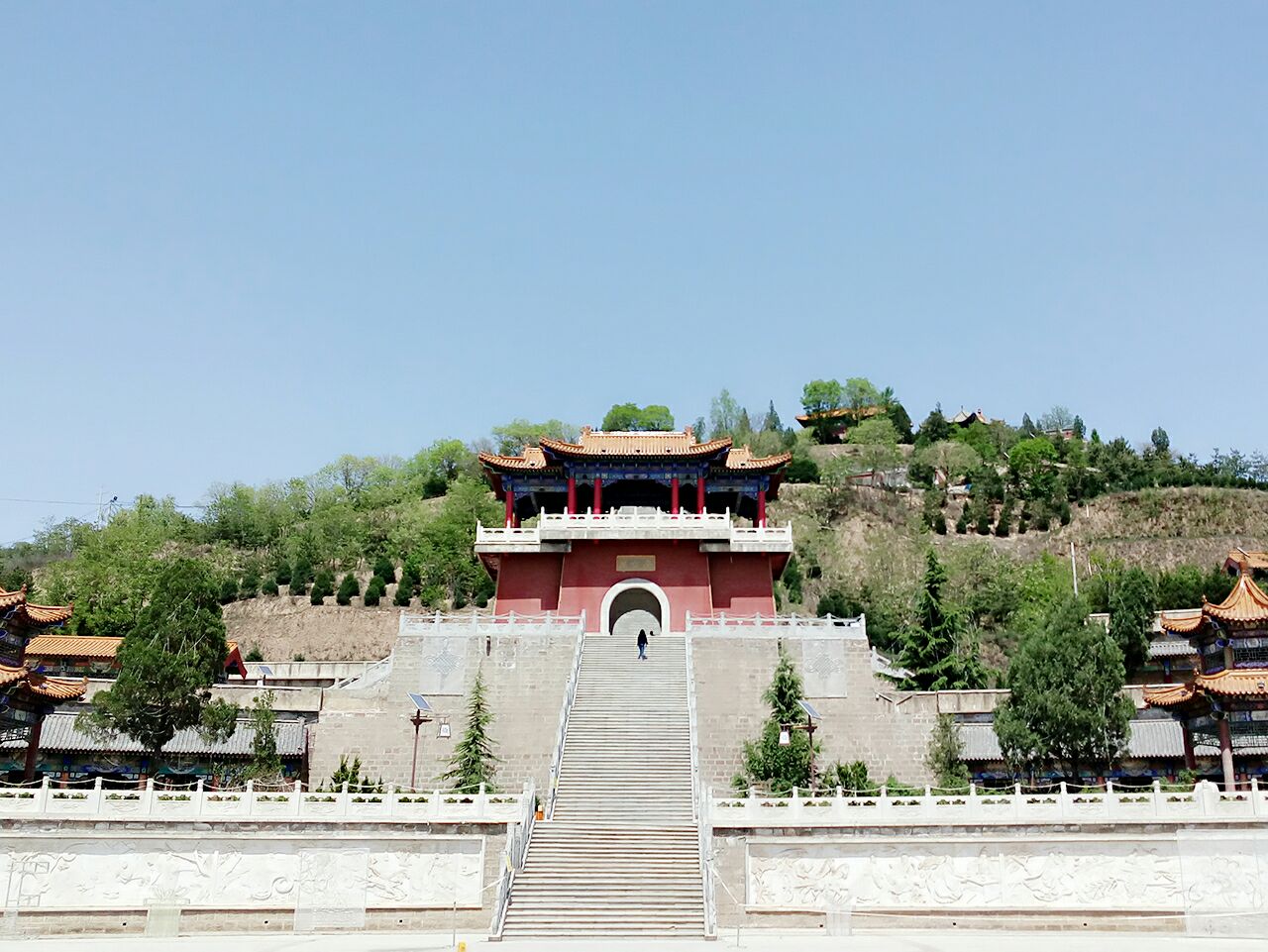
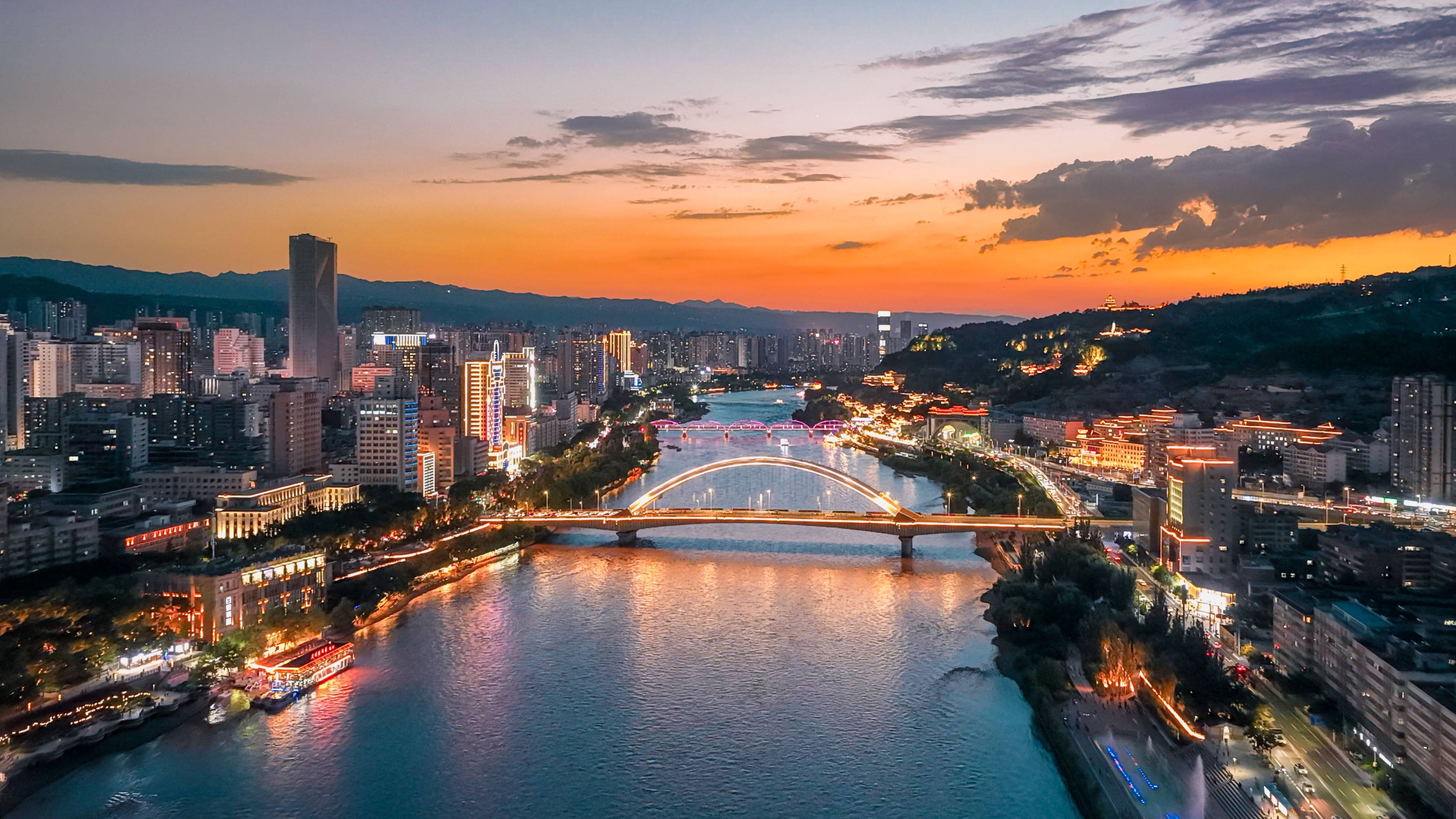
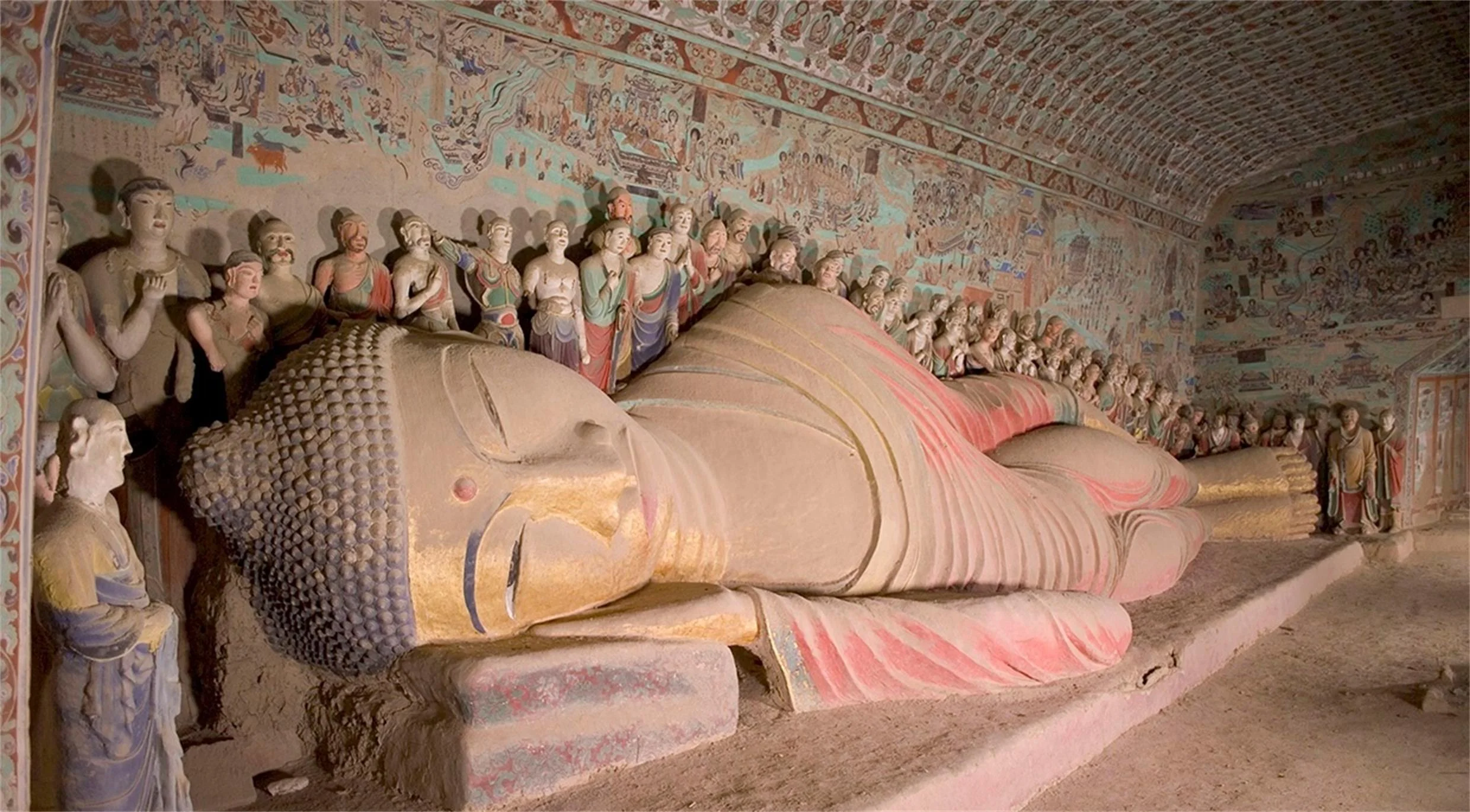
Wuwei city skyline and landmarks (武威) - Travel China Guide

Wuwei Travel Guide

The eastern gateway of the Hexi Corridor and ancient Silk Road, where the legendary Bronze Galloping Horse was unearthed and Chinese Buddhism first took root.

About

Wuwei, historically known as Liangzhou, is a city of profound historical significance located at the eastern gateway of the Hexi Corridor in Gansu Province. For over two millennia, it served as a vital hub on the Silk Road, where merchants, monks, and armies passed through on their journeys between Central China and the Western Regions. The city's strategic location made it a melting pot of cultures, religions, and trade.

Wuwei's most famous contribution to world culture is the Bronze Galloping Horse (Ma Ta Fei Yan), unearthed from the Leitai Han Dynasty Tomb in 1969. This magnificent bronze sculpture of a horse galloping with one hoof resting on a flying swallow has become the universally recognized symbol of Chinese tourism and a masterpiece of ancient Chinese art.

The city was also one of the earliest centers of Buddhism in China. The Tianti Mountain Grottoes, dating from the 4th century, represent the earliest phase of Buddhist cave art in the Hexi Corridor and profoundly influenced the later cave complexes at Dunhuang and Maijishan. The renowned Kumarajiva, the great Buddhist translator, spent time in Liangzhou translating sutras.

Wuwei's Confucius Temple, one of the largest and best-preserved in northwest China, attests to the city's scholarly traditions. The well-preserved city wall, ancient gates, and traditional neighborhoods offer visitors a tangible connection to the Silk Road era.

Today, Wuwei is an important agricultural center in Gansu, famous for its Minqin honeydew melons, Qilian Mountain lamb, and grain production. The city retains its historic charm while developing modern infrastructure, and serves as the perfect starting point for journeys along the Hexi Corridor to Dunhuang and beyond.

History & Development

Wuwei's history spans more than 2,000 years. During the Han Dynasty (206 BC-220 AD), Emperor Wu dispatched General Huo Qubing to expel the Xiongnu nomads and established the Hexi Corridor commanderies, including Wuwei, in 121 BC. The name "Wuwei" means "Martial Might," commemorating the Han military campaigns.

During the Sixteen Kingdoms period (304-439 AD), the Former Liang, Later Liang, Southern Liang, and Northern Liang kingdoms all established their capitals in Wuwei (then called Liangzhou). This period saw the flourishing of Buddhism, with the construction of the Tianti Mountain Grottoes beginning under the Northern Liang.

The Tang Dynasty (618-907 AD) was Wuwei's golden age. The city was the largest and most prosperous commercial center on the Silk Road west of Chang'an. Poets like Wang Wei and Gao Shi wrote verses about Liangzhou's bustling marketplaces and cosmopolitan atmosphere. The song "Liangzhou Ci" became one of the most famous poetry forms of the Tang era.

Under the Ming Dynasty, Wuwei was a key military garrison guarding the frontier. The Ming rebuilt the city walls and constructed the Confucius Temple in 1439. During the Qing Dynasty, Wuwei continued as an important trade center linking inland China with Central Asia.

In the modern era, Wuwei has transitioned from a Silk Road trading post to an agricultural and industrial center. The 1969 discovery of the Bronze Galloping Horse catapulted the city to international fame. Today, Wuwei balances heritage preservation with economic development, attracting tourists eager to explore its Silk Road legacy.
Economy & Industries

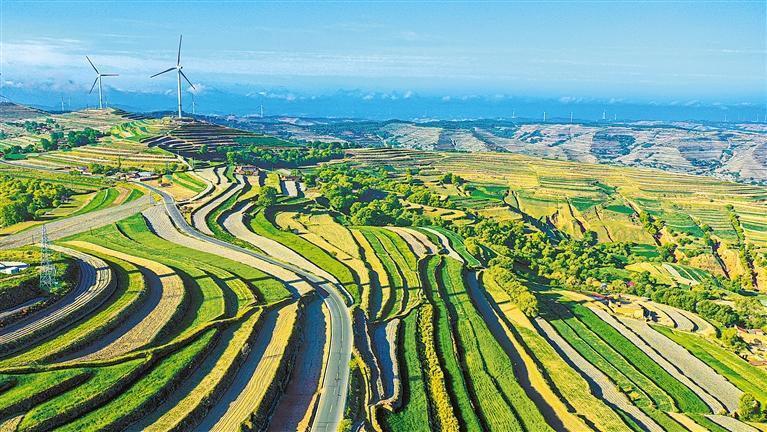
Wuwei's economy is primarily agricultural, supported by growing tourism and light industries. The city sits in a fertile oasis at the base of the Qilian Mountains, irrigated by snowmelt-fed rivers, making it one of Gansu's most productive farming regions.

Agriculture is the economic backbone. Minqin County is famous nationwide for its honeydew melons, which thrive in the unique desert climate. Wuwei is also a major producer of wheat, corn, vegetables, and Qilian Mountain lamb, which is prized for its tender, flavorful meat. The region's dairy industry has grown significantly in recent years.

Tourism is an increasingly important sector, driven by the city's rich Silk Road heritage. The Leitai Tomb, Tianti Mountain Grottoes, and Confucius Temple attract a growing number of domestic and international visitors. The local government has invested in tourism infrastructure, including improved transportation and visitor facilities.

Light manufacturing includes food processing, textile production, and building materials. The city's position on the Lanzhou-Xinjiang Railway makes it a logistics hub for regional trade. Wuwei's GDP is approximately 66 billion yuan, with steady growth driven by agricultural modernization and tourism development.

Top Attractions

🏛️ Landmark

Leitai Han Dynasty Tomb

Leitai Temple is an ancient Han Dynasty burial complex that gained worldwide fame as the excavation site of the Bronze Galloping Horse (Ma Ta Fei Yan), one of China's most iconic archaeological treasures and the symbol of Chinese tourism. The tomb complex features a raised earthen platform, underground chambers, and an extensive collection of bronze chariots and horse figurines dating back over 1,800 years. The site combines a Taoist temple above ground with the burial chambers below.

★★★★ 4.8
🕐 8:00 AM-6:00 PM
🎫 50 yuan
⛩️ Temple

Wuwei Confucius Temple

One of the largest and best-preserved Confucian temples in northwest China, originally built in 1439 during the Ming Dynasty. The temple complex features traditional Chinese architectural grandeur with ornate carved beams, painted rafters, and ancient cypress trees. Within its halls are preserved stone steles, Confucian classics, and a collection of ancient texts that reflect the region's scholarly heritage along the Silk Road.

★★★★ 4.6
🕐 8:00 AM-6:00 PM
🎫 30 yuan
🏛️ Landmark

Tianti Mountain Grottoes

Often called the "ancestor of Grottoes in China," these Buddhist cave temples date back to the Northern Liang period (397-439 AD), predating the more famous Mogao Caves. The grottoes were carved into a cliff face overlooking a reservoir, featuring a massive seated Buddha statue standing 28 meters tall. The site represents the earliest phase of Buddhist cave art in the Hexi Corridor and profoundly influenced later cave complexes at Dunhuang, Yulin, and Maijishan.

★★★★ 4.7
🕐 8:30 AM-5:30 PM
🎫 60 yuan
⛩️ Temple

Haizang Temple

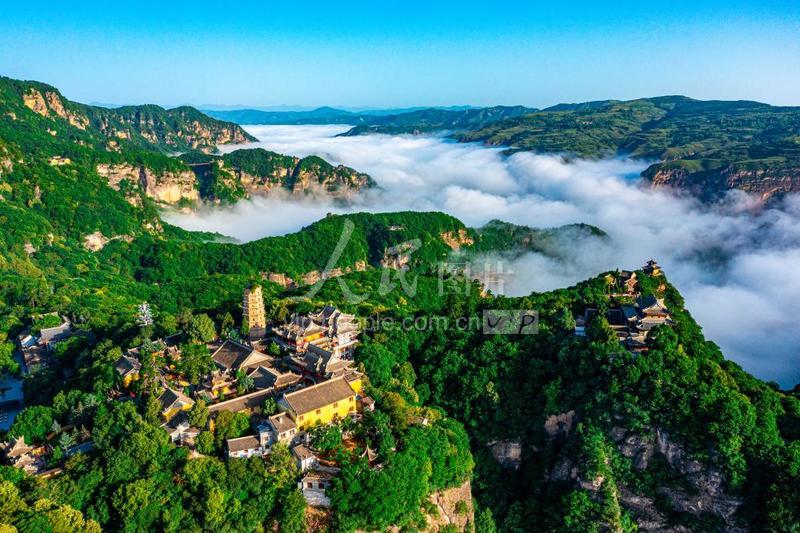
An ancient Buddhist temple first built during the Song Dynasty and expanded during the Ming Dynasty. The temple gets its name from the nearby sea-like wetlands and "hidden" Buddhist sutras once stored here. The complex features a magnificent sutra library pavilion, ancient pagodas, and a tranquil lotus pond. Haizang Temple is one of the most important Buddhist sites in the Hexi Corridor.

★★★★ 4.4
🕐 8:00 AM-6:00 PM
🎫 20 yuan
🎭 Museum

Wuwei Museum

A comprehensive museum housing the region's most important archaeological finds, including artifacts from the Leitai Tomb, Han Dynasty bronze ware, Tang Dynasty gold and silver items, and Buddhist relics from the Hexi Corridor. The museum's highlight is the collection of Han Dynasty bronze horses, including detailed replicas and studies of the Bronze Galloping Horse. The museum provides essential context for understanding Wuwei's pivotal role on the Silk Road.

★★★★ 4.6
🕐 9:00 AM-5:00 PM (Closed Mondays)
🎫 Free
🏔️ Nature

Wusha Ling

A strategic mountain pass on the Hexi Corridor at an elevation of 3,562 meters, marking the boundary between the Tibetan Plateau and the Loess Plateau. Historically, Wusha Ling was a crucial checkpoint on the Silk Road where caravans prepared for the arduous journey westward. Today it offers spectacular high-altitude landscapes, ancient Great Wall sections, and panoramic views of the Qilian Mountains.

★★★★ 4.3
🕐 Open all day
🎫 Free

Food & Culture

Discover the culinary treasures of Wuwei, from traditional street food to imperial cuisine.

Things to Do

🏛️

Silk Road Heritage Tour

Visit Leitai Temple, Confucius Temple, and the museum to explore Wuwei's glorious Silk Road past.

Buddhist Cave Exploration

Marvel at the ancient Tianti Mountain Grottoes and their massive Buddha statue.

Desert Melon Tasting

Sample Minqin honeydew melons — some of the sweetest melons in the world.

Highland Pass Trek

Drive to Wusha Ling for Qilian Mountain panoramas and Great Wall ruins.

Suggested Itineraries

Wuwei Silk Road Highlights

Explore the city's most iconic Silk Road heritage sites in a single day.

  • Leitai Temple
  • Confucius Temple
  • Wuwei Museum
  • Haizang Temple

Hexi Corridor Gateway

Combine city heritage with natural landscapes including Buddhist caves and desert scenery.

  • Tianti Mountain Grottoes
  • Leitai Temple
  • Minqin County
  • Wusha Ling

Getting Around

✈️

Airport

Lanzhou Zhongchuan Airport (LHW) - about 200 km, 2.5 hours by car

🚄

High-Speed Rail

High-speed rail connects Wuwei to Lanzhou (1 hour), Xi'an (3.5 hours) via Lanzhou-Xinjiang HSR

🚇

Metro

No metro

Best Time to Visit

Spring (April-May) and Autumn (September-October) offer the best weather for most destinations in China.

Continue Exploring China

Discover more cities, food guides, and travel inspiration.