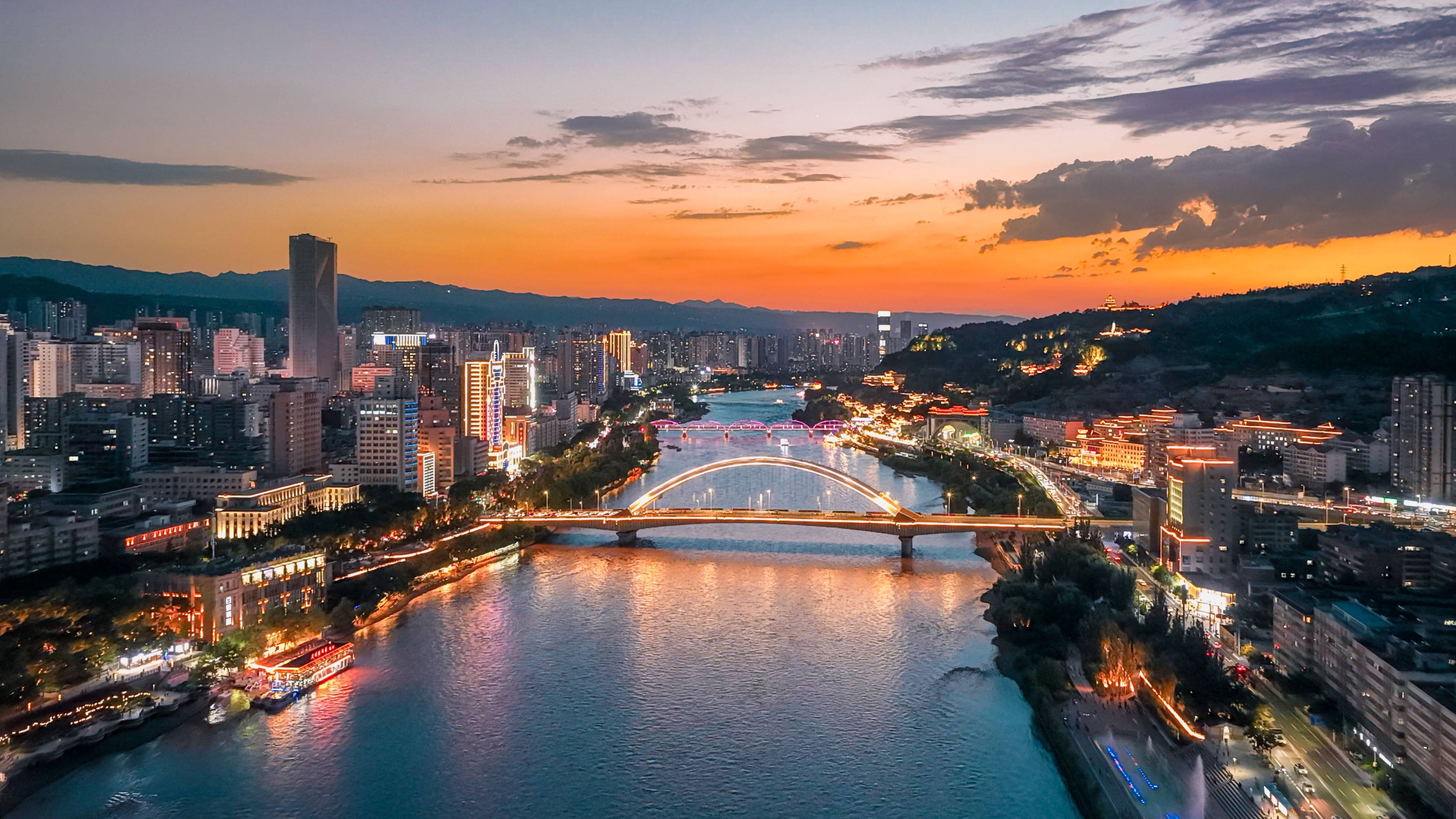
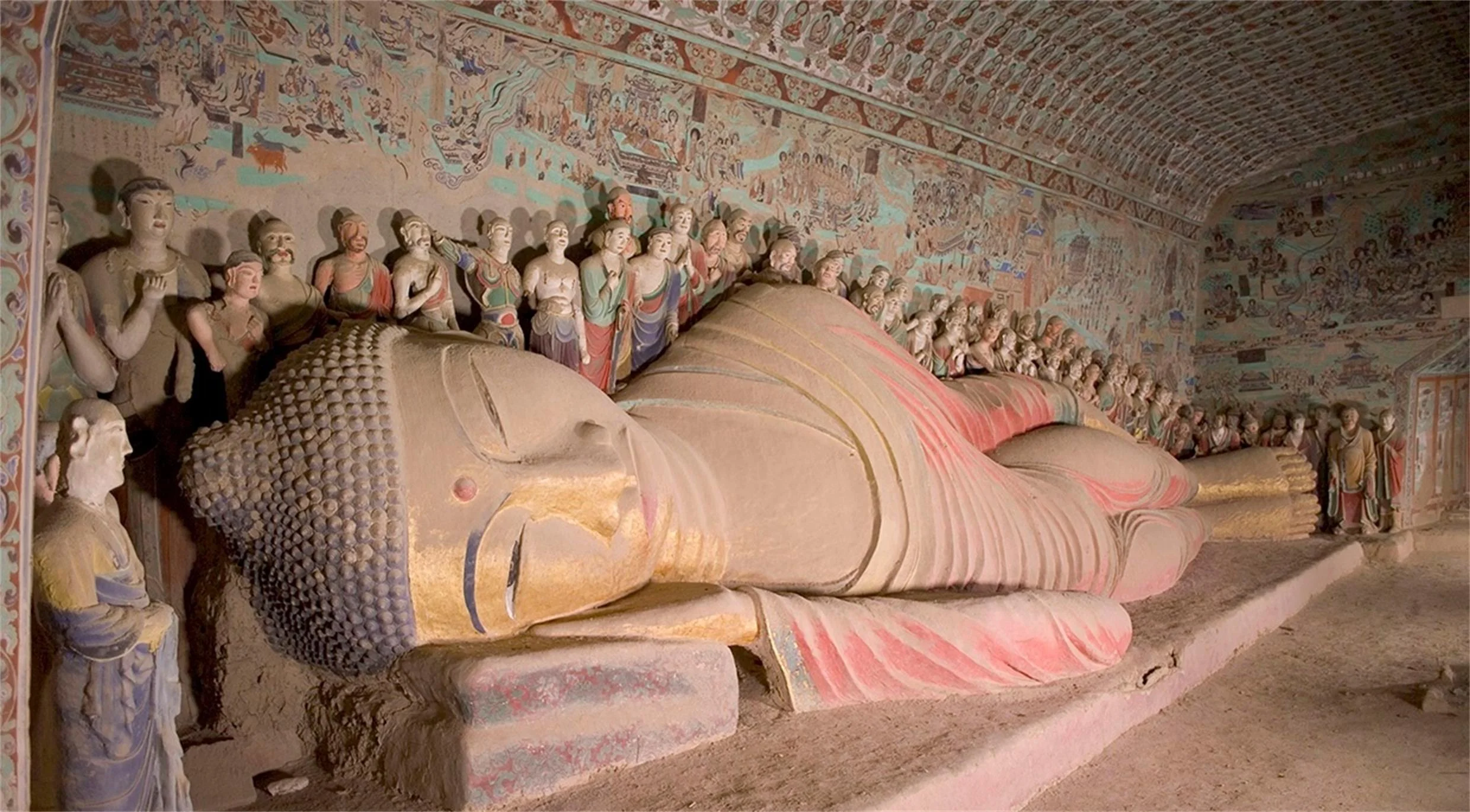
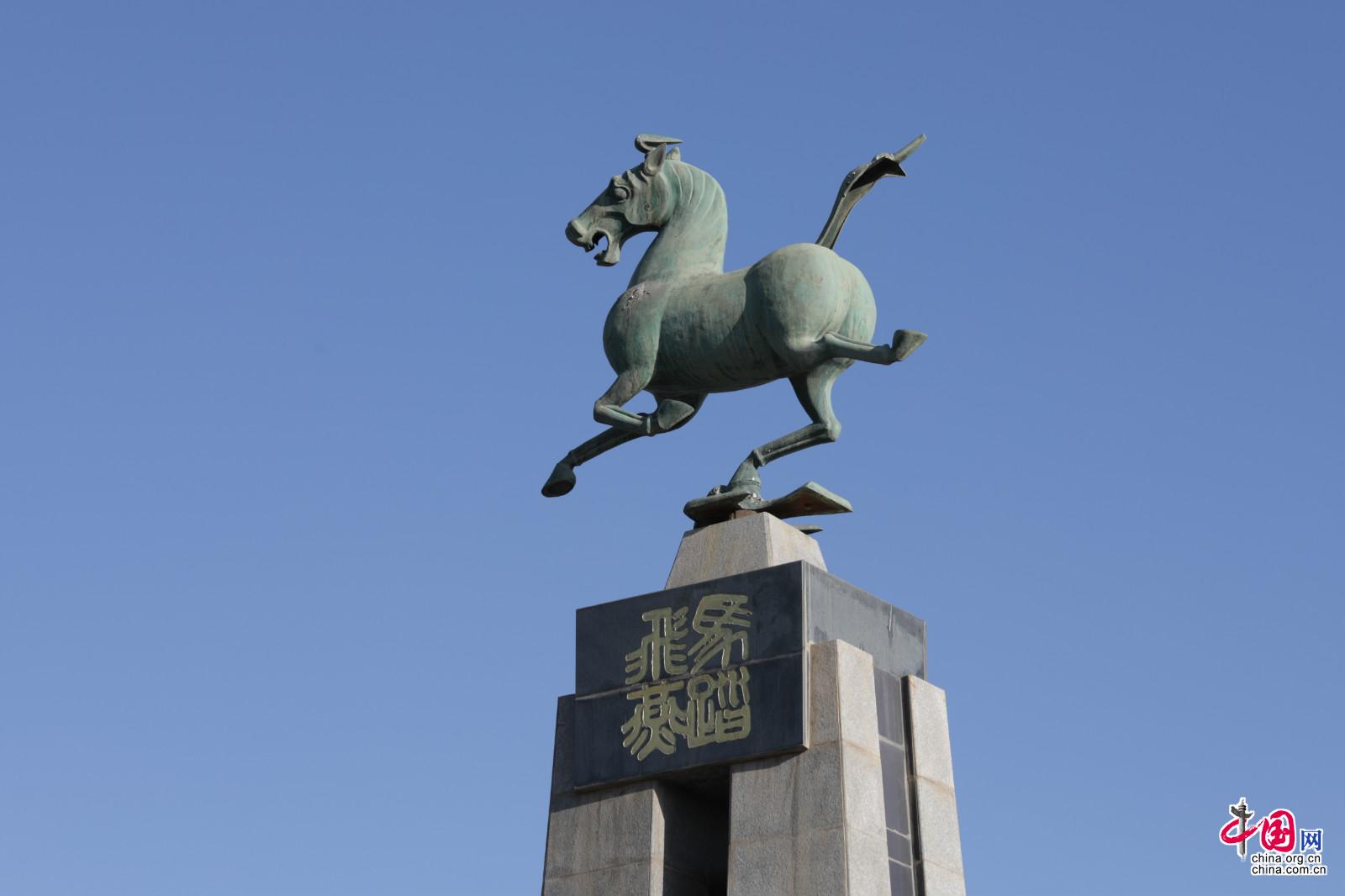
Dingxi city skyline and landmarks (定西) - Travel China Guide

Dingxi Travel Guide

Known as "China's Potato Capital," Dingxi is the largest potato production base in the country, situated on the Loess Plateau in central Gansu, and also renowned for its traditional Chinese medicine herbs.

About

Dingxi, located in central Gansu Province on the Loess Plateau, is a city with a unique identity shaped by its land and people. Known as "China's Potato Capital," Dingxi is the country's largest potato production base, supplying high-quality potatoes to markets across China. The mineral-rich, well-drained loess soil and the region's cool, semi-arid climate create perfect growing conditions that give Dingxi potatoes their exceptional taste and texture.

Beyond the potato, Dingxi is also renowned for traditional Chinese medicine herbs, particularly Codonopsis pilosula (dang shen) and Astragalus membranaceus (huang qi), which are harvested from the surrounding mountains and used in herbal medicine across China and beyond.

The Dingxi region has a rich archaeological heritage as the heartland of the Majiayao culture (c. 3300-2000 BC), one of the most important Neolithic cultures in China, famous for its exquisite painted pottery with bold spiral and geometric designs. Lintao County, under Dingxi's administration, is considered the center of this ancient civilization.

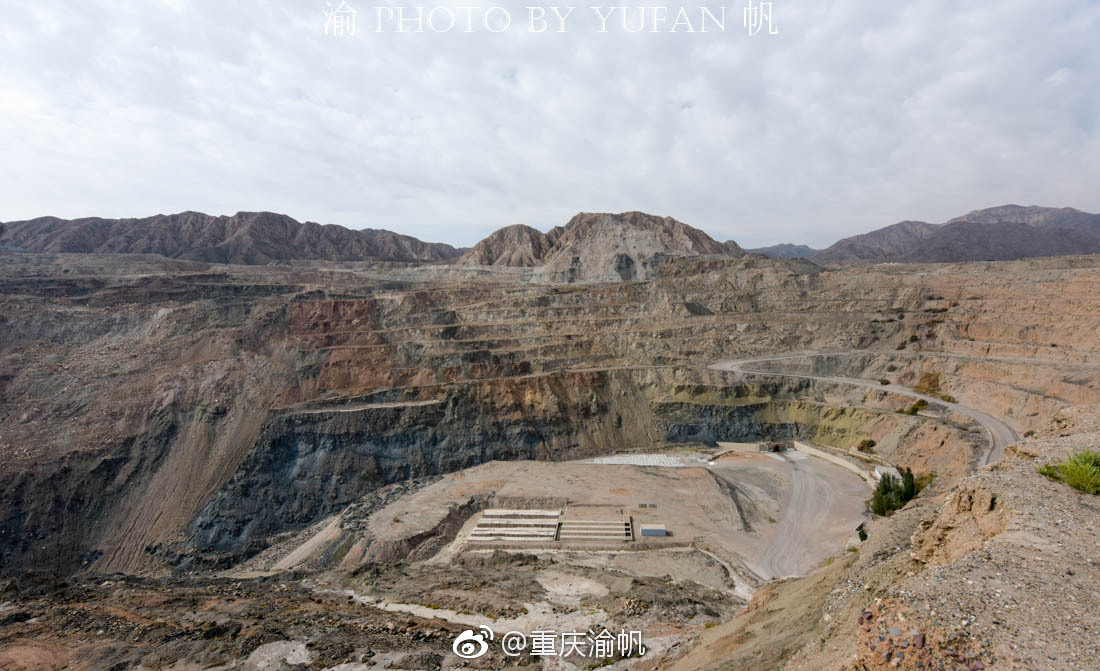
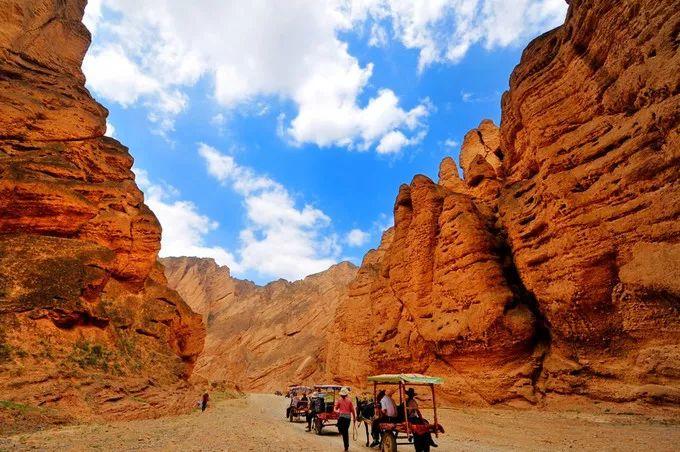
Dingxi's landscape is characterized by the dramatic terrain of the Loess Plateau — rolling hills, deep gullies, and terraced fields carved into the yellow earth. Traditional cave dwellings (yaodong) carved into hillsides can still be found throughout the region, offering a glimpse into a way of life that has existed for centuries. The city is also home to several historic mountains, including Shouyang Mountain and Xinglong Mountain, which provide natural beauty and cultural significance.

Today, Dingxi is transforming its economy through agricultural modernization, potato processing industries, and the development of tourism centered on its unique Loess Plateau culture and archaeological treasures.

History & Development

Dingxi's history stretches back over 5,000 years to the Neolithic period, when the Majiayao culture flourished along the upper reaches of the Yellow River. The exquisite painted pottery discovered at sites around Lintao County represents some of the finest examples of prehistoric Chinese art, featuring intricate spiral patterns, geometric designs, and early representations of human and animal forms.

During the Zhou Dynasty (1046-256 BC), the Dingxi region was part of the Western Rong territories, inhabited by nomadic peoples. The area came under Chinese administrative control during the Qin and Han dynasties, when it served as a frontier region on the periphery of the expanding empire.

The Wei and Jin periods saw increased settlement as the region became part of the crucial trade routes connecting central China with the Western Regions. During the Tang Dynasty, Dingxi's position along the southern Silk Road brought cultural and economic exchange, with Buddhist influences spreading through the region.

The Ming Dynasty established the current administrative framework, with Dingxi County being formally established. The region developed its agricultural traditions during this period, with the local population carving terraced fields into the loess hills and perfecting dryland farming techniques.

In modern times, Dingxi was historically one of China's poorest regions due to its arid climate and challenging terrain. However, from the 1990s onward, a strategic focus on potato cultivation transformed the region's economy. Dingxi leveraged its natural advantage for potato growing to become China's largest potato production base, earning the title "China's Potato Capital." The development of the potato processing industry and traditional Chinese medicine herb cultivation has driven economic growth and poverty alleviation in the region.
Economy & Industries

Dingxi's economy is dominated by agriculture, with the potato industry playing a central role. The city produces over 5 million tons of potatoes annually, making it the largest potato production base in China. Dingxi potatoes are prized for their quality and are sold in markets across the country. The city has developed a comprehensive potato industry chain including seed cultivation, farming, storage, processing, and marketing. Potato starch, chips, noodles, and other processed products are major economic drivers.

Traditional Chinese medicine herb cultivation is another pillar of Dingxi's economy. The region's mountainous terrain and climate are ideal for growing Codonopsis pilosula (dang shen), Astragalus (huang qi), and other medicinal herbs. These high-value crops provide significant income for rural communities and supply herbal medicine markets throughout China and internationally.

In recent years, Dingxi has been developing its tourism sector, leveraging its unique attractions — the Majiayao culture heritage, Loess Plateau landscapes, traditional cave dwelling villages, and the distinctive potato culture. Agricultural tourism, where visitors can experience potato farming and processing, is a growing niche.

The city's GDP is approximately 48 billion yuan, with steady growth driven by agricultural modernization and the expansion of processed food industries. Poverty alleviation has been a major success story, with millions lifted out of poverty through the development of the potato and herb industries.

Top Attractions

🏛️ Landmark

Weiyuan Shouyang Mountain

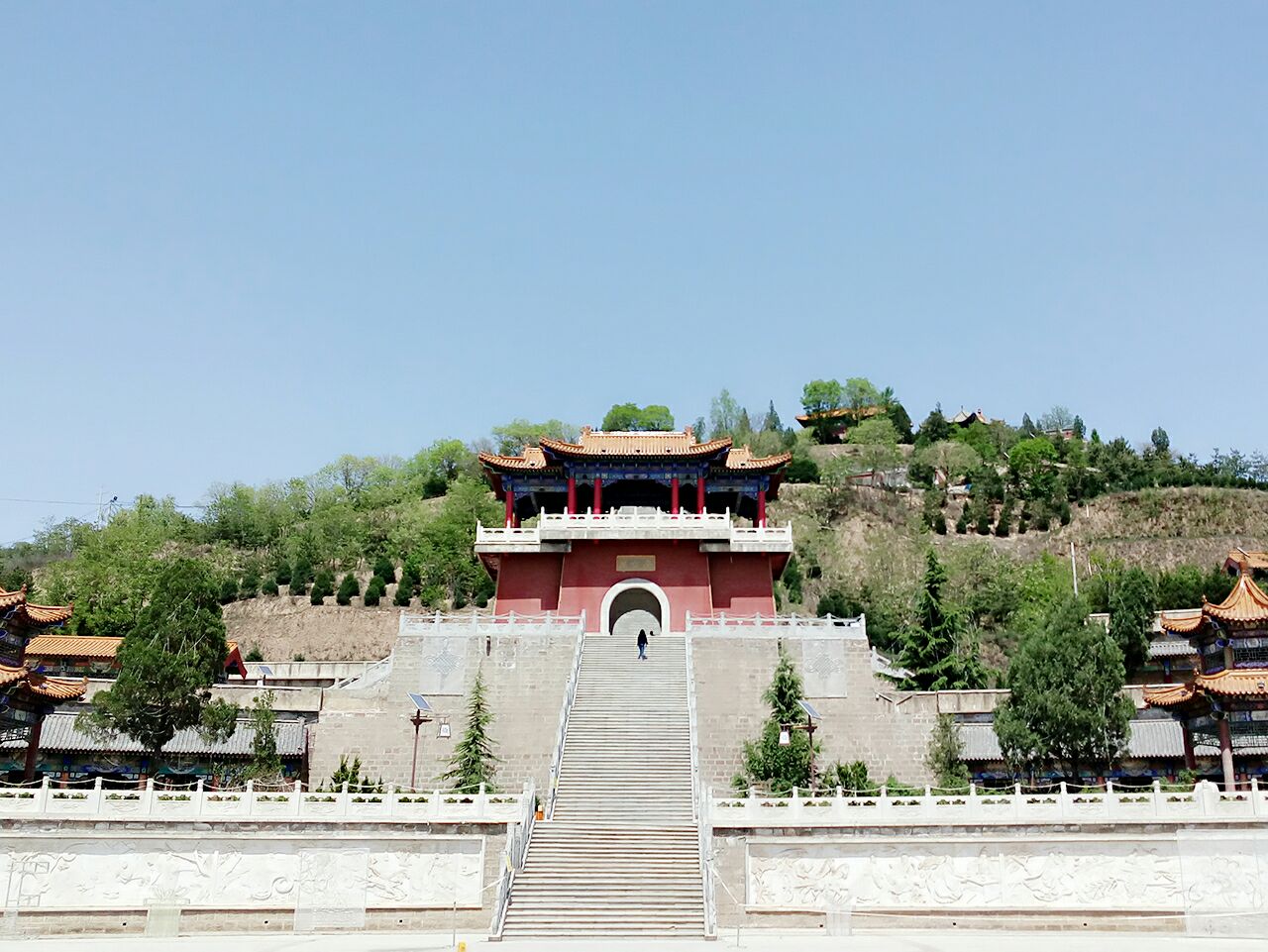
A historically significant mountain in Weiyuan County, traditionally regarded as the place where Boyi and Shuqi, two princes of the Shang Dynasty, chose to starve rather than serve the Zhou Dynasty, becoming enduring symbols of loyalty in Chinese culture. The mountain features lush forests, clear streams, and ancient temples dedicated to these legendary figures. It is also known for its stunning natural scenery with dramatic granite peaks rising from the Loess Plateau.

★★★★ 4.3
🕐 8:00 AM-6:00 PM
🎫 40 yuan
🎭 Museum

Lintao Majiayao Culture Museum

A museum dedicated to the prehistoric Majiayao culture (c. 3300-2000 BC), which flourished along the upper Yellow River and is famous for its exquisite painted pottery. The museum houses an extensive collection of pottery vessels adorned with intricate geometric patterns, swirling designs, and early human and animal motifs. Majiayao culture represents one of the pinnacles of Chinese Neolithic art, and Lintao County is considered its heartland.

★★★★ 4.5
🕐 9:00 AM-5:00 PM (Closed Mondays)
🎫 30 yuan
🏔️ Nature

Xinglong Mountain

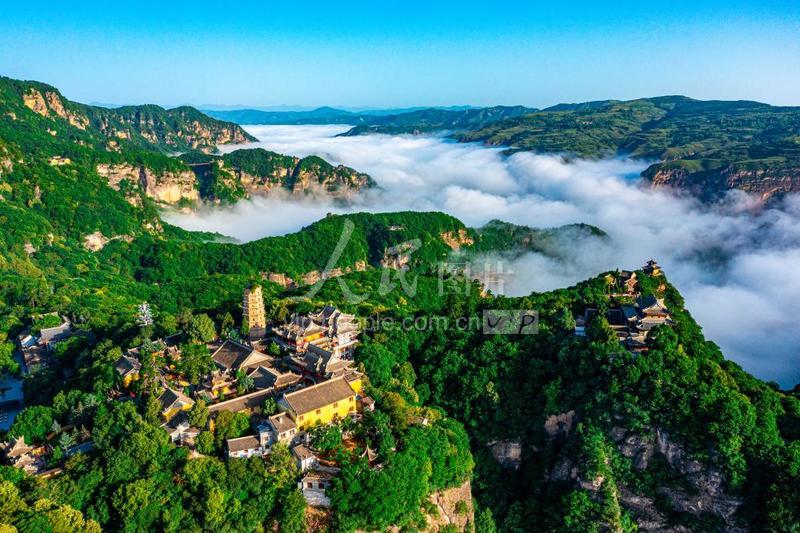
A national forest park located at the junction of Yuzhong County and Dingxi, Xinglong Mountain is known for its lush forests of pine and cypress that rise dramatically from the surrounding arid Loess Plateau. The mountain has been a sacred Taoist site for centuries, with ancient temples and pavilions scattered along its forested slopes. It offers excellent hiking trails, panoramic views of the surrounding plateau, and a cool retreat from the summer heat.

★★★★ 4.4
🕐 8:00 AM-6:00 PM
🎫 40 yuan
🎭 Museum

Dingxi Potato Theme Exhibition Center

A unique exhibition center entirely dedicated to the potato — Dingxi's most famous product. The center showcases the history of potato cultivation in the region, the science behind potato farming, the economic impact of the potato industry, and creative displays of potato varieties from around the world. Visitors can learn why Dingxi's unique Loess Plateau soil and climate produce some of China's finest potatoes.

★★★★ 4.1
🕐 9:00 AM-5:00 PM
🎫 20 yuan
🎭 Museum

Gansu Provincial Museum Dingxi Branch

A branch of the renowned Gansu Provincial Museum, this facility showcases archaeological discoveries from the Dingxi region, including Neolithic pottery from the Majiayao and Qijia cultures, Bronze Age artifacts, and relics from the Han and Tang dynasties along the southern Silk Road route. The collection highlights Dingxi's role as a cultural crossroads on the ancient trade routes connecting central China with the Western Regions.

★★★★ 4.2
🕐 9:00 AM-5:00 PM (Closed Mondays)
🎫 Free
🏛️ Landmark

Loess Plateau Ancient Villages

Scattered across the Dingxi region are traditional villages carved into the Loess Plateau, featuring centuries-old cave dwellings (yaodong) that provide natural insulation against the harsh climate. These villages offer a glimpse into a traditional way of life that has persisted for generations, with terraced fields, ancient trees, and winding dirt paths connecting cave homes. Some villages have been preserved as living museums of Loess Plateau culture.

★★★★ 4.3
🕐 Open all day
🎫 Free

Food & Culture

Discover the culinary treasures of Dingxi, from traditional street food to imperial cuisine.

Things to Do

🏛️

Potato Culture Discovery

Visit the Potato Theme Exhibition Center and local farms to learn about Dingxi's potato industry and taste fresh potato dishes.

Loess Plateau Village Walk

Explore ancient cave-dwelling villages carved into the Loess Plateau, experience traditional rural life.

Majiayao Pottery Appreciation

Admire exquisite Neolithic painted pottery at the Lintao Majiayao Culture Museum, a highlight of Chinese prehistoric art.

🏛️

Mountain Hiking

Hike through the pine forests of Xinglong Mountain or climb the historic Shouyang Mountain for plateau panoramas.

Getting Around

✈️

Airport

Lanzhou Zhongchuan Airport (LHW) - about 120 km, 1.5 hours by car

🚄

High-Speed Rail

High-speed rail connects Dingxi to Lanzhou (30 minutes), Xi'an (2.5 hours) via Lanzhou-Xi'an HSR; Dingxi Station serves both conventional and high-speed trains

🚇

Metro

No metro

Best Time to Visit

Spring (April-May) and Autumn (September-October) offer the best weather for most destinations in China.

Continue Exploring China

Discover more cities, food guides, and travel inspiration.