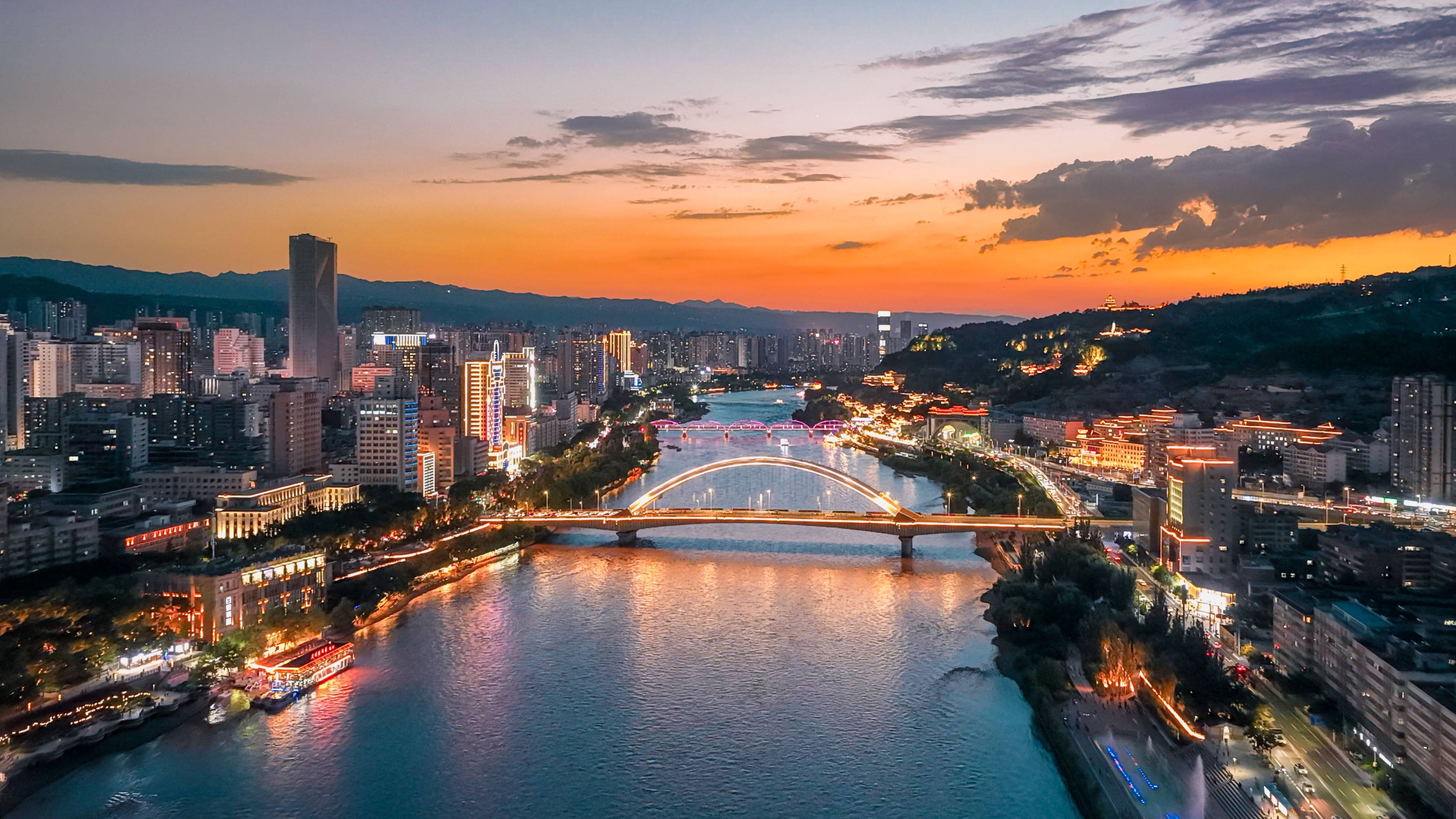
Longnan city skyline and landmarks (陇南) - Travel China Guide

Longnan Travel Guide

Known as "Gansu's Jiangnan," Longnan is the greenest corner of Gansu — a mountainous region of bamboo forests, karst caves, and giant panda habitats bordering Sichuan.

About

Longnan, the southernmost prefecture-level city in Gansu Province, is a world apart from the arid deserts and grasslands typically associated with the region. Nestled in the rugged mountains along the Gansu-Sichuan border, Longnan enjoys a subtropical monsoon climate that blankets its landscape in year-round green — earning it the poetic nickname "Gansu's Jiangnan."

The city's most treasured asset is its extraordinary biodiversity. The Baishuijiang National Nature Reserve, one of China's most important giant panda sanctuaries, protects approximately 110 wild pandas within its 2,200 square kilometers of pristine bamboo forests. This remarkable ecosystem also harbors golden monkeys, takins, and countless rare bird species.

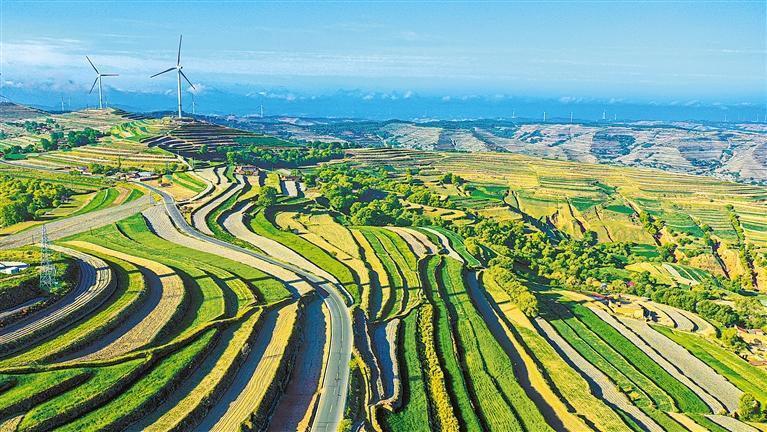
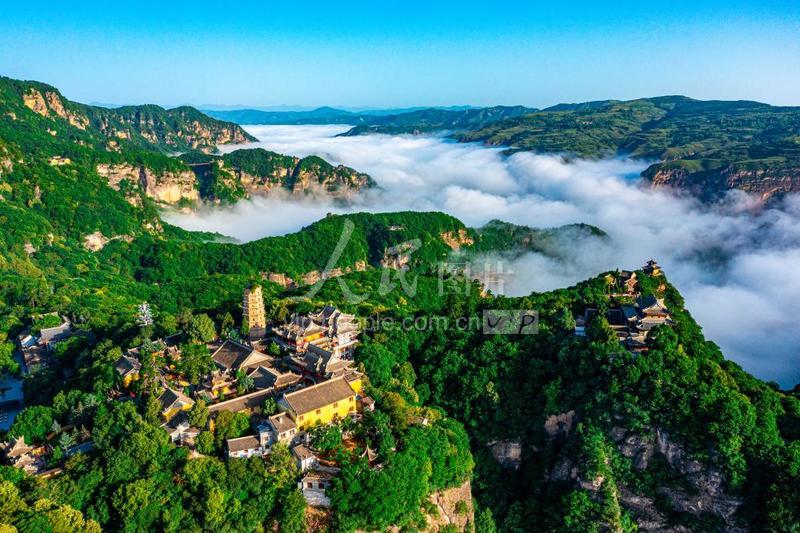
Longnan's topography is defined by deep river valleys carved by the White Dragon River and the Jialing River, spectacular karst formations, and terraced hillsides. The Wudu Wanyuan Cave ranks among China's largest limestone caves, with over 10 kilometers of decorated chambers.

Unexpectedly, Longnan has emerged as China's premier olive oil region. Its mild winters, warm summers, and well-drained hillsides create a Mediterranean-like microclimate perfect for olive cultivation. The province now produces award-winning extra virgin olive oils that compete with imports.

Culturally, Longnan sits at the crossroads of Gansu and Sichuan influences, visible in its cuisine's bold use of Sichuan peppercorns and chilies, its bamboo-rich architecture, and the easygoing temperament of its people. The region is also home to several ethnic minority communities, including Tibetan and Qiang groups.

History & Development

Longnan's history stretches back over 3,000 years. During the Qin Dynasty (221-206 BC), the area was part of the strategic Longxi Commandery, guarding the southern approaches to the Qin heartland. The ancient Shu Road, a system of mountain paths connecting Sichuan to the Yellow River basin, passed through Longnan, making it a vital corridor for trade and military campaigns.

During the Three Kingdoms period (220-280 AD), the region was hotly contested between the kingdoms of Shu Han and Cao Wei. The legendary Shu chancellor Zhuge Liang campaigned through these mountains during his Northern Expeditions, leaving behind fortifications and watchtowers that can still be traced today.

The name "Longnan" literally means "south of Long" (Long being the ancient abbreviation for Gansu), reflecting its position as the southern gateway to the province. During the Ming and Qing dynasties, Longnan remained an important transportation hub along the Shu Road, with caravans carrying Sichuan tea, salt, and silk through its mountain passes.

In the 20th century, Longnan's relative isolation helped preserve its natural environment. The Baishuijiang Nature Reserve was established in 1978, recognizing the region's global importance for panda conservation. In recent decades, the olive industry has transformed Longnan's economy, with the first olive trees planted experimentally in the 1960s and commercial production expanding rapidly since the 1990s.

Economy & Industries

Longnan's economy has traditionally been based on agriculture, forestry, and mining. The region's subtropical climate allows for diverse crops not found elsewhere in Gansu, including tea, citrus fruits, walnuts, and Sichuan peppercorns.

The most remarkable economic development in recent decades has been the rise of Longnan's olive oil industry. The first olive trees were introduced in 1964 by Chinese agricultural scientists searching for suitable olive-growing regions. Today, Longnan has over 300,000 mu (20,000 hectares) of olive orchards, producing award-winning extra virgin olive oil that supplies both domestic and export markets. Several brands have won international olive oil competitions.

Tourism is a rapidly growing sector, driven by the region's unique natural attractions — giant panda habitats, karst caves, and forest eco-tourism areas. Improved transportation, including the Lanzhou-Chongqing High-Speed Railway, has made Longnan more accessible to domestic tourists.

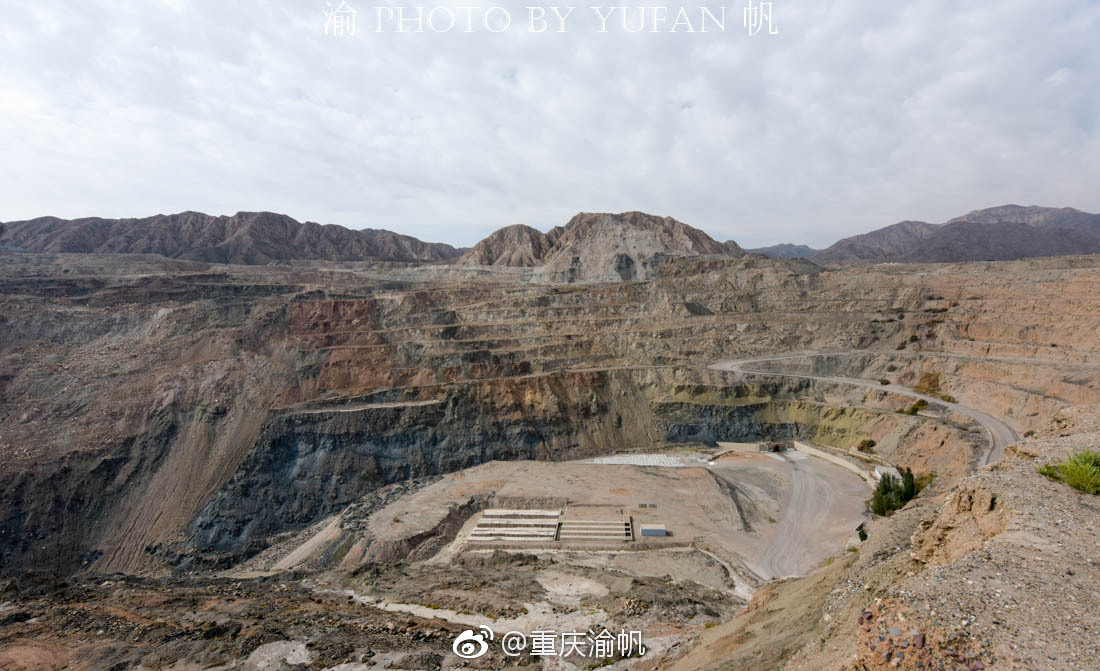
Mining remains significant, with Longnan possessing substantial reserves of lead, zinc, gold, and antimony. The city's manufacturing sector focuses on agricultural processing, olive oil production, and building materials. Longnan's GDP is approximately 54 billion yuan.

Top Attractions

🏔️ Nature

Baishuijiang National Nature Reserve

Established in 1978, Baishuijiang is one of China's most important giant panda reserves, spanning over 2,200 square kilometers of mountainous bamboo forests in southern Gansu. The reserve is home to approximately 110 wild giant pandas, as well as golden monkeys, takins, and countless bird species. Its pristine streams, waterfalls, and dense bamboo groves offer a rare glimpse into the biodiversity of China's southwest.

★★★★ 4.8
🕐 8:00 AM-5:30 PM
🎫 60 yuan
🏔️ Nature

Wudu Wanyuan Cave

One of China's largest and most spectacular karst limestone caves, stretching over 10 kilometers with vast chambers filled with stalactites, stalagmites, and stone pillars formed over millions of years. The cave features dramatic underground landscapes illuminated by colored lights, including the "Heavenly Palace" hall and "Dragon Palace" chambers. Known locally as the "Fairy Cave," it offers an otherworldly underground adventure.

★★★★ 4.7
🕐 8:00 AM-5:30 PM
🎫 80 yuan
🏔️ Nature

Wenxian Giant Panda Park

Located in Wen County within the broader Baishuijiang reserve system, this panda-focused park offers visitors a chance to observe giant pandas in a semi-wild setting. The park features conservation education centers, panda viewing areas, and forest trails through prime bamboo habitat. It serves both as a research facility and an eco-tourism destination promoting panda conservation.

★★★★ 4.5
🕐 8:30 AM-5:00 PM
🎫 50 yuan
🏔️ Nature

Yangba Eco-tourism Area

A pristine eco-tourism destination in Kang County featuring dense primeval forests, crystal-clear mountain streams, and dramatic waterfalls. Often called the "West Lake of Longnan," Yangba offers hiking trails through bamboo groves, swimming in natural pools, and visits to traditional wooden houses of the local ethnic communities. The area is especially beautiful in autumn when the forest turns vibrant shades of red and gold.

★★★★ 4.5
🕐 8:00 AM-6:00 PM
🎫 40 yuan
🏛️ Landmark

Jiezhou Ancient Town

A historic town in Longnan's urban area that preserves the architectural style and street layout of old Longnan. The town features traditional grey-brick buildings, stone-paved lanes, and ancient bridges spanning small streams. Local artisans sell handicrafts, tea, and Longnan olive products. The town's relaxed atmosphere and well-preserved Ming and Qing dynasty architecture make it a pleasant place to wander.

★★★★ 4.1
🕐 Open all day
🎫 Free
🏔️ Nature

Wenxian White Dragon River

A scenic river valley cutting through the mountains of Wen County, the White Dragon River offers spectacular gorge scenery with emerald waters, terraced fields, and traditional villages clinging to the hillsides. River rafting and kayaking are popular activities in summer. The valley is also known for its olive groves, which thrive in the subtropical microclimate.

★★★★ 4.3
🕐 Open all day
🎫 Free

Food & Culture

Discover the culinary treasures of Longnan, from traditional street food to imperial cuisine.

Things to Do

Giant Panda Trek

Visit Baishuijiang Nature Reserve and the Wenxian Panda Park to see giant pandas in their natural habitat.

Underground Cave Adventure

Explore the vast chambers and spectacular formations of Wudu Wanyuan Cave.

Olive Oil Tasting

Sample Longnan's award-winning extra virgin olive oil at local groves and tasting rooms.

Yangba Forest Hike

Hike through bamboo groves, past waterfalls, and into pristine forest in Yangba Eco-tourism Area.

🏛️

Ancient Town Stroll

Wander the stone lanes of Jiezhou Ancient Town and browse local handicrafts.

Suggested Itineraries

Longnan Nature Discovery

Explore Longnan's extraordinary natural wonders from pandas to caves in two days.

  • Day 1: Baishuijiang Nature Reserve and Wenxian Panda Park
  • Day 2: Wudu Wanyuan Cave and Jiezhou Ancient Town

Gansu's Jiangnan Explorer

Immerse yourself in the lush green landscapes that make Longnan Gansu's answer to Jiangnan.

  • Day 1: Yangba Eco-tourism Area hiking
  • Day 2: Baishuijiang Nature Reserve
  • Day 3: Wanyuan Cave + olive grove visit

Getting Around

✈️

Airport

Longnan Chengzhou Airport (LNL) — serves domestic flights to Lanzhou, Chongqing, and Xi'an.

🚄

High-Speed Rail

Longnan East Station on the Lanzhou-Chongqing HSR connects to Lanzhou (2 hours) and Chongqing (3 hours).

🚌

Bus Network

City buses and long-distance coaches connect Longnan's districts and counties.

🚕

Taxi & Rideshare

Available throughout the city

Best Time to Visit

Spring (April-May) and Autumn (September-October) offer the best weather for most destinations in China.

Continue Exploring China

Discover more cities, food guides, and travel inspiration.