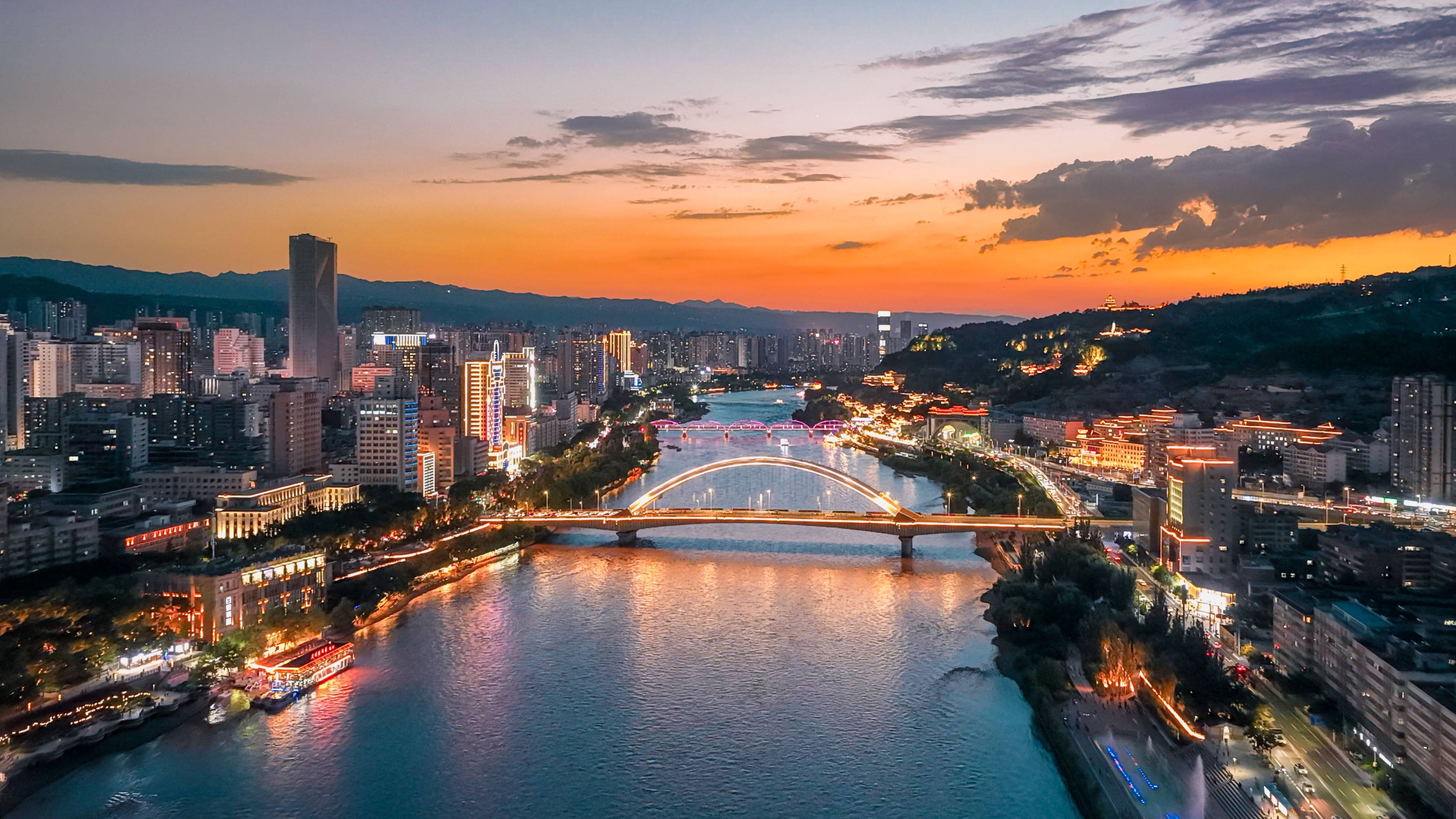
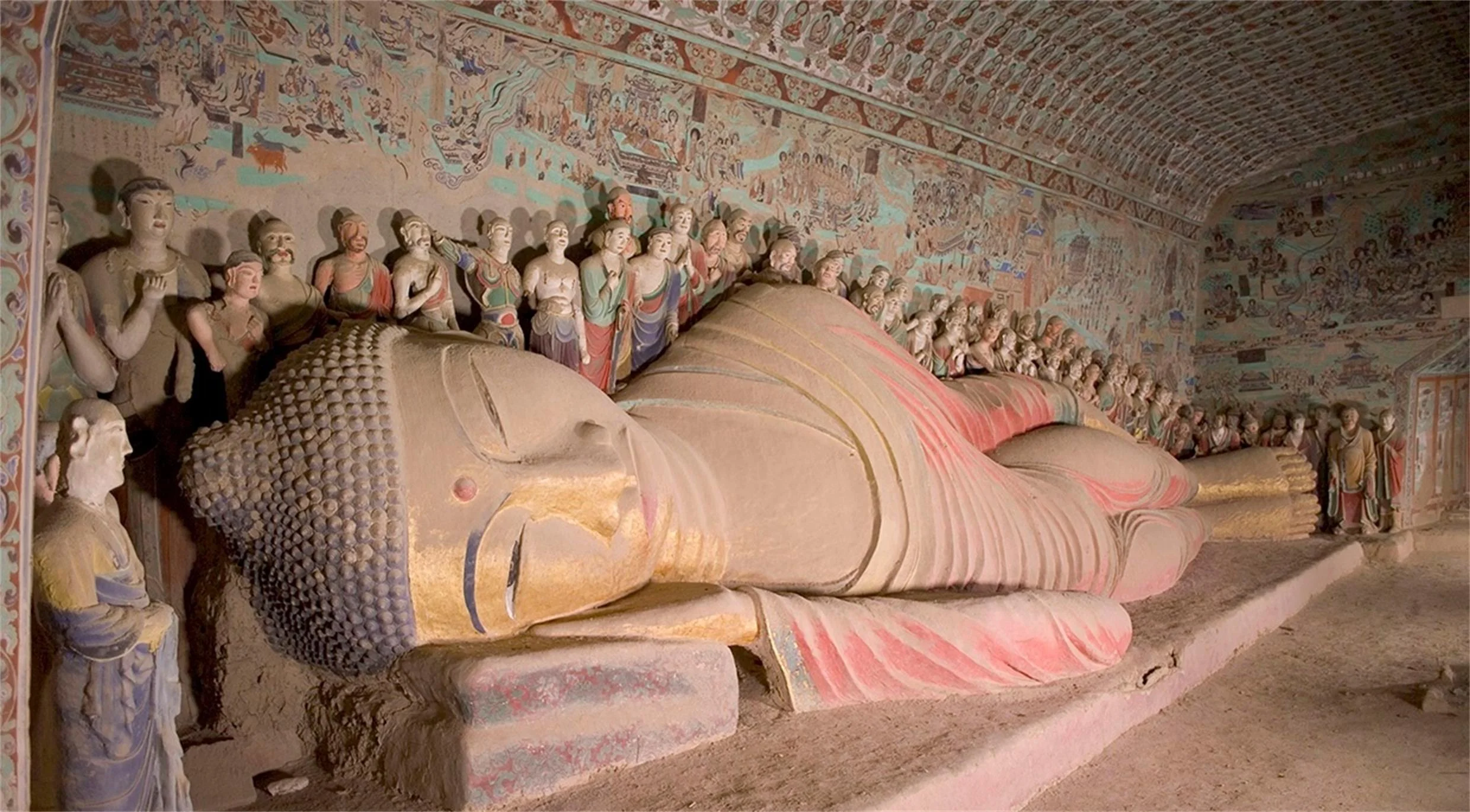
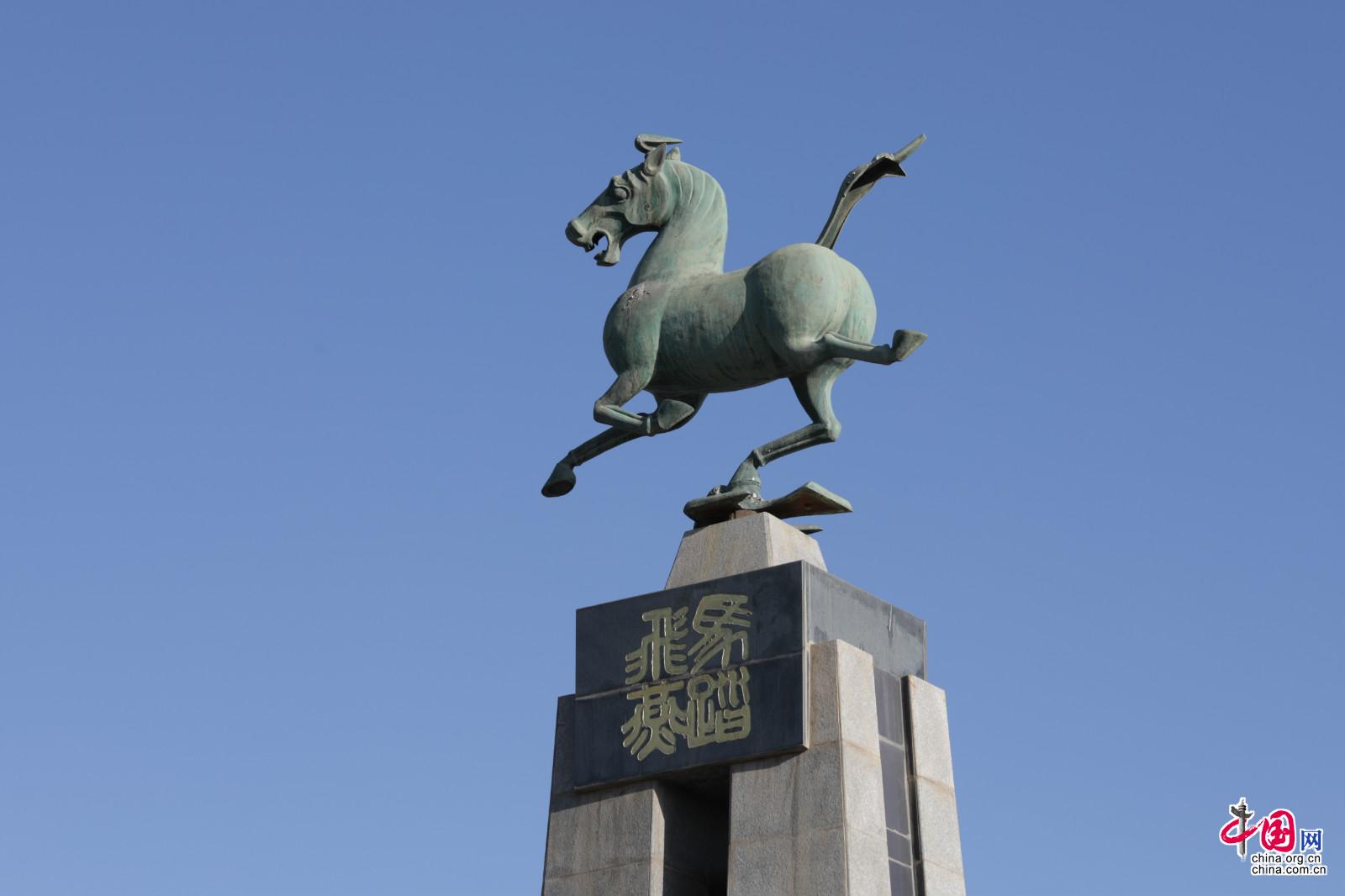
Baiyin city skyline and landmarks (白银) - Travel China Guide

Baiyin Travel Guide

A historic mining city on the upper Yellow River known as the "Copper City" of China, home to the spectacular Yellow River Stone Forest UNESCO Global Geopark.

About

Baiyin, whose name means "Silver" in Chinese, is a prefecture-level city in Gansu Province located on the upper reaches of the Yellow River. The city earned its name from rich mineral deposits, particularly copper and silver, which fueled its development as one of China's most important mining centers during the mid-20th century.

Baiyin sits at the intersection of the Loess Plateau and the transition zone toward the Qinghai-Tibet Plateau, creating dramatic landscapes of yellow earth, rocky gorges, and river valleys. The Yellow River flows through the city's territory, carving deep canyons and creating the breathtaking Yellow River Stone Forest (Yellow River Shilin), a UNESCO Global Geopark featuring towering stone pillars formed over millions of years of erosion.

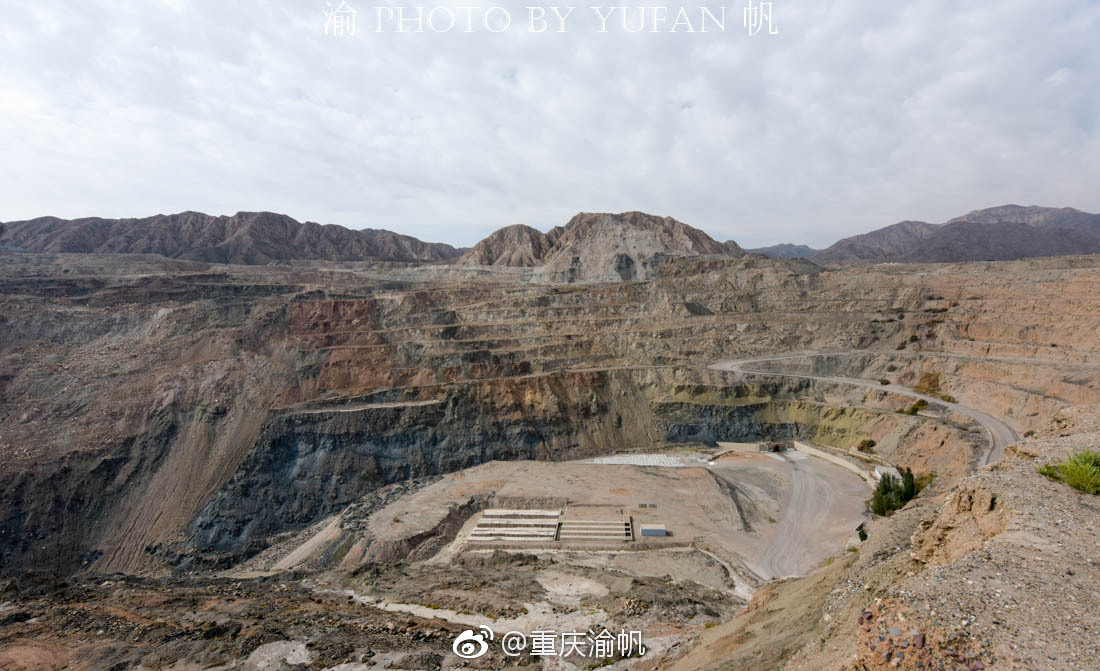
The city's mining history reached its peak in the 1950s and 1960s when Baiyin became known as the "Copper City" of China, supplying essential resources for the nation's industrialization. Large copper mines and smelters drove rapid urban growth as workers migrated from across the country. In recent decades, the city has been transitioning from a resource-based economy to a more diversified one centered on tourism, agriculture, and manufacturing.

Beyond its geological and industrial heritage, Baiyin is home to ancient sections of the Great Wall scattered across its mountainous terrain. The Shouyang Mountain National Forest Park and Taitong Mountain offer excellent hiking and natural scenery. The city's location on the Yellow River provides unique opportunities for river rafting and scenic boat tours through dramatic canyon landscapes.

Today, Baiyin is working to balance its industrial legacy with environmental restoration and tourism development, making it an increasingly attractive destination for travelers interested in China's industrial history, geological wonders, and the culture of the upper Yellow River region.

History & Development

Baiyin's history is deeply intertwined with mining. The area has been mined for silver and copper since the Ming Dynasty (1368-1644 AD), and the name "Baiyin" (white silver) reflects this centuries-old mining tradition.

Large-scale industrial mining began in the 1950s when the newly established People's Republic of China launched the Baiyin Copper Mine, one of the country's first major copper mining operations. At its peak, the mine produced a significant portion of China's copper output, and the city grew rapidly as workers and their families moved here from across the nation.

The Baiyin Mining District was formally established in 1956, and the city developed into a major industrial center on the upper Yellow River. The smelters and processing plants that lined the riverbanks became symbols of China's industrial ambition during the early socialist period.

However, by the 1990s, many surface mines had become depleted, and the city faced significant economic challenges. The environmental impact of decades of mining—including deforestation, soil erosion, and water pollution—became a major concern. The government launched extensive remediation and reforestation programs.

In 2000, Baiyin was designated as a resource-exhausted city by the State Council, triggering policies to support economic diversification. Since then, the city has invested heavily in tourism infrastructure, particularly around the Yellow River Stone Forest, and in developing its agricultural and manufacturing sectors. The transformation from "Copper City" to a diversified regional center represents one of the more notable stories of industrial transition in modern China.

Economy & Industries

Baiyin's economy has undergone a profound transformation from its historical dependence on copper and silver mining. Today, the city is diversifying into tourism, agriculture, and light manufacturing, though the legacy of mining remains visible in both the landscape and the local economy.

Tourism is the fastest-growing sector, anchored by the Yellow River Stone Forest UNESCO Global Geopark. This spectacular geological attraction draws hundreds of thousands of domestic visitors annually, and the local government is investing in international marketing to attract overseas travelers. Supporting tourism infrastructure includes new hotels, improved roads, and visitor facilities.

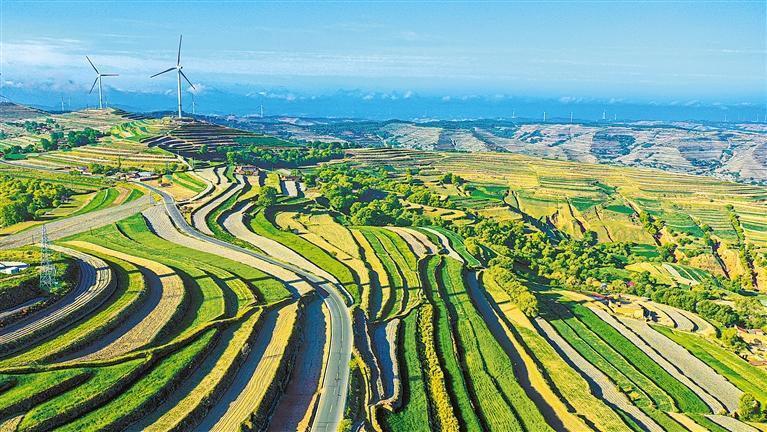
Agriculture benefits significantly from Yellow River irrigation. The fertile river valley produces vegetables, melons, grains, and the famous Dajie Xing apricots, which are highly prized within Gansu for their size and sweetness. Greenhouse agriculture has expanded rapidly, allowing year-round vegetable production for markets across northwest China.

Light manufacturing includes food processing, building materials, non-ferrous metal processing (leveraging existing expertise), and machinery. The Baiyin High-tech Industrial Development Zone hosts a growing number of enterprises.

The city's location on the Lanzhou-Baotou Railway provides important transportation links. Baiyin's GDP is approximately 52 billion yuan, with steady growth driven by tourism and agricultural modernization. Challenges include attracting investment, managing water resources in this arid region, and continuing environmental remediation from the mining era.

Top Attractions

🏛️ Landmark

Yellow River Stone Forest

A UNESCO Global Geopark featuring spectacular stone pillar formations carved by wind and water over millions of years. The towering yellow-hued stone forest rises dramatically from the Yellow River valley, creating an otherworldly landscape. Visitors can explore the formations on foot, by horse-drawn cart, or through a scenic rafting trip along the Yellow River. The site covers approximately 50 square kilometers and has been featured in numerous Chinese films for its dramatic scenery.

★★★★ 4.8
🕐 8:00 AM-6:00 PM
🎫 80 yuan
🌳 Park

Baiyin Gold Park

The largest urban park in Baiyin, featuring a beautiful artificial lake, traditional Chinese pavilions, tree-lined walking paths, and vibrant flower gardens. The park is named for its goldfish-shaped lake and serves as the city's main recreational space where locals practice tai chi, fly kites, and enjoy leisurely strolls. A peaceful escape from the surrounding industrial landscape.

★★★★ 4.2
🕐 Open all day
🎫 Free
🏔️ Nature

Shouyang Mountain

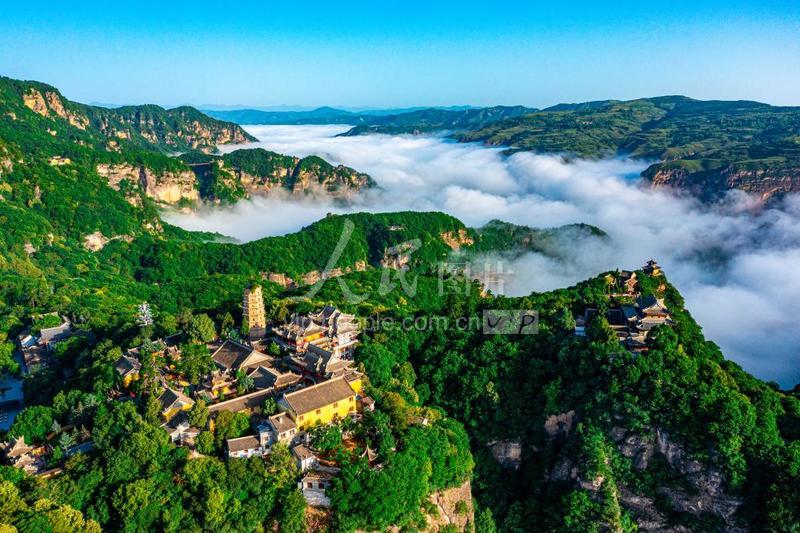
A scenic forested mountain area with elevations reaching over 3,000 meters. Shouyang Mountain is known for its dense pine forests, diverse wildlife including deer and pheasants, and panoramic views of the surrounding Gansu landscape. The mountain offers several hiking trails of varying difficulty and is especially beautiful in autumn when the foliage turns vibrant colors.

★★★★ 4.4
🕐 8:00 AM-5:00 PM
🎫 30 yuan
⛩️ Temple

Taitong Mountain

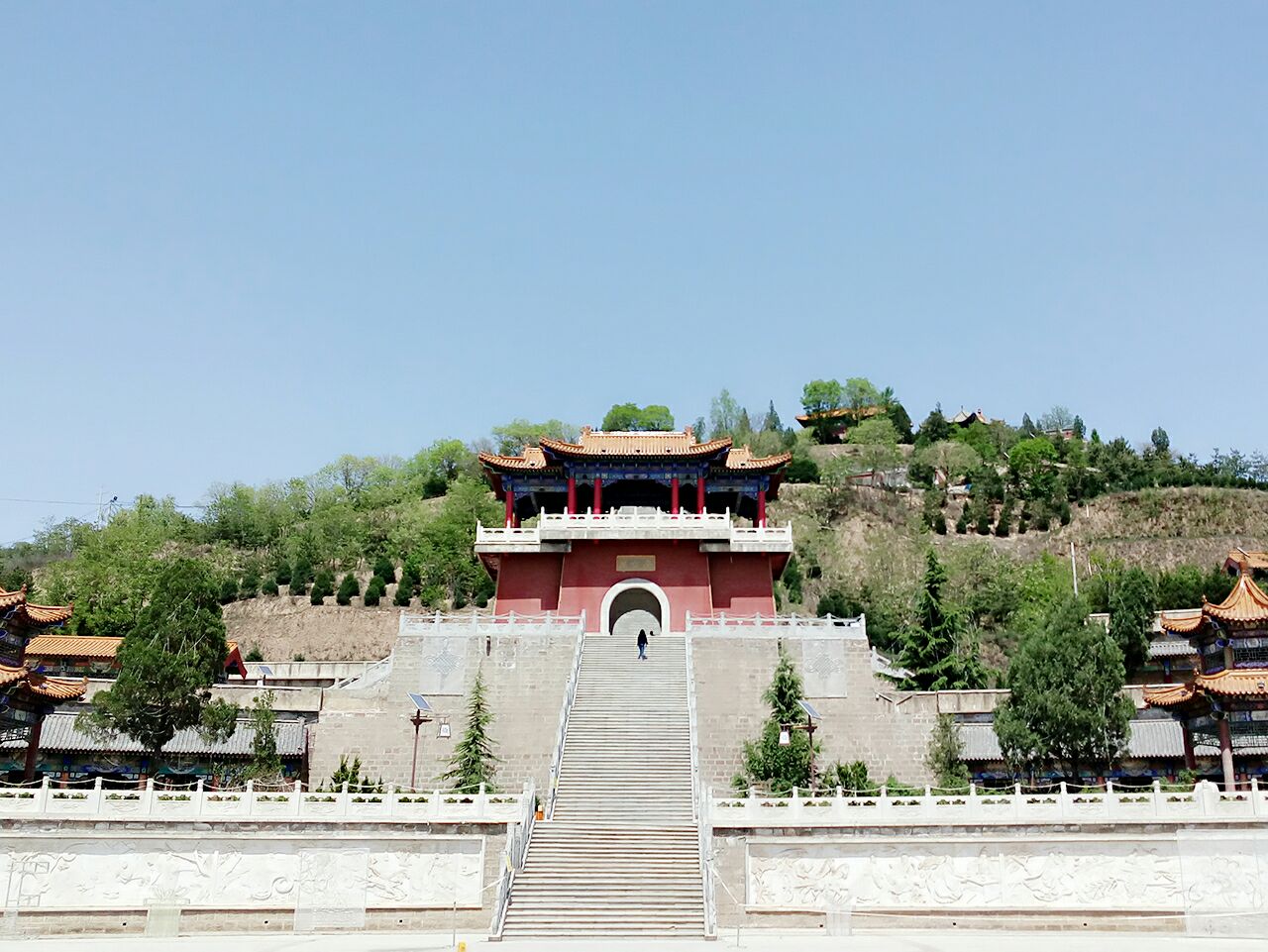
A distinctive mountain known for its iron-rich red rock formations and ancient Taoist temple perched on the summit. The mountain gets its name from the iron (tie) and wood (mu) resources historically found here. The temple complex dates back to the Ming Dynasty and features traditional architecture with intricately carved stone tablets and ancient cypress trees. Pilgrims visit year-round to pay respects.

★★★★ 4.3
🕐 8:00 AM-5:00 PM
🎫 20 yuan
⛩️ Temple

Wofo Temple

A serene Buddhist temple housing an impressive reclining Buddha statue, after which the temple is named. The temple sits on a hillside overlooking the Yellow River valley, offering peaceful gardens, ancient prayer halls, and a chance to experience local Buddhist culture. The site has been an important religious center for centuries and continues to serve the local community.

★★★★ 4.2
🕐 8:00 AM-5:30 PM
🎫 15 yuan
🏔️ Nature

Yellow River Rafting Area

A scenic stretch of the Yellow River offering exciting rafting experiences through dramatic gorges and canyons. The river here flows with a mix of gentle currents and mild rapids, suitable for both beginners and experienced rafters. The rafting route passes by the Yellow River Stone Forest, providing unique views of the stone pillars from the water. Available seasonally during summer and early autumn.

★★★★ 4.1
🕐 8:30 AM-5:00 PM (Seasonal)
🎫 60 yuan

Food & Culture

Discover the culinary treasures of Baiyin, from traditional street food to imperial cuisine.

Things to Do

🏛️

Yellow River Stone Forest Tour

Explore the otherworldly stone pillar formations of this UNESCO Global Geopark by foot, horse cart, or river raft.

Mining Heritage Discovery

Visit the historic Baiyin mining sites and learn about the city's transformation from China's "Copper City" to a diversified economy.

Mountain Hiking

Hike through Shouyang Mountain's pine forests or explore the red rock formations of Taitong Mountain.

Yellow River Rafting

Experience the thrill of rafting on the upper Yellow River through dramatic gorges and past the Stone Forest.

🍴

Local Food Tour

Sample Baiyin's signature lamb roujiamo, Yellow River carp, and sweet local apricots.

Suggested Itineraries

Baiyin Stone Forest Day Trip

Explore the spectacular Yellow River Stone Forest and enjoy a rafting trip on the Yellow River in a single day.

  • Yellow River Stone Forest
  • Yellow River Rafting
  • Local cuisine

Baiyin Culture & Nature

Combine Baiyin's geological wonders with its cultural and mountain attractions for a comprehensive experience.

  • Yellow River Stone Forest
  • Shouyang Mountain
  • Wofo Temple
  • Mining heritage sites

Getting Around

✈️

Airport

Lanzhou Zhongchuan Airport (LHW) — about 80 km, 1.5 hours by car

🚄

High-Speed Rail

Baiyin Railway Station connects to Lanzhou (1.5 hours) and other cities via the Lanzhou-Baotou railway

🚇

Metro

No metro

Best Time to Visit

Spring (April-May) and Autumn (September-October) offer the best weather for most destinations in China.

Continue Exploring China

Discover more cities, food guides, and travel inspiration.