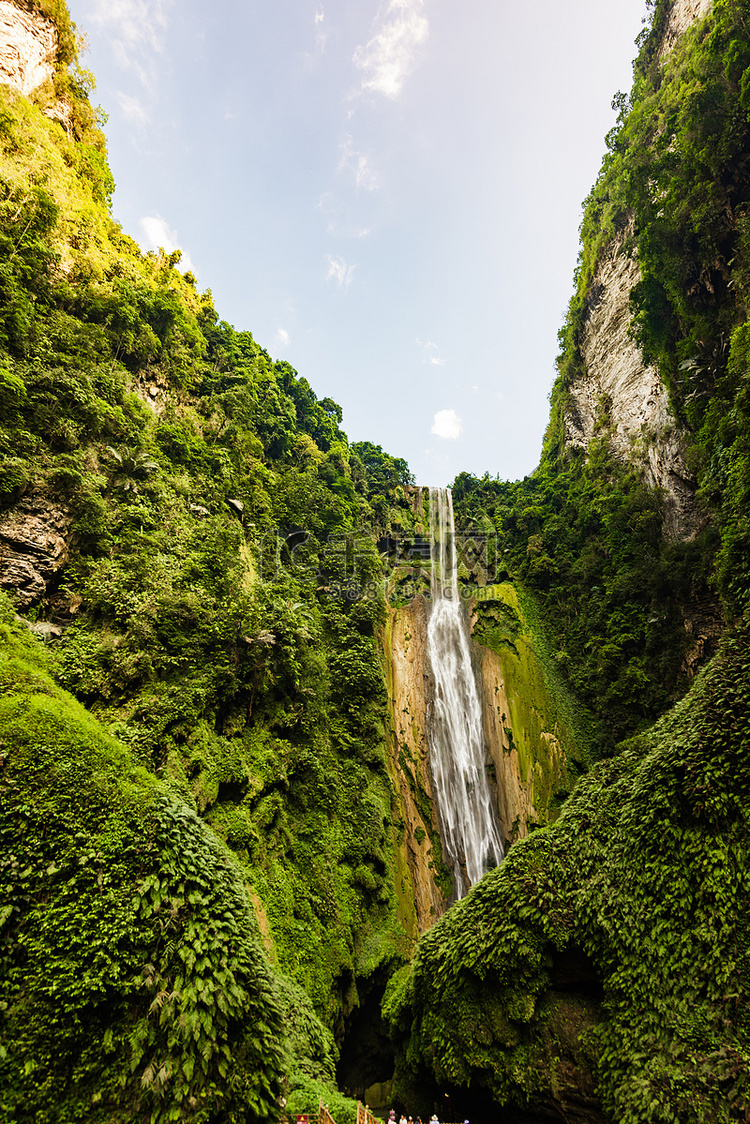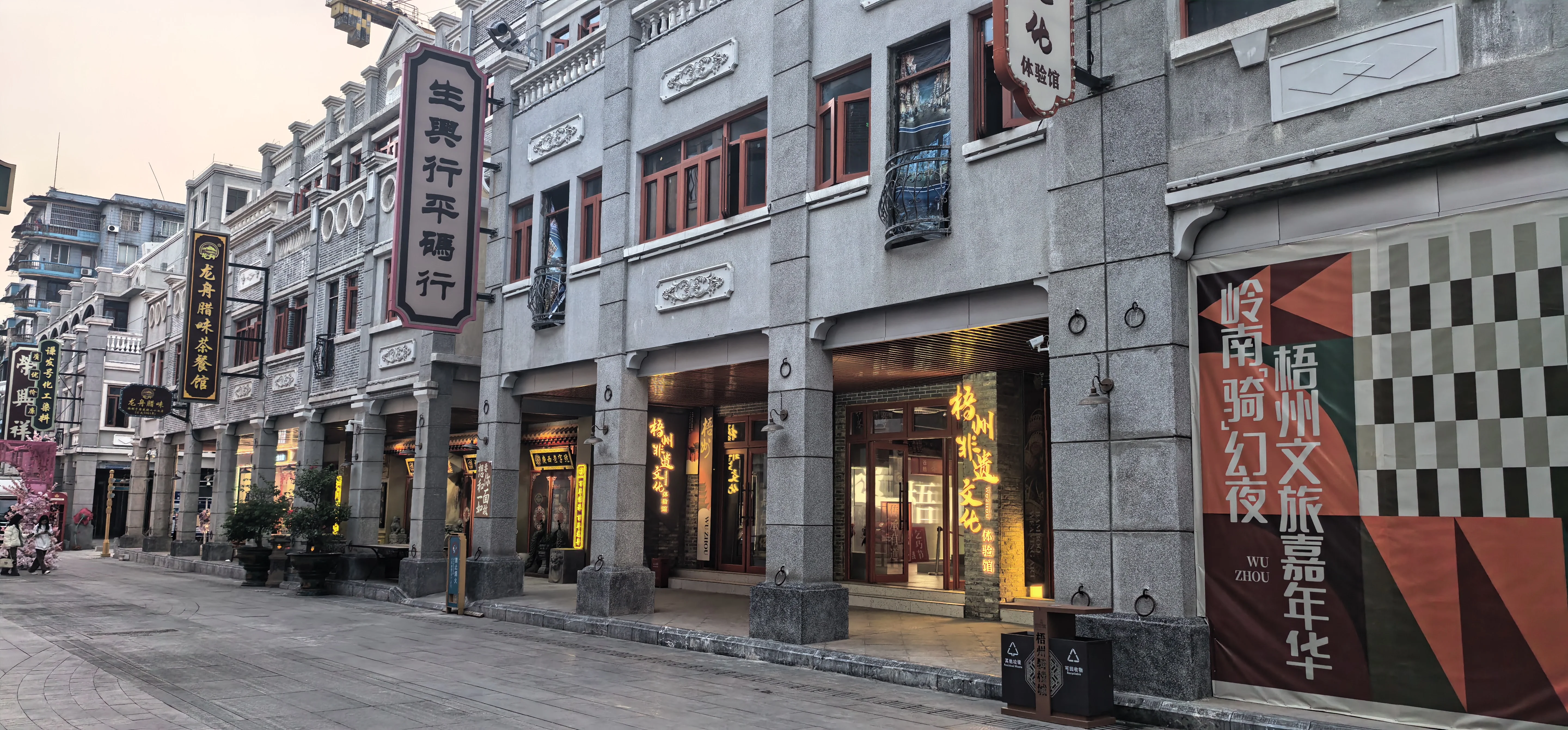
Hechi city skyline and landmarks (河池) - Travel China Guide

Hechi Travel Guide

Home to the world-famous Bama Longevity Village and the spectacular Qibainong National Geopark's karst peak cluster landscape.

About

Hechi is a prefecture-level city in the northern part of the Guangxi Zhuang Autonomous Region, bordering Guizhou Province to the north. The city is the political, economic, and cultural center of northern Guangxi, and is known throughout China and the world for two remarkable things: the Bama Longevity Village and the breathtaking Qibainong National Geopark.

Bama, a county under Hechi's administration, is one of the world's five recognized "Blue Zones" — regions where people live extraordinarily long, healthy lives. Scientists have studied Bama's centenarians extensively, attributing their longevity to a combination of clean air, mineral-rich water, alkaline soil, a simple plant-based diet, and an active, low-stress lifestyle. The area has become a destination for health-seekers from around the world, who come to experience the "Bama way of life."

Qibainong National Geopark presents a landscape of almost surreal beauty — thousands of towering karst peaks rise from the valley floor like giant stone fingers reaching for the sky. This is one of China's most spectacular karst landscapes, yet it remains relatively unknown to international tourists.

Hechi is also the legendary home of Liu Sanjie (Third Sister Liu), the most beloved folk singer in Zhuang culture. The city of Yizhou, where her story is centered, celebrates this heritage with performances, festivals, and the beautiful riverside landscapes where she is said to have sung.

The cuisine of Hechi is distinctive, with the Bama fragrant pig being the region's most famous delicacy, prized for its exceptionally tender and flavorful meat.

History & Development

The Hechi region has been inhabited since prehistoric times, with archaeological discoveries indicating human activity dating back over 10,000 years. The Zhuang and Yao peoples are the original inhabitants of the region.

During the Tang Dynasty (618-907 AD), the area was organized into prefectures under the governance of the central Chinese empire. The region was known for its strategic importance as a gateway between Guangxi and Guizhou.

The legend of Liu Sanjie (Third Sister Liu), which originated in Yizhou during the Tang Dynasty, became one of the most cherished folk tales of the Zhuang people. Her story of musical talent, wit, and resistance against oppression has been passed down through generations and was immortalized in a beloved 1960 Chinese film.

During the Ming and Qing dynasties, the region saw significant Han Chinese migration and agricultural development. The terraced fields in the mountainous areas date from this period.

In the 20th century, Hechi developed as an industrial center, particularly in the mining and non-ferrous metal sectors. The city was formally established as a prefecture-level city in 2002.

In recent decades, Bama has gained international fame as a longevity hotspot, attracting scientists, media, and wellness tourists from around the world. This has transformed the local economy and put Hechi on the global map.

Economy & Industries

Hechi's economy is based on a mix of mining, agriculture, and tourism. The city is rich in mineral resources, particularly non-ferrous metals including antimony, tin, lead, and zinc. Hechi is known as the "Tin Capital of China" — the Dachang mining area in Nandan County is one of the world's largest tin-producing regions.

Agriculture is important in rural areas, with key products including sugarcane, tobacco, tea, and various fruits. The famous Bama fragrant pig is an important agricultural specialty with growing commercial value.

Tourism has become increasingly significant to Hechi's economy. Bama's international reputation as a longevity destination draws hundreds of thousands of visitors annually, including a substantial number of international wellness tourists. Qibainong National Geopark and Yizhou's Liu Sanjie cultural attractions contribute to a growing tourism sector.

The local government has invested heavily in infrastructure, including improved highways, the Hechi-Jinchengjiang Airport expansion, and tourism facilities, to support economic diversification beyond the traditional mining sector.

Top Attractions

🏔️ Nature

Bama Longevity Village

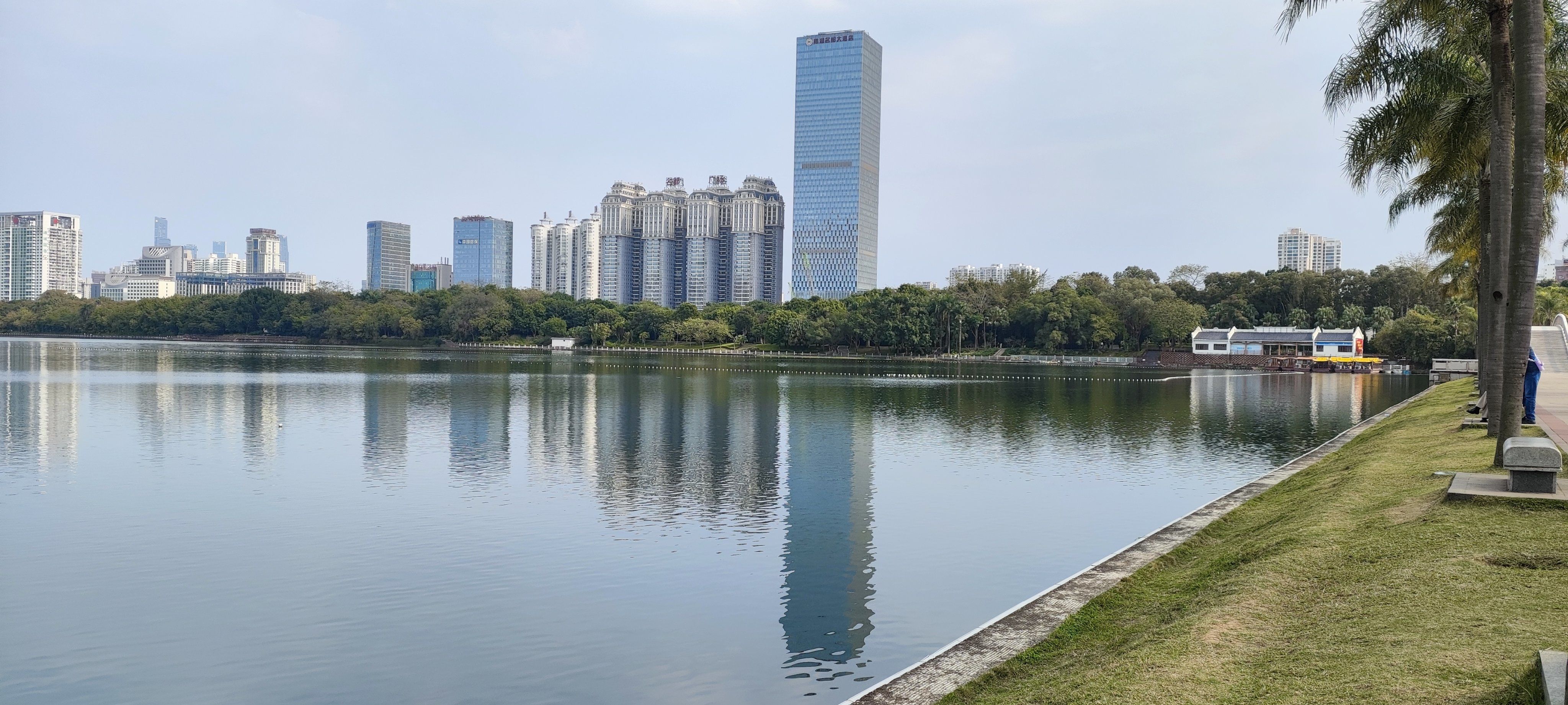
Bama Longevity Village (Bama Yao Autonomous County) is one of only five recognized longevity hotspots in the world, alongside regions in Georgia, Pakistan, Ecuador, and Sardinia. The area has an extraordinary concentration of centenarians — approximately 30 per 100,000 people, far exceeding the global average. Visitors come from around the world to study the local lifestyle, diet, and environment that contribute to longevity. Key attractions include the Baimao Cave (a massive karst cave with geological formations), the Panyang River (known for its mineral-rich waters), and the Changshou (Longevity) Village where visitors can meet and learn from local centenarians. The area's natural environment — clean air, mineral water, and alkaline soil — is believed to be the key to the locals' remarkable health.
★★★★ 4.7
🕐 08:00-17:30
🎫 80 yuan (Baimao Cave)
🏔️ Nature

Qibainong National Geopark

Qibainong National Geopark is a breathtaking landscape of towering karst peak clusters that rise dramatically from the valley floor. The name "Qibainong" means "Seven Hundred Valleys" in the local Zhuang language, referring to the countless depressions (nong) between the peaks. Covering 323 square kilometers, the geopark features over 5,000 individual peaks with an average height of 500-800 meters. The most spectacular viewpoint is at the "Thousand Peaks Viewing Platform," where visitors can see an endless sea of karst peaks stretching to the horizon. The park is also home to the Yao ethnic minority, who have cultivated terraced fields on the steep mountain slopes for centuries.

★★★★ 4.8
🕐 08:00-18:00
🎫 90 yuan
🏛️ Landmark

Yizhou Liu Sanjie Cultural Park

Yizhou District is the legendary hometown of Liu Sanjie ("Third Sister Liu"), the most famous folk singer in Zhuang culture. The Liu Sanjie Cultural Park is a riverside complex dedicated to her legacy, featuring a large bronze statue of Liu Sanjie, traditional Zhuang performance venues, and exhibition halls showcasing Zhuang music and dance. Visitors can watch live performances of Zhuang folk songs (known as "mountain songs"), participate in traditional dance, and take bamboo raft rides on the Longjiang River where Liu Sanjie was said to have sung from. The park comes alive during the annual San Yue San festival when Zhuang people from across Guangxi gather to sing.

★★★★ 4.5
🕐 08:00-18:00
🎫 60 yuan
🏔️ Nature

Baimao Cave (Hundred Demons Cave)

Baimao Cave is a massive karst cave system in Bama County that is one of the area's most popular attractions. The cave is over 4 kilometers long and features enormous chambers, towering stalactites and stalagmites, and underground rivers. What makes Baimao Cave unique is its reputation for "negative ion therapy" — the air inside the cave has exceptionally high concentrations of negative oxygen ions, believed to have health benefits. Many longevity-seeking visitors spend hours sitting inside the cave breathing the air. The cave also has a unique skylight opening where sunlight streams in, creating dramatic light effects.

★★★★ 4.6
🕐 08:00-17:30
🎫 80 yuan
🏔️ Nature

Panyang River

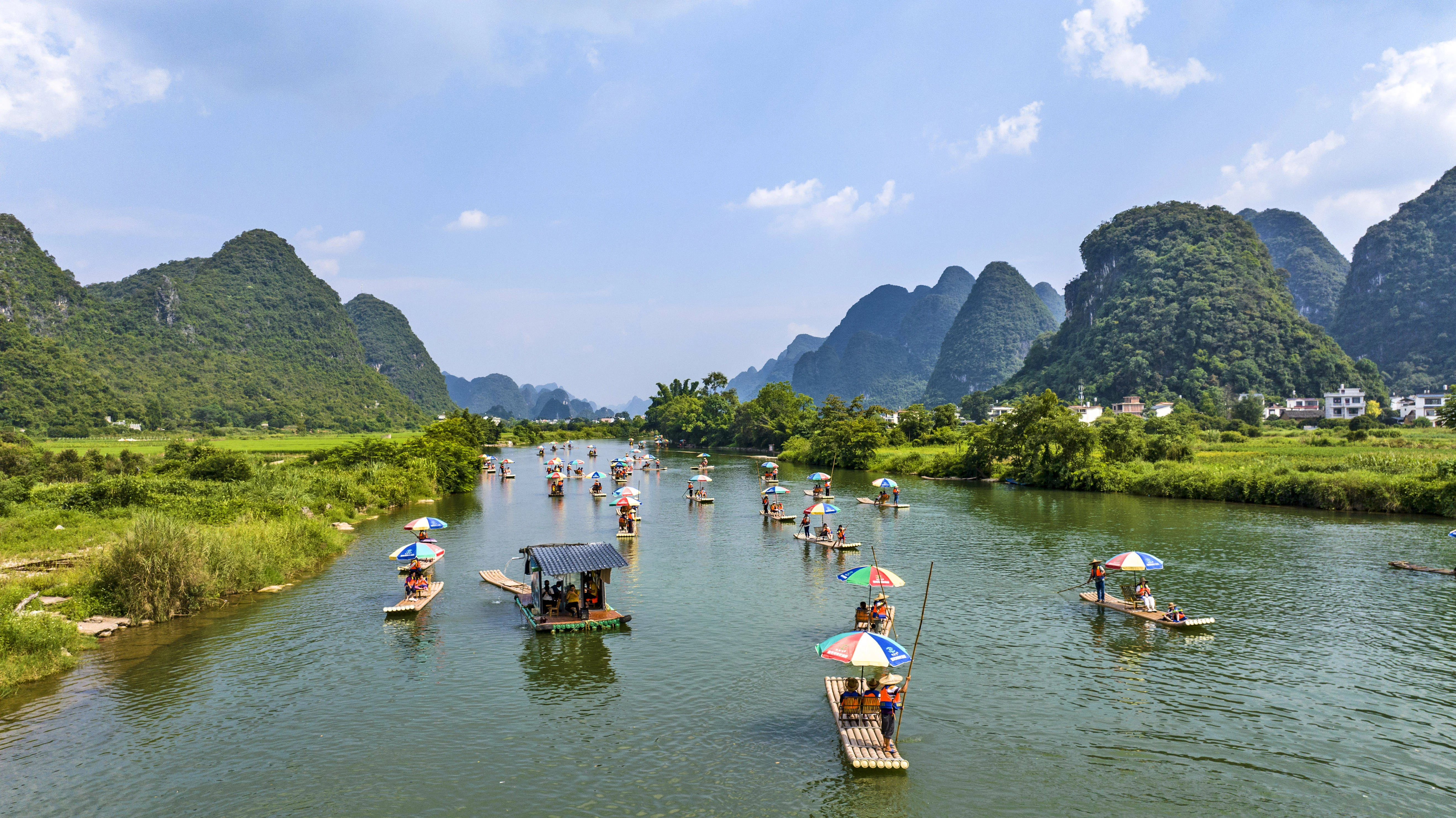
The Panyang River flows through the heart of Bama County, its emerald-green waters winding between karst peaks and rural villages. The river is the lifeline of the Bama longevity region — its mineral-rich waters are believed to be one of the key factors in local longevity. Visitors can take bamboo raft rides along the river, swim in designated areas, and walk along the riverside paths. The river is particularly beautiful in the early morning when mist rises from the water surface, creating a dreamy, ethereal landscape.

★★★★ 4.5
🕐 Open all day
🎫 Free (bamboo raft 50-80 yuan)
🏔️ Nature

Jiuwan Mountain Grand Canyon

Jiuwan Mountain National Nature Reserve is a vast protected area on the border of Guangxi and Guizhou covering 252 square kilometers. It features well-preserved subtropical evergreen broadleaf forests, deep gorges, waterfalls, and diverse wildlife including clouded leopards, black bears, and various primate species. The reserve has several hiking trails that take visitors through different forest ecosystems, past ancient trees, and to scenic viewpoints overlooking the surrounding mountains. It is an excellent destination for eco-tourists and nature enthusiasts.

★★★★ 4.4
🕐 08:00-17:00
🎫 50 yuan

Food & Culture

Discover the culinary treasures of Hechi, from traditional street food to imperial cuisine.

Things to Do

Meet Bama Centenarians

Visit the longevity village in Bama and learn the secrets of healthy aging from local centenarians.

🏛️

Qibainong Peak Viewing

Climb to the Thousand Peaks Viewing Platform for an unforgettable panorama of karst peak clusters.

Watch Zhuang Folk Performances

Experience traditional Zhuang folk singing and dancing at the Liu Sanjie Cultural Park in Yizhou.

Baimao Cave Therapy

Sit in the negative ion-rich air of Baimao Cave and experience what draws health-seekers from around the world.

Panyang River Bamboo Rafting

Drift along the emerald Panyang River through karst landscapes and rural Bama villages.

Explore Yao Mountain Villages

Hike through the terraced fields and Yao ethnic villages within Qibainong Geopark.

Suggested Itineraries

Hechi Longevity & Nature Tour (3 Days)

Explore the three pillars of Hechi's appeal — longevity culture, karst landscapes, and Zhuang heritage.

  • Day 1: Bama — Baimao Cave, Panyang River, longevity village visit
  • Day 2: Qibainong National Geopark — peak viewing platform, Yao village hike
  • Day 3: Yizhou — Liu Sanjie Cultural Park, Longjiang River bamboo raft
  • Optional: Bama fragrant pig tasting

Bama Wellness Retreat (2 Days)

A dedicated wellness-focused itinerary for those seeking to experience Bama's famous longevity lifestyle.

  • Day 1: Baimao Cave + Panyang River + evening at a longevity village homestay
  • Day 2: Crystal Palace Cave + Bama fragrant pig lunch + herbal medicine market
  • Focus: Wellness, healthy eating, and nature immersion

Getting Around

✈️

Airport

Hechi Jinchengjiang Airport has flights to Guangzhou, Chongqing, and Nanning.

🚄

High-Speed Rail

Hechi Station serves the Guiyang-Nanning High-Speed Railway, reaching Nanning in 1 hour and Guiyang in 1.5 hours.

🚌

Bus Network

Long-distance buses connect Hechi city to Bama, Yizhou, and other county towns. Local buses serve the urban area.

🚕

Taxi & Rideshare

Available throughout the city

Best Time to Visit

🌸

Spring

Mar - May

★★★★☆

Mild and pleasant (15-25°C) with increasing rainfall. The landscape is lush and flowers are in bloom. Excellent for hiking and outdoor activities.

  • Pleasant temperatures
  • Blooming flowers
  • Lush landscapes
☀️

Summer

Jun - Aug

★★★☆☆

Warm to hot (24-33°C) with high humidity and frequent rain. Best time for water activities and visiting the Panyang River.

  • Water activities
  • Lush vegetation
  • Bama peak season
🍂

Autumn

Sep - Nov

★★★★★

The best season — comfortable temperatures (15-28°C), lower humidity, and clear skies. Perfect for all attractions including Qibainong hiking.

  • Best weather
  • Clear skies
  • Ideal for hiking
❄️

Winter

Dec - Feb

★★★☆☆

Mild and dry (8-18°C) — the coolest time but still comfortable. Less rain means good conditions for sightseeing, though higher elevations can be chilly.

  • Dry weather
  • Fewer tourists
  • Good for sightseeing

Continue Exploring China

Discover more cities, food guides, and travel inspiration.