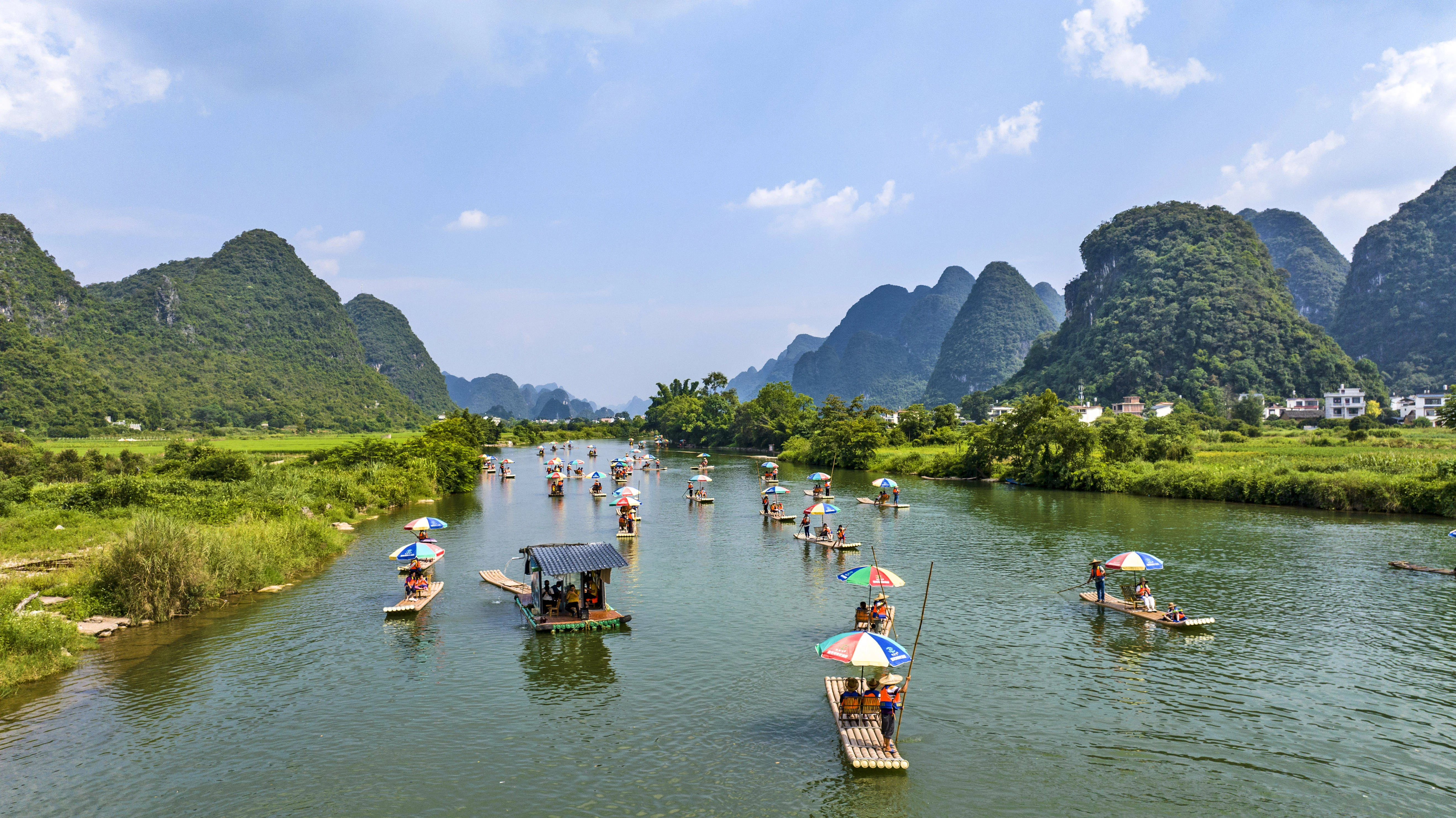
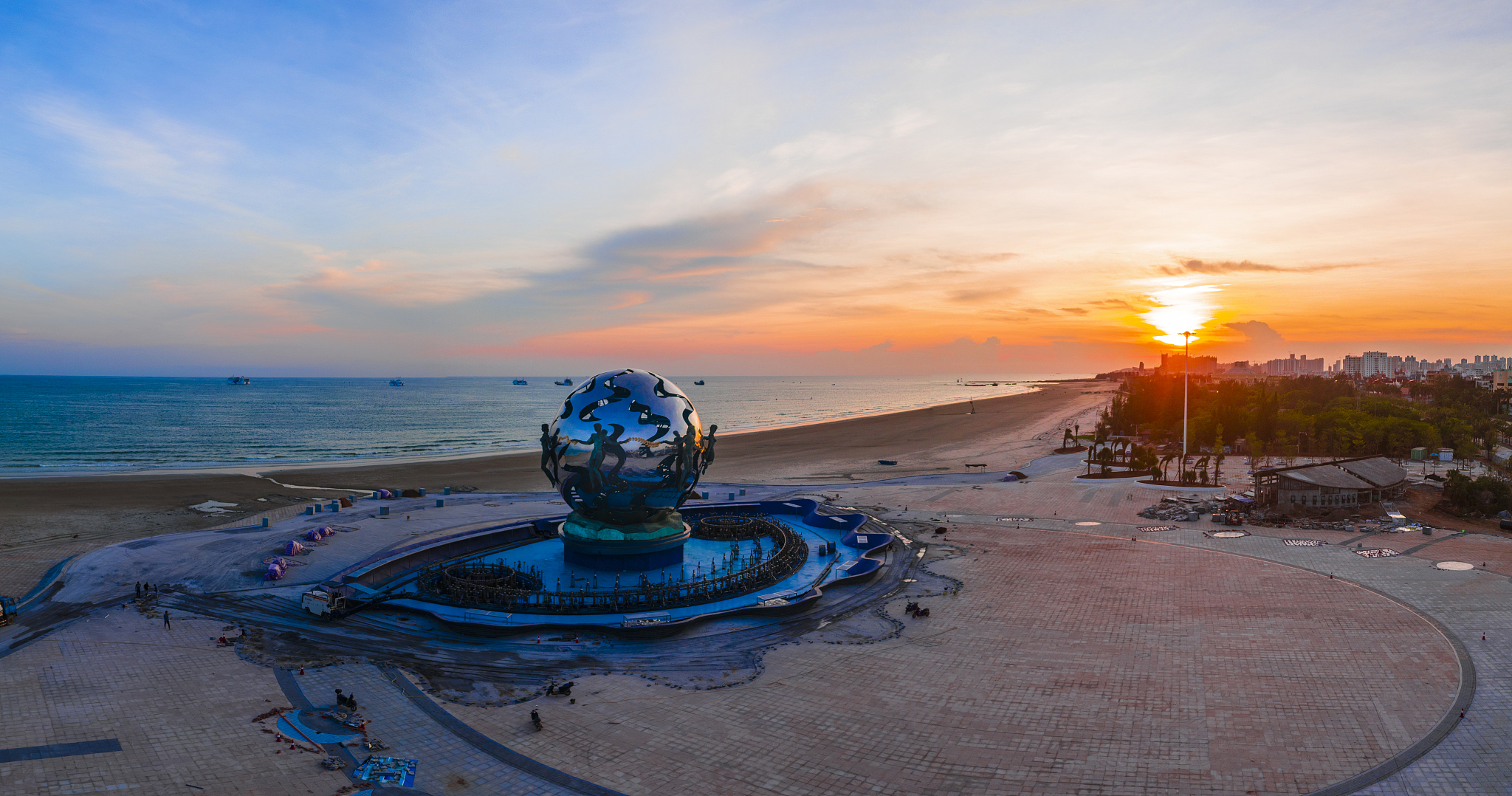
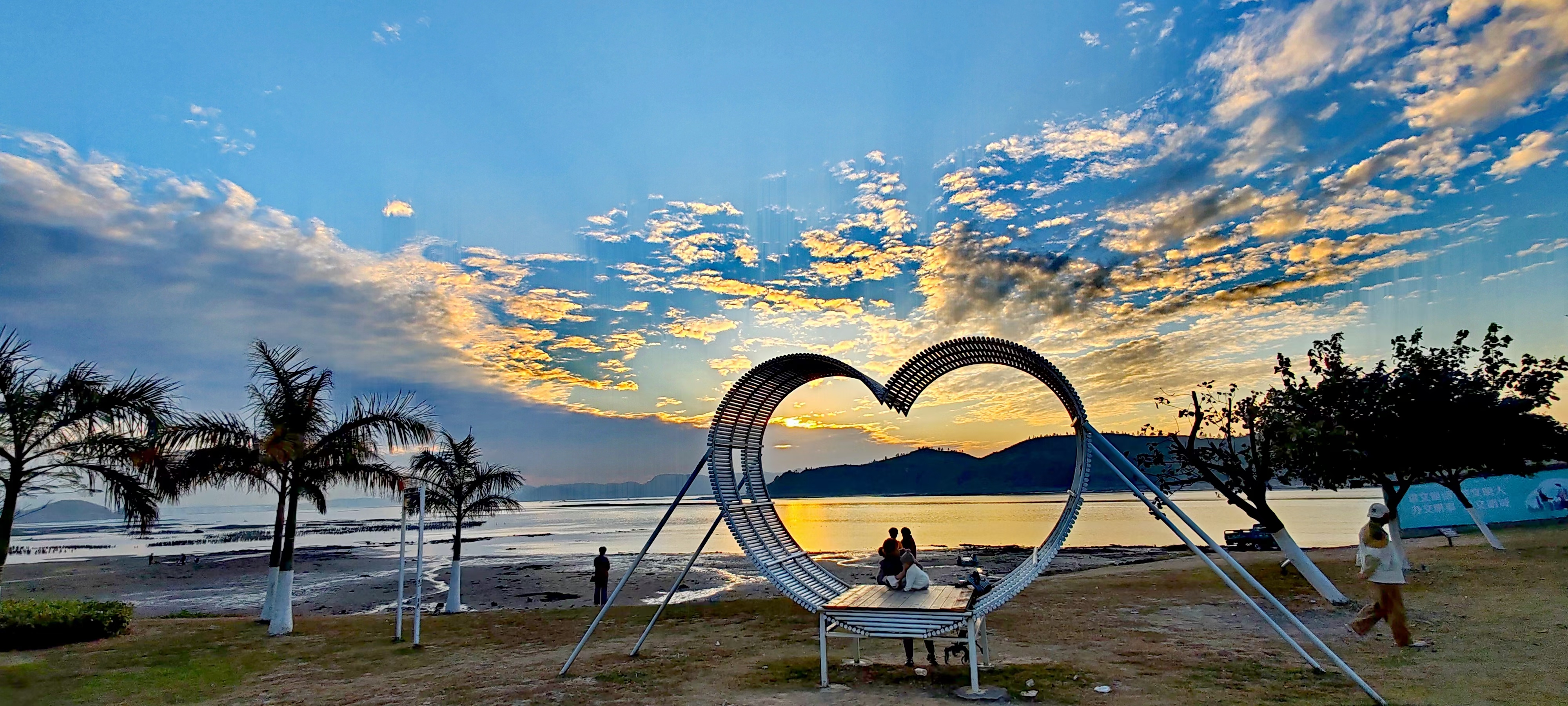
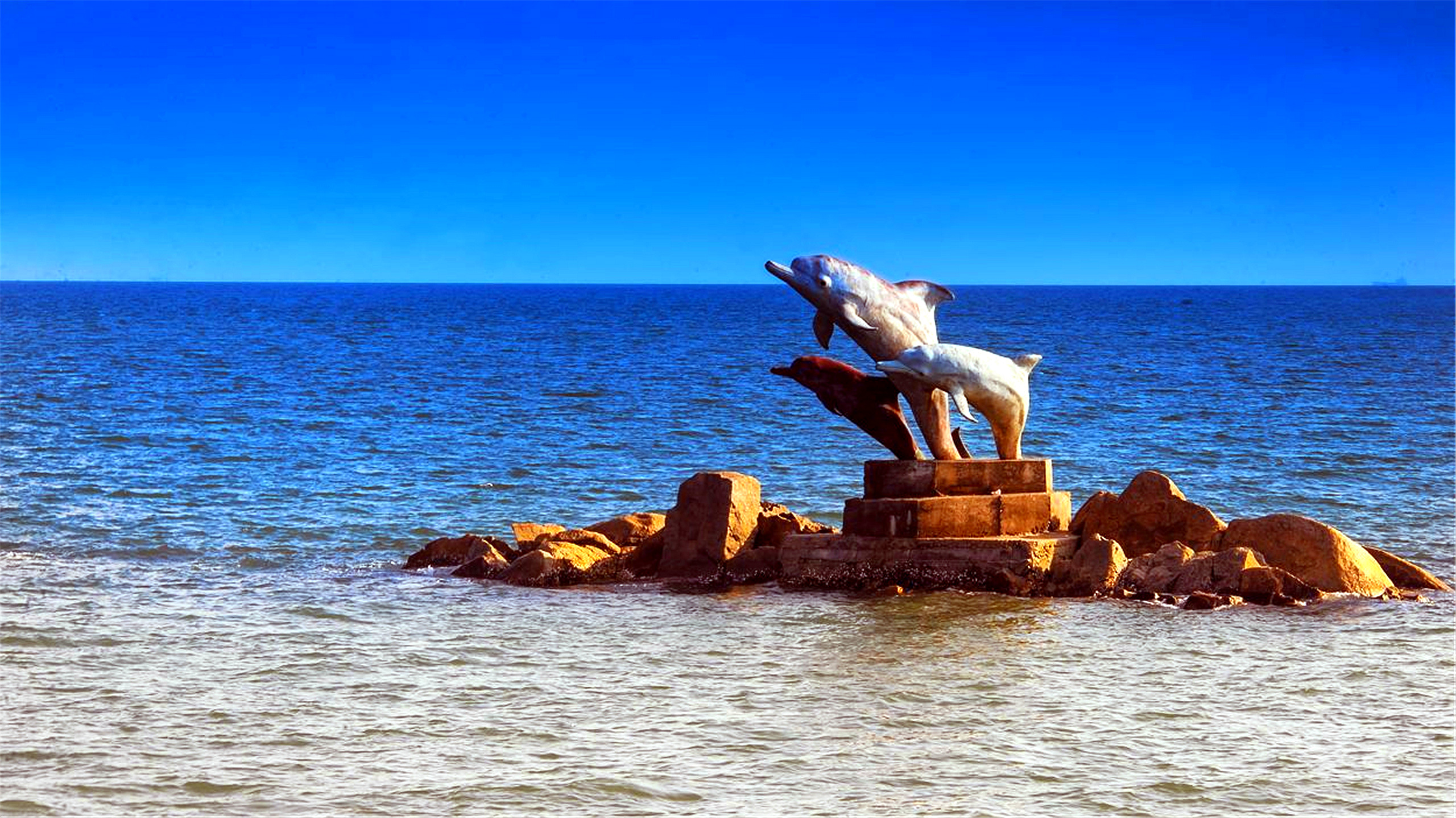
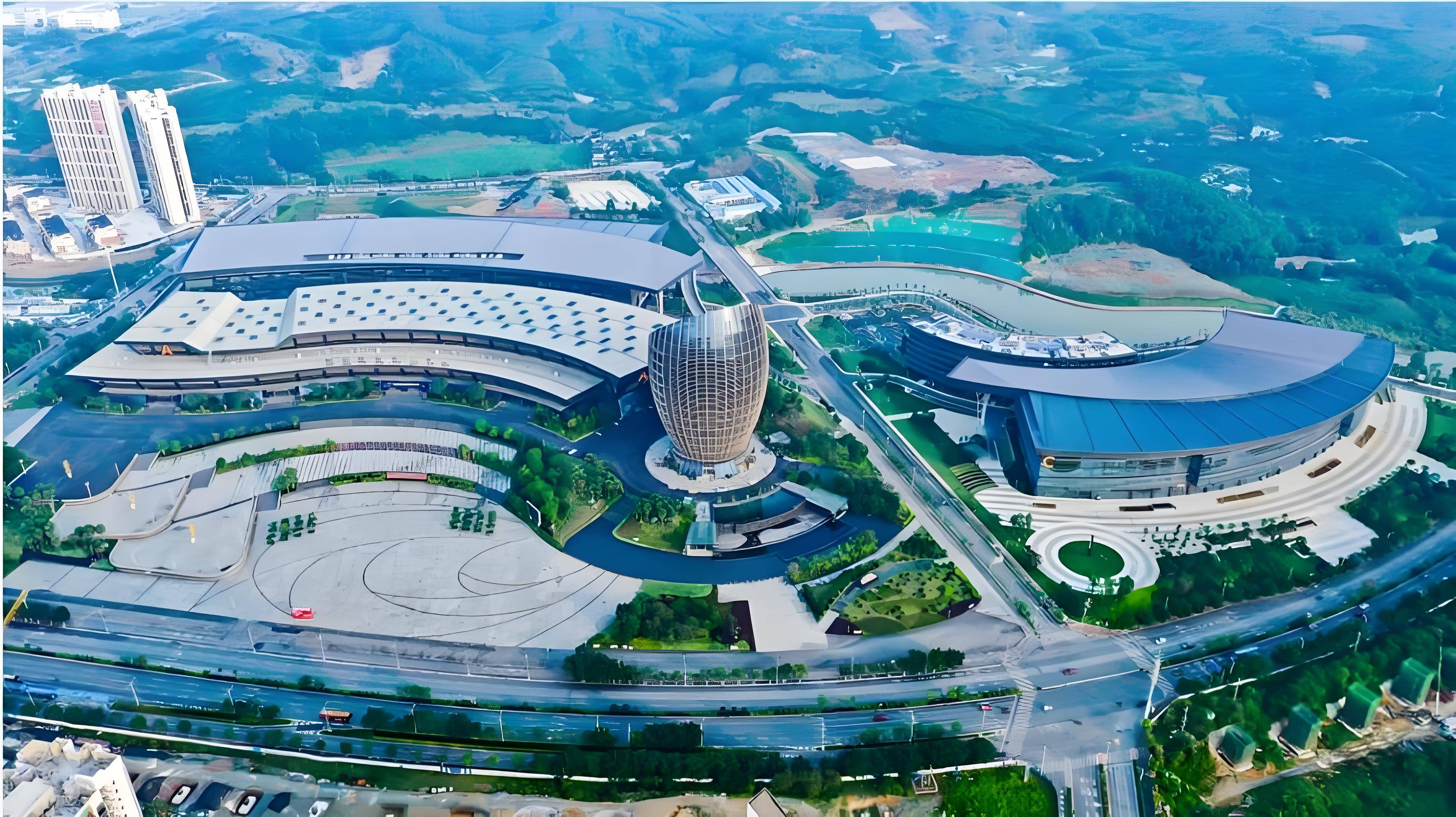
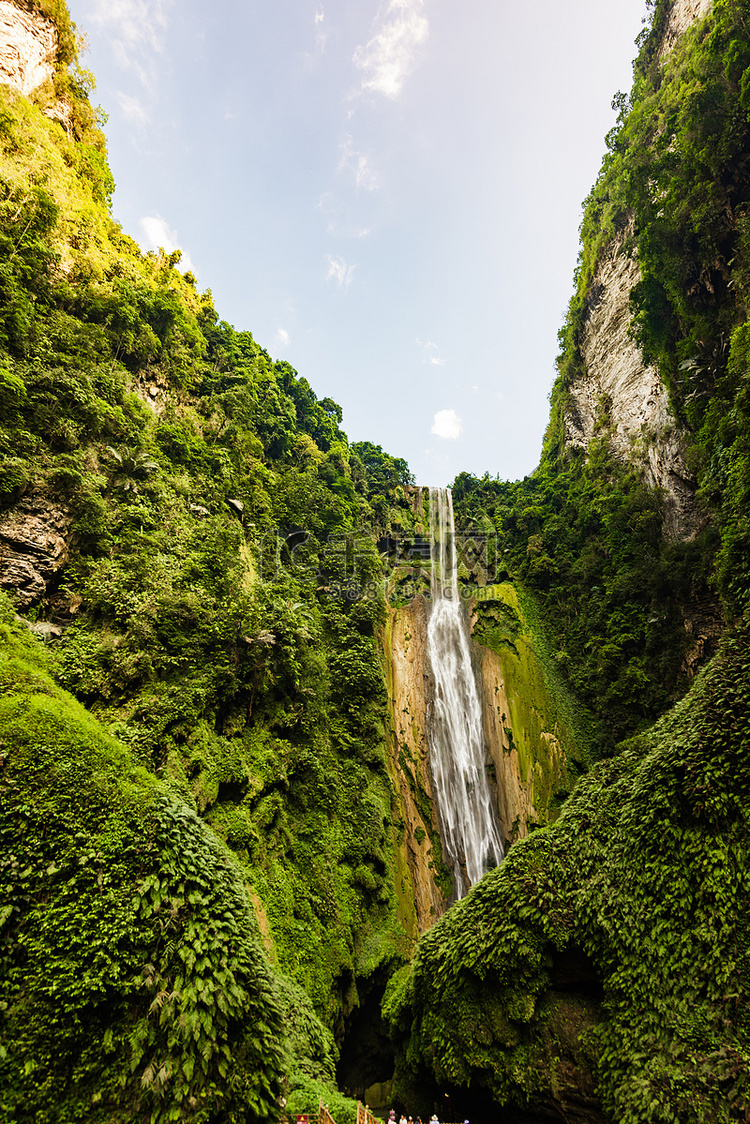
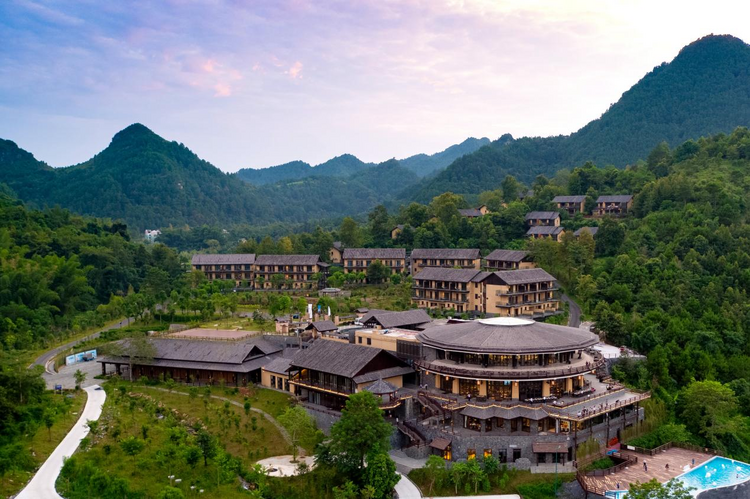
Wuzhou city skyline and landmarks (梧州) - Travel China Guide

Wuzhou Travel Guide

The "Gateway to Guangxi" on the Xi River, home to China's largest arcade building complex and the birthplace of Liubao aged tea.

🌡️ Climate Subtropical monsoon
📅 Best Time Autumn (Sep-Nov)

About

Wuzhou sits at the confluence of the Gui and Xi Rivers in eastern Guangxi, where it borders Guangdong province. This strategic position has made it a critical water transport hub for over 2,000 years, earning it the well-deserved nickname "Gateway to Guangxi." The city's Cantonese heritage is immediately evident — locals speak a Cantonese dialect, the cuisine rivals that of Guangzhou, and the streets are lined with qilou (arcade buildings) that would look at home in old Hong Kong.

The centerpiece of Wuzhou is its astonishing arcade building district — over 560 connected qilou stretching along the riverfront, making it the largest surviving collection of this architectural style in China. These elegant buildings, built in the early 20th century, blend Chinese decorative elements with Western neoclassical, Baroque, and Art Deco influences, creating a streetscape of remarkable architectural richness.

Wuzhou is also the birthplace of Liubao tea, a celebrated aged dark tea that has been produced in the nearby Cangwu County for over 1,500 years. The tea's unique production process — which involves pile-fermentation and long aging — creates a smooth, earthy flavor that has made it increasingly popular among tea connoisseurs worldwide. Visitors can trace the entire journey from leaf to cup at the Liubao Tea Cultural Park, where ancient tea trees still grow on misty mountain slopes.

👥
Population ~3.5 million
📐
Area ~12,588 km²
💬
Language Cantonese, Mandarin

History & Development

Wuzhou's recorded history spans over 2,200 years, dating to the Qin dynasty when the region was first incorporated into the Chinese empire. The city's position at the confluence of the Gui and Xi Rivers made it a natural center for water transport and trade, linking central China's Yangtze basin with the Pearl River Delta and the South China Sea.

During the Ming and Qing dynasties, Wuzhou flourished as a commercial port on the ancient Guangzhou-to-Guizhou trade route. The city's golden age began in 1897 when it became a treaty port open to foreign trade under the Qing government. This period saw an explosion of economic activity, the construction of the iconic arcade buildings, and the establishment of foreign banks, churches, and trading houses along the riverfront.

Wuzhou was also an important center of revolutionary activity. In the early 20th century, the city was a base for the Xinhai Revolution that overthrew the Qing dynasty. During the War of Resistance against Japan (1937-1945), Wuzhou was a key transport hub for supplies moving from the coast to China's interior. After 1949, the city's role evolved from treaty port to inland industrial and transportation center.

Economy & Industries

Wuzhou's economy has traditionally been centered on water transport, trade, and tea production. The Port of Wuzhou remains a significant inland port on the Xi River shipping route, connecting Guangxi's interior with Guangzhou, Hong Kong, and the Pearl River Delta. The city's location on the Xi River Economic Belt positions it as a key node in the regional logistics network.

The Liubao tea industry has experienced a remarkable revival since the early 2000s. Once a little-known regional specialty, Liubao tea has gained national and international recognition, with its unique aged flavor and health properties driving growing demand. The tea industry now supports thousands of farmers, processors, and retailers in the Cangwu County region.

Wuzhou is also recognized as one of China's major gemstone trading and processing centers, particularly for synthetic gemstones. The gemstone industry began in the 1980s and has grown to include thousands of workshops and trading companies. Other important industries include food processing (particularly preserved fruits and local delicacies), pharmaceuticals, machinery manufacturing, and electronics assembly. Tourism centered on the arcade buildings and Liubao tea culture is a growing sector.

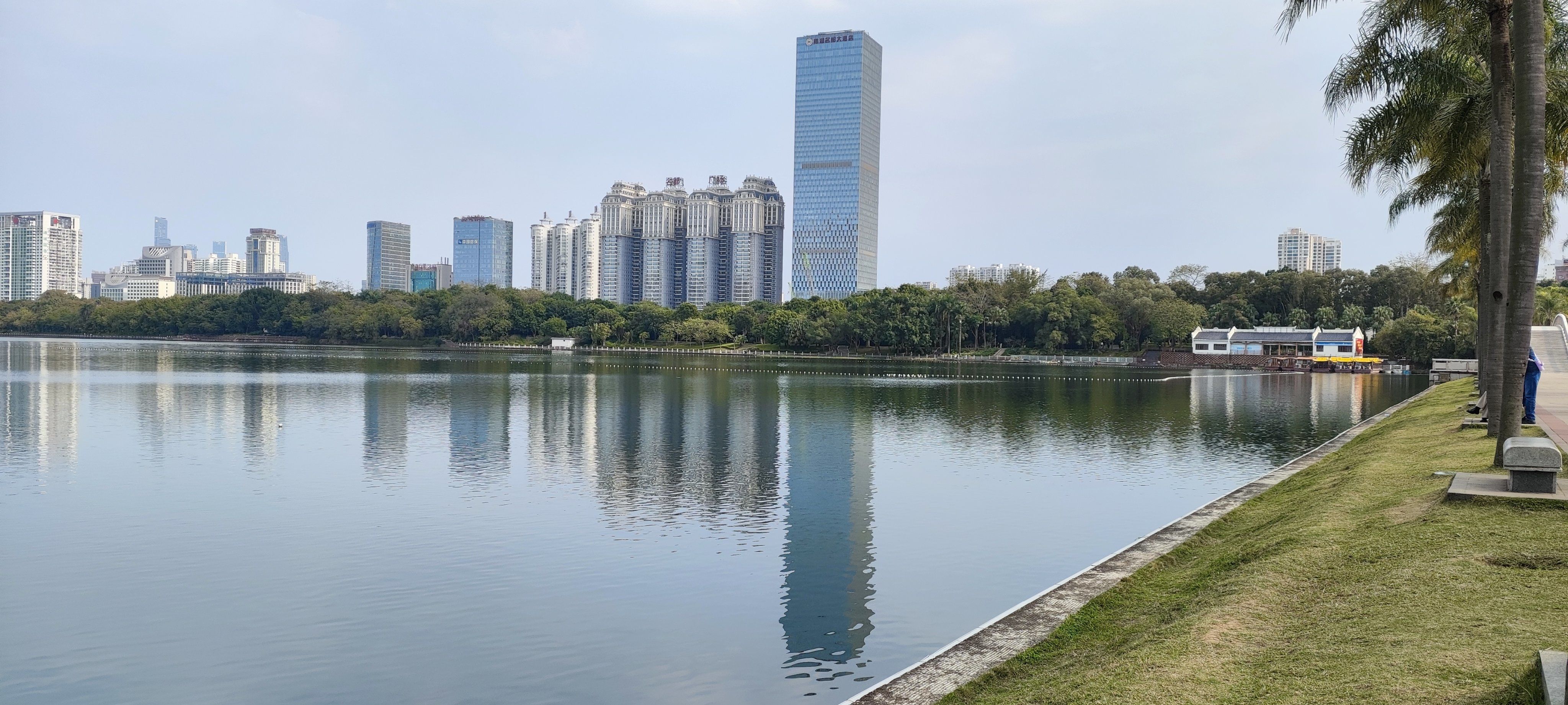
Top Attractions

🏛️ Landmark

Qilou Cheng Arcade Buildings

Wuzhou's arcade building district is the largest surviving group of qilou architecture in China, with over 560 connected buildings stretching along the riverfront. Built primarily in the early 20th century, these buildings combine Chinese elements with Western neoclassical, Baroque, and Art Deco influences. The covered walkways provide shade from the subtropical sun and shelter from rain, making them a pleasant area to explore on foot.

★★★★ 4.6
🕐 Open all day
🎫 Free
⛩️ Temple

Longmu Temple

One of the largest and most famous Dragon Mother temples in southern China, dedicated to the venerated figure of Longmu (Dragon Mother) who is believed to protect river travelers and fishermen. The temple complex sits on the banks of the Xi River, featuring ornate halls, intricate carvings, and a giant statue of the Dragon Mother. Annual festivals draw thousands of worshippers from Guangxi and Guangdong.

★★★★ 4.4
🕐 7:30 AM - 5:30 PM
🎫 30 yuan
🏔️ Nature

Sizhou Island

A picturesque fishing village island on the Xi River, accessible by ferry from Wuzhou. Sizhou Island offers a glimpse into traditional riverine life, with stilt houses, fishing boats, and ancient banyan trees lining the shore. The island is known for its fresh river fish restaurants and peaceful rural atmosphere, just minutes from the city center.

★★★★ 4.3
🕐 Ferry operates 6:00 AM - 8:00 PM
🎫 Free (ferry 3 yuan)
🏔️ Nature

Baiyun Mountain

The highest peak in Wuzhou city proper, offering panoramic views of the Xi River and the city below. The mountain is covered in lush subtropical forest and has a network of walking trails. At the summit, visitors can see the dramatic meeting point of the Gui and Xi Rivers, a key geographical landmark that made Wuzhou a strategic port city.

★★★★ 4.3
🕐 6:00 AM - 6:00 PM
🎫 Free
🎭 Museum

Wuzhou Museum

A modern museum that chronicles Wuzhou's 2,200-year history through archaeological artifacts, historical documents, and cultural exhibits. The museum has a special section dedicated to Liubao tea, tracing its origins, production techniques, and trade history along the ancient Tea Horse Road.

★★★★ 4.2
🕐 9:00 AM - 5:00 PM (closed Mon)
🎫 Free
🌳 Park

Liubao Tea Cultural Park

Located in Cangwu County, the birthplace of Liubao tea, this cultural park offers visitors a complete tea experience — touring ancient tea trees, observing traditional production methods, and tasting aged teas. Liubao tea is a post-fermented dark tea that improves with age, similar to Pu'er, with a distinctive earthy, smooth flavor.

★★★★ 4.3
🕐 8:30 AM - 5:30 PM
🎫 40 yuan
🏛️ Landmark

Yuanyang River Bridge

A historic bridge spanning the confluence of the Gui and Xi Rivers — the point where the two rivers meet is known as Yuanyangjiang (Mandarin Duck River). The bridge offers excellent views of the waterfront arcade buildings, especially when illuminated at night.

★★★★ 4.1
🕐 Open all day
🎫 Free

Food & Culture

Discover the culinary treasures of Wuzhou, from traditional street food to imperial cuisine.

Things to Do

🏛️

Arcade Building Walk

Explore over 560 connected arcade buildings along the riverfront, with their unique blend of Chinese and Western architectural styles. Best in early morning light.

Liubao Tea Tasting

Visit the Liubao Tea Cultural Park in Cangwu County to taste aged teas and learn about traditional production methods.

Xi River Night Cruise

Evening cruise to see the illuminated arcade buildings reflected in the river, with views of the converging Gui and Xi Rivers.

Cantonese Opera Experience

Wuzhou is one of the birthplaces of Cantonese opera. Catch a performance at the local theater or watch informal performances at the riverside parks.

Suggested Itineraries

Riverside Heritage

Day one: explore the arcade buildings and Longmu Temple. Evening: Xi River cruise. Day two: visit the Liubao Tea Cultural Park and Baiyun Mountain for panoramic views.

  • Arcade building district
  • Longmu Temple
  • Liubao Tea Cultural Park
  • Night river cruise

Tea and Island Escape

Day one: Liubao tea cultural park and tea plantation tour. Day two: ferry to Sizhou Island for fresh fish lunch and village walk. Day three: museum and culture.

  • Liubao tea plantations
  • Sizhou Island fishing village
  • Wuzhou Museum
  • Cantonese opera

Getting Around

✈️

Airport

Wuzhou Xijiang Airport (WUZ) with flights to Beijing, Shanghai, Changsha, Fuzhou, and other cities.

🚄

High-Speed Rail

Wuzhou South Railway Station serves high-speed trains to Nanning (~1.5h), Guangzhou (~1.5h), Guilin (~2h), Shenzhen (~2.5h), and other cities on the Nanning-Guangzhou high-speed rail line.

🚇

Metro

No metro. Wuzhou has a bus network and taxis are widely available. River ferries connect the city to riverside villages and islands.

Best Time to Visit

🌸

Spring

Mar - May

★★★★☆

Warm and pleasant, with moderate rainfall. The arcade buildings look beautiful in soft spring light. Good for tea plantation visits and river walks.

  • Pleasant weather
  • Tea harvest season
  • Good for photography
☀️

Summer

Jun - Aug

★★★☆☆

Hot and humid. The arcade buildings provide welcome shade. The river is at its fullest. Outdoor activities best done in early morning.

  • Lush scenery
  • Arcade shade
  • River at fullest
🍂

Autumn

Sep - Nov

★★★★★

The best season — clear skies, mild temperatures, and low humidity. Perfect for outdoor exploration, river cruises, and tea tours.

  • Perfect weather
  • Clear river views
  • Ideal for cruises
❄️

Winter

Dec - Feb

★★★☆☆

Mild and dry. Daytime temperatures are comfortable. A good time for food-focused visits and museum exploration.

  • Mild weather
  • Fewer tourists
  • Liubao tea season

Travel Reminders

💡

Try authentic Guilinggao from the oldest shops on the arcade streets. The original recipe uses real turtle shell and is noticeably bitter — modern versions add sweeteners.

💡

The night cruise on the Xi River is the best way to see the illuminated arcade buildings. Boats depart from the main pier near the city center.

💡

Visit the Liubao Tea Cultural Park in Cangwu County for tea tastings. The park is about 1 hour from Wuzhou city center.

Continue Exploring China

Discover more cities, food guides, and travel inspiration.