City hero image

Guilin

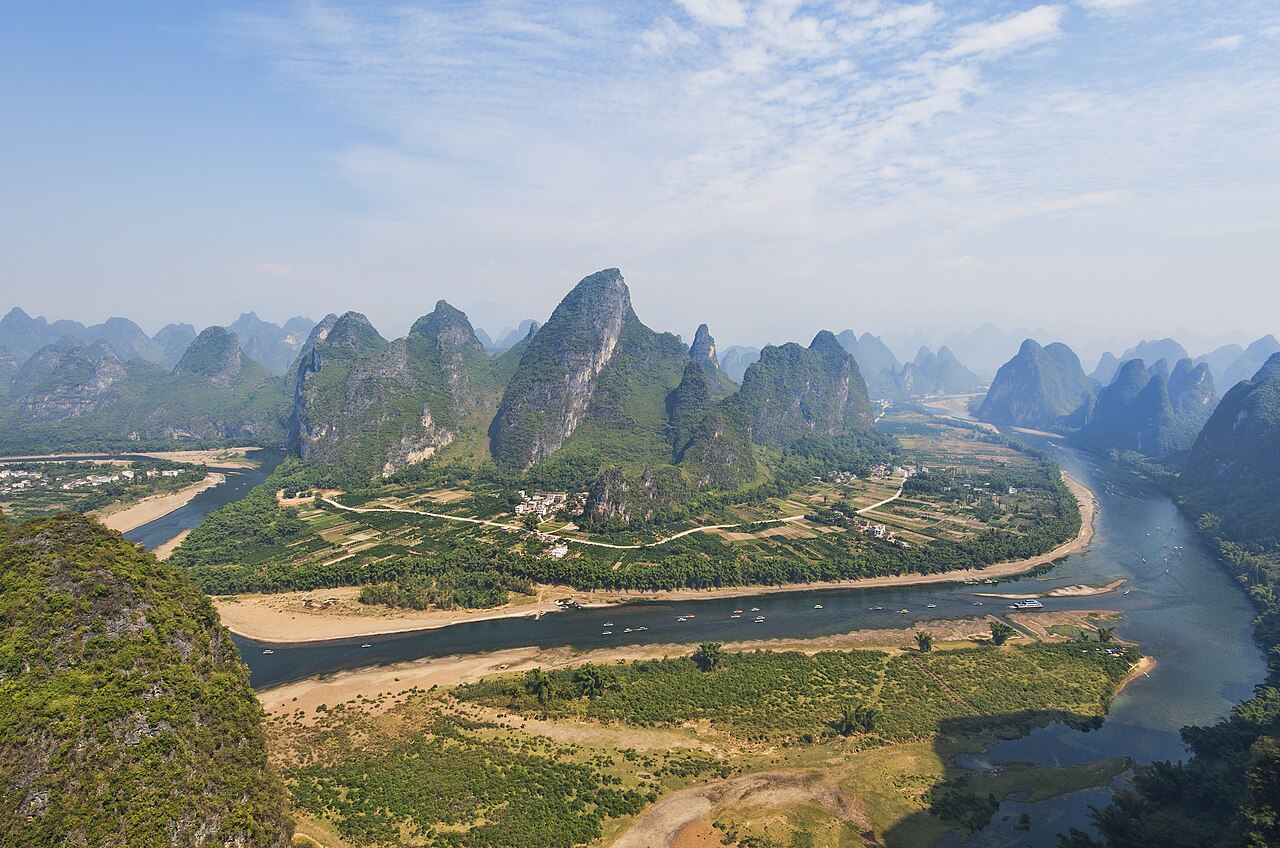
China's most celebrated scenic city—dramatic karst peaks rising from emerald waters, immortalized in Chinese landscape paintings for over a millennium.

About

Guilin is China's most celebrated scenic city, renowned worldwide for its dramatic karst landscape. The city's name literally means "Forest of Sweet Osmanthus," reflecting the fragrant trees that line its streets and fill the autumn air with perfume.

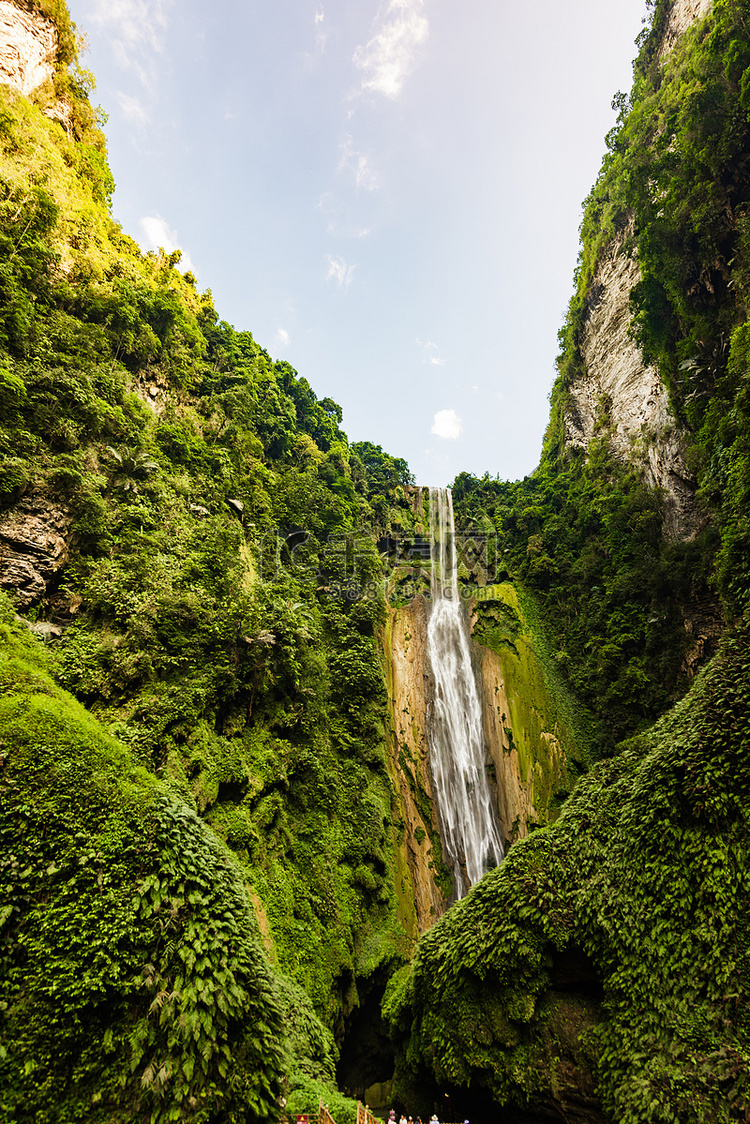
For over 1,500 years, poets, artists, and travelers have been captivated by Guilin's unique scenery—sharp limestone peaks rising abruptly from flat plains, their reflections shimmering in crystal-clear rivers. The Li River cruise from Guilin to Yangshuo, passing through a landscape of over 20,000 karst hills, is considered one of China's most beautiful journeys. The iconic image of fishermen with cormorant birds on bamboo rafts has become synonymous with Chinese landscape painting.

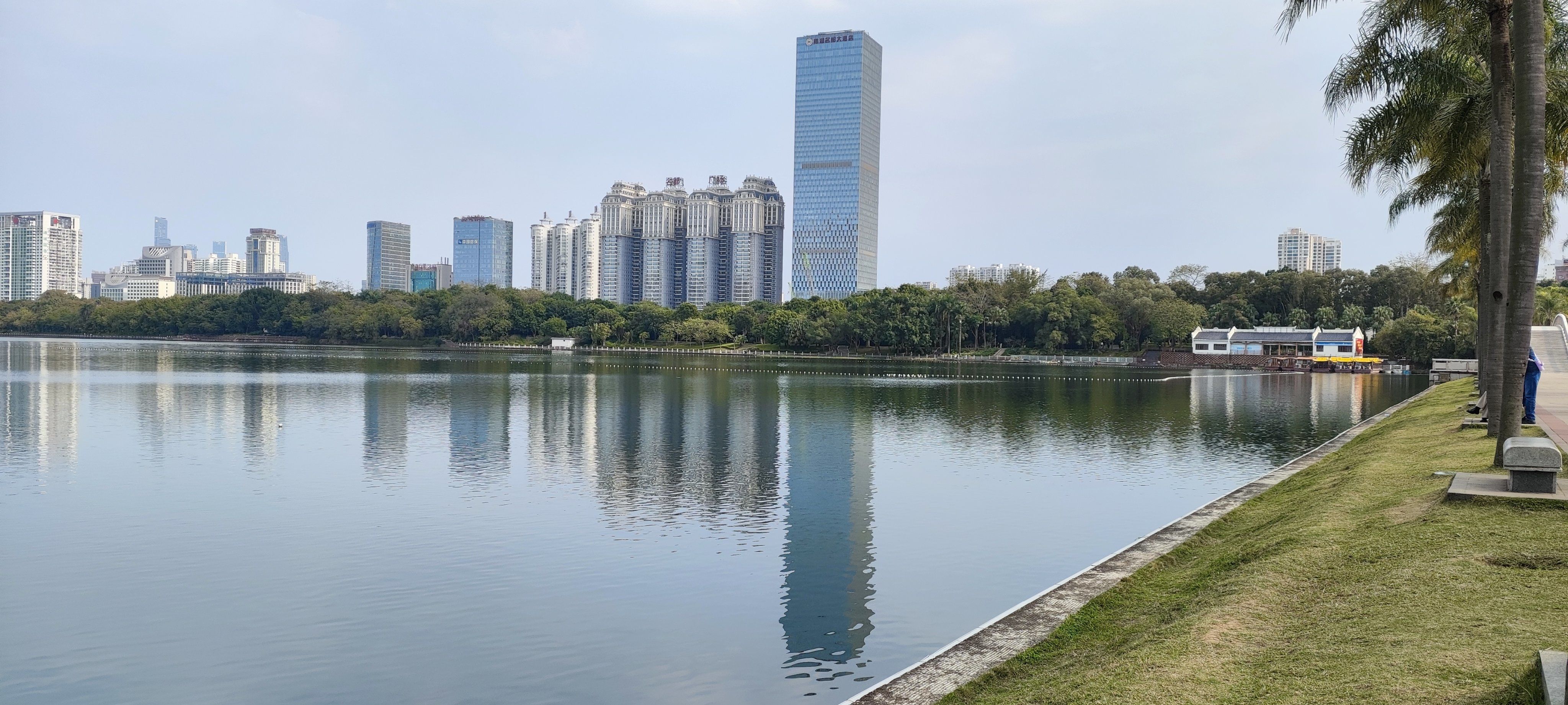
The city itself is charmingly compact. The Two Rivers and Four Lakes system creates a water ring around the downtown area, where traditional pagodas and modern bridges reflect in still waters. Elephant Trunk Hill, shaped like a giant elephant drinking from the river, serves as Guilin's beloved emblem.

Beyond the city center, the Longji Rice Terraces showcase centuries of agricultural ingenuity. These cascading fields, carved into steep mountain slopes by Zhuang and Yao ethnic minorities, transform with the seasons—from mirror-like pools in spring to golden waves in autumn.

Guilin's food culture is distinct from other Chinese cities. The famous Guilin rice noodles, served with pickled vegetables, peanuts, and savory broth, are a must-try breakfast. Yangshuo's beer fish, made with fresh catch from the Li River, has become a culinary landmark. The region's unique dishes reflect both Han Chinese traditions and ethnic minority influences.

As the gateway to southern China's karst region, Guilin connects travelers to the ethnic villages of the mountains, the ancient trading posts along the old tea route, and the wild landscapes that have inspired Chinese art for millennia.

👥
Population 4.95 million
📐
Area 27,800 km²
💬
Language Mandarin Chinese, Guilin dialect. English spoken in hotels and tourist areas.

History & Development

Guilin's history spans over 2,000 years. Founded in 214 BC during the Qin Dynasty, it served as a strategic military post on the route to southern China. The city became an important administrative center during the Tang and Song dynasties.

The stunning karst landscape attracted scholars and artists throughout Chinese history. Tang Dynasty poet Han Yu wrote famous verses praising Guilin's scenery, establishing its reputation as a place of natural beauty.

During the Ming and Qing dynasties, Guilin developed as a cultural and educational center. The city's academies produced many scholars who passed the imperial examinations.

In modern times, Guilin became one of China's first cities to open to international tourism in the 1970s. The Li River cruise was designated a must-see attraction for foreign visitors. Since then, tourism has become the backbone of the local economy.

Today, Guilin balances preservation of its natural heritage with sustainable development. The karst landscape is protected as a UNESCO World Heritage Site, and the city continues to inspire artists and travelers from around the world.

Economy & Industries

Guilin's economy is built on three pillars: tourism, agriculture, and light industry.

Tourism is the dominant sector, contributing over 30% of the local GDP. The city receives more than 100 million domestic and international visitors annually. Hotels, restaurants, tour services, and transportation generate significant employment. The Li River cruise and Yangshuo county are among China's top tourist destinations.

Agriculture remains important in rural areas. Guilin is famous for its sweet osmanthus flowers, used in tea and traditional medicine. The region also produces high-quality citrus fruits, pomelos, and persimmons. The Longji Rice Terraces demonstrate traditional farming methods that have been maintained for centuries.

Light industry includes food processing, pharmaceutical manufacturing, and electronics. The city has developed several industrial zones to diversify its economic base beyond tourism.

Transportation infrastructure has improved significantly. Guilin Liangjiang International Airport connects the city to major Chinese cities and Southeast Asian destinations. High-speed rail links to Guangzhou, Guiyang, and Kunming have reduced travel times and increased tourist arrivals.
Top Attractions

🏔️ Nature

Li River

The soul of Guilin's landscape. The 83-kilometer cruise from Guilin to Yangshuo passes dramatic karst peaks reflected in crystal-clear waters—the iconic scenery featured on China's 20-yuan note.

★★★★ 4.8
🕐 Full day (cruise schedules vary)
🎫 ¥210-450
🏔️ Nature

Elephant Trunk Hill

Guilin's iconic landmark—a limestone hill shaped like a giant elephant drinking from the Li River. The symbol of the city for centuries.

★★★★ 4.5
🕐 7:00 AM-6:00 PM
🎫 Free
🌳 Park

Two Rivers and Four Lakes

A scenic water ring around downtown Guilin, featuring illuminated pagodas, bridges, and reflections of karst peaks. Night cruises offer spectacular views.

★★★★ 4.6
🕐 24/7
🎫 Free (boat cruise extra)
🏔️ Nature

Reed Flute Cave

Known as the "Palace of Natural Art," this spectacular karst cave features stalactites and stalagmites illuminated by colorful lights, creating an otherworldly atmosphere.

★★★★ 4.5
🕐 8:00 AM-5:30 PM
🎫 ¥90
📍 Other

Yangshuo West Street

A 1,400-year-old street where East meets West. Bars, cafes, and shops line cobblestone paths, creating a unique fusion of Chinese tradition and international flair.

★★★★ 4.6
🕐 24/7
🎫 Free
🏔️ Nature

Longji Rice Terraces

Magnificent terraced fields carved into mountain slopes by Zhuang and Yao ethnic minorities over 600 years. A living agricultural masterpiece that changes colors with seasons.

★★★★ 4.7
🕐 24/7
🎫 ¥80
🌳 Park

Seven Star Park

Guilin's largest comprehensive park featuring Seven Star Cave, Camel Hill, and a panda house. Ancient Buddhist caves and natural formations blend with landscaped gardens.

★★★★ 4.4
🕐 7:00 AM-6:00 PM
🎫 ¥55

Food & Culture

Discover the culinary treasures of Guilin, from traditional street food to imperial cuisine.

Things to Do

Li River Cruise

Sail through China's most iconic karst landscape on a 4-hour cruise to Yangshuo.

Terrace Trekking

Hike through Longji Rice Terraces and visit Zhuang and Yao ethnic villages.

Cave Exploration

Discover the underground wonders of Reed Flute Cave and Seven Star Cave.

Cycling Yangshuo

Bike through countryside villages and rice paddies along the Yulong River.

Getting Around

✈️

Airport

Guilin Liangjiang International Airport (KWL) - 28 km from city center

🚄

High-Speed Rail

Connected to major cities

🚌

Bus Network

Extensive network covering city and scenic areas

🚕

Taxi & Rideshare

Available throughout the city

Best Time to Visit

🌸

Spring

Apr - Jun

★★★★★

Misty Li River scenery at its finest. Terraces fill with water like mirrors. Comfortable temperatures.

  • Misty landscapes
  • Water-filled terraces
  • Comfortable weather
☀️

Summer

Jul - Aug

★★★☆☆

Hot and humid with occasional rain. Good for bamboo rafting on Yulong River and escaping to cool caves.

  • Bamboo rafting
  • Cave tours
  • Water activities
🍂

Autumn

Sep - Nov

★★★★★

Peak season with perfect weather. Golden rice terraces, osmanthus fragrance, and clear Li River views.

  • Golden terraces
  • Osmanthus season
  • Clear skies
❄️

Winter

Dec - Mar

★★★☆☆

Mild and dry with fewer tourists. Great for peaceful sightseeing, though terraces are bare.

  • Fewer crowds
  • Mild weather
  • Peaceful atmosphere

🎉 Festivals & Events

Lunar Mar 3
Zhuang Singing Festival

Traditional Zhuang celebration with folk songs, dances, and cultural performances.

October
Guilin Osmanthus Festival

Annual celebration when the city is filled with osmanthus fragrance.

💡 Weather Tips

Spring and autumn are ideal. Bring rain gear in spring, sunscreen in summer.

Travel Reminders

💡

transportation

Book cruise tickets in advance during peak season. 4-star boats offer better comfort and meals.

💡

sightseeing

Stay 1-2 nights in Yangshuo to fully experience West Street and the Ten-Mile Gallery.

☀️

sightseeing

Longji Terraces need a full day. Consider overnight stay at mountain inns for sunrise views.

💡

photography

Early morning and late afternoon offer the best light. Misty days create the classic Guilin atmosphere.

Continue Exploring China

Discover more cities, food guides, and travel inspiration.