Sanniang Bay
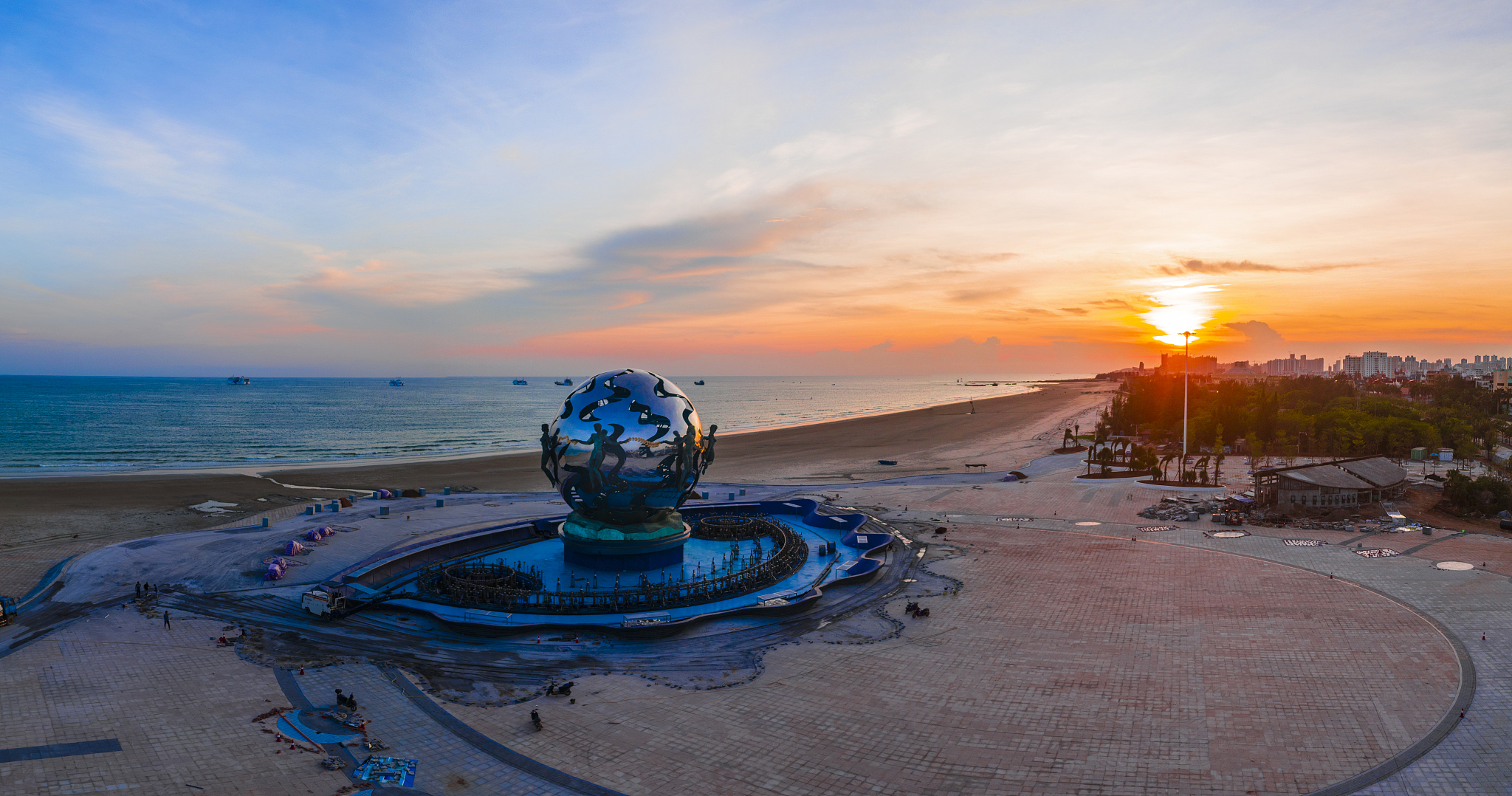
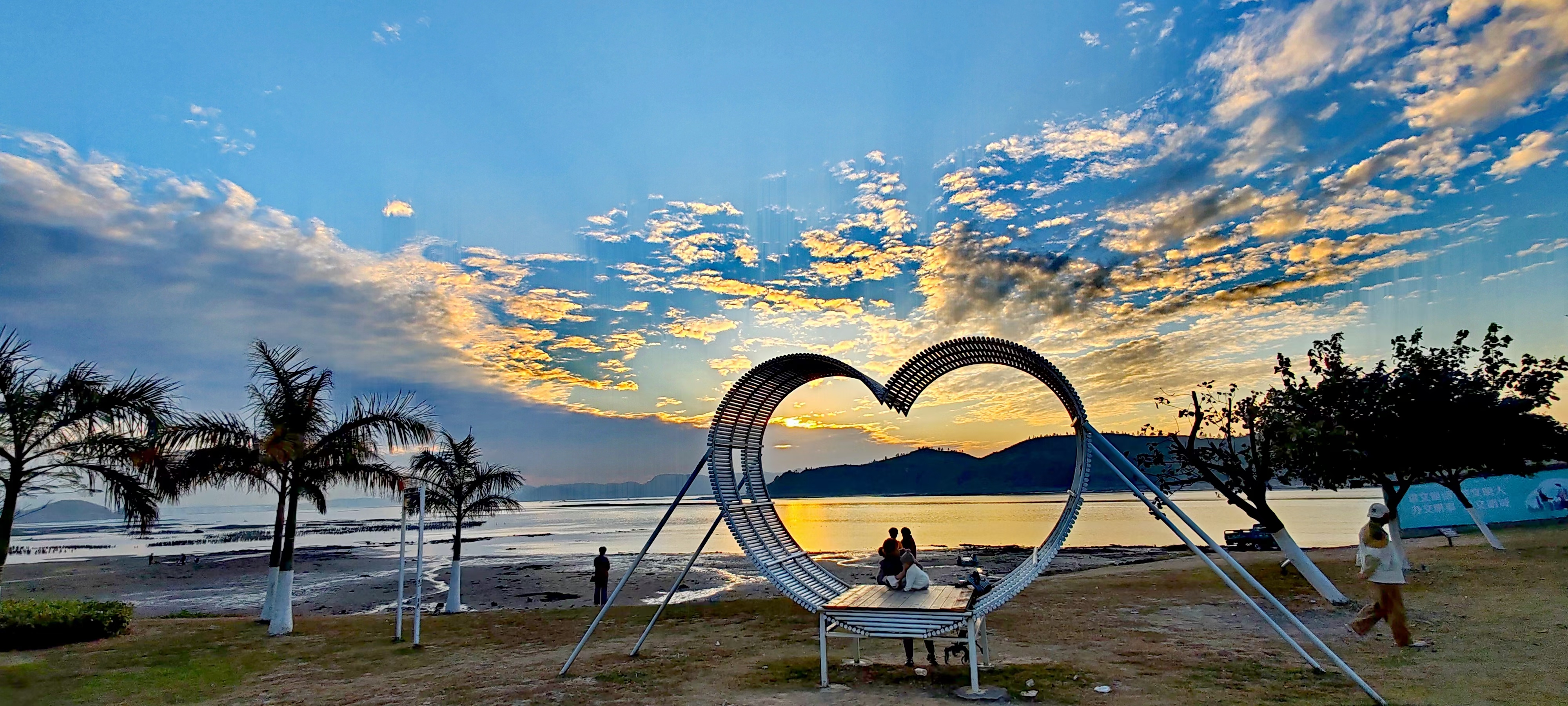
A stunning bay where wild Chinese white dolphins (pink dolphins) can be seen year-round. Boat tours take visitors close to the dolphin pods in their natural habitat.
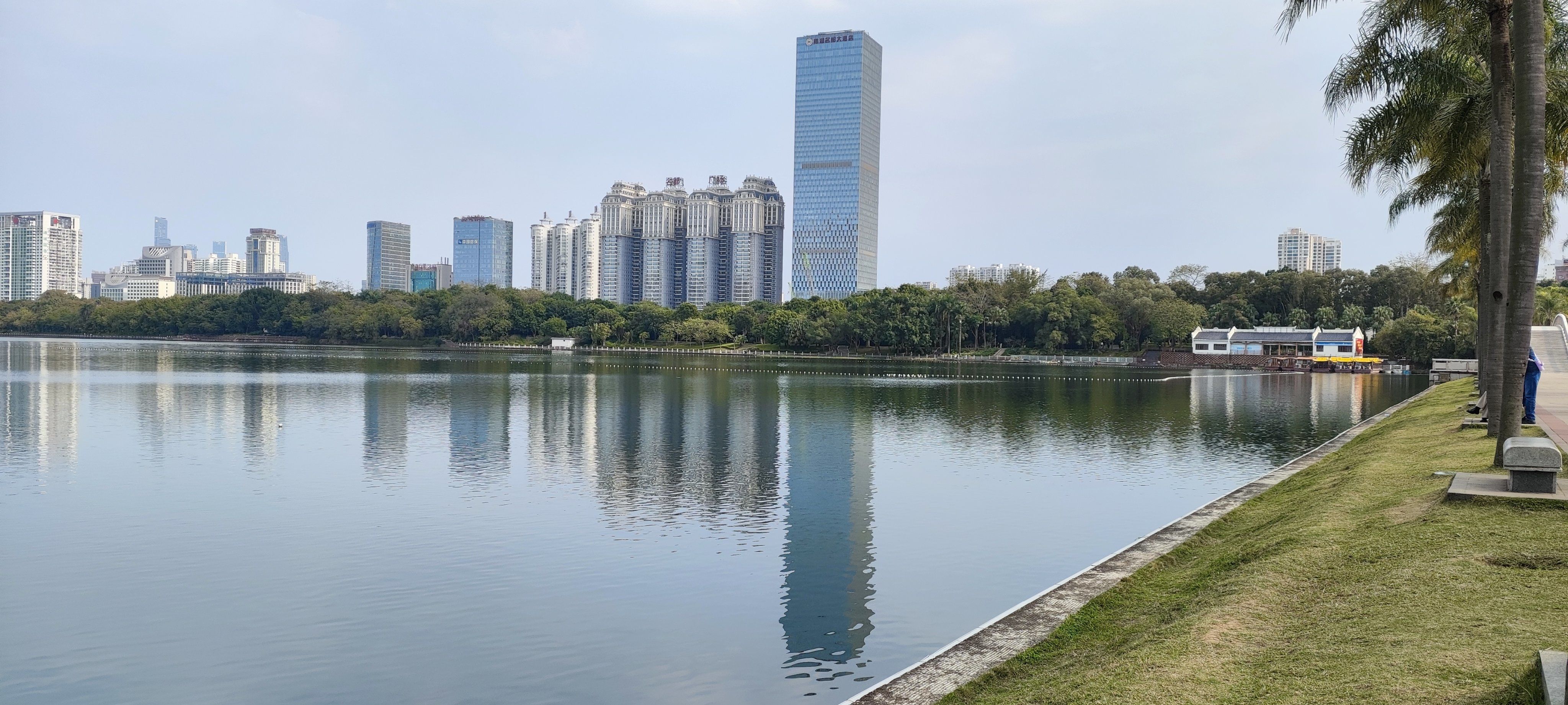
A coastal city in Guangxi known for Sanniang Bay wild Chinese white dolphins and historic Fengyun Ancestral Hall.
Qinzhou lies on the northern shore of the Beibu Gulf in southern Guangxi, occupying a strategic position at the heart of the Beibu Gulf Economic Zone. The city has a long history as a trading and administrative center for southwestern Guangxi, dating back over 1,400 years to its founding during the Sui dynasty.
The city most famous attraction is Sanniang Bay, a sheltered bay where pods of Chinese white dolphins play in the surf year-round. Beyond its marine life, Qinzhou offers mangrove forests, hot springs, Qing dynasty historical sites, and a growing port that forms part of the China-ASEAN trade corridor. The city is also a major production base for tropical fruits, timber, and ceramics.
Qinzhou was established as a prefecture during the Sui dynasty (581-618 AD) and developed as an important administrative and military center on the southwestern frontier. During the Ming and Qing dynasties, Qinzhou was a key defensive post against coastal pirates and, later, European colonial expansion.
The city is most closely associated with General Feng Zicai (1818-1903), a Qinzhou native who became one of the most celebrated military commanders of the late Qing dynasty. His victory over French forces at the Battle of Zhennan Pass (1885) during the Sino-French War is regarded as one of the rare Chinese military successes against a Western power in the 19th century. In the modern era, Qinzhou was designated part of the Beibu Gulf Economic Zone in 2008, catalyzing port construction and industrial development.
Qinzhou economy has undergone rapid transformation from an agricultural base to a mixed industrial-port economy. The Qinzhou Port is a key component of the Beibu Gulf port cluster, handling bulk commodities including petroleum, coal, grain, and timber. The China-Malaysia Qinzhou Industrial Park, a bilateral cooperation project, has attracted manufacturing and processing industries.
Agriculture remains significant, particularly tropical fruit cultivation (lychee, longan, banana), forestry, and aquaculture. The city is also known for its Nixing pottery, a traditional craft with a history of over 1,000 years. Qinzhou GDP reached approximately ¥160 billion in 2024, with port-related industries and manufacturing accounting for about 45 percent of economic output. The service sector, including tourism centered on Sanniang Bay, contributes increasingly to the local economy.

Discover the culinary treasures of Qinzhou, from traditional street food to imperial cuisine.
Qinzhou has no commercial airport. The nearest major airport is Nanning Wuxu International Airport (NNG), about 120 km away with bus and taxi connections.
Qinzhou Railway Station has frequent high-speed trains to Nanning (~40min), Beihai (~30min), Guilin (~2.5h), and other Guangxi cities.
No metro system. Public buses cover the city and connect to Sanniang Bay. Taxis and ride-hailing apps are widely available for convenient travel.
Mar - May
Warm and pleasant with moderate rainfall. Good for dolphin watching and outdoor exploration.
Jun - Aug
Hot and humid with frequent rain. Dolphin sightings are frequent but afternoon thunderstorms are common. Peak season for tropical fruits.
Sep - Nov
The best season with comfortable temperatures, lower humidity, and calm seas. Ideal for dolphin watching, mangrove walks, and hot springs.
Dec - Feb
Mild and dry, with daytime temperatures rarely dropping below 10°C. Good for dolphin watching, though cooler weather means fewer tourists.
Discover more cities, food guides, and travel inspiration.