
Nature
Silver Beach
A 7-kilometer stretch of soft white sand beach renowned for its fine quartz sand that glistens in the sun. Shallow, clear waters make it ideal for swimming and water sports.
Open all day
Free
A coastal city in Guangxi famed for its pristine Silver Beach, volcanic Weizhou Island, and well-preserved colonial architecture.
Beihai sits on the southern coast of Guangxi, facing the Beibu Gulf toward Vietnam and Hainan. As one of China most important fishing ports and a gateway to the South China Sea, Beihai has long been a crossroads of maritime trade and cultural exchange. Its deep natural harbor once attracted merchants from across Southeast Asia and Europe, leaving behind a rich architectural and culinary legacy.
The city is defined by its coastline: 7 kilometers of Silver Beach, the volcanic drama of Weizhou Island, and the mangrove wetlands that line its estuaries. Beihai warm climate, affordable cost of living, and improving infrastructure have made it a popular destination for both Chinese tourists and expatriates seeking a tropical lifestyle without the premium prices of Hainan.
Beihai history as a trading port dates back to the Qin and Han dynasties, when it served as an embarkation point for the Maritime Silk Road. During the late Qing dynasty, Beihai was opened as a treaty port in 1876 under the Chefoo Convention, leading to the establishment of consulates, customs houses, and merchant firms by British, French, German, and American interests.
The colonial era transformed Beihai architecture, particularly along what is now Qixia Old Street, where arcaded shop-houses in the European style still stand. After 1949, Beihai became a fishing and seafood processing center, and in 1984 it was designated one of China 14 coastal open cities, spurring industrial development and port expansion. In recent years, Beihai has pivoted toward tourism and digital economy, hosting the China-ASEAN maritime cooperation forum.
Beihai economy is driven by tourism, port logistics, fisheries, and increasingly the digital economy. The city receives over 40 million domestic tourists annually, drawn by Silver Beach, Weizhou Island, and duty-free shopping policies similar to Hainan. The tourism sector contributes roughly 40 percent of Beihai GDP.
Port and logistics form the second pillar. Beihai Port handles bulk cargo including petroleum, ore, grain, and construction materials, serving as a regional hub for the Beibu Gulf economic zone. The Beihai Comprehensive Bonded Zone and the China-ASEAN maritime trade corridor have boosted cross-border e-commerce and trade processing. Fishing and aquaculture remain vital, with the Beibu Gulf fishery supplying high-value species including grouper, shrimp, and crab for domestic and export markets. GDP reached approximately ¥175 billion in 2024.
Discover the culinary treasures of Beihai, from traditional street food to imperial cuisine.
Morning at Silver Beach, followed by a fresh seafood lunch at Qiaogang Port. Afternoon walking tour of Beihai Old Town, ending with sunset at Guan Tou Ling lighthouse.
Day one: morning ferry to Weizhou Island, afternoon exploring the volcanic park and Catholic church. Day two: snorkeling, beach relaxation, and return ferry in the afternoon.
Beihai Fucheng Airport (BHY) with direct flights to Beijing, Shanghai, Guangzhou, Chengdu, and other major Chinese cities.
Beihai Railway Station serves high-speed trains to Nanning (~1.5h), Guangzhou (~4h), Guilin (~3h), and other cities via the coastal high-speed rail corridor.
No metro system. Public buses and taxis are the main means of urban transport. Electric bike rental is a popular option for getting around the city.
Mar - May
Warm and pleasant with moderate rainfall. Spring flowers bloom across the city. Good for outdoor activities and island trips.
Jun - Aug
Hot and humid, with July and August being the hottest. Peak tourist season. Great for swimming and water sports, but be prepared for occasional typhoons.
Sep - Nov
The most comfortable season with lower humidity, clear skies, and calm seas. Ideal for island exploration and outdoor dining.
Dec - Feb
Mild and dry, with daytime temperatures around 15-20°C. The coolest season but still pleasant. Low tourist season means fewer crowds and lower prices.
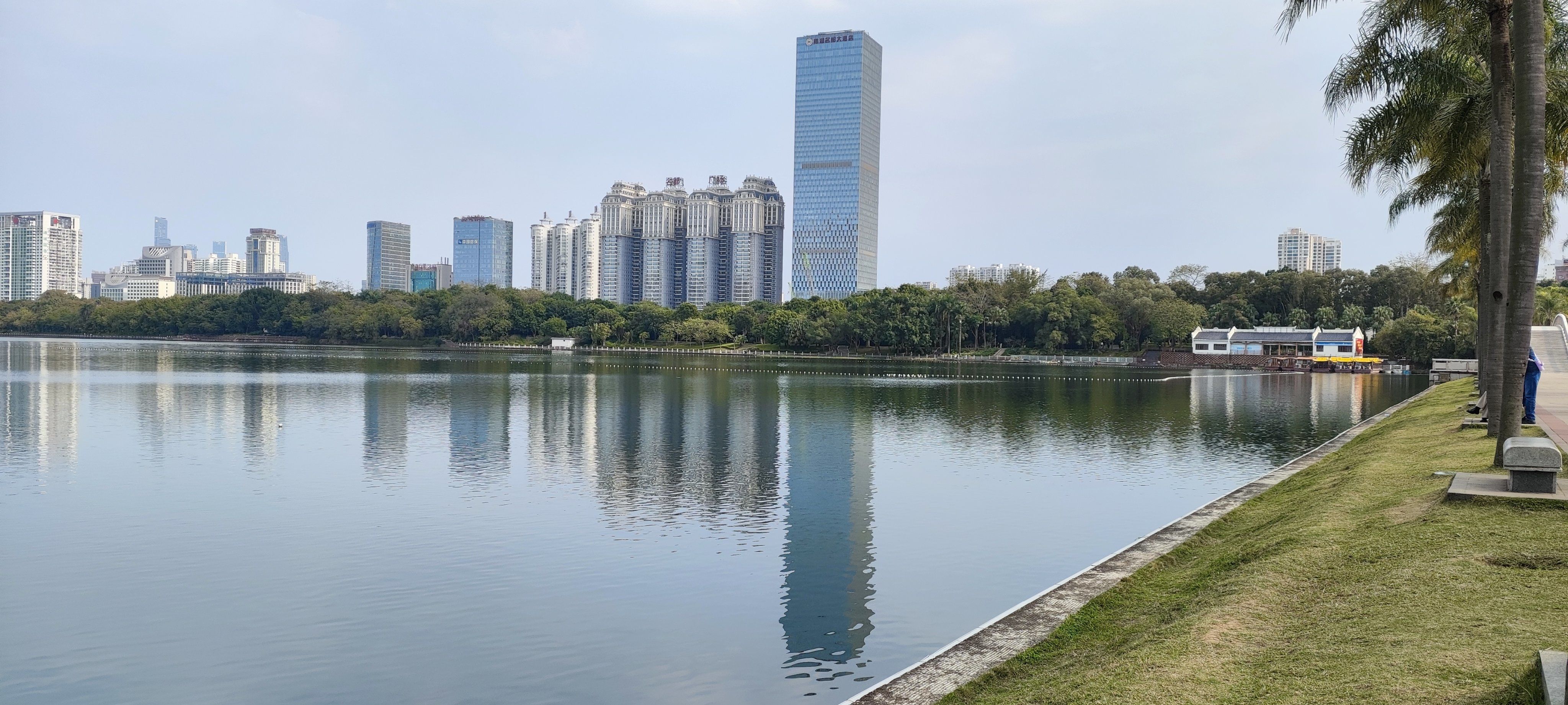
China's 'Green City' and gateway to Southeast Asia—a vibrant...
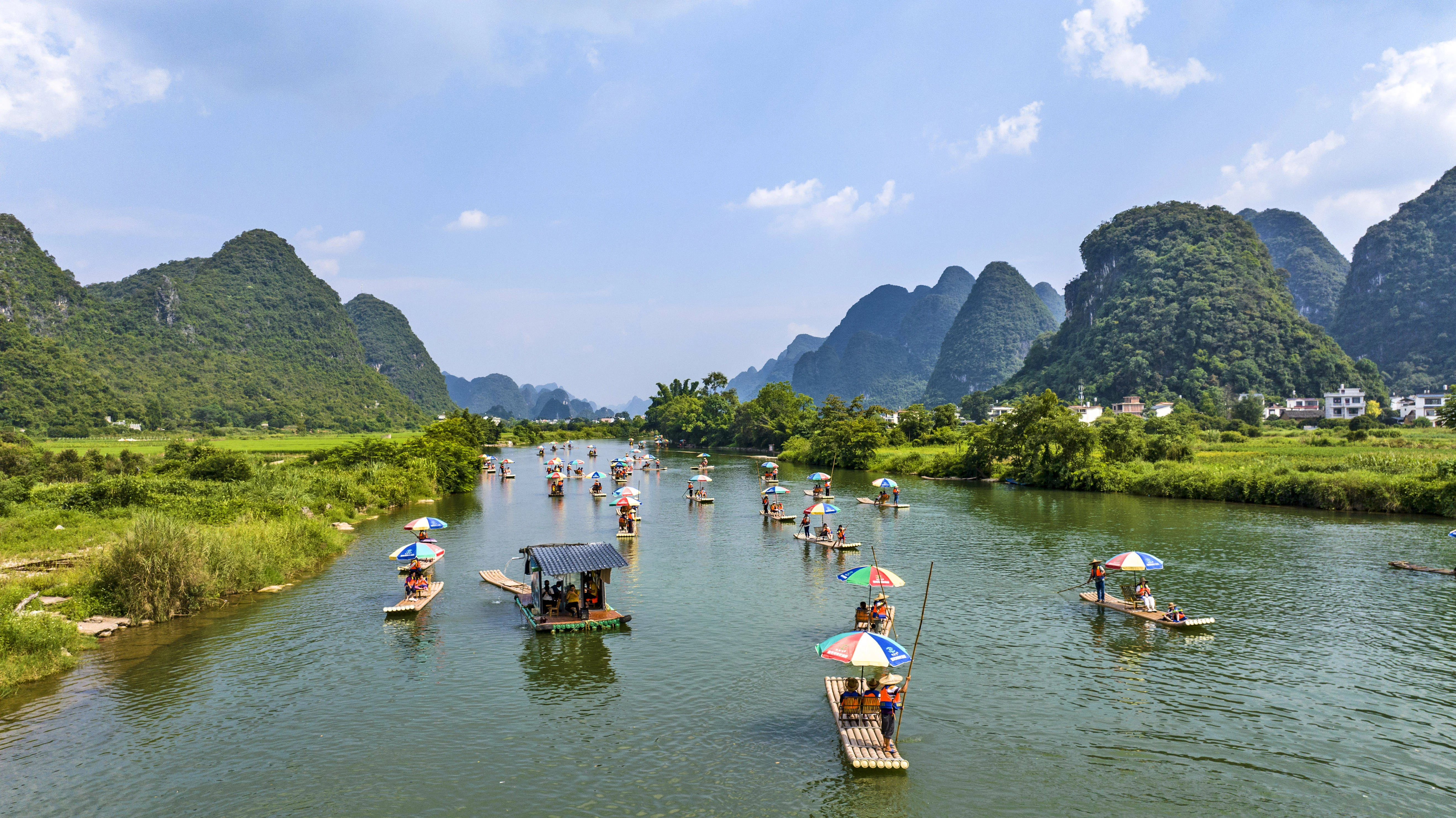
China's most celebrated scenic city—dramatic karst peaks ris...
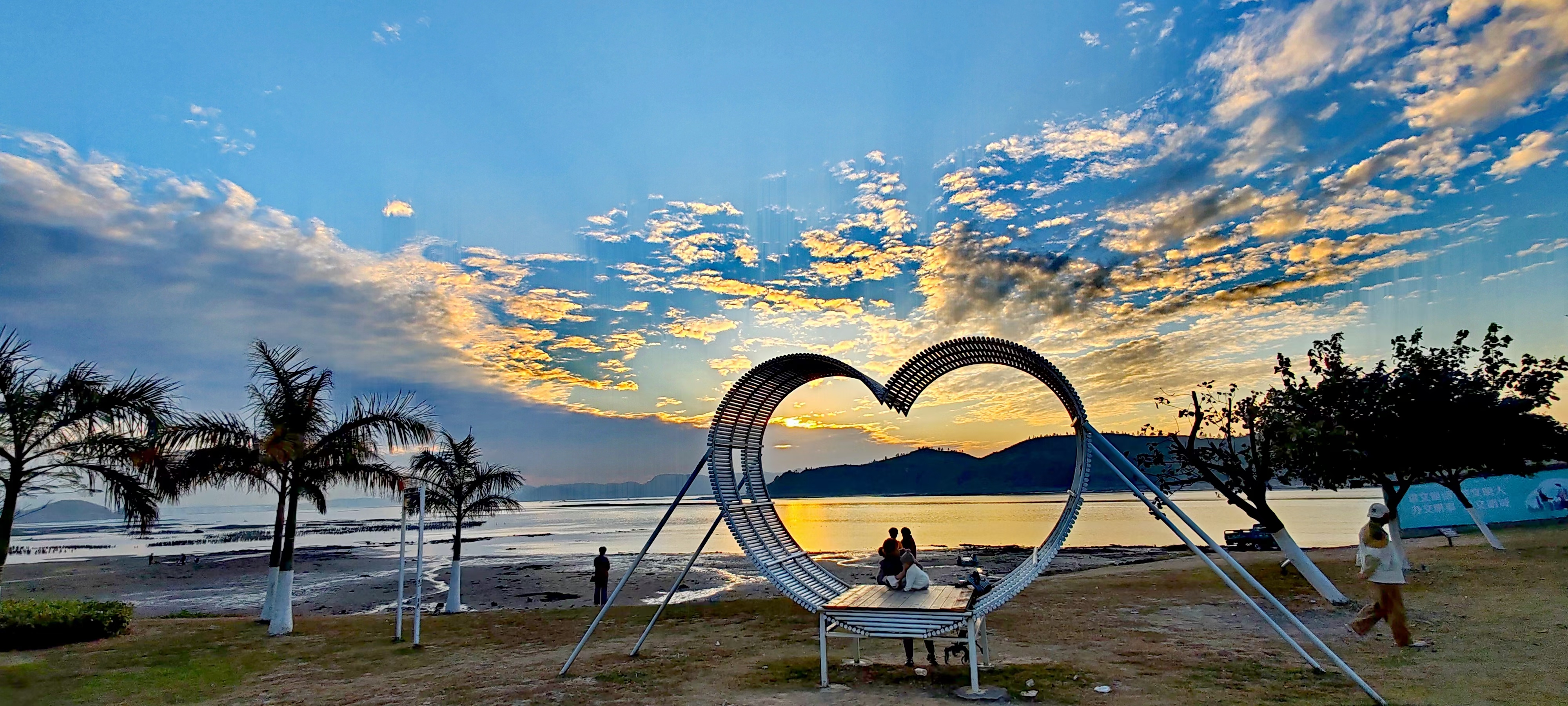
A port city on the China-Vietnam border, known for its deep-...
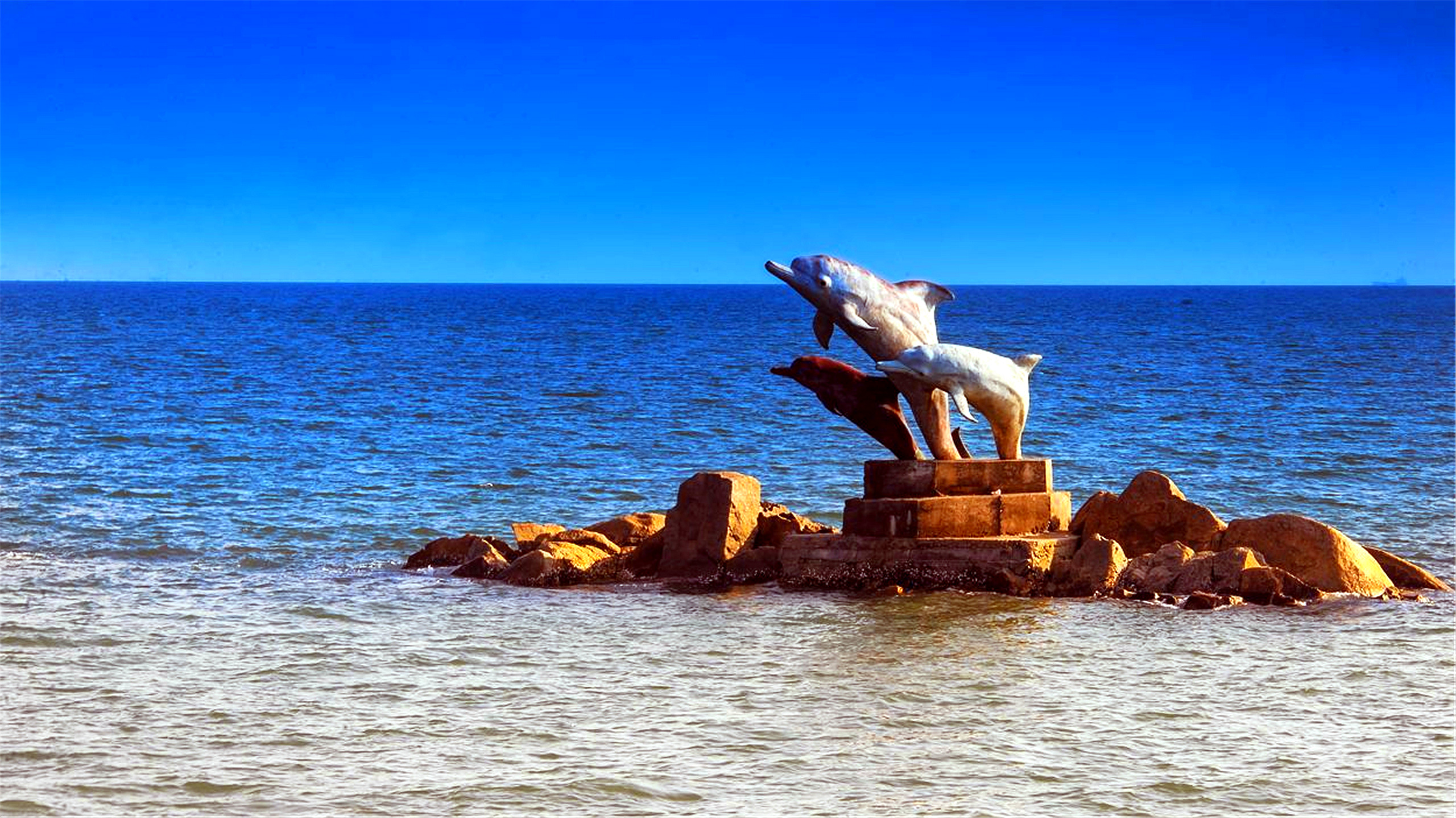
A coastal city in Guangxi known for Sanniang Bay wild Chines...
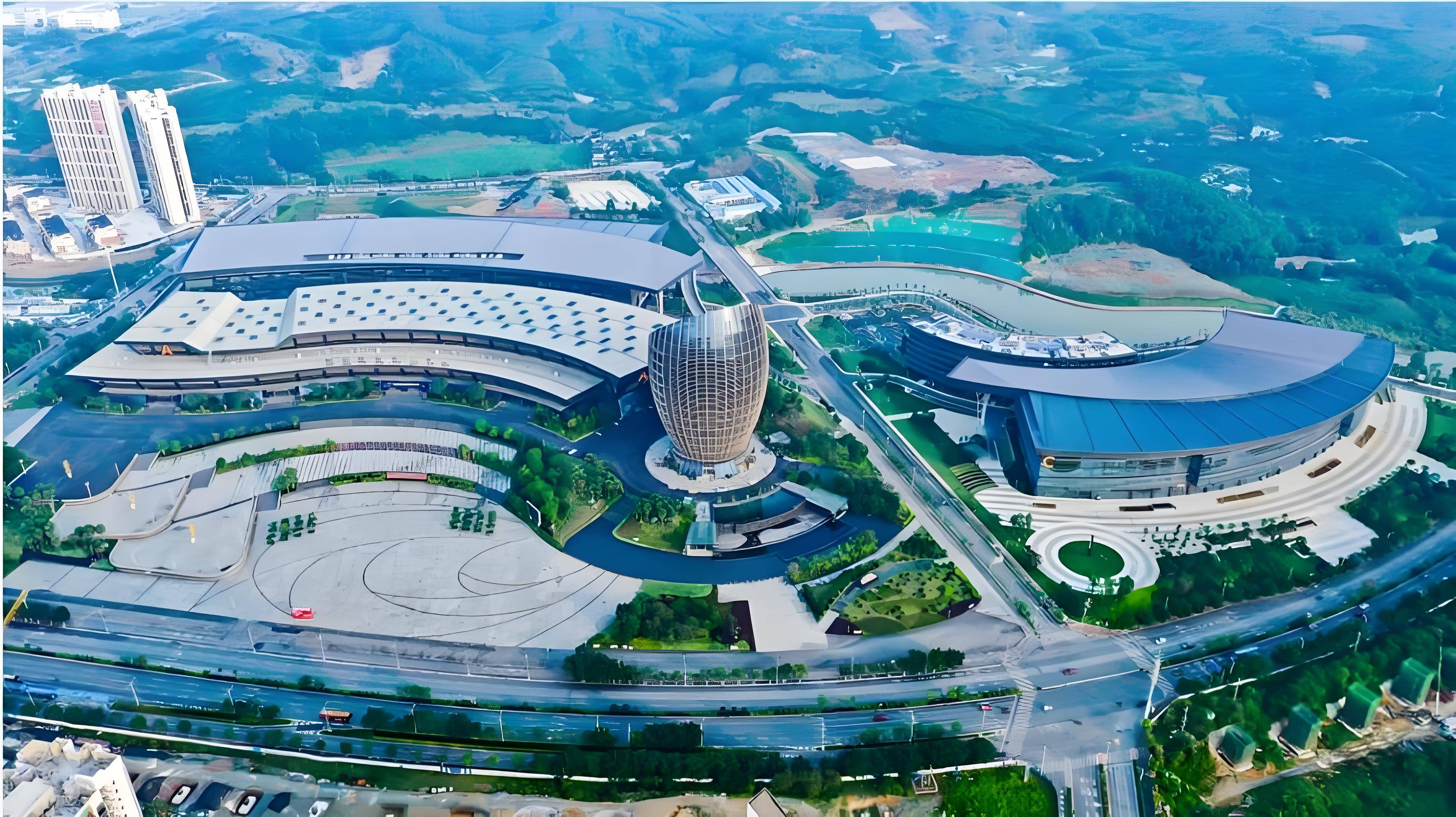
The City of Snails and Rivers, globally famous for Liuzhou L...
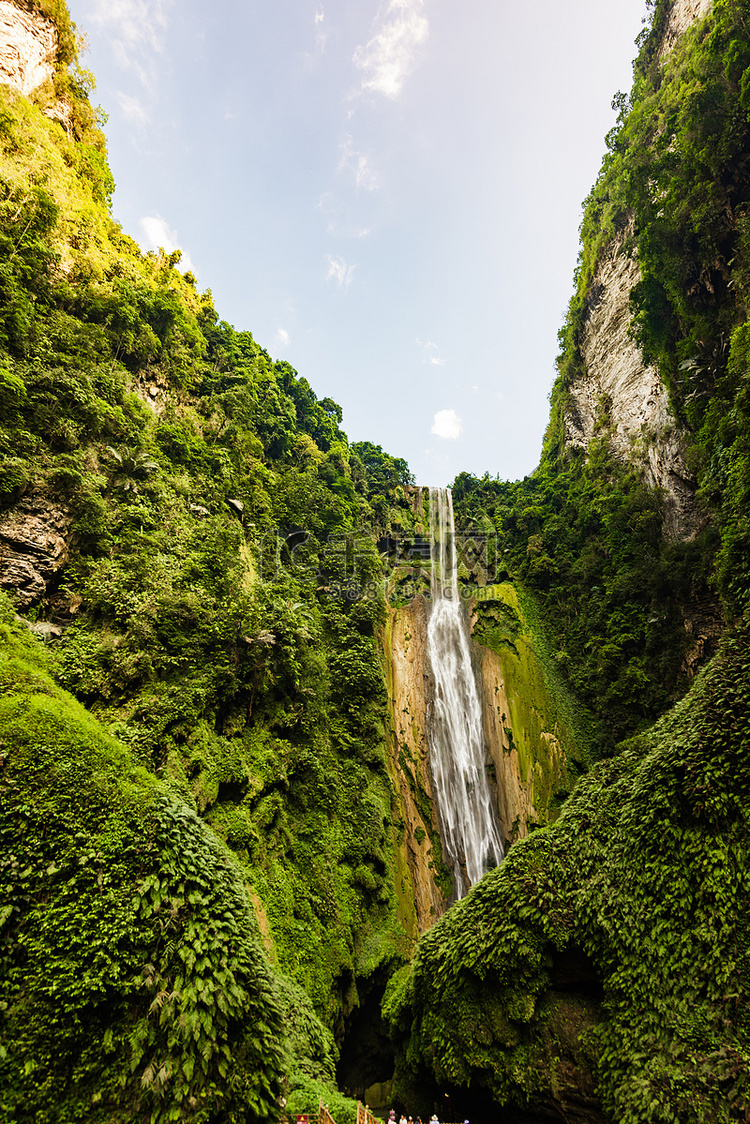
A historic city in western Guangxi, Baise is the gateway to ...
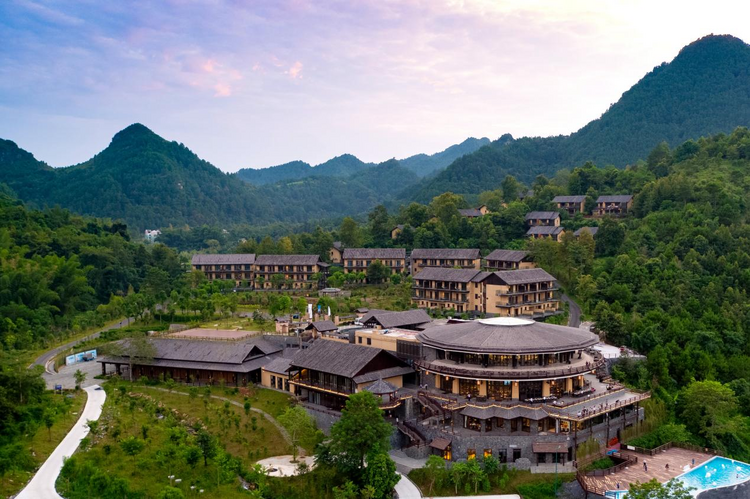
Home to the world-famous Bama Longevity Village and the spec...
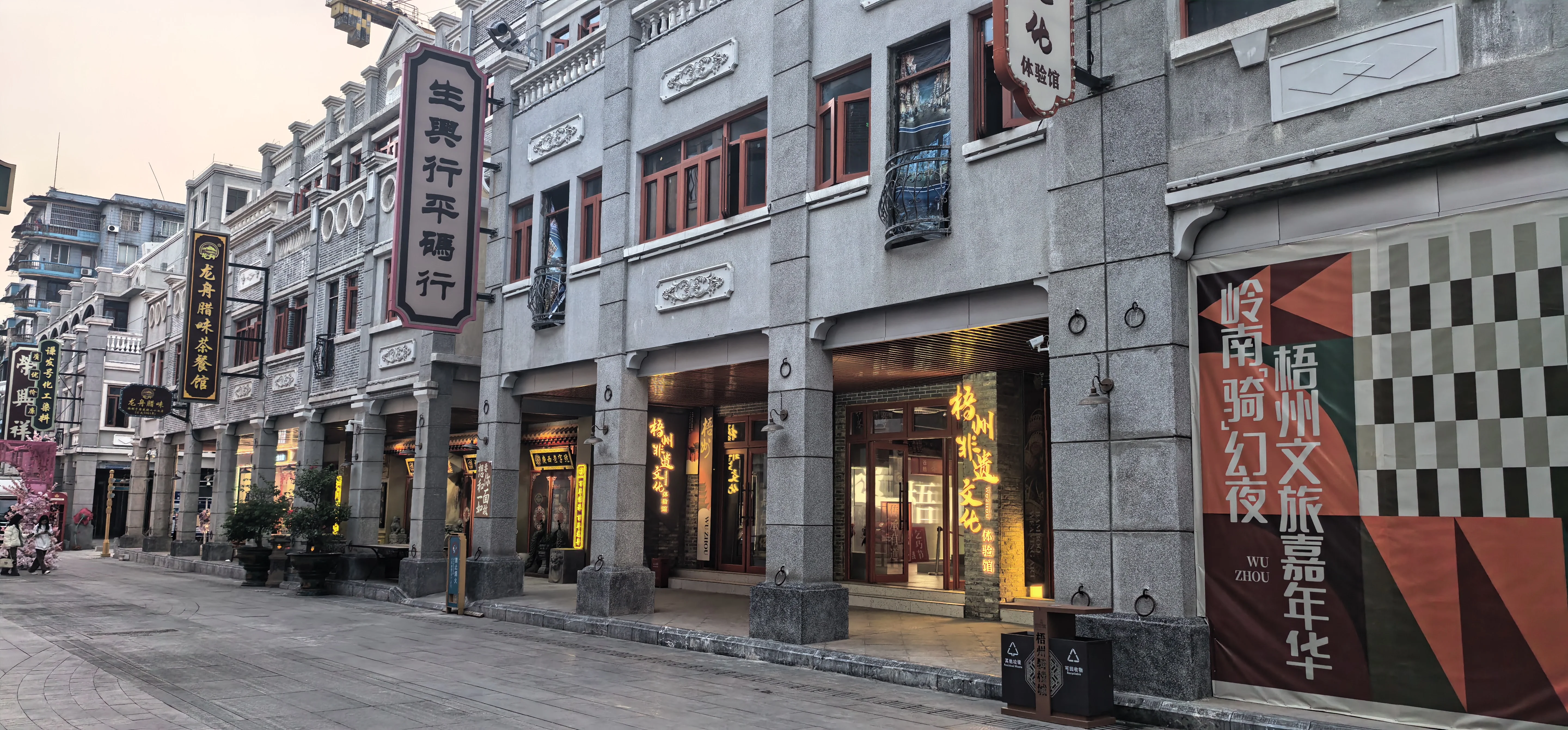
The "Gateway to Guangxi" on the Xi River, home to China's la...
Discover more cities, food guides, and travel inspiration.