Nature
Tongling Grand Canyon
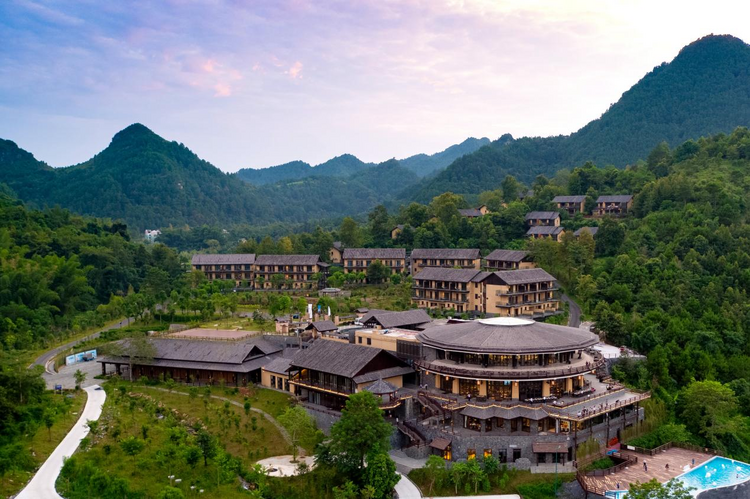
Tongling Grand Canyon is a spectacular natural wonder located 30 kilometers southeast of Jingxi County. The canyon plunges over 100 meters deep and is 2.8 kilometers long, with sheer cliffs draped in lush subtropical vegetation. At the canyon's heart is the magnificent Tongling Waterfall, which drops 188 meters into a deep pool. A network of walkways, suspension bridges, and tunnels allows visitors to explore the canyon floor, where they can see ancient fern forests, tropical plants, and unique karst cave formations. The microclimate within the canyon is humid and misty, creating an almost prehistoric atmosphere.
08:00-17:30
115 yuan