Nature
Qingxiu Mountain
Nanning's iconic scenic area featuring lush tropical vegetation, ancient temples, and panoramic city views from the Longxiang Pagoda. A 4A-rated attraction covering 13 square kilometers.
7:00 AM-6:00 PM
20 yuan
China's 'Green City' and gateway to Southeast Asia—a vibrant blend of Zhuang ethnic culture, lush subtropical landscapes, and modern urban development.
Nanning is a city where nature and urban life exist in harmony. Known as China's "Green City," it boasts tree-lined streets, lush parks, and a subtropical climate that keeps the city verdant year-round. As the capital of Guangxi Zhuang Autonomous Region, it serves as the cultural heart of the Zhuang people, China's largest ethnic minority.
The city's strategic location near the Vietnam border has made it China's gateway to Southeast Asia. Since 2004, Nanning has hosted the annual China-ASEAN Expo, cementing its role as a hub for international trade and cultural exchange.
Nanning's food culture is legendary. The city is famous for its noodle dishes—Laoyou Noodles with their distinctive sour-spicy flavor, and fresh-pressed rice noodles served in light broth. The night markets come alive after dark, offering everything from pickled tropical fruits to exotic delicacies.
Unlike China's mega-cities, Nanning moves at a gentler pace. Morning tai chi sessions in Nanhu Park, afternoon tea in courtyard cafes, and evening strolls through bustling night markets define the local rhythm. The surrounding karst landscape offers easy escapes—Daming Mountain for hiking, Yiling Rock for cave exploration.
The city is also a starting point for exploring Guangxi's famous attractions, including the Detian Waterfall on the Vietnam border and the spectacular karst scenery of northern Vietnam.
Nanning's history stretches back over 1,600 years. Founded during the Eastern Jin Dynasty in 318 AD, it was originally named Jinxing County before being renamed Nanning (meaning "Southern Peace") in 1314.
During the Tang Dynasty, Nanning became an important administrative center and trading post. Its strategic location on the route to Vietnam and Southeast Asia made it a key military and commercial hub.
The city played a significant role in modern Chinese history. In 1911, it became the first city in Guangxi to respond to the revolution that ended imperial rule. During the anti-Japanese war, Nanning served as an important base for resistance forces.
After 1949, Nanning developed as Guangxi's political and economic center. The establishment of the Guangxi Zhuang Autonomous Region in 1958 gave the city new significance as the capital of China's largest ethnic minority region.
The 21st century brought transformation. The China-ASEAN Expo, launched in 2004, turned Nanning into an international platform. High-speed rail connections, a modern metro system, and expanded airport facilities have accelerated the city's growth while its "Green City" reputation draws increasing numbers of visitors.
Nanning's economy benefits from its unique position as China's gateway to ASEAN. The China-ASEAN Expo has attracted billions in investment and established the city as a regional trade hub.
Agriculture remains important, with sugarcane, tropical fruits, and rice as major products. Nanning is one of China's largest sugarcane producers. The food processing industry, especially sugar refining and fruit processing, is significant.
Manufacturing has grown rapidly, with electronics, machinery, and bio-pharmaceuticals as key sectors. The Nanning High-Tech Zone attracts technology companies and research institutions.
Services, particularly tourism and logistics, are expanding. The city serves as a distribution center for goods flowing between China and Southeast Asia. Cross-border e-commerce is a growing sector.
Nanning's GDP reached 512 billion yuan in 2024. The city's development plans focus on green growth, digital economy, and strengthening ties with ASEAN countries. The Belt and Road Initiative has brought new infrastructure investments, including expanded port and rail facilities.
Discover the culinary treasures of Nanning, from traditional street food to imperial cuisine.
Experience the Green City's natural beauty and vibrant food culture.
Combine urban exploration with nature escapes.
Nanning Wuxu International Airport (NNG) - 31 km from city center
Connected to major cities
Public transportation available
Extensive network throughout the city
Available throughout the city
Mar - May
Pleasant temperatures and blooming flowers. Ideal for outdoor activities and city exploration.
Jun - Aug
Hot and humid with frequent afternoon thunderstorms. Indoor attractions and water activities are popular.
Sep - Nov
Cool and dry with clear skies—the best season for hiking and sightseeing.
Dec - Feb
Mild and pleasant, rarely freezing. Great for exploring without summer heat.
Traditional Zhuang celebration with folk songs, dances, and cultural performances.
Annual international trade fair showcasing products and culture from ASEAN countries.
Spring and autumn are ideal. Bring an umbrella during summer months.
Direct buses and trains connect Nanning to Hanoi. The journey takes 6-8 hours.
Visit early morning for cooler temperatures and fewer crowds at this popular attraction.
Try Laoyou noodles at local shops rather than hotel restaurants for authentic taste.
Visit during March 3rd (lunar calendar) for the traditional Zhuang Singing Festival.
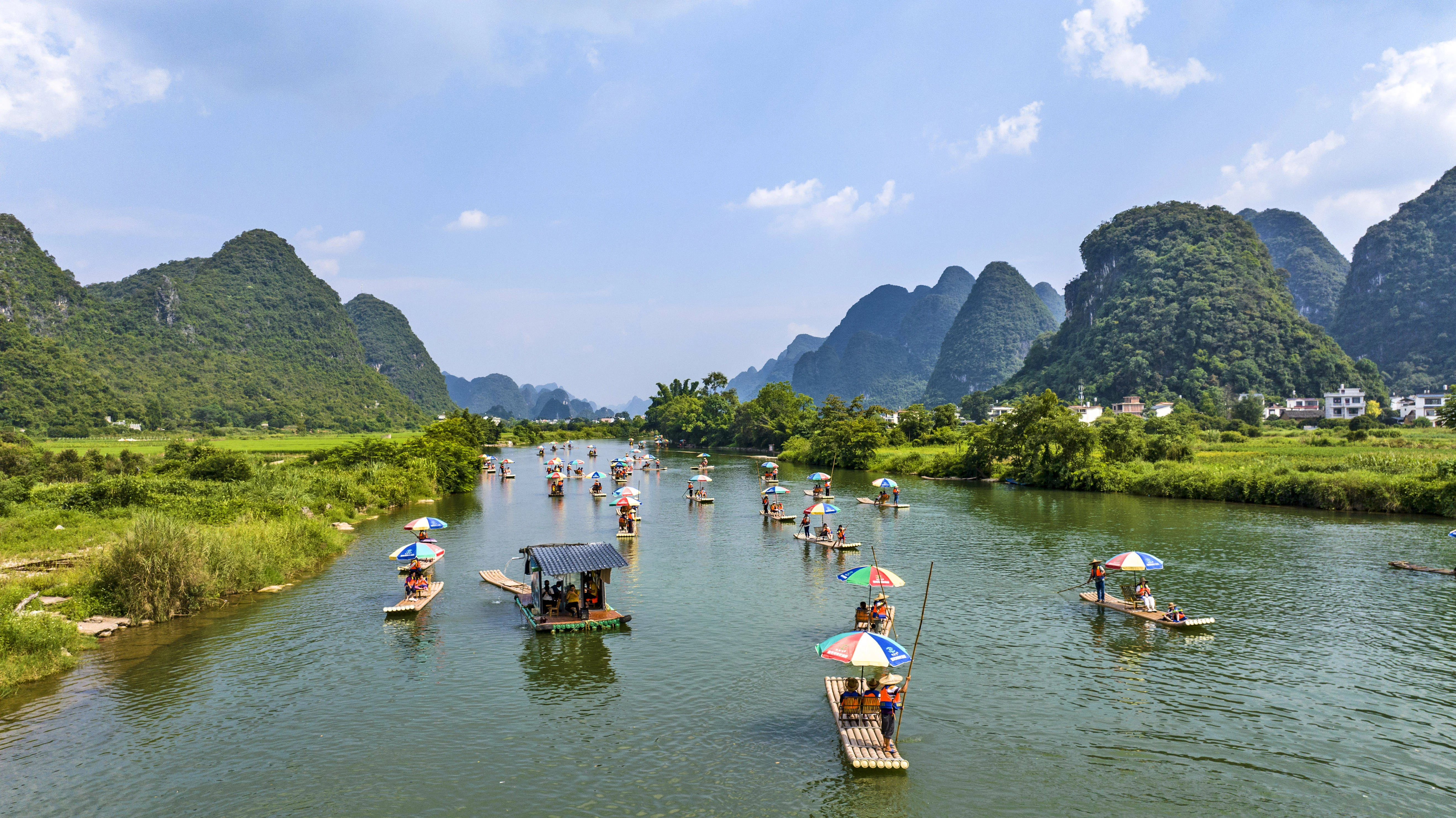
China's most celebrated scenic city—dramatic karst peaks ris...
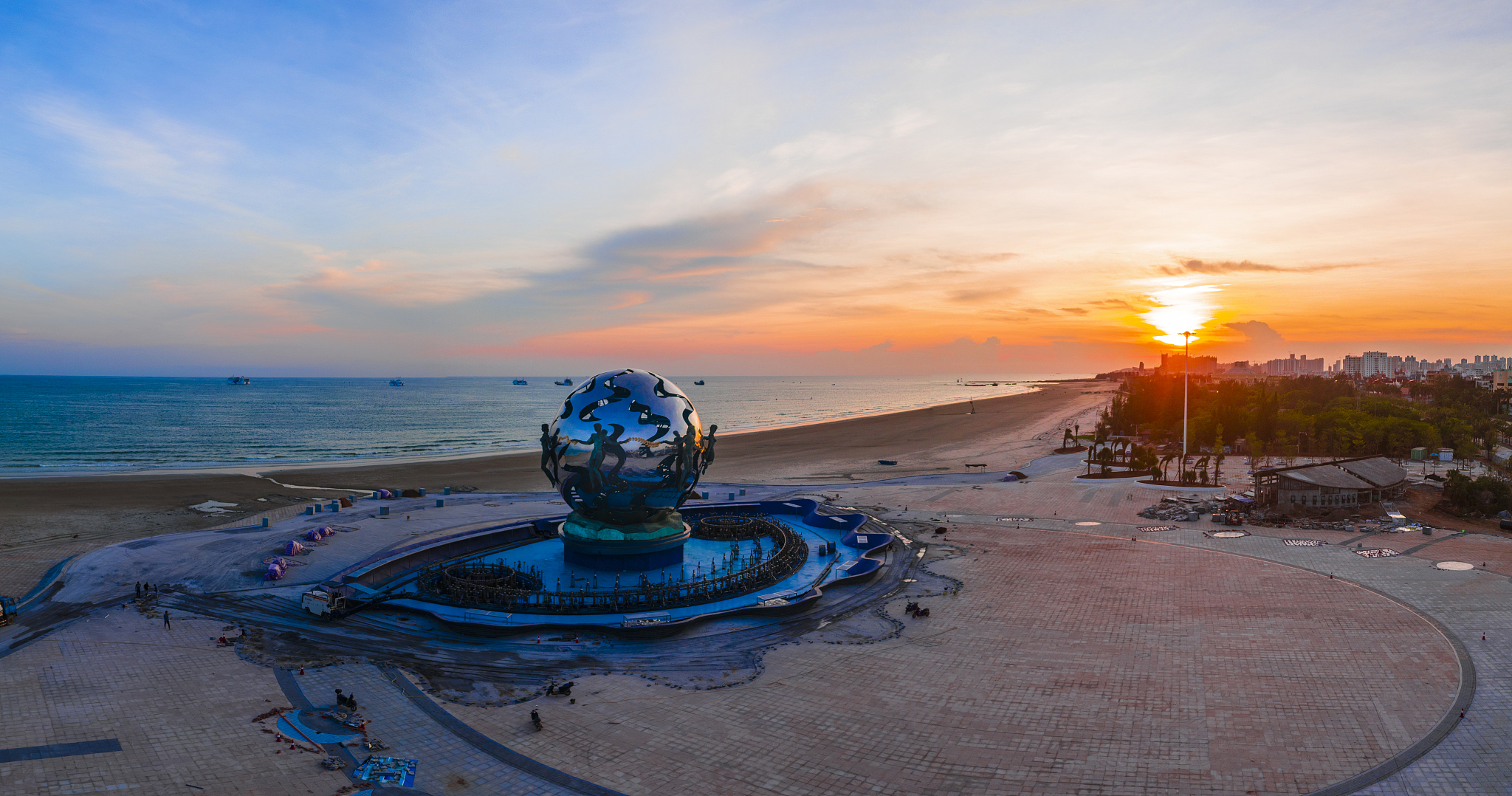
A coastal city in Guangxi famed for its pristine Silver Beac...
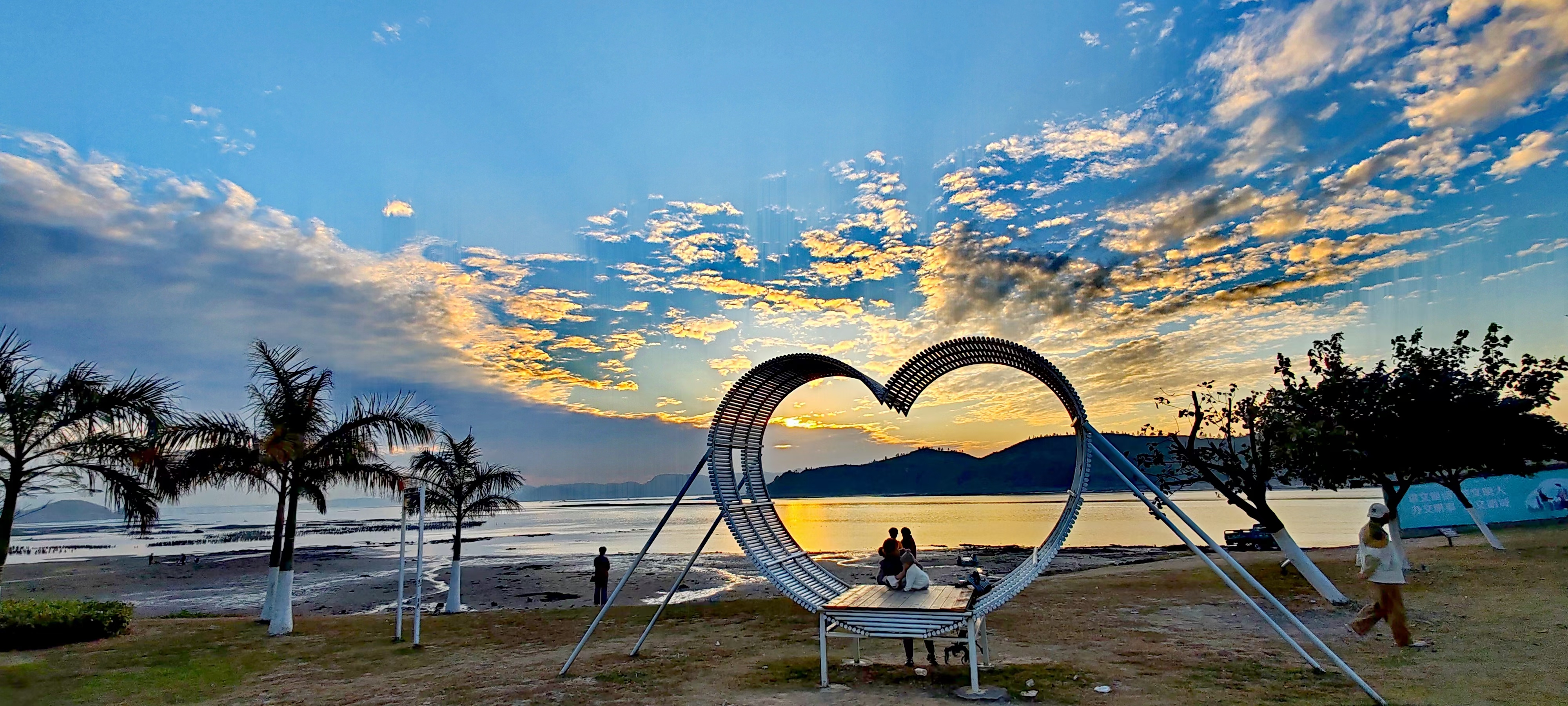
A port city on the China-Vietnam border, known for its deep-...
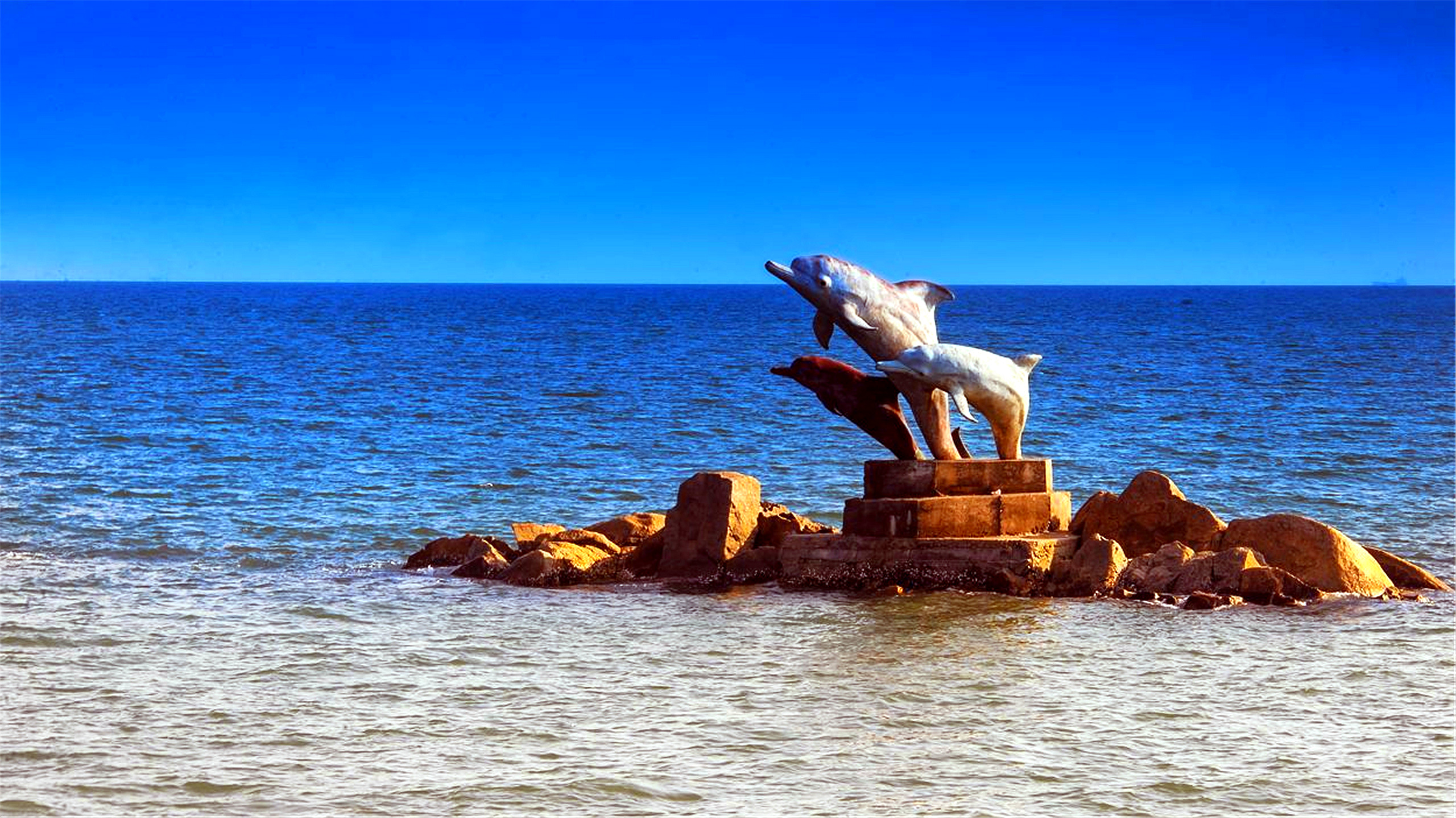
A coastal city in Guangxi known for Sanniang Bay wild Chines...
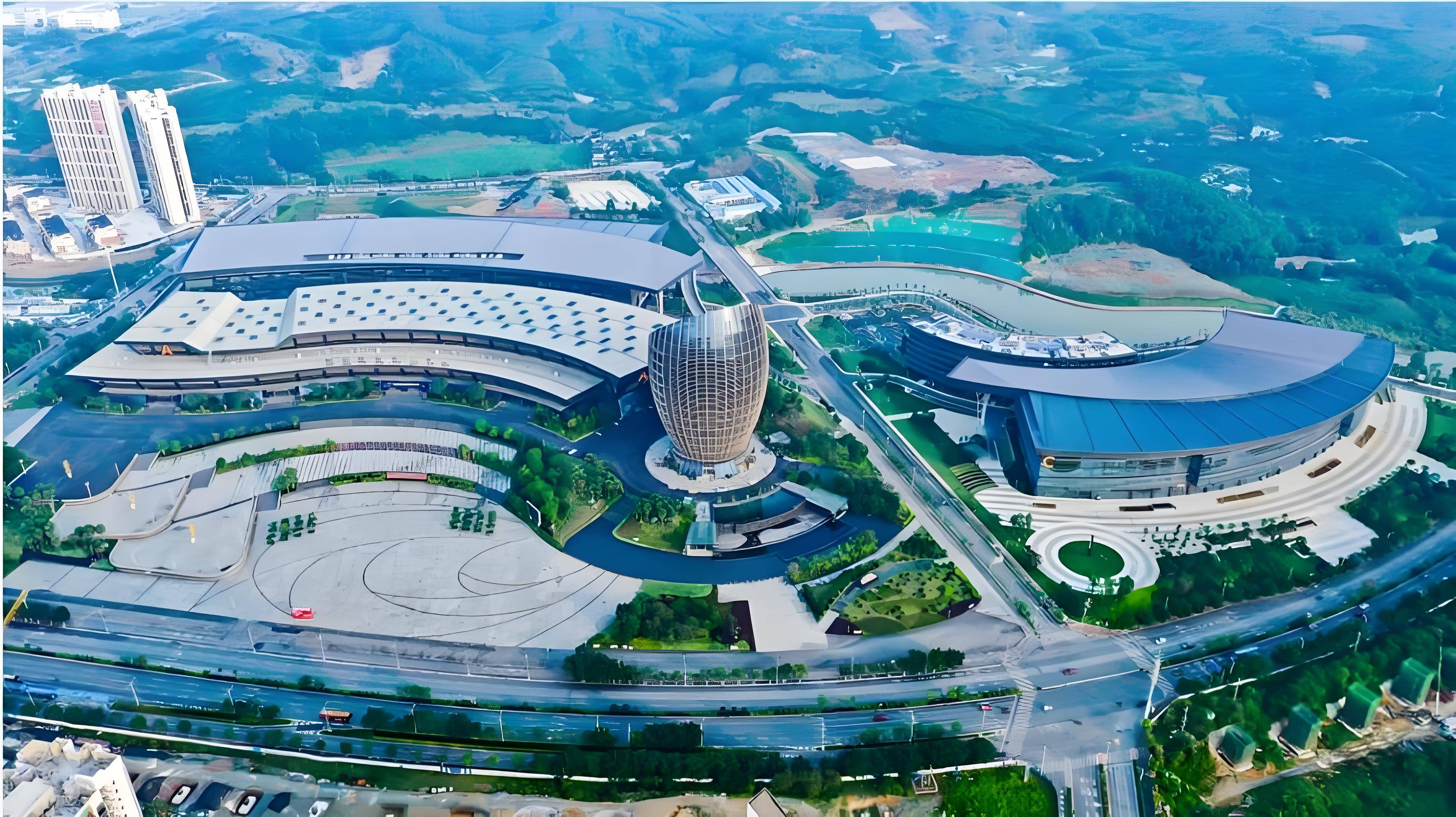
The City of Snails and Rivers, globally famous for Liuzhou L...
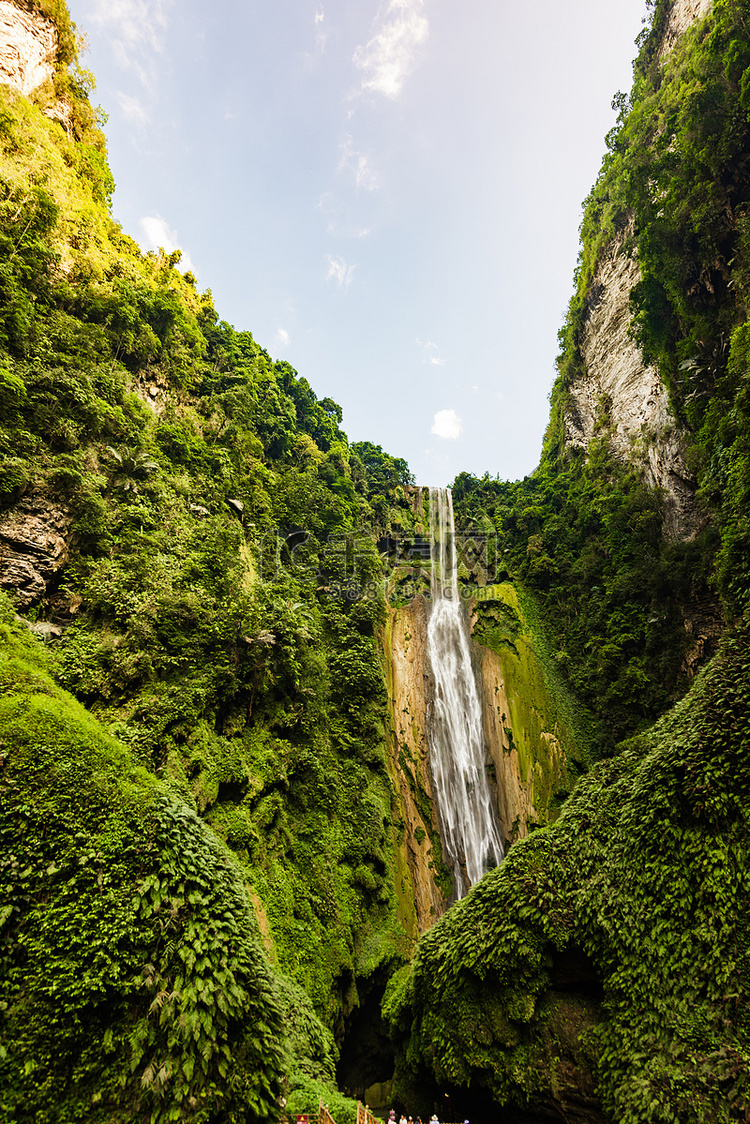
A historic city in western Guangxi, Baise is the gateway to ...
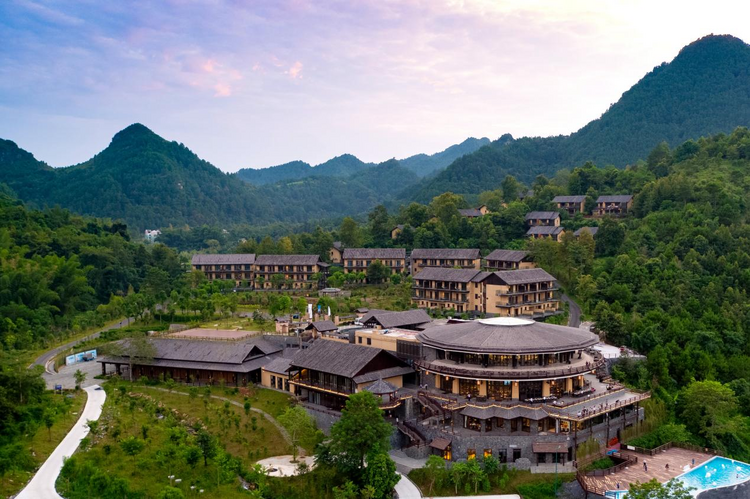
Home to the world-famous Bama Longevity Village and the spec...
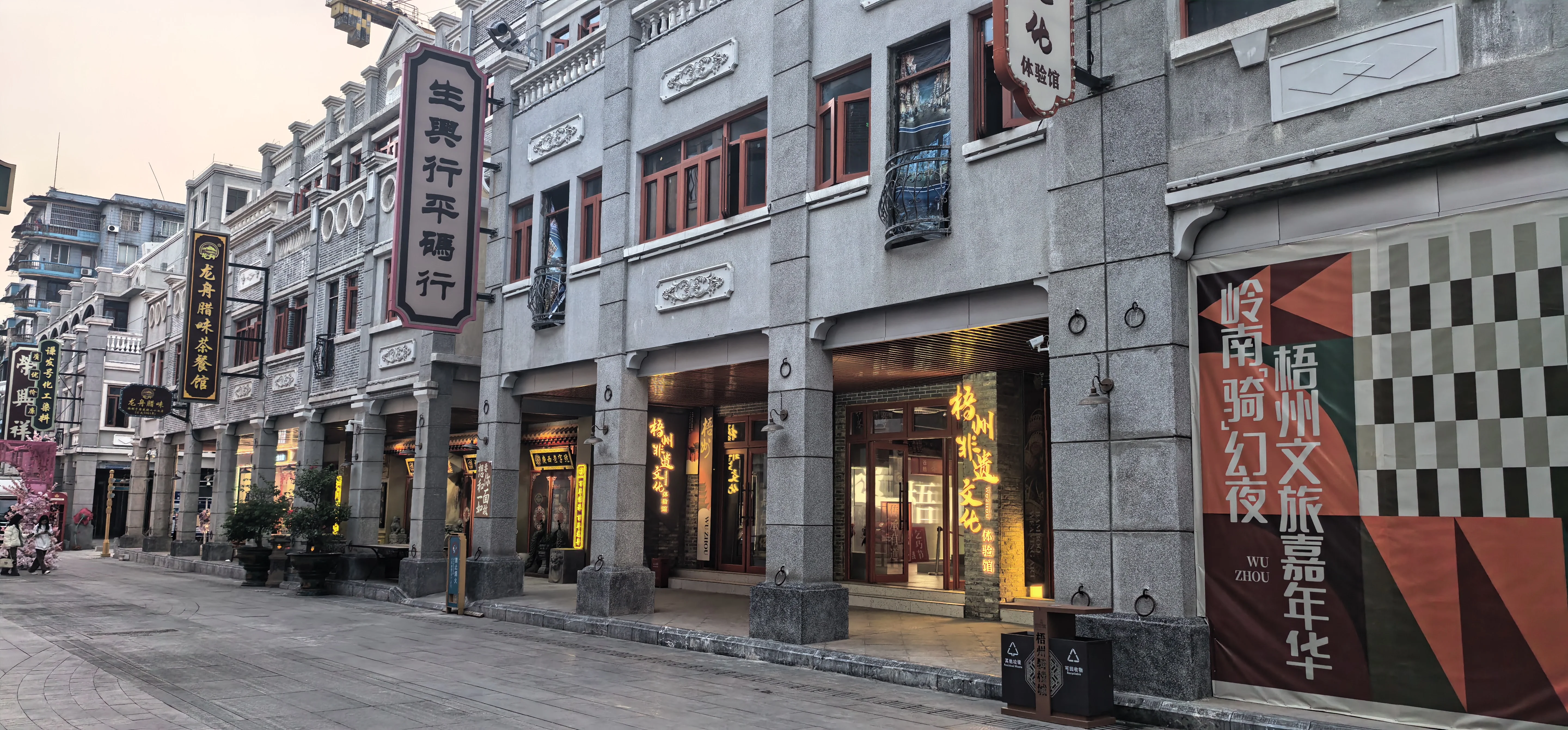
The "Gateway to Guangxi" on the Xi River, home to China's la...
Discover more cities, food guides, and travel inspiration.