Fangchenggang city skyline and landmarks (防城港) - Travel China Guide

Fangchenggang Travel Guide

A port city on the China-Vietnam border, known for its deep-water harbor, idyllic islands, and cross-border culture.

About

Fangchenggang occupies the southwestern corner of Guangxi, sharing a land border with Vietnam and facing the Beibu Gulf. It is the westernmost port city on the Chinese mainland, a distinction that gives it strategic importance as both a trading gateway to Southeast Asia and a naval base for the People Liberation Army Navy South Sea Fleet.

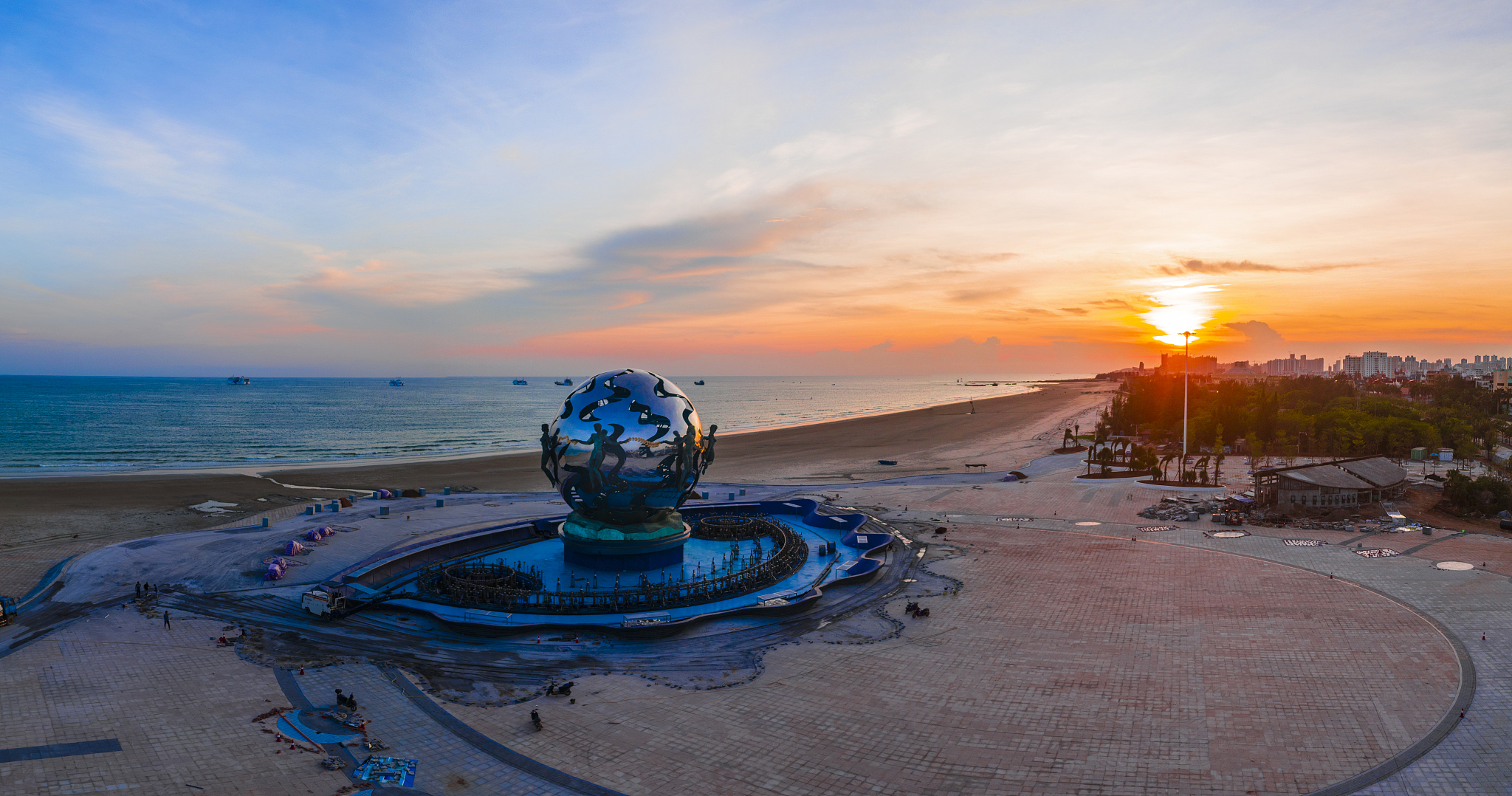
Despite its industrial port and military significance, Fangchenggang offers visitors a surprisingly unspoiled coastline. Jiangshan Peninsula stretches for 20 kilometers of sandy beaches, the Jing ethnic minority villages on Wanwei Island preserve a unique Vietnamese-influenced culture, and the Shiwandashan mountains harbor subtropical forests, waterfalls, and exceptional biodiversity. The city also serves as a convenient starting point for cross-border trips to Vietnam.

History & Development

Fangchenggang was historically a fishing and salt-producing area. Its modern development began after 1968 when it was selected as a secret naval base during the Vietnam War era. The construction of a deep-water port started in 1973, and the city was officially established as a prefecture-level city in 1993 as part of China strategy to develop the Beibu Gulf economic zone.

The port expansion accelerated in the 2000s, transforming Fangchenggang into one of China top 10 bulk cargo ports. The Dongxing border crossing, one of the busiest land ports between China and Vietnam, has driven tourism and cross-border trade. In recent years, the city has also developed a substantial steel industry, with large-scale investments in metal processing and heavy manufacturing.

Economy & Industries

Fangchenggang economy is dominated by port logistics, steel manufacturing, and cross-border trade. The Port of Fangchenggang handled over 150 million tons of cargo in 2023, ranking among China top 10 ports by throughput. Major cargoes include iron ore, coal, steel products, grain, and petroleum.

The city has developed a significant heavy industrial base centered on steel production. The Guangxi Steel Group operates a major integrated steel mill in Fangchenggang, with annual production capacity exceeding 10 million tons. This has transformed the local economy but also brought environmental challenges. Cross-border trade with Vietnam, conducted through the Dongxing border checkpoint, remains a vibrant economic activity. GDP reached approximately ¥95 billion in 2024, with heavy industry accounting for roughly 60 percent of industrial output. Tourism contributes modestly but is growing, driven by coastal scenery and ethnic minority culture.

Top Attractions

🏔️ Nature

Wanwei Island

The main settlement of the Jing ethnic minority, featuring traditional Jing fishing villages, a beachside performance square where visitors can watch the unique Jing single-string fiddle dance, and fresh seafood markets.

★★★★ 4.3
🕐 Open all day
🎫 Free
🏔️ Nature

Baima Shore

A wide, flat sandy beach on Jiangshan Peninsula known for its unusual dark sand that shimmers under sunlight. The gentle slope makes it safe for swimming and ideal for beach volleyball.

★★★★ 4.4
🕐 Open all day
🎫 Free
📍 Other

Dongxing Border Trade Market

A bustling border market at the China-Vietnam friendship bridge, where vendors sell Vietnamese coffee, snacks, cosmetics, handicrafts, and traditional medicines. Cross-border tours to Mong Cai, Vietnam are available.

★★★★ 4.2
🕐 8:00 AM - 6:00 PM
🎫 Free (market); cross-border tour ~200 yuan
🏛️ Landmark

Fangchenggang Port

One of China top 10 deep-water ports, handling coal, iron ore, and petroleum. The port viewing platform offers an impressive view of massive cargo ships, gantry cranes, and the bustling industrial harbor.

★★★ 3.8
🕐 Viewing platform: 8:00 AM - 5:00 PM
🎫 Free
🏔️ Nature

Jiangshan Peninsula

A scenic peninsula with a 20-kilometer coastline of sandy beaches, rocky coves, and fishing villages. Home to several beaches, a lighthouse, and the legendary "Dragon Gate" rock formation.

★★★★ 4.3
🕐 Open all day
🎫 Free
🏔️ Nature

Shiwandashan National Forest Park

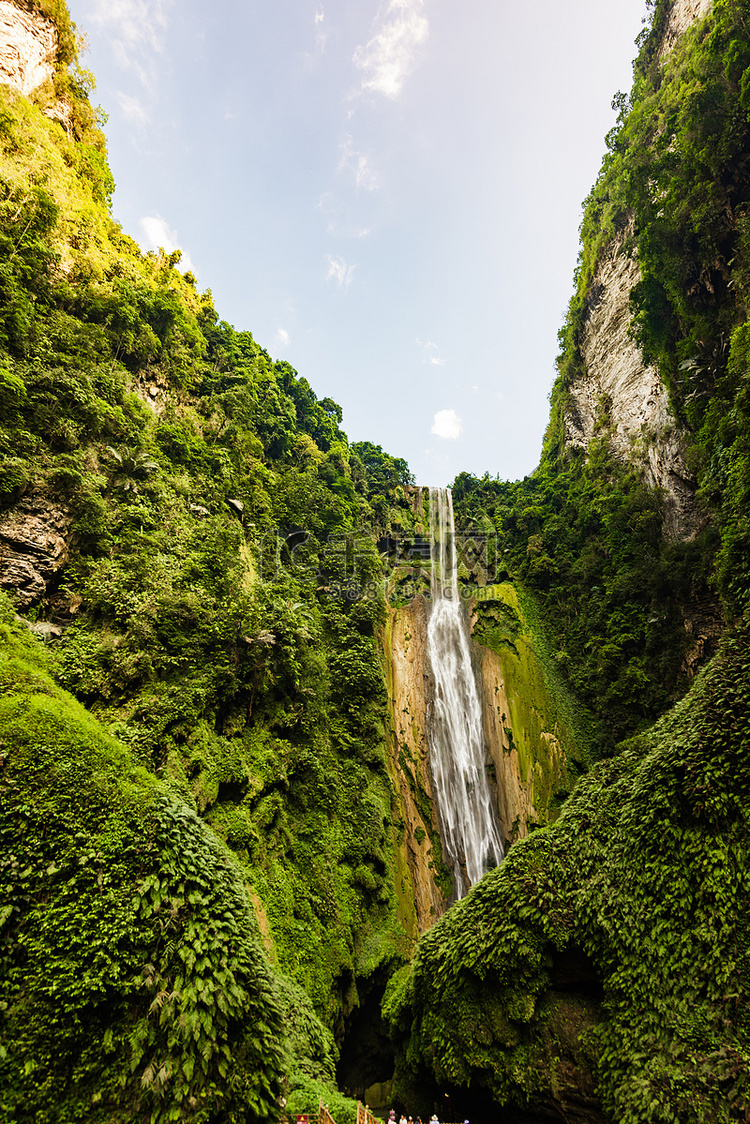
A vast forest park covering rugged mountains, pristine waterfalls, and dense subtropical jungle. Known for its biodiversity, hiking trails, and the stunning Longtan Waterfall.

★★★★ 4.4
🕐 8:00 AM - 5:30 PM
🎫 50 yuan
🏔️ Nature

Beilun River Estuary

The scenic estuary where the Beilun River marks the border between China and Vietnam. Mangrove forests line the banks, and boat rides offer views of both countries.

★★★★ 4.1
🕐 Open all day
🎫 Free; boat tour 50-80 yuan

Food & Culture

Discover the culinary treasures of Fangchenggang, from traditional street food to imperial cuisine.

Things to Do

Border Market Shopping

Browse the Dongxing border market for Vietnamese coffee, snacks, handicrafts, and cosmetics at bargain prices.

Jiangshan Peninsula Drive

Rent a car or scooter and drive the scenic coastal road of Jiangshan Peninsula, stopping at Baima Shore, rocky coves, and fishing villages.

Jing Culture Experience

Visit Wanwei Island to learn about Jing minority culture, watch a single-string fiddle performance, and try traditional Jing fishing methods.

Shiwandashan Hiking

Hike through the Shiwandashan forest park, following trails to waterfalls, mountain streams, and panoramic viewpoints.

⛩️

Cross-Border Day Trip

Take a day trip across the border to Mong Cai, Vietnam for Vietnamese cuisine, shopping, and a glimpse of daily life in a Vietnamese border town.

Getting Around

✈️

Airport

No airport in Fangchenggang. The nearest major airport is Nanning Wuxu International Airport (NNG), approximately 150 km away with shuttle bus connections.

🚄

High-Speed Rail

Fangchenggang Railway Station has high-speed rail service to Nanning (~1h), Guilin (~3h), and other cities on the Guangxi high-speed rail network.

🚇

Metro

No metro system. Public buses and taxis serve the city. Buses connect Fangchenggang city center to Dongxing and other key destinations.

Best Time to Visit

🌸

Spring

Mar - May

★★★★☆

Warm and pleasant with moderate rainfall. Good for outdoor activities, beach visits, and hiking in Shiwandashan.

  • Pleasant weather
  • Lush vegetation
  • Good for hiking
☀️

Summer

Jun - Aug

★★★☆☆

Hot and humid with frequent rain and occasional typhoons. Peak season for beach activities but high temperatures can be intense.

  • Peak beach season
  • Tropical fruits
  • Lively atmosphere
🍂

Autumn

Sep - Nov

★★★★★

The best season with cooler temperatures, lower humidity, and clear skies. Perfect for all outdoor activities including hiking and border town exploration.

  • Best weather
  • Clear skies
  • Comfortable hiking
❄️

Winter

Dec - Feb

★★★☆☆

Mild and dry, with daytime temperatures around 15-20°C. The coolest but still comfortable season. Fewer tourists and lower prices.

  • Mild weather
  • Fewer crowds
  • Budget-friendly

Continue Exploring China

Discover more cities, food guides, and travel inspiration.