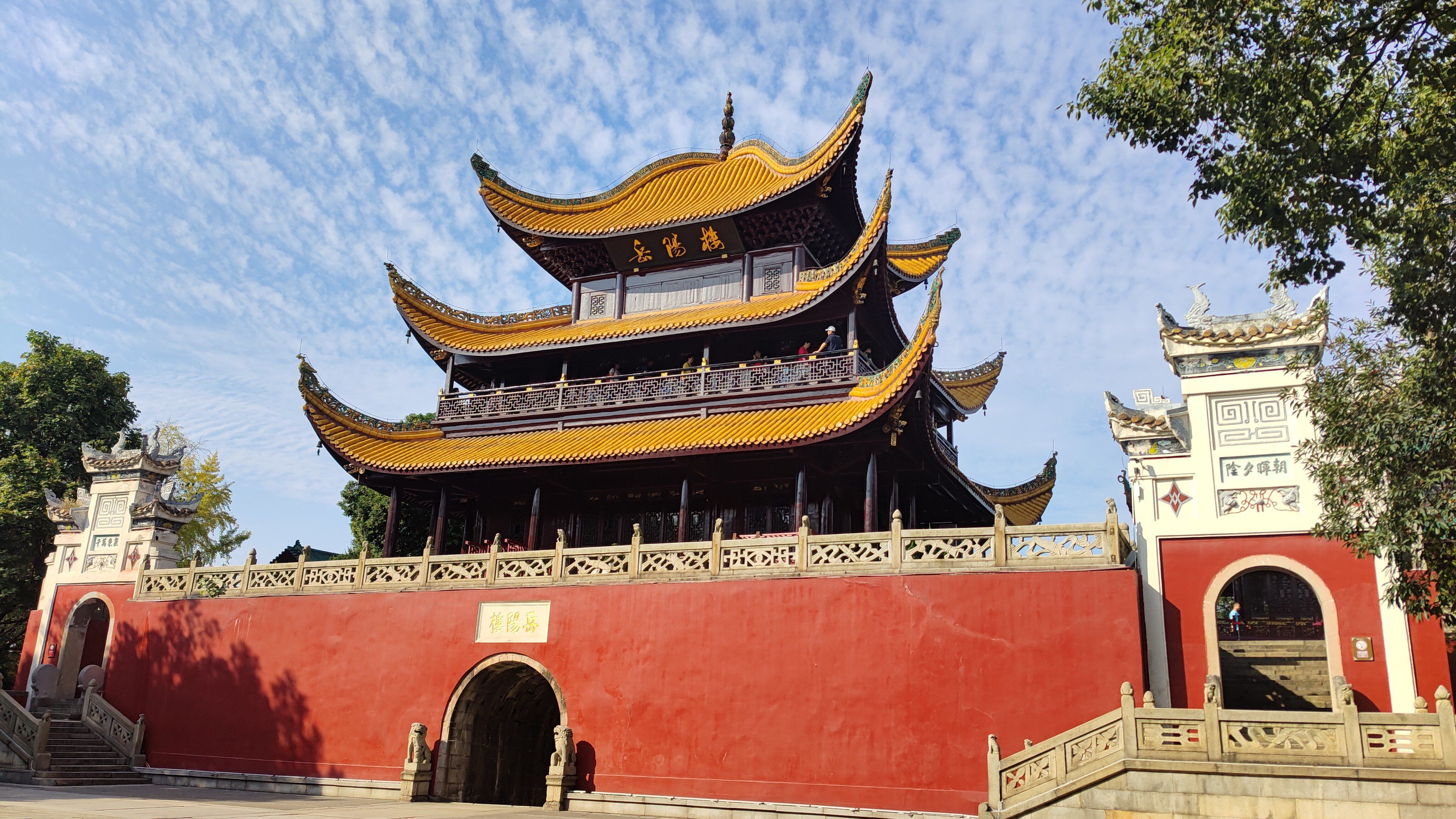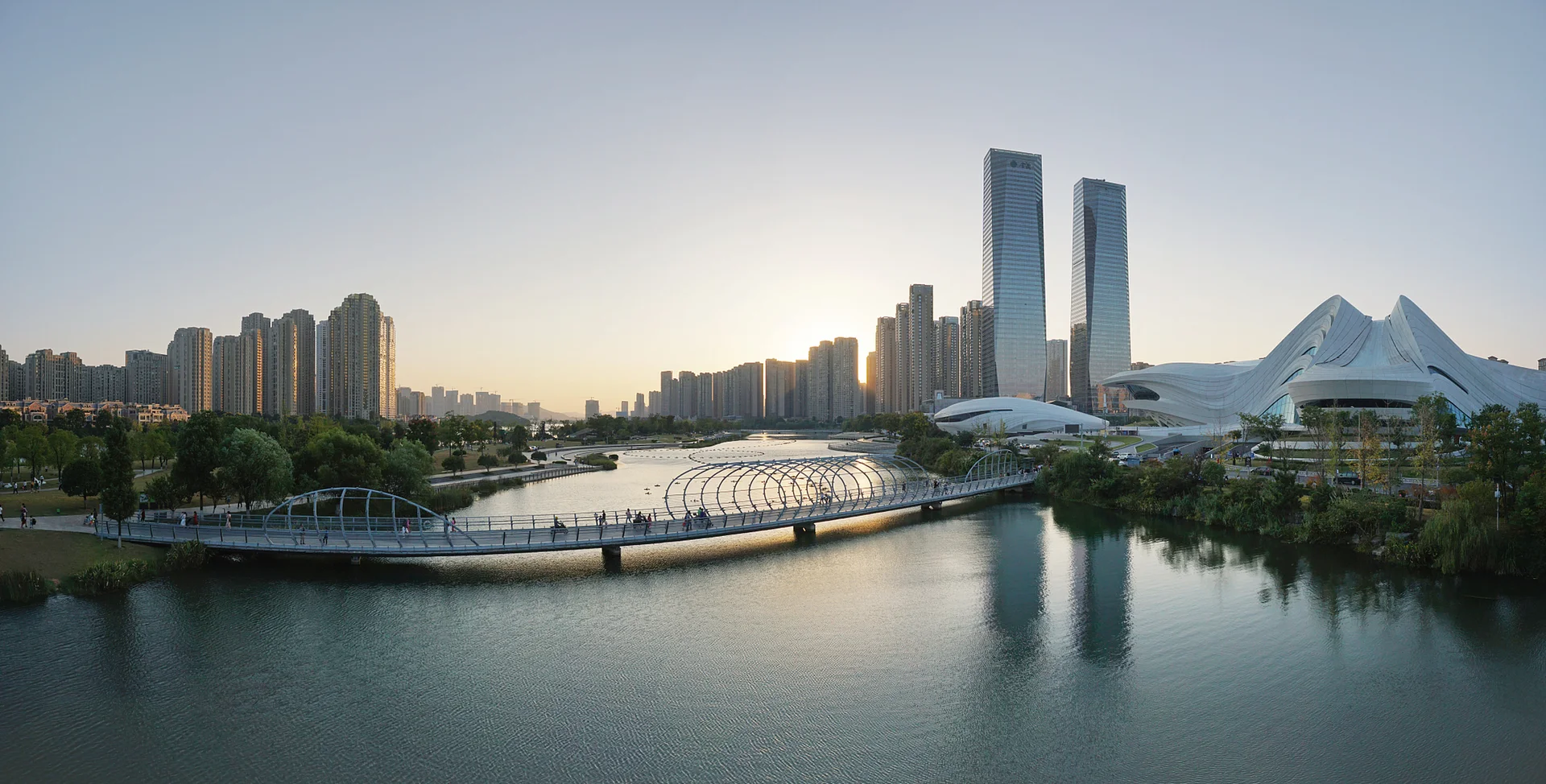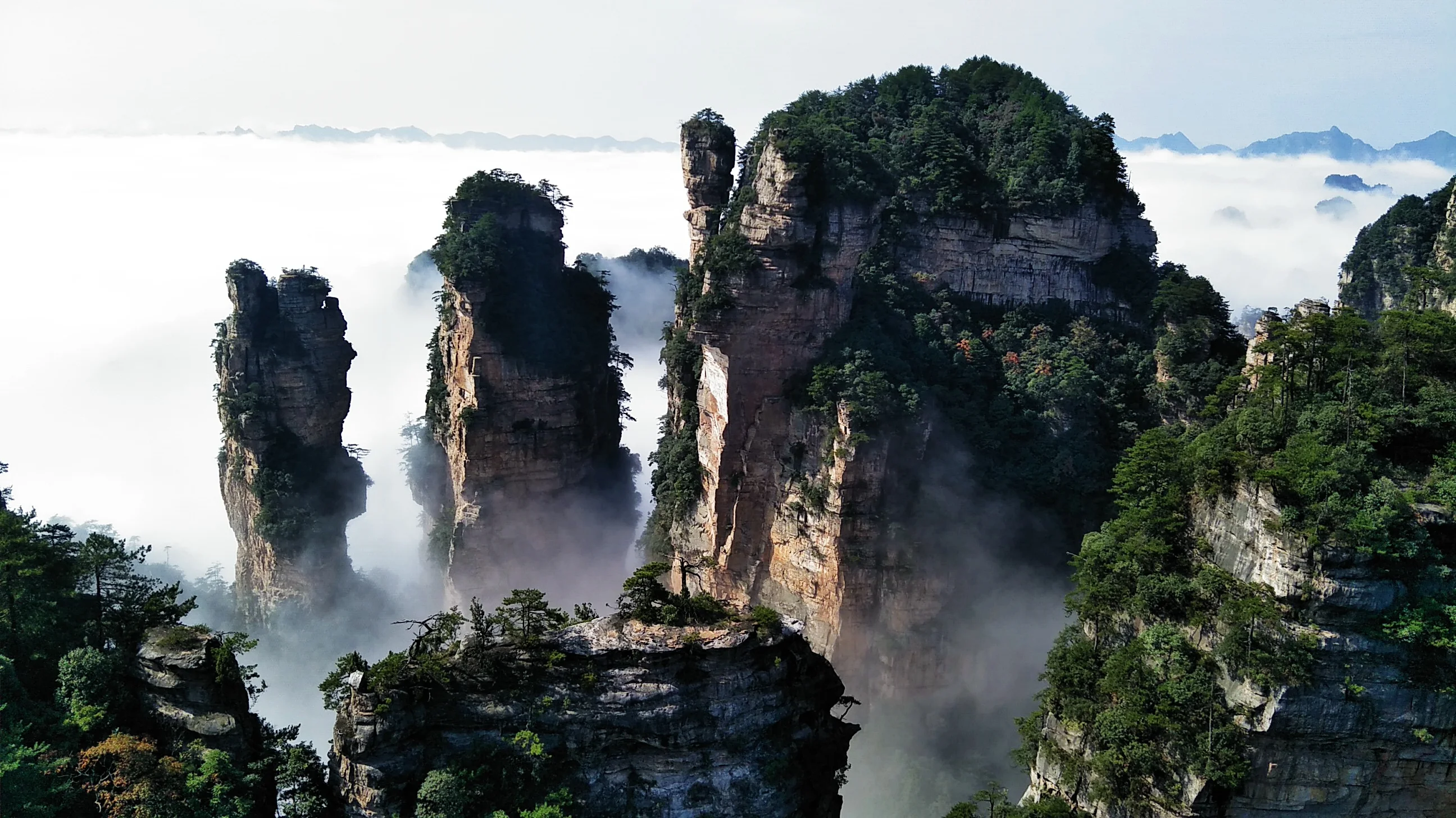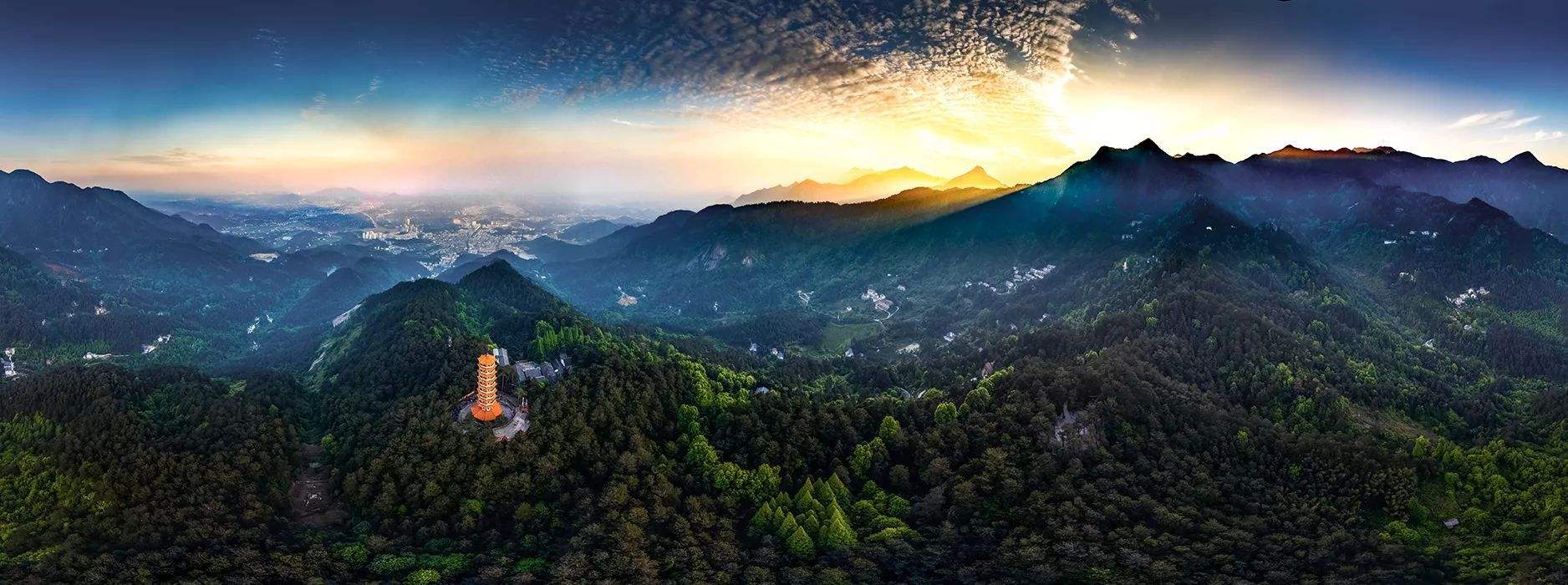
Zhuzhou city skyline and landmarks (株洲) - Travel China Guide

Zhuzhou Travel Guide

China's locomotive capital and a dynamic industrial powerhouse where high-speed trains are born, surrounded by lush mountains and ancient Yan Emperor heritage.

About

Zhuzhou, sitting on the eastern bank of the Xiangjiang River in eastern Hunan, is best known as China's "Locomotive Capital." The city is home to CRRC Zhuzhou, the country's largest electric locomotive manufacturer, which produces over 70 percent of China's railway locomotives and a significant share of the world's electric trains. Visitors arriving in Zhuzhou by high-speed rail will immediately notice the train theme — from locomotive-shaped sculptures in parks to the railway museum in the old depot.

Beyond its industrial might, Zhuzhou administers Yanling County, home to the Mausoleum of Emperor Yan (Yandi), one of the two mythical ancestors of the Chinese people. The sprawling complex draws pilgrims and tourists from across China and the Chinese diaspora.

The city also governs Liling, famous for its underglaze-colored porcelain industry spanning over 1,700 years. Liling porcelain has been presented as state gifts to foreign leaders and is collected worldwide. Zhuzhou forms the third point of the Changsha-Zhuzhou-Xiangtan metropolitan triangle, one of Central China's most dynamic economic regions.

History & Development

Zhuzhou's history dates back over 2,000 years. During the Han Dynasty (206 BC–220 AD), the area was part of Changsha Commandery. The name "Zhuzhou" first appeared during the Southern Song Dynasty (1127–1279), when it was a small river port on the Xiangjiang.

The city's transformation began in the 1930s with the construction of the Guangzhou–Hankou Railway. Zhuzhou was chosen as a major railway junction, and locomotive repair workshops were established, laying the foundation for its industrial future. After the founding of the People's Republic in 1949, Zhuzhou was designated as one of China's key industrial cities under the First Five-Year Plan. The electric locomotive manufacturing plant was built with Soviet assistance and began production in 1958.

The reform and opening-up period from 1980 onward brought rapid expansion. CRRC Zhuzhou evolved from a locomotive repair shop into a world-class manufacturer of electric locomotives, subway cars, and high-speed train components. The city's GDP grew from under 1 billion yuan in 1980 to over 360 billion yuan by 2024.

Economy & Industries

Zhuzhou's economy is dominated by its world-leading railway equipment manufacturing industry. CRRC Zhuzhou Electric Locomotive Co., Ltd. is the crown jewel, producing electric locomotives, metro trains, and high-speed rail components for both domestic and international markets. The company has supplied trains to over 30 countries, including Australia, South Africa, and several European nations.

The city's second major industrial pillar is non-ferrous metals processing, particularly tungsten and molybdenum refining. Zhuzhou is one of China's largest tungsten production centers. The Liling porcelain industry, while smaller in economic terms, adds significant cultural value and tourism appeal.

The Yanling County pharmaceutical industry has been growing, leveraging the region's rich botanical resources — a legacy of Emperor Yan's legendary role as the father of Chinese herbal medicine. The modern industrial park in the Tianyuan District has attracted automotive components, electronics, and new materials industries.

Top Attractions

🏛️ Landmark

Yandi Mausoleum

The Mausoleum of Emperor Yan (Yandi), one of the two legendary ancestors of the Chinese civilization, is located in Yanling County, Zhuzhou. According to Chinese mythology, Yandi taught the ancient Chinese people agriculture, herbal medicine, and trade. The sprawling complex includes the main sacrificial hall, a museum, ancient stele forests, and the sacred mausoleum mound. The biennial Yan Emperor Sacrificial Ceremony attracts descendants from around the world. The architecture follows traditional Ming and Qing dynasty styles, set against a backdrop of lush forested mountains.

★★★★ 4.6
🕐 08:00-17:30
🎫 60 yuan
🏔️ Nature

Shennong Valley National Forest Park

Shennong Valley is a pristine national forest park in Yanling County, named after Emperor Yan (Shennong). The park features dense subtropical forests, crystal-clear streams, dramatic waterfalls, and unique granite rock formations. The main attractions include the Pearl Waterfall, a 40-meter cascade, and the ancient Camphor tree forest. The park is home to over 2,000 species of plants and numerous wildlife species. Well-maintained hiking trails lead through bamboo groves and alongside babbling brooks.

★★★★ 4.5
🕐 08:00-17:00
🎫 80 yuan
🌳 Park

Zhuzhou Shennong Park

Shennong Park is Zhuzhou's largest urban park, built around a scenic lake in the city center. The park features classical Chinese pavilions, arched bridges, and a statue of Emperor Yan holding agricultural tools. The park's highlight is the Shennong Tower, a 9-story pagoda offering panoramic views of the city. Local residents practice tai chi, sing opera, and play chess under the ancient trees. A small amusement area makes it popular with families.

★★★★ 4.3
🕐 Open daily
🎫 Free
🎭 Museum

Zhuzhou Museum of Locomotive Industry

Housed in a converted train depot, this museum tells the story of China's railway revolution. Exhibits include vintage steam locomotives from the 1950s, early diesel engines, and China's first high-speed train prototype. Interactive displays allow visitors to simulate driving a train on the Beijing-Shanghai high-speed line. The museum celebrates Zhuzhou's role as the birthplace of China's modern railway industry.

★★★★ 4.4
🕐 09:00-17:00 (closed Mondays)
🎫 30 yuan
🏛️ Landmark

Lusong Tower

Lusong Academy is a well-preserved traditional Chinese academy originally founded in the Song Dynasty. It sits at the foot of a hill in Liling County, Zhuzhou. The academy features elegant courtyards, ancient lecture halls, and a library of classical texts. Zhu Xi, one of China's most influential Neo-Confucian philosophers, once lectured here. The academy's peaceful setting among bamboo groves makes it a wonderful place to appreciate traditional Chinese scholarly culture.

★★★★ 4.3
🕐 08:30-17:00
🎫 30 yuan
🌳 Park

Xiangjiang Scenic Belt

The Xiangjiang River runs through Zhuzhou, and the scenic belt along its banks is a popular leisure destination. The 10-kilometer riverside promenade features modern art sculptures, flower gardens, fitness stations, and viewing platforms. Evening walks along the river are especially popular, with the city skyline reflecting on the water. The Yan Emperor Square at the southern end hosts cultural performances on weekends.

★★★★ 4.2
🕐 Open daily
🎫 Free

Food & Culture

Discover the culinary treasures of Zhuzhou, from traditional street food to imperial cuisine.

Things to Do

🏛️

Tour the Yandi Mausoleum

Explore the sprawling sacred complex honoring Emperor Yan, the legendary ancestor of Chinese civilization.

Hike Shennong Valley

Trek through pristine forests, past waterfalls and crystal streams in this national forest park.

Visit the Locomotive Museum

Discover the history of China's railway industry and see vintage locomotives up close.

Stroll Xiangjiang Riverside

Enjoy a relaxing walk or cycle along the 10-km riverside promenade with city views.

🛍️

Shop for Liling Porcelain

Browse exquisite hand-painted underglaze porcelain in Liling, a craft perfected over 1,700 years.

Explore Lusong Academy

Walk through a Song Dynasty academy where the philosopher Zhu Xi once taught.

Suggested Itineraries

Yan Emperor Heritage Tour

A full day exploring Zhuzhou's most significant cultural and natural attractions.

  • Morning: Yandi Mausoleum in Yanling County
  • Afternoon: Shennong Valley National Forest Park
  • Evening: Xiangjiang Scenic Belt stroll

Industrial and Cultural Weekend

Combine Zhuzhou's industrial heritage with its deep cultural roots.

  • Day 1: Locomotive Museum + Liling Porcelain City
  • Day 2: Yandi Mausoleum + Lusong Academy

Getting Around

✈️

Airport

Changsha Huanghua International Airport (about 50km, 40 minutes by car) serves all major domestic and international routes.

🚄

High-Speed Rail

Zhuzhou West Station serves the Shanghai-Kunming HSR, reaching Changsha South in 15 minutes and Guangzhou in 2 hours.

🚇

Metro

Zhuzhou has an extensive bus rapid transit system and is connected to Changsha via intercity railway.

🚌

Bus Network

Extensive city bus network and long-distance buses connect all districts and counties, including direct buses to Yanling County.

🚕

Taxi & Rideshare

Available throughout the city

Best Time to Visit

🌸

Spring

Mar - May

★★★★★

Mild and pleasant. Wildflowers bloom in the mountains. Perfect for hiking Shennong Valley.

  • Wildflower season
  • Comfortable weather
  • Green landscapes
☀️

Summer

Jun - Aug

★★★☆☆

Hot and humid. Shennong Valley offers cool mountain retreats away from the city heat.

  • Mountain retreats
  • Waterfall season
  • River activities
🍂

Autumn

Sep - Nov

★★★★★

Clear skies and comfortable temperatures. The best season for outdoor sightseeing.

  • Best weather
  • Autumn foliage
  • Harvest season
❄️

Winter

Dec - Feb

★★☆☆☆

Cold and damp. Very few tourists. Good time for museum visits and hot pot dining.

  • Few tourists
  • Museum visits
  • Hot pot season

Continue Exploring China

Discover more cities, food guides, and travel inspiration.