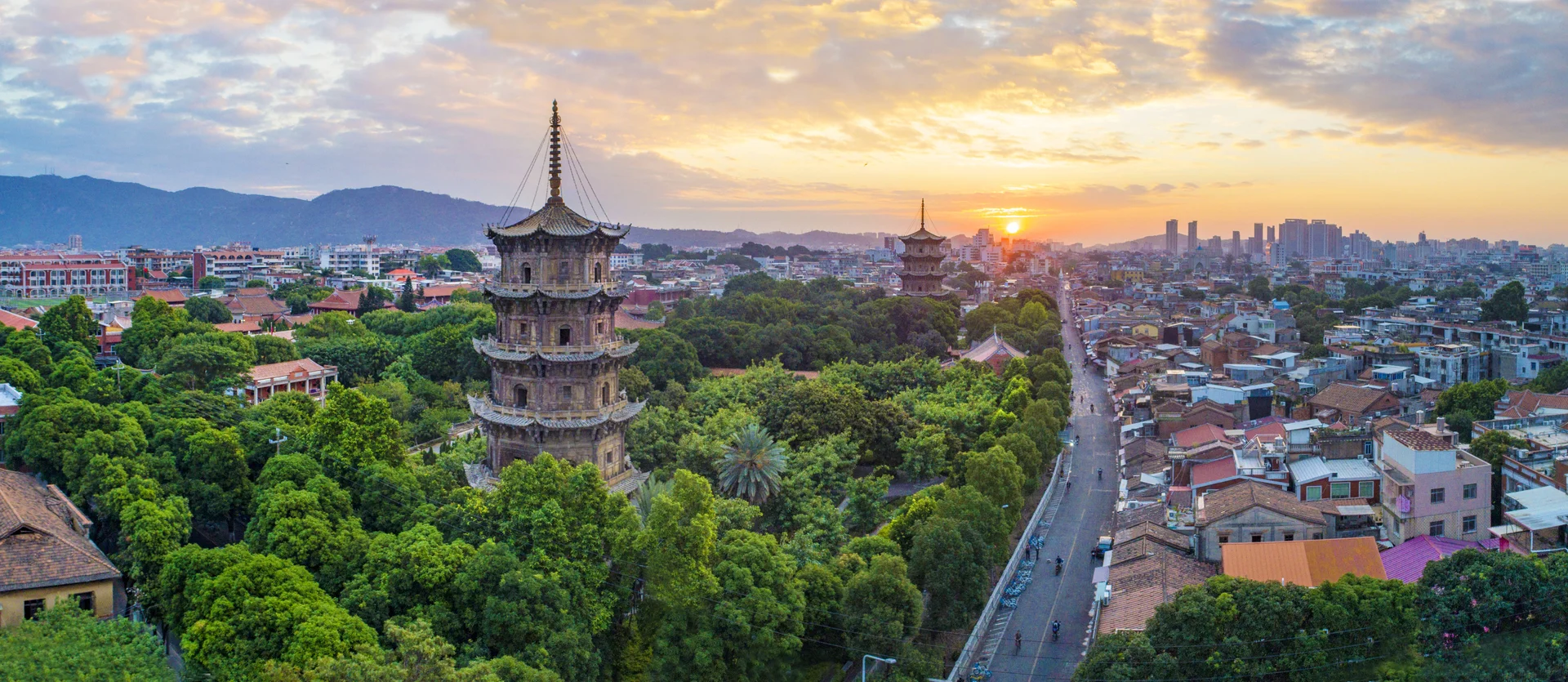
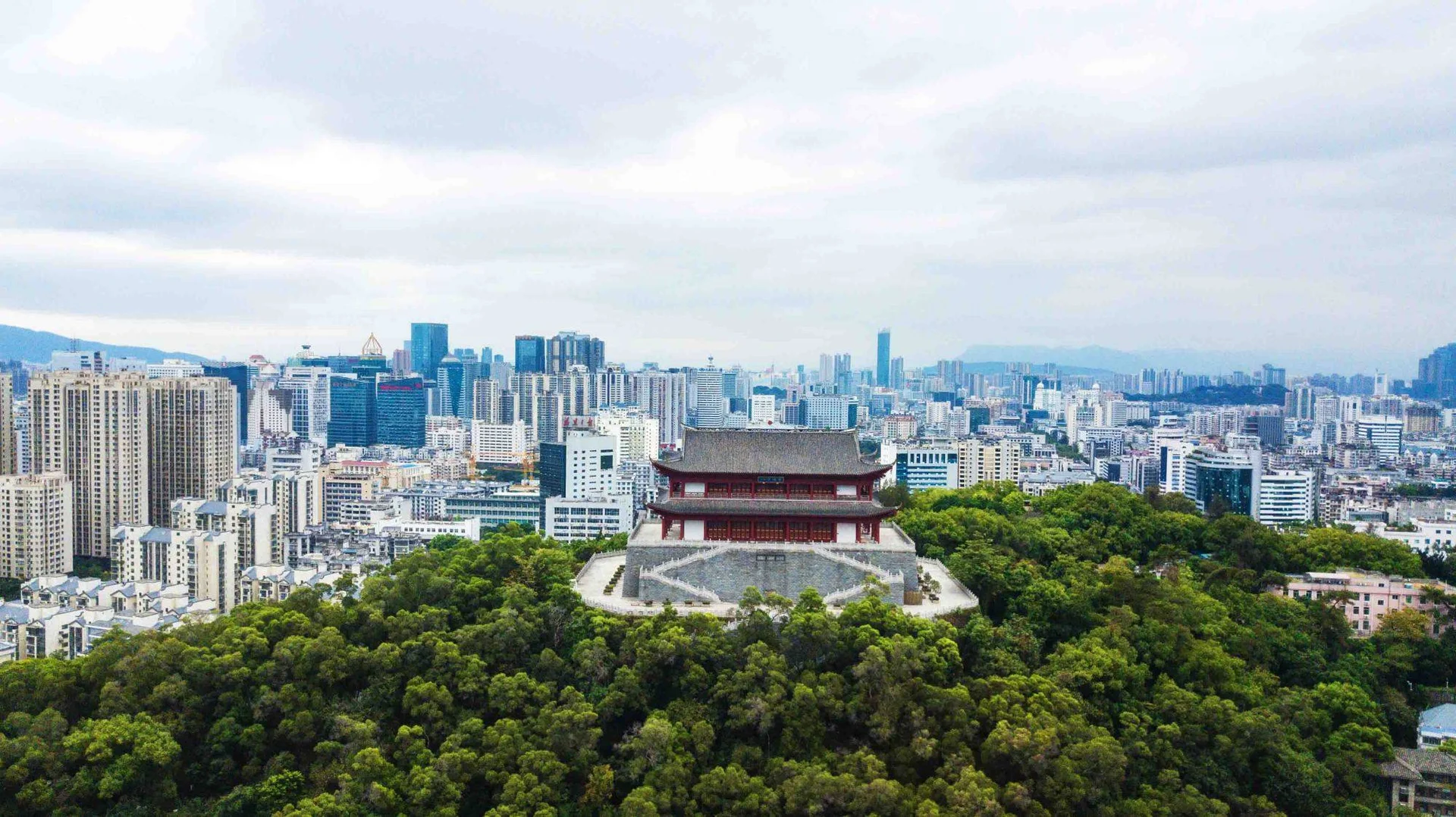
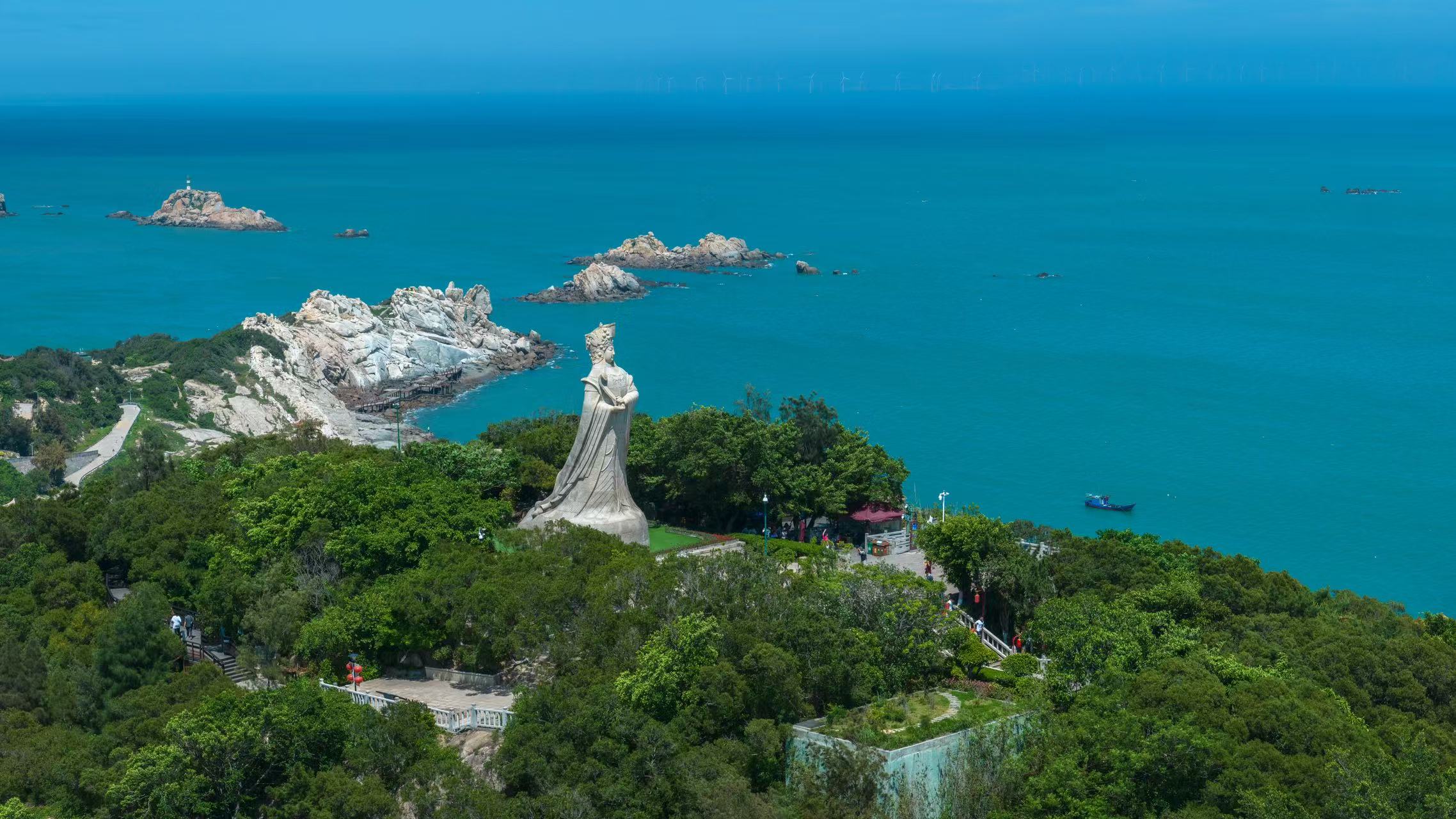
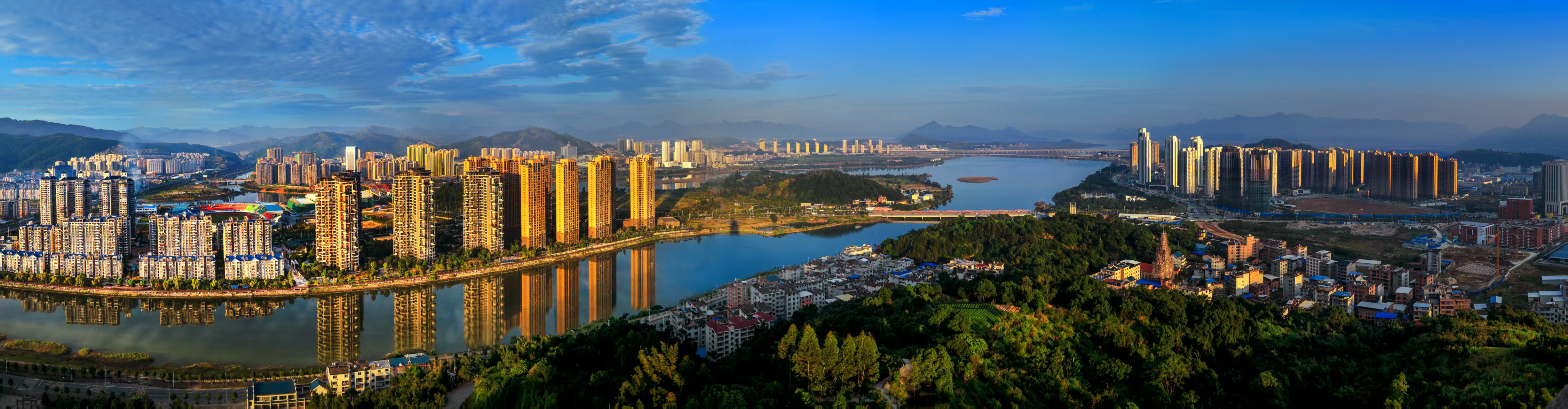
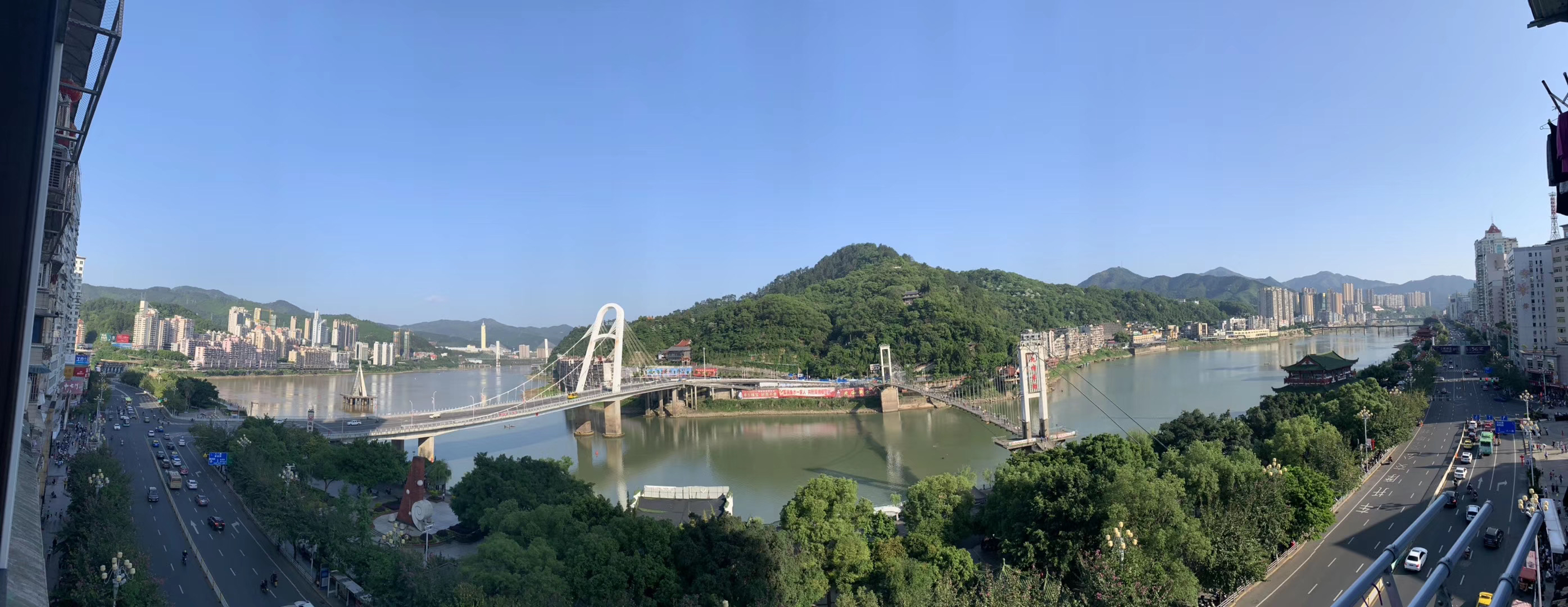
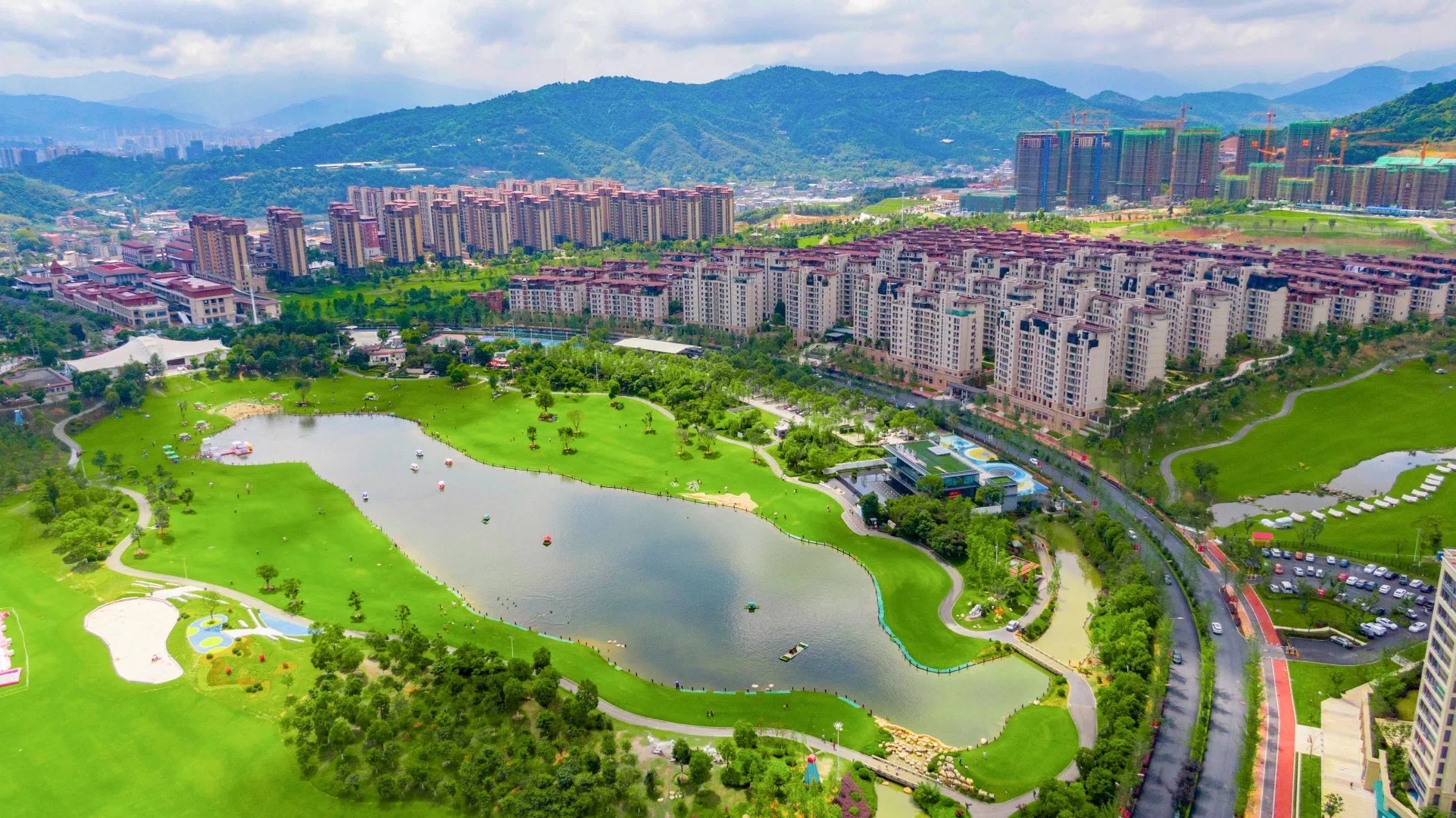
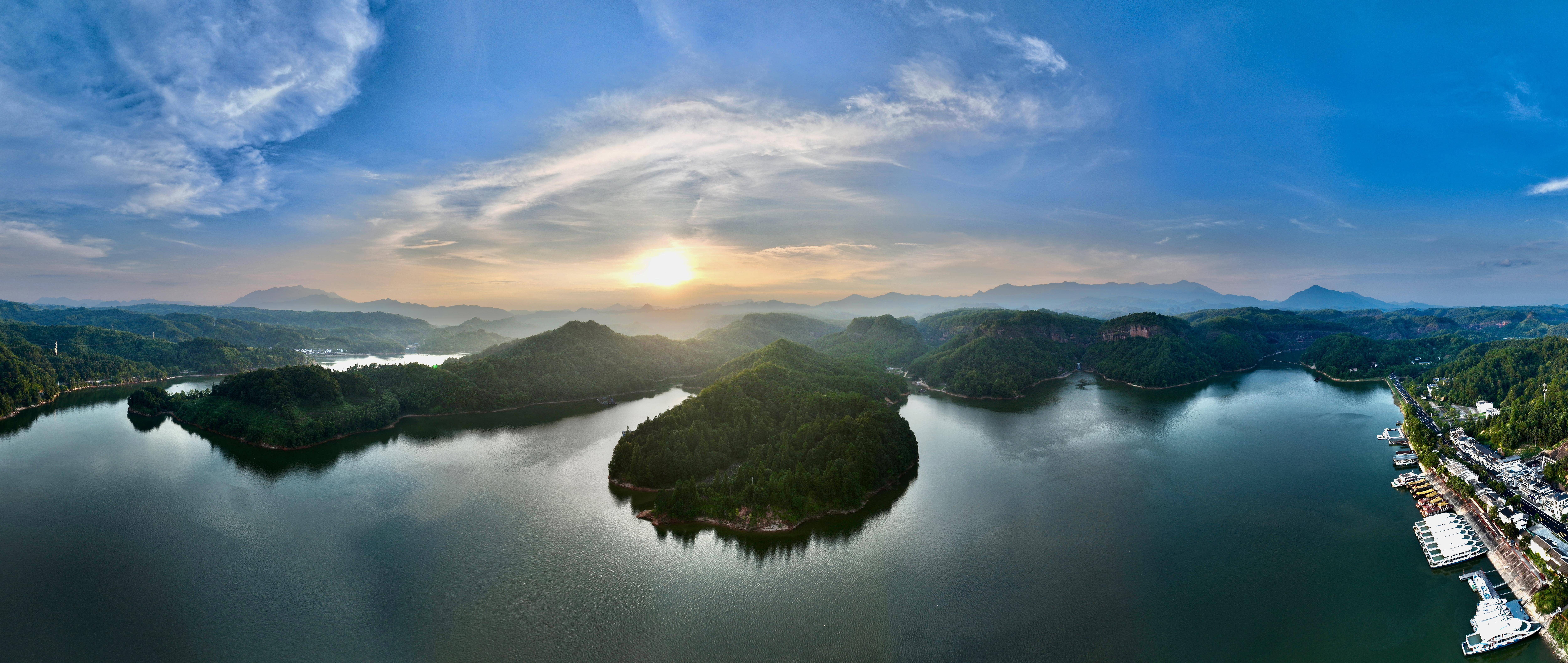
Zhangzhou city skyline and landmarks (漳州) - Travel China Guide

Zhangzhou Travel Guide

A historic city in southern Fujian known for the UNESCO Fujian Tulou, volcanic coastline, and rich agricultural bounty.

About

Zhangzhou is a prefecture-level city in southern Fujian Province, situated between Xiamen and the Guangdong border. With a population of 5.1 million, it is one of Fujian's largest and most historically significant cities. The city's nickname, "Land of Fish and Rice," reflects its agricultural abundance and coastal location.

Zhangzhou is best known for the Fujian Tulou — massive circular and rectangular earthen buildings built by Hakka communities, recognized as a UNESCO World Heritage Site in 2008. The Nanjing and Hua'an tulou clusters draw visitors from around the world who marvel at these architectural marvels nestled in misty mountain valleys.

Beyond the tulou, Zhangzhou boasts a remarkable natural landscape. The coastline features volcanic geology, with the Volcano Island Natural Ecology Park preserving extraordinary basalt columns and sea caves. Dongshan Island offers some of Fujian's finest beaches, while the inland mountains are covered in lush subtropical forests, tea plantations, and fruit orchards. The city is a major agricultural producer, supplying lychees, longans, pomelos, and the famous Zhangzhou narcissus flowers to markets across China.

History & Development

Zhangzhou has a history spanning over 1,300 years, established as a prefecture in 686 AD during the Tang Dynasty. The city developed into an important commercial port during the Song and Yuan dynasties, playing a significant role in the Maritime Silk Road. European traders, including the Portuguese and Dutch, established trading posts in the Zhangzhou area in the 16th and 17th centuries.

The Fujian Tulou, the region's most iconic heritage, were built by Hakka people between the 12th and 20th centuries. These fortress-like earthen buildings were designed for communal living and defense, housing entire clans of up to several hundred people. The largest and most elaborate examples date from the Ming and Qing dynasties.

During the Ming Dynasty, Zhangzhou was a center of private maritime trade despite imperial restrictions. The port of Yuegang (Moon Harbor) in Zhangzhou was one of the most important smuggling ports along the coast. In the modern era, Zhangzhou developed as an agricultural and light industrial center, with significant economic integration with neighboring Xiamen.

Economy & Industries

Zhangzhou's economy is fundamentally agricultural, with the city being one of Fujian's most important food producers. Major crops include lychees, longans, pomelos, bananas, and vegetables. The flower industry is particularly notable — Zhangzhou narcissus (daffodil) is famous throughout China, and the city is a leading producer of orchids and other ornamental plants.

Industry in Zhangzhou includes food processing, textile manufacturing, and construction materials. The city has also developed a growing petrochemical sector with the Zhangzhou Gulei Petrochemical Base attracting major investments. Tourism is increasingly important, driven by Fujian Tulou, Dongshan Island, and the volcanic coastline.

Zhangzhou's GDP reached approximately ¥570 billion in 2025, making it one of Fujian's stronger regional economies. The city benefits from its proximity to Xiamen, with many Zhangzhou residents commuting to work across the border. The Zhangzhou Port handles significant cargo volumes, supporting both domestic and international trade.

Top Attractions

🏛️ Landmark

Fujian Tulou (Nanjing)

UNESCO World Heritage earthen buildings unique to Fujian. The Nanjing Tulou cluster includes the famous "Four Wonders" — Tianluokeng, Yuchang Building, Hekeng, and Taxia villages. These massive circular and rectangular structures date from the 12th to 20th centuries.

★★★★ 4.8
🕐 8:00 AM - 5:30 PM
🎫 90 yuan (combined ticket for multiple tulou)
🏔️ Nature

Volcano Island

A natural ecological park on the coast featuring dramatic volcanic rock formations, sea caves, and basalt columns. The park preserves a unique coastal volcanic landscape with pristine beaches and hiking trails.

★★★★ 4.5
🕐 8:00 AM - 5:30 PM
🎫 80 yuan
📍 Other

Yunshuiyao Ancient Town

A picturesque ancient village along a winding river, famous for its centuries-old banyan trees, stone-paved paths, and traditional Fujian-style houses. The village gained fame as the filming location of the movie "The Knot."

★★★★ 4.6
🕐 Open all day
🎫 90 yuan
🏔️ Nature

Dongshan Island

Fujian's second-largest island, featuring spectacular sea stacks, white sand beaches, and the iconic Fengdongshi (Wind-Activated Stone) scenic area. A popular seaside resort with excellent seafood.

★★★★ 4.5
🕐 Open all day
🎫 Free; Wind-Activated Stone area 60 yuan
📍 Other

Zhangzhou Old Town

A well-preserved historic district with Ming and Qing dynasty architecture, ancient memorial arches, and traditional shop houses. The old town offers a glimpse into Zhangzhou's rich mercantile history.

★★★★ 4.3
🕐 Open all day
🎫 Free
🏔️ Nature

Tianzhu Mountain

A national forest park with towering granite peaks, dense bamboo forests, and crystal-clear mountain streams. Known for its biodiversity and well-maintained hiking trails suitable for all fitness levels.

★★★★ 4.2
🕐 8:00 AM - 5:00 PM
🎫 40 yuan

Food & Culture

Discover the culinary treasures of Zhangzhou, from traditional street food to imperial cuisine.

Things to Do

🏛️

Tulou Discovery Tour

Spend a day exploring the Nanjing Tulou cluster, visiting the "Four Wonders" and learning about Hakka culture and architecture.

Volcanic Coast Exploration

Visit Volcano Island to see dramatic basalt columns, sea caves, and the unique coastal volcanic landscape.

Dongshan Island Beach Day

Relax on the white sand beaches of Dongshan Island, hike to the Fengdongshi scenic area, and enjoy fresh seafood.

⛩️

Old Town Walking Tour

Stroll through Zhangzhou Old Town, admire Ming and Qing architecture, and sample local street food.

Agricultural Sightseeing

Visit lychee and pomelo orchards in the countryside, and see the famous narcissus flower farms.

Yunshuiyao Riverside Walk

Walk the ancient stone path along the river in Yunshuiyao, shaded by centuries-old banyan trees, and visit traditional tulou buildings.

Getting Around

✈️

Airport

Zhangzhou is served by Xiamen Gaoqi International Airport (XMN), approximately 50 km away, with direct bus connections from the city center.

🚄

High-Speed Rail

Zhangzhou Railway Station (east and west stations) on the Fuzhou-Xiamen high-speed railway. Direct trains to Xiamen (~20 min), Fuzhou (~1.5 h), and other major cities.

🚌

Bus Network

Comprehensive bus network covering all districts. Buses connect to Nanjing tulou, Dongshan Island, and other key tourist destinations.

Best Time to Visit

🌸

Spring

Mar - May

★★★★☆

Warm and pleasant with blooming flowers everywhere. Narcissus season and lychee blossoms make the countryside particularly beautiful.

  • Narcissus season
  • Lychee blossoms
  • Pleasant weather
☀️

Summer

Jun - Aug

★★★☆☆

Hot and humid with frequent rain. Peak fruit season — lychees and longans are harvested. Beach activities on Dongshan Island are popular.

  • Lychee harvest
  • Dongshan Island beaches
  • Tropical fruits
🍂

Autumn

Sep - Nov

★★★★★

Comfortable temperatures, reduced humidity, and clear skies. The best season for visiting tulou and outdoor exploration.

  • Best weather
  • Clear skies
  • Ideal for tulou visits
❄️

Winter

Dec - Feb

★★★★☆

Mild and dry with cool mornings and evenings. The best time for hiking as the weather is crisp and comfortable.

  • Mild and dry
  • Great for hiking
  • Fewer tourists

Continue Exploring China

Discover more cities, food guides, and travel inspiration.