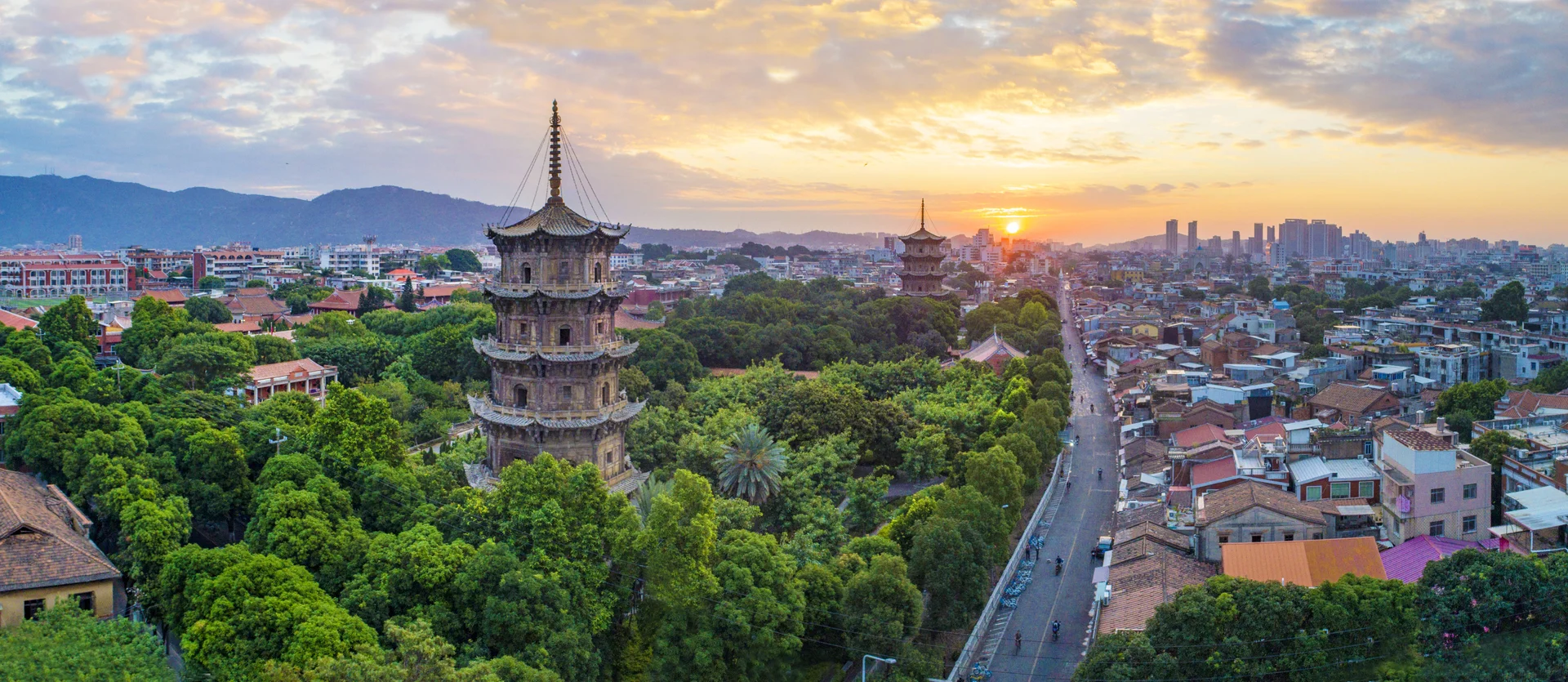
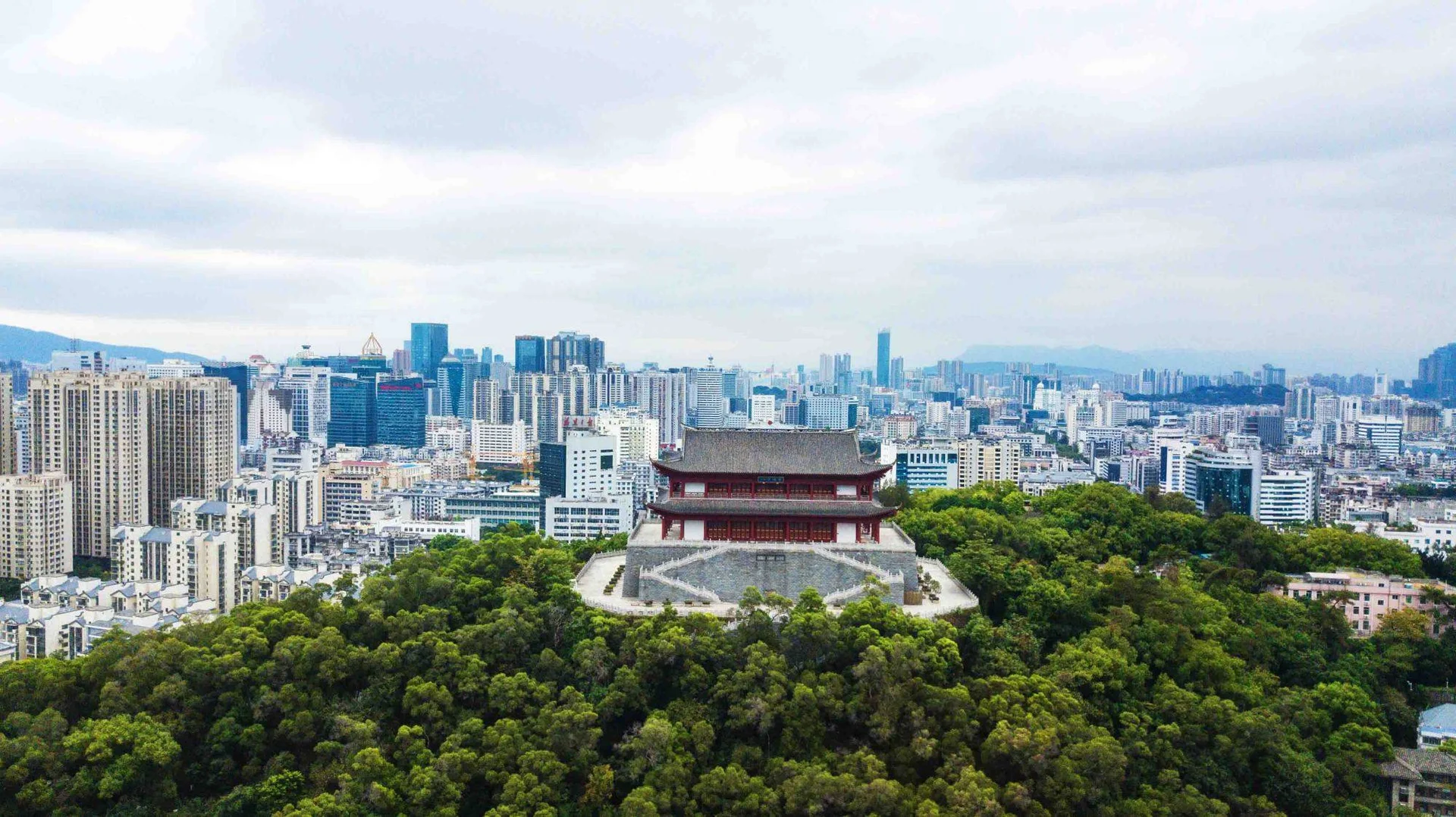
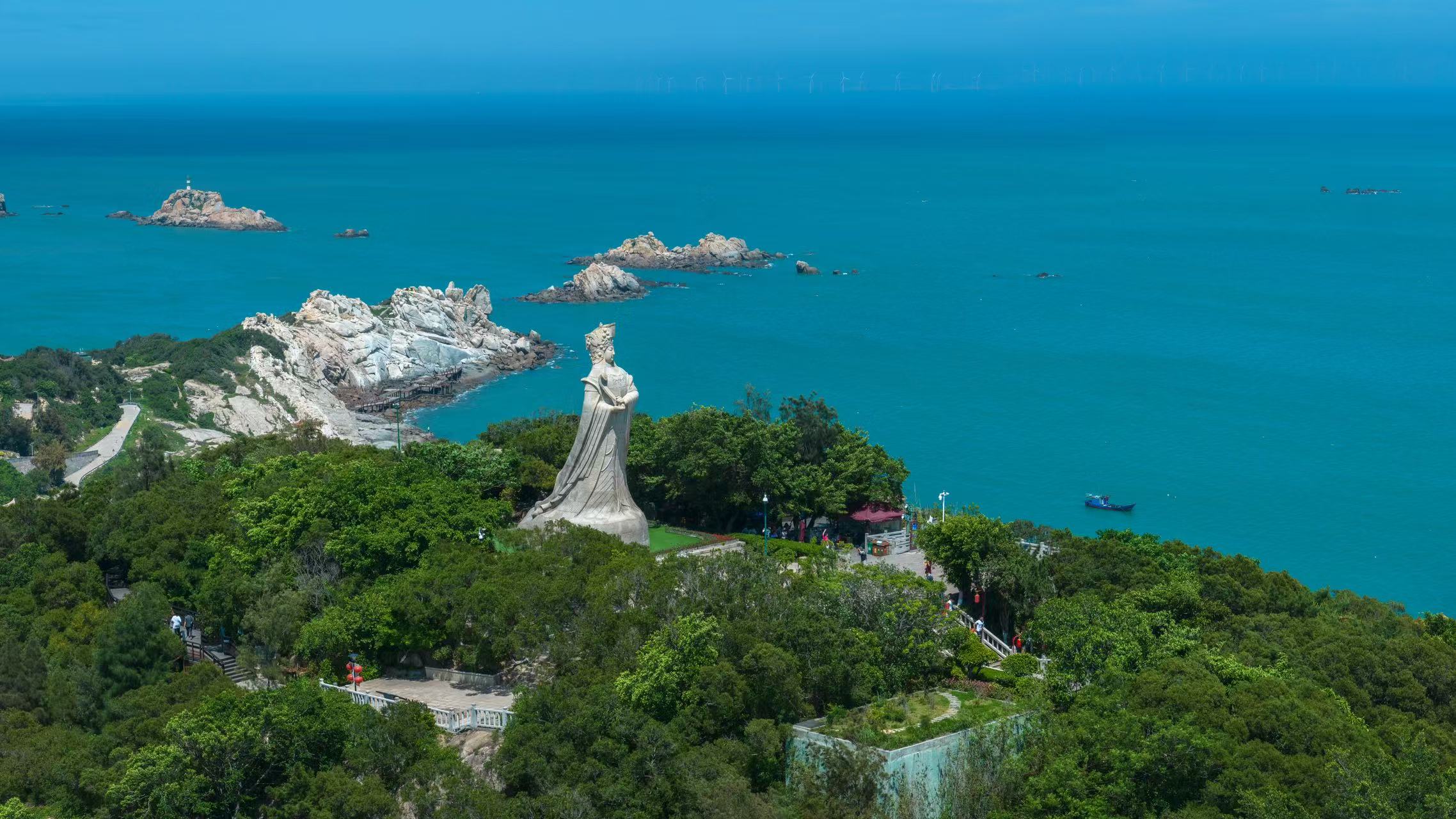
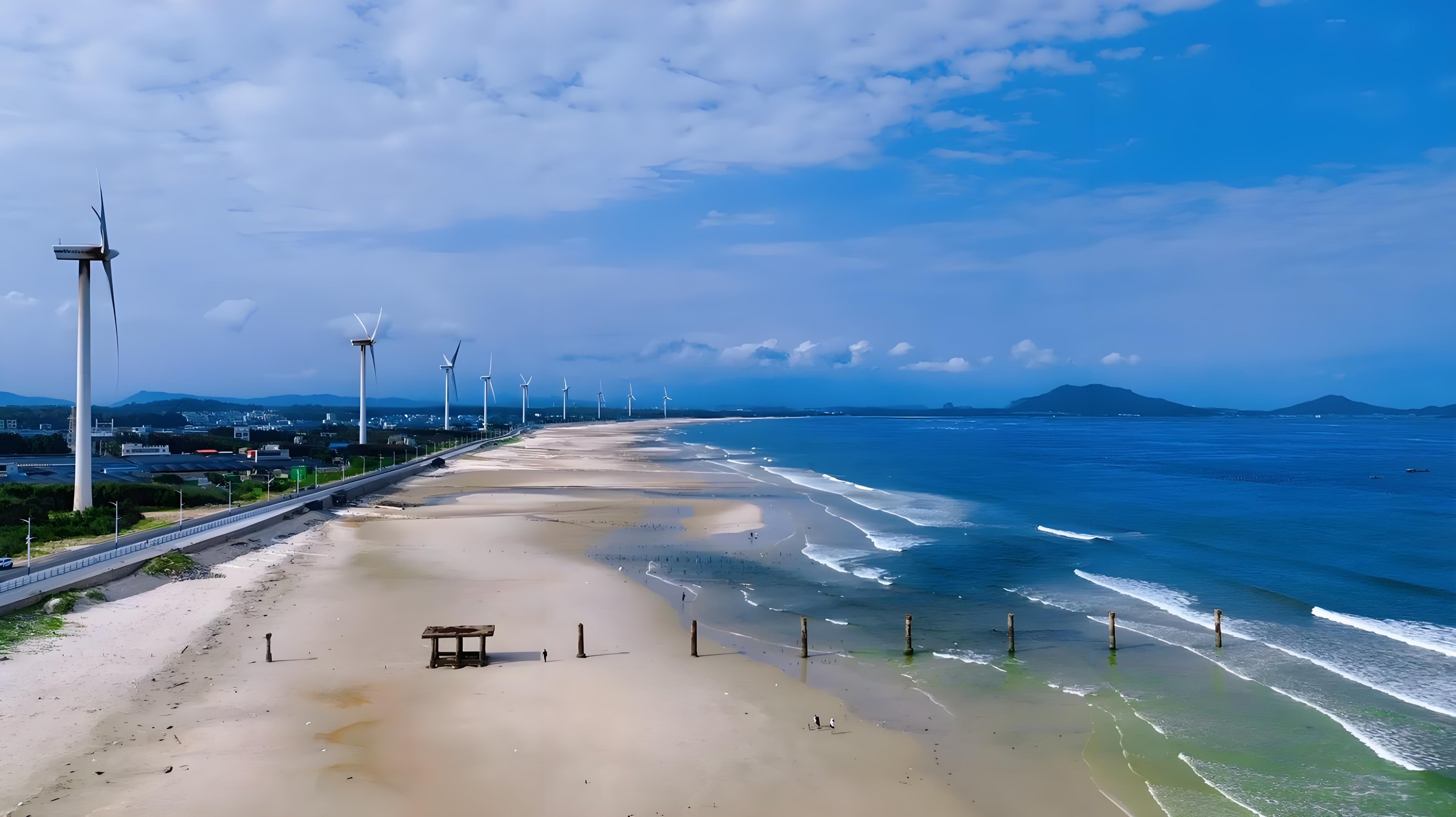
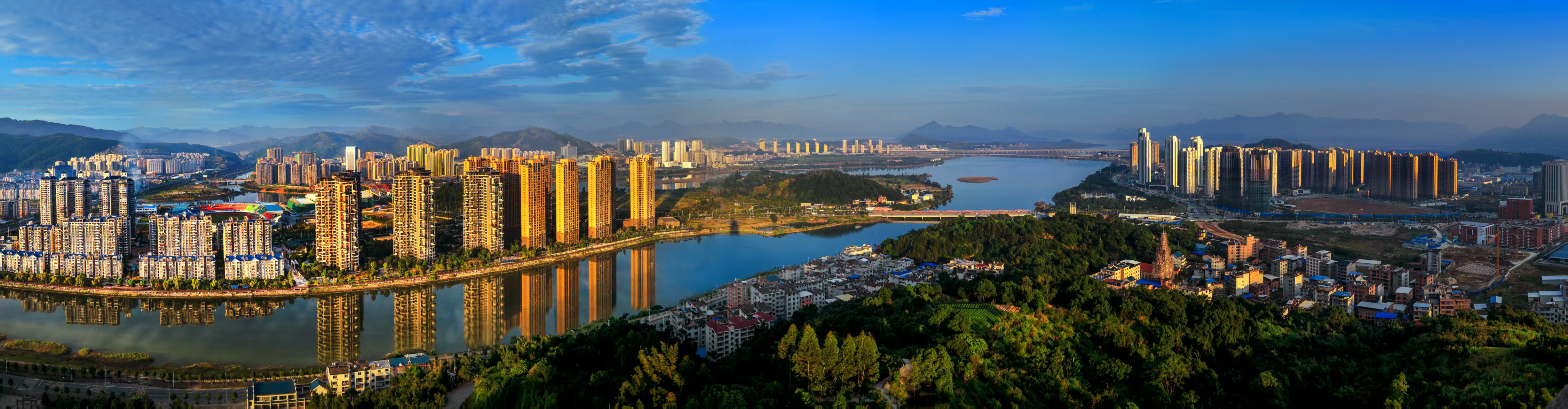
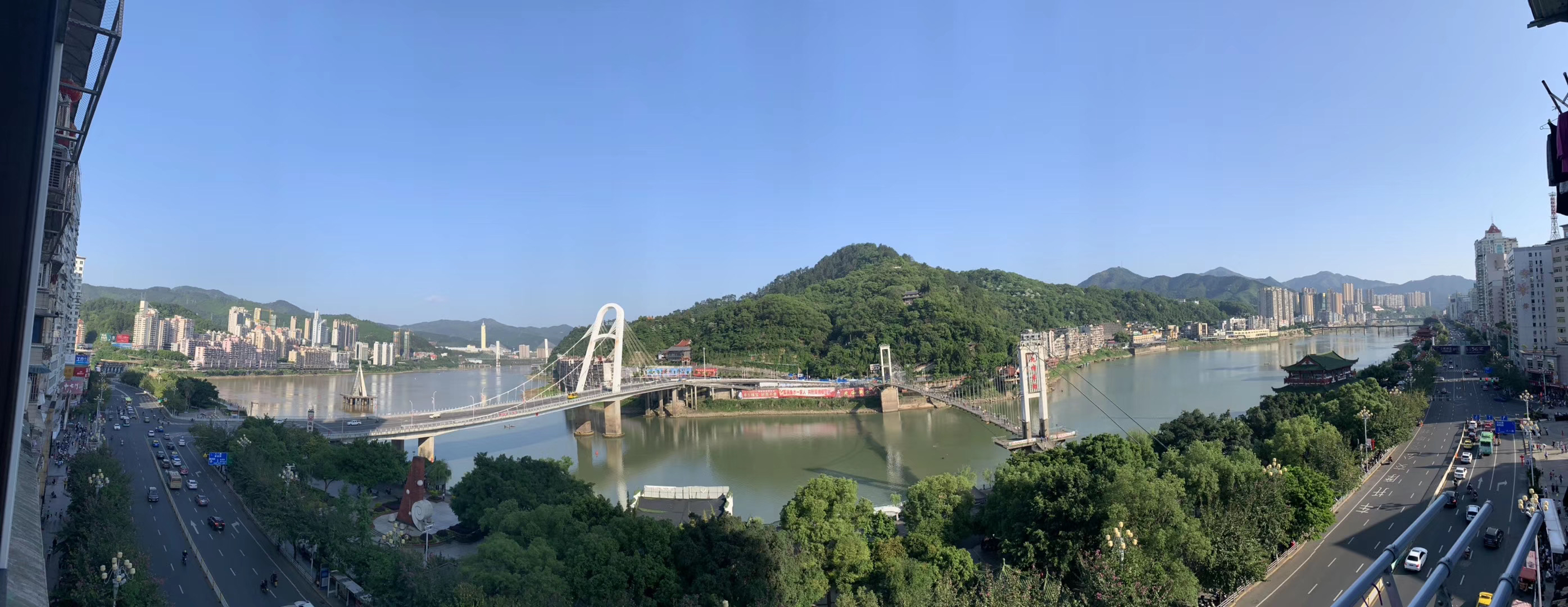
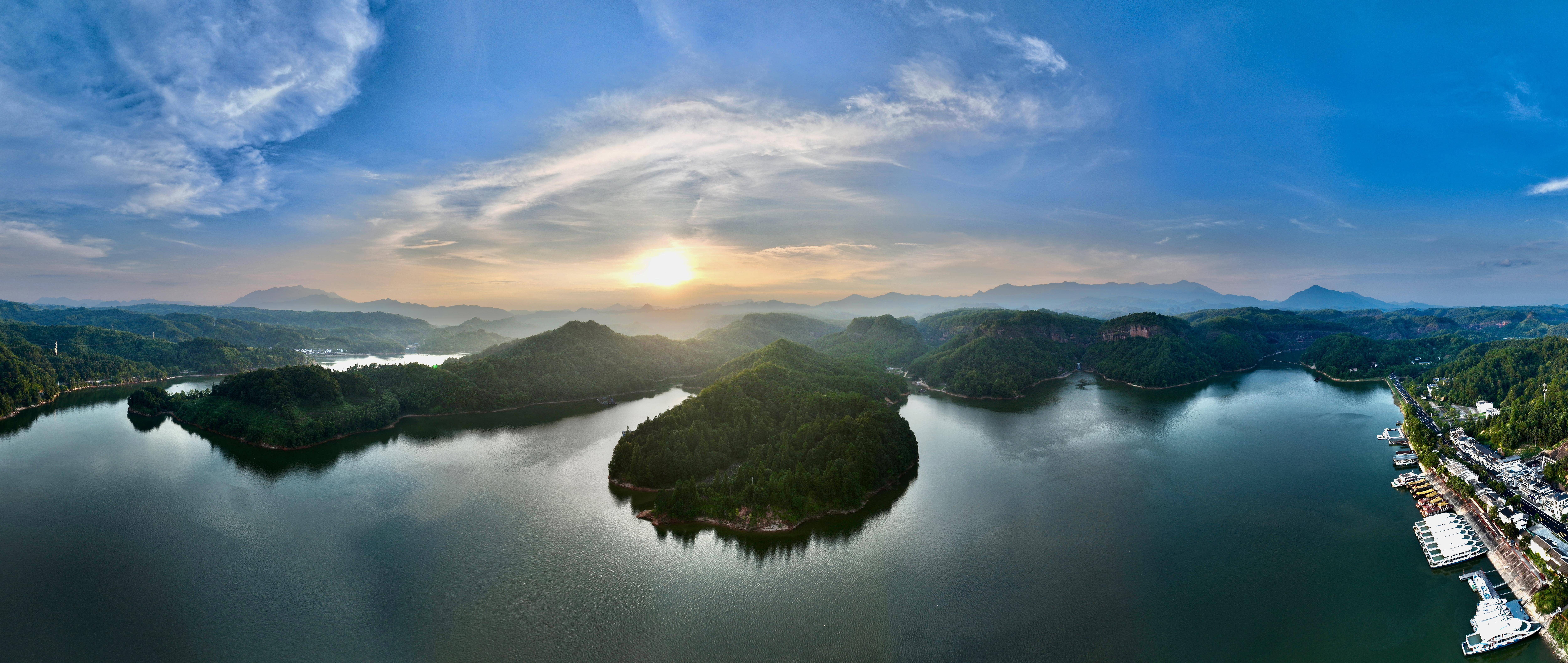
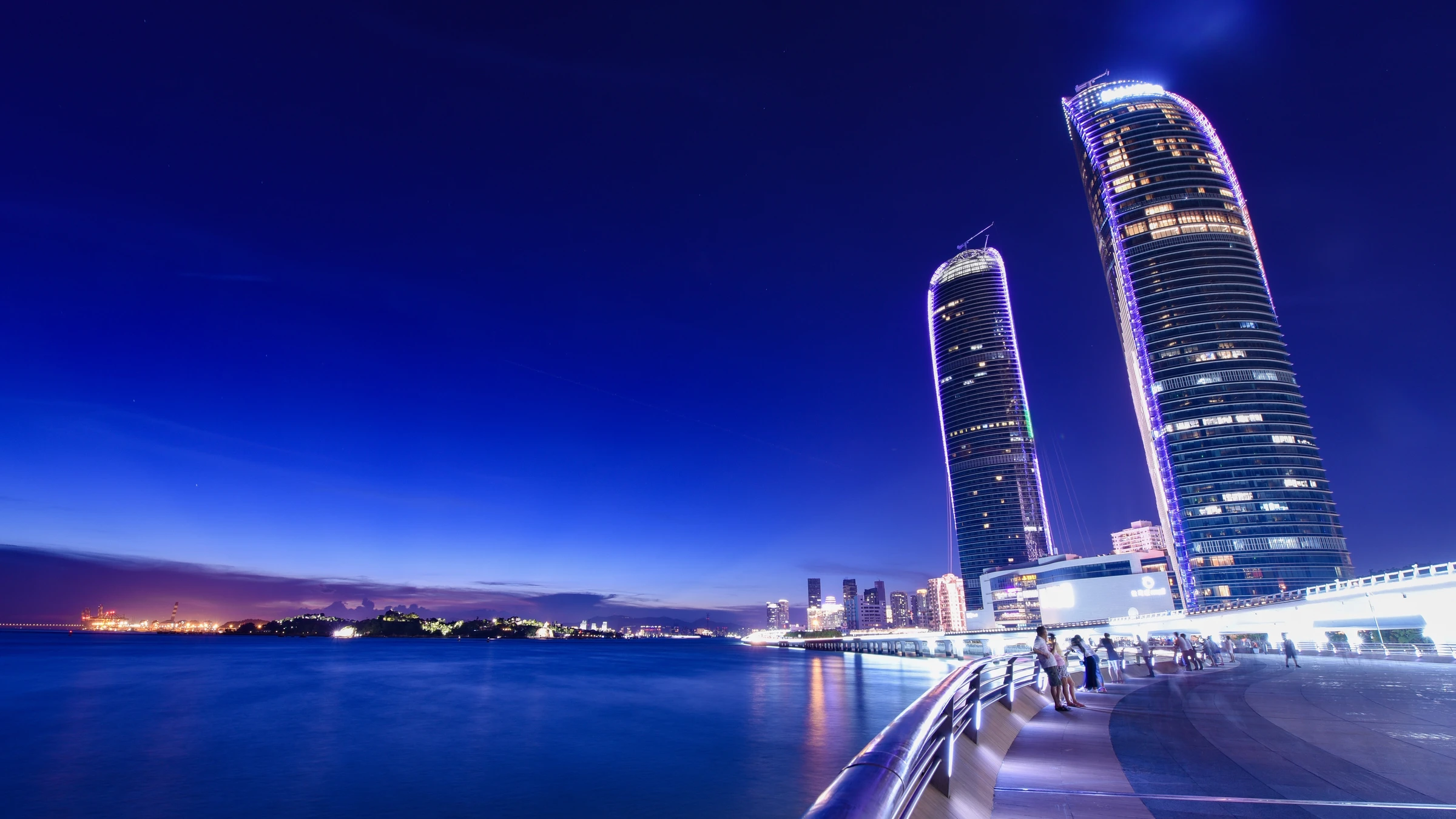
Longyan city skyline and landmarks (龙岩) - Travel China Guide

Longyan Travel Guide

The heartland of Hakka culture in Fujian, famous for the magnificent Fujian Tulou (earthen buildings) and the historic site of Gutian.

About

Longyan, located in the mountainous western region of Fujian Province, is the spiritual and cultural heartland of the Hakka people in China. The city takes its name from the "Dragon Rock" — a cave in the area that has become one of the region's natural landmarks.

The most extraordinary feature of Longyan is the Fujian Tulou, the iconic earthen buildings that dot the countryside of Yongding County. These massive circular and rectangular structures, built between the 12th and 20th centuries, represent one of China's most remarkable architectural traditions. In 2008, forty-six of these tulou were inscribed as a UNESCO World Heritage site.

Beyond the tulou, Longyan is home to the historic Gutian Conference site, where a pivotal 1929 meeting shaped the course of modern Chinese history. The city's landscape ranges from the dramatic Danxia peaks of Guanzhai Mountain to the pristine forests of Meihua Mountain nature reserve.

As a center of Hakka culture, Longyan preserves centuries-old traditions in its architecture, cuisine, music, and festivals. The Hakka people's history of migration and adaptation is deeply woven into the fabric of this region.

History & Development

The history of Longyan is deeply intertwined with the Hakka people. During the Song dynasty (960-1279), waves of Han Chinese migrants fleeing warfare in central and northern China settled in the mountainous regions of western Fujian. Over centuries, they developed a distinct culture and language that set them apart from other Chinese groups.

The most visible legacy of this history is the Fujian Tulou. These extraordinary earthen buildings served both as fortified residences for clan communities and as symbolic expressions of Hakka identity. The earliest surviving tulou date to the 12th century, with construction continuing through the Ming and Qing dynasties.

In more recent history, Longyan played a significant role in the revolutionary period. The Gutian Congress, held in December 1929 in the town of Gutian, was a landmark meeting that addressed key issues of military organization and Party building. The site has been preserved as a memorial and museum.

Longyan was established as a prefecture-level city in 1997, consolidating the surrounding counties and cities into one administrative region. Since then, it has developed steadily while preserving its unique Hakka heritage.

Economy & Industries

Longyan's economy has traditionally been driven by its rich mineral resources. The city is home to the Zijinshan Gold and Copper Mine, the largest gold mine in China, which has made Longyan a significant player in the national mining industry. The mining sector produces gold, copper, iron, and other minerals.

The manufacturing sector is growing, particularly in automotive components and machinery. Longyan has attracted investment in auto parts manufacturing, leveraging its location between the economic centers of Fujian and Guangdong.

Tourism has become an increasingly important economic driver, centered on the UNESCO-listed Fujian Tulou. The tulou attract millions of domestic and international visitors annually, supporting a growing hospitality and service industry. The Gutian Conference site also draws significant numbers of visitors for its historical significance.

Agriculture remains important, with Longyan being a major producer of tea, tobacco, peanuts, and bamboo products. The Zhangping narcissus tea is particularly renowned and exported to markets across China and abroad.
Top Attractions

🏛️ Landmark

Fujian Tulou

A UNESCO World Heritage site of unique circular and rectangular earthen buildings built by the Hakka people. Dating from the 12th to 20th centuries, these massive multi-story structures were designed for clan living and defense. The most famous clusters are at Chuxi, Hongkeng, and Gaobei, with hundreds of rooms housing entire lineages.

★★★★ 4.9
🕐 8:00 AM - 6:00 PM
🎫 90 yuan (combined ticket)
🎭 Museum

Gutian Conference Site

The historic site of the 1929 Gutian Congress, an important meeting that shaped modern Chinese history. The preserved venue is a simple Hakka ancestral hall with period furnishings. The adjacent museum documents the conference's significance with artifacts, photographs, and detailed exhibits on this period of history.

★★★★ 4.5
🕐 8:30 AM - 5:00 PM
🎫 Free
🏔️ Nature

Guanzhai Mountain

A striking Danxia landform mountain known for its unusual rock formations, lush forests, and winding mountain streams. Cable cars carry visitors to the summit for panoramic views of the surrounding countryside. The mountain is dotted with ancient temples, pavilions, and cliffside inscriptions.

★★★★ 4.6
🕐 8:00 AM - 5:30 PM
🎫 115 yuan (including cable car)
🏔️ Nature

Meihua Mountain

A pristine nature reserve known as the "Green Pearl of Fujian". This biodiversity hotspot is home to South China tigers, clouded leopards, and numerous rare bird species. Visitors can hike through ancient forests, visit the South China Tiger breeding center, and enjoy spectacular mountain scenery.

★★★★ 4.4
🕐 8:00 AM - 5:00 PM
🎫 50 yuan
🏔️ Nature

Longkong Cave

A spectacular limestone cave system stretching over 2 kilometers, formed over 300 million years. Features massive stalactites, stalagmites, and underground streams. The cave's largest chamber can hold thousands of people, with colorful lighting highlighting the extraordinary rock formations.

★★★★ 4.3
🕐 8:30 AM - 5:00 PM
🎫 60 yuan
🏛️ Landmark

Peitian Ancient Village

A beautifully preserved Hakka village with over 800 years of history. The village features well-maintained courtyard houses, ancestral halls, stone-paved lanes, and a traditional academy. Unlike the rounded tulou, Peitian's architecture represents the "nine halls and eighteen courtyards" Hakka style.

★★★★ 4.5
🕐 8:00 AM - 6:00 PM
🎫 50 yuan

Food & Culture

Discover the culinary treasures of Longyan, from traditional street food to imperial cuisine.

Best Time to Visit

Spring (April-May) and Autumn (September-October) offer the best weather for most destinations in China.

Continue Exploring China

Discover more cities, food guides, and travel inspiration.