
Temple
Kaiyuan Temple
Fujian's largest Buddhist temple, built in 686 AD, featuring the iconic East and West Pagodas - China's tallest ancient stone twin pagodas. A UNESCO World Heritage Site.
6:30 AM - 6:00 PM
Free
A UNESCO World Heritage city, starting point of the ancient Maritime Silk Road, known as the "City of Light" by Marco Polo.
Quanzhou is a historic port city on China's southeastern coast, known as the starting point of the ancient Maritime Silk Road. In 2021, "Quanzhou: Emporium of the World in Song-Yuan China" was inscribed as a UNESCO World Heritage Site, recognizing its pivotal role in global maritime trade history.
During the Song and Yuan dynasties (10th-14th centuries), Quanzhou was one of the world's largest and busiest ports, described by Marco Polo as the "City of Light" (Zaitun). The city's prosperity attracted merchants from across Asia and the Middle East, making it a melting pot of cultures and religions. Today, Quanzhou is often called the "World Museum of Religions" for its remarkable collection of Buddhist, Taoist, Islamic, Christian, and Manichaean heritage sites.
The city covers 11,296 square kilometers and has a population of 8.9 million, making it one of Fujian Province's most economically dynamic cities. Quanzhou is famous for its private enterprises, particularly in footwear, garments, and food processing industries.
Visitors to Quanzhou can explore 22 UNESCO World Heritage sites, including the magnificent Kaiyuan Temple with its twin stone pagodas, the ancient Luoyang Bridge, and the well-preserved West Street. The city is also a paradise for food lovers, offering unique Minnan cuisine like mee sua soup, bamboo clam jelly, and ginger duck.
Quanzhou's history dates back over 1,700 years. The city was officially established during the Tang Dynasty (618-907 AD) and quickly developed into an important trading port.
During the Song Dynasty (960-1279), Quanzhou became China's most important international port, handling trade with Southeast Asia, India, the Middle East, and beyond. The city's shipbuilding industry flourished, and Chinese maritime technology reached new heights.
The Yuan Dynasty (1271-1368) marked the golden age of Quanzhou. Marco Polo visited the city around 1292 and described it as "one of the two ports in the world with the greatest flow of merchandise." The city's population exceeded 500,000, with communities of Arab, Persian, Indian, and Southeast Asian merchants living and trading there.
This cosmopolitan era left a remarkable religious legacy. Buddhist temples, Taoist shrines, Islamic mosques, Hindu temples, and even Manichaean churches coexisted in the city. The Qingjing Mosque, built in 1009, is one of China's oldest mosques and still stands today.
The Ming Dynasty (1368-1644) brought changes as maritime restrictions limited foreign trade. However, Quanzhou remained a cultural and religious center. During this period, many Chinese emigrated from Quanzhou to Southeast Asia and beyond, establishing Quanzhou as one of China's major ancestral homelands for overseas Chinese.
Today, Quanzhou continues to honor its maritime heritage while developing as a modern economic powerhouse. The city's UNESCO World Heritage designation in 2021 has brought renewed international attention to this remarkable chapter of global history.
Quanzhou's economy is driven by private enterprise and export-oriented industries. In 2025, the city's GDP reached 1,378 billion yuan, ranking first in Fujian Province for over 20 consecutive years.
The city is famous for its industrial clusters, particularly: - **Footwear**: Jinjiang district is known as "China's Shoe Capital," producing sports shoes for global brands - **Garments**: Shishi district is a major apparel manufacturing center - **Food Processing**: Quanzhou is famous for snack foods and traditional delicacies - **Building Materials**: Ceramics, stone, and hardware production
Quanzhou's private sector accounts for over 80% of the city's economy, earning it recognition for the "Quanzhou Model" of economic development. The city has produced numerous successful entrepreneurs and private enterprises.
Traditional industries include fishing and aquaculture, with Quanzhou's coastal waters providing abundant seafood. The city is particularly known for oysters, clams, and various fish species.
Tourism has grown significantly since the UNESCO World Heritage designation in 2021. Visitors are drawn to the city's historic sites, religious architecture, and unique Minnan culture. The city is also developing cultural tourism around its Maritime Silk Road heritage.
Discover the culinary treasures of Quanzhou, from traditional street food to imperial cuisine.
Explore Quanzhou's UNESCO World Heritage sites and rich maritime history.
Taste your way through Quanzhou's famous culinary scene.
Quanzhou Jinjiang International Airport (JJN)
Connected to Xiamen, Fuzhou, and major cities
Under construction
Extensive network covering all districts
Available throughout the city
Spring (April-May) and Autumn (September-October) offer the best weather for most destinations in China.
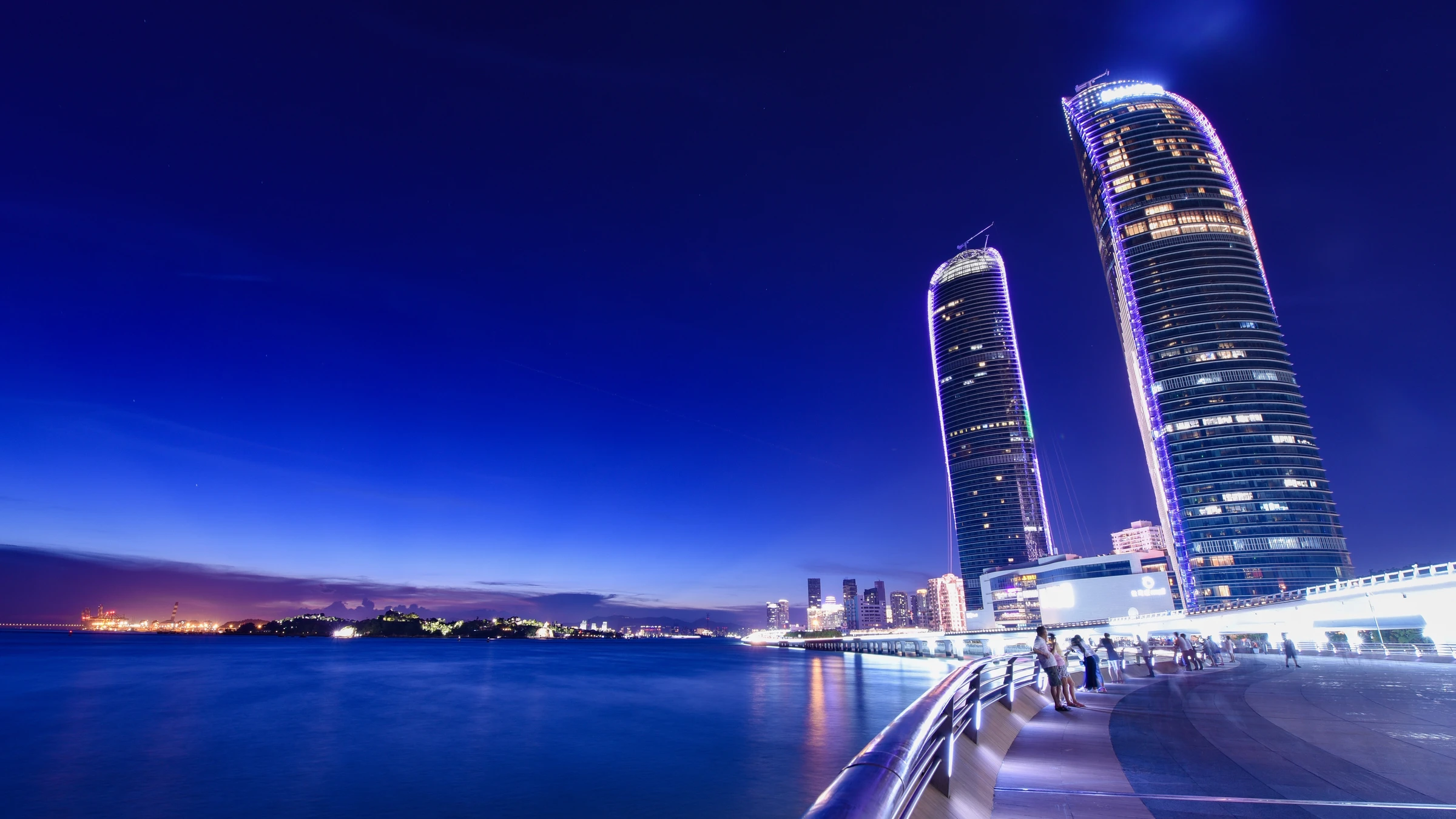
China's most romantic coastal city, famous for Gulangyu Isla...
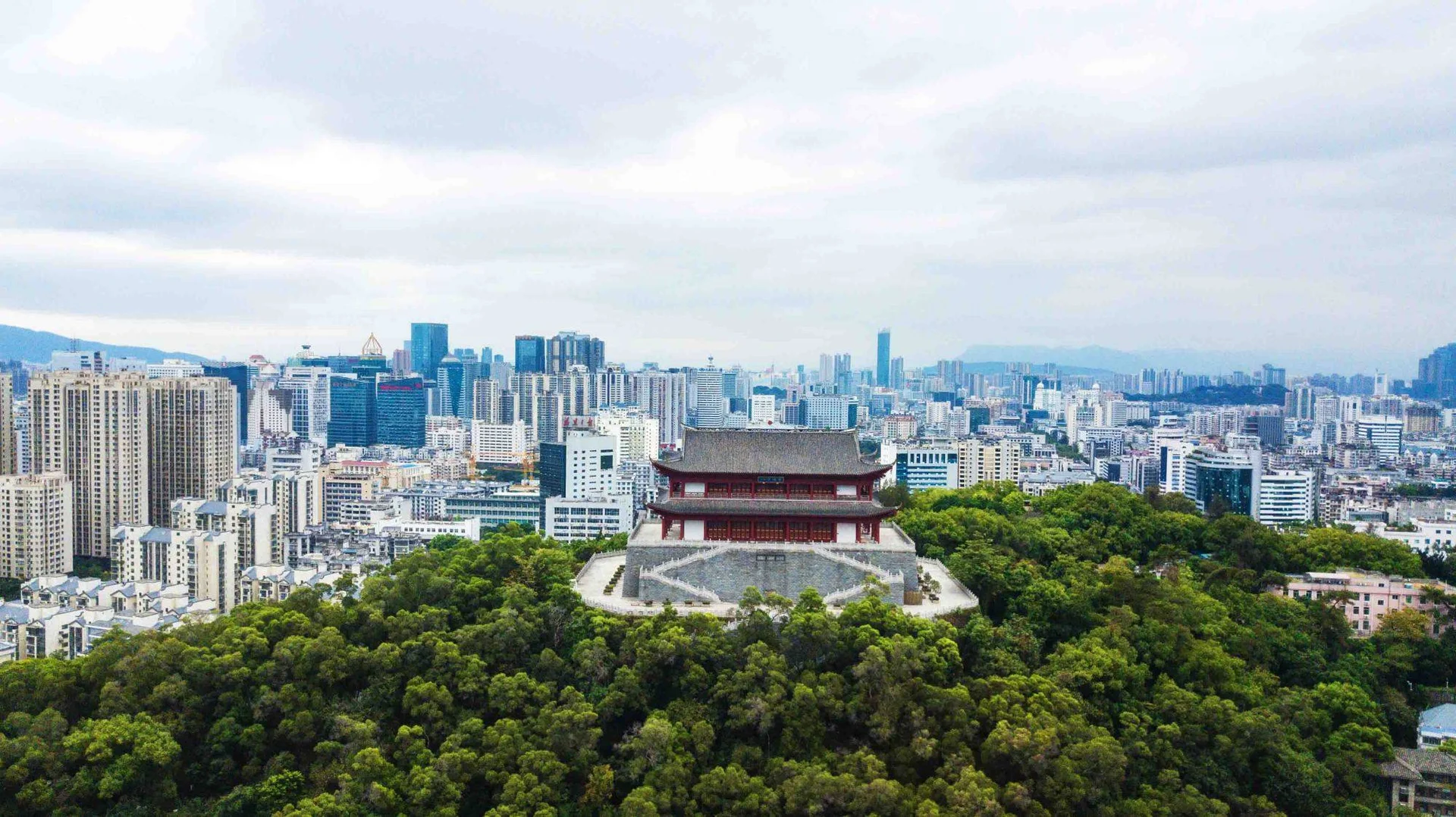
Capital of Fujian province, Fuzhou blends 2,200 years of his...
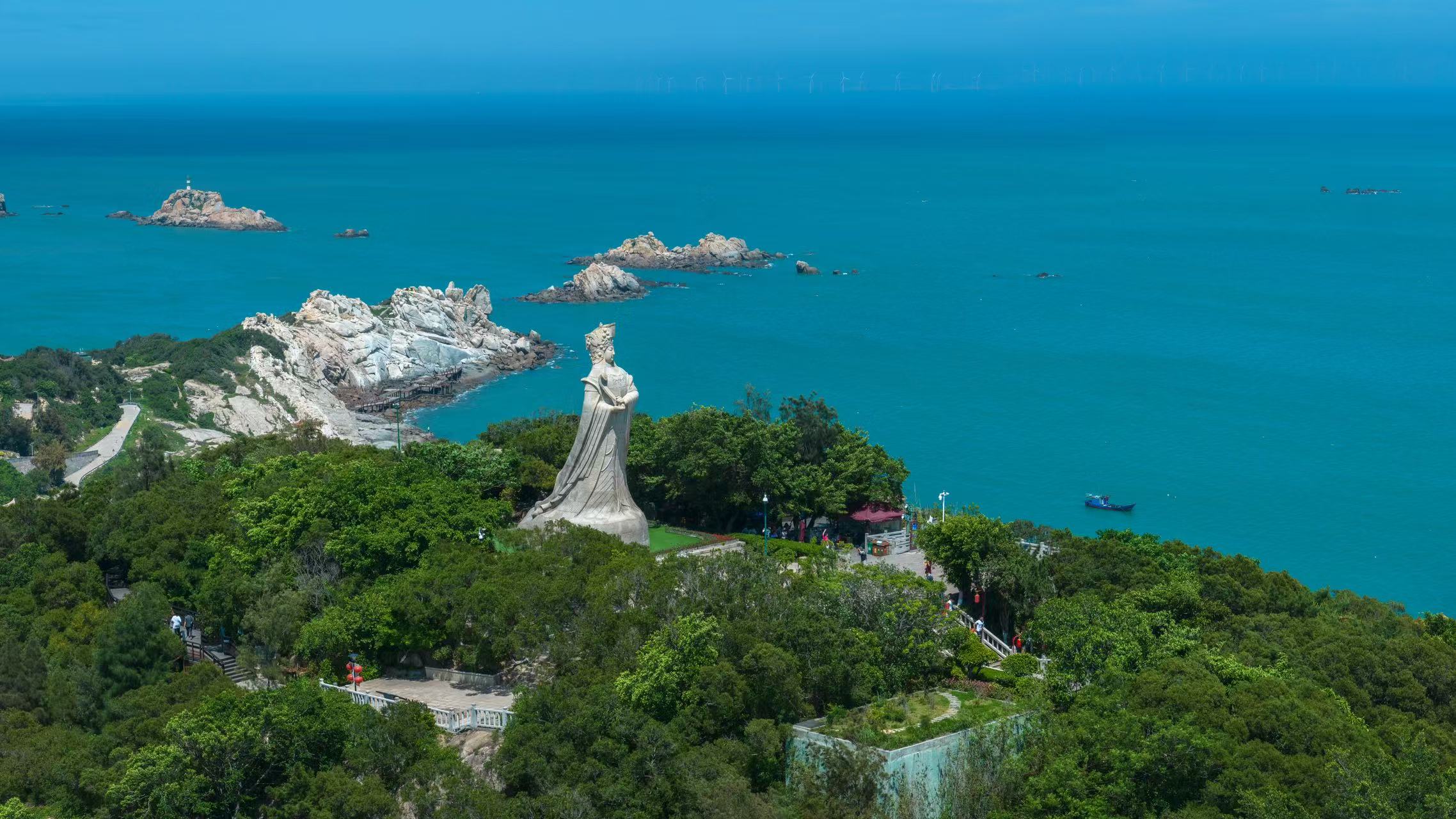
The birthplace of Mazu (Goddess of the Sea) and the center o...
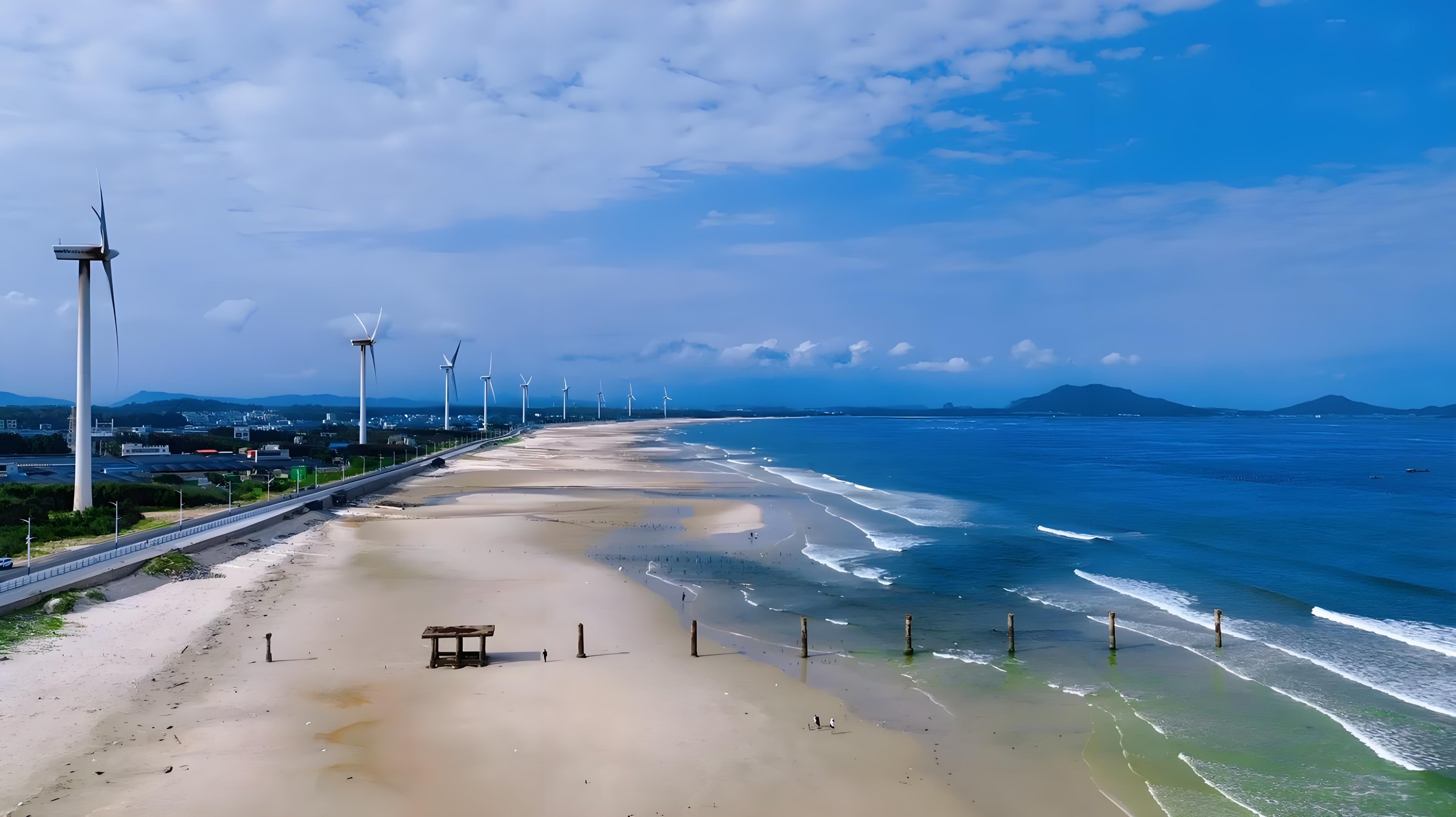
A historic city in southern Fujian known for the UNESCO Fuji...
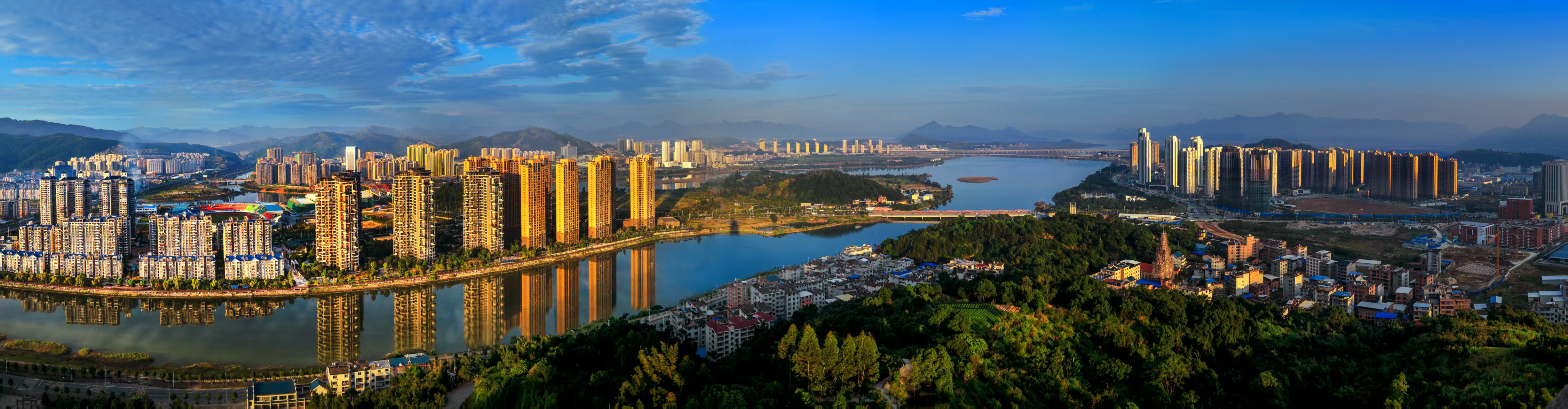
A coastal city in northeastern Fujian known for the breathta...
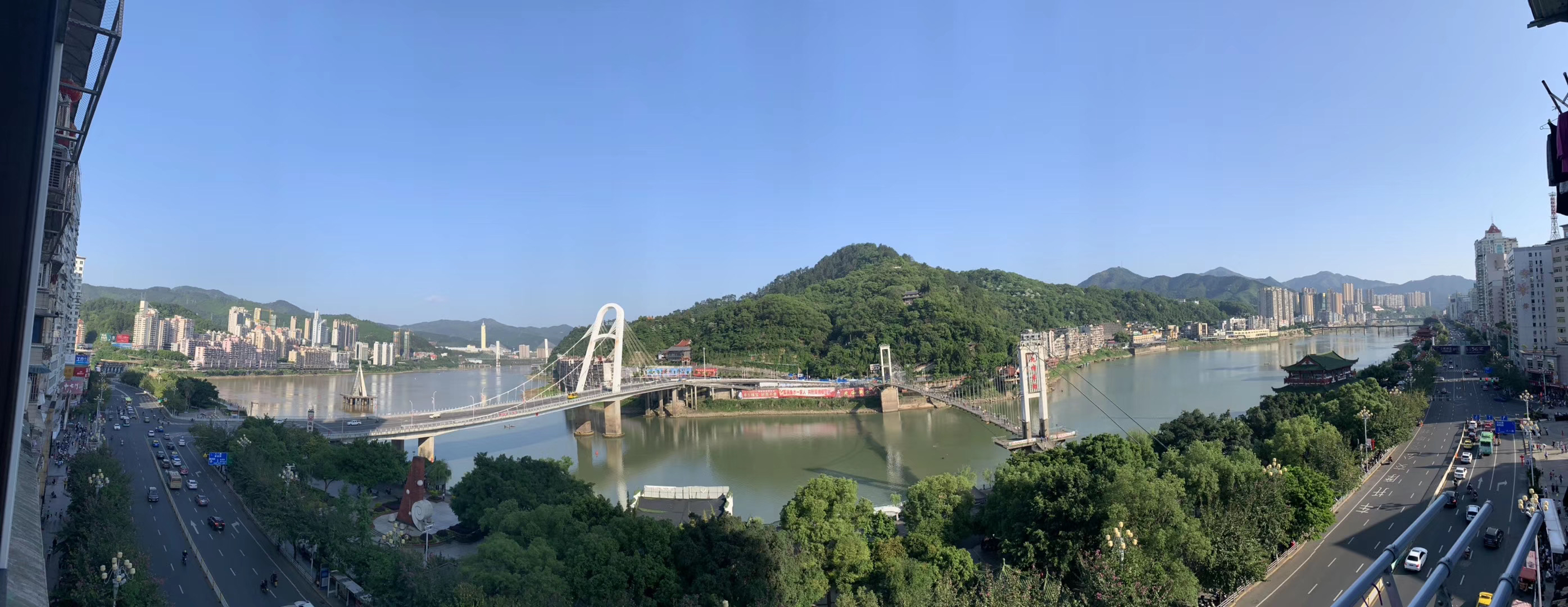
Gateway to the UNESCO Wuyi Mountain, a sacred peak famous fo...
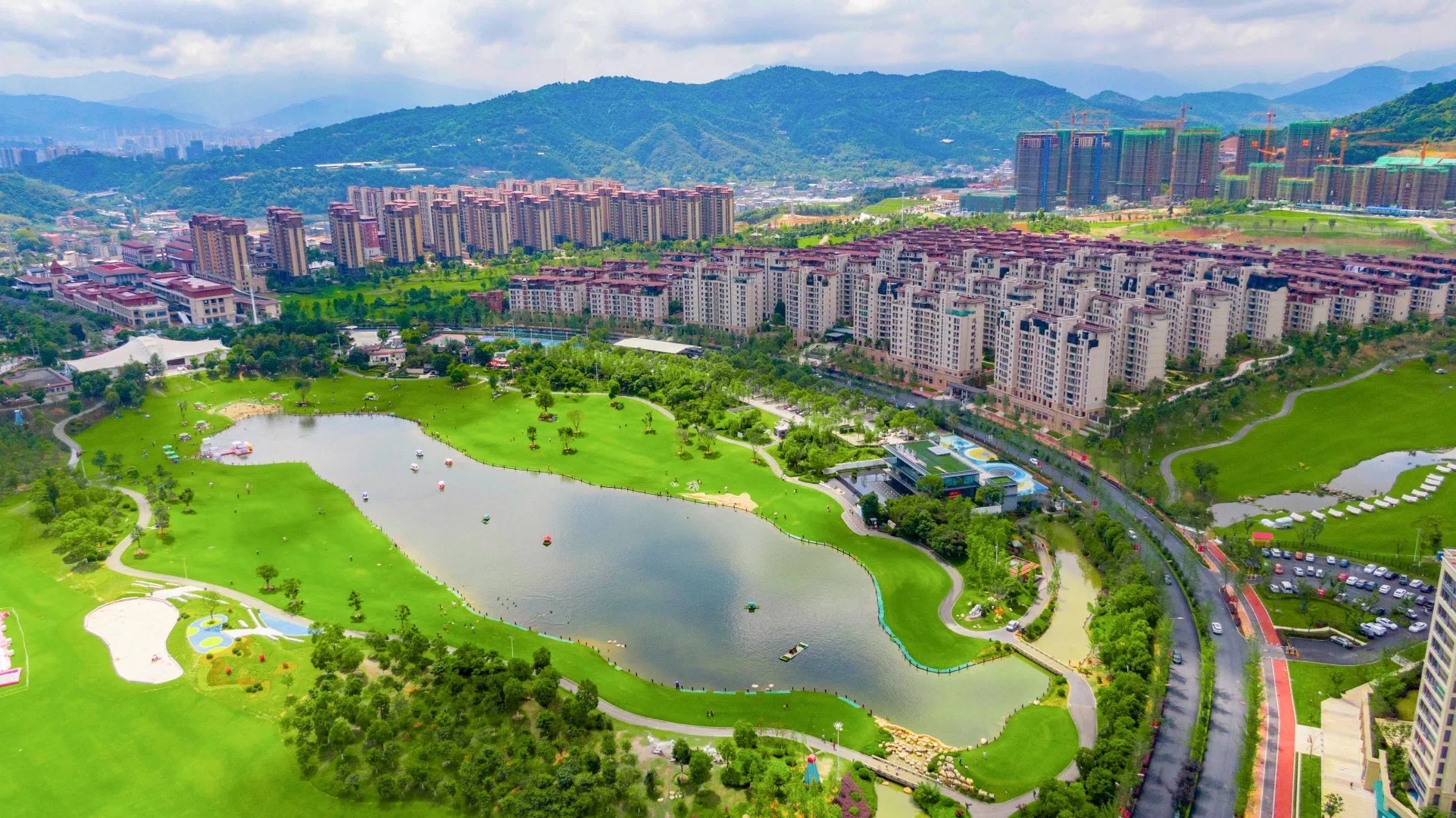
The heartland of Hakka culture in Fujian, famous for the mag...
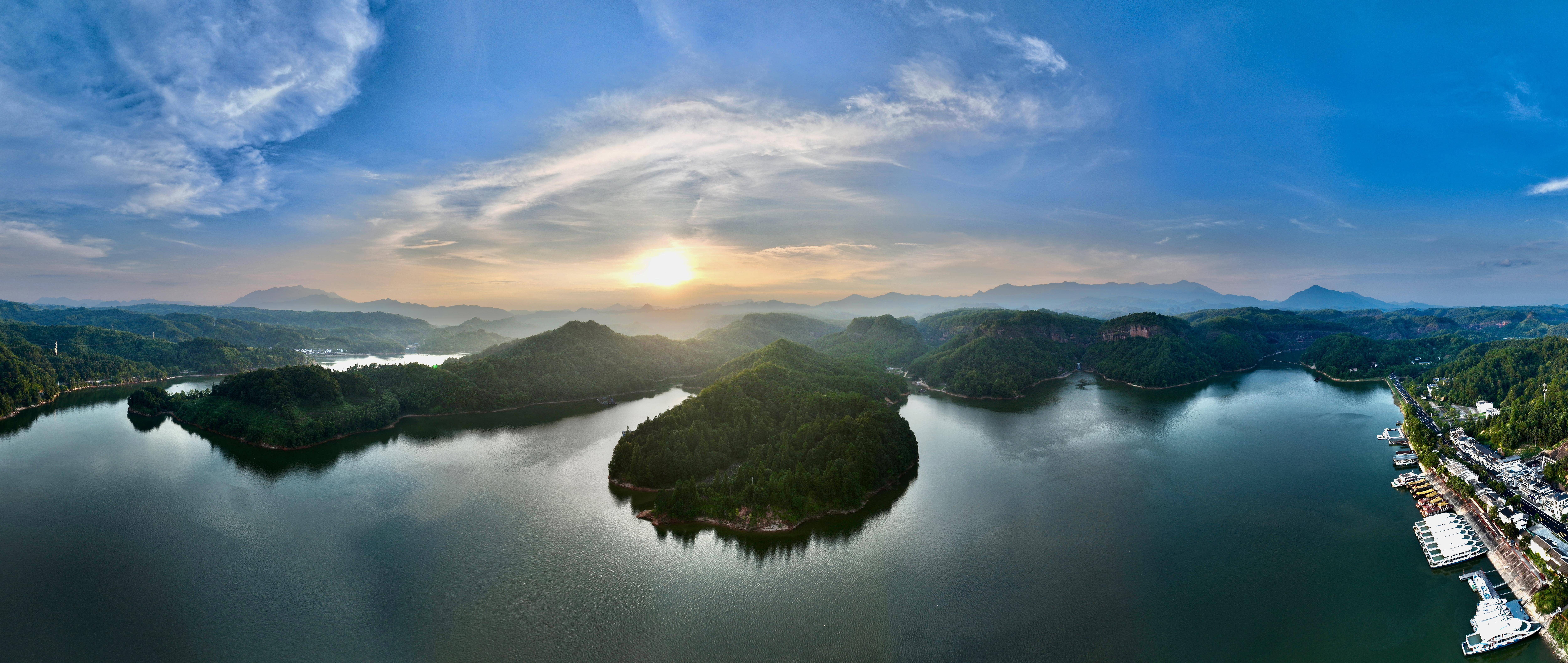
A mountainous city in western Fujian known for the stunning ...
Discover more cities, food guides, and travel inspiration.