Gulangyu Island
UNESCO World Heritage island with no cars allowed. Victorian-era consulates, piano museums, Sunlight Rock, and colonial architecture make it a living museum.
China's most romantic coastal city, famous for Gulangyu Island, colonial architecture, and Minnan cuisine—a 'Garden on the Sea' where mountains meet ocean.
Xiamen is China's most romantic coastal city—a place where colonial-era architecture meets subtropical gardens, where the pace slows and life is measured in ocean breezes rather than clocks. Built on islands and peninsulas around a natural harbor, Xiamen has been called the "Garden on the Sea."
The city's heart is Gulangyu Island, a UNESCO World Heritage Site where cars are banned and Victorian consulates stand beside Chinese gardens. This 1.87-square-kilometer island was once an international settlement, home to consulates from 14 countries. Today, its piano-filled mansions and colonial lanes attract millions of visitors.
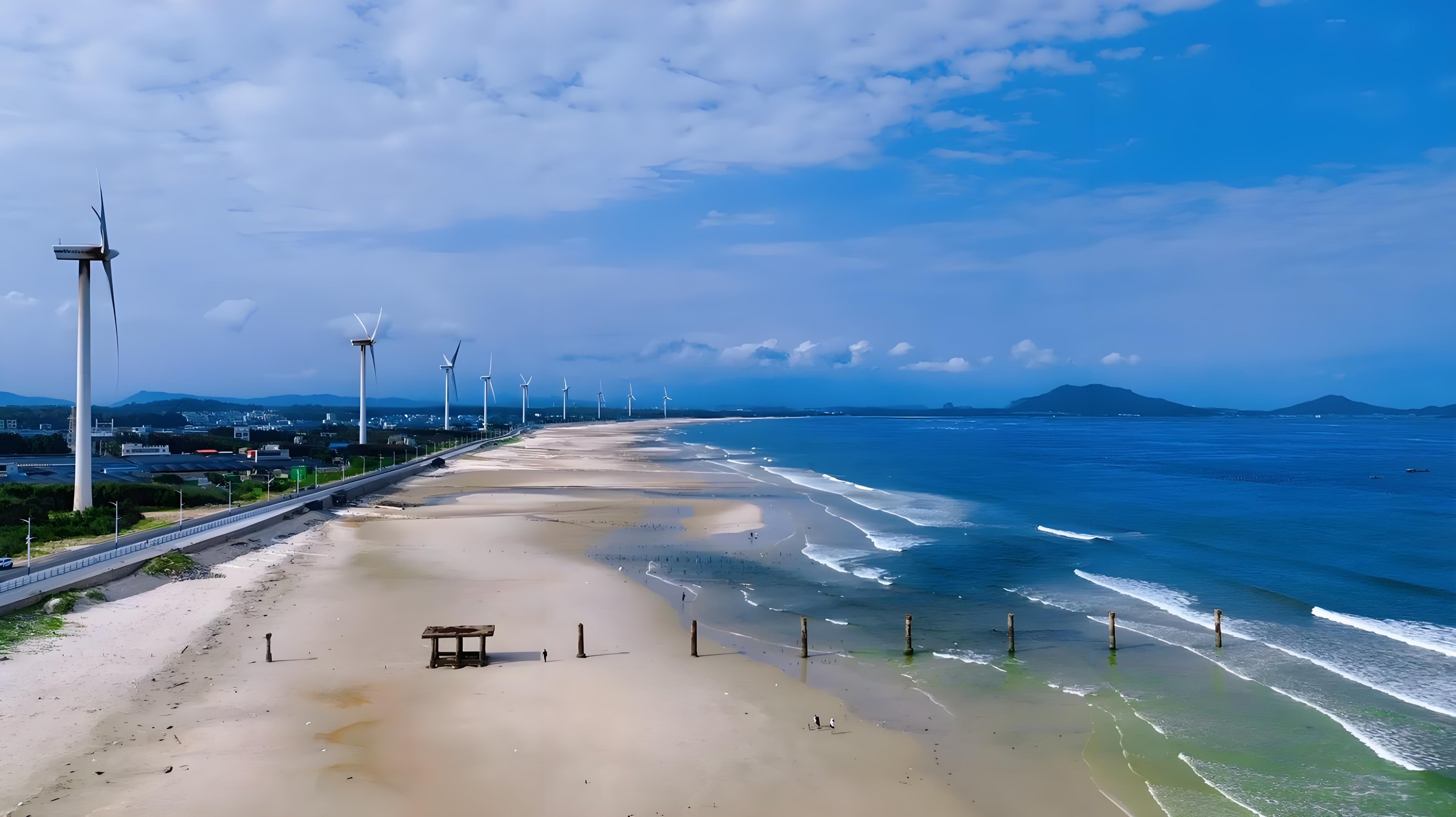
Beyond Gulangyu, Xiamen offers Nanputuo Temple (1,000 years old), Xiamen University (arguably China's most beautiful campus), and the 43-kilometer Island Ring Road perfect for cycling along golden beaches. The city's Minnan cuisine is legendary—satay noodles, oyster omelettes, and the unique "Tusun Dong" (bamboo clam jelly).
As one of China's first Special Economic Zones (established 1980), Xiamen balances modern development with old-world charm. Its GDP reached 898 billion yuan in 2025, driven by electronics, tourism, and trade. But unlike other Chinese metropolises, Xiamen remains relaxed, livable, and genuinely romantic—earning its reputation as one of China's most desirable places to live.
Xiamen's story begins with white egrets—ancient name "Ludao" means Egret Island. The area was settled during the Western Jin dynasty when Tong'an County was established. In 1394, the Ming dynasty built Xiamen Fortress to defend against pirates.
The city's modern identity emerged in 1842 when Xiamen (then called Amoy) became one of China's first treaty ports after the First Opium War. Foreign merchants and missionaries arrived, building the Victorian consulates and mansions that still stand on Gulangyu. The island became an international settlement in 1903, known as "A Chinese Town in Miniature."
In 1935, Xiamen officially became a city. After 1949, it was a frontline in cross-strait tensions. The turning point came in 1980 when Deng Xiaoping designated Xiamen as one of China's first four Special Economic Zones. Investment poured in from Taiwan, Hong Kong, and Southeast Asia.
Gulangyu's UNESCO World Heritage designation in 2017 cemented Xiamen's status as a cultural destination. Today, the city is home to 5.37 million people and serves as a bridge between Taiwan and mainland China, while preserving its unique Minnan heritage.
Xiamen's economy is one of China's most dynamic among second-tier cities. As a Special Economic Zone since 1980, the city has attracted major investment in electronics, manufacturing, and tourism.
Key industries include electronics (TPV, Xiamen Tungsten), machinery, and biotechnology. The city hosts operations for Dell, Panasonic, and numerous Taiwan electronics firms. Tourism contributes significantly—over 80 million domestic tourists visit annually.
The port of Xiamen is among China's top 10 container ports, handling trade with Taiwan and Southeast Asia. Xiamen Airlines, headquartered here, is China's first privately owned airline.
In 2025, Xiamen's GDP reached 898 billion yuan, with per capita GDP among China's highest at approximately 167,000 yuan (about 23,000 USD). The city consistently ranks among China's most livable and competitive cities.

Discover the culinary treasures of Xiamen, from traditional street food to imperial cuisine.
Xiamen Gaoqi International Airport (XMN)
Connected to major cities
Public transportation available
Comprehensive network throughout the city
Available throughout the city
Mar - May
Perfect temperatures, blooming flowers, and clear skies. Ideal for Gulangyu and cycling.
Jun - Aug
Warm and humid but beaches are at their best. Evening strolls along the coast are refreshing.
Sep - Nov
The best season—cool, dry, and comfortable. Mid-Autumn Festival brings the dice game tradition.
Dec - Feb
Mild winter, rarely below 10°C. Fewer tourists, good for temple visits and food exploration.
Unique Xiamen tradition—roll dice to win mooncakes. A 300-year-old custom that brings the whole city together.
One of China's most scenic marathons along Island Ring Road with ocean views.
Book Gulangyu ferry in advance during holidays. Mid-Autumn is the most atmospheric time to visit.
Discover more cities, food guides, and travel inspiration.