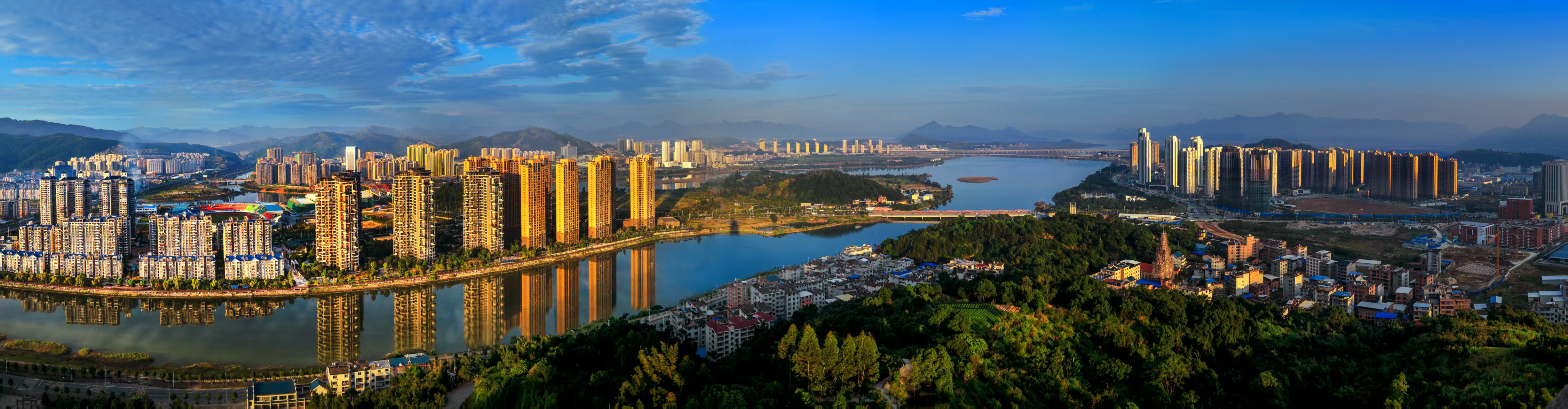
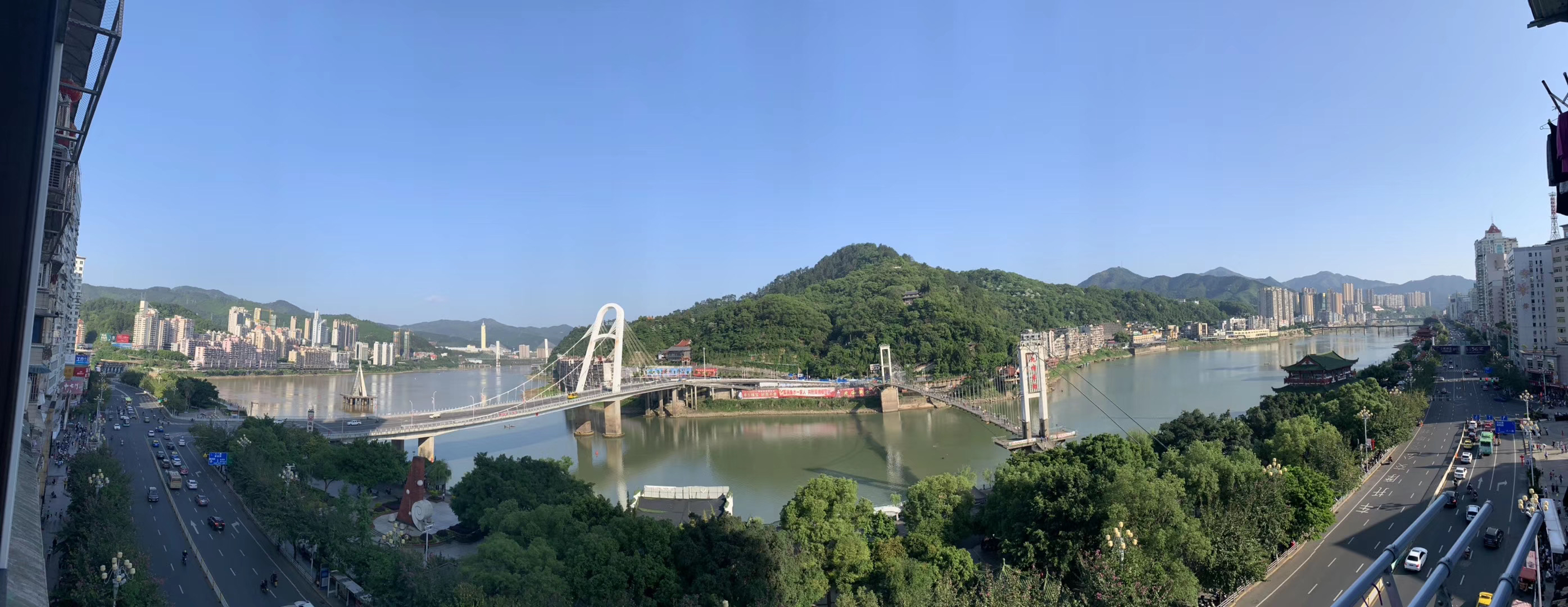
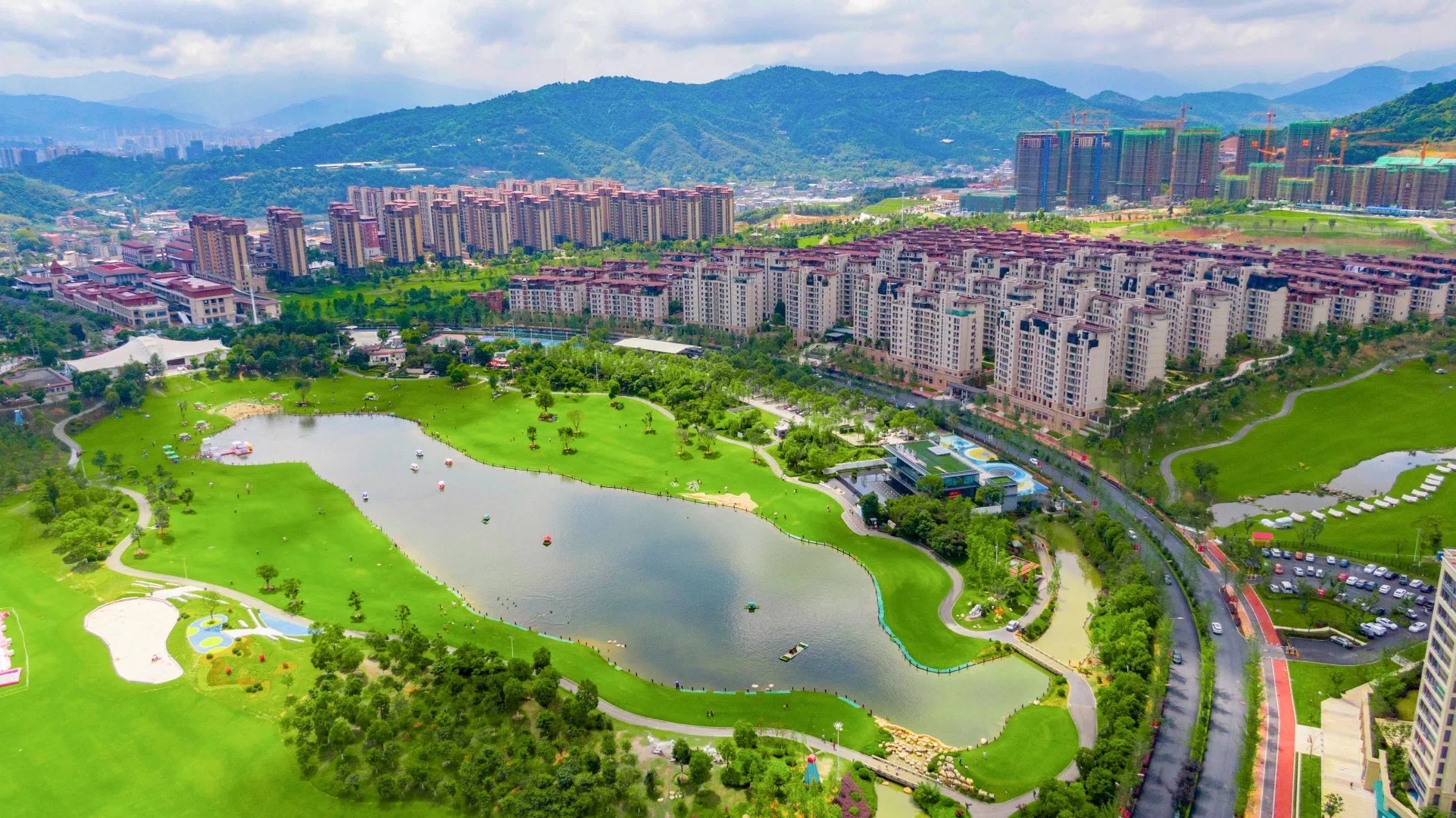
Sanming city skyline and landmarks (三明) - Travel China Guide

Sanming Travel Guide

A mountainous city in western Fujian known for the stunning Taining Danxia UNESCO Geopark, the legendary Hakka earth buildings, and its lush bamboo forests.

About

Sanming, nestled in the mountainous interior of western Fujian province, is a city defined by its extraordinary natural landscapes and rich Hakka cultural heritage. Covering nearly 23,000 square kilometers, it is one of Fujian's largest cities by area, yet much of its territory remains covered in pristine forests and bamboo groves.

The crown jewel of Sanming is the Taining UNESCO Global Geopark, renowned for its spectacular Danxia (red sandstone) landforms. Carved by millions of years of erosion, the red cliffs, natural bridges, and cave systems of Taining create one of China's most visually stunning geological landscapes. Golden Lake, a reservoir nestled among these formations, offers boat cruises through a labyrinth of red rock pillars rising from emerald waters.

Sanming is also deeply connected to Hakka culture. The surrounding counties preserve traditional Hakka customs, architecture, and cuisine, including the famous earth buildings (tulou) that dot the countryside. The Hakka people's migration history and their unique cultural identity are central to Sanming's character.

Perhaps Sanming's most unexpected global contribution is Shaxian County — the birthplace of Shaxian Snacks, a culinary brand with over 30,000 restaurants worldwide. What began as a local street food tradition has become one of China's most successful food exports, bringing Sanming's flavors to diners across the planet.

History & Development

Sanming's history is deeply intertwined with the migration of the Hakka people, who began moving into Fujian's mountainous interior from central China over 1,000 years ago. They built the iconic earth buildings (tulou) for defense and community living, and developed the terraced farming systems that still shape the landscape.

During the Ming and Qing dynasties, Sanming's remote mountain location allowed it to develop distinct local cultures and traditions, preserved to this day in festivals, cuisine, and dialect.

In 1958, Sanming was designated as a key industrial base during the Great Leap Forward, with significant state investment in steel, machinery, and chemical industries. The city experienced rapid urbanization as factories were built and workers moved in from surrounding areas.

In recent decades, Sanming has undergone an economic transformation. Recognizing the value of its extraordinary natural heritage, Taining was designated a UNESCO Global Geopark in 2005, catapulting the region onto the international tourism map. The city has also leveraged its agricultural strengths, becoming China's leading producer of bamboo products and a center for high-quality lotus seeds, tea, and forestry.

Economy & Industries

Sanming's economy has evolved from its industrial roots toward a more diversified, sustainable model built on tourism, agriculture, and green manufacturing.

Tourism is the fastest-growing sector, anchored by the Taining UNESCO Global Geopark, which attracts millions of domestic visitors annually. The geopark's Danxia landscapes, caves, and waterways generate significant revenue through tickets, accommodation, and services. The "Taining brand" has become a powerful economic driver for the entire region.

Sanming is China's most important bamboo production area, with over 300,000 hectares of bamboo forests. The bamboo industry encompasses construction materials, furniture, flooring, paper products, handicrafts, and increasingly, bamboo charcoal and bio-energy products.

Agriculture specializes in high-value mountain products. Jianning lotus seeds are sold nationwide as premium ingredients. Tea cultivation, particularly oolong and green teas, is significant. The region's clean environment and traditional farming methods produce organic products that command premium prices.

Manufacturing remains important, with industries including steel processing, machinery manufacturing, and textile production.
Top Attractions

🏔️ Nature

Taining Golden Lake

The centerpiece of the Taining UNESCO Global Geopark, Golden Lake is a man-made reservoir surrounded by dramatic Danxia red cliffs, caves, and lush vegetation. Boat cruises weave through a labyrinth of waterways flanked by towering red sandstone pillars, natural rock bridges, and cliff-side temples. The lake's crystal-clear water reflects the red cliffs, creating a surreal, otherworldly landscape. Unique rock formations include the "Three Swords Peak" and "Buddha Rock."

★★★★ 4.8
🕐 8:00 AM - 5:00 PM
🎫 80 yuan
🏔️ Nature

Zhaixia Grand Canyon

A spectacular canyon within the Taining Geopark featuring three distinct geological zones — a Danxia red cliff canyon, a limestone cave system, and a lush botanical gorge. The canyon walls tower up to 200 meters high, with crystal-clear streams running along the floor. Walkways and suspension bridges allow visitors to traverse the narrowest sections. The canyon is particularly beautiful in the morning when sunlight filters through the narrow opening above.

★★★★ 4.7
🕐 8:00 AM - 5:00 PM
🎫 55 yuan
🏔️ Nature

Yongan Taoyuan Cave

A scenic area combining natural caves with classical Chinese garden aesthetics. The "Peach Blossom Cave" features a massive natural archway, winding stone paths, and a series of interconnected caverns with stalactite formations. The highlight is the "One Line Sky", an extremely narrow passage between two cliff faces that stretches 120 meters high, with the sky visible only as a thin ribbon above — one of the narrowest such formations in China.

★★★★ 4.5
🕐 8:00 AM - 5:00 PM
🎫 60 yuan
🏔️ Nature

Jiangle Yuhua Cave

One of China's most famous karst caves, formed over millions of years by underground water erosion. The cave stretches over 5 kilometers and contains a dazzling array of stalactites, stalagmites, stone pillars, and stone curtains illuminated by colorful lights. Key formations resemble various shapes from nature — waterfalls, pagodas, dragons, and lotus flowers. The cave maintains a constant temperature of 15-18°C year-round, offering a cool escape in summer.

★★★★ 4.6
🕐 8:00 AM - 5:00 PM
🎫 90 yuan
🏔️ Nature

Ruiyun Mountain

A scenic mountain area in Sanming's urban district, known for its unusual volcanic rock formations, dense subtropical forest, and panoramic city views from the summit. The mountain features the "Ruiyun Cave," a massive natural cavern that was once inhabited by prehistoric humans. Hiking trails wind through bamboo groves and past waterfalls. The summit offers sweeping views of Sanming city and the surrounding mountains.

★★★★ 4.3
🕐 8:00 AM - 5:30 PM
🎫 40 yuan
🏔️ Nature

Ninghua Tian'e Cave

A spectacular karst cave system in Ninghua County, named "Swan Cave" for a formation resembling a swan at its entrance. The cave features multiple chambers connected by narrow passages, with exceptional stalactite and stalagmite formations that create an underground wonderland. An underground river runs through the cave, and visitors can take a short boat ride through the crystal-clear water, surrounded by reflections of illuminated rock formations.

★★★★ 4.4
🕐 8:00 AM - 5:00 PM
🎫 75 yuan

Food & Culture

Discover the culinary treasures of Sanming, from traditional street food to imperial cuisine.

Best Time to Visit

Spring (April-May) and Autumn (September-October) offer the best weather for most destinations in China.

Continue Exploring China

Discover more cities, food guides, and travel inspiration.