Meizhou Island
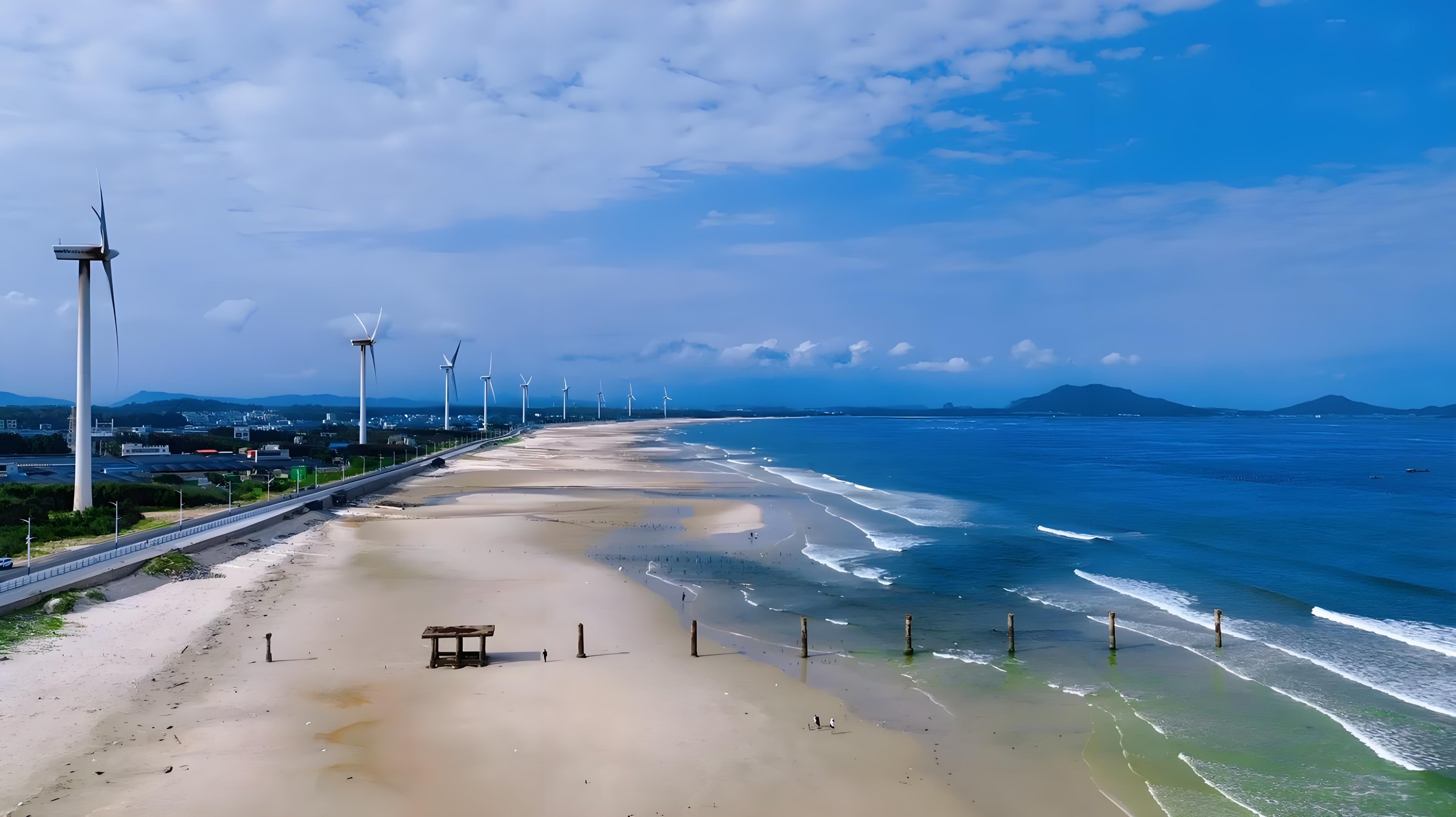
The birthplace of Mazu (960-987 AD), the most revered sea goddess in Chinese culture. The island features the grand Mazu Temple complex, golden beaches, and the annual Mazu Culture Festival drawing pilgrims from across Southeast Asia.
The birthplace of Mazu (Goddess of the Sea) and the center of Chinese shoemaking industry, surrounded by beautiful bays and islands.
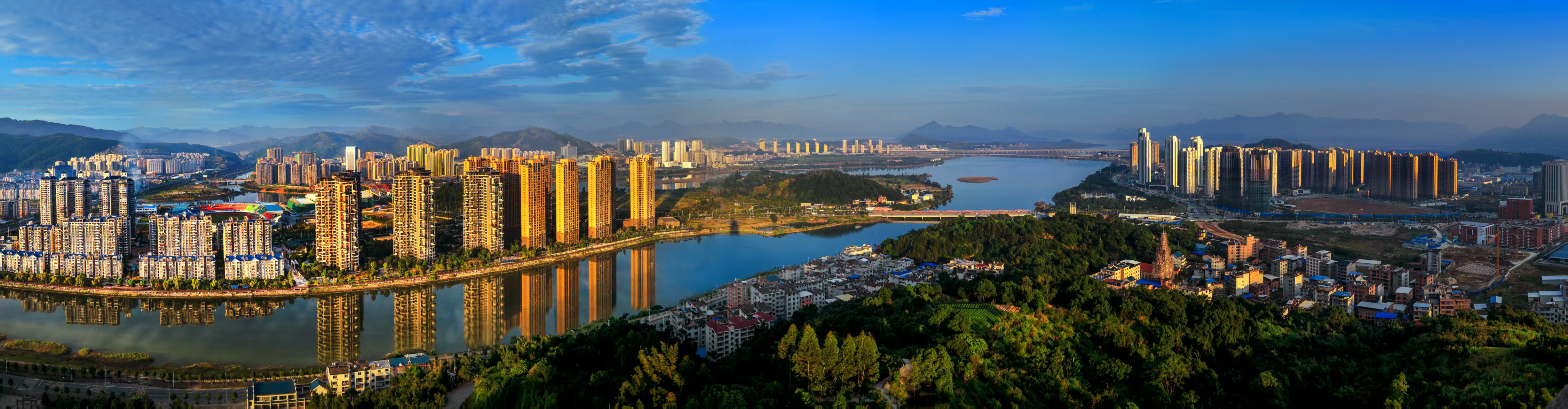
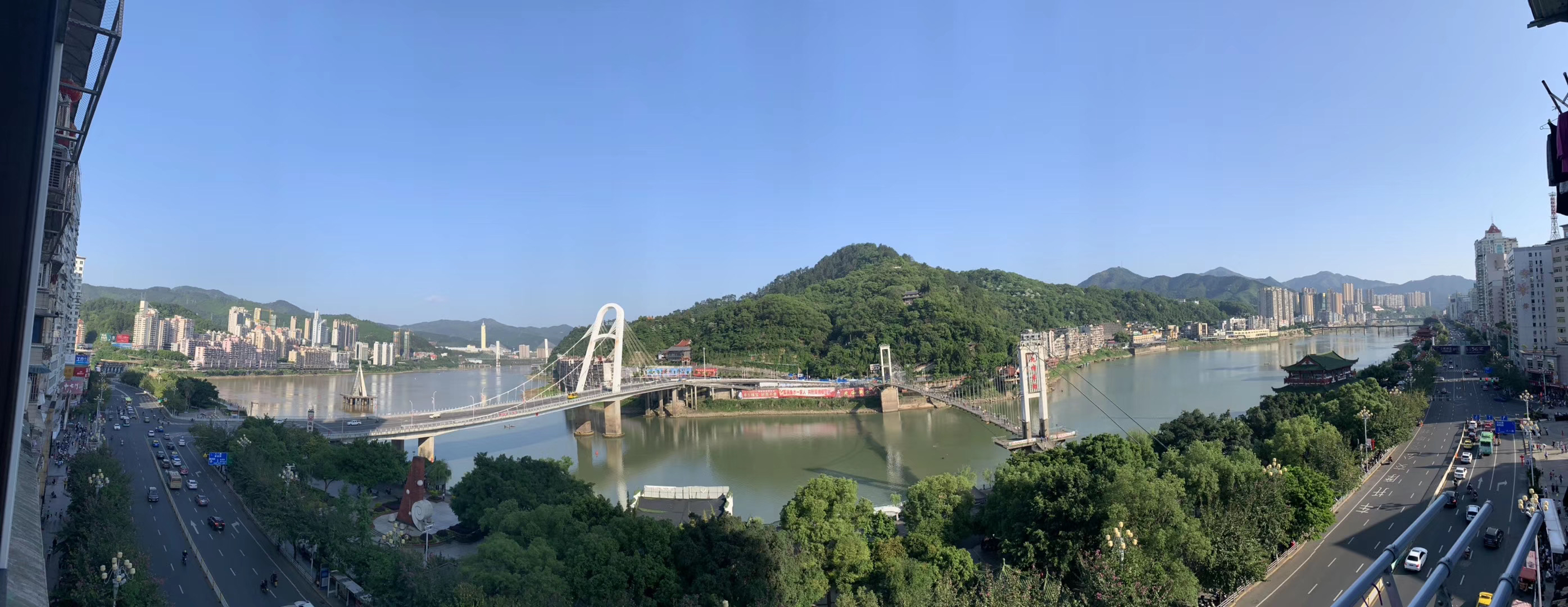
Putian is a coastal prefecture-level city in eastern Fujian Province, sitting strategically between Fuzhou and Quanzhou along the coast. The city is known globally as the "Shoe Capital of China" — its footwear industry produces hundreds of millions of shoes annually for top international brands. But beyond the factories lies a city of profound cultural significance.
Putian is the birthplace of Mazu (Lin Moniang, 960-987 AD), the deified sea goddess worshipped by over 200 million followers across East and Southeast Asia. Meizhou Island, just off the Putian coast, is the spiritual heart of Mazu worship and a major pilgrimage destination. Every year during the Mazu Culture Festival, thousands of devotees from across the strait, Southeast Asia, and beyond travel to the island to pay homage.
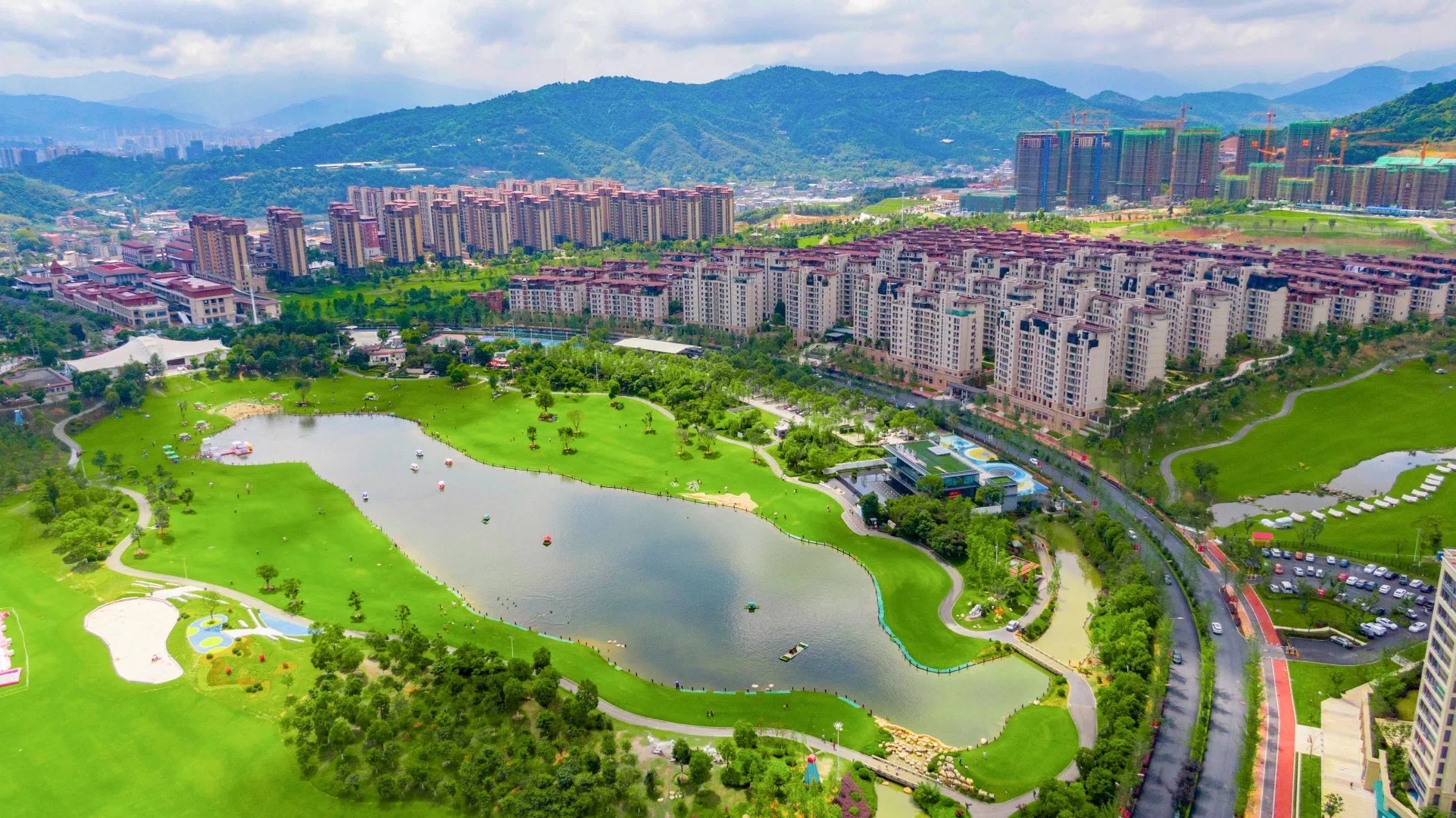
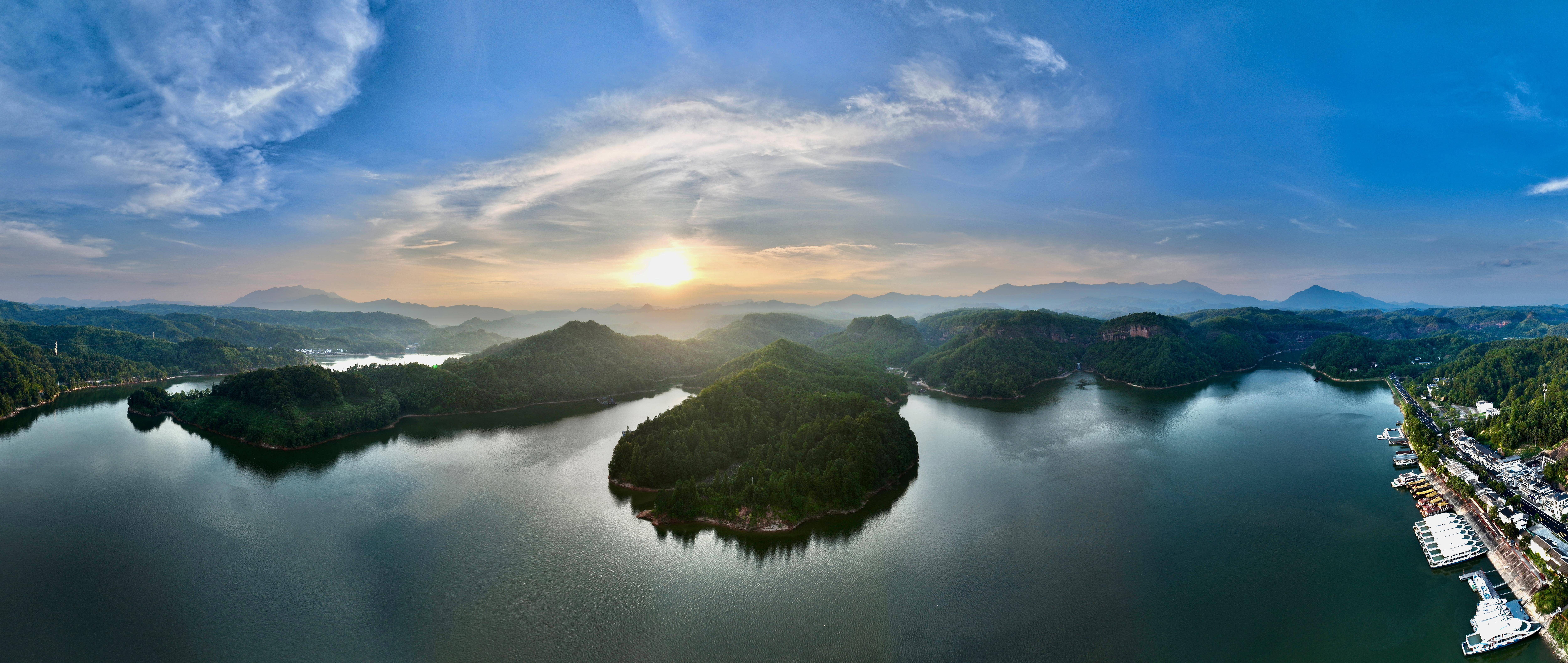
The city spans over 4,119 square kilometers with a population of 3.2 million. Its coastline is dotted with islands, bays, and fishing ports, while inland areas feature lush mountains, reservoirs, and historic temples. Putian is also famous for its medical tradition — doctors and medical professionals from Putian have established clinics and hospitals throughout China.
Putian has a history spanning over 1,400 years. Known as Xinghua during the Song Dynasty, the area was established as a prefecture in 979 AD. Its most famous historical figure is Lin Moniang, later deified as Mazu, who was born on Meizhou Island in 960 AD. Her divine protection of fishermen and sailors gradually evolved into a widespread folk religion.
During the Ming and Qing dynasties, Putian developed as a center of culture and education, producing numerous scholars and officials. The city also developed a strong maritime trading tradition despite periods of imperial restrictions on overseas commerce.
In modern times, Putian transformed from an agricultural county into an industrial powerhouse. The shoe industry took off in the 1980s, driven by private entrepreneurship and later by investment from overseas shoe manufacturers. Today, Putian is also known for its medical industry, with the "Putian medical tradition" referring to the nationwide network of private hospitals and clinics founded by Putian natives.
Putian's economy is dominated by two major industries: footwear manufacturing and healthcare. The shoe industry is the city's economic backbone, with over 4,000 footwear enterprises concentrated in the Licheng and Hanjiang districts. Major production includes athletic shoes, casual footwear, and leather shoes for global brands such as Nike, Adidas, Puma, and Converse, making Putian the world's largest shoe production base.
The "Putian medical industry" is a unique phenomenon — natives of Putian operate an estimated 80% of China's private hospitals, concentrated in dermatology, orthopedics, and traditional Chinese medicine. This nationwide network generates substantial revenue that flows back into the local economy.
Other important sectors include fisheries and aquaculture, with Putian's coastal waters producing high-quality seafood including prawns, crabs, and the famous Nanri Island oysters. The city's GDP reached approximately ¥330 billion in 2025. Tourism, centered on Meizhou Island pilgrimage and coastal scenery, is a growing industry with significant potential.
Discover the culinary treasures of Putian, from traditional street food to imperial cuisine.
Putian is served by Fuzhou Changle International Airport (FOC) approximately 110 km north, and Quanzhou Jinjiang International Airport (JJN) approximately 90 km south, both reachable by bus or taxi.
Putian Railway Station on the Fuzhou-Xiamen high-speed railway. Direct trains to Fuzhou (~30 min), Quanzhou (~20 min), and Xiamen (~50 min).
Public buses connect all urban districts and key attractions. Long-distance buses serve nearby cities and towns.
Mar - May
Mild and pleasant with moderate rainfall. The Mazu Culture Festival (lunar March) on Meizhou Island is a highlight.
Jun - Aug
Hot and humid with frequent rain and occasional typhoons. Peak season for beach activities on Meizhou and Nanri islands.
Sep - Nov
Comfortable temperatures, decreasing rainfall, and clear skies. The best season for sightseeing and outdoor activities.
Dec - Feb
Mild and relatively dry with comfortable daytime temperatures. Fewer tourists, making it a peaceful time to explore temples and the city.
Discover more cities, food guides, and travel inspiration.