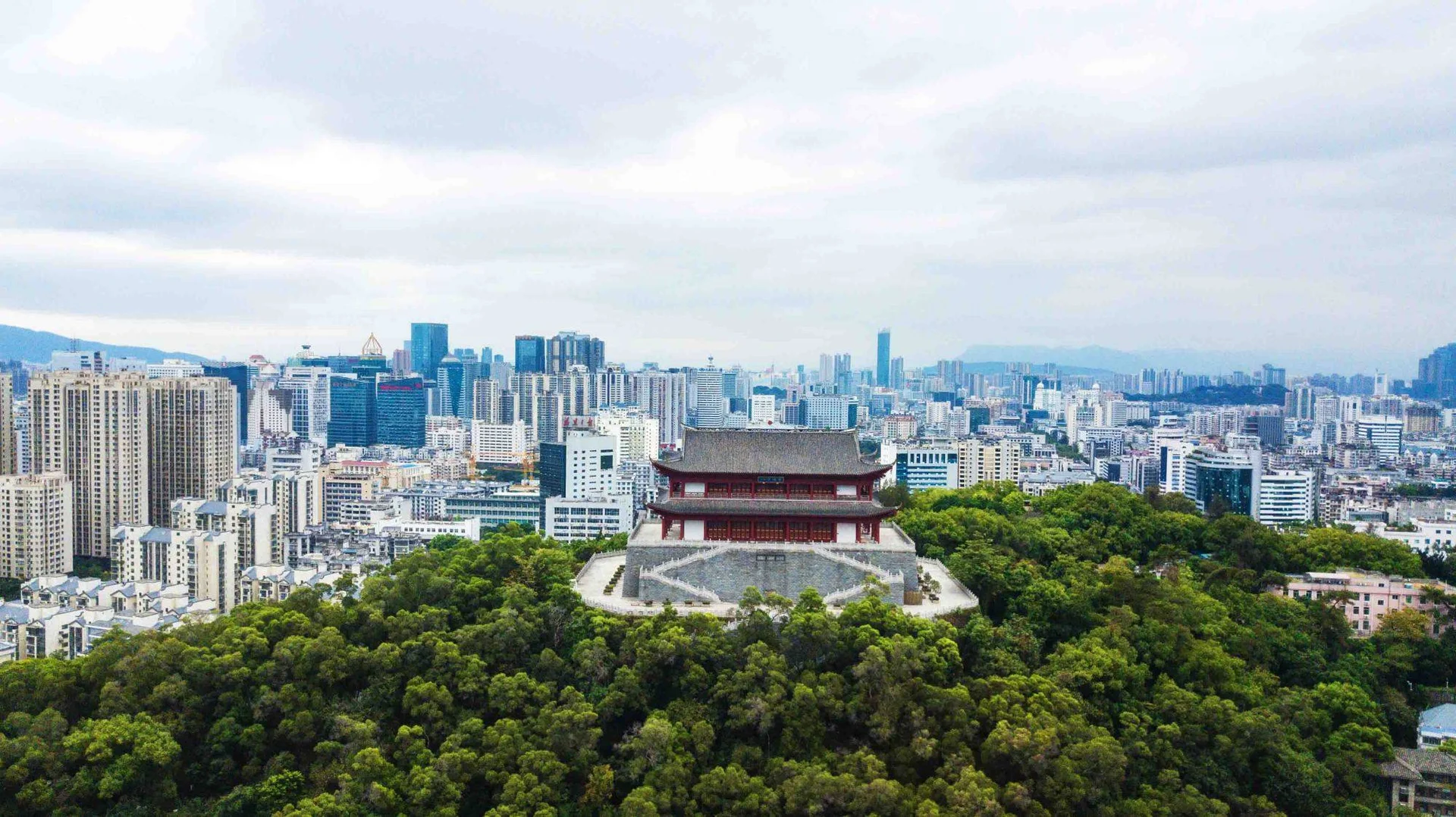
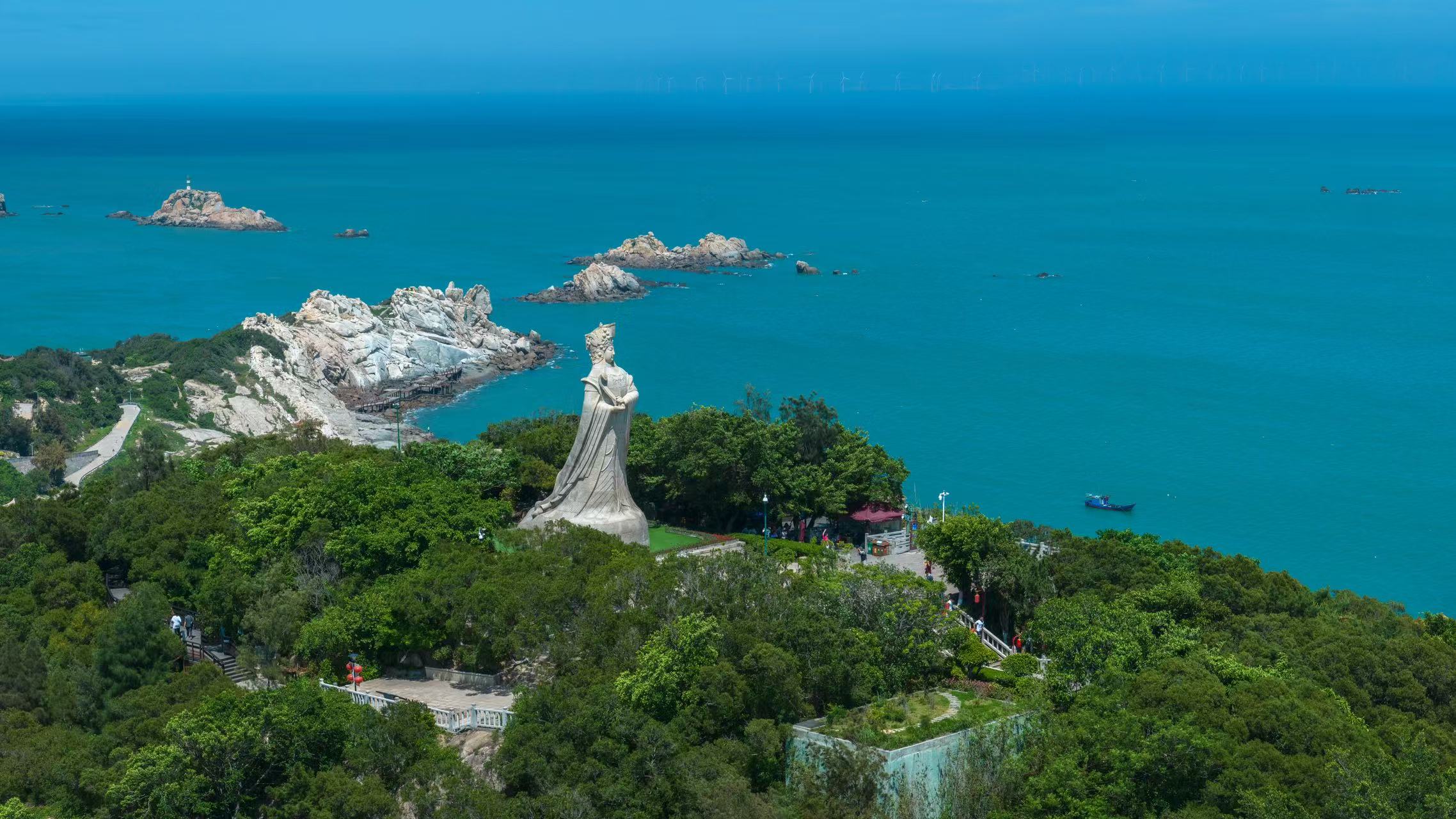
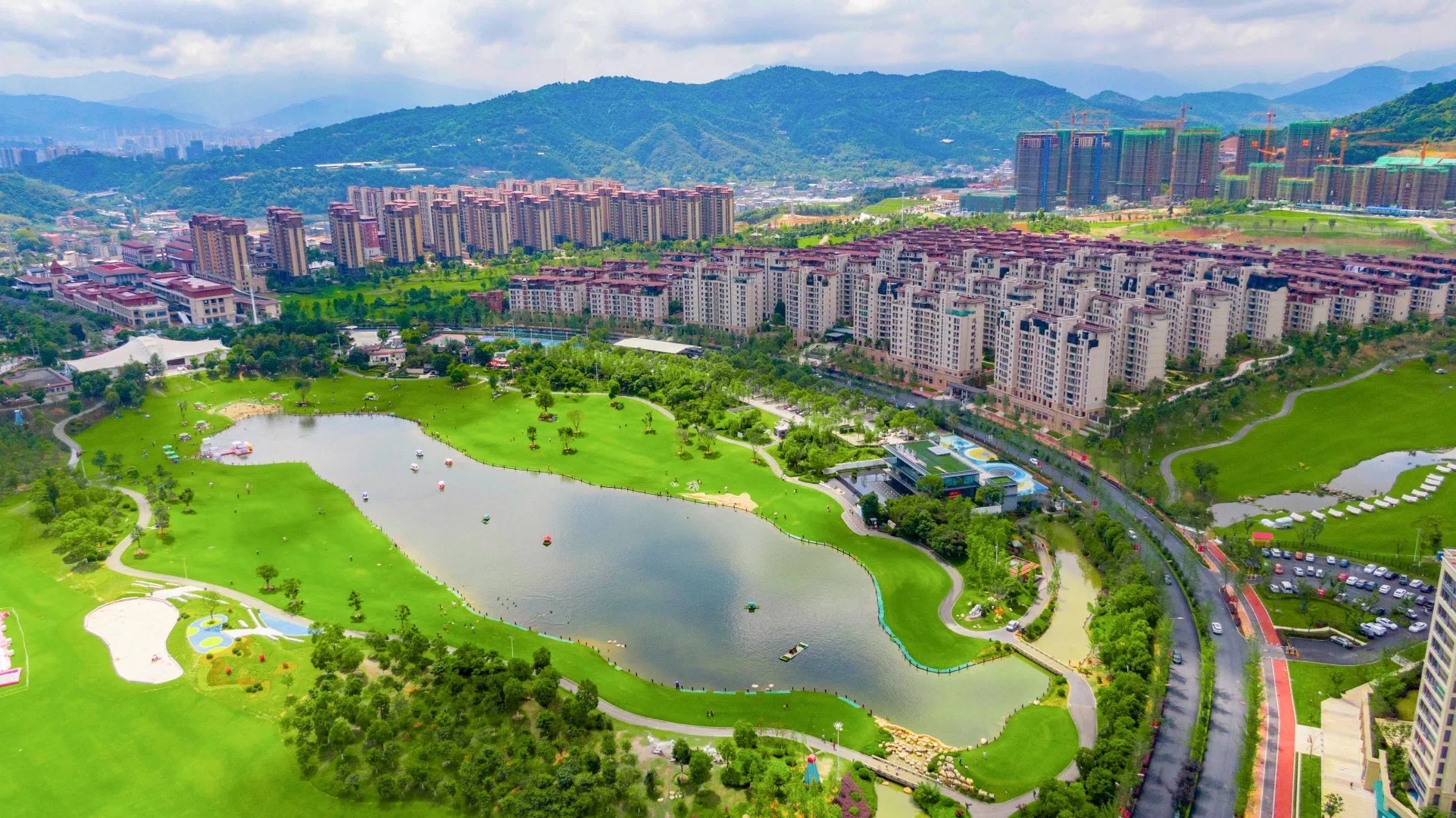
Nanping, the largest city in Fujian Province by area, serves as the gateway to one of China's most spectacular natural and cultural wonders: Wuyi Mountain. Stretching across 26,278 square kilometers in northwestern Fujian, Nanping is a city defined by its mountains, rivers, and tea.
Wuyi Mountain, a UNESCO World Heritage site since 1999, is the soul of Nanping. Unlike the steep, jagged peaks of Huangshan, Wuyi's mountains rise as massive red sandstone blocks, their flat tops cloaked in ancient forests, their sheer cliffs carved by millennia of wind and water. The Nine Bend River (Jiuqu Xi) winds nine sinuous curves through the heart of the range, offering the most iconic experience: drifting on a bamboo raft through a landscape that has inspired Chinese poets and painters for over a millennium.
Wuyi is hallowed ground for tea lovers. The mountain's unique terroir—mineral-rich red soil, misty microclimate, and ancient tea bushes growing directly from cliff crevices—produces the most revered oolong teas in the world. Da Hong Pao (Big Red Robe), the most famous, is named after a Ming dynasty emperor who draped his red robe over the tea bushes to express gratitude for curing his illness. The original six mother bushes, still growing on a cliff face, are over 350 years old and produce tea worth more than its weight in gold.
Beyond tea, Wuyi Mountain is deeply connected to Chinese intellectual history. The great Neo-Confucian philosopher Zhu Xi (1130-1200) spent over 50 years in Wuyi, establishing the Wuyi Academy where he taught, wrote commentaries, and developed the synthesis of Confucian thought that would dominate East Asian philosophy for centuries. His lectures attracted scholars from across China, making Wuyi a center of learning during the Song dynasty.
The modern city of Nanping administers a vast area including the Wuyishan city (county-level), Jianou, Shaowu, and several other districts. While Wuyi Mountain dominates the tourist imagination, the wider region offers its own attractions: the ancient tea trading village of Xiamei, where Qing dynasty merchants loaded tea for the long journey to Russia; the traditional Guang Bing flatbread of Jianou; and the bamboo-covered hills of Pucheng county.
Wuyi Rock Tea drives much of Nanping's economy, with tea cultivation, processing, and tourism creating a thriving industry. The city also has significant forestry and bamboo processing sectors. The Wuyi Mountain airport provides direct flights to major Chinese cities, making this UNESCO wonder increasingly accessible to the world.