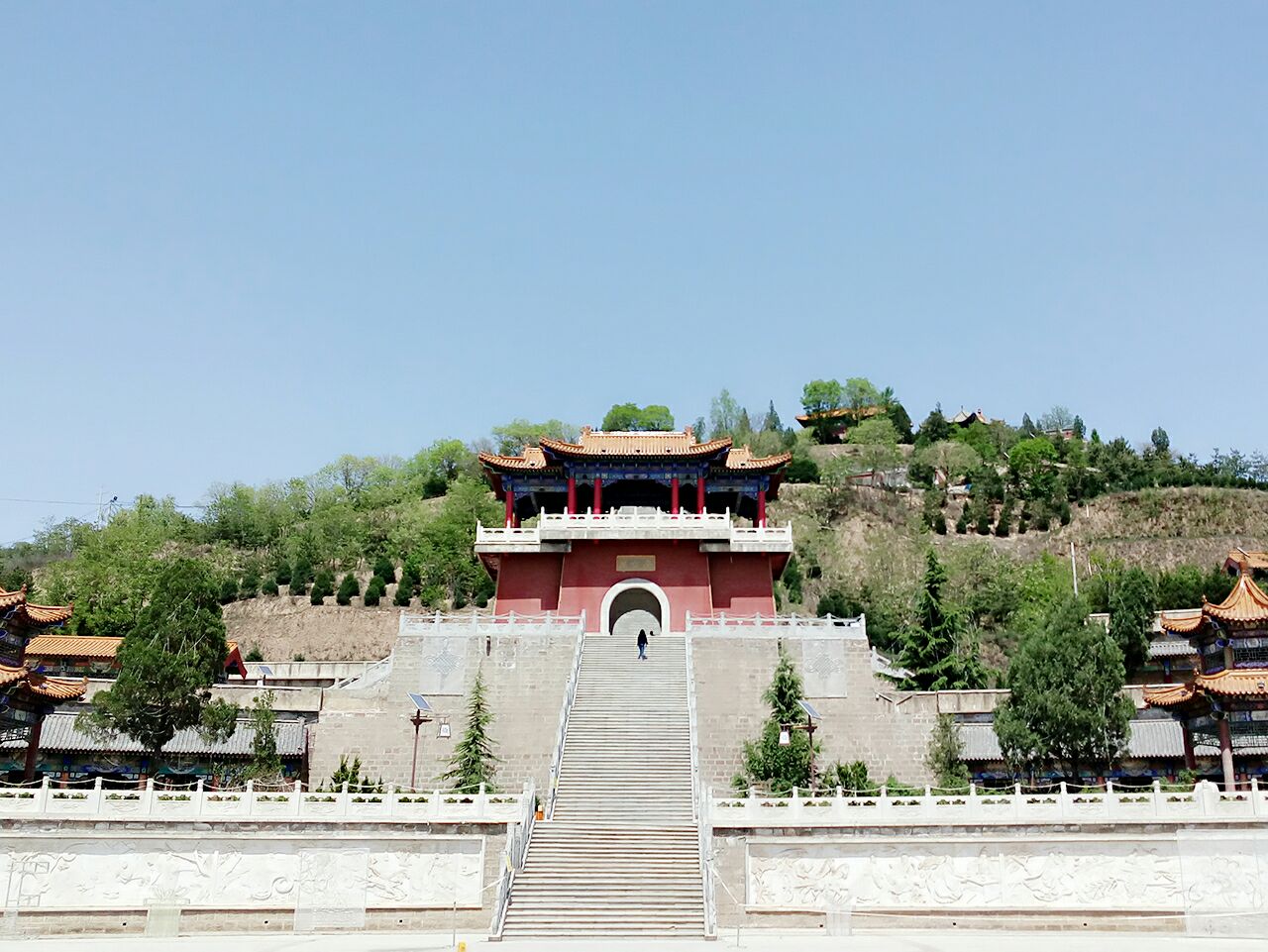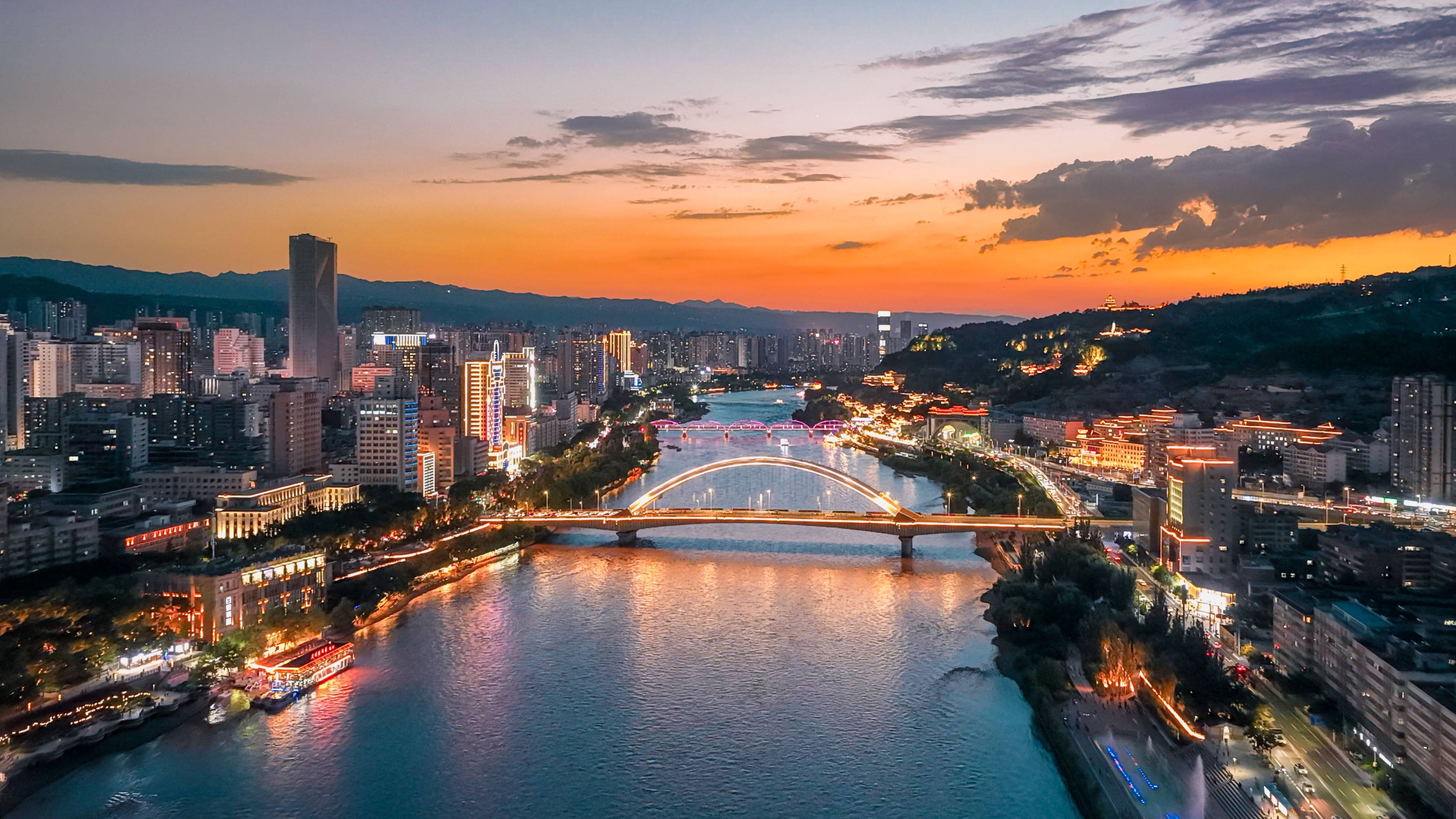
Zhangye city skyline and landmarks (张掖) - Travel China Guide

Zhangye Travel Guide

Home to the surreal Rainbow Mountains of the Zhangye Danxia National Geopark — one of China's most spectacular natural wonders and a vital Silk Road oasis.

About

Zhangye, meaning "to extend the arm of the country," is a prefecture-level city in the central Hexi Corridor of Gansu Province. The city's history stretches back over 2,000 years, when it was established as a prefecture during the Han Dynasty's westward expansion. Its fertile oasis, nourished by the Black River (Heishui), earned it the historical nickname "Jin Zhangye" (Golden Zhangye).

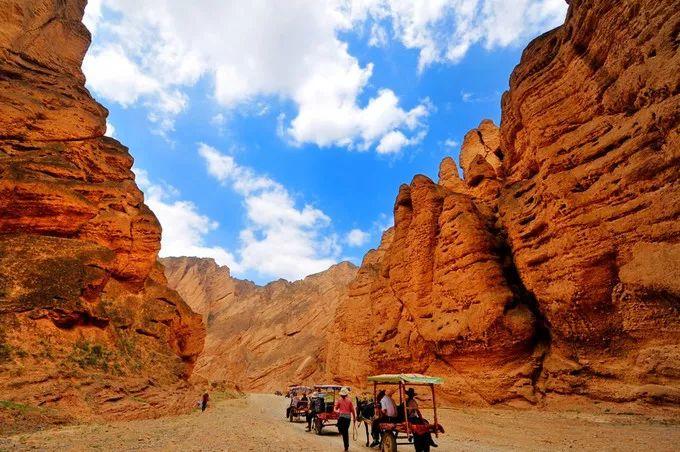
Zhangye's global fame rests primarily on the Zhangye Danxia National Geopark, a surreal landscape of rainbow-colored rock formations that has become one of China's most iconic natural wonders. The Danxia landform stretches across 510 square kilometers, with layered bands of minerals creating extraordinary patterns of red, orange, yellow, and green across the mountain faces.

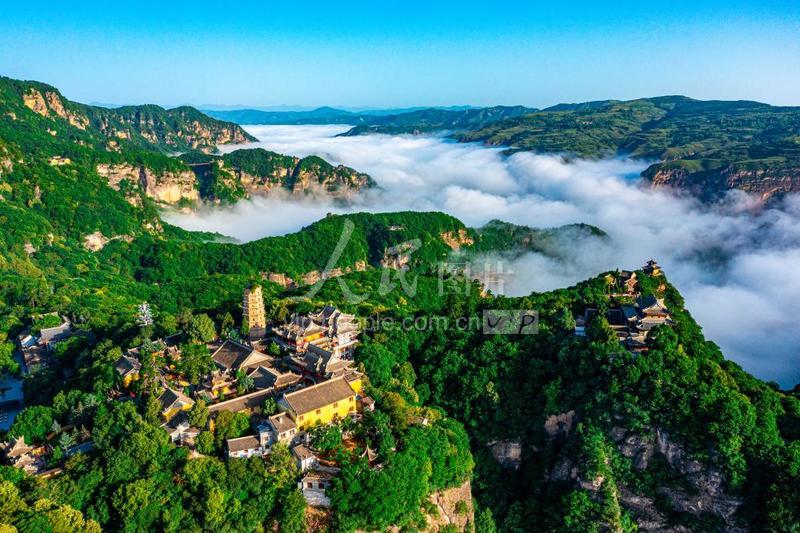
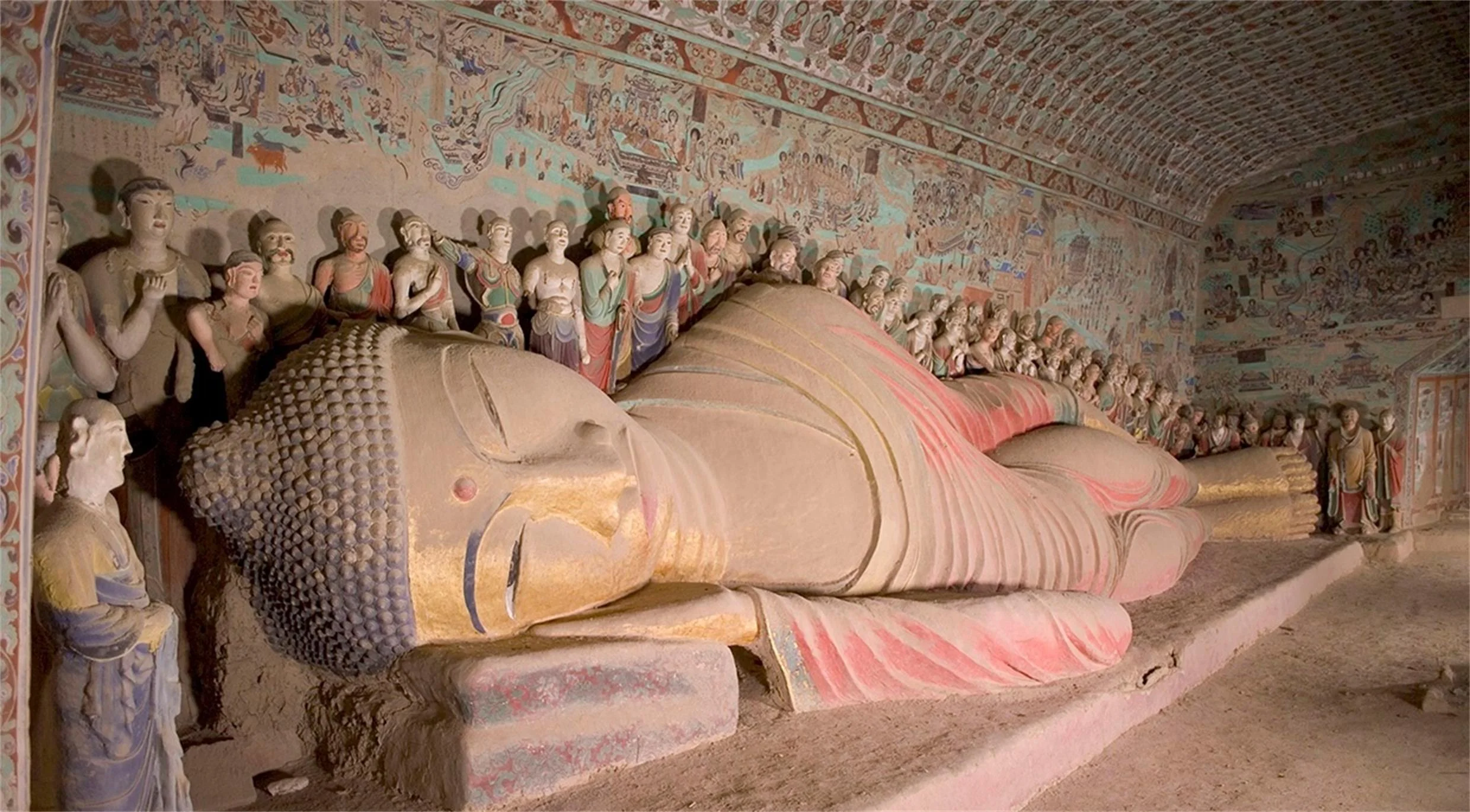
Beyond the Rainbow Mountains, Zhangye boasts a rich cultural heritage. The Giant Buddha Temple houses China's largest indoor reclining Buddha, a 34.5-meter clay statue from the Western Xia Dynasty. The nearby Mati Temple, with its cliffside grottoes and pagodas in the Qilian Mountains, has been a Buddhist pilgrimage site for 1,600 years.

The city serves as an excellent base for exploring the Hexi Corridor's natural wonders and ethnic minority cultures, including the Yugur people, one of China's smallest officially recognized ethnic groups.

History & Development

Zhangye's history begins in 111 BC when Emperor Wu of the Han Dynasty established it as a prefecture during his campaigns to control the Hexi Corridor. The city's strategic location made it a vital military garrison and trading post on the Silk Road.

During the Western Jin Dynasty, the Buddhist monk Zhu Tan built the first temple here. The Giant Buddha Temple was constructed in 1098 during the Western Xia Dynasty, marking Zhangye's importance as a Buddhist center. The Mati Temple grottoes were begun even earlier, during the Northern Liang period (397-439 AD).

The Hexi Corridor was under the control of various regimes over the centuries — the Tang Dynasty, the Tibetan Empire, the Tangut Western Xia, the Mongol Yuan Dynasty, and finally the Ming and Qing dynasties. Each left their mark on Zhangye's culture and architecture.

During the Ming Dynasty, Zhangye served as the headquarters of the Gansu military command, controlling the entire Hexi defense line. The city declined somewhat after the Silk Road's importance waned with the rise of maritime trade.

In modern times, Zhangye has developed into an agricultural and tourism hub. The discovery and promotion of the Danxia landform in the early 2000s transformed it into a major tourist destination.

Economy & Industries

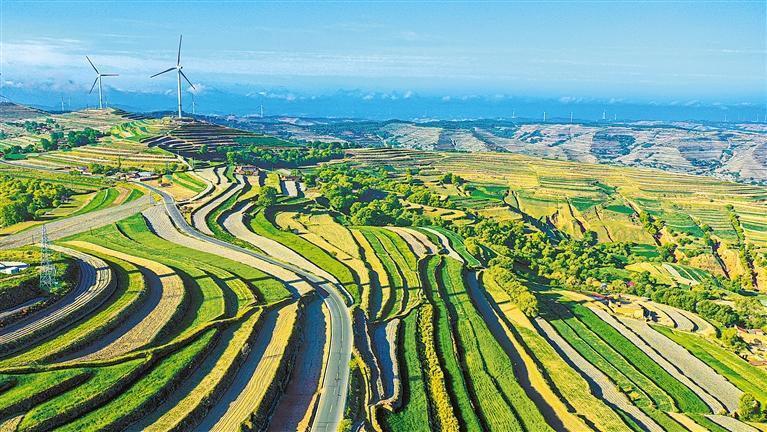
Zhangye's economy is centered on agriculture, tourism, and renewable energy. The city's fertile oasis produces high-quality wheat, corn, fruits (especially apples, pears, and grapes), and vegetables. Zhangye is also known for its seed production industry, supplying crop seeds to other parts of China.

Tourism has become a major economic driver since the Danxia Geopark gained international fame. The park attracts millions of visitors annually, spurring growth in hotels, restaurants, transportation, and related services. The local government has invested heavily in tourism infrastructure, including the new Danxia airport and highway improvements.

The abundant sunshine and wind resources of the Hexi Corridor make Zhangye ideal for solar and wind power generation. Several large-scale renewable energy projects have been developed in the region.

The city is also an important regional trade and logistics center for the western Hexi Corridor, connecting Gansu with Xinjiang and Central Asian markets.

Top Attractions

🏔️ Nature

Zhangye Danxia National Geopark

The Zhangye Danxia National Geopark is famous for its surreal, colorful rock formations that look like a painted rainbow across the mountains. The Danxia landform, created by red sandstone deposits over 24 million years and shaped by wind and water erosion, displays vibrant layers of red, orange, yellow, green, and blue. The best viewing times are sunrise and sunset when the colors are most vivid. The park covers an area of 510 square kilometers and was voted one of the "World's Top 10 Most Amazing Landscapes" by Chinese and international media.

★★★★ 4.9
🕐 06:00-18:00 (peak), 07:00-17:00 (off-peak)
🎫 74 yuan (peak season), 47 yuan (off-peak)
⛩️ Temple

Giant Buddha Temple

The Giant Buddha Temple (Dafo Si) is home to the largest indoor clay Buddha statue in China — a colossal reclining Buddha measuring 34.5 meters in length. Built in 1098 during the Western Xia Dynasty, the temple complex includes the main Buddha hall, a sutra library with valuable Buddhist scriptures, and a wooden pagoda. The Buddha's serene expression and the temple's Ming Dynasty murals make it a must-visit cultural site in Zhangye.

★★★★ 4.7
🕐 08:00-18:00
🎫 40 yuan
⛩️ Temple

Mati Temple

Mati Temple (Matisi) is a unique complex of Buddhist grottoes carved into a steep cliff face in the Qilian Mountains, about 60 kilometers south of Zhangye. Built starting in the Northern Liang period (397-439 AD), the temple features a series of caves, halls, and pagodas connected by narrow staircases and tunnels. The name "Mati" (Horse Hoof) comes from a legend that a heavenly horse left its hoof print on a rock here. The surrounding mountain scenery is spectacular.

★★★★ 4.6
🕐 08:00-18:00
🎫 73 yuan (peak), 55 yuan (off-peak)
🌳 Park

Zhangye National Wetland Park

Located on the northern outskirts of Zhangye, this is the largest urban wetland park in Gansu Province and one of the largest in China's arid northwest. Spanning over 6,000 hectares, the park features reed marshes, lakes, and rivers that support diverse bird species. Boardwalks and cycling paths allow visitors to explore the oasis ecosystem. It is a remarkable contrast to the surrounding Gobi Desert.

★★★★ 4.4
🕐 06:00-21:00
🎫 Free
🏛️ Landmark

Wooden Pagoda

The Wooden Pagoda (Zhenyuan Lou), also known as the Drum Tower of Zhangye, is a magnificent three-story wooden structure standing at the center of the old city. Originally built in 1507 during the Ming Dynasty, the tower features intricate wood carvings and painted beams. It served as both a military watchtower and a timekeeping bell tower. The structure is a fine example of Ming Dynasty wooden architecture.

★★★★ 4.3
🕐 All day (exterior)
🎫 Free (exterior viewing)
🏔️ Nature

Pinghu Lake Scenic Area

Pinghu Lake is a scenic reservoir area about 30 kilometers from Zhangye, surrounded by dramatic Danxia-style rock formations. The turquoise waters against the red cliffs create stunning photographic vistas. Boating, hiking, and camping are popular activities here. Less crowded than the main Danxia park, it offers a more tranquil natural experience.

★★★★ 4.2
🕐 08:00-18:00
🎫 30 yuan

Food & Culture

Discover the culinary treasures of Zhangye, from traditional street food to imperial cuisine.

Things to Do

Photograph the Rainbow Mountains

Visit Zhangye Danxia at sunrise or sunset for the most vivid colors. The viewing platforms offer spectacular panoramic views.

Marvel at the Giant Buddha

Stand before China's largest indoor clay Buddha (34.5 meters long) and explore the ancient temple's sutra library.

🏛️

Explore Mati Temple Grottoes

Climb through cliffside caves, tunnels, and pagodas at this 1,600-year-old Buddhist grotto complex in the Qilian Mountains.

Walk the Wetland Boardwalks

Discover the surprising oasis ecosystem of Zhangye National Wetland Park with its reed marshes and birdlife.

🍴

Taste Local Hexi Cuisine

Sample the unique flavors of the Hexi Corridor — lamb dishes, yak meat, handmade noodles, and local dairy products.

Visit Yugur Ethnic Villages

Learn about the Yugur people, one of China's smallest ethnic minorities, in the Qilian Mountain foothills south of Zhangye.

Suggested Itineraries

Zhangye One-Day Highlights

A one-day tour covering Zhangye's most famous natural wonder and key cultural sites.

  • Morning: Zhangye Danxia National Geopark (sunrise visit)
  • Midday: Giant Buddha Temple and Wooden Pagoda in the city
  • Afternoon: Zhangye National Wetland Park
  • Evening: Local Hexi Corridor dinner

Danxia and Mountains Explorer (2 Days)

A comprehensive two-day itinerary combining Zhangye's unique Danxia landscape with its ancient Buddhist heritage.

  • Day 1: Zhangye Danxia sunrise + Giant Buddha Temple + Wetland Park
  • Day 2: Mati Temple full day excursion in the Qilian Mountains
  • Optional: Sunset at the Danxia viewing platform

Getting Around

✈️

Airport

Zhangye Ganzhou Airport (about 24km from city center) has direct flights to Lanzhou, Xi'an, and occasionally other major cities.

🚄

High-Speed Rail

Zhangye West Station on the Lanzhou-Xinjiang HSR line connects to Lanzhou (3.5 hours) and Jiayuguan (1.5 hours).

🚌

Bus Network

Public buses and tourist shuttles serve the main attractions. Taxis are readily available in the city.

🚕

Taxi & Rideshare

Available throughout the city

Best Time to Visit

🌸

Spring

Apr - Jun

★★★★☆

Mild temperatures (10-22°C) with blooming greenery. The Danxia colors are vivid under clear spring skies. Moderate tourist numbers.

  • Comfortable weather
  • Vivid Danxia colors
  • Moderate crowds
☀️

Summer

Jul - Aug

★★★★☆

Warm to hot (20-32°C) with longer daylight hours. Peak tourist season. The wetland park is lush and green.

  • Long daylight hours
  • Green landscapes
  • All sites fully open
🍂

Autumn

Sep - Oct

★★★★★

Perfect conditions — clear blue skies, comfortable temperatures (10-25°C), and the Danxia colors at their most brilliant. Ideal for photography.

  • Best photography conditions
  • Brilliant Danxia
  • Comfortable temperatures
❄️

Winter

Nov - Mar

★★☆☆☆

Cold and dry (-5 to 8°C). The landscape is stark but has a unique beauty. Few tourists and low prices. Some sites may close early.

  • No crowds
  • Lowest prices
  • Unique winter landscape

Continue Exploring China

Discover more cities, food guides, and travel inspiration.