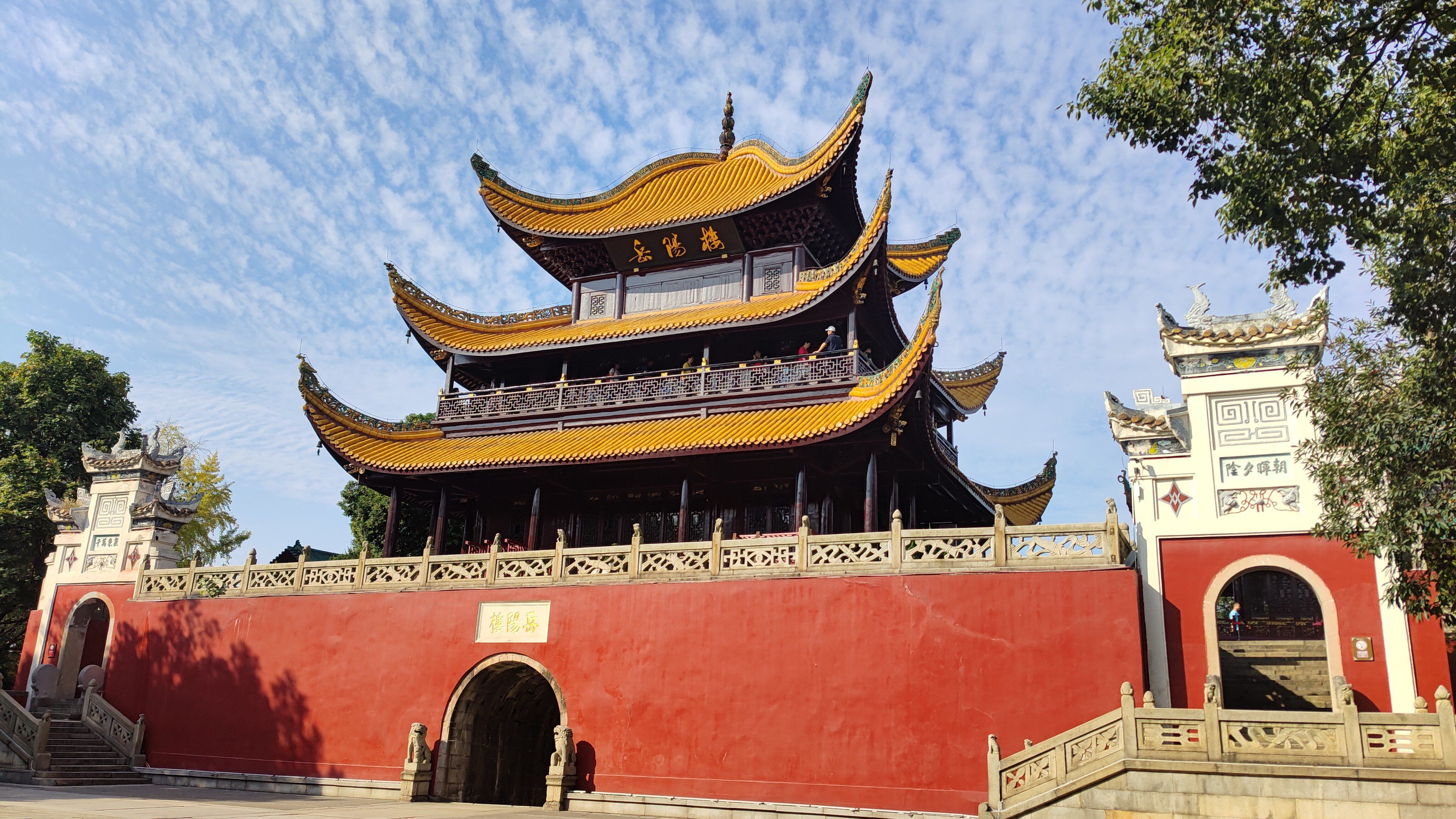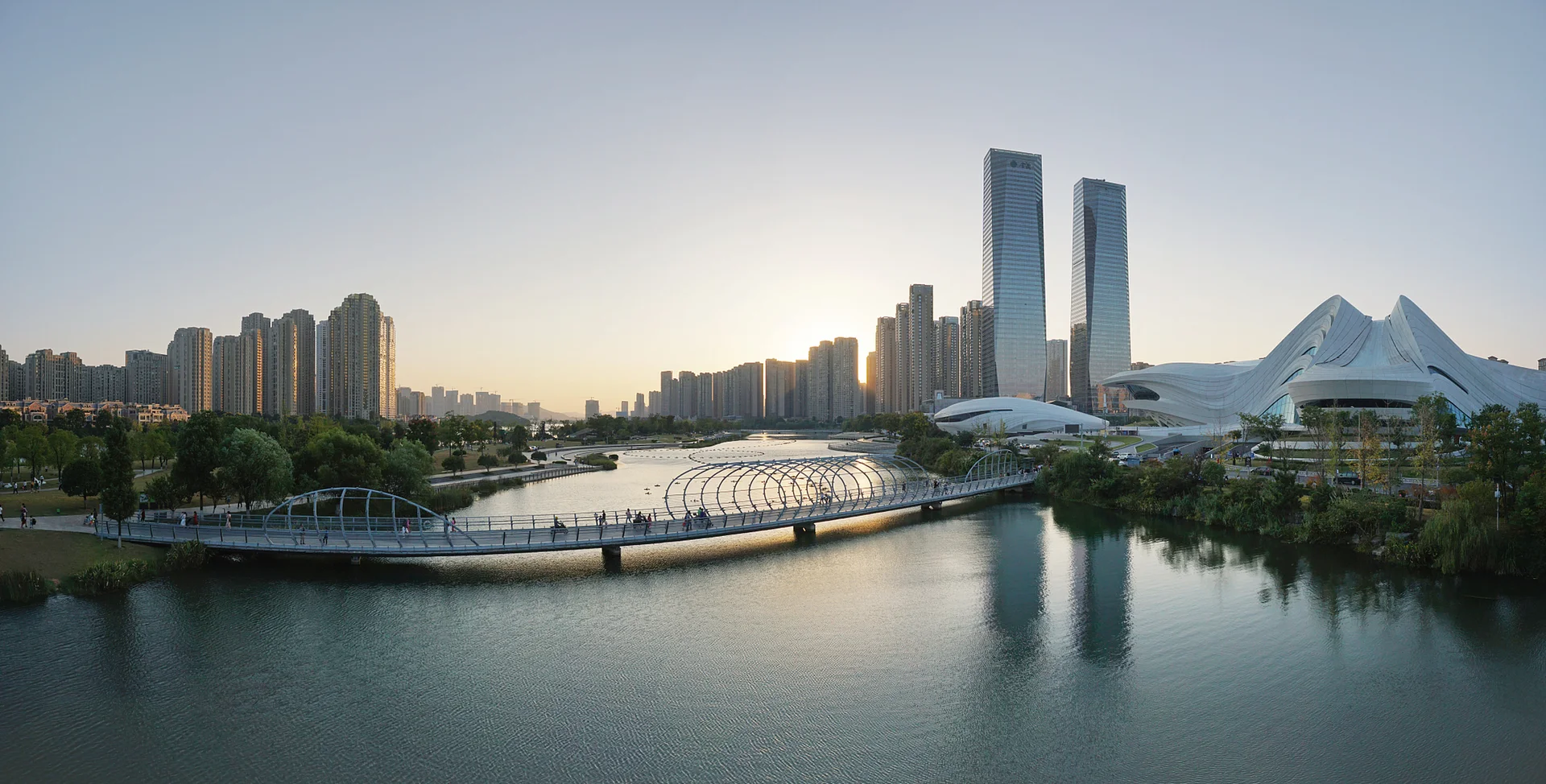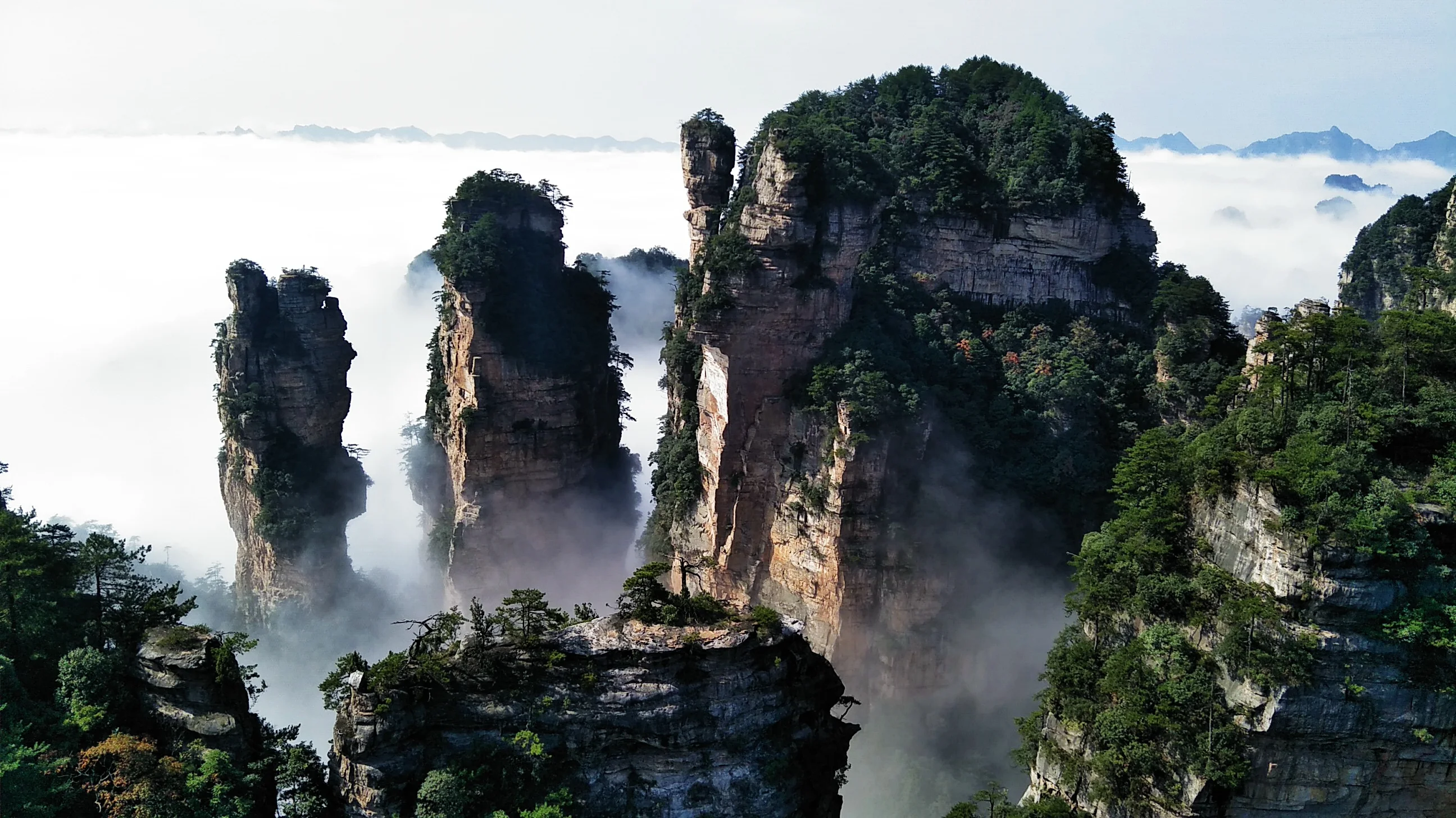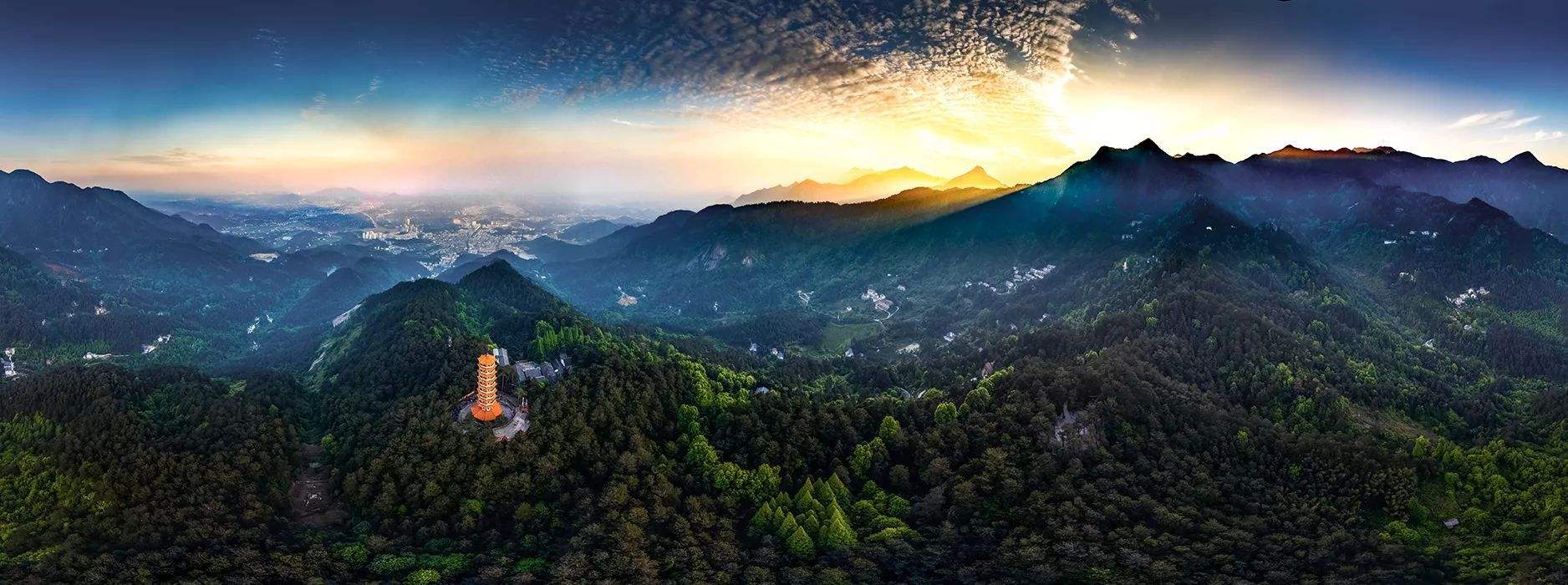
Yongzhou city skyline and landmarks (永州) - Travel China Guide

Yongzhou Travel Guide

An ancient city of poets and philosophers where the Xiao River meets the Xiang, surrounded by the sacred peaks of Jiuyi Mountain and rich Yao ethnic heritage.

About

Yongzhou, known historically as Lingling, is one of the most culturally significant cities in southern Hunan. Located at the confluence of the Xiao and Xiang Rivers — the origin of the poetic Chinese term "Xiao-Xiang" — Yongzhou has been celebrated in literature for over two millennia.

The city is most famous as the exile home of Liu Zongyuan, the Tang Dynasty literary giant who spent ten transformative years here (805-815 AD). During his exile, Liu wrote his masterpiece "Eight Records of Yongzhou," essays that forever linked his name with the region's misty rivers, jagged peaks, and secluded temples.

Yongzhou is also home to Jiuyi Mountain, one of China's most sacred peaks. According to ancient tradition, this is where the legendary Emperor Shun completed his earthly journey. The mountain's nine mysterious peaks have drawn pilgrims, poets, and emperors for thousands of years.

In Jiangyong County, a remarkable cultural treasure awaits — Nüshu, or "women's script," a unique writing system created and used exclusively by women. This rare tradition, practiced for centuries in secrecy, offers a fascinating window into the inner lives of women in imperial China.

History & Development

Yongzhou's history spans over 2,000 years. It was established as Lingling County during the Qin Dynasty (221-206 BC), making it one of the oldest administrative divisions in Hunan. During the Han Dynasty, it became Lingling Commandery, a major center in the southern reaches of the empire.

The most significant chapter in Yongzhou's cultural history is the Tang Dynasty exile of Liu Zongyuan. As the "eight Records of Yongzhou" spread among the literary elite, Yongzhou became famous throughout the empire as a land of haunting natural beauty and poetic melancholy.

During the Song and Ming dynasties, Yongzhou continued to attract scholars and officials who came to pay homage at Liuzi Temple and to experience the landscapes Liu had immortalized. The Yongzhou School of Neo-Confucianism emerged during this period.

In the modern era, Yongzhou has remained a primarily agricultural region, though industrialization has accelerated since the 1990s. The city's rich cultural heritage and natural landscapes have increasingly become tourism assets, with Jiuyi Mountain and Yangming Mountain drawing visitors from across China.

Economy & Industries

Yongzhou's economy is predominantly agricultural, with rice, citrus fruits, tea, and tobacco as major crops. The region is particularly known for its navel oranges and pomelos, which are prized in the Chinese market. Jiangyong County is famous for its pomelos, while Daoxian produces high-quality navel oranges.

Forestry is another important sector, with the mountain areas providing timber, bamboo, and forest products. Yangming Mountain and the surrounding forests support a significant non-timber forest product industry, including mushrooms, medicinal herbs, and wild vegetables.

Tourism has become an increasingly important economic driver. Jiuyi Mountain's sacred status, Yongzhou's literary heritage, and the unique Nüshu culture draw a growing number of domestic tourists. The hospitality sector has expanded in response.

Light manufacturing has been developing, particularly in the textile, food processing, and electronics assembly sectors. Yongzhou's relatively low labor costs and improving transportation links make it an attractive location for manufacturing investment.

Top Attractions

🏔️ Nature

Jiuyi Mountain Scenic Area

Jiuyi Mountain, also known as Cangwu Mountain, is one of China's most sacred mountains. According to ancient texts, the legendary Emperor Shun — one of the Three Sovereigns and Five Emperors — died here during an inspection tour and was buried on the mountain. The scenic area features dramatic karst peaks rising from verdant valleys, ancient temples, and the Mausoleum of Emperor Shun. The site includes the "Nine Doubtful Peaks" that gave the mountain its name, each with its own unique shape and legend. The natural landscape is complemented by ancient stone inscriptions from poets and scholars who have visited over the centuries.

★★★★ 4.6
🕐 08:00-17:30
🎫 120 yuan (through ticket)
🎭 Museum

Liuzi Temple

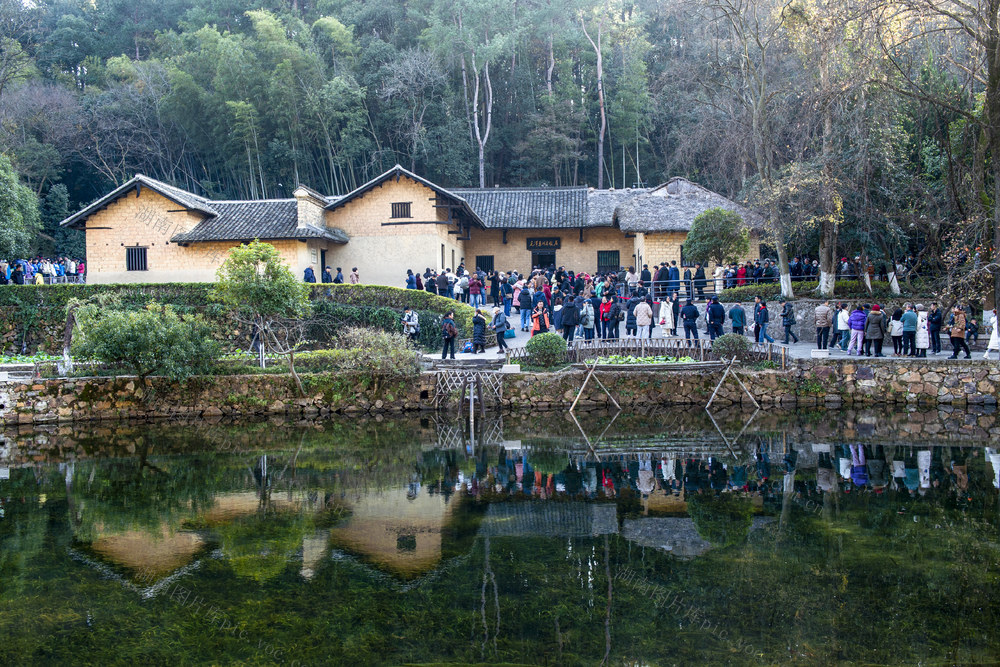
Liuzi Temple, located in Yongzhou's Lingling District, is a memorial to Liu Zongyuan (773-819 AD), one of the greatest writers and poets of the Tang Dynasty. Liu was exiled to Yongzhou for ten years after a failed political reform, and during this period he produced some of his most celebrated works, including "Eight Records of Yongzhou," a series of essays describing the region's landscapes. The temple, originally built during the Northern Song Dynasty, features traditional architecture, stone tablets inscribed with Liu's writings, and a peaceful garden.

★★★★ 4.4
🕐 08:00-17:30
🎫 30 yuan
🏔️ Nature

Yangming Mountain National Forest Park

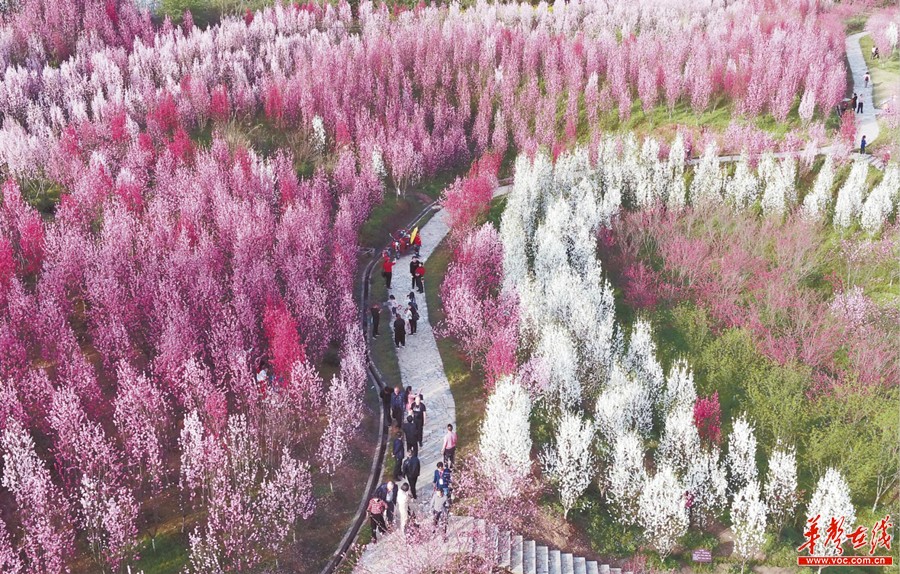
Yangming Mountain is a vast national forest park in Yongzhou's Shuangpai County, known for its sea of azaleas. Each spring, over 100,000 acres of wild azaleas burst into bloom, painting the mountains in shades of pink, red, and purple. The park also features the Wannian Temple, an ancient Buddhist temple complex, dramatic waterfalls, and hot springs. The highest peak reaches 1,624 meters, offering spectacular views of the surrounding Hunan countryside.

★★★★ 4.5
🕐 08:00-17:00
🎫 65 yuan
🏛️ Landmark

Yongzhou Ancient City (Lingling)

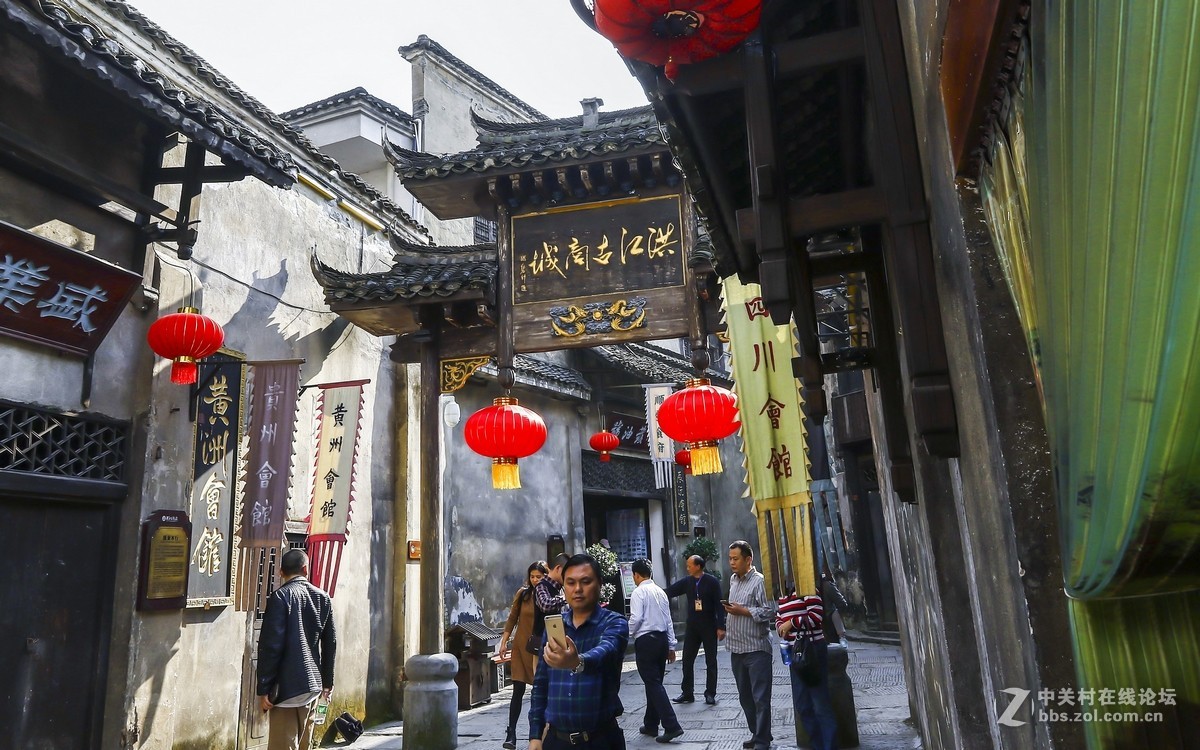
The ancient district of Lingling, the historical heart of Yongzhou, preserves a wealth of architectural heritage. The old town features narrow stone alleyways, Ming and Qing Dynasty courtyard houses, ancient city gates, and the Xiang River flowing alongside. The Yongzhou Museum, housed in a restored traditional complex, exhibits artifacts spanning 10,000 years of local history, including Neolithic tools, Shang Dynasty bronzes, and Tang Dynasty ceramics.

★★★★ 4.3
🕐 Open daily
🎫 Free (museum 20 yuan)
🎭 Museum

Jiangyong Women's Script Museum

Jiangyong County is home to one of the world's most fascinating linguistic phenomena — Nüshu (Women's Script), a phonetic syllabary that was created and used exclusively by women in the Jiangyong region. This unique writing system was passed down from mother to daughter for centuries and was used to compose poetry, letters, and songs that expressed women's innermost feelings in a patriarchal society. The museum displays original Nüshu works, calligraphy, and tells the story of this remarkable cultural tradition.

★★★★ 4.5
🕐 08:30-17:00 (closed Mondays)
🎫 40 yuan
🏔️ Nature

Xiao-Xiang Confluence

The point where the Xiao River meets the Xiang River is one of the most evocative locations in Chinese cultural history. The term "Xiao-Xiang" has been used for over 2,000 years in Chinese poetry to evoke a mood of melancholy beauty, misty waters, and remote exile. The confluence forms a wide, tranquil expanse of water framed by distant hills. A small pavilion on the bank marks the spot, and the view has inspired countless poems. It remains a place of quiet contemplation.

★★★★ 4.2
🕐 Open daily
🎫 Free

Food & Culture

Discover the culinary treasures of Yongzhou, from traditional street food to imperial cuisine.

Things to Do

Visit Jiuyi Mountain

Explore the sacred mountain of Emperor Shun with its karst peaks and ancient temples.

Trace Liu Zongyuan's Steps

Visit Liuzi Temple and the scenic spots documented in his famous essays.

Discover Nüshu Culture

Learn about the world's only female-only writing system at the Jiangyong Museum.

Hike Yangming Mountain

Trek through azalea-covered mountains and visit the ancient Buddhist temple.

🏛️

Explore Lingling Ancient Town

Wander the ancient streets, city gates, and riverside pathways of old Yongzhou.

🍜

Taste Yongzhou Blood Duck

Try Yongzhou's most iconic dish — stir-fried duck coated in rich duck blood sauce.

Suggested Itineraries

Cultural Heritage Day

Explore Yongzhou's rich literary and historical heritage in the ancient city center.

  • Morning: Liuzi Temple + Lingling Ancient Town
  • Afternoon: Xiao-Xiang Confluence + Yongzhou Museum
  • Evening: Blood duck dinner

Sacred Mountain Weekend

Discover Yongzhou's two most spectacular mountain landscapes.

  • Day 1: Jiuyi Mountain full day exploration
  • Day 2: Yangming Mountain azalea hike + hot springs

Getting Around

✈️

Airport

Yongzhou Lingling Airport (LLF) with flights to Beijing, Shanghai, Kunming, and other major cities.

🚄

High-Speed Rail

Yongzhou Station serves the Hunan-Guangxi high-speed railway with direct connections to Changsha (1.5 hours) and Guangzhou (3 hours).

🚌

Bus Network

Long-distance buses connect to Jiuyi Mountain, Jiangyong, Jianghua, and all surrounding counties.

🚕

Taxi & Rideshare

Available throughout the city

Best Time to Visit

🌸

Spring

Mar - May

★★★★★

Mild and beautiful. Yangming Mountain azaleas bloom spectacularly. Rivers are full and scenic.

  • Azalea season
  • Mild weather
  • Full rivers
☀️

Summer

Jun - Aug

★★★☆☆

Warm and humid. Mountain areas offer cool retreats. Jiuyi Mountain is lush and green.

  • Mountain retreats
  • Lush landscapes
  • Water activities
🍂

Autumn

Sep - Nov

★★★★★

Clear and comfortable. Perfect for sightseeing, mountain hiking, and cultural tours.

  • Best weather
  • Citrus harvest
  • Cultural tours
❄️

Winter

Dec - Feb

★★★☆☆

Mild for Hunan winters. Fewer tourists. Good for museum and cultural site visits.

  • Mild winter
  • Few tourists
  • Warm local food

Continue Exploring China

Discover more cities, food guides, and travel inspiration.