Yiyang city skyline and landmarks (益阳) - Travel China Guide

Yiyang Travel Guide

A tranquil water town on the Zi River known as the "Bamboo Capital of China," where traditional papermaking and lush bamboo forests create a serene escape.

About

Yiyang, seated gracefully along the Zi River in northern Hunan, is a city defined by bamboo. With the largest bamboo forest area of any Chinese city, Yiyang has earned the title "Bamboo Capital of China." The rustling bamboo groves of Taojiang County cover rolling hills as far as the eye can see, providing both breathtaking scenery and the raw material for a thousand-year-old papermaking tradition.

The city sits at the southern edge of the Dongting Lake region, one of China's most important wetland ecosystems. The Zi River flows through the heart of Yiyang, its banks transformed into a beautiful scenic belt where locals gather for morning exercise, evening strolls, and weekend relaxation.

Anhua County in western Yiyang is among China's most venerated tea regions, producing the famed Anhua dark tea — a post-fermented tea that was traded along the ancient Tea Horse Road to Tibet and Central Asia. The historic Tea Horse Ancient Road, winding through Anhua's mountains, offers hiking trails through tea terraces and pristine forests.

Yiyang's pace of life is noticeably more relaxed than neighboring Changsha, making it an ideal destination for those seeking tranquility and authentic Hunan culture.

History & Development

Yiyang has been inhabited for over 2,000 years. During the Qin Dynasty (221-206 BC), the area was part of Changsha Commandery. The name "Yiyang" was established during the Han Dynasty, literally meaning "beneficial sun." Throughout imperial Chinese history, Yiyang was primarily known as an agricultural region, particularly for rice cultivation.

During the Qing Dynasty, Yiyang produced Tao Shu, one of the most capable officials of the 19th century. Tao modernized the salt monopoly system and implemented major water control projects along the Yangtze, earning him a lasting reputation as a reformer.

The tea trade in Anhua has a history of over 1,000 years. During the Song and Ming dynasties, Anhua dark tea was a key commodity in the tea-for-horse trade with Tibetan and Central Asian nomads. The Tea Horse Road network that passed through Anhua was a vital economic artery.

In the modern era, Yiyang developed light industries based on its agricultural and forestry resources. The bamboo processing industry has evolved from traditional crafts to include modern engineered bamboo products for construction and design.

Economy & Industries

Yiyang's economy is built on its abundant natural resources, particularly bamboo and tea. The bamboo industry spans the entire value chain — from bamboo forest management to the production of flooring, furniture, construction materials, crafts, and paper. Yiyang has attracted investment from major bamboo product manufacturers and exports bamboo goods internationally.

Tea is the second pillar. Anhua County is one of China's most important dark tea production centers. The Anhua dark tea industry includes thousands of small family producers and large modern tea companies. Tea tourism has grown significantly, with visitors coming to experience tea culture along the historic Tea Horse Road.

Agriculture remains important, with rice, lotus root, freshwater fish, and tea being major products. The Dongting Lake area provides excellent conditions for aquaculture. The textile and food processing industries have also developed, leveraging local raw materials.

Yiyang is benefiting from its proximity to Changsha (only 1 hour by high-speed rail), attracting manufacturing that seeks lower costs while maintaining access to the provincial capital's markets and logistics.

Top Attractions

🏔️ Nature

Taojiang Bamboo Sea

Taojiang Bamboo Sea is a vast expanse of bamboo forest covering over 100 square kilometers, making it one of the largest bamboo forests in China. Walking trails wind through towering bamboo groves where sunlight filters through the dense canopy, creating an ethereal green atmosphere. The park features observation towers offering panoramic views of the rolling bamboo-covered hills, a bamboo culture museum, and artisan workshops where visitors can see bamboo crafts being made. The rustling sound of wind through bamboo leaves is a naturally meditative experience.

★★★★ 4.5
🕐 08:00-17:30
🎫 80 yuan
🌳 Park

Zijiang River Scenic Belt

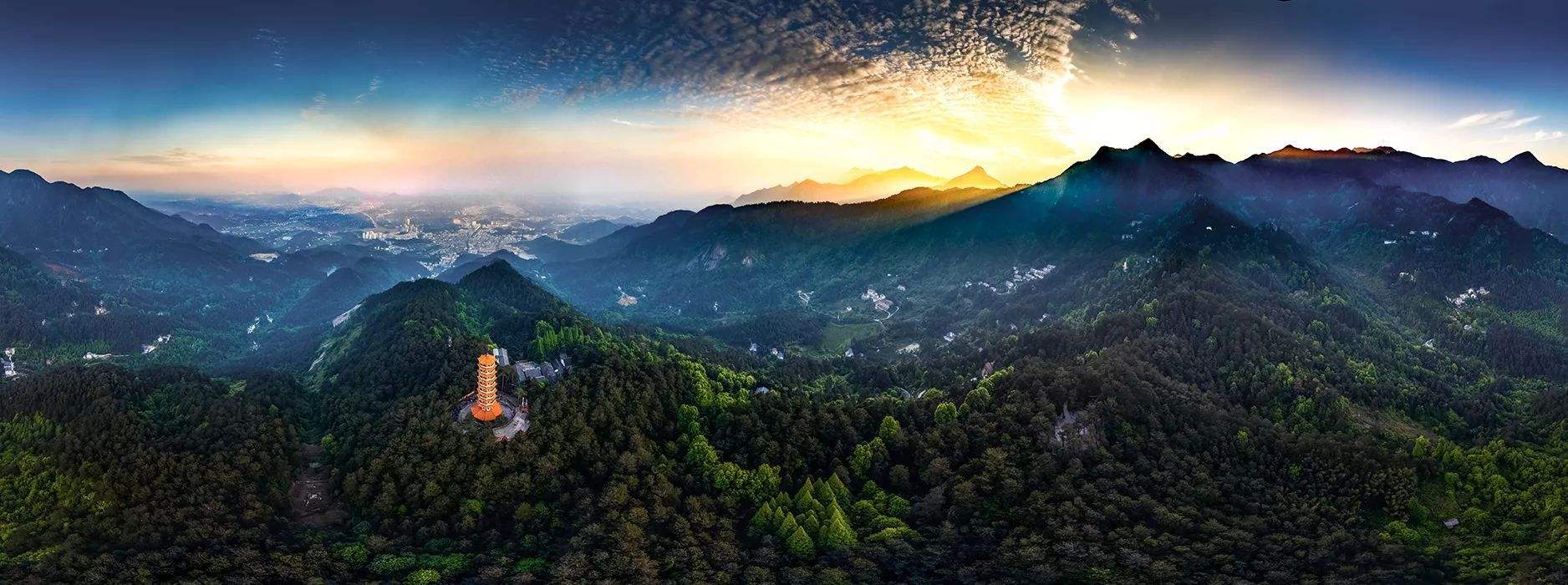
The Zi River flows gently through Yiyang, and the scenic belt along both banks is the city's most cherished public space. Well-maintained walking and cycling paths stretch for kilometers, passing through gardens, cultural squares, and traditional pavilions. The Hui Longshan Pagoda on the western bank dates from the Ming Dynasty and offers panoramic city and river views. During spring and summer, the riverbanks burst with colorful flowers. Evening strolls here are a beloved local tradition.

★★★★ 4.3
🕐 Open daily
🎫 Free
🎭 Museum

Yiyang Bamboo Papermaking Workshop

Yiyang has a 1,000-year tradition of making paper from bamboo. This living museum demonstrates the entire process — from harvesting young bamboo shoots to soaking, pounding, bleaching, and finally lifting the delicate paper sheets from the vat. Visitors can try their hand at papermaking under the guidance of master craftsmen. The bamboo paper produced here was once used for imperial examination papers and is still prized by calligraphers and artists.

★★★★ 4.3
🕐 08:30-17:00
🎫 40 yuan
🎭 Museum

China·Yiyang Bamboo Culture Museum

This modern museum is dedicated entirely to bamboo — one of China's most culturally significant plants. Exhibits cover the botanical characteristics of bamboo, its thousands of uses from construction to cuisine, and its profound role in Chinese art, literature, and philosophy. The museum displays exquisite bamboo carvings, furniture, musical instruments, and contemporary bamboo architecture models. Interactive exhibits allow visitors to test the strength of different bamboo species.

★★★★ 4.4
🕐 09:00-17:00 (closed Mondays)
🎫 Free
🎭 Museum

Tao Shu's Former Residence

Tao Shu (1779-1839) was a distinguished Qing Dynasty official and reformer who modernized China's salt administration and water management systems. His former residence in Anhua County features a traditional Chinese scholar's compound with multiple courtyards, a study pavilion, and a garden. The site has been restored as a museum documenting his life and achievements, including his pioneering work in flood control on the Yangtze River.

★★★★ 4.2
🕐 08:30-17:00 (closed Mondays)
🎫 30 yuan
🏛️ Landmark

Anhua Tea Horse Ancient Road

Anhua County in western Yiyang is one of China's most famous tea-producing regions, known for Anhua dark tea (hei cha) and Fu brick tea. The Tea Horse Ancient Road was a historic trade route over which tea was transported by horse caravans to Tibet, Mongolia, and Central Asia. Visitors can hike sections of the ancient stone-paved road, visit tea plantations, and see traditional tea processing workshops. The surrounding mountains and valleys offer beautiful hiking opportunities.

★★★★ 4.5
🕐 08:00-17:00
🎫 60 yuan

Food & Culture

Discover the culinary treasures of Yiyang, from traditional street food to imperial cuisine.

Things to Do

Wander Taojiang Bamboo Sea

Walk through one of China's largest bamboo forests and enjoy the serene green landscape.

Learn Bamboo Papermaking

Visit a traditional workshop and try making paper from bamboo by hand.

Stroll Zijiang Riverside

Enjoy a peaceful walk or bike ride along the scenic Zi River through the city.

Explore Anhua Tea Country

Visit tea plantations, hike the ancient Tea Horse Road, and taste authentic Anhua dark tea.

Visit the Bamboo Culture Museum

Discover the thousands of uses and cultural significance of bamboo in China.

Boat Trip on Dongting Lake

Take a boat tour of the Dongting Lake wetlands, a vital ecological region and bird habitat.

Suggested Itineraries

Bamboo Culture Day Tour

A full day immersed in Yiyang's bamboo culture, from living forests to artisan crafts.

  • Morning: Taojiang Bamboo Sea walk
  • Midday: Bamboo rice lunch
  • Afternoon: Bamboo Culture Museum + papermaking workshop

Tea and Nature Weekend

Combine Yiyang's tea heritage with its stunning bamboo landscapes.

  • Day 1: Anhua Tea Horse Ancient Road + tea plantation visit
  • Day 2: Taojiang Bamboo Sea + Zijiang Scenic Belt

Getting Around

✈️

Airport

Changsha Huanghua International Airport (about 90km, 1 hour by car) serves all major domestic and international routes.

🚄

High-Speed Rail

Yiyang Station serves the Changsha-Yiyang-Changde intercity railway, reaching Changsha in 30 minutes.

🚌

Bus Network

Regular buses connect Yiyang to all counties including Anhua and Taojiang.

🚕

Taxi & Rideshare

Available throughout the city

Best Time to Visit

🌸

Spring

Mar - May

★★★★★

Mild and green. Bamboo shoots emerge from the ground. Perfect for bamboo forest walks.

  • Bamboo shoot season
  • Fresh greenery
  • Mild weather
☀️

Summer

Jun - Aug

★★★★☆

Warm with moderate rainfall. The bamboo forests provide cool shade. Lotus flowers bloom.

  • Cool bamboo forests
  • Lotus flowers
  • River activities
🍂

Autumn

Sep - Nov

★★★★★

Cool and dry with clear skies. Tea harvest season in Anhua. Best comfort for outdoor activities.

  • Tea harvest
  • Comfortable weather
  • Bamboo forest colors
❄️

Winter

Dec - Feb

★★☆☆☆

Cold and damp. Few tourists. A good time to enjoy Anhua dark tea in a local tea house.

  • Tea drinking culture
  • Few tourists
  • Winter river views

Continue Exploring China

Discover more cities, food guides, and travel inspiration.