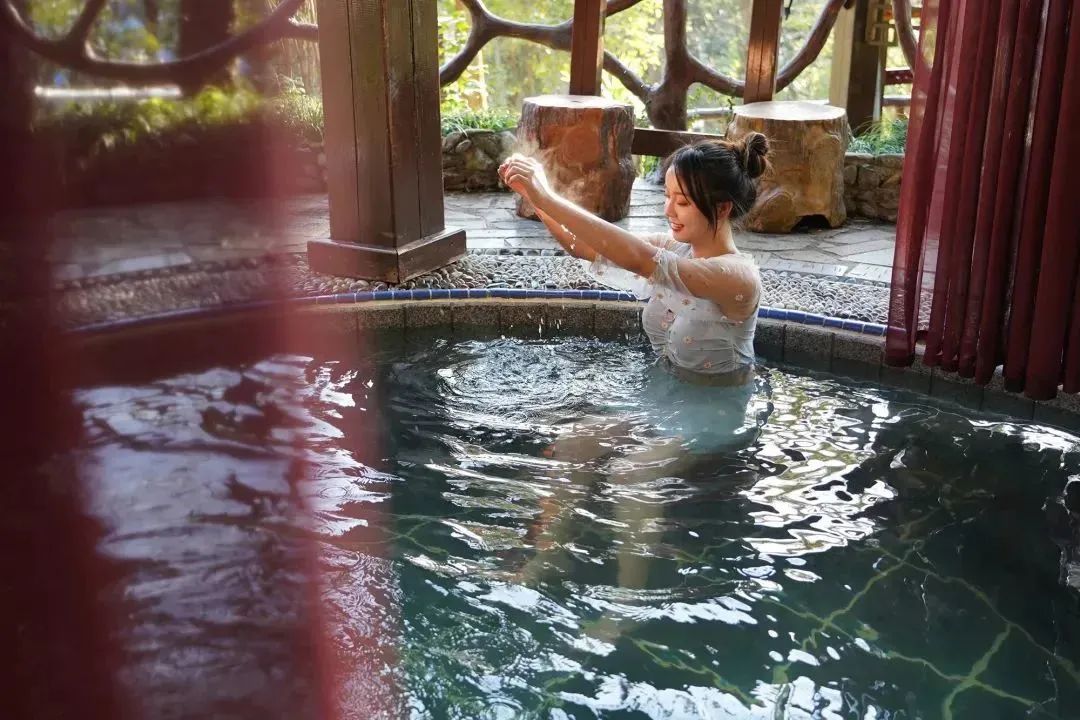
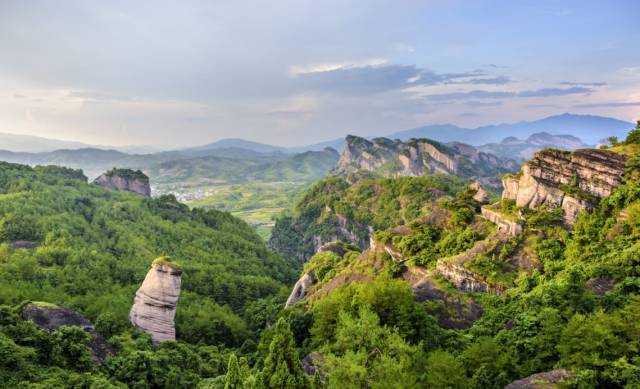
Yingtan city skyline and landmarks (鹰潭) - Travel China Guide

Yingtan Travel Guide

Home of the sacred Longhu Mountain (Dragon Tiger Mountain), the birthplace of Taoism and famous for its stunning Danxia landscape.

About

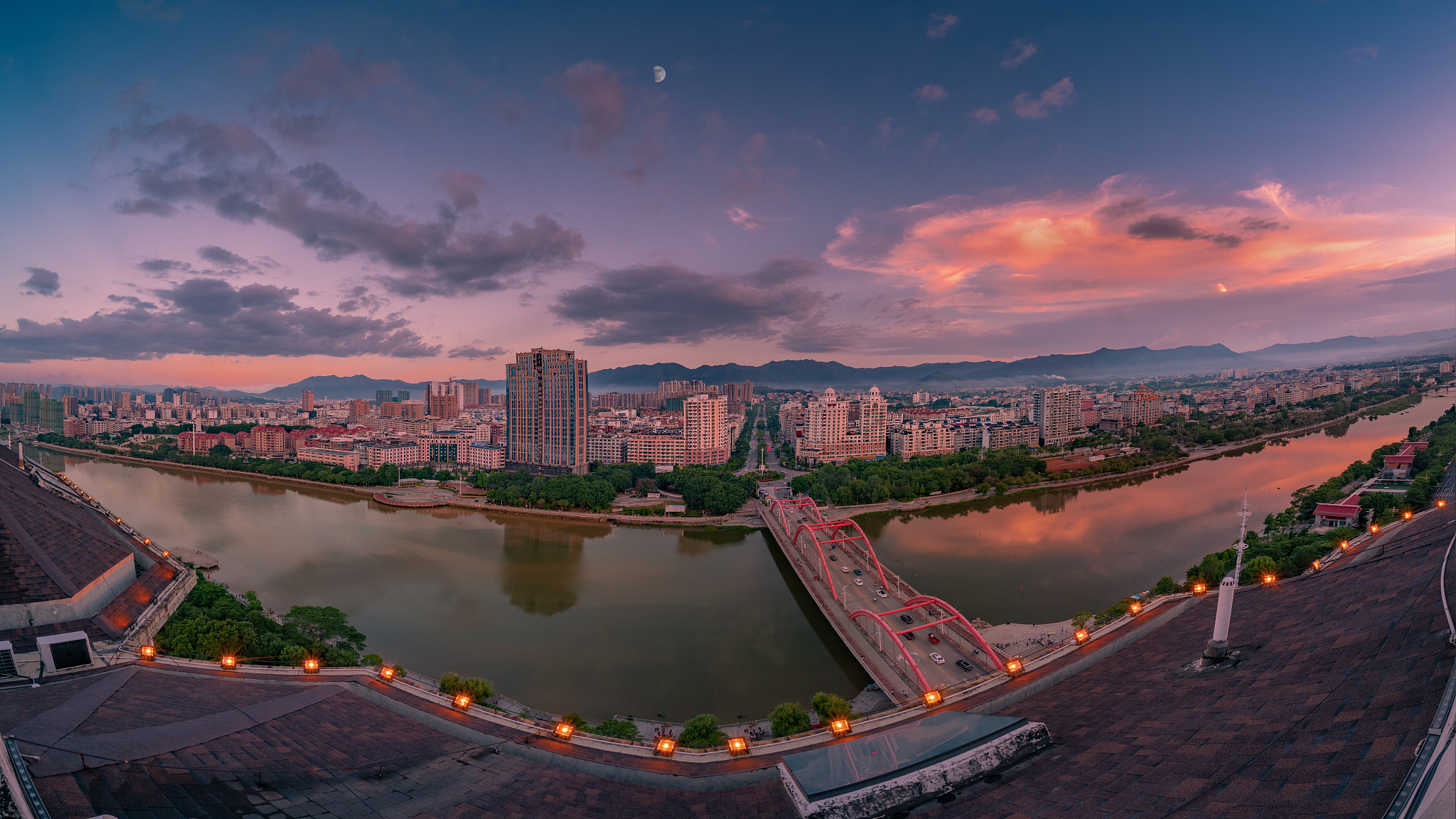
Yingtan is a small city with an outsized spiritual legacy. Nestled along the Luxi River in eastern Jiangxi Province, this city of 1.2 million is the undisputed birthplace of organized Taoism—one of China's great indigenous philosophical and religious traditions.

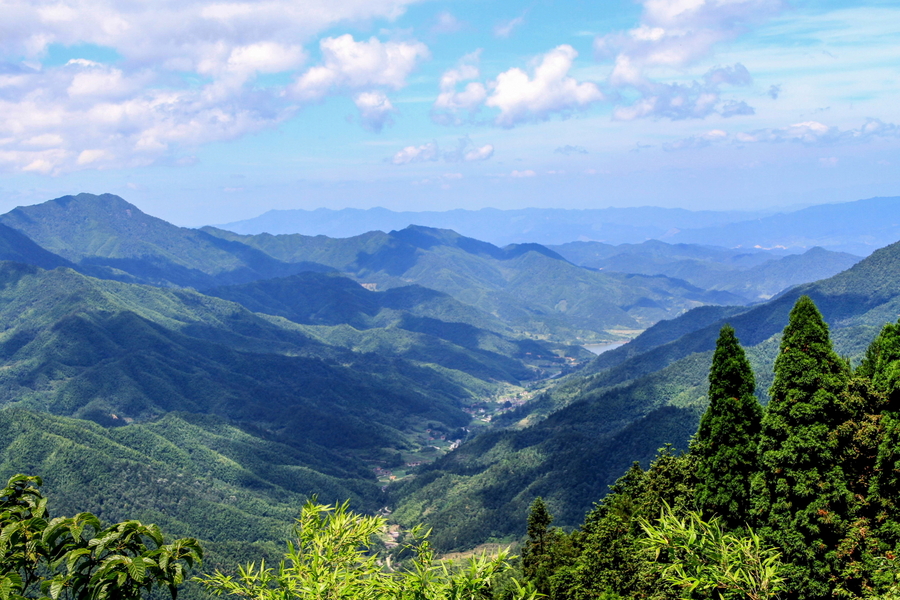
The heart of Yingtan is Longhu Mountain, a UNESCO Global Geopark and one of China's most sacred Taoist sites. Its name comes from a legend: when the first Heavenly Master, Zhang Daoling, refined the elixir of immortality here, dragons and tigers appeared to guard the sacred pills. The mountain's red sandstone peaks, shaped by millions of years of erosion into fantastic forms, create a landscape so otherworldly it was used as a filming location for the martial arts fantasy novel adaptations of "The Legend of the Condor Heroes."

Taoism was founded here by Zhang Daoling during the Eastern Han dynasty (25-220 AD). He established the Way of the Celestial Masters, the first organized Taoist movement. For 63 generations spanning over 1,900 years, his descendants have resided at the Heavenly Master Mansion in Shangqing Ancient Town, making the Zhang family one of the longest continuously ruling dynasties in human history—outlasting many imperial Chinese dynasties.

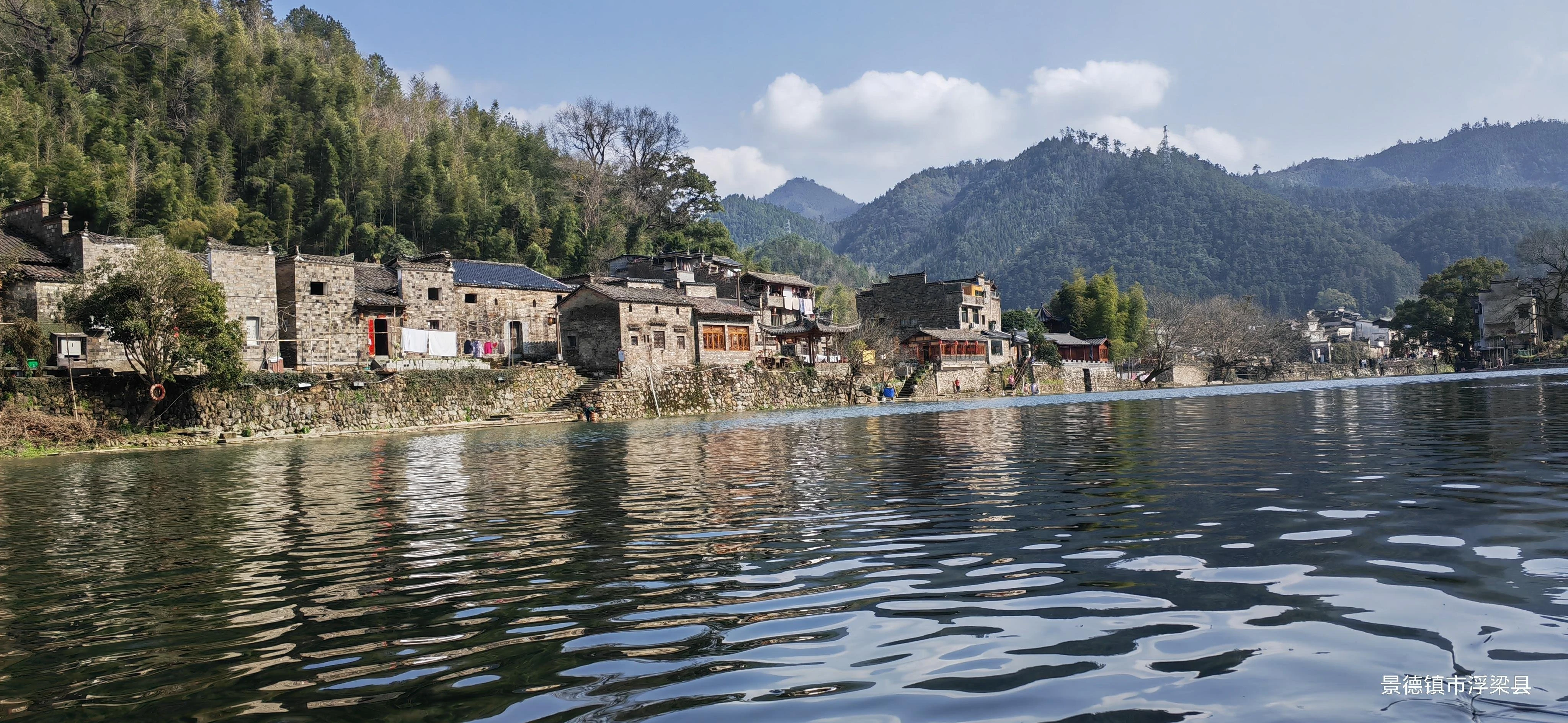
The Luxi River winds through the heart of Longhu Mountain, offering a peaceful journey past towering red cliffs, bamboo groves, and ancient Taoist temples. Along the cliffs, mysterious hanging coffins from 2,600 years ago are suspended in natural caves, a funerary practice whose methods continue to puzzle archaeologists.

Modern Yingtan is known for its copper processing industry. Jiangxi Copper Company, China's largest copper producer, is headquartered here and has made Yingtan a vital link in the nation's industrial supply chain. The copper industry has brought prosperity, but the city's true treasure remains its Taoist heritage and the breathtaking landscapes of Longhu Mountain.

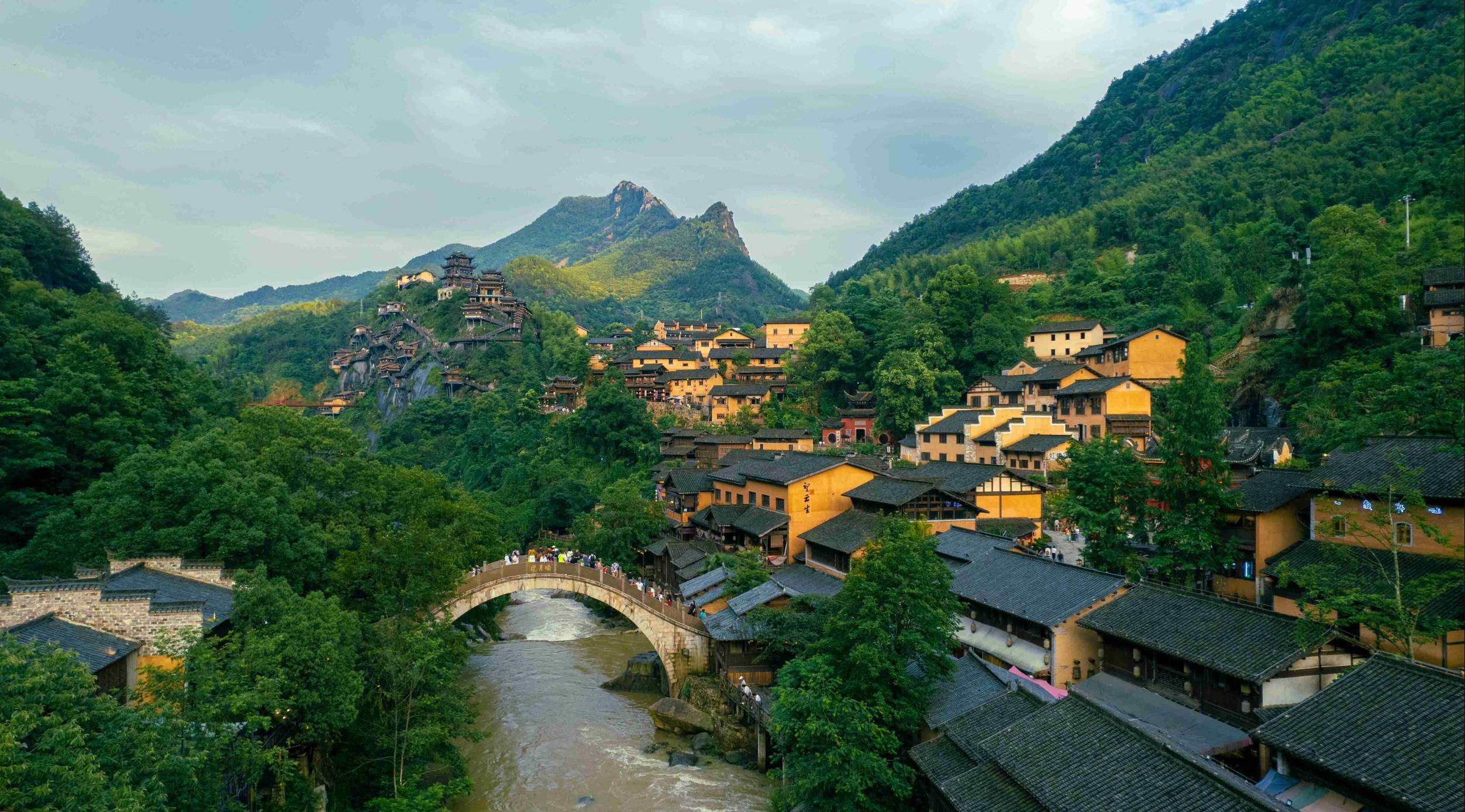
The city's small size makes it easy to explore. Shangqing Ancient Town, a short bus ride from the city center, feels frozen in time—its flagstone streets, wooden shop fronts, and the imposing Heavenly Master Mansion offer an immersive journey into Taoist culture. Local restaurants serve Shangqing tofu made from mountain spring water, and the famous Yingtan beef noodles provide a satisfying meal after a day of exploration.
👥
Population 1.2 million
📐
Area 3,557 km²
💬
Language Mandarin Chinese, Gan Chinese dialect.

Economy & Industries

Yingtan's economy is dominated by copper processing. The city is home to Jiangxi Copper Company, China's largest copper producer and one of the world's leading copper smelting enterprises. Jiangxi Copper operates a massive complex in Yingtan that processes raw copper ore into refined copper, copper rods, wires, and other products. The copper industry accounts for a significant portion of Yingtan's GDP and employment.

Tourism centered on Longhu Mountain and Taoist culture is the second pillar of the local economy. The Longhu Mountain scenic area attracts over 3 million visitors annually, supporting a wide range of service industries including hotels, restaurants, tour operators, and souvenir shops. The Taoist heritage draws both domestic pilgrims and international visitors interested in Chinese philosophy and religion.

Agriculture in Yingtan includes rice cultivation, tea plantations, and specialty products like Longhu chestnuts and Shangqing tofu. The fertile valleys of the Luxi River support productive farmland. Small-scale manufacturing, food processing, and logistics complete the economic picture.

Top Attractions

🏔️ Nature

Longhu Mountain

One of China's most sacred Taoist mountains, Longhu (Dragon Tiger) Mountain is considered the birthplace of organized Taoism. The mountain's stunning Danxia landscape features red sandstone peaks, winding rivers, and lush bamboo groves. Visitors can take bamboo raft rides along the Luxi River, hike to cliff-side temples, and explore the many Taoist shrines scattered across the scenic area.

★★★★ 4.7
🕐 7:30 AM-5:30 PM
🎫 120 yuan
🏛️ Landmark

Shangqing Ancient Town

A historic town that has been the spiritual center of Taoism for nearly two millennia. The town is home to the Heavenly Master Mansion (Tianshi Fu), where 63 generations of Taoist Heavenly Masters have lived and presided over religious affairs. The ancient streets are lined with traditional shops selling Taoist artifacts, local snacks, and the famous Shangqing tofu.

★★★★ 4.5
🕐 8:00 AM-5:00 PM
🎫 Included in Longhu Mountain ticket
⛩️ Temple

Heavenly Master Mansion

The ancestral residence of the Zhang family, who have served as Taoism's Heavenly Masters since the Eastern Han dynasty. The sprawling complex covers over 40,000 square meters, featuring grand halls, elegant courtyards, and ancient trees. The main hall contains the throne of the Heavenly Master and portraits of successive generations. It remains an active religious center.

★★★★ 4.6
🕐 8:00 AM-5:00 PM
🎫 Included in Longhu Mountain ticket
🏔️ Nature

Xianshuiyan

A breathtaking section of Longhu Mountain where the Luxi River winds through a valley of dramatic red sandstone cliffs. The area is famous for its "Ten Grottos" — ten natural rock formations each with its own legend. The cliff faces are dotted with ancient cliff coffin burials, a funerary practice dating back over 2,600 years that remains partially unexplained.

★★★★ 4.5
🕐 7:30 AM-5:30 PM
🎫 Included in Longhu Mountain ticket
🏛️ Landmark

Cliff Coffins

An ancient burial practice unique to the region, where coffins were placed in natural caves high on vertical cliff faces along the Luxi River. Dating back over 2,600 years to the Spring and Autumn period, the coffins were placed at heights of 30-50 meters. How ancient people managed to elevate heavy coffins to such heights remains a fascinating archaeological mystery.

★★★★ 4.4
🕐 Visible during boat ride hours (7:30 AM-5:30 PM)
🎫 Included in boat ride ticket
🏔️ Nature

Xiangshan

An elegant mountain in the shape of a crouching elephant, located within the Longhu Mountain scenic area. The mountain features unusual rock formations, a Taoist temple, and panoramic viewpoints overlooking the Luxi River valley. A cable car provides easy access to the summit, where visitors can enjoy sweeping views of the Danxia landscape.

★★★★ 4.1
🕐 7:30 AM-5:30 PM
🎫 Included in Longhu Mountain ticket

Food & Culture

Discover the culinary treasures of Yingtan, from traditional street food to imperial cuisine.

Getting Around

✈️

Airport

Nearest airports: Nanchang Changbei International Airport (KHN) - 160 km, or Shangrao Sanqingshan Airport (SQD) - 80 km

🚄

High-Speed Rail

High-speed rail to Nanchang (40 min), Shanghai (3h), Hangzhou (2h), Beijing (5.5h)

🚌

Bus Network

City buses and tourist buses to Longhu Mountain scenic area

🚕

Taxi & Rideshare

Available throughout the city

Best Time to Visit

Spring (April-May) and Autumn (September-October) offer the best weather for most destinations in China.

Travel Reminders

💡

Take the bamboo raft ride on Luxi River for the best views of cliff coffins.

☀️

Visit the Heavenly Master Mansion in the morning when it is less crowded.

💡

Try Shangqing tofu fresh—it is made daily with mountain spring water.

🚇

Yingtan is a quick 40-minute high-speed rail ride from Nanchang.

Continue Exploring China

Discover more cities, food guides, and travel inspiration.