City hero image

Nanchang

The "Hero City of China" where revolutionary history meets ancient culture—the birthplace of the People's Liberation Army and home to the legendary Tengwang Pavilion.

About

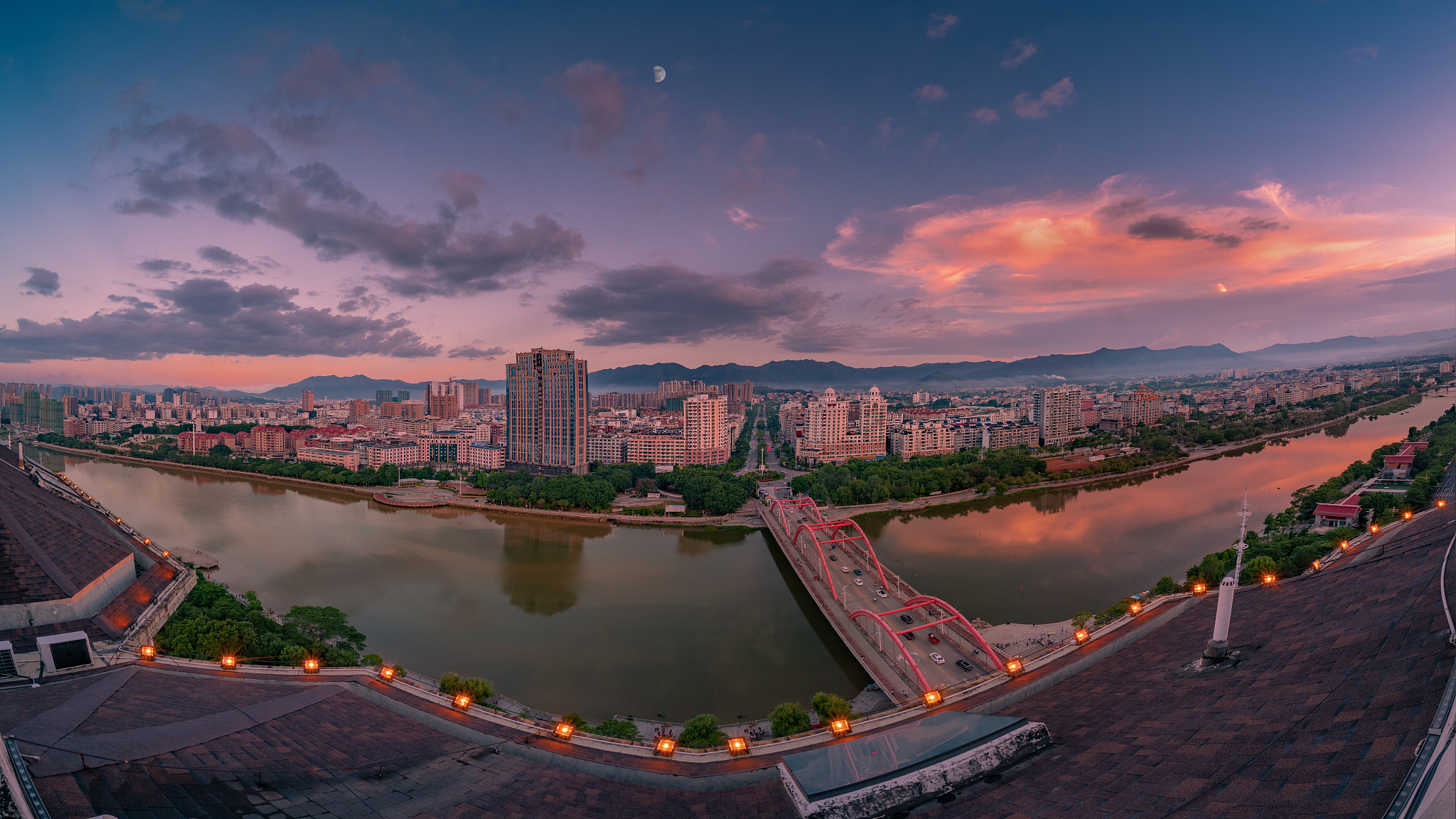
Nanchang, the "Hero City of China," stands proudly as the capital of Jiangxi Province in southeastern China. This historic city holds a unique place in modern Chinese history as the birthplace of the People's Liberation Army, where the August 1st Uprising of 1927 marked a pivotal moment in China's revolutionary struggle.

The city's most treasured landmark is the legendary Tengwang Pavilion, one of China's Four Great Towers. Originally built in 653 AD during the Tang Dynasty, this magnificent structure has been destroyed and rebuilt 29 times over its 1,300-year history. The pavilion gained eternal fame through Wang Bo's classic poem "Preface to Tengwang Pavilion."

Beyond its revolutionary heritage, Nanchang serves as the gateway to Poyang Lake, China's largest freshwater lake. This vast wetland becomes a spectacular winter sanctuary for hundreds of thousands of migratory birds, including rare Siberian cranes.

The city has undergone remarkable transformation in recent decades, emerging as a major manufacturing and high-tech hub. The modern skyline, dominated by the giant Nanchang Star Ferris wheel, reflects this dynamic development.

Nanchang's cuisine reflects its Jiangxi location, featuring bold, spicy flavors. The city's signature rice noodles, whether served dry with savory sauce or stir-fried, are beloved breakfast staples.

Today, Nanchang honors its revolutionary past while embracing modern development. Historic sites stand alongside contemporary attractions, creating a city where history and progress coexist harmoniously.

👥
Population 6.5 million
📐
Area 7,402 km²
💬
Language Mandarin Chinese, Jiangxi dialect. English spoken in hotels and tourist areas.

History & Development

Nanchang's history spans over 2,200 years, dating back to the Han Dynasty when it was established as a strategic military and commercial center. The city's location on the Gan River made it a vital transportation hub.

During the Tang Dynasty, Nanchang flourished as a cultural center. The construction of Tengwang Pavilion in 653 AD marked the city's cultural zenith, attracting poets and scholars from across China.

The modern era brought dramatic change. On August 1, 1927, Communist forces launched the Nanchang Uprising. Though ultimately unsuccessful, this event marked the birth of the People's Liberation Army, making August 1st China's Military Day.

After 1949, Nanchang developed as Jiangxi's political and industrial center. The city expanded significantly, developing manufacturing, aviation, and technology sectors.
Economy & Industries

Nanchang's economy centers on advanced manufacturing, particularly aviation and electronics. The Nanchang Aviation Industry Group produces military and civilian aircraft.

The city has developed strengths in new energy, automotive manufacturing, and biotechnology. High-tech zones attract technology companies and research institutions.

The service sector has expanded significantly, with tourism growing as visitors discover the city's revolutionary heritage and natural attractions. Nanchang's GDP reached approximately 720 billion RMB in 2023.

Top Attractions

🏛️ Landmark

Tengwang Pavilion

One of China's Four Great Towers, originally built in 653 AD during the Tang Dynasty. Immortalized by Wang Bo's poem "Preface to Tengwang Pavilion," this magnificent structure has been rebuilt 29 times over 1,300 years and offers spectacular views of the Gan River.

★★★★ 4.7
🕐 8:00 AM-6:00 PM
🎫 ¥50
🎭 Museum

August 1st Uprising Memorial Hall

Historic site commemorating the 1927 uprising that marked the birth of the People's Liberation Army. Features revolutionary artifacts, photographs, and exhibits detailing this pivotal moment in Chinese history.

★★★★ 4.6
🕐 Tue-Sun 9:00 AM-5:00 PM
🎫 Free (ID required)
🏛️ Landmark

Bayi Square

The third-largest city square in China and former military parade ground. Features monuments, fountains, and serves as the ceremonial heart of the city, especially meaningful during August 1st celebrations.

★★★★ 4.4
🕐 24/7
🎫 Free
🌳 Park

August 1st Park

Historic urban park featuring revolutionary monuments, scenic lake, and traditional gardens. Popular for morning exercises and evening strolls among locals.

★★★★ 4.2
🕐 6:00 AM-10:00 PM
🎫 Free
🏔️ Nature

Poyang Lake

China's largest freshwater lake and spectacular winter bird sanctuary. Hundreds of thousands of migratory birds, including rare Siberian cranes, make this wetland their seasonal home.

★★★★ 4.5
🕐 8:00 AM-5:30 PM
🎫 ¥100 (includes boat)
🏛️ Landmark

Shengjin Pagoda

Ancient Buddhist pagoda dating back to the Tang Dynasty, serving as a historic landmark and symbol of Nanchang. The surrounding area features traditional architecture and cultural street.

★★★★ 4.3
🕐 8:00 AM-6:00 PM
🎫 Free
🏛️ Landmark

Nanchang Star Ferris Wheel

One of the world's tallest Ferris wheels at 160 meters, offering panoramic views of the city and Gan River. A modern landmark that symbolizes Nanchang's development.

★★★★ 4.4
🕐 9:00 AM-10:00 PM
🎫 ¥50

Food & Culture

Discover the culinary treasures of Nanchang, from traditional street food to imperial cuisine.

Things to Do

🏛️

Visit Tengwang Pavilion

Admire the historic architecture and enjoy panoramic river views from this legendary tower.

Revolutionary Heritage Tour

Explore Bayi Square and the August 1st Memorial Hall to learn about China's military history.

Poyang Lake Bird Watching

Witness spectacular winter migrations of Siberian cranes and other rare birds.

Nanchang Star Experience

Take a ride on one of the world's tallest Ferris wheels for stunning city views.

Getting Around

✈️

Airport

Nanchang Changbei International Airport (KHN) - 28 km from downtown

🚄

High-Speed Rail

Connected to major cities

🚇

Metro

Public transportation available

🚌

Bus Network

Extensive network throughout the city

🚕

Taxi & Rideshare

Available throughout the city

Best Time to Visit

🌸

Spring

Mar - May

★★★★★

Pleasant temperatures and blooming flowers. Ideal for exploring Tengwang Pavilion and outdoor attractions.

  • Comfortable weather
  • Flower season
  • Tengwang Pavilion views
☀️

Summer

Jun - Aug

★★★★☆

Hot and humid. August 1st brings special Military Day celebrations worth experiencing.

  • Military Day celebrations
  • August 1st events
  • Evening river breeze
🍂

Autumn

Sep - Nov

★★★★★

Clear skies and comfortable temperatures. Best season for Poyang Lake bird watching begins.

  • Bird watching
  • Clear weather
  • Harvest season
❄️

Winter

Dec - Feb

★★★★☆

Mild winters. Peak bird watching season at Poyang Lake with thousands of migratory birds.

  • Bird migration
  • Mild temperatures
  • Less crowded

🎉 Festivals & Events

August 1
Military Day

Special ceremonies and celebrations marking the birth of the People's Liberation Army in Nanchang.

October
Tengwang Pavilion Cultural Festival

Cultural performances and poetry recitals celebrating the pavilion's literary heritage.

💡 Weather Tips

Spring and autumn are ideal. Bird watching peaks from October to March.

Travel Reminders

💡

transportation

Airport shuttle buses and taxis connect Changbei Airport to the city center in about 45 minutes.

☀️

sightseeing

Visit at sunset for spectacular views of the Gan River when the pavilion is illuminated.

💡

culture

August 1st features special ceremonies and celebrations marking the city's revolutionary heritage.

💡

nature

Poyang Lake offers the best bird watching from October to March when migratory birds arrive.

Continue Exploring China

Discover more cities, food guides, and travel inspiration.