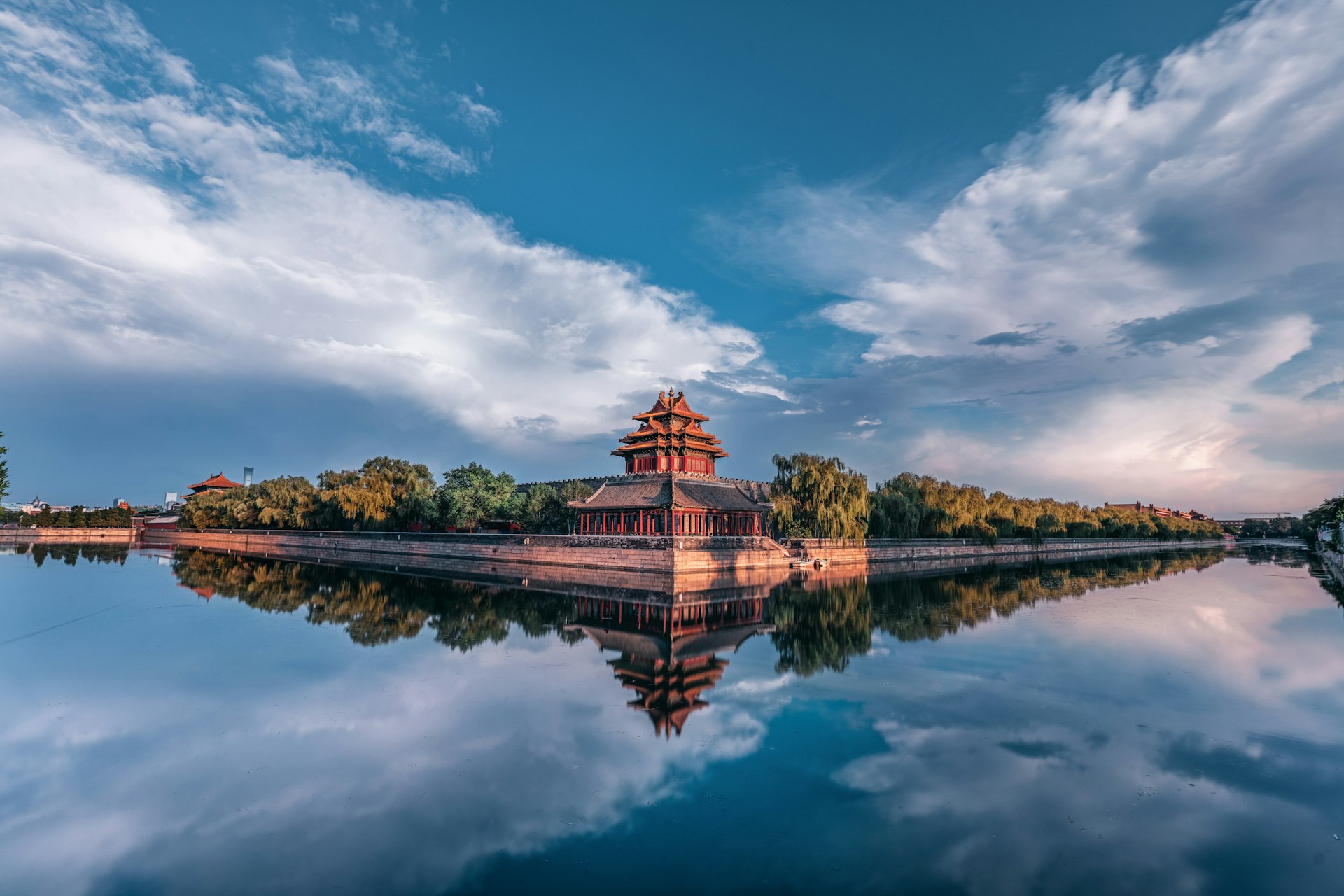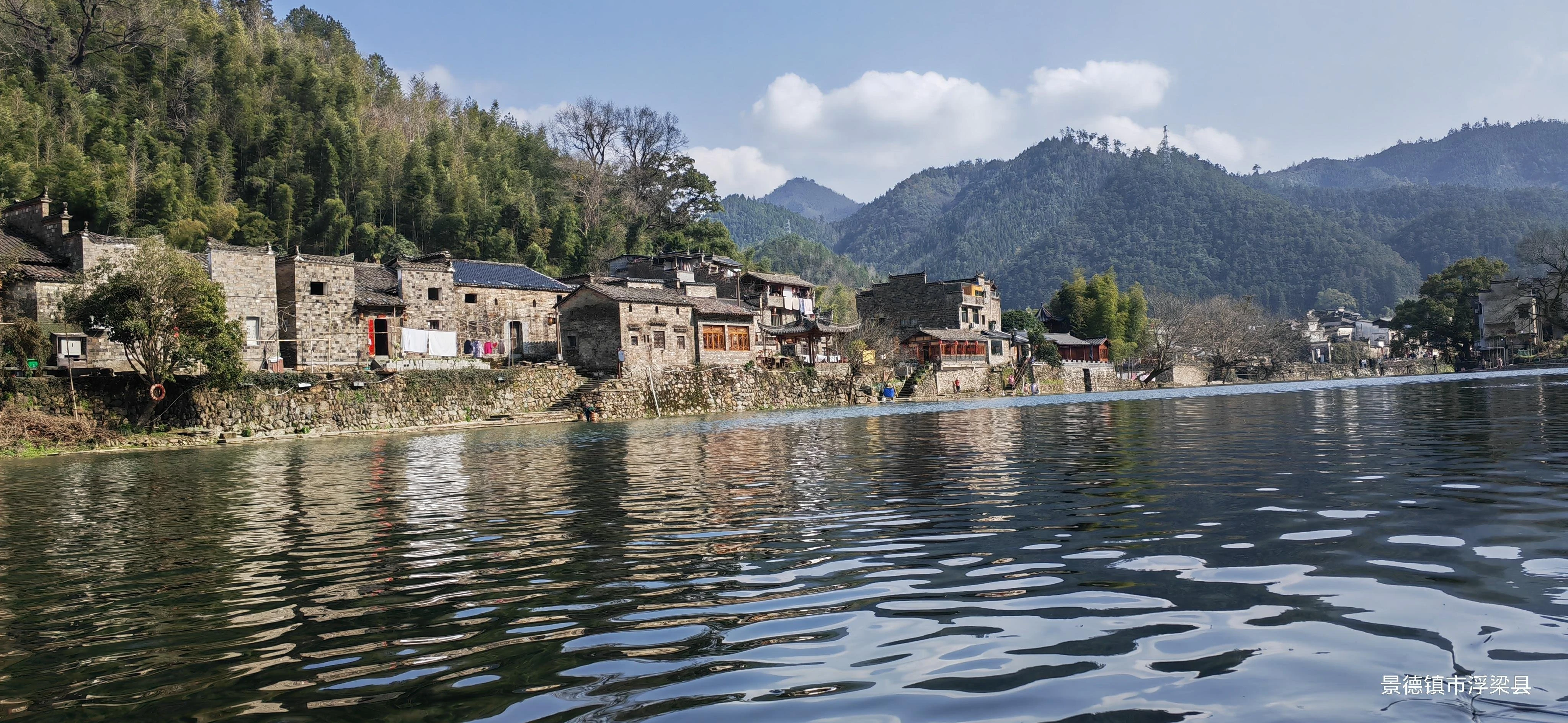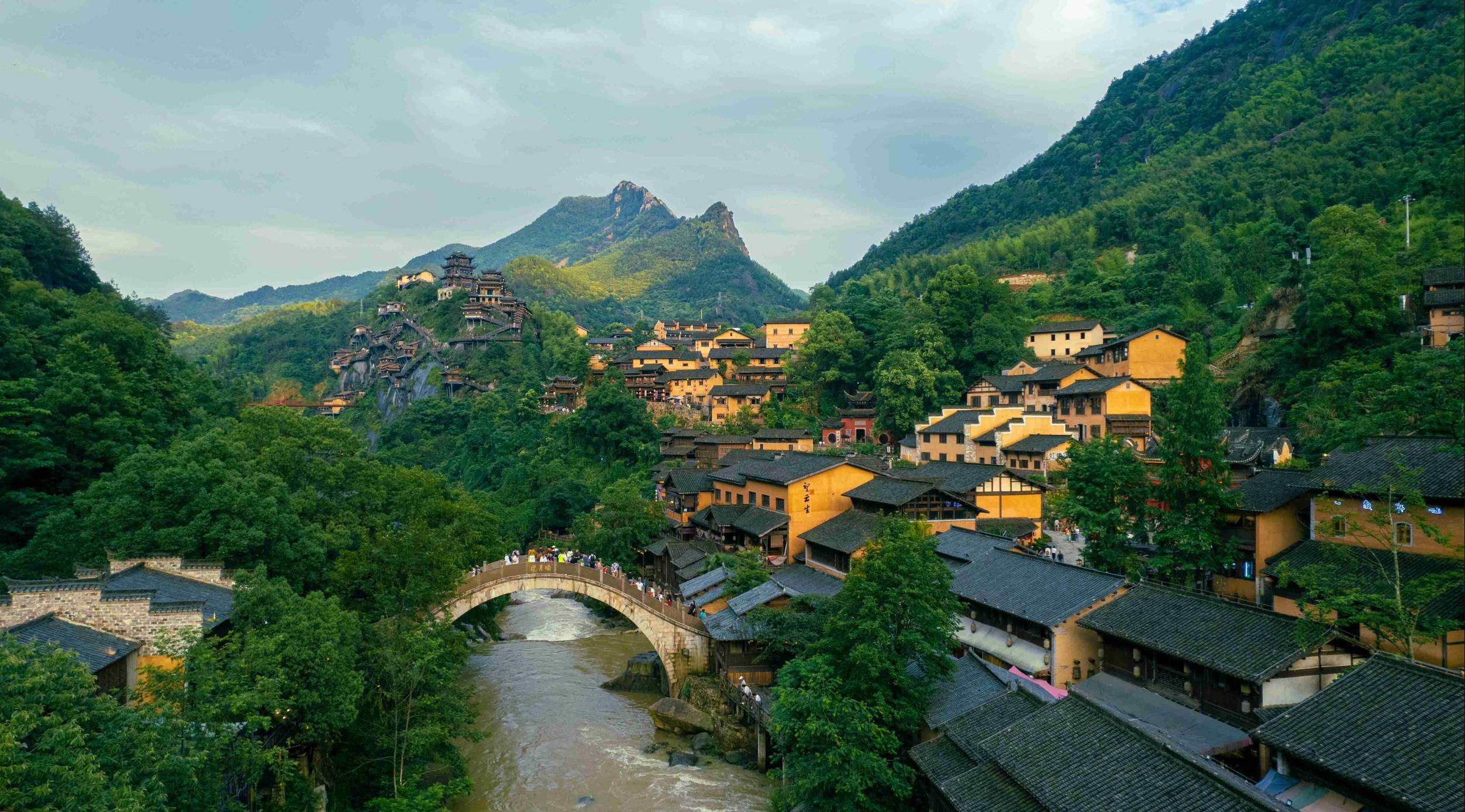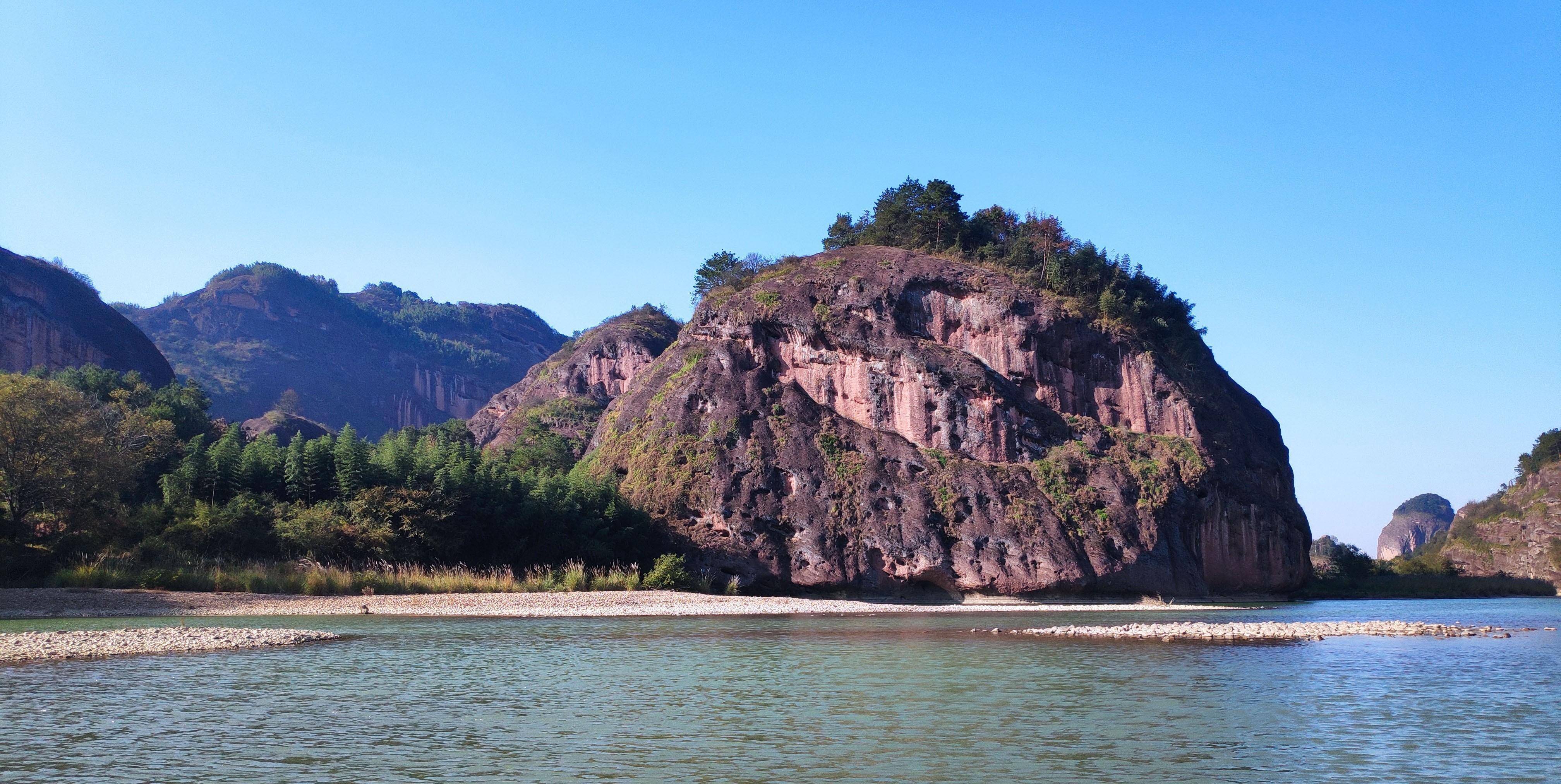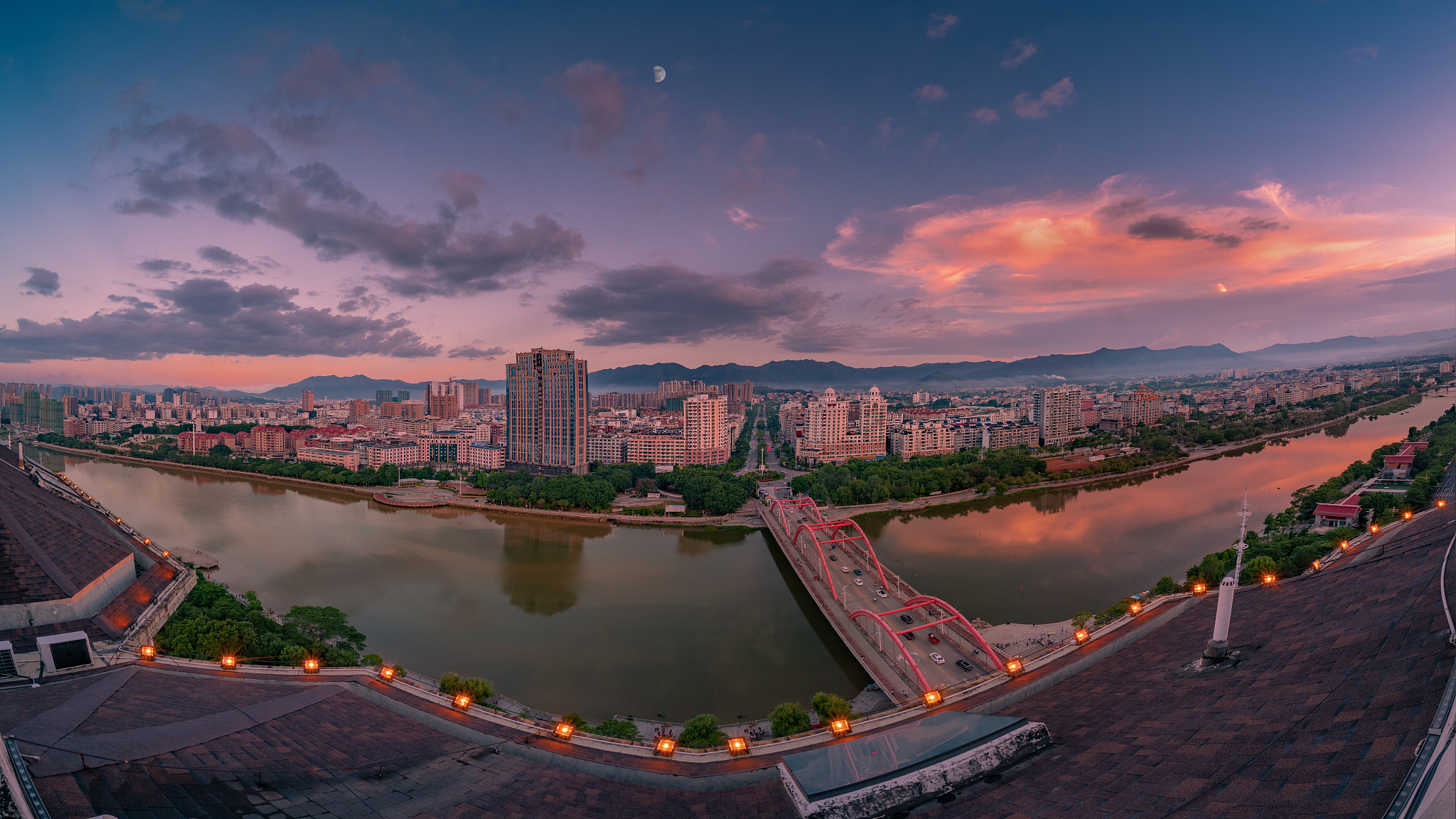
Yichun city skyline and landmarks (宜春) - Travel China Guide

Yichun Travel Guide

Known as "the city that springs to life in all seasons," Yichun is home to the luminous Mingyue Mountain, therapeutic hot springs, and a deep Chan Buddhist heritage.

About

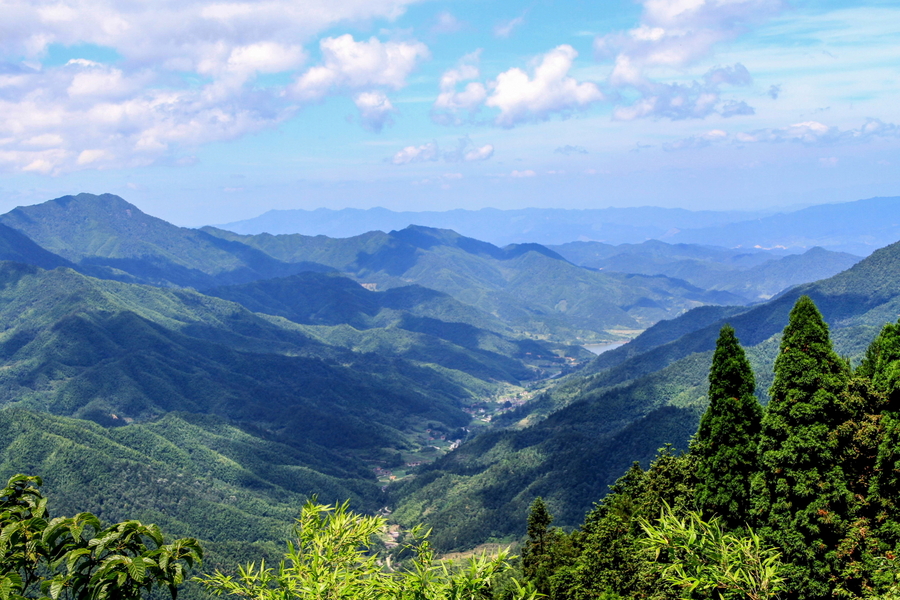
Yichun, whose name means "Suitable for Spring," lives up to its promise as a city of year-round beauty. Located in western Jiangxi Province at the foot of the Wugong Mountain range, Yichun has been a destination for relaxation and spiritual renewal for over two millennia. Mingyue Mountain, the city's crown jewel, rises dramatically from the plains to a height of 1,736 meters. Its unique geology created a heart-shaped crater lake at the summit, now a symbol of the city. At the mountain's base lies Wen Tang Town, where hot springs have bubbled from the earth since ancient times. The tradition of soaking tired feet in the public bathhouse — or simply in wooden buckets along the street — continues today as a beloved local ritual.

Yichun holds a special place in the history of Chan (Zen) Buddhism. During the Tang and Song dynasties, Chan monasteries in the Yichun area developed the monastic codes and meditation practices that would define Zen Buddhism throughout East Asia. The Chan Culture Expo Park pays tribute to this heritage with traditional gardens, meditation halls, and a center for tea ceremony.

Beyond its cultural treasures, Yichun offers outdoor adventures in the Sanzhualun Nature Reserve, a pristine forest park with deep canyons perfect for hiking and summer rafting.

History & Development

Yichun's history stretches back over 2,000 years. The city was established as a county during the Han Dynasty (206 BCE-220 CE). Its strategic location along ancient trade routes between central China and the southern coast contributed to its early prosperity.

The Tang Dynasty (618-907 CE) was a golden age for Yichun. The region became a major center of Chan Buddhism, attracting renowned masters who established influential monasteries. Master Baizhang Huaihai's "Pure Rules" — the first written monastic code for Chan Buddhism — were developed at Baizhang Temple and spread throughout China, Korea, and Japan.

During the Song Dynasty, Yichun continued to thrive culturally. The scholar-official Han Yu was exiled to the region and left his mark on local governance. The famous poet Wang Anshi wrote about Yichun's scenic beauty.

In the Ming and Qing dynasties, Yichun developed as a commercial center for Jiangxi's tea and porcelain trade. Wen Tang Town's hot springs became a popular retreat for wealthy merchants and officials.

Modern Yichun has grown into a industrial and tourism hub, balancing economic development with preservation of its natural and cultural heritage.

Economy & Industries

Yichun's economy is diversified across manufacturing, agriculture, tourism, and pharmaceutical industries. The city is one of Jiangxi's major industrial centers, with a strong focus on lithium battery production — Yichun is known as "China's Lithium Capital" due to its abundant lithium deposits.

Agriculture remains important, with the region producing rice, tea, and traditional Chinese medicinal herbs. The fertile plains around Yichun are among Jiangxi's most productive agricultural areas.

Tourism is a growing sector, with Mingyue Mountain and Wen Tang Town attracting millions of visitors annually. The hot spring industry supports numerous resorts, hotels, and related services. The Chan Culture Expo Park and Baizhang Temple draw cultural and spiritual tourists.

The pharmaceutical industry is significant, with several traditional Chinese medicine companies based in the city. Zhangshu City, administered by Yichun, is a historic center of herbal medicine trading with a famous medicinal herb market.

Top Attractions

🏔️ Nature

Mingyue Mountain

Mingyue Mountain, or "Bright Moon Mountain," is Yichun's most iconic attraction. The mountain rises to 1,736 meters and features spectacular granite peaks, a 50-meter waterfall called "Cloud Valley Waterfall," and a heart-shaped crater lake at the summit — the "Bright Moon Lake." A modern cable car takes visitors to an elevation of 1,600 meters, from where a mountain-top walking trail offers panoramic views of the surrounding peaks and the city below.

★★★★ 4.8
🕐 07:30-17:00
🎫 120 yuan
📍 Other

Wen Tang Town

Wen Tang is a historic hot spring town at the foot of Mingyue Mountain, famous for its 68-72°C thermal springs that have been used for bathing and healing for over 2,000 years. The water is rich in selenium and other trace minerals. The town features an ancient well where locals still gather to soak their feet, modern spa resorts, and traditional bathhouses. The foot-soaking culture along the main street is a unique social experience.

★★★★ 4.7
🕐 Open daily
🎫 Free (town access); hot springs 100-200 yuan
🌳 Park

Chan Culture Expo Park

The Chan (Zen) Culture Expo Park is a 42-hectare cultural park that celebrates Yichun's profound connection to Chan Buddhism. Yichun is considered one of the most important centers of Chan Buddhism in China — several Chan lineages originated from monasteries in the region. The park features meditation halls, a tea ceremony pavilion, Zen gardens with raked gravel, a museum of Buddhist art, and a massive bronze bell weighing 20 tons.

★★★★ 4.5
🕐 08:00-17:30
🎫 60 yuan
🏔️ Nature

Sanzhualun Nature Reserve

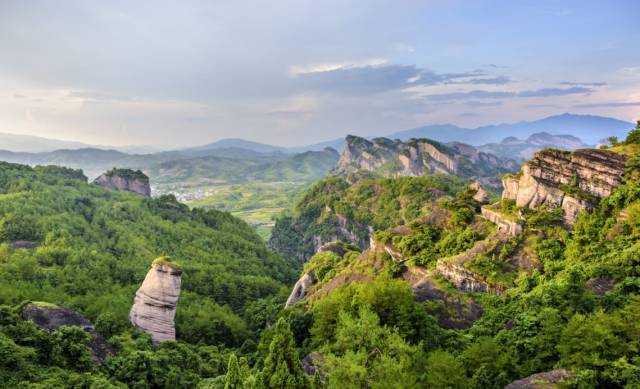
Sanzhualun is a national forest park and nature reserve covering 200 square kilometers of pristine subtropical forest in western Yichun. The name means "Three Talons" — referring to three mountain ridges that resemble eagle claws. The park features deep canyons, tumbling streams, rare wildlife, and a glass bridge spanning a dramatic gorge. Rafting on the Beishui River through the canyon is a popular summer activity.

★★★★ 4.5
🕐 08:00-17:00
🎫 80 yuan
⛩️ Temple

Baizhang Temple

Baizhang Temple, located in Fengxin County, is one of the most historically significant Chan Buddhist monasteries in China. Founded in the Tang Dynasty (618-907 CE), it was the home of Chan Master Baizhang Huaihai, who established the "Pure Rules" (Baizhang Qinggui) that governed monastic life in Chan temples for centuries. The temple has been rebuilt and restored multiple times, with the current structures dating mainly from the Qing Dynasty.

★★★★ 4.6
🕐 08:00-17:00
🎫 Free
🏛️ Landmark

Yichun Drum Tower

The Yichun Drum Tower is a Ming Dynasty (1368-1644) structure standing at the center of the old city. The tower was used to mark time and announce important events to the city. The current structure, well-preserved through restorations, stands three stories tall with elegant upturned eaves and intricate bracket supports. The area around the tower has been developed into a pedestrian cultural street with shops, tea houses, and restaurants.

★★★★ 4.2
🕐 Open daily (exterior viewable anytime)
🎫 Free

Food & Culture

Discover the culinary treasures of Yichun, from traditional street food to imperial cuisine.

Things to Do

Ride Cable Car to Mingyue Summit

Take the scenic cable car up Mingyue Mountain for panoramic views.

Soak Feet at Wen Tang Ancient Well

Join locals in the traditional foot-soaking ritual at the ancient well.

Meditate at Chan Expo Park

Experience Zen meditation and tea ceremony in the beautiful gardens.

Raft at Sanzhualun

Enjoy white-water rafting through forested canyons in summer.

⛩️

Visit Baizhang Temple

Explore the historic Chan Buddhist monastery that shaped Zen monastic rules.

🎭

Explore Drum Tower Street

Stroll the pedestrian street around the Ming Dynasty Drum Tower.

Suggested Itineraries

Hot Springs & Mountain Views (2 Days)

Combine Yichun's best mountain scenery with its famous hot spring culture.

  • Day 1: Mingyue Mountain cable car + summit hike + Wen Tang hot springs evening
  • Day 2: Chan Culture Expo Park + Drum Tower Street + local food tour

Zen & Nature Retreat (3 Days)

A restorative journey through Yichun's spiritual and natural landscapes.

  • Day 1: Mingyue Mountain + Wen Tang Town spas
  • Day 2: Baizhang Temple + Chan Expo Park meditation
  • Day 3: Sanzhualun rafting or forest hiking

Getting Around

✈️

Airport

Yichun Mingyue Mountain Airport (about 15km from city center) with flights to Beijing, Shanghai, Shenzhen, and Xi'an.

🚄

High-Speed Rail

Yichun Station serves the Shanghai-Kunming High-Speed Railway, reaching Nanchang in 40 minutes and Changsha in 1 hour.

🚌

Bus Network

Local and long-distance buses connect Wen Tang Town, Mingyue Mountain, and other attractions. Taxis and ride-hailing are convenient for city travel.

🚕

Taxi & Rideshare

Available throughout the city

Best Time to Visit

🌸

Spring

Mar - May

★★★★☆

Mild and green with blooming wildflowers on Mingyue Mountain. Pleasant temperatures for hiking and outdoor activities.

  • Wildflowers on Mingyue
  • Pleasant hiking weather
  • Fewer crowds
☀️

Summer

Jun - Aug

★★★★☆

Warm to hot with higher rainfall. Sanzhualun offers summer rafting. Mingyue Mountain is cooler than the city. Peak hot springs season in Wen Tang.

  • Rafting season
  • Cool mountain escapes
  • Hot spring evenings
🍂

Autumn

Sep - Nov

★★★★★

Clear skies and comfortable temperatures — the best season for hiking Mingyue Mountain and visiting outdoor attractions.

  • Best mountain views
  • Harvest season produce
  • Ideal for hiking
❄️

Winter

Dec - Feb

★★★★☆

Mild winter with occasional cold spells. Hot springs are at their most inviting. Mingyue Mountain may receive light snow — beautiful and serene.

  • Hot spring paradise
  • Winter scenery on Mingyue
  • Low season rates

Continue Exploring China

Discover more cities, food guides, and travel inspiration.