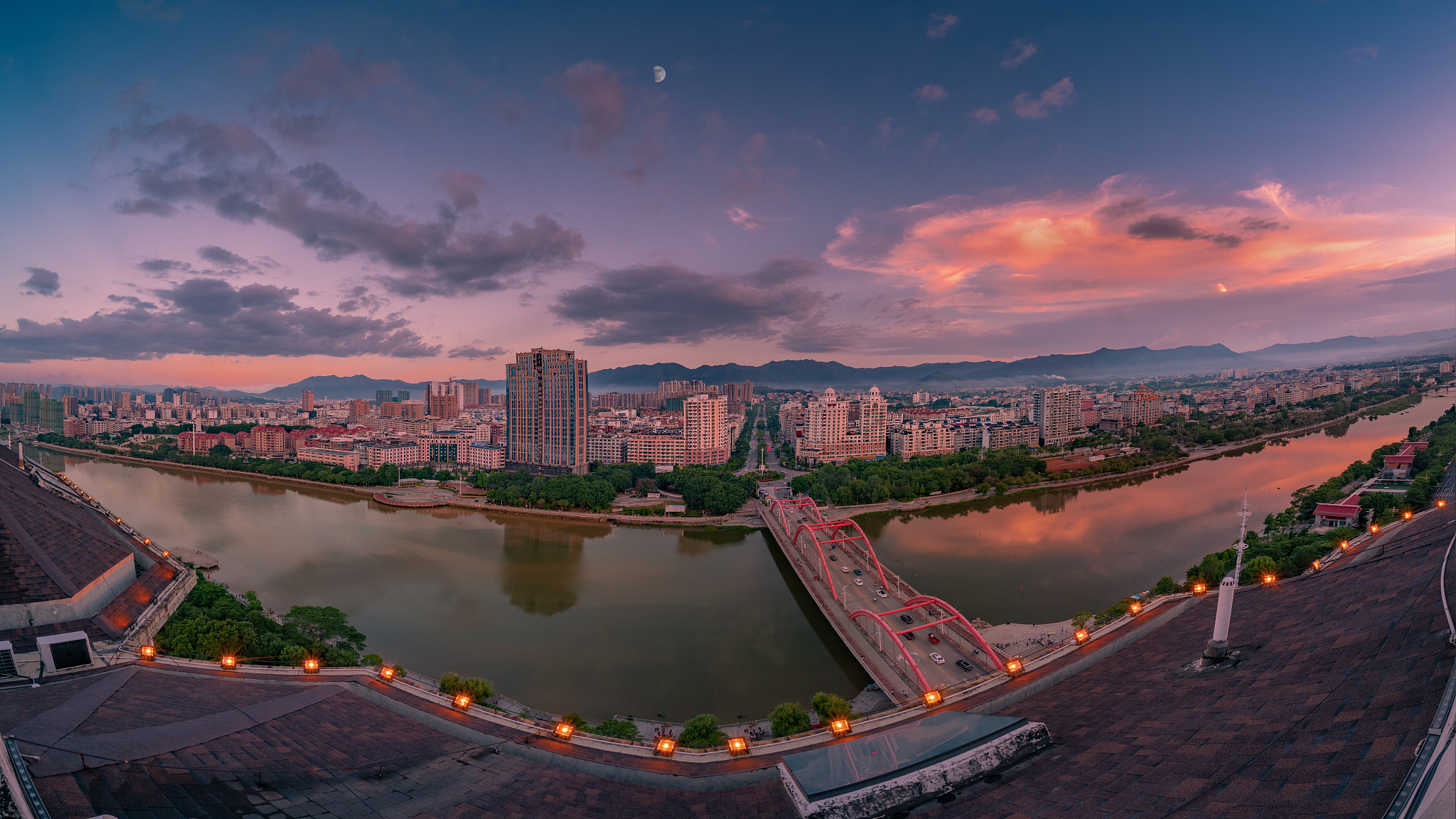
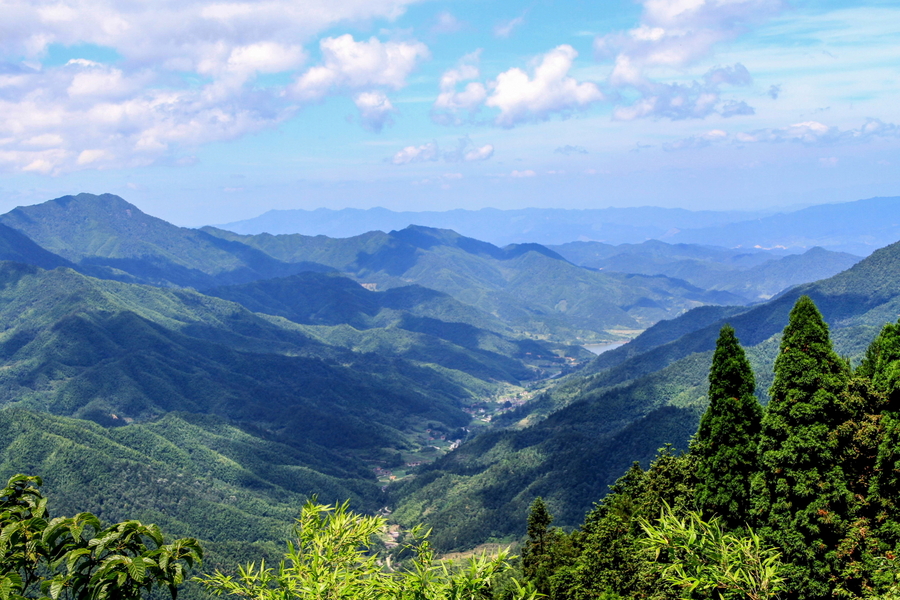
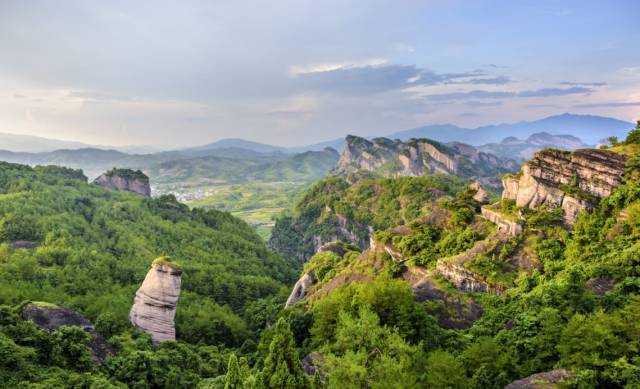
Shangrao sits at the northeastern gateway of Jiangxi Province, a city where nature's grandeur meets the refined elegance of Huizhou culture. With a population of 6.8 million spread across 22,791 square kilometers, it is a land of dramatic contrasts—from the granite spires of Sanqingshan Mountain piercing the clouds to the tranquil rice paddies of Wuyuan reflecting the seasons.
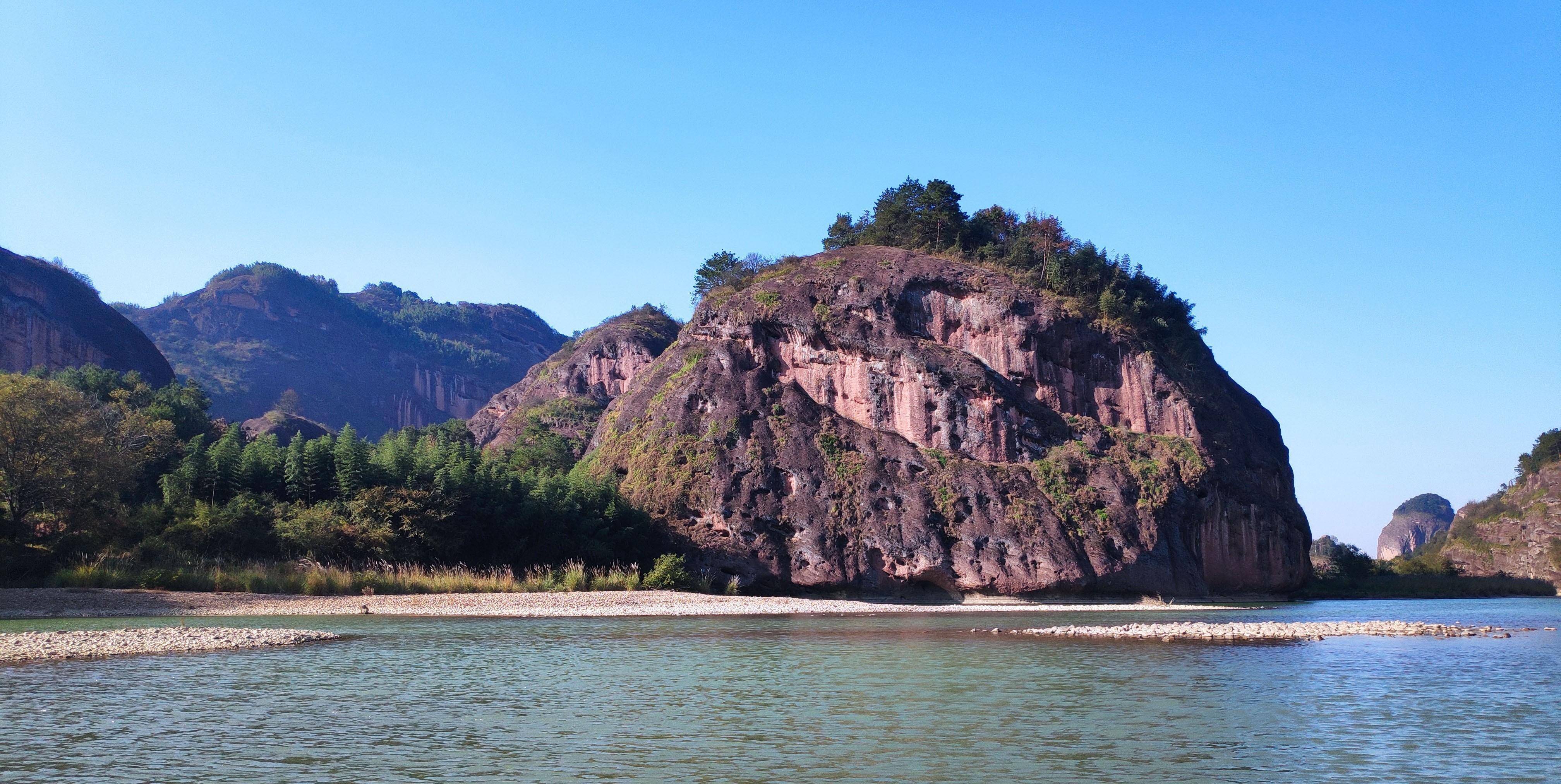
Sanqingshan, a UNESCO World Heritage site, is the crown jewel of Shangrao. Its name means "Three Pure Ones," referencing the highest deities of the Taoist pantheon. Over millions of years, wind and water carved the granite into an astonishing forest of pillars, peaks, and gorges. Taoist temples built since the Tang dynasty cling to cliff faces, connected by suspended walkways that seem to float in the mist. On a clear day, the view from the highest peak stretches across a sea of clouds dotted with granite islands—a landscape that inspired Chinese landscape painting for centuries.
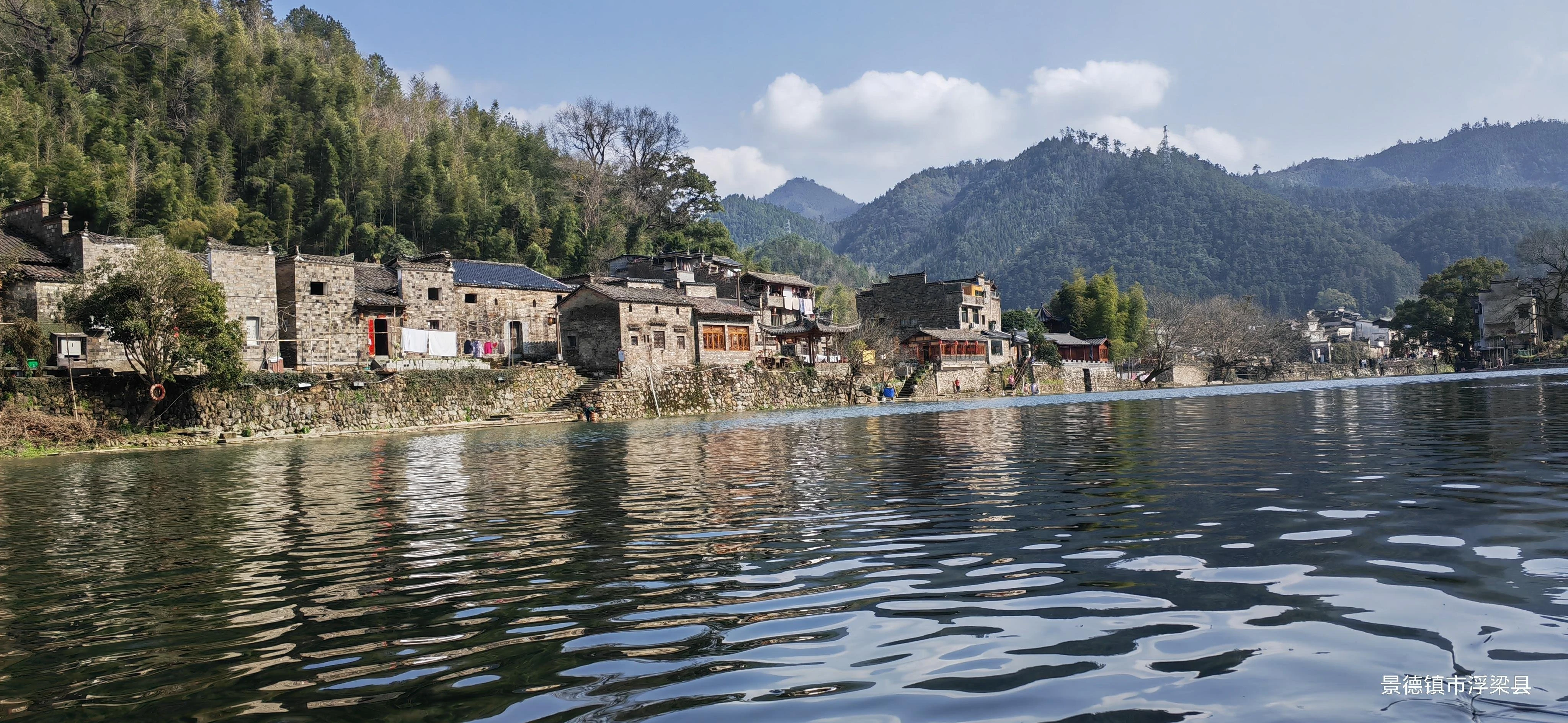
Wuyuan County offers a completely different but equally captivating experience. Settled since the Tang dynasty, Wuyuan is the heartland of Huizhou culture in Jiangxi. Its villages—Jiangwan, Likeng, Wangkou, and Huangling—are living museums of Huizhou architecture: whitewashed walls, grey tile roofs, elegant horse-head gables, and intricate wood, brick, and stone carvings. Spring brings the famous rape flower blossoms, carpeting the valleys in gold. Autumn brings Huangling's "sun-drying" season, when villagers cover their roofs with bamboo trays of red chili, golden corn, and orange persimmons.
Shangrao also claims part of Poyang Lake, China's largest freshwater lake and a critical wetland for migratory birds. Every winter, hundreds of thousands of Siberian cranes, swans, and other waterfowl gather here, creating one of Asia's most spectacular bird-watching spectacles.
The city's economy has traditionally relied on agriculture and mining. Dexing, a county-level city within Shangrao, is home to the largest open-pit copper mine in Asia. In recent years, tourism has surged, driven by the UNESCO designation of Sanqingshan and Wuyuan's growing international reputation. The high-speed rail network now connects Shangrao to major cities including Shanghai (2.5 hours), Hangzhou (1.5 hours), and Nanchang (1 hour), making it increasingly accessible to domestic and international travelers.
Despite the growth in tourism, Shangrao retains an authentic, unhurried character. The pace of life in its ancient villages follows the rhythms of planting and harvest. The local cuisine reflects the region's agricultural abundance: freshwater fish from Poyang Lake, tender chicken from the hills, and rice transformed into noodles, cakes, and wines.