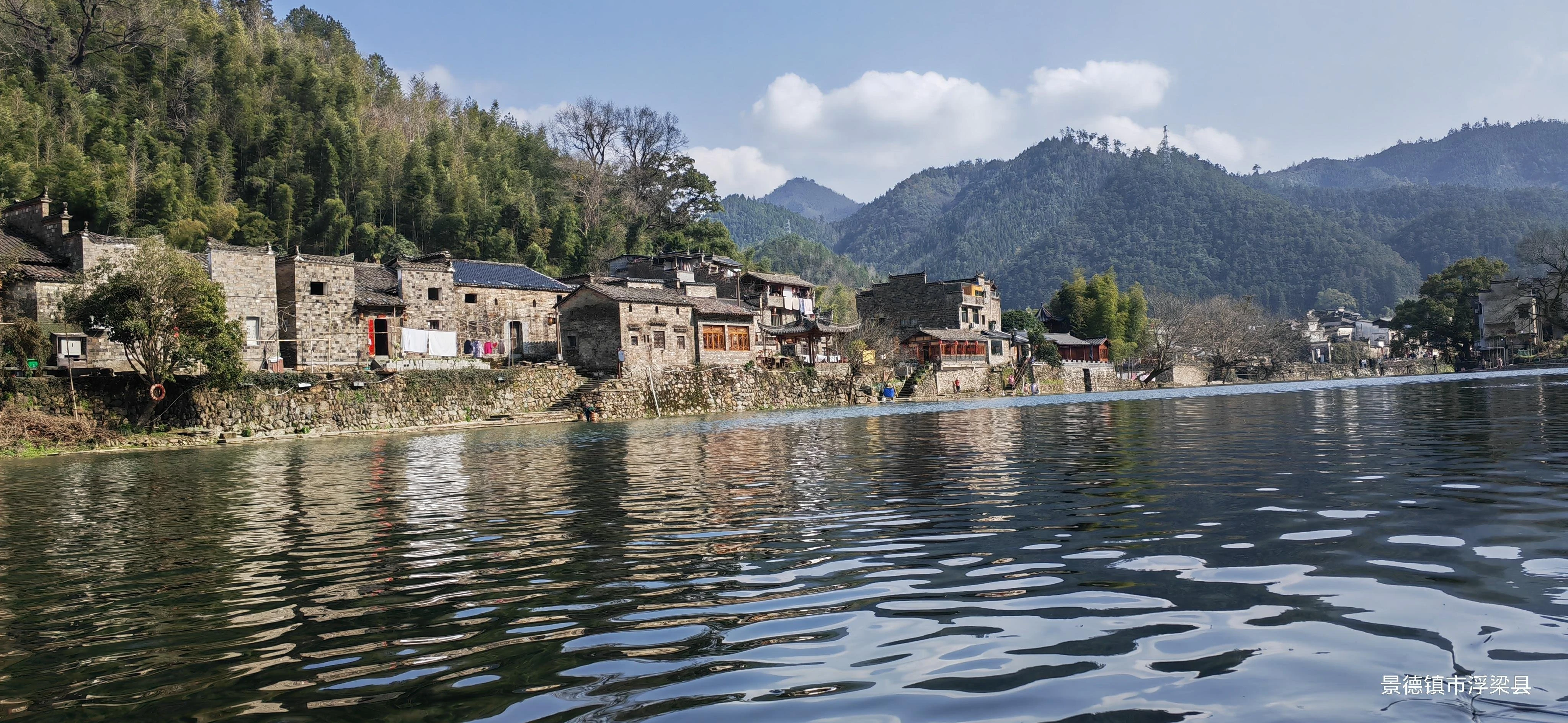
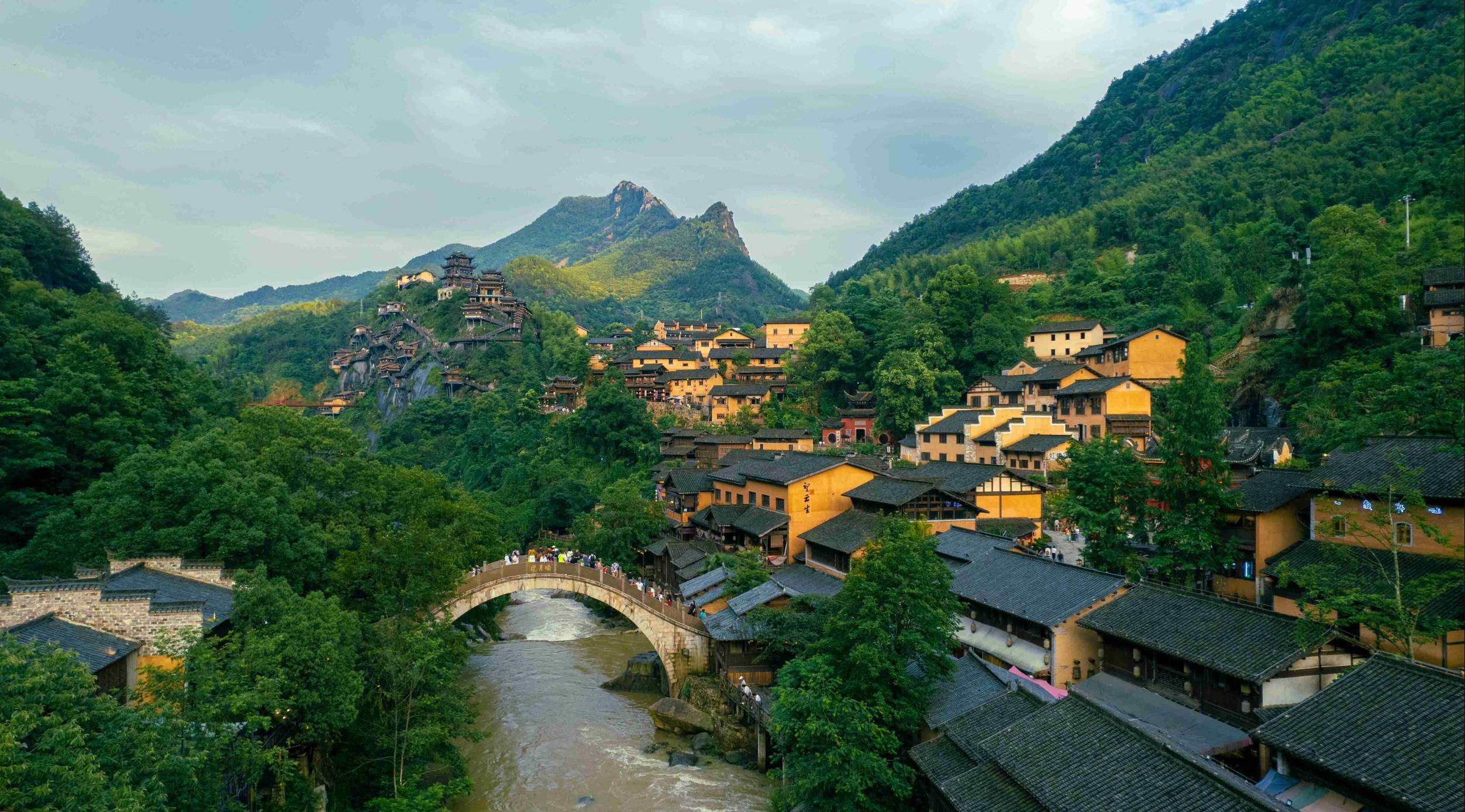
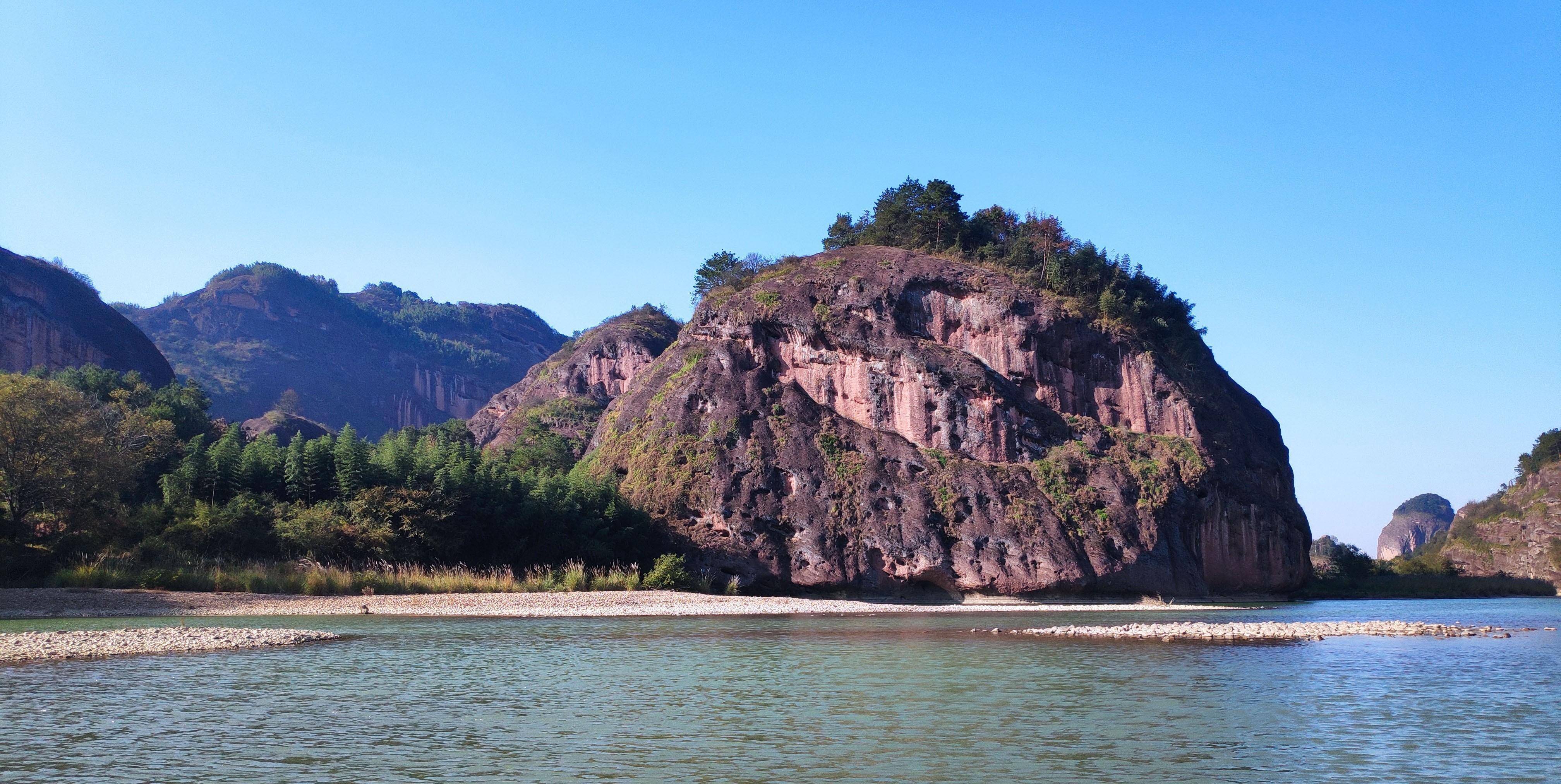
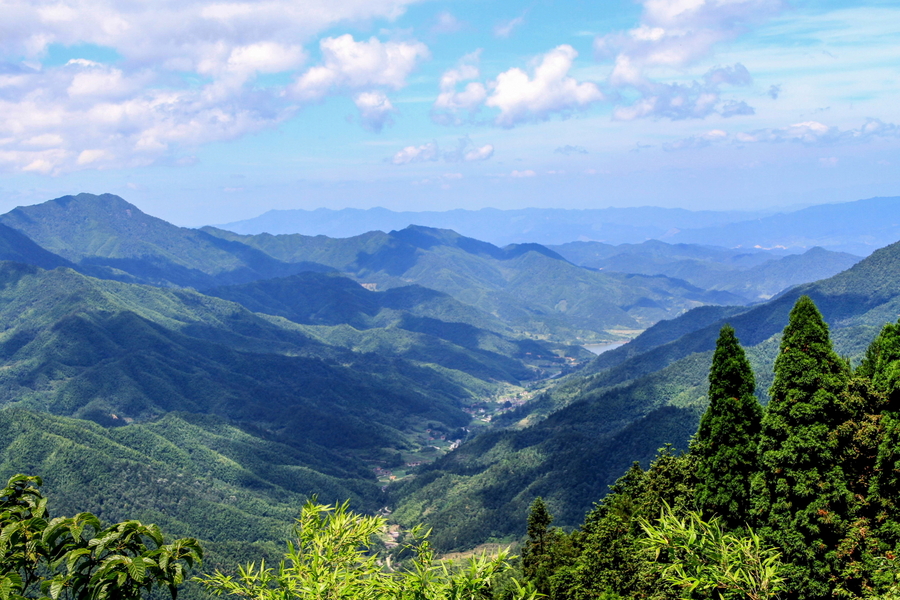
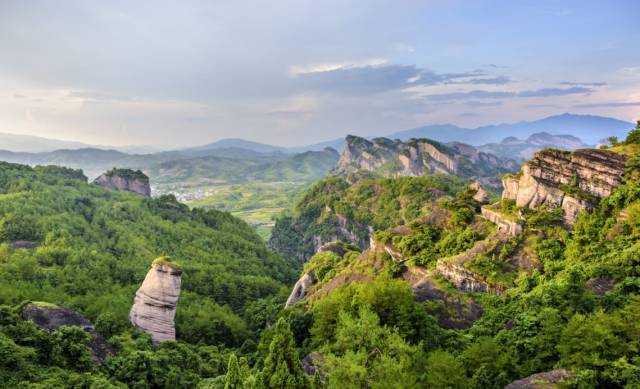
Ganzhou city skyline and landmarks (赣州) - Travel China Guide

Ganzhou Travel Guide

The largest city in Jiangxi, known as the "Southern Gate of Jiangxi" and a historic Hakka heartland with well-preserved Song dynasty city wall.

About

Ganzhou, the largest city in Jiangxi Province, sits at the confluence of the Zhang and Gong rivers where they merge to form the Gan River — the province's namesake. With a population of nearly 9 million, it is a city of profound historical and cultural significance.

The city's most remarkable heritage is its Song dynasty city wall, stretching over 3.6 kilometers along the riverbank. Built more than 900 years ago, it is one of the best-preserved Song dynasty walls in China, a testament to the sophistication of medieval Chinese urban defense architecture.

Ganzhou is also one of the world's most important centers of Hakka culture. Over 90% of its population is Hakka, and the surrounding countryside is dotted with traditional Hakka weiwu (enclosed houses) and tulou-style buildings. The Hakka Museum in Ganzhou documents the history of this remarkable migrant people.

The city holds a special place in modern Chinese history as the starting point of a significant military campaign in 1934. Ruijin, a county-level city within Ganzhou, served as an important administrative center from 1931 to 1934.

History & Development

Ganzhou's history stretches back over 2,200 years. The city was first established as a county during the Han dynasty and grew steadily in importance due to its strategic location at the confluence of major rivers.

The Song dynasty (960-1279) was Ganzhou's golden age. The city wall, much of which still stands today, was constructed during this period. The Bajing Terrace and Yugu Terrace became celebrated landmarks, immortalized in poetry by some of China's greatest literary figures.

During the Ming and Qing dynasties, Ganzhou became a major center of Hakka settlement. Waves of Hakka migrants moved into the region from northern Fujian and eastern Guangdong, establishing new communities and bringing their distinctive culture and architecture.

In the 20th century, Ganzhou played a notable role in modern Chinese history. Ruijin, a city within Ganzhou's administrative area, served as an important regional administrative center from 1931 to 1934. In October 1934, a historic military campaign began from this region, an event that shaped the course of modern China.

Since the reform and opening-up period, Ganzhou has experienced rapid growth, leveraging its mineral wealth and agricultural resources to become a major economic center in southern Jiangxi.
Economy & Industries

Ganzhou's economy is built on three pillars: mining, manufacturing, and agriculture. The city sits on some of the world's richest deposits of tungsten and rare earth elements. Ganzhou produces approximately 60% of China's tungsten and is a leading global producer of heavy rare earth elements, essential for high-tech industries.

The manufacturing sector has grown rapidly, with industrial parks attracting investment in electronics assembly, auto parts, and machinery manufacturing. The city's strategic location as the "Southern Gate of Jiangxi" provides good transportation links to Guangdong, Fujian, and Hunan.

Agriculture is a major economic force, particularly the famous Gannan navel oranges. Ganzhou is China's largest navel orange producing region, with over 1 million mu (66,000 hectares) of orange groves. Other significant agricultural products include tea, rice, and tobacco.

Tourism is an emerging sector, centered on the ancient city wall, Hakka cultural sites, and historical heritage tourism in Ruijin. The city has invested in tourism infrastructure to attract both domestic and international visitors.

Top Attractions

🏛️ Landmark

Ancient City Wall

A remarkably well-preserved Song dynasty city wall stretching over 3.6 kilometers along the Zhang River. Built during the Song dynasty (960-1279), it features solid brick construction with defensive towers, gateways, and battlements. It is one of the best-preserved Song dynasty city walls in all of China.

★★★★ 4.7
🕐 Open all day
🎫 Free
🏛️ Landmark

Bajing Terrace

A historic three-story pavilion built during the Song dynasty on the city wall, offering panoramic views of the Zhang and Gong rivers converging into the Gan River. The terrace has been a favorite subject of poets and painters for centuries, with spectacular vistas of river, mountains, and city.

★★★★ 4.5
🕐 8:00 AM - 6:00 PM
🎫 20 yuan
🏛️ Landmark

Yugu Terrace

An iconic pavilion perched on a hill above the Gan River, famed for its literary associations. The Tang dynasty poet Li Bai and Song dynasty poet Xin Qiji both wrote immortal verses about this place. The current structure dates to the Qing dynasty but faithfully follows the original design.

★★★★ 4.5
🕐 8:00 AM - 6:00 PM
🎫 15 yuan
🏔️ Nature

Tongtian Rock

A scenic area known for its intricately carved Buddhist cliff sculptures, with over 350 statues and inscriptions dating from the Tang to Song dynasties. The site includes natural rock grottoes, Buddhist temples, and winding mountain paths through lush subtropical vegetation.

★★★★ 4.4
🕐 8:00 AM - 5:30 PM
🎫 60 yuan
🎭 Museum

Ganzhou Museum

A comprehensive museum showcasing the rich history and culture of Ganzhou. Exhibits cover the Song dynasty city wall construction, Hakka migration history, the revolutionary period, and the region's mineral wealth. The museum building itself is a modern architectural landmark.

★★★★ 4.3
🕐 9:00 AM - 5:00 PM (closed Mondays)
🎫 Free
📍 Other

Zao'er Lane

A charming Ming and Qing dynasty alley in the old city, lined with well-preserved traditional houses featuring ornate carvings, black brick facades, and stone gateways. The lane offers a glimpse into Ganzhou's historical urban fabric and is popular for photography and cultural walks.

★★★★ 4.2
🕐 Open all day
🎫 Free

Food & Culture

Discover the culinary treasures of Ganzhou, from traditional street food to imperial cuisine.

Best Time to Visit

Spring (April-May) and Autumn (September-October) offer the best weather for most destinations in China.

Continue Exploring China

Discover more cities, food guides, and travel inspiration.