City hero image

Jingdezhen

China's porcelain capital with 1,700 years of ceramic-making heritage

🌡️ Climate Subtropical monsoon

About

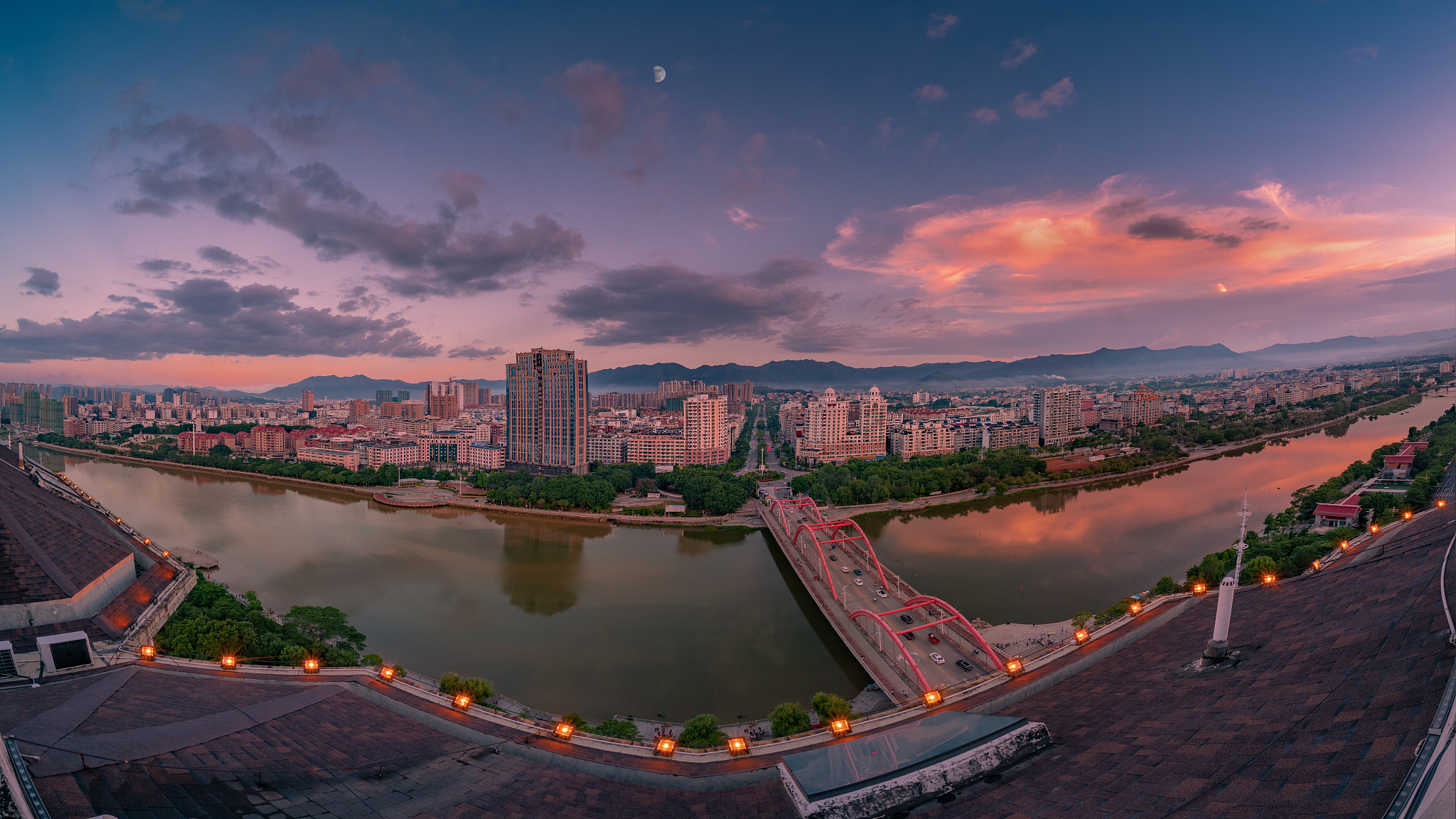
Jingdezhen is China's porcelain capital, a city with over 1,700 years of ceramic-making heritage. The city's name literally means "Jingde Town," bestowed by Emperor Zhenzong during the Song Dynasty in recognition of its exquisite porcelain. Today, Jingdezhen remains a living museum of ceramic art, where ancient kilns still fire and master craftsmen pass down techniques through generations. The city attracts artists and ceramic enthusiasts from around the world, creating a unique blend of tradition and contemporary creativity. Beyond porcelain, visitors can explore ancient towns, lush forests, and taste authentic Jiangxi cuisine.

👥
Population 1.6 million
📐
Area 5,256 km²
💬
Language Mandarin

History & Development

Jingdezhen's ceramic tradition began over 1,700 years ago during the Eastern Jin Dynasty (317-420 AD) when locals first started pottery production. The city's breakthrough came during the Song Dynasty when its Qingbai (bluish-white) porcelain gained imperial recognition. In 1004 AD, Emperor Zhenzong was so impressed by the quality that he renamed the town "Jingdezhen" after his reign title "Jingde."

During the Yuan Dynasty (1271-1368), Jingdezhen became the official imperial kiln site, producing the world-famous Blue and White porcelain using imported cobalt from Persia. The Ming (1368-1644) and Qing (1644-1912) dynasties marked the city's golden age, with imperial kilns producing exquisite wares exclusively for the royal court. Innovations like doucai (contrasting colors) and falangcai (enamel) porcelain were developed during this period.

After the fall of the Qing Dynasty, the imperial kilns closed, but private workshops continued production. The city's ceramic industry was reorganized after 1949, and in recent decades, Jingdezhen has transformed into a center for ceramic education, research, and cultural tourism. In 2014, UNESCO designated Jingdezhen as a Creative City of Crafts and Folk Art.
Economy & Industries

Jingdezhen's economy centers on the ceramic industry, which encompasses artistic ceramics, daily-use porcelain, and industrial ceramics. The city produces approximately 2 billion yuan worth of ceramics annually, with products exported to over 100 countries. The ceramic cultural and creative industry has become a new growth engine, attracting investment and young entrepreneurs.

Beyond ceramics, Jingdezhen has developed aviation manufacturing through Changhe Aircraft Industries, producing helicopters for both civilian and military use. Tourism contributes significantly to the local economy, with over 10 million visitors annually. The city is also investing in high-tech industries including new materials and renewable energy.

Top Attractions

🏛️ Landmark

Ancient Kiln Folk Customs Expo Area

A 5A-rated scenic area showcasing Jingdezhen's traditional ceramic-making techniques. Features well-preserved Qing Dynasty kilns, Ming Dynasty gourd kilns, and live demonstrations of every step in the porcelain-making process by master craftsmen. Visitors can try their hand at throwing pots on a wheel.

★★★★ 4.8
🕐 08:00-17:30
🎫 ¥95
🎭 Museum

Jingdezhen Ceramics Museum

China's largest ceramics museum housing over 50,000 pieces spanning from Neolithic times to contemporary works. The collection includes rare imperial wares from the Ming and Qing dynasties. Don't miss the Song Dynasty Qingbai ware and the famous Blue and White porcelain gallery.

★★★★ 4.7
🕐 09:00-17:00 (Closed Mondays)
🎫 Free (reservation required)
📍 Other

Sanbao International Ceramic Art Village

A creative community founded by artist Li Jianshen, blending traditional pottery with contemporary art. The village attracts ceramic artists from around the world for residencies. Features studios, galleries, and a stunning natural setting in a valley surrounded by tea plantations.

★★★★ 4.6
🕐 All day
🎫 Free
🏛️ Landmark

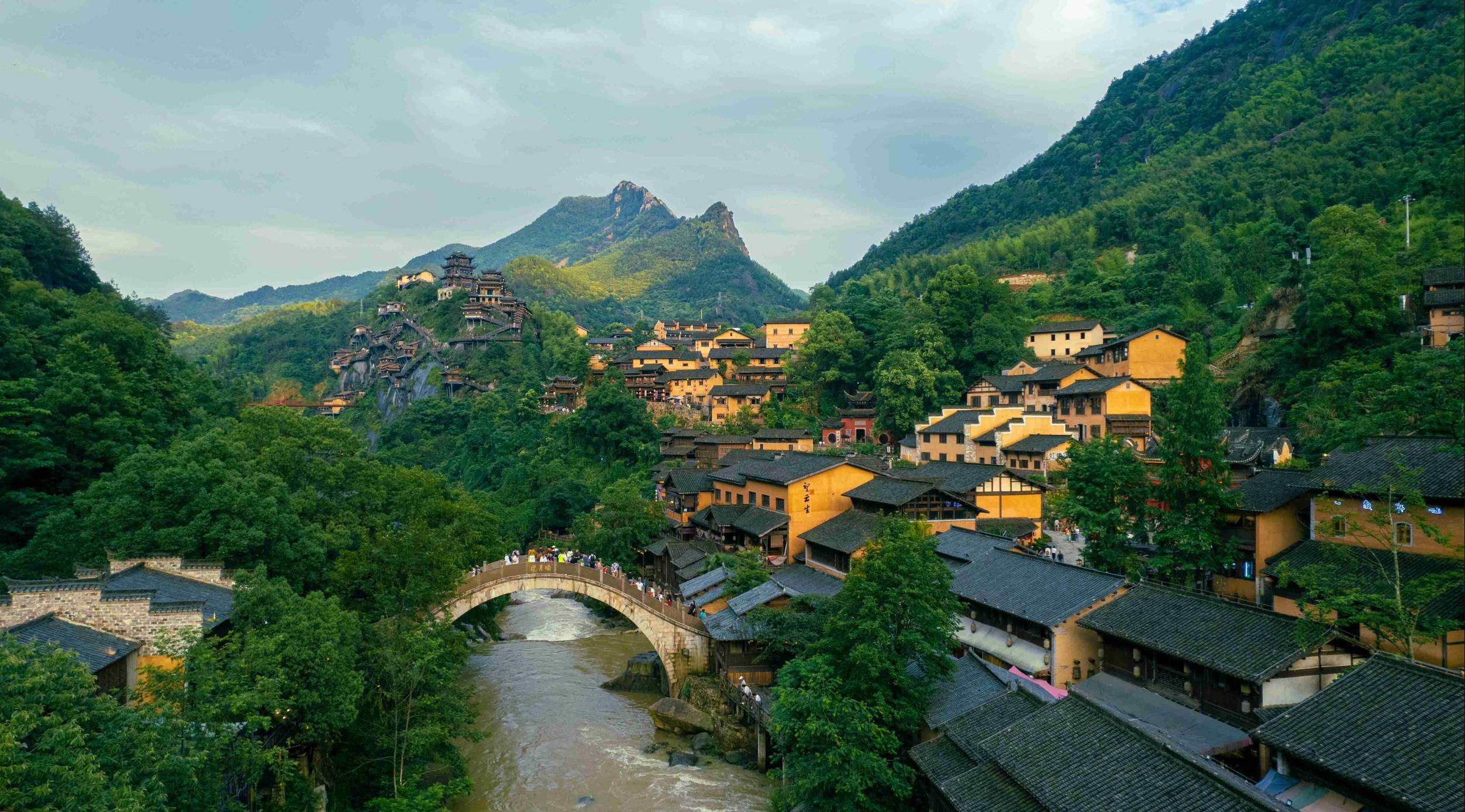
Yaoli Ancient Town

A thousand-year-old town 50km from downtown, where Jingdezhen's porcelain clay originated. Features well-preserved Ming and Qing architecture, ancient stone bridges, and forest trails. Known as the source of porcelain, home of tea, and sea of forests.

★★★★ 4.7
🕐 08:00-17:00
🎫 ¥150 (combo ticket)
📍 Other

Taoxichuan Creative Zone

A transformed porcelain factory now serving as Jingdezhen's creative heart. Houses ceramic studios, art galleries, bookstores, and weekend night markets where young artists sell their original creations. The perfect place to buy unique, affordable ceramics.

★★★★ 4.8
🕐 All day (weekend markets)
🎫 Free
🏛️ Landmark

Imperial Kiln Site

Archaeological ruins of the Ming and Qing imperial porcelain production center. Now a national archaeological park where visitors can see underground kiln remains and exhibitions of recovered imperial wares. A fascinating glimpse into the world's finest porcelain craftsmanship.

★★★★ 4.6
🕐 09:00-17:00
🎫 Free
🏛️ Landmark

Fuliang Ancient County Office

The best-preserved Qing Dynasty county government office in southern China. Built during the Tang Dynasty and rebuilt in the Daoguang era, it showcases ancient Chinese administrative and judicial systems. The complex includes the main hall, prison, and residential quarters.

★★★★ 4.5
🕐 08:00-17:30
🎫 ¥50

Food & Culture

Discover the culinary treasures of Jingdezhen, from traditional street food to imperial cuisine.

Things to Do

🎨

Try Your Hand at Pottery

Take a pottery class at Ancient Kiln or Sanbao Village. Learn wheel-throwing, painting, and glazing from master craftsmen.

Shop at Weekend Night Market

Browse Taoxichuan's weekend market for unique handmade ceramics. Meet young artists and find affordable original pieces.

Explore Ancient Kilns

Walk through centuries-old kilns and watch traditional firing techniques still in practice today.

Day Trip to Yaoli

Take a day trip to this ancient town surrounded by forests and streams. Great hiking and photography opportunities.

Getting Around

✈️

Airport

Jingdezhen Luojia Airport is 7km from downtown with flights to Beijing, Shanghai, Guangzhou, and Shenzhen.

Best Time to Visit

🌸

Spring

Mar - May

★★★★★

Pleasant temperatures (15-25°C) and blooming flowers. Perfect for visiting nearby Wuyuan's rapeseed fields in late March. Ideal weather for outdoor activities and pottery workshops.

  • Rapeseed flowers
  • Mild weather
  • Outdoor activities
☀️

Summer

Jun - Aug

★★★☆☆

Hot and humid with temperatures reaching 35°C. Indoor attractions like museums and pottery studios offer cool retreats. Summer evenings at Taoxichuan are lively.

  • Indoor activities
  • Night markets
  • Lush greenery
🍂

Autumn

Sep - Nov

★★★★★

Comfortable temperatures (15-25°C) with clear skies. Excellent for visiting Yaoli Ancient Town and hiking. The ceramic biennale often takes place in autumn.

  • Clear weather
  • Hiking season
  • Cultural events
❄️

Winter

Dec - Feb

★★★☆☆

Mild winter with temperatures rarely below 0°C. Fewer tourists mean more intimate experiences at workshops and markets. Some kiln firing events during Chinese New Year.

  • Fewer crowds
  • Festival events
  • Warm studios

Travel Reminders

💡

💡

💡

💡

Continue Exploring China

Discover more cities, food guides, and travel inspiration.